

US strategy labels conflict as ‘Ukraine war’ and urges limits on NATO expansion


 Share the page
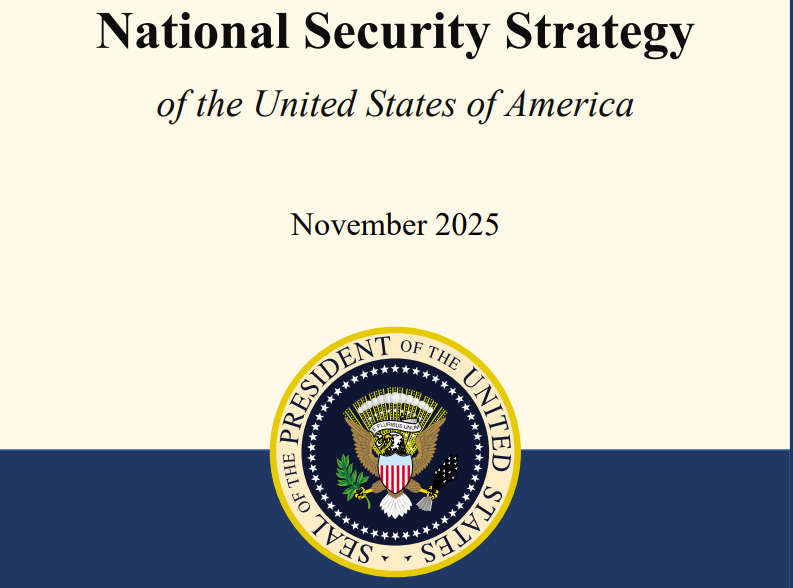
The White House has released an updated national security strategy that pointedly refers to Russia’s invasion as “the Ukraine war” and urges Washington to prevent “the reality of NATO as a perpetually expanding alliance,” a shift that is drawing close scrutiny in Europe.
Notably, the document avoids the phrase “Russian aggression” and instead uses the more neutral “Ukraine war,” a framing that contrasts with how most European governments describe the conflict.
The strategy, published on Dec. 5, outlines several foreign-policy objectives, including negotiating what it calls an “expeditious cessation of hostilities in Ukraine” and reducing the risk of a wider Russian confrontation with European states.
It also argues that many Europeans see Russia as an “existential threat” and says any long-term settlement between Europe and Moscow will require sustained U.S. diplomacy. The strategy also includes criticism of the European Union, citing what it calls “censorship of free speech and suppression of political opposition.”
SOURCESymbolic number of the Day
Share the page
Russian invasion causes over 6 trillion hryvnias in environmental damage, Ukraine says. Russia’s full-scale invasion has inflicted more than 6.01 trillion hryvnias (about $152 billion) in environmental damage across Ukraine, according to new government data – a level officials say is unprecedented in modern European history. Ukraine’s Economy Ministry released the figures on Dec. 5, citing calculations by the State Environmental Inspectorate.
The losses span nearly every part of the country’s natural systems: an estimated 1.29 trillion hryvnias ($33 billion) in damage to soil, 967 billion hryvnias ($24 billion) to air quality, and 117.8 billion hryvnias ($3 billion) from polluted or contaminated waterways. The largest share – 3.63 trillion hryvnias ($92 billion) – reflects destruction inside protected natural areas.
SOURCEWar in Pictures
 Share the page
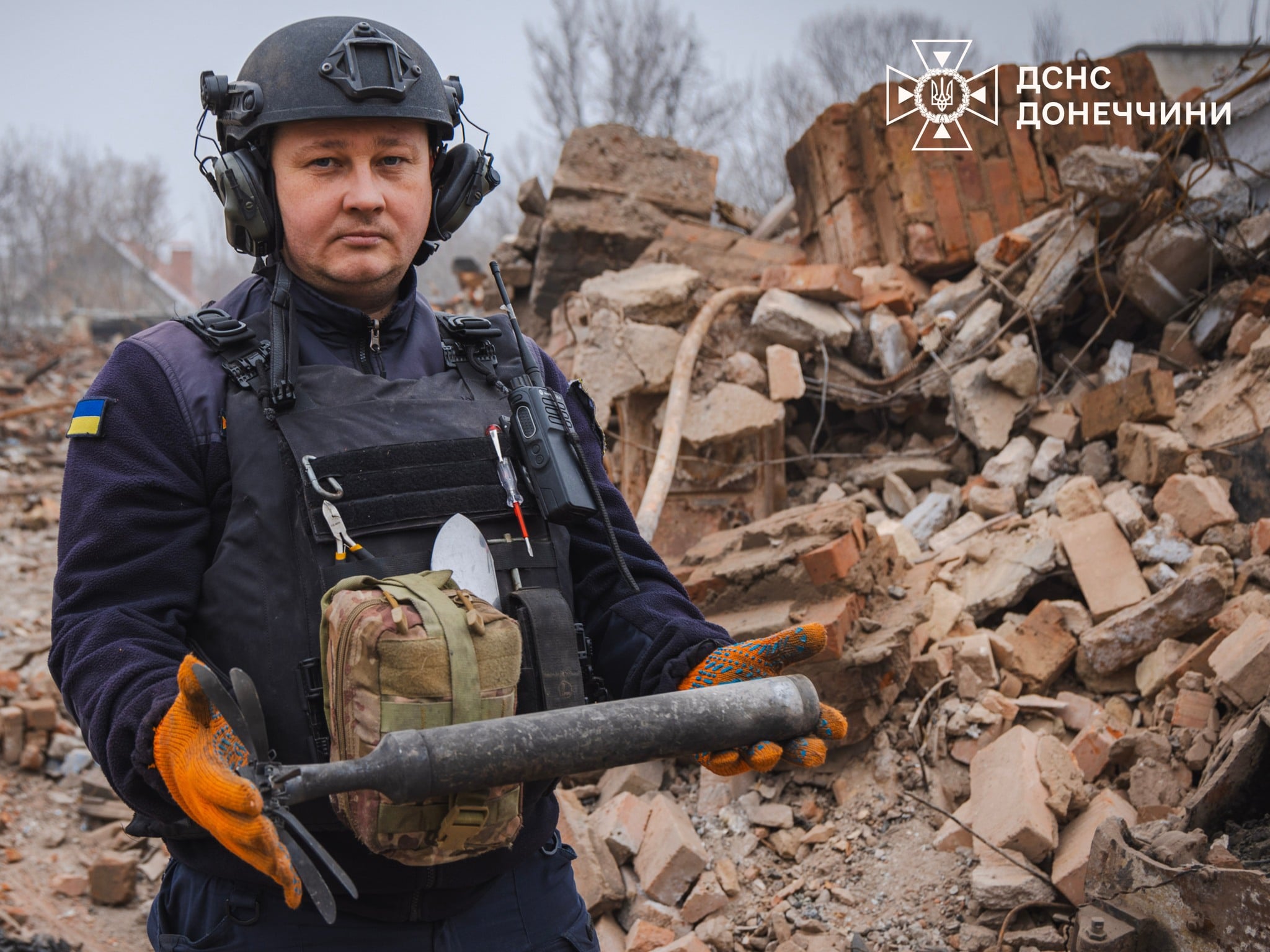
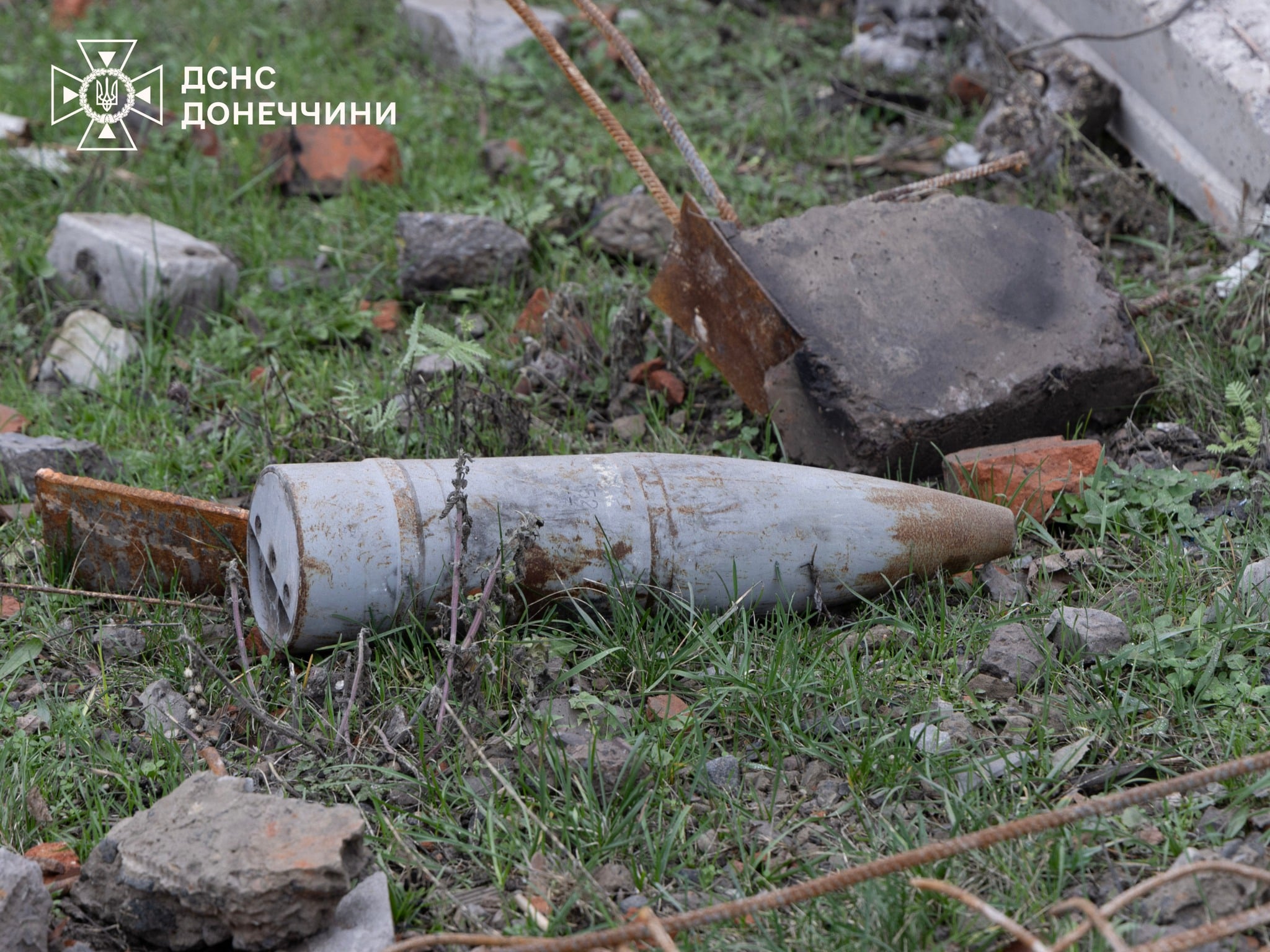
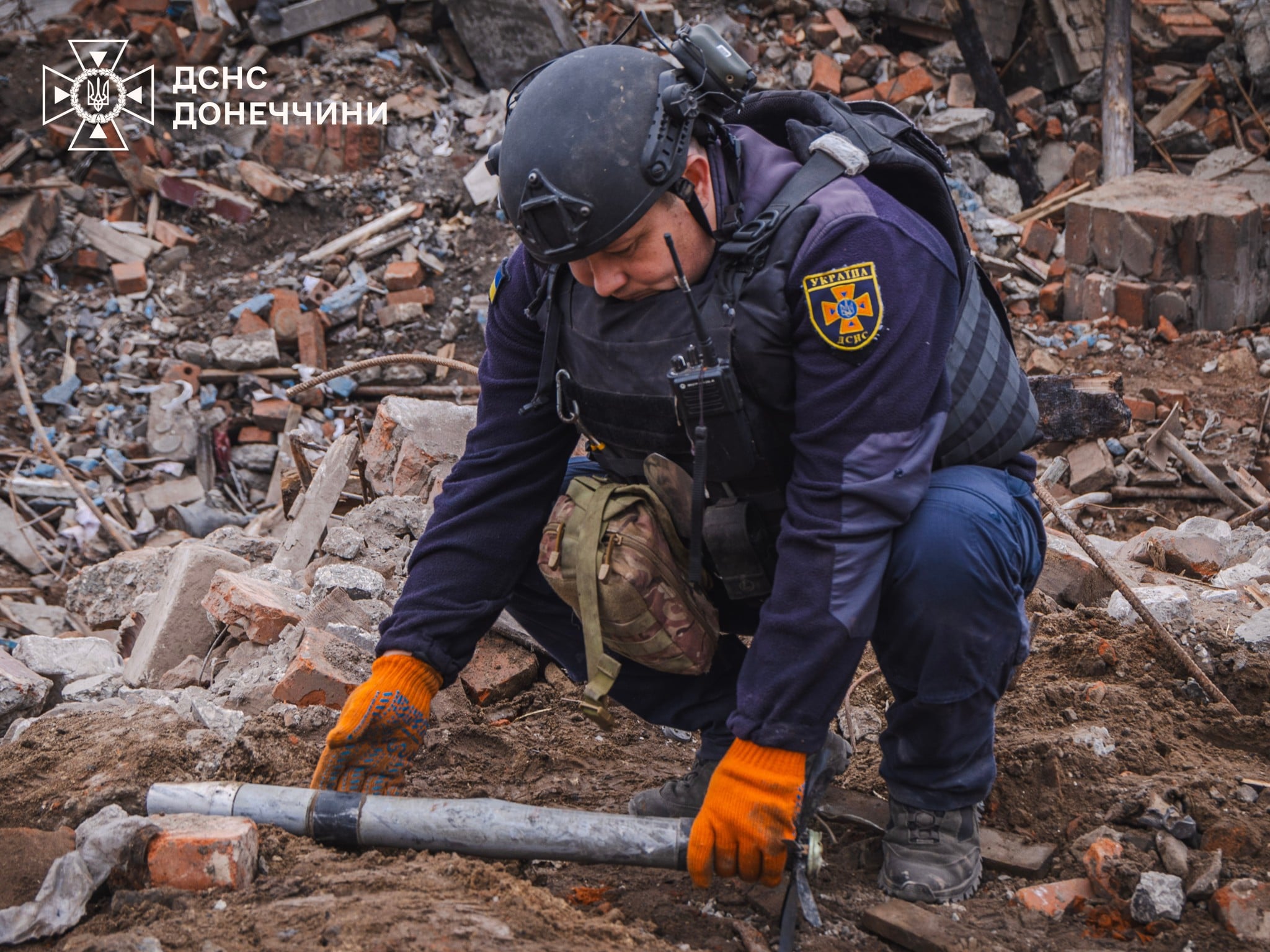
Ukraine’s bomb disposal teams clear over 100 explosives in Donetsk region. Ukrainian emergency crews have removed and destroyed more than 100 explosive items in the easternmost Donetsk region since the start of the week, according to the State Emergency Service. The finds included artillery shells, mortar rounds and other ordnances left behind by ongoing fighting in the east.
Bomb disposal specialists worked across the Kramatorsk and Pokrovsk districts, inspecting roughly 9.68 hectares (about 24 acres) of land suspected of being contaminated. Each device was safely retrieved and destroyed under controlled conditions.
SOURCEVideo of the Day
Share the page
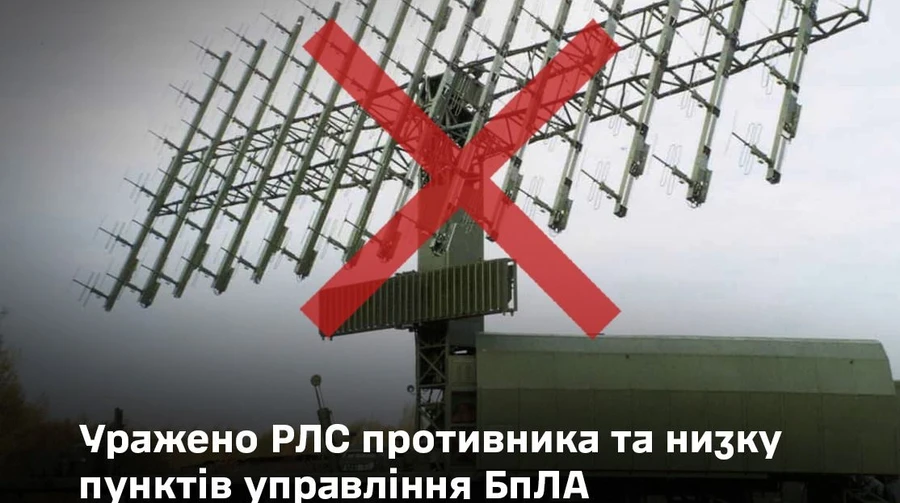
Ukraine’s Ghost unit strikes Russian military assets across occupied Crimea. A Ukrainian special-operations drone unit known as the Ghosts has carried out a string of precision strikes against Russian military infrastructure across the occupied Crimean Peninsula, according to Ukraine’s military intelligence agency.
The agency said that over the past two weeks the unit conducted eight successful hits deep behind Russian lines. Their drones eliminated a range of high-value assets, including a Su-24 frontline bomber, an Orion unmanned aircraft, and a radar array protected inside a radio-transparent dome. They also destroyed a 39N6 Kasta-2E2 radar, two 48Ya6-K1 Podlyot radars used for low-altitude detection, as well as a military freight train and a Ural transport truck. The strikes caused about $100 million in damage to Russia’s military assets.
SOURCEInstitute for the Study of War (ISW) report
 Share the page
Key Takeaways
- Kremlin ruler Vladimir Putin reiterated his commitment to his original war aims from 2021 and 2022 and unwillingness to compromise during an interview with Indian media – likely as part of the Kremlin’s efforts to shape the international information space during the ongoing negotiations process.
- Other Kremlin officials continued to publicly display their commitment to Putin’s original war aims.
- The Kremlin is setting conditions to frame any future agreement to not attack and seize Odesa and Mykolaiv cities as an alleged Russian “concession” in peace negotiations, even though Russia is currently incapable of seizing these cities.
- ISW has not observed evidence to suggest that Russian forces have encircled Myrnohrad (east of Pokrovsk) as some Ukrainian sources continue to indicate that Ukrainian forces maintain limited ground lines of communication (GLOCs) into Pokrovsk and Myrnohrad.
- Russia appears to have launched a new cognitive warfare campaign aimed at spreading narratives about Russian preparations for an offensive on Chernihiv City against the backdrop of the ongoing peace negotiations.
- Ukrainian forces recently advanced near Oleksandrivka and Hulyaipole. Russian forces recently advanced near Velykyi Burluk, Kupyansk, Lyman, Siversk, Novopavlivka in the Kostyantynivka-Druzhkivka tactical area.
Latest news
Share the page
- EU foreign policy chief: Over past 100 years, Russia has invaded 19 countries that never attacked it
- Bloomberg: US tried to dissuade EU from using Russian assets for Ukraine
- DeepState: Russians advance near three villages in Donetsk Oblast
- The Times: UK and EU seek to provide Ukraine with €90 billion in frozen Russian assets
- Bundestag approves military service reform
- Slovenia allocates €43m for weapons procurement for Ukraine
- American weapons for Ukraine initiative now lists 21 participating countries
- Kremlin negotiator mocks Merz‘s in a leaked conversation between European leaders
- WSJ: Europe warns Zelenskyy against making concessions to Russia without firm US security guarantees
- Russia accuses West of preparing for armed confrontation with Moscow
- Melania Trump says seven children abducted by Russia have been brought back to Ukraine
Share the page