

EU approves 90 billion euro loan for Ukraine, sidestepping frozen Russian assets


 Share the page
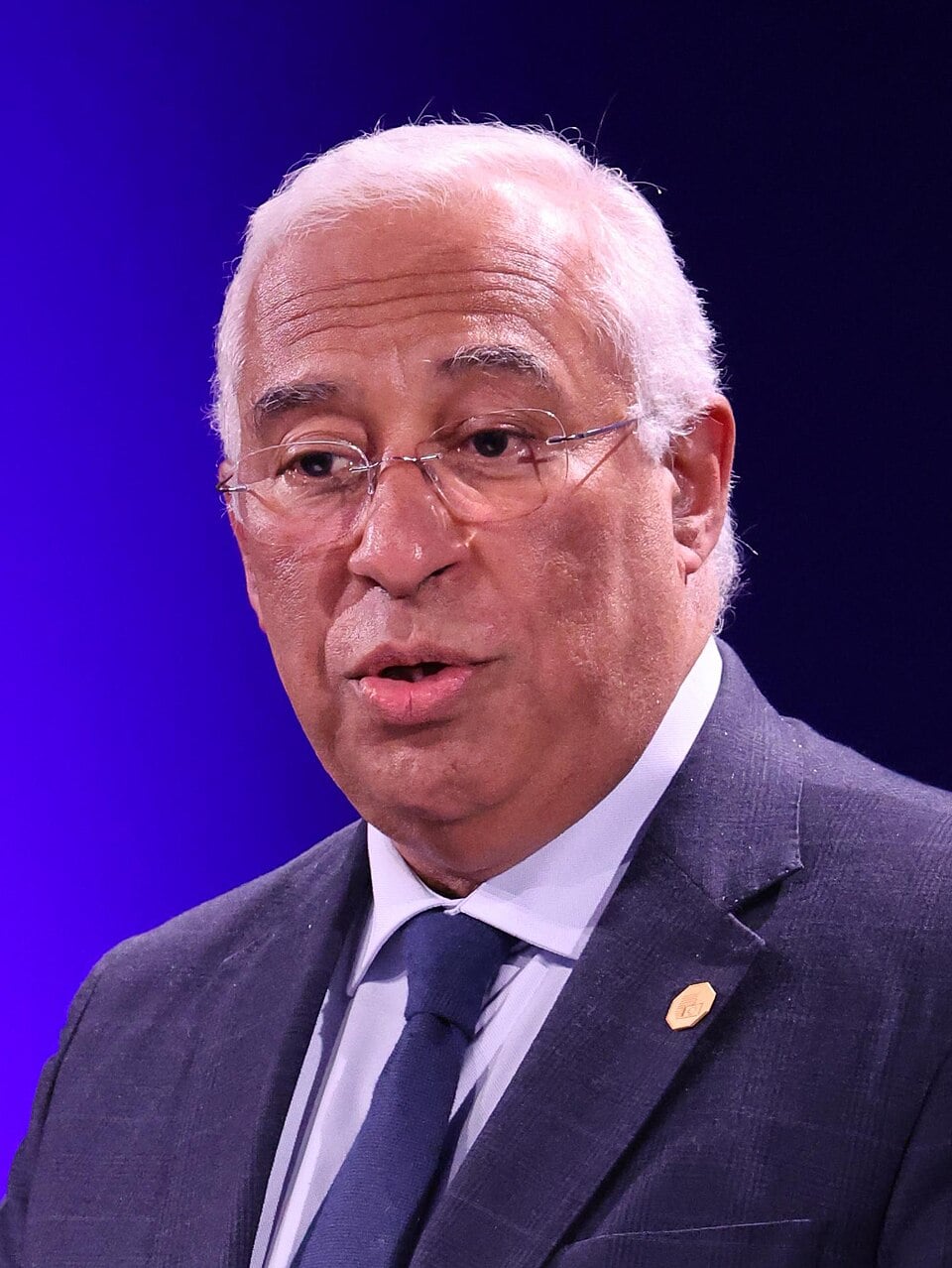
The European Union has approved a decision to provide Ukraine with 90 billion euros ($98 billion) in support through a jointly backed EU loan, underscoring the bloc’s long-term commitment as Russia’s war against Ukraine stretches into a fourth year.
European Council President António Costa said the package covers 2026–2027 and required unanimous support from all member states, a hurdle that had delayed agreement amid intense internal debates over how best to finance Ukraine’s needs.
The decision abandons a previously discussed “reparations loan” model and, for now, and avoids tapping frozen Russian sovereign assets, an option for which some EU governments had pushed but which remains legally and politically contentious. Instead, the bloc will rely on collective EU borrowing, spreading financial risk across member states.
German Chancellor Friedrich Merz said part of the funding will be directed toward Ukraine’s military requirements, with the remainder supporting the state budget as Kyiv struggles to maintain basic public services under sustained wartime pressure. He argued the package is sufficient to cover Ukraine’s military and fiscal needs for the next two years.
Ukraine was slated to run out of money by mid-2026.
Merz called the agreement a clear signal to Moscow, saying Kremlin ruler Vladimir Putin would only consider concessions once it becomes evident that the war delivers no strategic or economic gains for Russia.
SOURCESymbolic number of the Day
Share the page
Ukraine receives more than 1,000 bodies that Russia says are killed soldiers. Ukraine has received the bodies of 1,003 people that Russia claims are Ukrainian service personnel, marking one of the largest such transfers since Moscow launched its full-scale invasion.
The Coordination Headquarters for the Treatment of Prisoners of War said investigators and forensic experts from Ukraine’s Interior Ministry will now begin identification procedures, including examinations and DNA testing. Officials cautioned that the process will take time, as each case must be verified individually to confirm identities.
The repatriation was carried out through coordinated efforts that involved Ukraine’s military, the Security Service, emergency services and agencies responsible for missing persons.
The International Committee of the Red Cross assisted in facilitating the transfer, Ukrainian officials said. Russian state media reported the handover was conducted under earlier agreements that were reached in Istanbul and claimed Moscow received 26 bodies of Russian soldiers in return.
Ukrainian authorities stressed that identity confirmation is critical, noting that Russia has previously provided incomplete or inaccurate information during similar exchanges.
SOURCEWar in Pictures
 Share the page
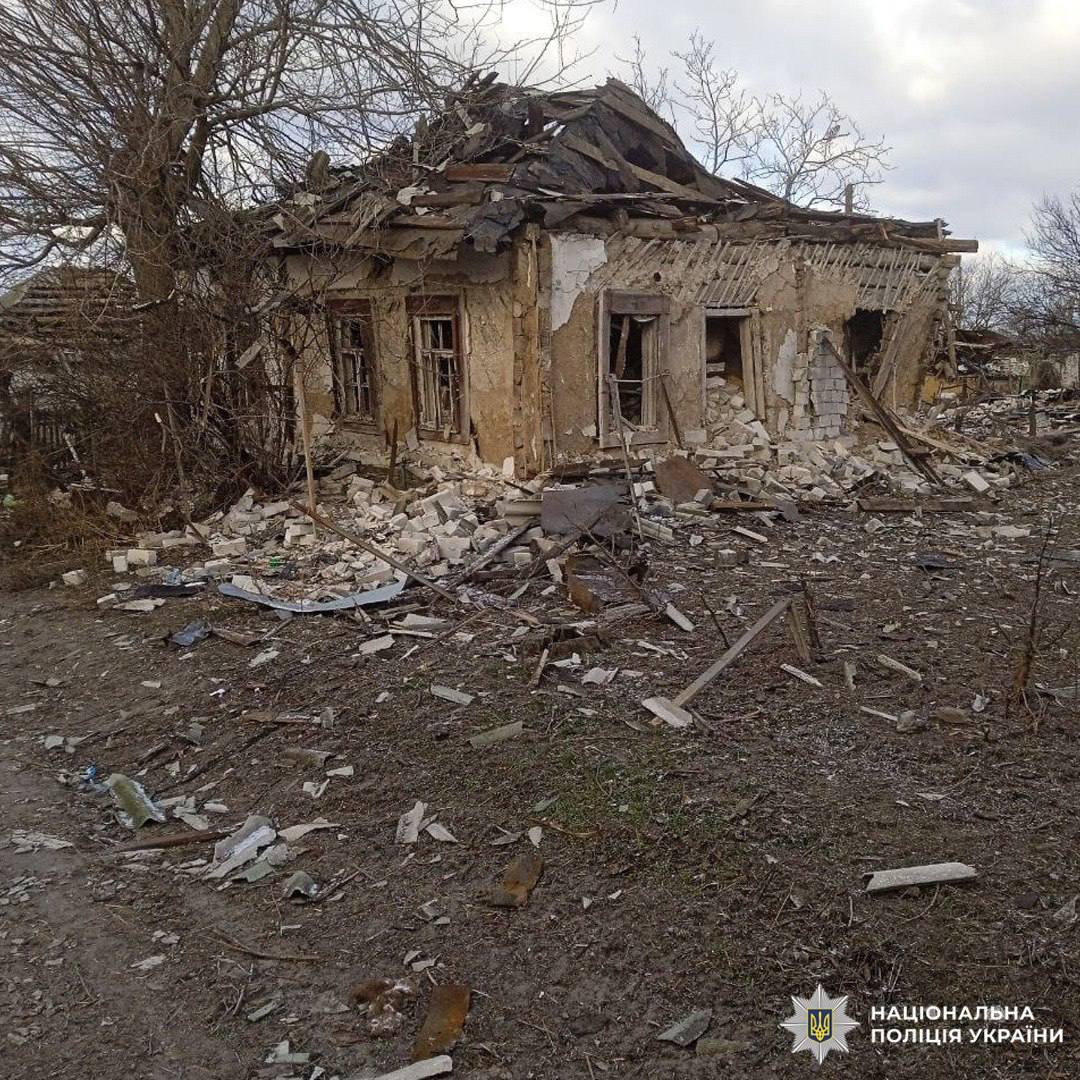
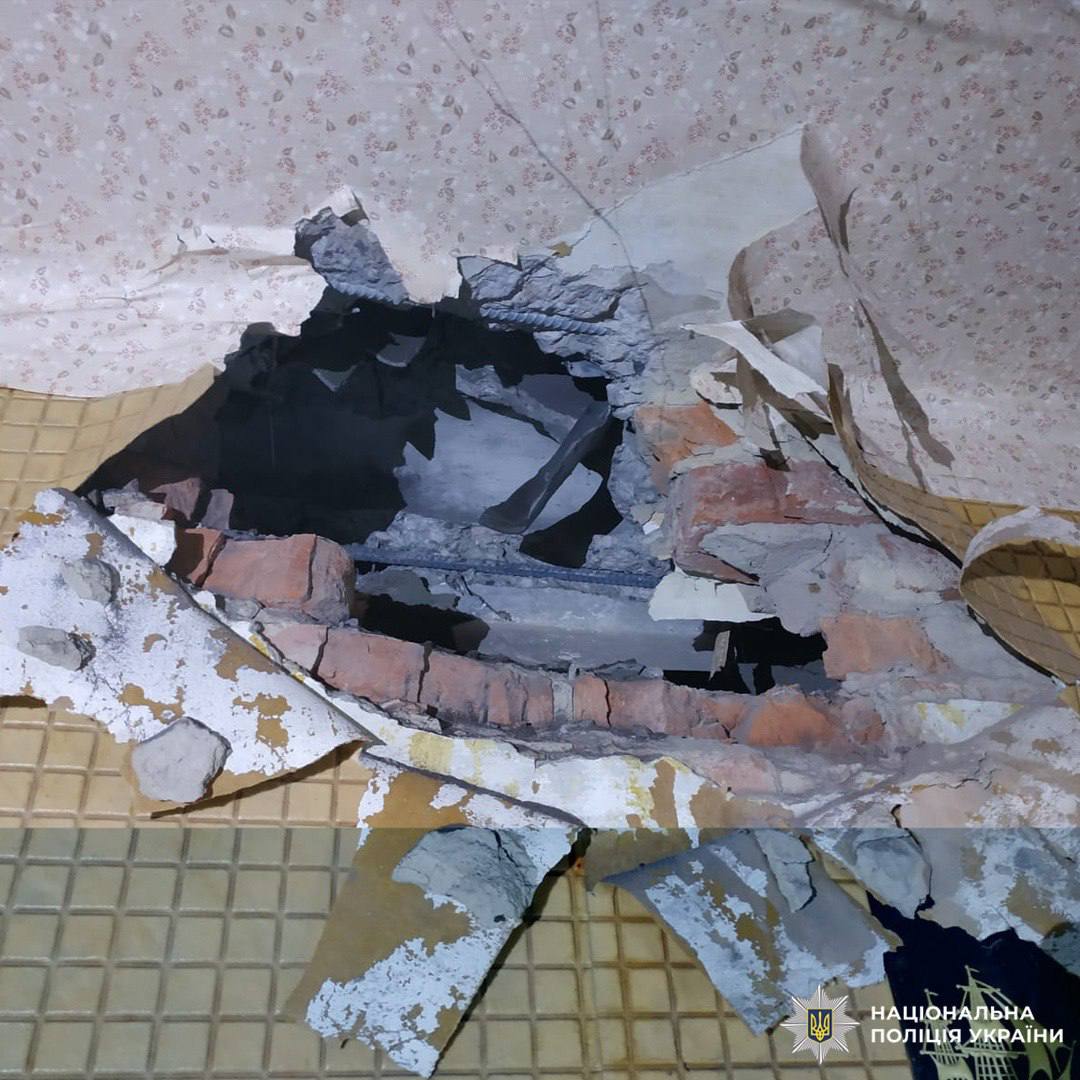
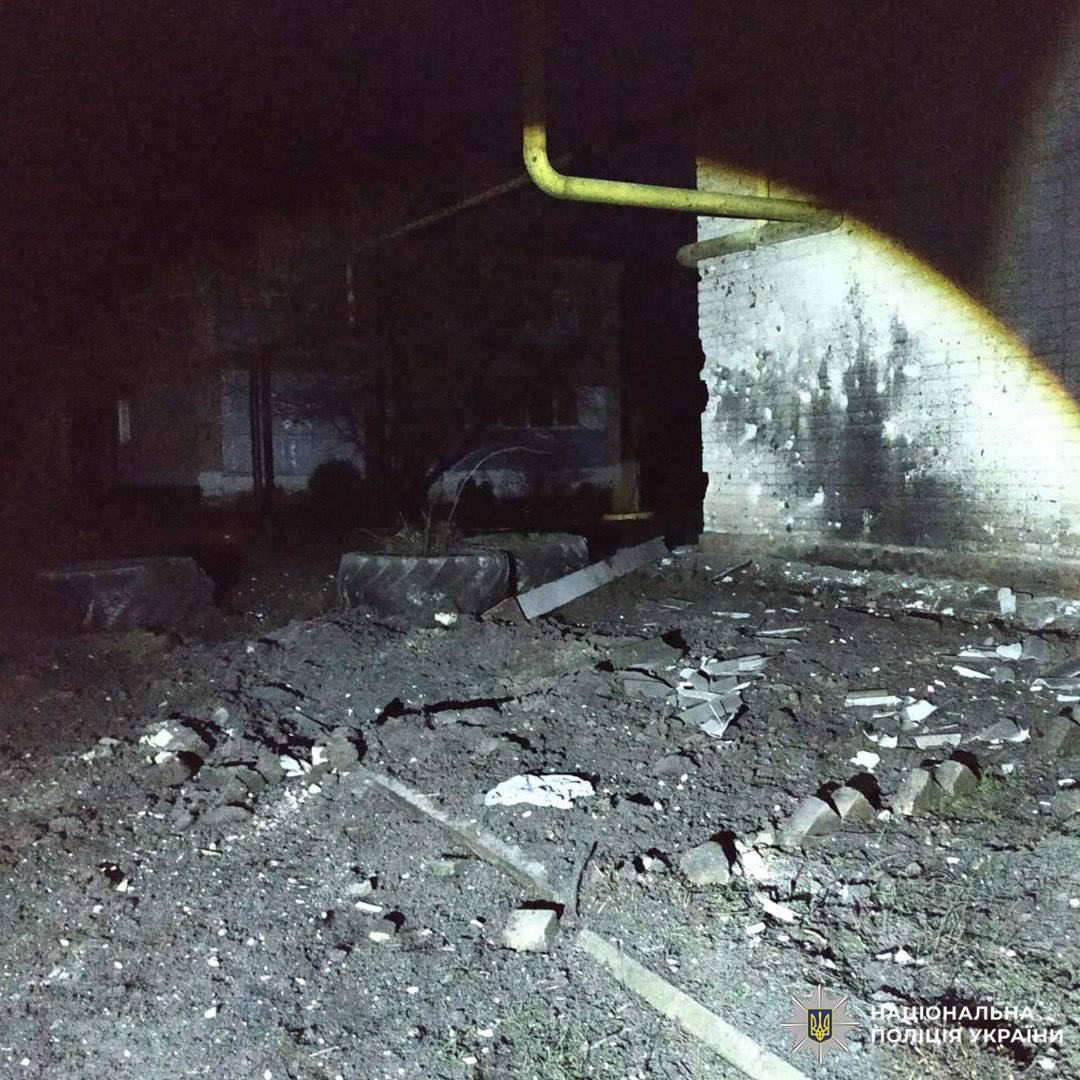
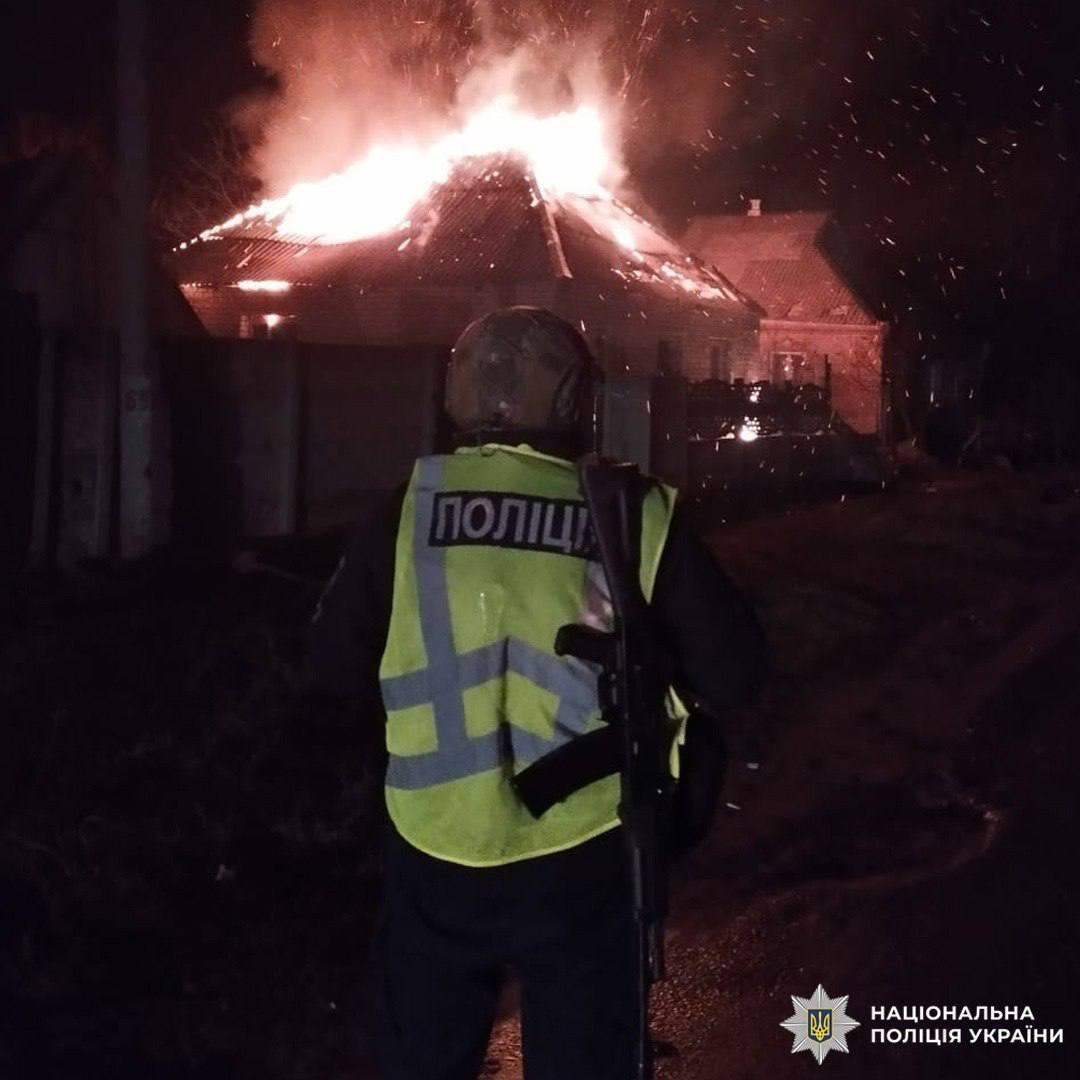
Russian strikes kill two civilians in Kharkiv region, several injured. Russian attacks across Ukraine’s northeastern Kharkiv region killed two civilians and injured at least seven others, Ukrainian officials said, as communities near the front line continue to face daily fire.
Ukraine’s Interior Ministry said Russian aircraft dropped munitions on the village of Blahodatnivka, killing a 22-year-old man and injuring five others, including two women and three men. The strike damaged single-family homes and left debris scattered across streets where residents had been going about ordinary routines just moments earlier.
In a separate attack, a Russian first-person (FPV) view drone struck the village of Osynove, killing a 47-year-old man. Another FPV drone later hit a civilian car near Pisky-Radkivski while it was driving on a side road. The driver and a passenger suffered serious injuries and were hospitalized.
SOURCEVideo of the Day
Share the page
Ukraine says it strikes Russian shadow fleet tanker in Mediterranean Sea. In a historical first, Ukraine’s Security Service says it has struck a Russian oil tanker that is used to bypass Western sanctions in the neutral waters of the Mediterranean Sea, carrying out one of Kyiv’s longest-range operations since Russia launched its full-scale invasion.
A source at the agency said Ukrainian aerial drones hit the Qendil tanker more than 1,240 miles (about 2,000 kilometers) from Ukraine. The vessel is described as part of Russia’s covert fleet, a network of aging tankers that operate under opaque ownership to move oil and generate revenue despite international restrictive measures.
The tanker was empty at the time of the strike, the source said, posing no environmental risk. The attack caused critical damage and left the ship unable to operate. Video of the strike was shared with Ukrainian media and on various social media platforms.
The source said that the vessel was used to help finance Russia’s war effort and called it a lawful military target under international law.
SOURCEInstitute for the Study of War (ISW) report
 Share the page
Key Takeaways
- Kremlin ruler Vladimir Putin and Russian Chief of the General Staff Army General Valery Gerasimov continue to publicly demonstrate their commitment to achieving Russia’s original war aims while exaggerating Russian battlefield gains.
- Ukrainian President Volodymyr Zelenskyy continues to signal his commitment to compromise in negotiations as high-ranking Kremlin officials continue to publicly and explicitly reject significant points of the peace plan currently under discussion.
- Three Russian border guards briefly crossed for 20 minutes into Estonian territory on December 17.
- Ukrainian forces recently advanced near Siversk and Pokrovsk. Russian forces recently advanced near Hulyaipole and in the Kostyantynivka-Druzhkivka tactical area.
Latest news
Share the page
- US Treasury Department lifts sanctions on several companies that supplied equipment to Russia’s military industry
- Trump signs US defense budget providing aid for Ukraine
- UN General Assembly adopts resolution on Russia’s human rights violations in occupied territories of Ukraine
- Ukrainian forces capture two Colombians sent to front by Russians under false pretences
- Macron says Europe must find way to interact with Putin
Share the page