

Coalition plans Paris hub to bolster Ukraine’s security guarantees



 Share the page
Leaders of the Coalition of the Willing, a group of countries that are committed to supporting Ukraine militarily and politically in the face of Russian aggression, are moving to create a a joint security coordination center in Paris to manage long-term guarantees for Ukraine, bringing together the United States, Ukraine and European partners as the war with Russia continues.
A draft declaration discussed at a coalition meeting on Jan. 6 envisions the center operating from the coalition’s existing Paris headquarters. Its role would be practical: coordinate military aid, plan deference measures, and prepare Ukraine’s security needs after the Russo-Ukrainian war.
The draft declaration, titled “Robust security guarantees for a solid and lasting peace in Ukraine,” reflects a shared view among Western allies that credible, enforceable guarantees are essential to prevent renewed Russian aggression. Participants argue that without such mechanisms, any future ceasefire or peace deal would remain fragile.
The planned move signals deeper coordination between Washington, Kyiv and European capitals as the conflict enters another year. With no clear end in sight, coalition leaders say building a durable security framework for Ukraine is no longer a theoretical discussion but an urgent requirement shaped by hard lessons from the war.
SOURCESymbolic number of the Day
Share the page
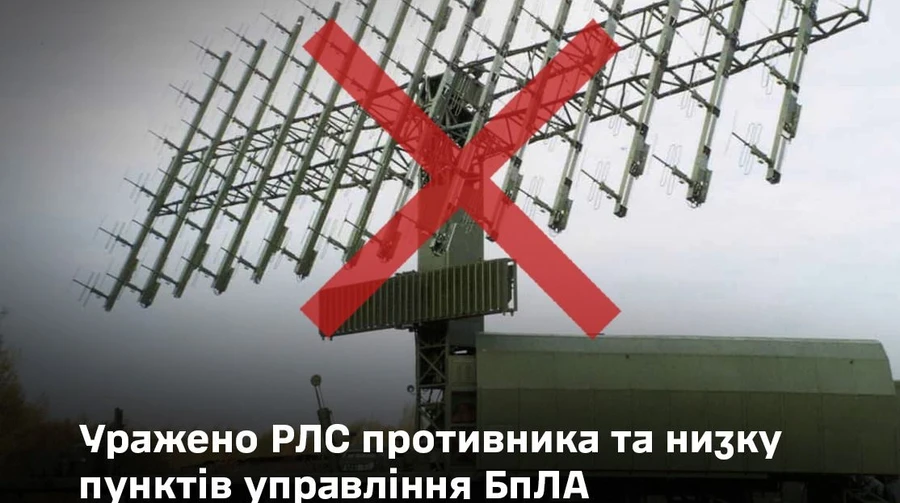
Ukraine sets monthly record in December for drone strikes on Russian air defenses. Ukraine struck a record number of Russian air defense and radar systems with drones in December, signifying how central unmanned warfare has become in Kyiv’s fight against Moscow’s invasion.
Ukrainian Deputy Prime Minister and Minister of Digital Transformation Mykhailo Fedorov said Ukrainian drones hit 128 Russian air defense installations and radar stations over the course of the month, the highest total recorded since the full-blown war began.
Overall, drones struck nearly 106,900 targets in December, indicating a 31 percent increase compared to the previous month. Fedorov said drone operations also killed about 33,000 Russian troops in the same month, continuing a steady rise in losses driven by expanded use of unmanned systems. Ukrainian forces increasingly rely on drones to blind Russian surveillance, punch gaps in air defenses and disrupt logistics and command nodes far behind the front line.
SOURCEWar in Pictures
 Share the page
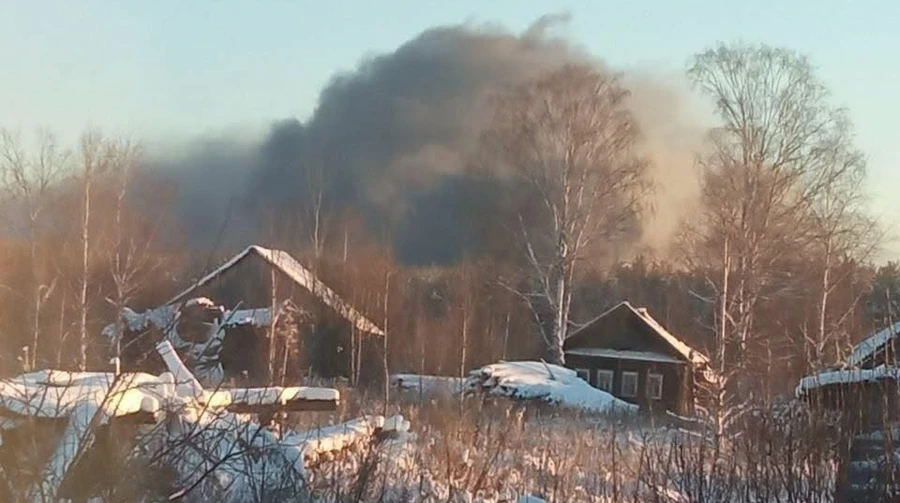
Ukrainian drones strike Russian missile arsenal and fuel depot inside Russia. Ukraine’s Security Service (SBU) drones targeted a Russian missile and artillery arsenal and a fuel storage facility deep inside Russia overnight on Jan. 6, exemplifying Kyiv’s expanding long-range campaign against Moscow’s war infrastructure.
The operation struck Arsenal No. 100, a major facility of Russia’s Main Missile and Artillery Directorate in the Kostroma region. The strike triggered secondary detonations that burned for hours, forcing local authorities to evacuate nearby population centers.
The arsenal is a critical hub that supplies ammunition to depots that support Russian forces along western and central sections of the front in Ukraine.
In a separate strike, drones struck the Gerkon Plus fuel depot in the cross-border neighboring Lipetsk region, igniting a large fire. The facility supplies fuel not only locally but also to neighboring regions that support Russian military logistics. Russian officials confirmed incidents in both regions without naming the targets.
SOURCEVideo of the Day
Share the page
Ukrainian drones halt Russian quad bike assault near Yampil in eastern Donetsk region. Ukrainian forces used drones to stop a Russian assault group that attempted to advance on quad bikes toward the village of Yampil in eastern Ukraine, turning harsh winter weather into a failed gamble for the attackers, Ukraine’s Ground Forces said.
According to Ukrainian officials, Russian troops moved during heavy snowfall and strong winds, hoping for poor visibility would ground reconnaissance drones and let them pass undetected. Instead, drone operators from the SIGNUM battalion detected the group on a road leading to Yampil and moved and quickly engaged.
Military footage shows drones striking the quad bikes one by one as they raced along the road. The lightweight vehicles, often used for fast infantry assaults, offered little protection. Working in coordinated pairs, the operators tracked the targets and delivered precise hits.
Ukrainian officials said the assault was fully stopped, with Russian personnel eliminated and the vehicles destroyed.
SOURCEInstitute for the Study of War (ISW) report
 Share the page
Key Takeaways
- Russia is modifying its Shahed long-range strike drones to target Ukrainian aircraft as part of a wider effort to innovate and maximize long-range drone capabilities.
- Russian forces struck a hospital in Kyiv City and U.S.-owned enterprise in Dnipropetrovsk Oblast during missile and long-range drone strikes overnight on January 4 to 5.
- Ukrainian President Volodymyr Zelenskyy announced further personnel changes within the Ukrainian government and security services on Jan. 5.
- European authorities are investigating deliberate damage to undersea cables in the Baltic Sea for the second time since Dec. 31.
- Ukrainian forces recently advanced in the Kupyansk direction. Russian forces recently advanced in the Kostyantynivka-Druzhkivka tactical area.
Latest news
Share the page
- Germany sees Russian covert attacks as a prelude to wider conflict
- Germany’s Merz: Ukraine is on brink of humanitarian energy crisis
- Norway could send instructors as part of security guarantees for Ukraine, says prime minister
- Future security guarantees package for Ukraine includes Black Sea dimension
Share the page