

Ukraine’s top general says 2026 will be difficult but army will endure


 Share the page
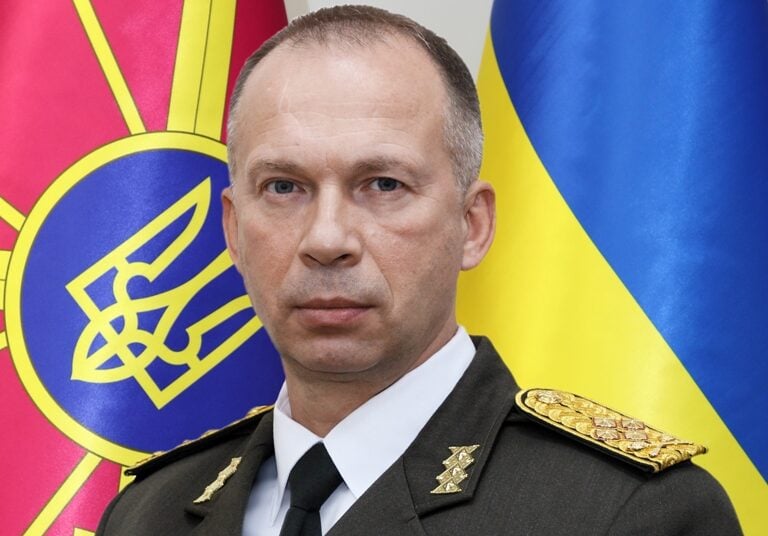
Ukraine’s commander-in-chief said this year will be another difficult year but insisted the armed forces were prepared to overcome both battlefield challenges and Russia’s invasion.
Gen. Oleksandr Syrskyi said that despite the full-scale war, military reforms continued through 2025 to strengthen Ukraine’s defensive posture.
Syrskyi said the armed forces formed 16 corps last year as part of a major structural reform, with a second phase underway to regroup brigades and give each corps its own forces within defined areas. He said Ukraine also sharply expanded drone capabilities, including new unmanned air defense units and a multilayered system to intercept Shahed-type attack drones.
The general said Ukrainian forces struck 719 targets deep inside Russia last year, inflicting an estimated $15 billion in military and economic losses. He added that Russian forces had suffered more than 1.2 million personnel losses by year’s end and said Ukrainian troops would continue the fight.
SOURCESymbolic number of the Day
Share the page
EU lowers price cap on Russian oil. The European Union said it had lowered the price cap on Russian oil to $44.1 per barrel starting on Feb. 1, tightening restrictions aimed at limiting Moscow’s revenue from energy exports during its war against Ukraine. Under an implementing regulation published by the European Commission, a temporary cap of $47.6 per barrel remained in force through Jan. 31.
The EU said a transitional period would run until April 16, allowing payments of $47.6 per barrel under contracts that were signed before Feb. 1. The previous cap had already been reduced from $60 to $47.6 per barrel in September 2025.
The measures were introduced in response to Russia’s continued invasion of Ukraine and were designed to curb oil profits while keeping global supplies stable. Separately, the United Kingdom was reported to be considering using oil seized from vessels linked to Russia’s shadow fleet to help finance military support for Ukraine.
SOURCEWar in Pictures
 Share the page
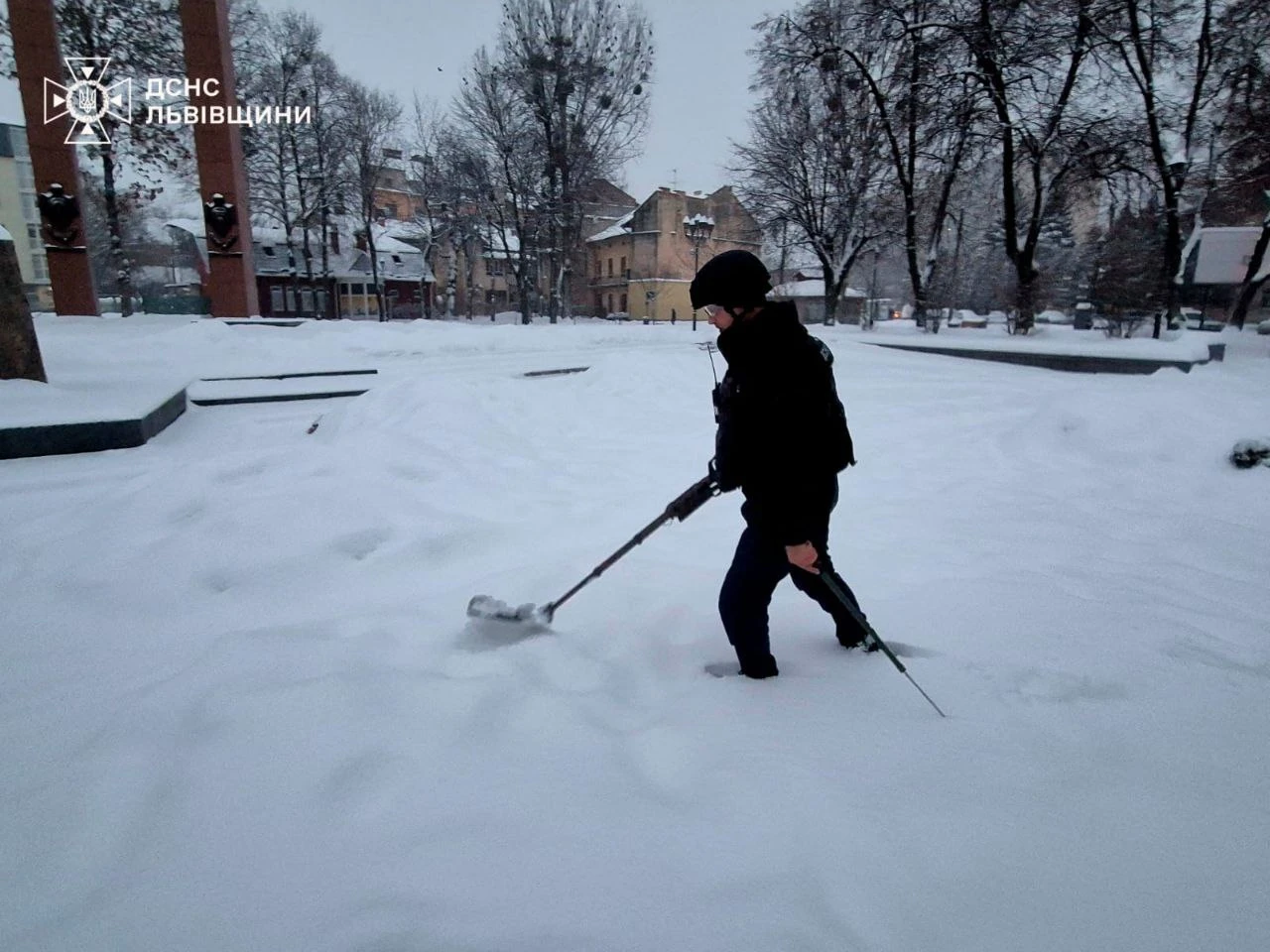
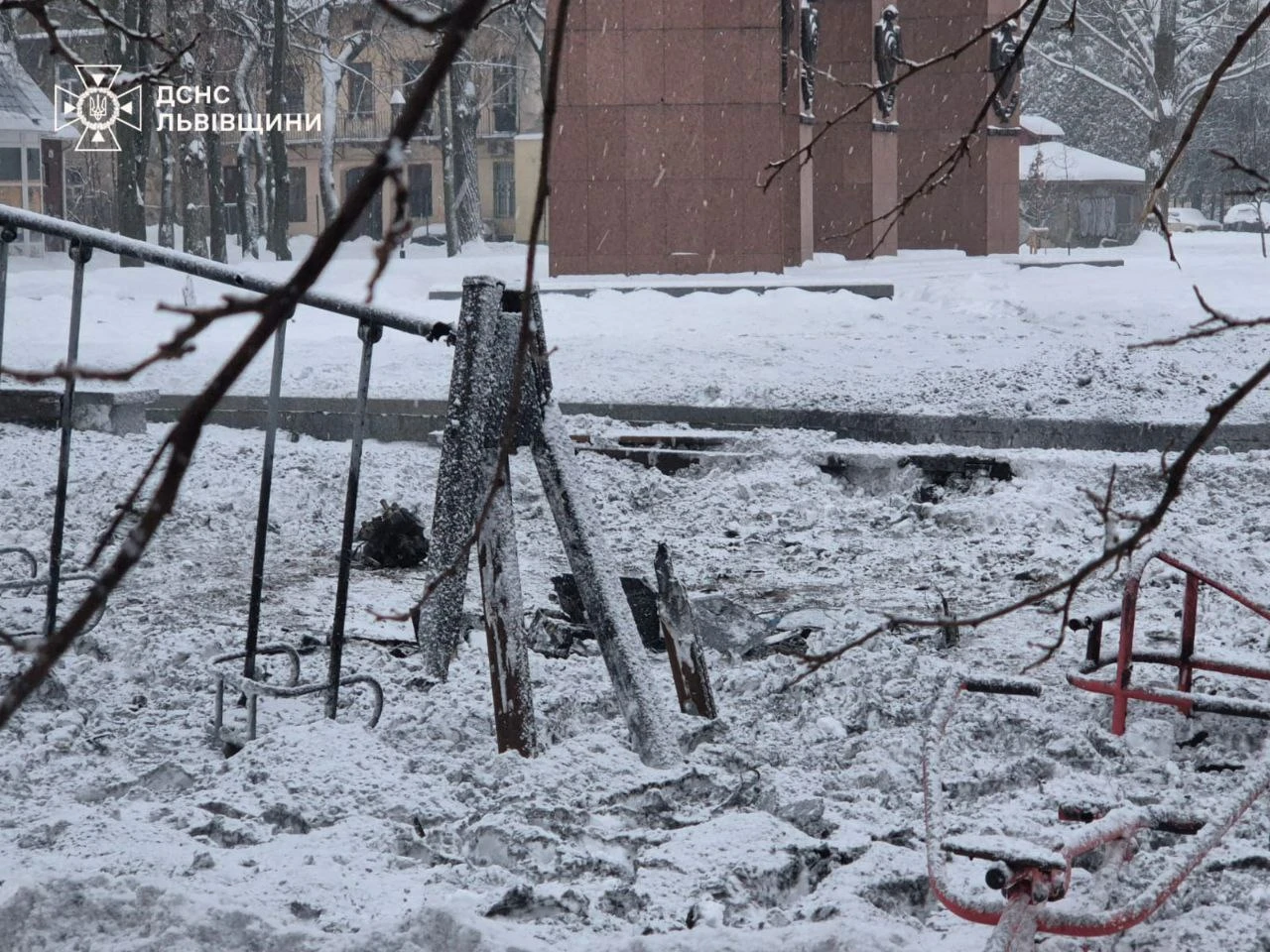
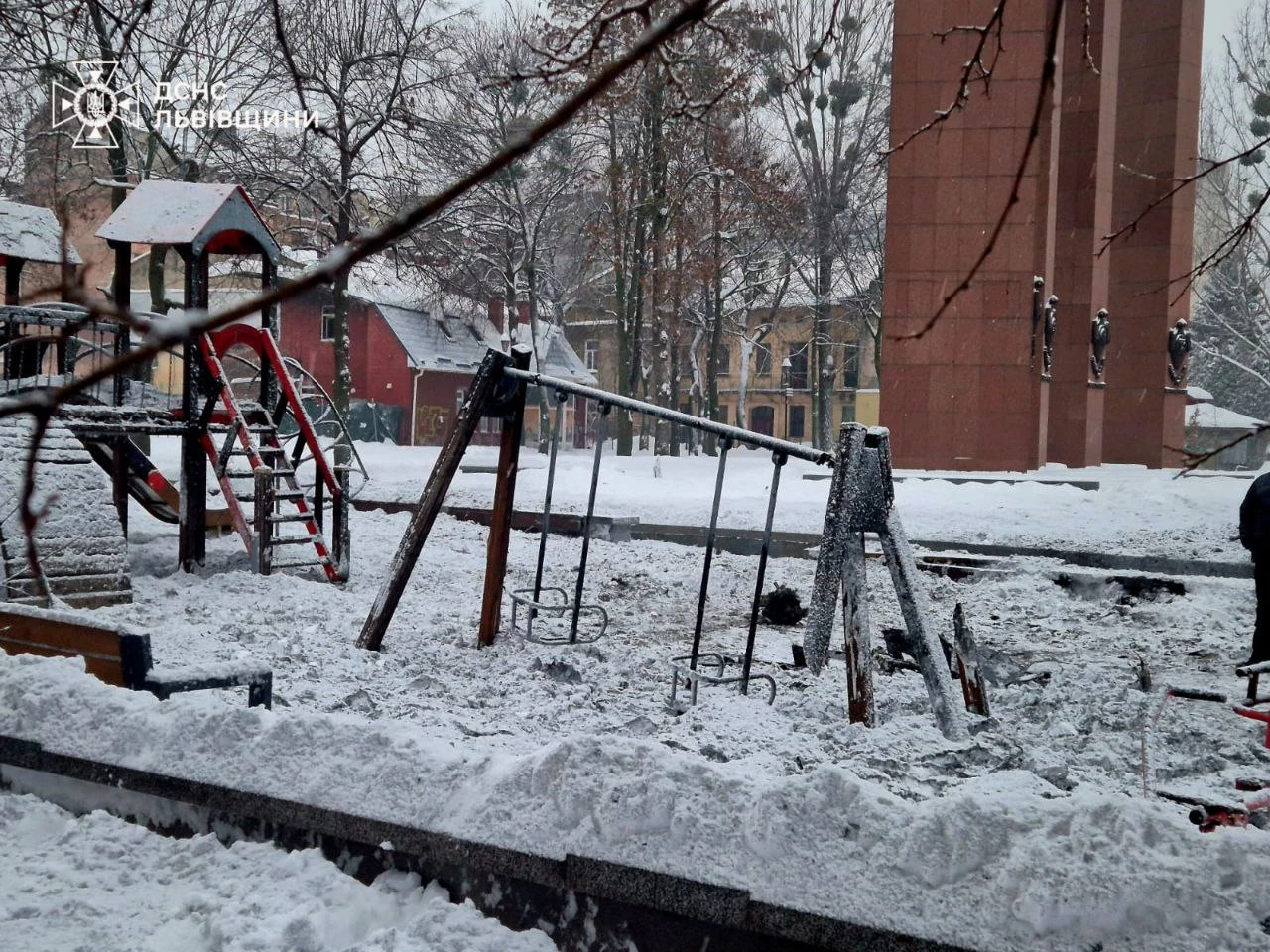
Russian drone strikes playground in central Lviv. A Russian attack drone struck a children’s playground in central Lviv on Jan. 15, sending a blast through a busy neighborhood and shattering windows at nearby buildings, including church, local officials said. The playground stood near a monument to Stepan Bandera, a Ukrainian nationalist leader associated with the mid-20th-century independence movement.
Early reports said there were no serious injuries. Lviv Mayor Andrii Sadovyi said a tractor driver clearing snow nearby was briefly affected by the blast wave but did not require medical care.
The explosion damaged windows at a Lviv Polytechnic University building, nearby apartment blocks and single-family homes, and a shopfront window at the Church of Sts. Olha and Elizabeth, according to Ukraine’s State Emergency Service.
SOURCEVideo of the Day
Share the page
Ukrainian National Guard repels Russian assault north of Kharkiv. Ukraine’s National Guard said its Khartiia Brigade had repelled a Russian assault north of Kharkiv, eliminating about 70 Russian troops during a weeklong push. Video released on Jan. 15 showed Ukrainian drones striking Russian assault groups as they moved across open fields with little cover, a scene commanders described as typical of recent fighting.
The brigade, part of the National Guard’s 2nd Corps, said Russian forces repeatedly tried to break through Ukrainian positions but were stopped by coordinated drone strikes and ground fire. Several assault groups were shown scattered across farmland as drones closed in.
The fighting followed recent Ukrainian gains in the area. On Jan. 12, units from the same corps reported regaining control of a city council building in Kupiansk, a key front-line town east of Kharkiv.
SOURCEInstitute for the Study of War (ISW) report
 Share the page
Key Takeaways
- Russian advances slowed in late December 2025 and early January 2026, likely due to less advantageous winter weather conditions and the end of efforts to meet arbitrary deadlines at the end of the year.
- Russian Foreign Affairs Minister Sergei Lavrov indicated that Russia’s objectives in Ukraine go beyond the territory that is currently under discussion in the latest peace plans to include all of Kharkiv, Dnipropetrovsk, Mykolaiv, and Odesa oblasts.
- Kremlin officials continue to insist that the United States, Ukraine, and Europe accept Russian demands, rejecting recent U.S.-led peace efforts to find compromises to end the war.
- Russian forces are continuing their cognitive warfare campaign that uses small-scale cross-border attacks in previously dormant frontline areas in northern Ukraine to try to convince the West that the frontlines in Ukraine are collapsing.
- Russian forces have still not set conditions for a major ground offensive in northern Sumy or Kharkiv oblasts, however, and ISW continues to assess that these cross-border attacks are not part of a major Russian offensive.
- Russian Foreign Affairs Minister Sergei Lavrov highlighted Russia’s partnerships with Venezuela and Iran on Jan. 14 while criticizing the U.S. President Donald Trump Administration’s recent actions in Venezuela.
- Ukraine’s parliament approved several personnel changes within the Ukrainian government on Jan. 14.
- Polish officials reported that Russia conducted cyberattacks against the Polish energy grid in late December 2025.
- Neither Russian nor Ukrainian forces made confirmed advances on Jan. 14.
Latest news
Share the page
- Reuters: Trump says Zelenskyy, not Putin, is holding up a Ukraine peace deal
- Polish prime ministr in response to Trump’s comments: Russia and not Zelenskyy rejected US peace plan
- SBU: Ukraine labels Russian strikes on energy sector as crimes against humanity
- Russia removes more than 2 million metric tons of grain from Ukraine’s occupied territories in 2025 and sells it abroad
- Charity campaign in Lithuania delivers drones and equipment worth nearly 6 million euros to Ukraine’s armed forces
- Russian drone hits police vehicle evacuating civilians in Kharkiv Oblast
- Ukrainian Raybird reconnaissance drone with hydrogen power system begins use on the front line
Share the page