

Ukraine missile delivery accentuates Western commitment amid air defense strain



 Share the page
Ukrainian President Volodymyr Zelenskyy said Kyiv has received a new package of missiles for its air defense systems on Jan. 16, emphasizing both renewed Western support and the fragility of Ukraine’s ongoing ability to shield its cities from Russian airborne attacks.
Speaking after talks with Czech President Petr Pavel, Zelenskyy said the delivery eased an acute shortage that had left some air defense batteries idle, exposing civilian areas to missile and drone strikes. The replenishment comes as Russia continues a sustained campaign against Ukrainian infrastructure, testing Kyiv’s defenses and the endurance of its partners.
Zelenskyy emphasized that each shipment reflects prolonged negotiations with European allies and the United States, underscoring how Ukraine’s air defense has become a barometer of Western political will. Ukraine now operates a patchwork of Western-supplied systems that were introduced since Russia’s full-scale invasion, which are all dependent on a steady and coordinated flow of interceptors, not only high-profile Patriot missiles.
SOURCESymbolic number of the Day
Share the page
Survey finds most Ukrainians see Russia seeking to ethnically erase nation. Nearly seven in 10 Ukrainians believe Russia seeks to destroy Ukraine as a nation or wipe out its statehood, according to a nationwide survey that was released on Jan. 16 by the Kyiv International Institute of Sociology. The poll found that 69 percent of respondents said Moscow’s goal was either the physical extermination of Ukrainians or the elimination of Ukraine’s national identity and state, up from 66 percent in early 2025.
Another 11 percent of respondents said Russia sought to seize most of Ukraine and install a puppet government, while only 3 percent believed Moscow intended to limit its ambitions to occupying several eastern and southern regions. Overall, 83 percent said Russia’s objectives went far beyond the easternmost Donbas region where the Luhansk and Donetsk regions lie.
Only small minorities said Russia aimed to restrict control to currently occupied territory or pursue its stated goals of “demilitarization” without challenging Ukraine’s sovereignty.
SOURCEWar in Pictures
 Share the page
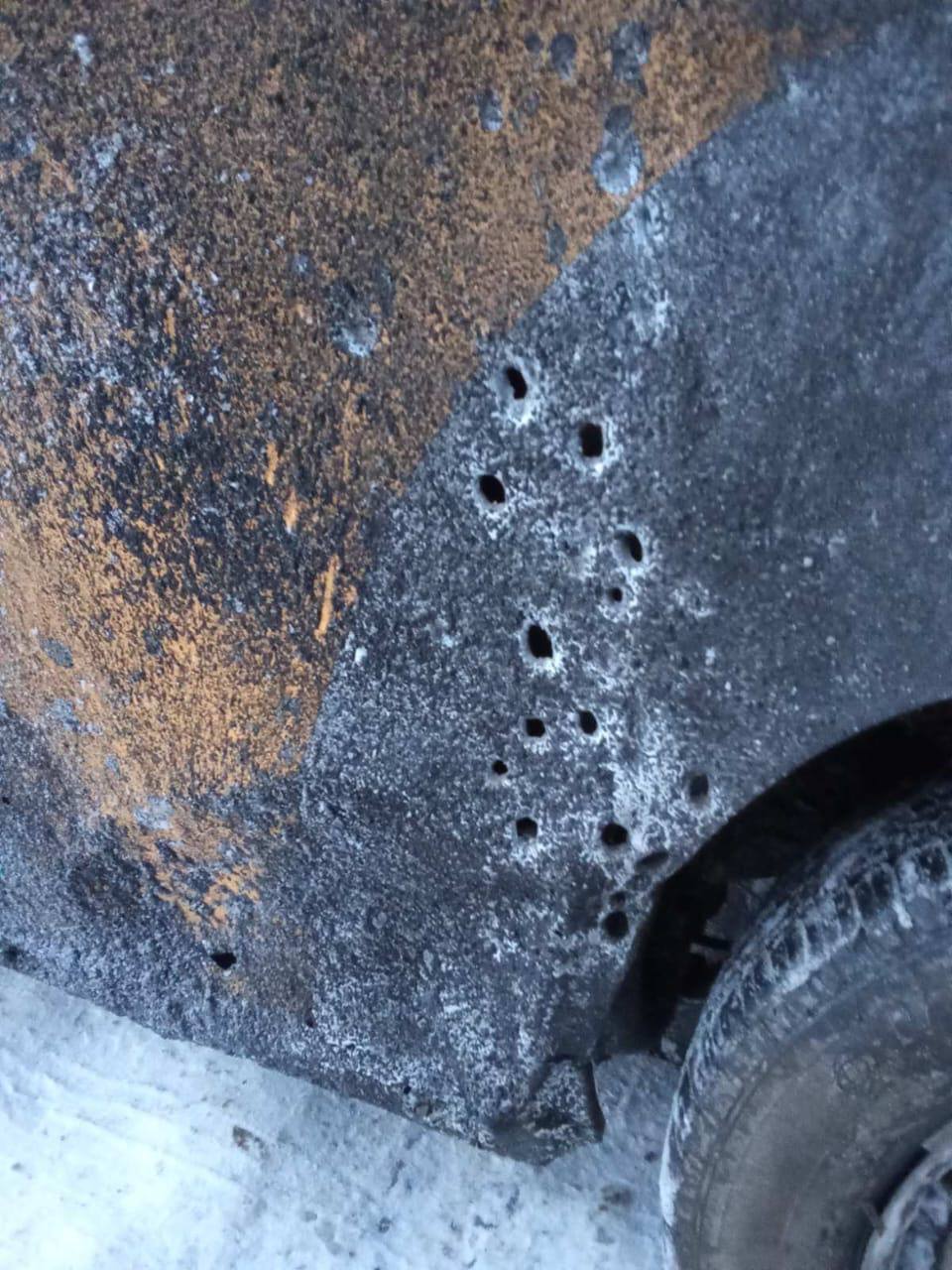
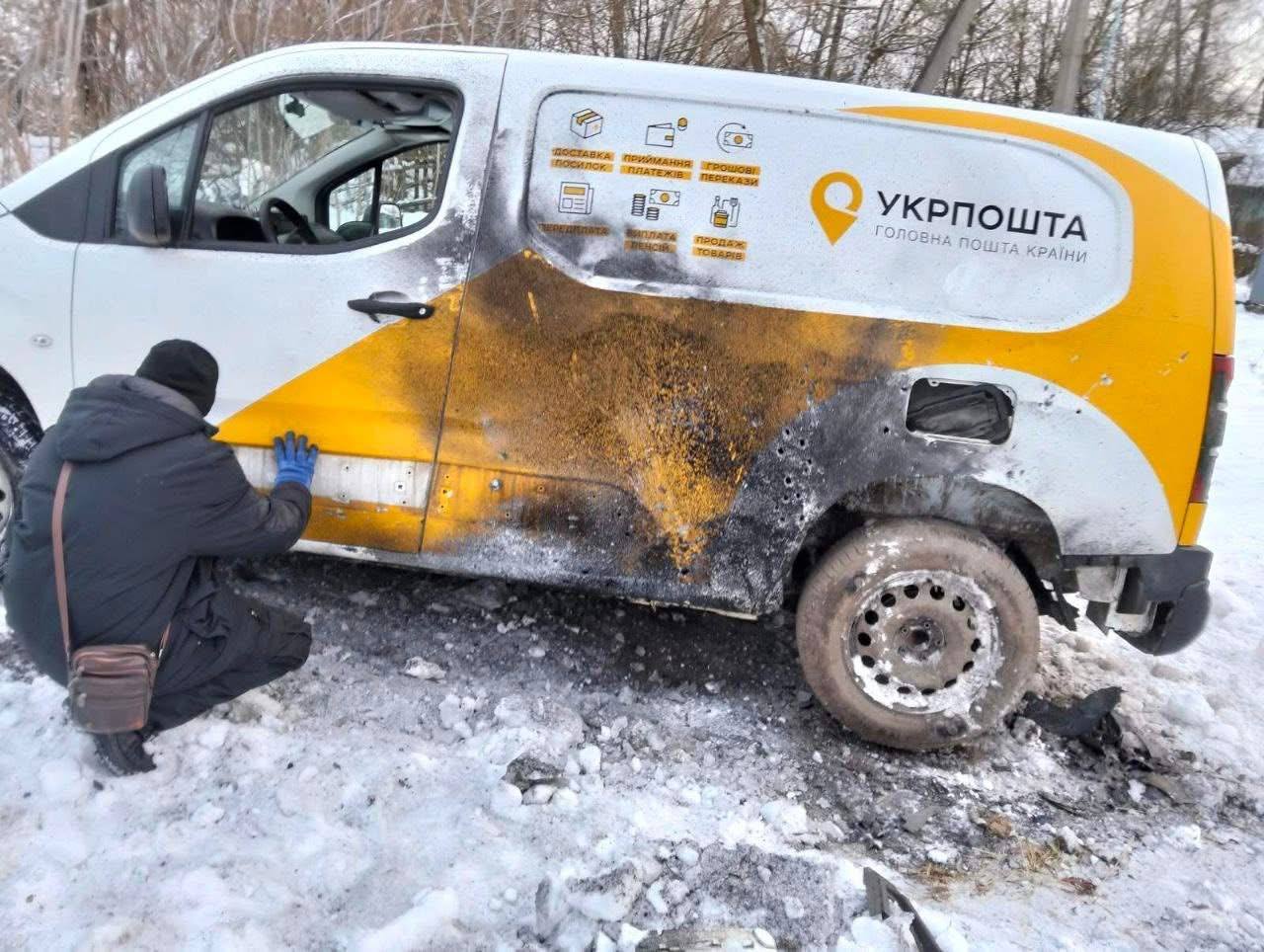
Russian drone strikes Ukrainian postal targets in Sumy, Zaporizhzhia. Russian forces attacked Ukrainian postal infrastructure on Jan. 16, striking a delivery vehicle in the northeastern Sumy region and a post office in the southern Zaporizhzhia region, Ukrainian officials said. State-run Ukrposhta said a drone hit one of its vehicles in Sumy, causing heavy damage but leaving the crew uninjured. Local residents helped stabilize the vehicle, allowing the team to return to base. The company said it was the fifth postal vehicle lost in the region in recent months.
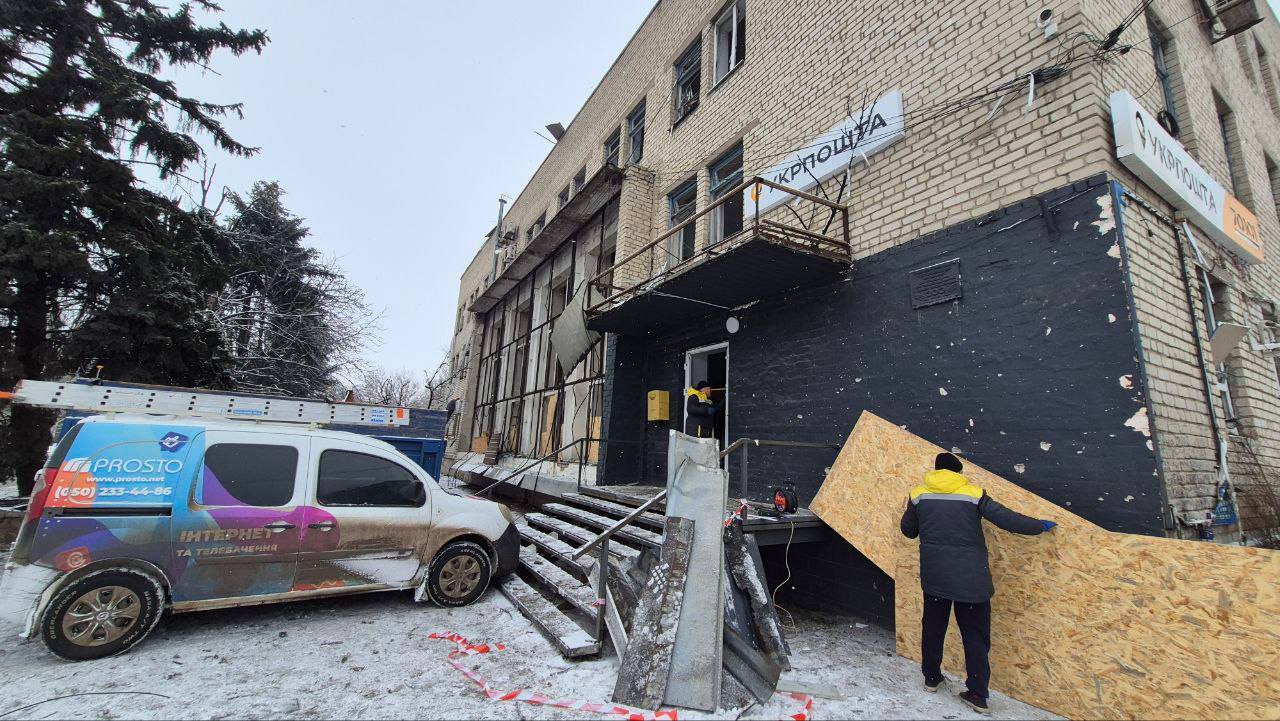
Later that night, Russian forces struck a Ukrposhta branch in the village of Novomykolaivka in the Zaporizhzhia region. The blast shattered all windows and severely damaged the building. Ukrposhta said operations would resume from a temporary location with support from local authorities while a permanent site was sought.
SOURCE
Video of the Day
Share the page
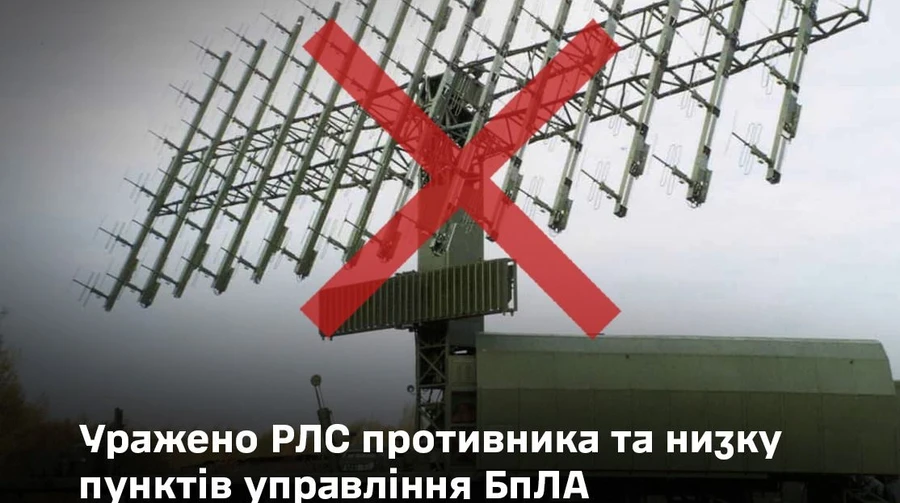
Ukraine confirms destruction of Russian drone assembly workshops. Ukraine’s armed forces said they had confirmed the destruction of several production workshops at a Russian defense plant in the city of Taganrog strike drones are assembled for Moscow’s military. Ukraine’s military said the damaged facility belonged to Atlant Aero, a manufacturer involved in producing Molniya attack-reconnaissance drones and components for Orion unmanned systems.
In a statement released on Jan. 16, the military said multiple workshops at the plant had been destroyed, severely hampering Russia’s ability to manufacture drones that are used in attacks on Ukrainian targets. The assessment followed earlier reports of strikes on industrial facilities in southern Russia tied to weapons production.
SOURCEInstitute for the Study of War (ISW) report
 Share the page
Key Takeaways
- Kremlin ruler Vladimir Putin continues to demonstrate that he will not be satisfied with a peace settlement that only pertains to Ukraine and does not radically restructure NATO.
- The Kremlin continues to forward the false narrative that Ukraine’s defenses are on the verge of collapse, but data on Russian gains since the start of the full-scale invasion demonstrate otherwise.
- Russian General Staff Army General Valery Gerasimov continues to offer demonstrable lies and exaggerations about Russian battlefield gains to forward the Kremlin’s false narrative that a Russian military victory is inevitable.
- The Russian military command remains committed to its false claims that Russian forces have seized Kupyansk, despite ample visual evidence and Ukrainian and Russian reporting to the contrary.
- Gerasimov’s Jan. 15 claims are part of a demonstrated Kremlin pattern of publicly presenting false information about the battlefield. These Kremlin efforts aim to spread the false narrative that a Russian victory in Ukraine is inevitable and to convince Ukraine and the West that Ukraine should accept Russia’s demands now out of fear of future Russian offensives.
- Ukrainian forces recently advanced near Kupyansk, Slovyansk, and in the Kostyantynivka-Druzhkivka tactical area. Russian forces recently advanced near Pokrovsk.
Latest news
Share the page
- UK opposes talks with Putin: No sign he wants peace
- UK foreign minister urges NATO to double efforts to defend Arctic from Russia
- Republican Senator Vicker: Putin is liar who mocks peace process
- Latvia opposes European Union appointment of special negotiator for Russia on Ukraine
- Beijing freezes Russian power imports
- Foreign Intelligence Service: Russia plans large-scale geological exploration in the temporarily occupied Donetsk Region
Share the page