



Volodymyr Kogutyak, UWC Vice President for Western Europe and Association of Ukrainians in France (AUF) Vice President, and Chair of the UWC Advocacy Committee, on the global Ukrainian community’s response to the latest U.S. steps on Russian oil and their implications for Ukraine’s security and the international community.
The U.S. Treasury Department’s March 12 decision to issue a 30-day license for transactions involving Russian oil already at sea sent an alarming signal for the entire global security architecture. This move, along with the March 6 easing of restrictions on Russian resources for Indian refineries, is officially justified by the need to stabilize energy markets amid the U.S.–Israeli operation against Iran.
However, behind Washington’s pragmatic calculations lies a signal that undermines the very essence of sanctions pressure on the aggressor.
The cost of concessions
Attempts to stabilize global energy markets at the cost of sanctions concessions to Russia are a dangerous illusion that ignores the direct correlation between the Kremlin’s oil revenues and the intensity of fighting in Ukraine. These recent decisions set a precedent in which short-term economic expediency outweighs strategic security.
Amid the U.S.–Israeli operation against Iran and instability in the Strait of Hormuz, the White House is trying to prevent a spike in energy prices. However, as noted in a statement by the Ukrainian World Congress (UWC), the expected relief for American consumers did not materialize. Instead, the result was the legitimization of the aggressor’s capital.
President Volodymyr Zelenskyy, during a meeting with Emmanuel Macron in Paris on March 13, clearly outlined the consequences: even this one-time easing could generate an additional $10 billion for Moscow. In a wartime budget, these funds are immediately converted into weapons that destroy Ukraine’s critical infrastructure and kill civilians every day.
EU High Representative Kaja Kallas rightly pointed out the strategic flaw in such an approach: it is impossible to demand de-escalation from the aggressor while simultaneously expanding its financial room for maneuver.
As global attention shifts to the Middle East, Russia is using these “pauses” to strengthen its alliance with Tehran. What we see today is a closed loop: Russian petrodollars finance intelligence and weapons for Iran, which are then used in attacks on American forces. This is no longer a theoretical threat, but a direct cause of casualties among allied service members.
The response of the global Ukrainian community
Within the first 48 hours after the licenses were announced, the UWC and its member organizations issued a consolidated position, shifting the discussion from a purely economic dimension to a security one.
The UWC views these developments as a critical point in international advocacy. We see that sanctions policy is losing its integrity precisely when it should be at its strongest.
“Every dollar allowed to flow to the Kremlin today becomes a weapon tomorrow. Russia is not seeking peace. It is financing war in Ukraine, destabilization in Europe, and now providing intelligence and weapons that have helped kill Americans and endanger U.S. allies. Sanctions relief does not buy stability. It buys more aggression,” said UWC President Paul Grod.
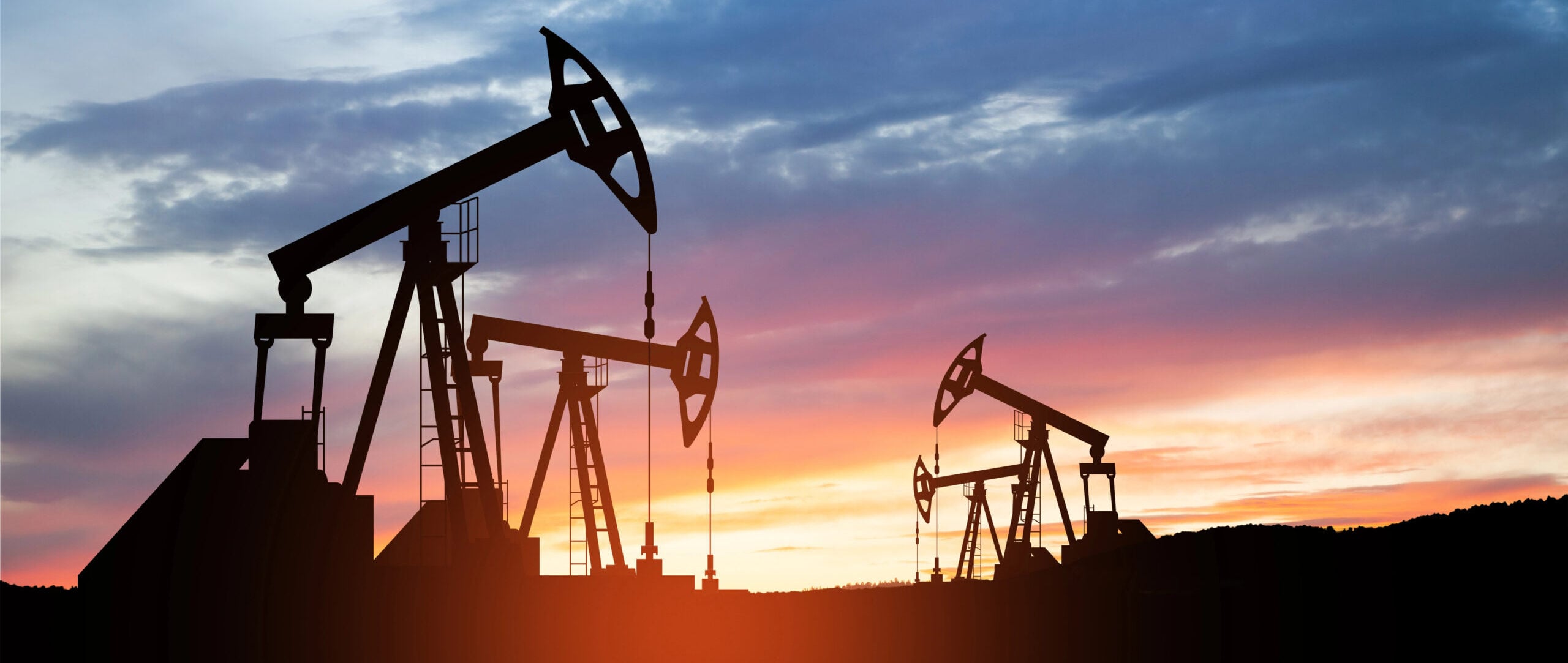
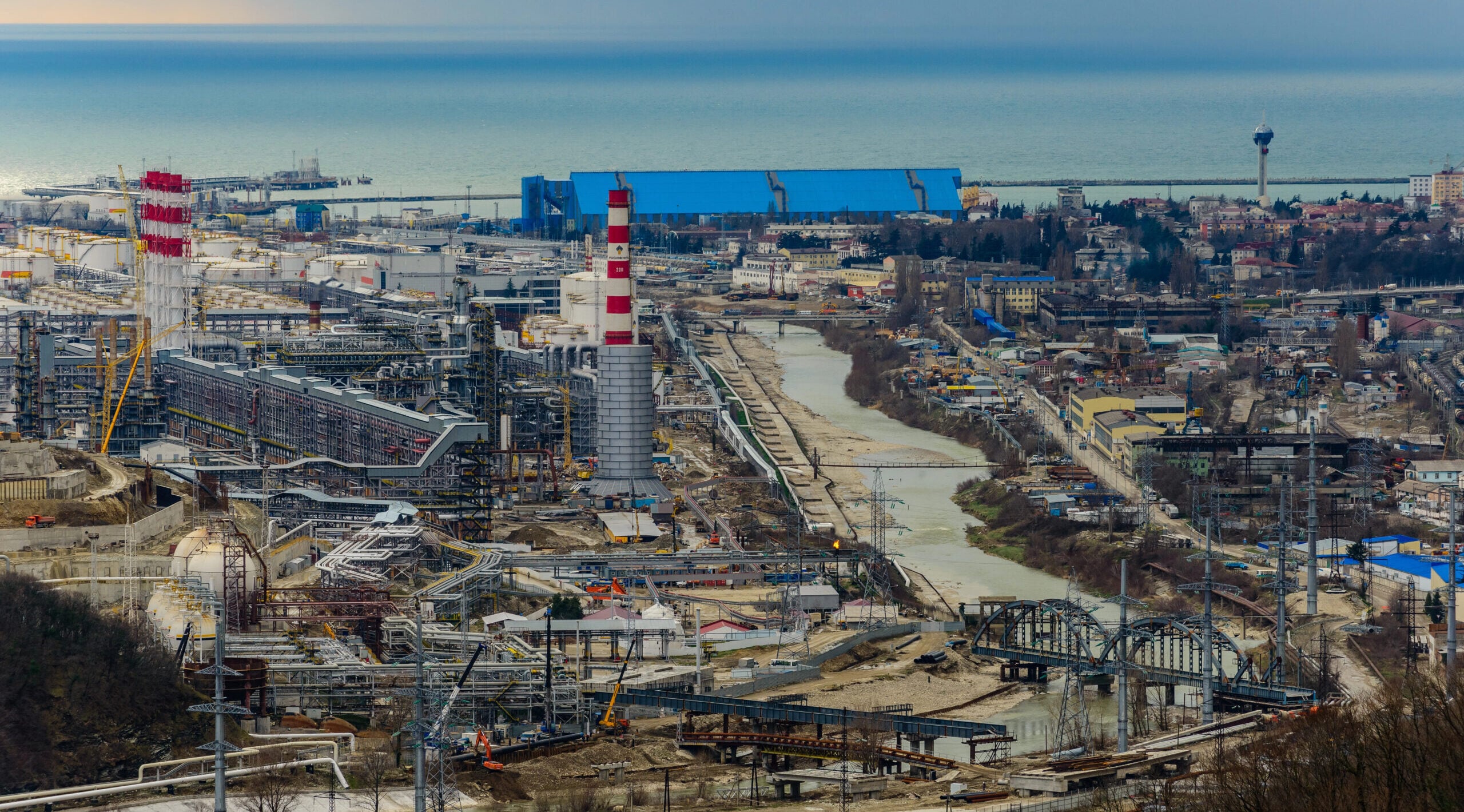 Russia, Tuapse, oil refinery and seaport. Photo: DepositPhotos
The UWC called for the immediate termination of any sanctions relief for Russia.
“We urge the United States and its allies to significantly ramp up sanctions on Russia in response to its provision of intelligence, weapons, and operational support to Iran, actions that have directly contributed to the deaths of American service members and allies.”
The Illinois division of the Ukrainian Congress Committee of America (UCCA) moved to practical steps, urging Ukrainians in the US to contact their elected representatives and demand that the U.S. administration immediately restore and strengthen sanctions on Russian oil.
“Rising oil prices are already bringing the kremlin about $150 million more per day – $1.9 billion so far to replenish its war coffers. Financing russian oil today means subsidizing a regime helping Iran and seeking to destroy U.S. forces,” the UCCA Illinois stated.
The Ukrainian National Women’s League of America (UNWLA) joined the call, launching an immediate action campaign among its members and supporters. The organization is urging not only appeals to senators and members of Congress to prevent sanctions relief, but also active engagement in the information space through letters to local newspaper editors.
The UNWLA firmly opposed any U.S. steps to lift or ease oil sanctions against Russia and affiliated entities that finance Russia’s war machine.
“At the critical moment when sanctions are making an impact on the Russian economy, lifting or easing of sanctions would reward Putin and would signal that he may continue to support enemies of the United States in their targeting of U.S. bases in the Middle East and continue to commit war crimes against Ukraine, including abducting and militarizing Ukrainian children,” UNWLA said.
The strategic effectiveness of advocacy
In their statements, Ukrainian communities appeal not only to moral responsibility but also use the language of hard national security pragmatism for the United States and Western countries.
The only way to restore pressure is to turn economic arguments into security ones. Sanctions relief has brought Russia no political concessions: there has been no ceasefire. On the contrary, the Kremlin has received a signal that democracies are willing to trade principles for domestic approval ratings.
For the global Ukrainian community, this means moving into a new phase of pressure on the governments of host countries. We must convey a simple truth to Western voters: every “temporary license” for Russian oil is an investment in prolonging the war. If we allow Russia to profit from energy exports, we are effectively paying for the missiles hitting our cities and the drones attacking allied positions in the Middle East.
Today, it is not enough to demand sanctions – we must block the very possibility of their selective application. Any loophole for a Russian tanker sets a precedent that undermines the entire deterrence architecture. Only the Kremlin’s complete financial isolation, with no “rewards” for aggression, can ensure a return to real stability, rather than its imitation.
In today’s global security architecture, the Ukrainian diaspora is not merely an observer but a mature political actor capable of directly influencing the agenda of Western democracies. Our advocacy today is a clearly coordinated strategy, where every appeal to lawmakers and every information campaign becomes a tool for restoring international order.
Photos: DepositPhotos
Latest news

 #GlobalAdvocacy