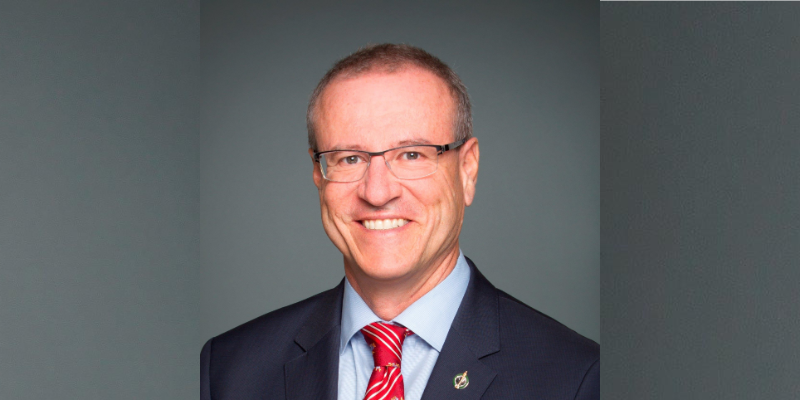





Dzvinka Kachur, UWC Regional Vice President for Africa and co-founder of the Ukrainian Association of South Africa (UAZA), shares insights on the activities of Ukrainian communities in Africa, the challenges of Russian propaganda in the fifth year of the full-scale war, and ways to raise awareness about Ukraine in a region where it has historically had little presence.
Russia has been systematically active across the African continent, spreading anti-Ukrainian narratives. In South Africa, campaigns against the Ukrainian Association have been ongoing since 2024. According to recent reports, Russia spent roughly $750,000 per month on propaganda that year.
Beyond a continuous information presence, this year on the fourth anniversary of the full-scale invasion, after months of holding 17 South Africans who were lured to Russia and sent to the frontlines, Putin returned them on February 24 in exchange for a formal thank-you from President Ramaphosa. Their return, along with Ramaphosa’s acknowledgment, became the main news of the day.
Ukrainian communities in Africa approach their presence differently depending on the country. In states where media are fully controlled and governments are friendly to the aggressor, visibility is possible through cultural projects: Ukrainian evenings, exhibitions, and concerts. Ahead of the fourth anniversary, Ukrainian pianist Dr. Taras Filenko is on an African tour, using music to share information about the situation in Ukraine and Russia’s colonial war. Concerts have already been held in Kenya, Uganda, Mauritius, South Africa, and Botswana, with stops planned in the Democratic Republic of Congo and Mozambique. Communities organize these events in collaboration with European embassies and partner country cultural institutions.
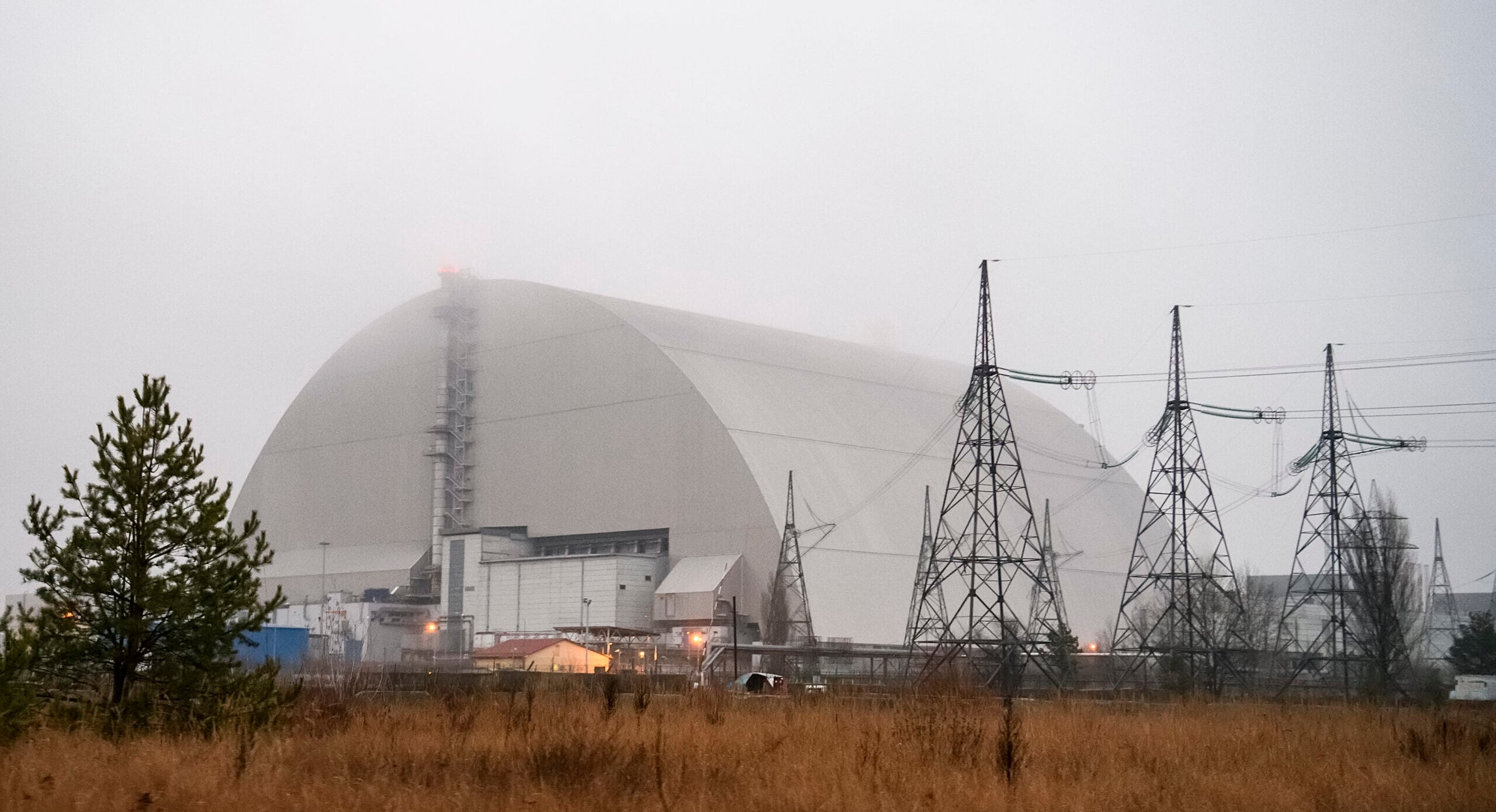
In countries with independent think tanks and media, cooperation takes place at the institutional level as well as through engagement with governments and parliamentarians. For example, in late January, Ukrainian and South African experts held an event on the consequences of Russian aggression for the African continent, covering nuclear safety and the occupied Zaporizhzhia nuclear plant, forced deportations and militarization of children, and potential UN reforms.
Expanding diplomatic presence plays a key role in supporting communities. Between 2024 and 2025, nine new embassies opened across the continent. Ukraine now has 19 embassies in 54 African countries, up from 10, providing greater protection and support for Ukrainian communities.
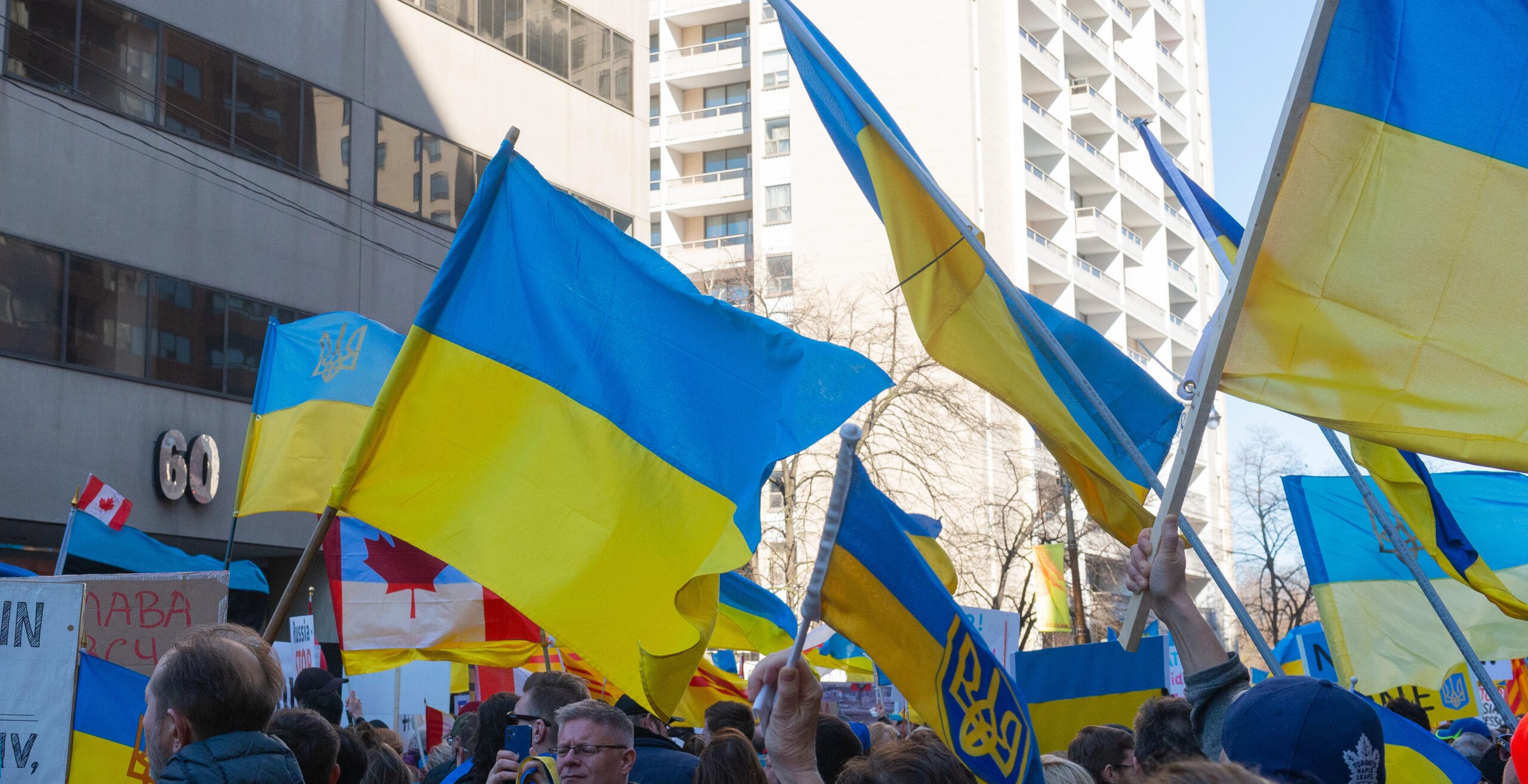
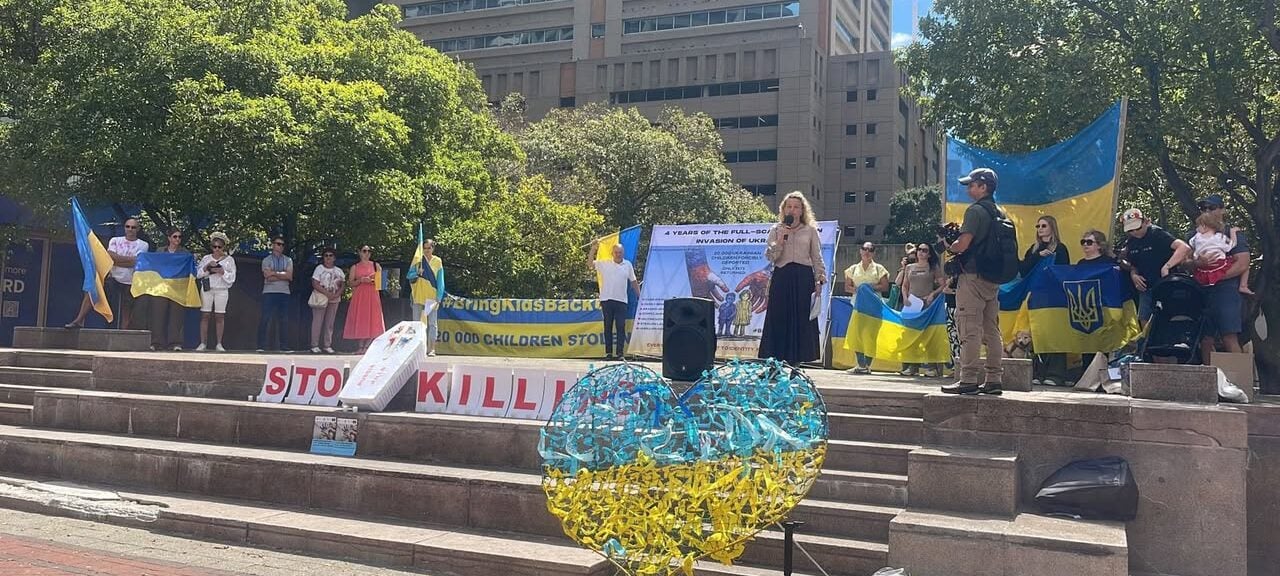
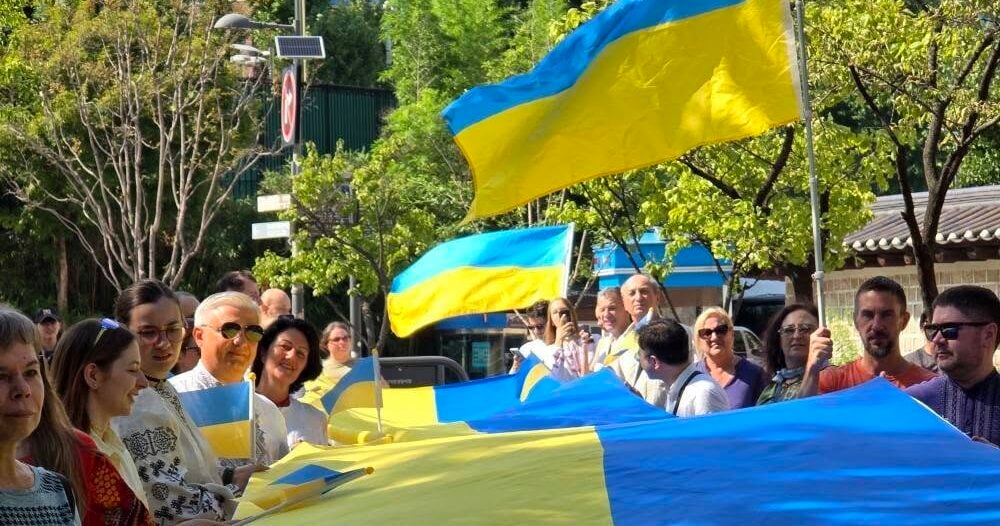
Cover: A pro-Ukraine rally in Cape Town on Feb. 24.
Latest news

 #GlobalAdvocacy