



Volodymyr Kogutyak, UWC Vice President for Western Europe and Association of Ukrainians in France (AUF) Vice President, and Chair of the UWC Advocacy Committee, discusses how Russia has turned nuclear energy into a tool of global terror and the role of Ukrainian communities in countering the Kremlin’s nuclear blackmail.
In 2026, the Chornobyl disaster is no longer just a page in history or a day of mourning. It has become a pressing challenge of our time, with nuclear threats now serving as a deliberate instrument of Russian state terrorism. Commemorating April 26 today requires not only placing flowers at memorials but also taking decisive advocacy action on the international stage.
Advocacy
To protect the world from a repeat of the disaster, the efforts of Ukrainian communities and international partners must focus on specific pressure points.
What should we advocate for today?
- Recognition of Russia as a state sponsor of terrorism at all levels: Russian attacks on Chornobyl and Zaporizhzhia clearly meet the definition of terrorism. A country that mines nuclear reactors cannot be part of the civilized world or a member of international energy organizations.
- International demilitarization of Zaporizhzhia NPP: This should not be a request to Russia, but an ultimatum from the global community. While IAEA presence at the plant is important, it is insufficient without the withdrawal of troops and military equipment.
The best way to explain the danger is to show it. The NGO Ecodia has prepared materials to help you run educational events in your communities:
- Chornobyl videos: Seven films clearly and simply explain the 1986 tragedy. The documentary Suspilne News is also recommended.
- How to use them: Host a screening at a local school, library, or community center. Invite residents, and after the film, explain that Russia is now doing the same thing – intentionally.
Use these key points when speaking with politicians, the media, colleagues, and neighbors:
- Chornobyl in 1986 was an accident. Russia’s actions today are a crime. Back then, humans made mistakes; now Russia is deliberately mining nuclear plants.
- Zaporizhzhia NPP is not just a power station — it is a “dirty bomb” in the Kremlin’s hands. Russia is holding the world hostage, threatening to blow up the largest nuclear plant in Europe.
- Rosatom funds the war: Every dollar spent on Russian nuclear energy goes to missiles and the occupation of nuclear sites.
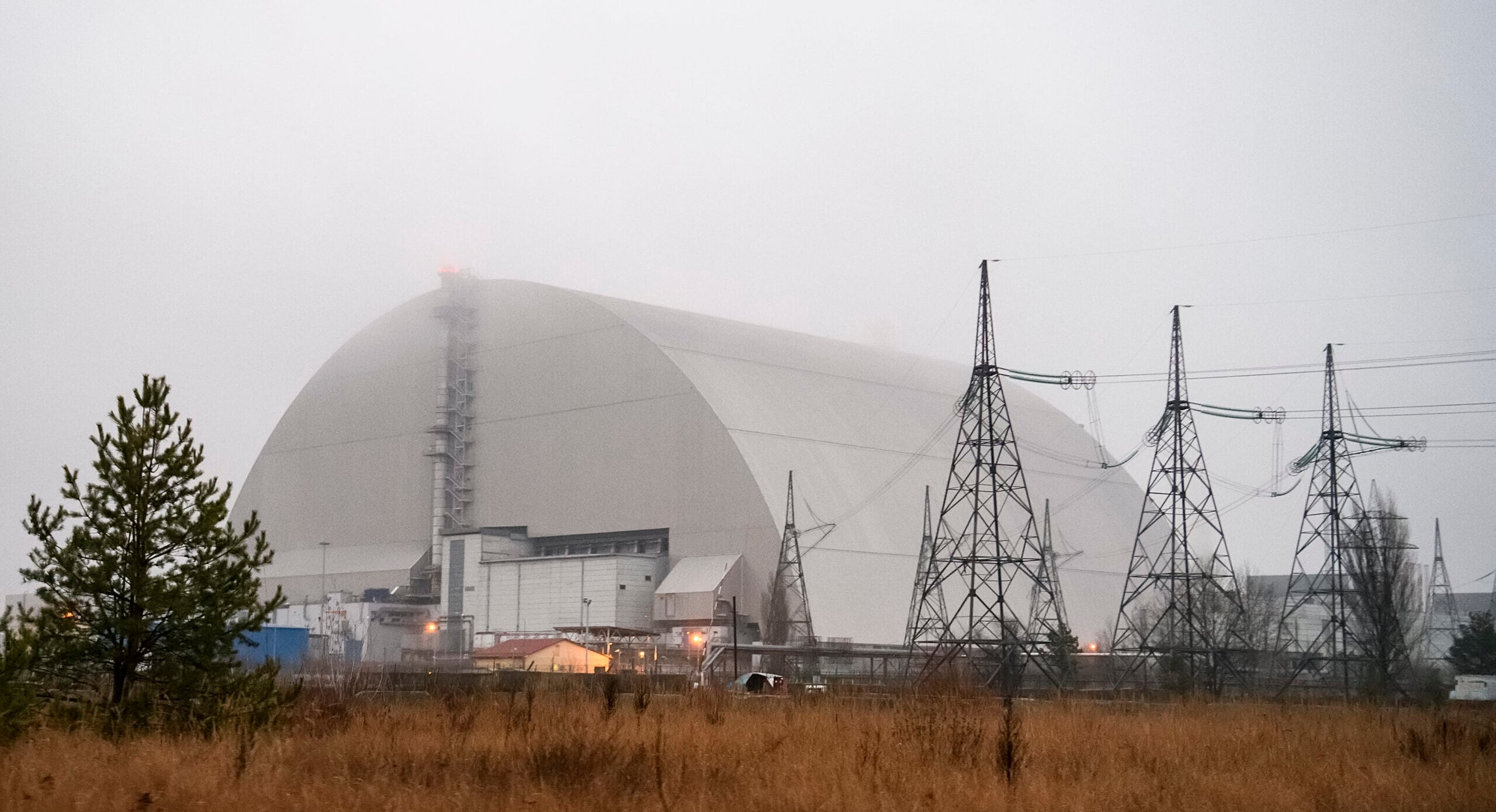
- The 2025 strike on Chornobyl was a slap in the face to the world. Russia attacked a sarcophagus built by 40 countries – a blatant disregard for the efforts of humanity.
- Nuclear safety is not for sale. You cannot negotiate with a terrorist who keeps a finger on the “nuclear button.”
Why this matters
For decades, the world has marked April 26 as a day of mourning. Today, however, Chornobyl reflects a new reality, where nuclear threats are once again urgent – this time as a form of deliberate state terrorism.
The Russian Federation has fully violated international nuclear safety protocols. Zaporizhzhia NPP has been under occupation since March 4, 2022 — the first time in history that a civilian nuclear facility has been turned into a military base. The presence of heavy machinery and mined perimeters has effectively turned the plant into a weapon of mass destruction, putting all reactors at risk.
Last fall, the world witnessed the station’s longest blackout in history. From Sept. 23 onward, the plant was cut off from external power for over a month, with every minute posing a risk to the cooling systems. We continue to see systemic pressure on the infrastructure: in March 2026 alone, Zaporizhzhia NPP lost its main power line once again.
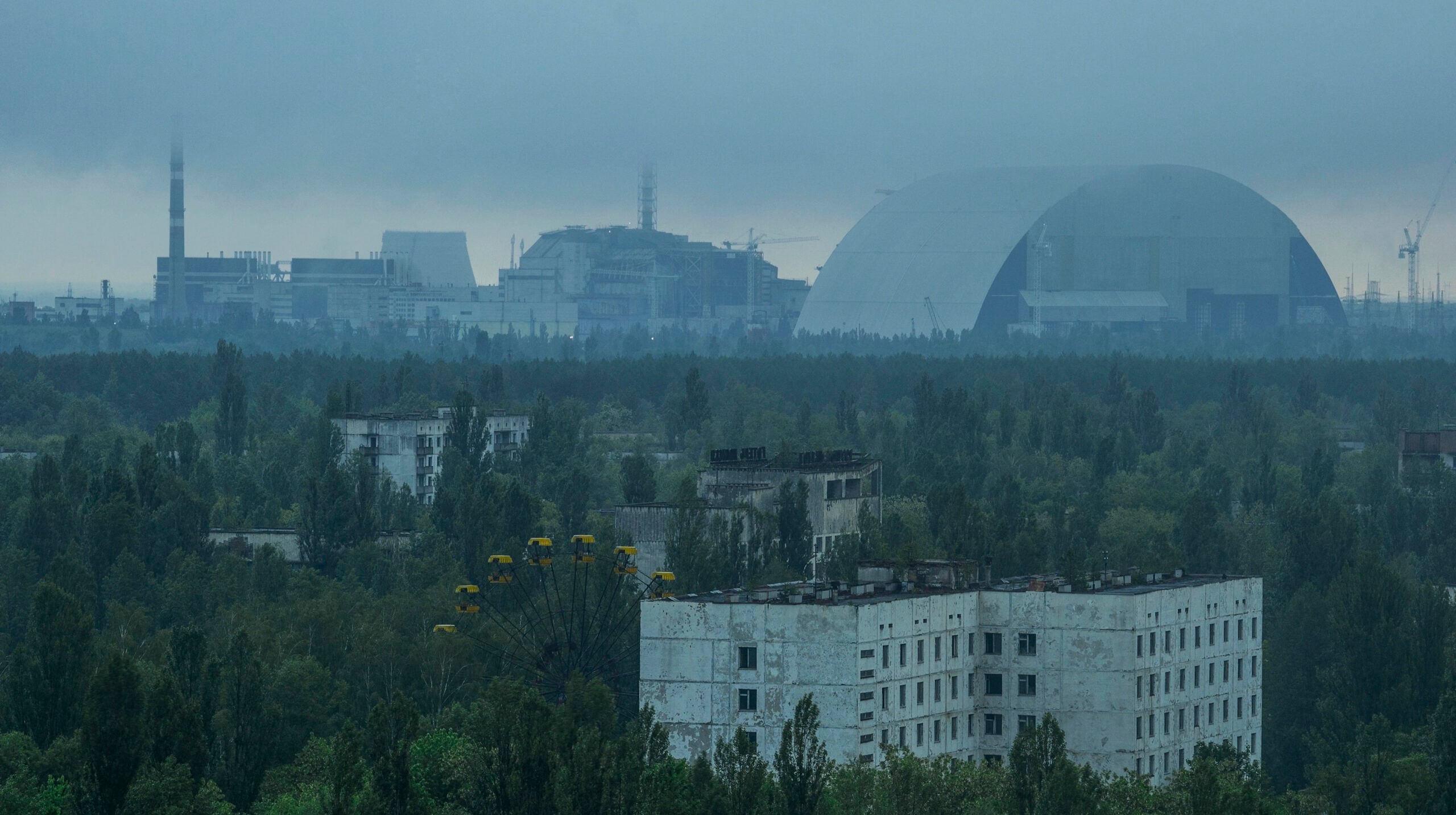
In February 2025, a Russian attack drone struck the protective structure of reactor 4 at Chornobyl. Damage to the new safe confinement was not a random act of war, but a direct demonstration of contempt for the global community, which had invested decades of resources in building this protective system.
Blackmail as a political tool
We must understand clearly: for the Kremlin, Zaporizhzhia NPP is not an energy asset. It is a political hostage. As U.S. Special Presidential Envoy Keith Kellogg notes, control over Donetsk Region and the status of Zaporizhzhia NPP are two major obstacles to any peace agreements. Russia is using the nuclear threat as the “final stretch” of its blackmail, trying to trade the safety of millions of Europeans for territorial concessions.
Reports, including from Reuters, about Russian plans to restart the NPP are the height of recklessness. Any attempt to operate the plant during wartime, without proper technical maintenance by the legitimate operator Energoatom, will inevitably lead to disaster. Russia knows this – and counts on it as its last show of force.
The 1986 Chornobyl tragedy taught the world the cost of nuclear negligence. Today, we are facing deliberate crime. We must convey to every politician and journalist: nuclear safety has no borders. If the aggressor is not stopped now, the consequences could be catastrophic for the entire continent.
By honoring the heroes of 1986, we defend the right to life for Ukraine and for Europe in 2026.
Cover: DepositPhotos
Latest news
 #LocalAction
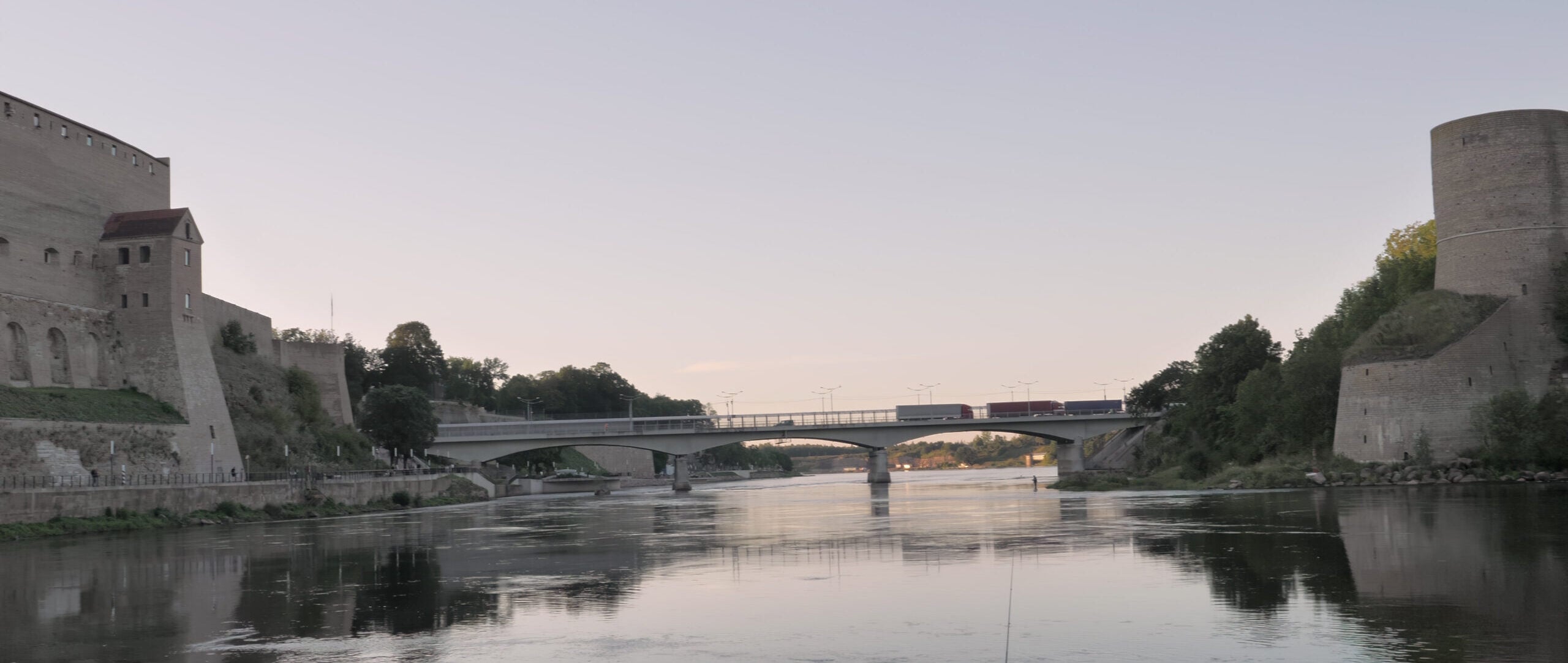
Head of Ukraine’s community in Estonia: Narva isn’t Donbas, but Russia is testing the limits again
 #UWC news