




Serhii Fursa, Ukrainian analyst, investment banker, and publicist
Source: Fursa on Facebook
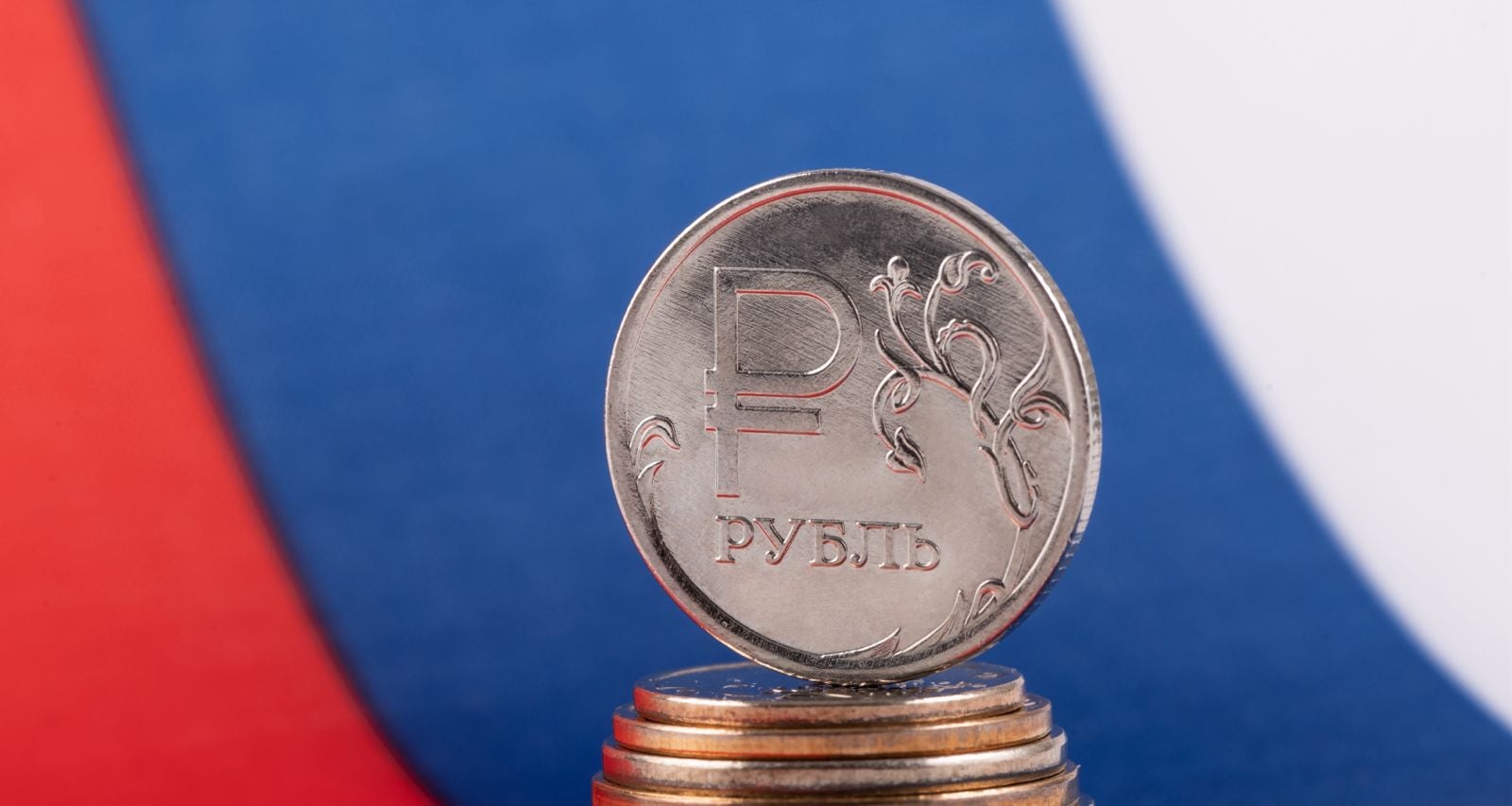
Ukrainians are mocking Putin’s claim that Russia’s economic slowdown in 2025 was “planned and man-made.” It may sound as absurd as “combat mosquitoes” or the capture of Kupiansk — like “everything is going according to plan.” But paradoxically, in this case, Putin isn’t lying.
The main factor behind Russia’s economic downturn in 2025 is a high key interest rate, deliberately set at a very high level by the Russian Central Bank. Why? Some joked that maybe Nabiullina was secretly working against Russia — but the truth is simpler. The Central Bank acted deliberately to curb runaway inflation caused by financing the war and pouring massive funds into the military.
Inflation is the worst enemy of any economy, and the bank chose to suppress economic activity, primarily through restricting bank lending, to control it. And credit where it’s due—they achieved relative success. So yes, Russia consciously chose this path, and for once, Putin didn’t lie.
Does this mean Russia can fight forever? No. First, it will be hard to restore economic growth without triggering inflation, especially given the limited printing of money needed to fund the war. Second, Russia’s ability to wage war depends not on GDP growth, but on budget cash flow. There’s some correlation between the two, but the scale of the challenge is huge.
Even if GDP drops only a few percent, budget shortfalls are far larger. Oil and gas revenues, for example, fell sharply from November to January — halving year-on-year — deepening the already massive deficit, which is increasingly hard to cover from reserves, because the money is almost gone.
Sure, the printing press is always an option. But Russia’s priority remains controlling inflation, which is hard to do while printing massive amounts of rubles.
Putin can puff his chest, but resources are running out. That’s why he is targeting Kyiv’s energy infrastructure: he wants to push the idea of Ukraine’s capitulation before the warfront starts feeling the effects of Russia’s declining war spending. Once that happens, advancing will become far more difficult, and arguments for Ukraine’s surrender will lose traction.
That’s why Ukrainians are looking forward to spring. By then, the effects of Russia’s strikes on energy will diminish, while the impact of their spending cuts will become more pronounced.
Cover: Shutterstock
Latest news

 #GlobalAdvocacy