



Russia is set to spend nearly a third of its next year’s state budget on its unprovoked war in Ukraine, following the signing of the country’s federal budget by Kremlin ruler Vladimir Putin, the UNIAN news agency reported, citing Russian media.
“The document passed both chambers of parliament over the past two weeks and has now been signed by President Putin,” the journalists reported.
UNIAN notes that the new Russian budget remains a “war budget” rather than a peace-oriented one. “Russia plans to allocate record-breaking sums to its war against Ukraine,” the dispatch said.
According to the draft budget, Russia expects to generate 40.27 trillion rubles ($519 billion) in revenue next year, while expenditures are projected at 44.06 trillion rubles ($568 billion), resulting in a deficit of roughly 1.6 percent of gross domestic product or the value of the nation’s goods and services.
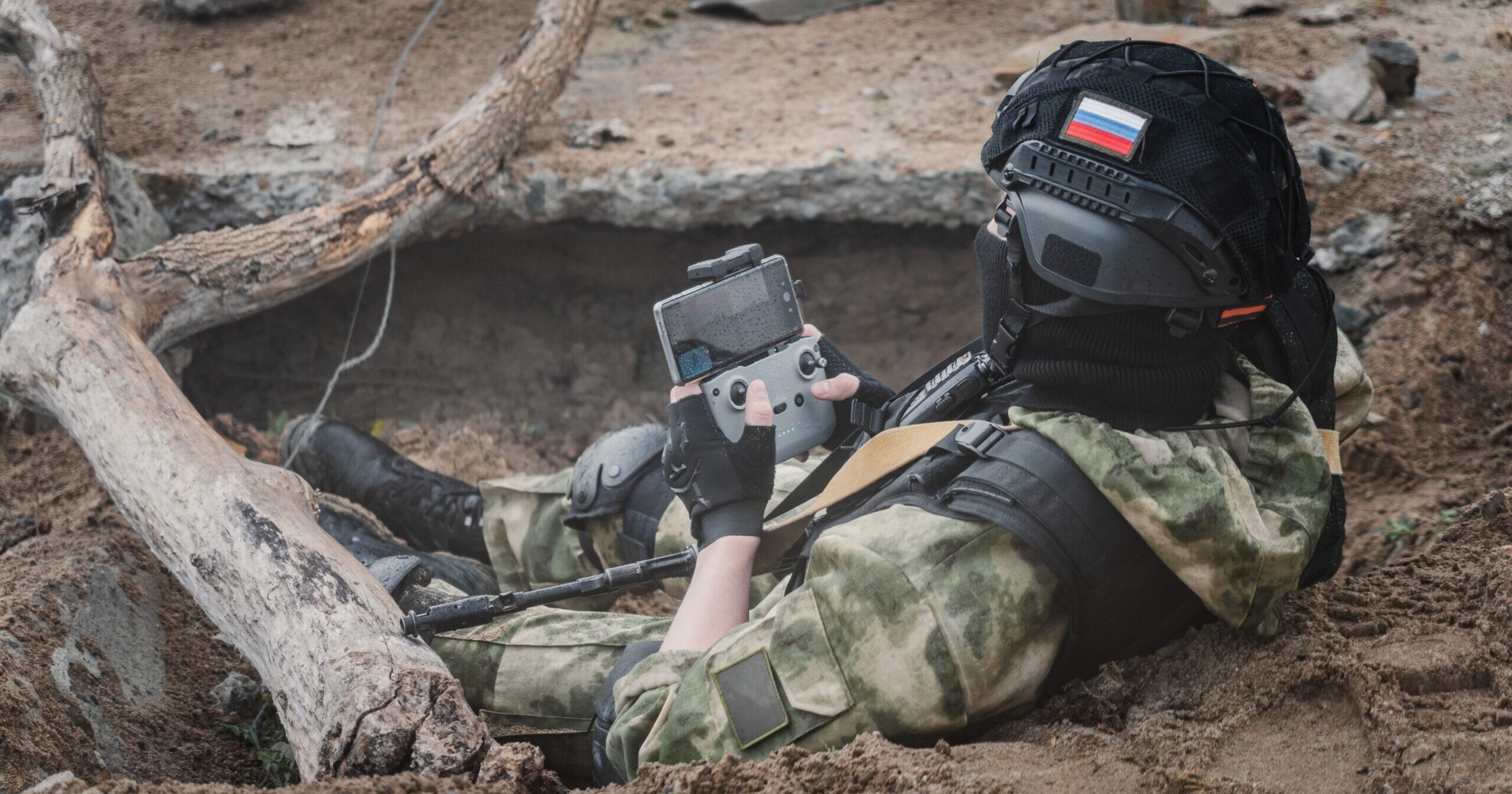
Almost a third of the budget, 12.93 trillion rubles ($167 billion), will go toward the military, including arms purchases. The Moscow Times reports this is the highest level of military spending since the Soviet era.
An additional 3.91 trillion rubles ($50.4 billion) is earmarked for “national security,” covering the Interior Ministry, National Guard, intelligence agencies, and the prison system.
“All of these agencies, to varying degrees, are involved in the aggression against Ukraine,” UNIAN said.
In total, spending on the military and security services will reach 16.84 trillion rubles ($217 billion), or 38 percent of the budget. By comparison, in 2021, this share was 24 percent.
This surge in military spending comes at the expense of social and economic programs. Social spending is set to fall from 38 percent to 25 percent of the budget, while economic support measures will drop from 17.6 percent to 10.9 percent, the lowest levels in at least 20 years.
“Russia finances its aggression against Ukraine not only through direct military and security spending. Regional budgets also shoulder a significant part of the cost, covering, for example, payments to contract soldiers deployed to the front,” UNIAN said.
Cover: Shutterstock
Latest news

 #GlobalAdvocacy