

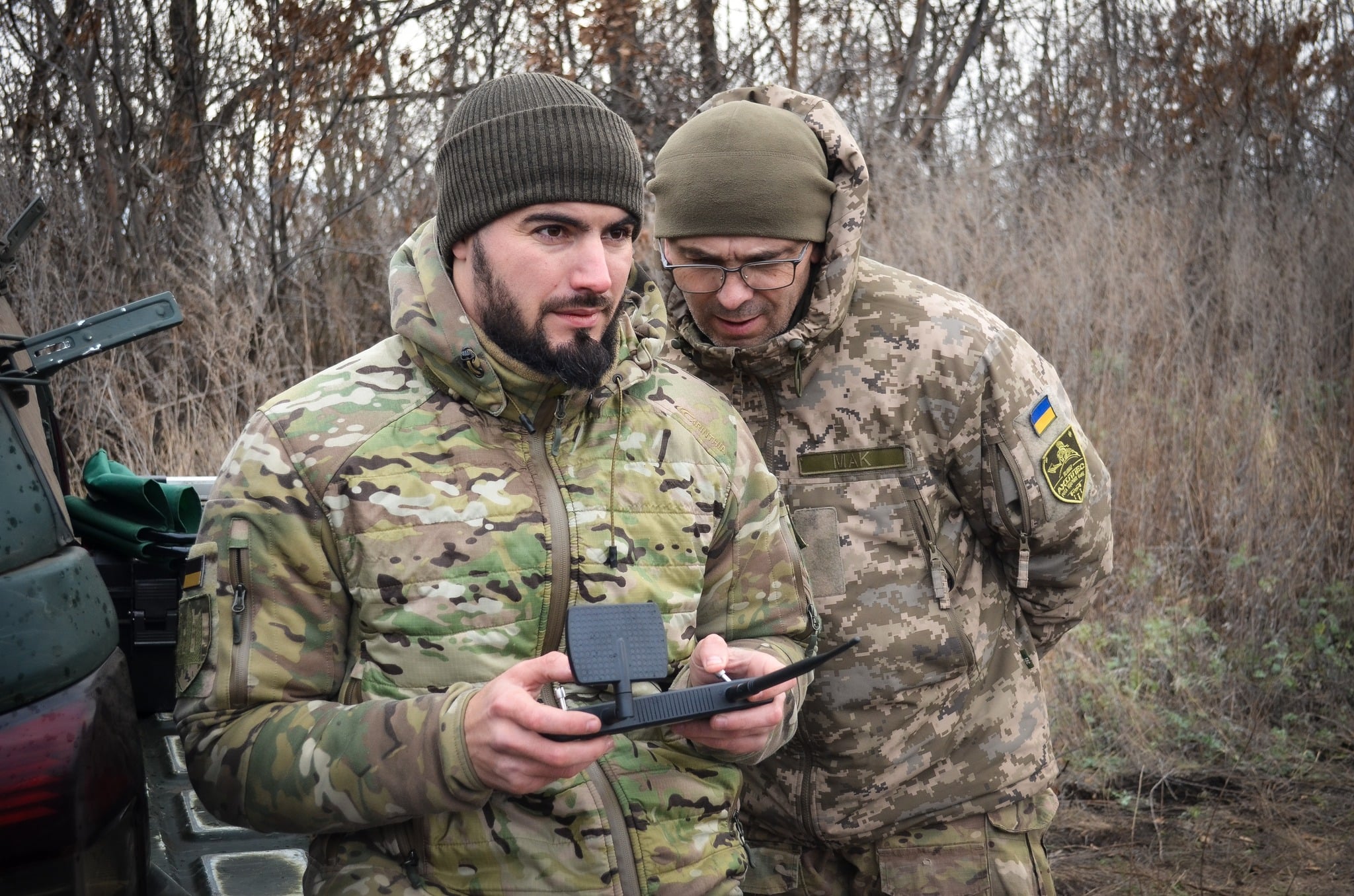


by Yurii Fedorenko, commander of the 429th Separate Unmanned Systems Regiment Achilles, Kyiv City Council member and adviser to the Ukrainian parliament’s defense committee
Source: Fedorenko on Facebook
A fortress state or the Ukraine of the future. After statements by Kremlin officials alleging a Ukrainian drone attack on Vladimir Putin’s residence, one thing has become clear: in the near term, Russia’s leadership is not prepared to move toward genuine peace. At the same time, work on a peace plan continues. Why?
Today, reports about new meetings of the so-called Coalition of the Willing, fresh declarations and framework documents are easily lost in the news cycle and generate little public reaction. That is a mistake. It is precisely within these seemingly dry, technocratic efforts that the vision of postwar Ukraine is being shaped.
No matter how long the hot phase of the war lasts, sooner or later there will be either peace or a prolonged ceasefire. At that point, Ukrainians will face an extremely difficult and responsible task: making a technological, economic and institutional leap. Building a fortress state with a strong security system, a modern military and powerful deterrence. But at the same time, creating a flourishing garden inside that fortress — an economy of opportunity, freedom, development and a decent standard of living.
How can this be achieved? Under what conditions? With what funding? And on what timeline? These questions are at the core of the peace plan that technocrats, diplomats, government officials and politicians in Europe and across the Atlantic are working on around the clock. They are working without illusions, fully aware that a quick ceasefire may not happen. But they also understand that when the moment does come, there will be no time to improvise. What will be needed are ready-made blueprints, calculations, scenarios and, of course, resources.
A critically important element in this context is security guarantees. The so-called Coalition of the Willing, which currently includes 27 countries, plans to establish a coordination center in Paris and to launch the Paris Declaration, tellingly titled Robust Security Guarantees for a Solid and Lasting Peace in Ukraine. These are not abstract phrases, but an attempt to lay the foundation for a deterrence system that would make any new war against Ukraine prohibitively costly and ultimately futile for the aggressor.
The proposed system of guarantees is expected to include five components: mechanisms to monitor and verify a ceasefire with the involvement of the EU and the United States; comprehensive financial and technological support for Ukraine’s Armed Forces; the creation of multinational forces to support Ukraine; a clear action algorithm for the Coalition of the Determined in the event of a future attack; and commitments to deepen defense cooperation with Ukraine. It is clear that the primary guarantor of Ukraine’s security has been, is and will remain Ukraine’s Defense Forces. Still, support from allies will be crucial.
The next key pillar of the peace plan is economic. Even now, Ukraine, together with European and American partners, is shaping an economic breakthrough strategy known as the Ukraine Prosperity Plan. This is a joint program involving Ukraine, the United States, the EU and the G7, designed for ten years of postwar recovery and growth. It envisions mobilizing very substantial resources — up to $800 billion in grants, loans and private investment. But it is not only about how much money is involved, but how it is used. The plan focuses on deep economic transformation, modernization and the creation of new industries and technology clusters.
Another foundation of the future is membership in the European Union. According to various estimates, this could become possible between 2028 and 2030. But European integration is not a date on the calendar, it is a reform process. This means Ukraine could, within a few years, secure a reformed economy and additional investment, becoming not only a fortress state but also one of Europe’s technology hubs.
This is why the steady, often invisible work of military and political leaders, diplomats and European “bureaucrats” is so important. All these so-called technical details of the peace plan are, in fact, elements of a national vision for the future. A future our children will live in. A future worth fighting for.
For now, the task is to fight and to do everything possible, and impossible, to deprive the enemy of its ability to conduct active offensive operations. Only then will the conditions gradually emerge for a political and diplomatic end to the hot phase of the war. This may take many months, a year or even a year and a half to two years. But we can already see the light at the end of the tunnel.
The blueprint for a modern, strong, developed and flourishing fortress state is already on the table. Our task is to endure, to press the executioner-occupier to the limit, and to give the future that exists on paper a chance to become reality. Glory to Ukraine.
Cover: Fedorenko on Facebook
Latest news
 #LocalAction