



Yevheniy Semenov, Vice President of the Ukrainian World Congress (UWC) for Middle East and Central Asia, discusses the escalating security situation in the region, parallels with Russia’s war against Ukraine, the spread of Iranian military technologies, and how Ukrainian communities in the Gulf can share their experience in countering new security threats.
Recent events in the Middle East have drawn global attention. Missile strikes, waves of drone attacks, air defense operations, and airspace closures have once again reminded the international community how fragile security can be, even in the most stable regions.
Ukrainian communities in the Gulf are closely monitoring the situation. The atmosphere within our communities can be summed up in two words: calm and understanding — a deep awareness of what is happening.
We see that regional governments are acting swiftly, air defense forces are operating effectively, and state institutions are demonstrating a high level of readiness. At the same time, for many Ukrainians, these events inevitably draw direct parallels with the war Russia is waging against Ukraine.
When residents of Middle Eastern cities read news reports about hundreds of intercepted missiles and drones, for Ukrainians this has been a daily reality for over four years. We understand what it means to live under a constant missile threat, and we know how critical an effective air defense system is. That is why, as many people in the region face these new security challenges for the first time, Ukrainian experience is particularly relevant and instructive.
At the same time, it is important to recognize a fundamental difference. Ukraine is facing a far more complex form of war. In addition to massive missile and drone attacks, since the first days of the full-scale invasion, Ukraine has been engaged in a large-scale ground war, with an active front line stretching over a thousand kilometers.
In its statement expressing solidarity with the Gulf countries, the Ukrainian World Congress used the term “export of violence,” and this choice was intentional.
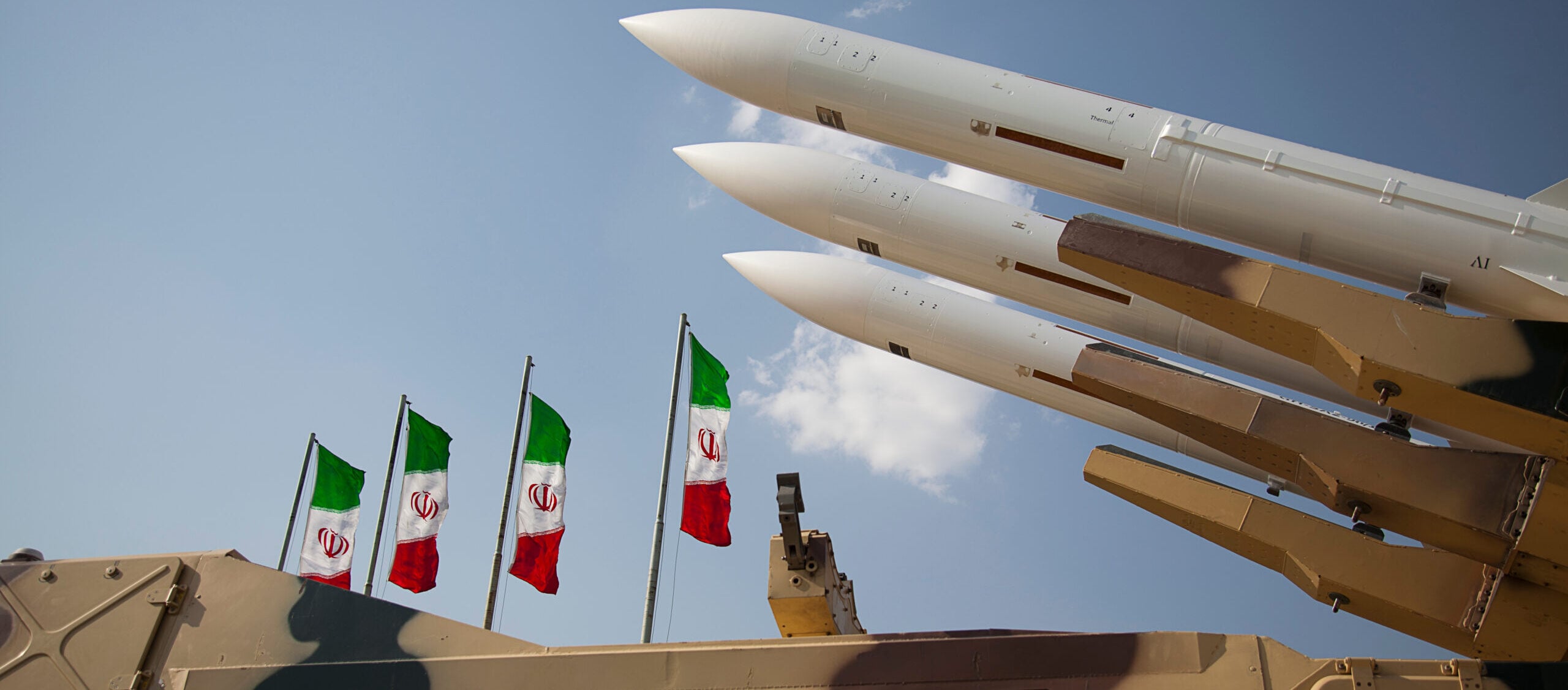
Today we are seeing Russian and Iranian military technologies and political strategies increasingly intertwined. Iranian drones are being used by Russia to attack Ukrainian cities. Russia’s war in Ukraine has become a testing ground for this weaponry.
At the same time, there is an information dimension to this partnership. Recently, media narratives in the region have emerged that attempt to blur the aggressors’ responsibility or portray missile strikes as part of “geopolitical confrontation” rather than attacks on civilian areas.
But when missiles target residential neighborhoods, shopping centers, and civilian infrastructure, this is not geopolitics.
Ukrainian communities in the Gulf are relatively young but highly active. They include entrepreneurs, engineers, and specialists in technology, education, finance, and culture. This intellectual resource can play a crucial role in shaping a broader understanding of contemporary security challenges in the Gulf.
Today, Ukrainians have unique experience — the experience of a country that was among the first to face the mass use of Iranian drones in modern warfare. Our people understand what this threat looks like, how it evolves, how it affects city security, and how to protect against it.
The Iranian weapons that targeted Ukrainian cities yesterday now pose a threat to other regions of the world. This is an important lesson for everyone who values stability and prosperity.
The Gulf countries have long been home to thousands of Ukrainians. We are deeply grateful to these nations for the safety, opportunities, and support they provide to Ukrainian communities and to Ukraine itself. That is why today, Ukrainians in the region express sincere empathy and solidarity with the peoples and governments of the countries where they live.
War is always a tragedy. But it also reminds us of one fundamental truth: security in today’s world no longer has borders. The technologies of war cross continents quickly. Threats that once seemed distant can arrive right on our doorstep. Only when countries, even those geographically distant, cooperate, share experience, and support one another do the chances of lasting and sustainable peace increase.
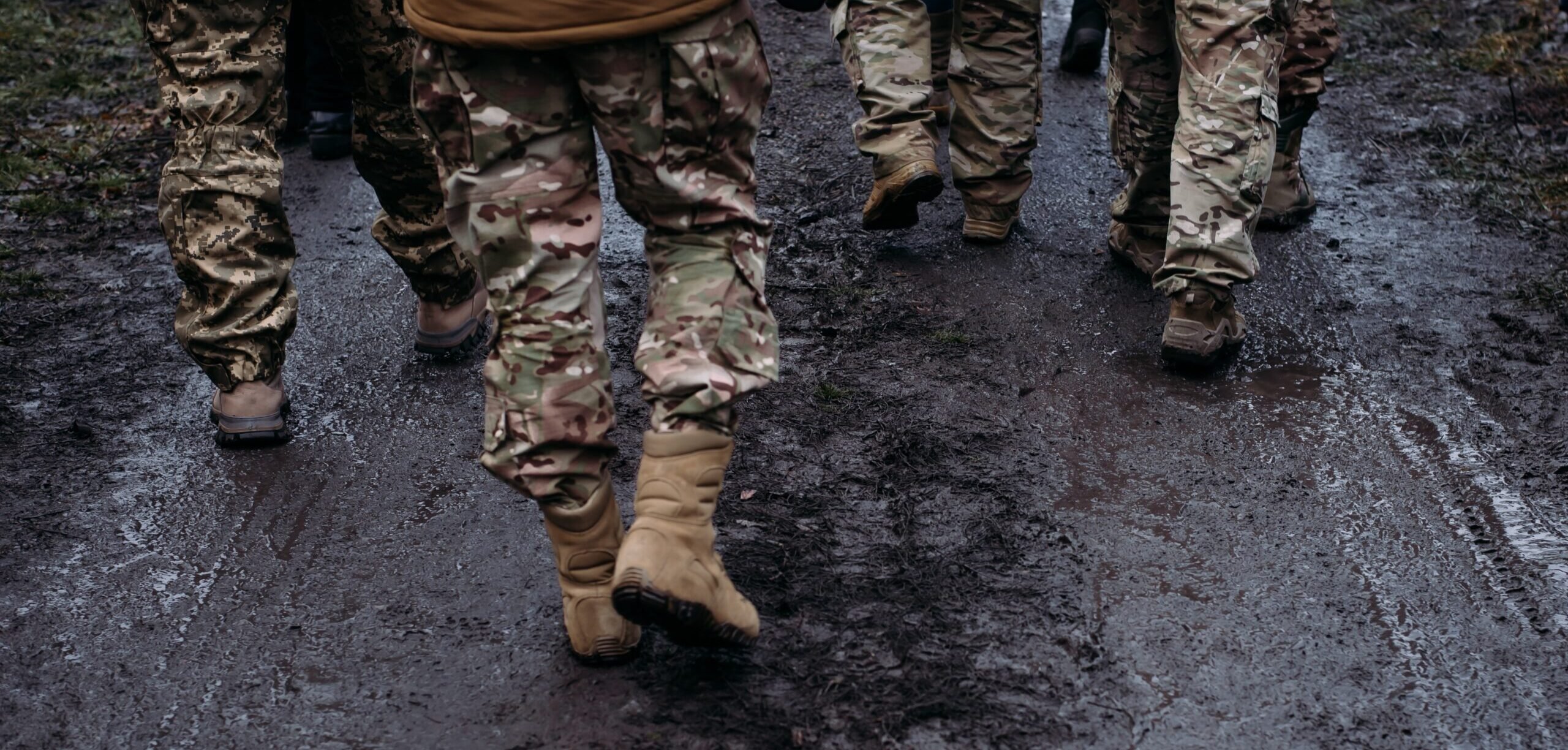
Cover: Shutterstock
Latest news
 #LocalAction