

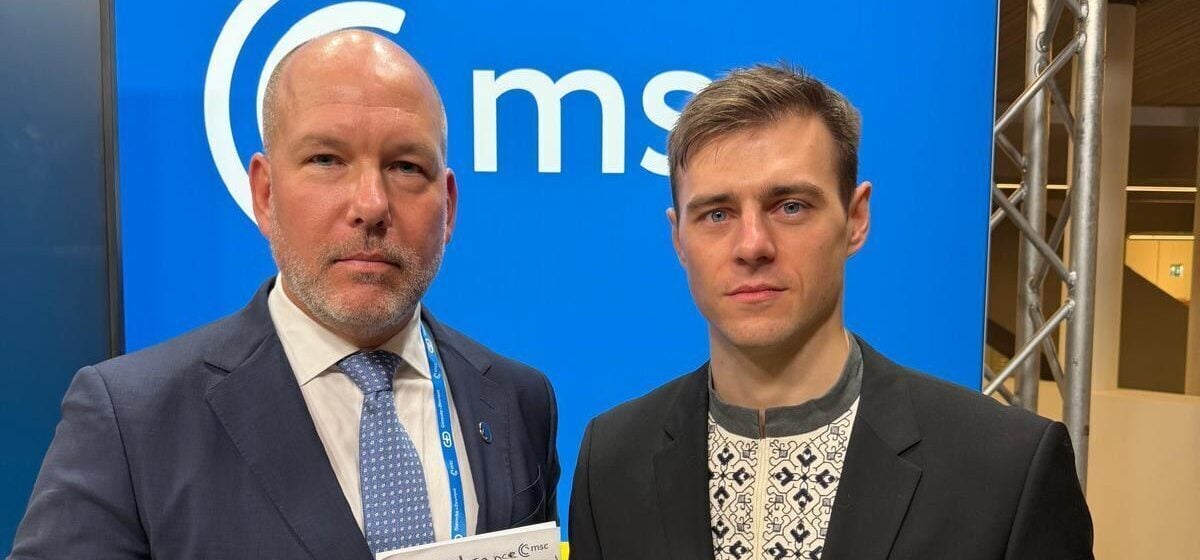


Ukrainian World Congress (UWC) President Paul Grod concluded his official visit to Germany as part of the Munich Security Conference (MSC) that was held on Feb. 13-15.
This year’s conference featured a notably strong Ukrainian presence at the highest expert levels. For the first time, Ukraine House opened within the MSC’s official security perimeter, with the UWC serving as an official partner. Ukraine House became the central hub for all Ukraine-related events.
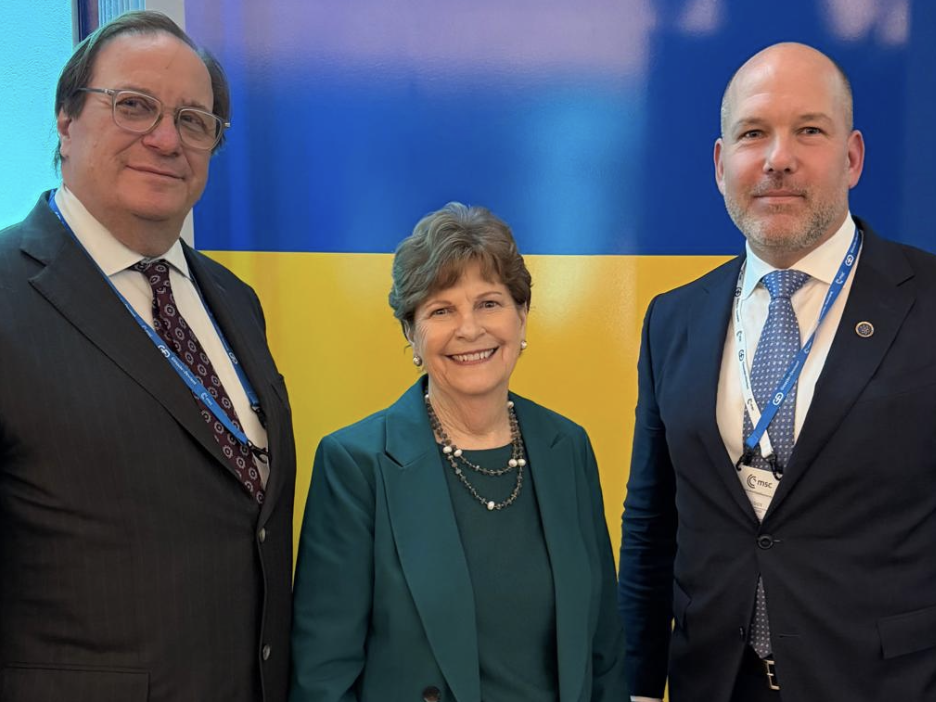
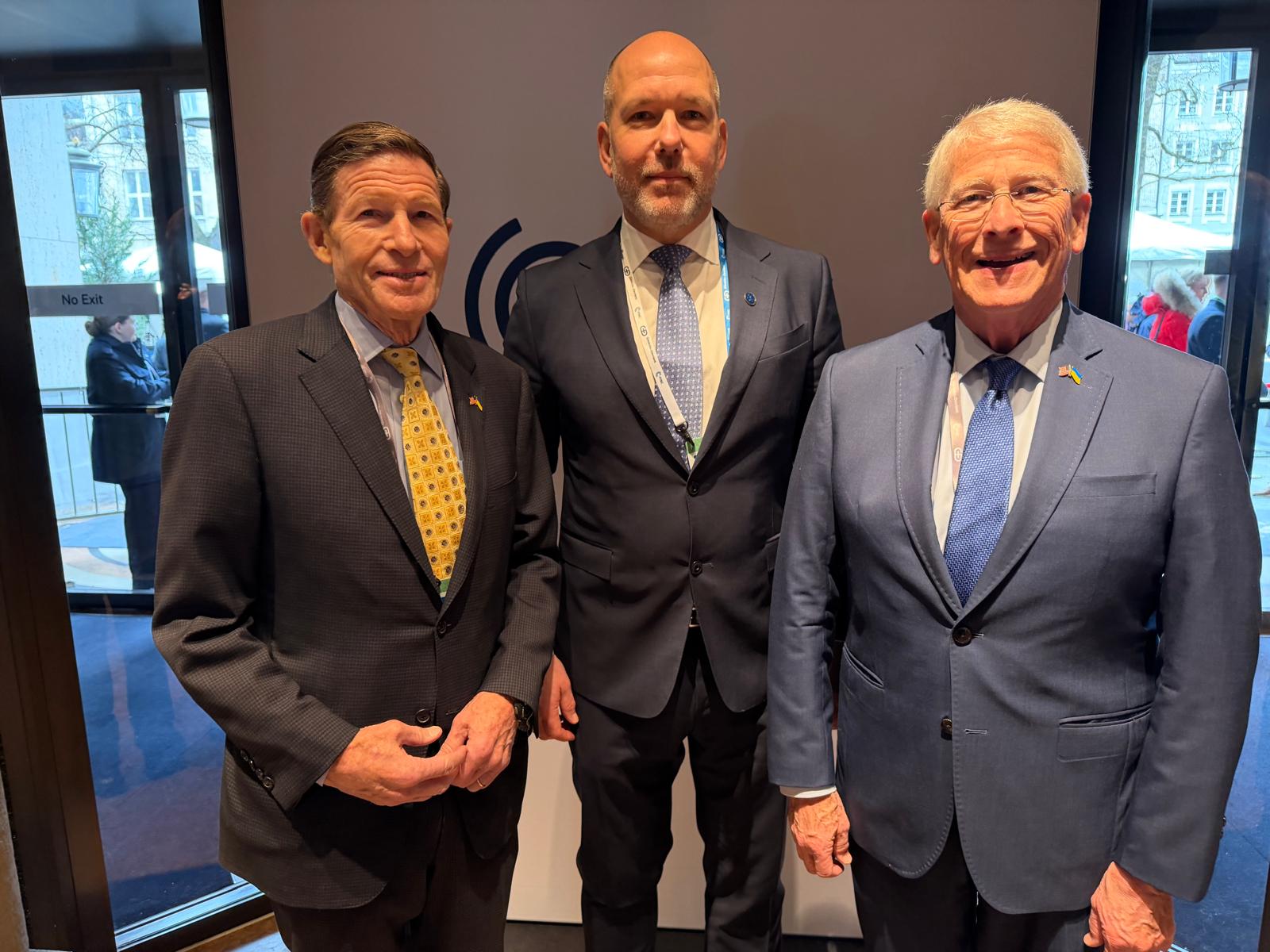 Senator Richard Blumenthal is on the left, Senator Roger Wicker is on the right, and Paul Grod is in the middle.
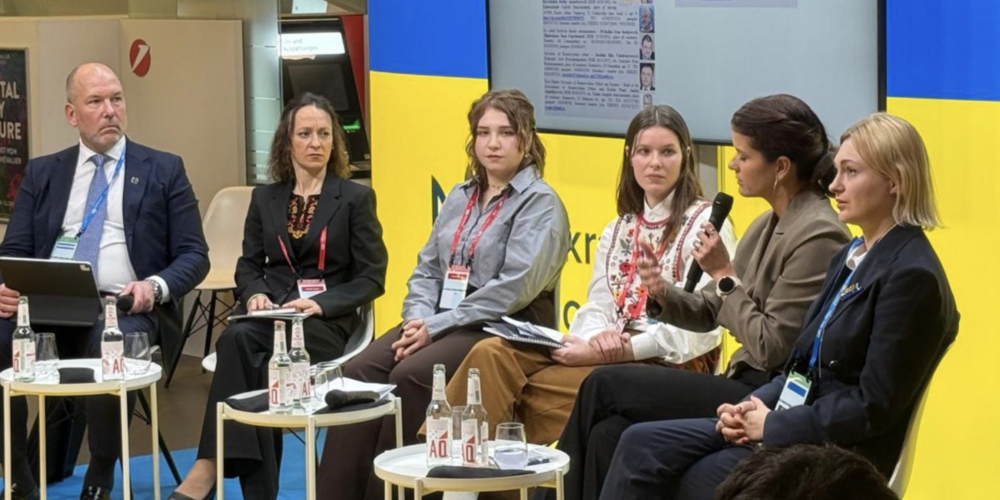
On the first day, Grod chaired a panel discussion titled “Thank You for Your Service: Ukrainian Veterans and Europe’s Security Architecture.”
The panel focused on the vital role of Ukrainian veterans in shaping Europe’s emerging security architecture and on integrating their frontline experience into allied defense systems. Participants included Oleg Shymanskyi, Deputy Minister of Veterans Affairs of Ukraine; General Michael Claesson, Chief of Defence of the Swedish Armed Forces (Försvarsmakten); Olena Dushenok, representative of the Ukrainian drone manufacturer Skyfall; and Khrystyna Boychuk, Deputy Commander of a mortar battery of the National Guard of Ukraine.
“Ukrainian veterans today are a strategic asset for Ukraine and European security both today and end of the future. These combat experience, experienced professionals are helping Ukraine and developing its drone capability and will be important in helping to enhance Europe’s defence and security capabilities,” said UWC President Paul Grod.
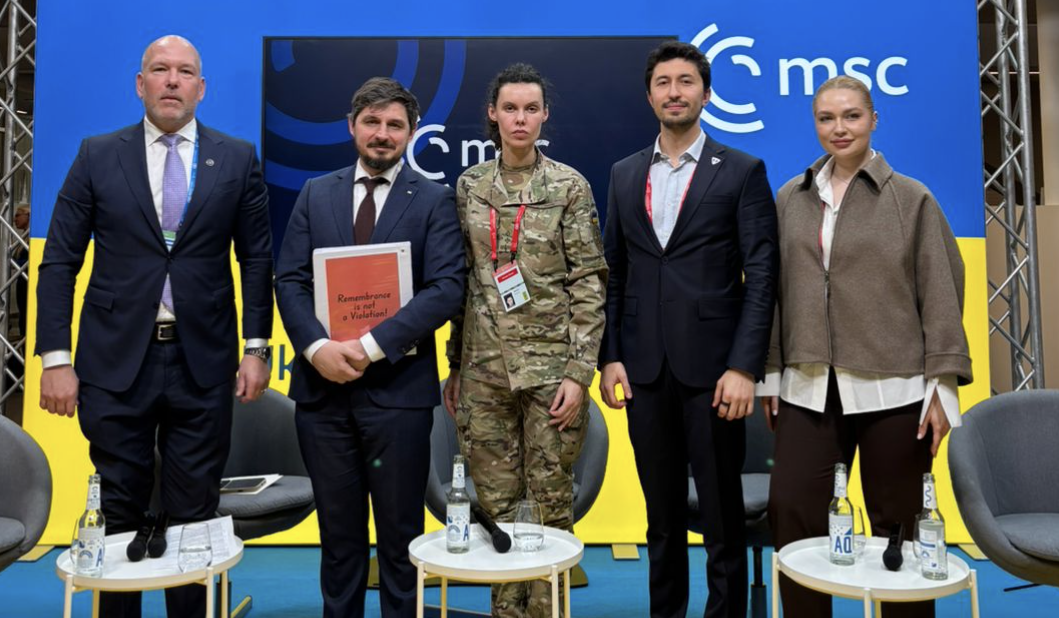 Paul Grod leads a panel on Ukrainian veterans’ role in Europe’s security architecture
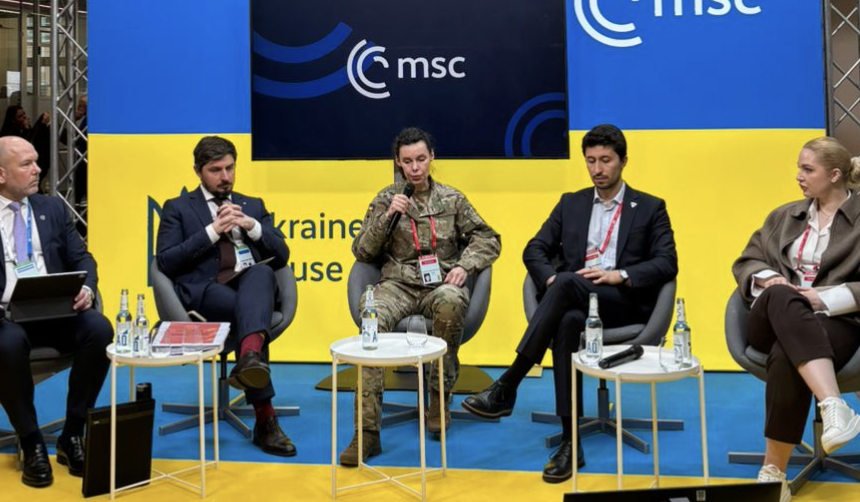
On Feb. 14, the UWC engaged in yet another discussion on Ukraine’s top priorities at MSC. Grod moderated the panel “Weaponizing Children: How Russia’s Abduction of Ukrainian Children Threatens European Security”
The panel highlighted that Russia’s mass abductions, forced transfers, and ideological indoctrination of Ukrainian children are a deliberate part of its hybrid war, posing a serious long-term threat to Ukraine and Europe. Panelists discussed concrete steps governments and the international community must take to bring these children home and reduce the risks caused by their continued detention and indoctrination.
The panelists included Þórdís Kolbrún Reykfjörð Gylfadóttir (Special Envoy of the Council of Europe on the Situation of Children of Ukraine, former Icelandic Foreign Minister), Oksana Ginchuk (Ukrainian Child Rights Network), Onysiia Syniuk (Human Rights Centre ZMINA), Olga Monakh (Association Franco-Ukrainienne Côte-d’Azur AFUCA, Kids at Home UA), and Yevheniya Kravchuk (Member of Parliament, Ukraine).
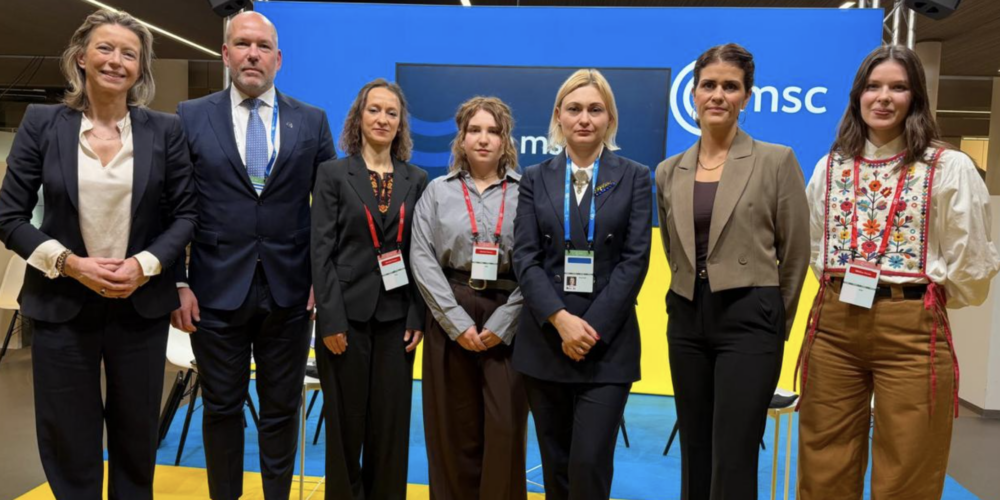 Paul Grod moderated a panel discussion on Russia’s abduction of Ukrainian children.
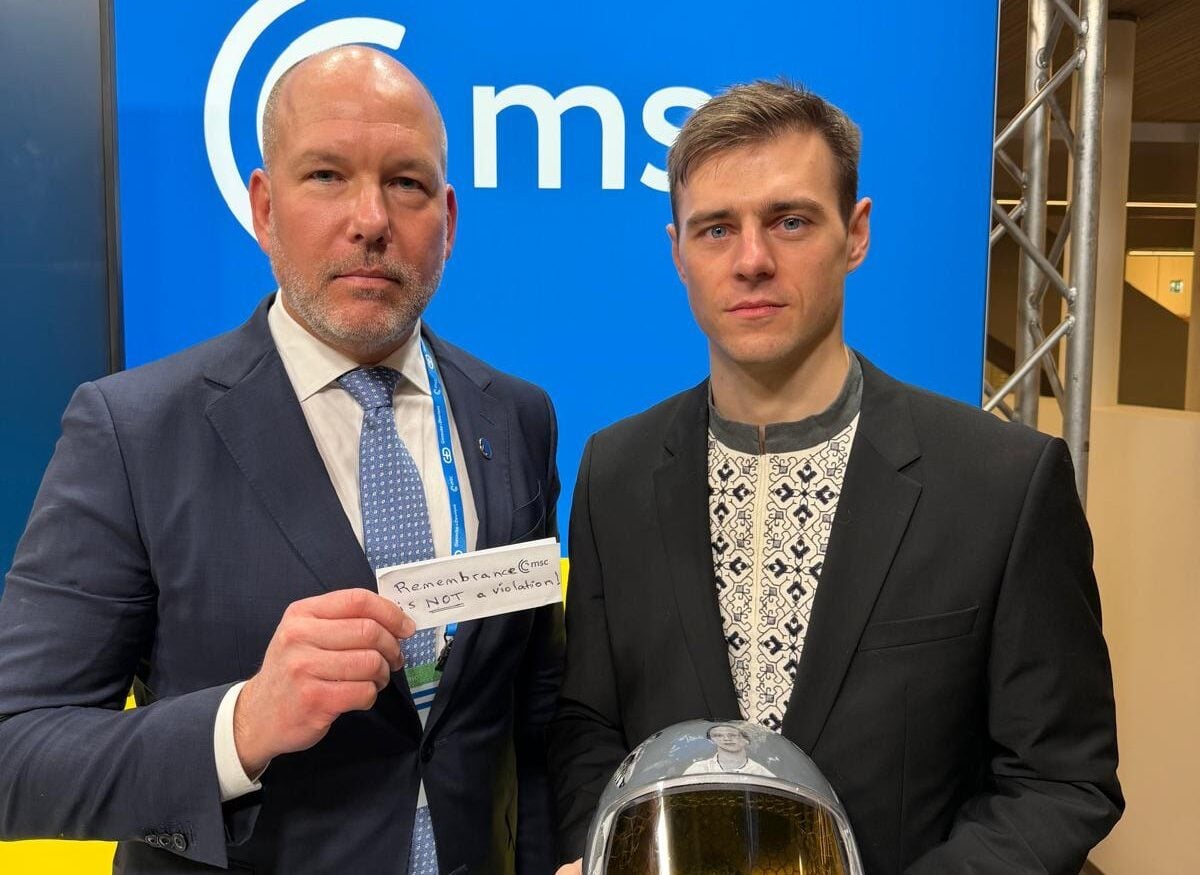
During the conference, Grod met with Vladyslav Heraskevych, the Ukrainian skeleton athlete who was disqualified from the Winter Olympics by the International Olympic Committee (IOC) for wearing a helmet that portrayed Ukrainian athletes who were killed by Russia.
“Remembering is not a violation,” Grod said. Previously, the UWC called on the IOC to immediately reverse Heraskevych’s suspension and publicly supported the campaign on social media.
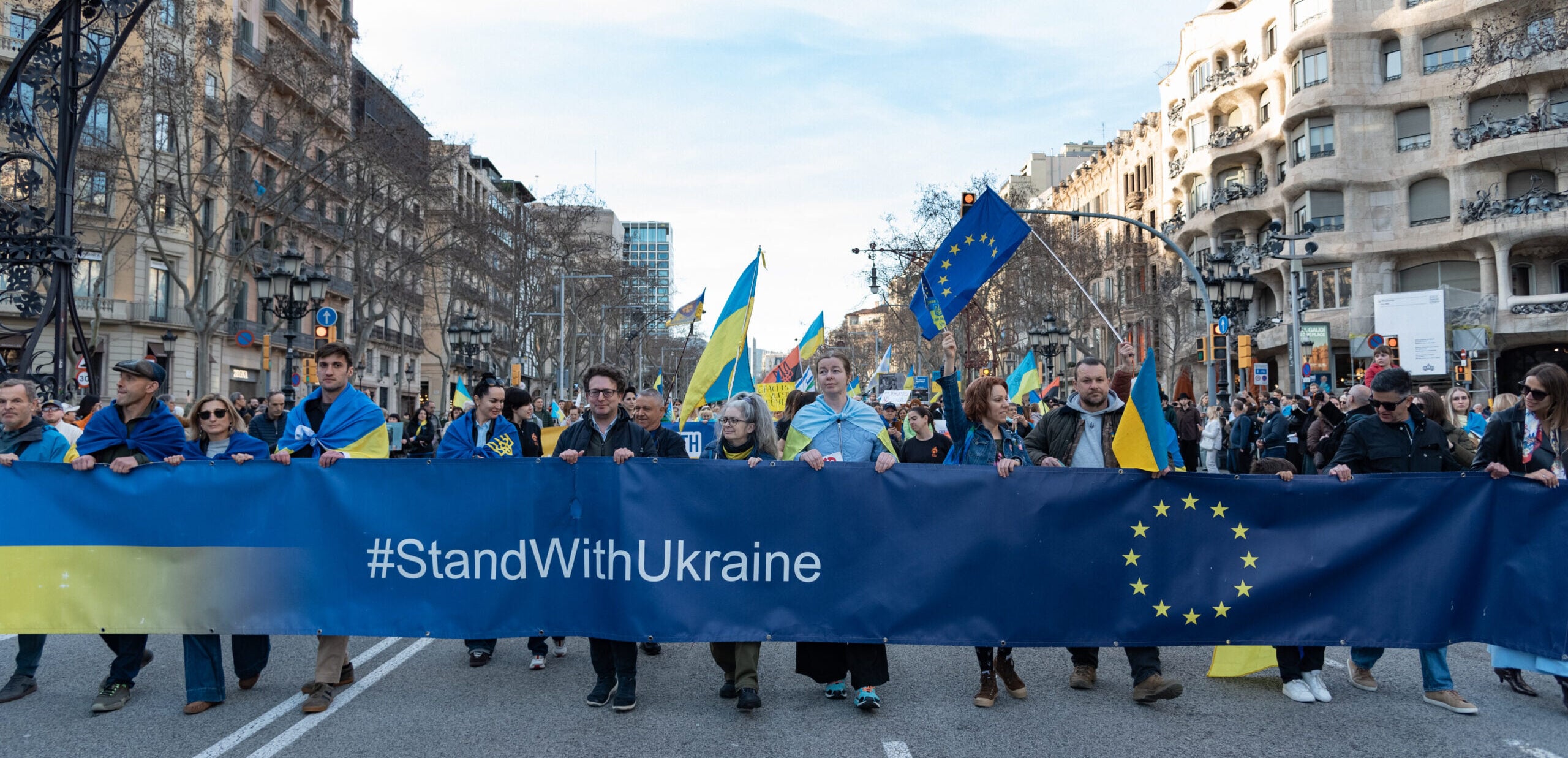
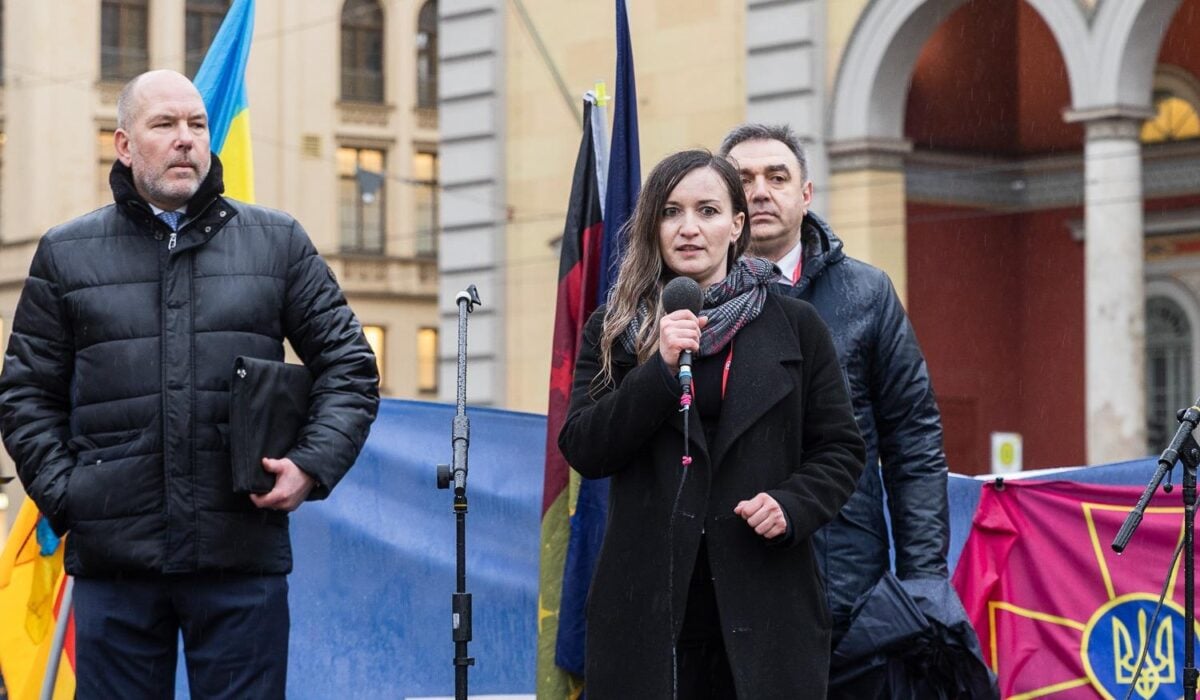
While leaders from nearly 120 countries gathered at the MSC, Ukrainians once again took to the streets to reaffirm that support for Ukraine must remain a priority.
Grod joined the community alongside Rostyslav Sukennyk, Head of the Association of Ukrainian Organizations in Germany, and Kateryna Matey, Chair of the Board of Ukrainischer Verein Augsburg e.V.
“We must defend Ukrainian interests. The Armed Forces of Ukraine fight for us every day, and we must be a reliable rear for them. We must urge governments to continue providing Ukraine with military, political, and economic support. It’s important that Ukrainians took to the streets not only today, but also on February 24,” Grod said.
Registration continues for events marking the anniversary of Russia’s invasion of Ukraine, part of the global UWC campaign “Stand With Ukraine: Protect Future Generations.” Events can be added to the online map.
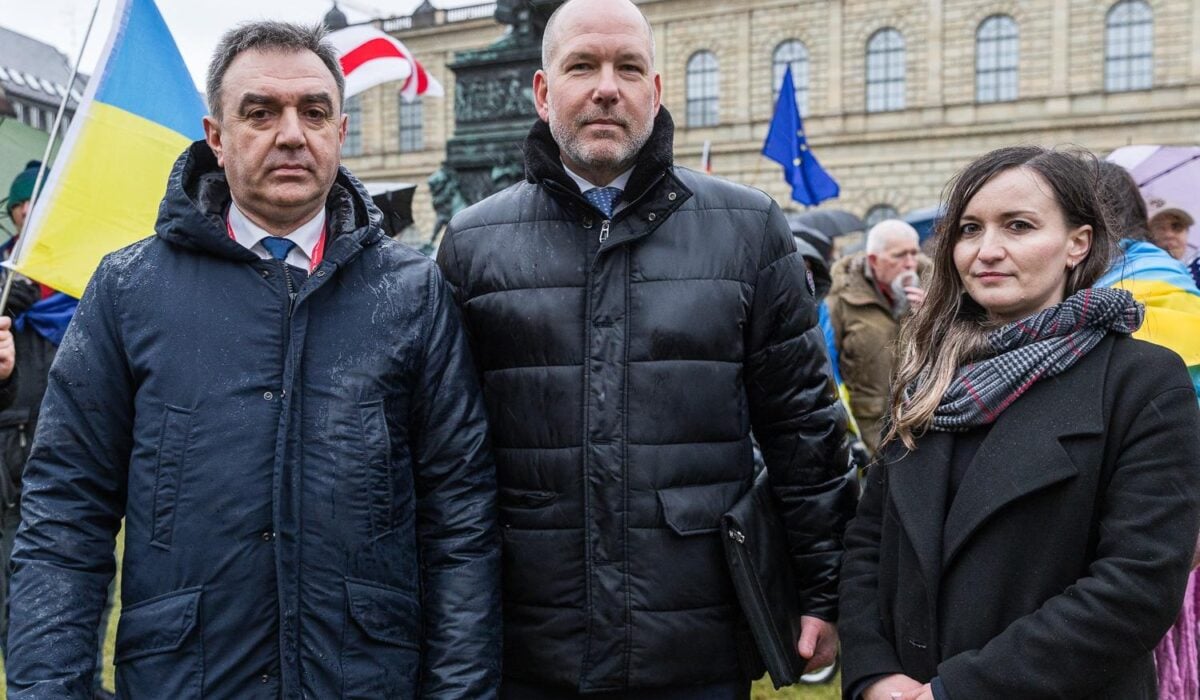 Paul Grod joins the Ukrainian community in Germany during a rally held alongside the MSC. Credit: Dmytro Bartosh
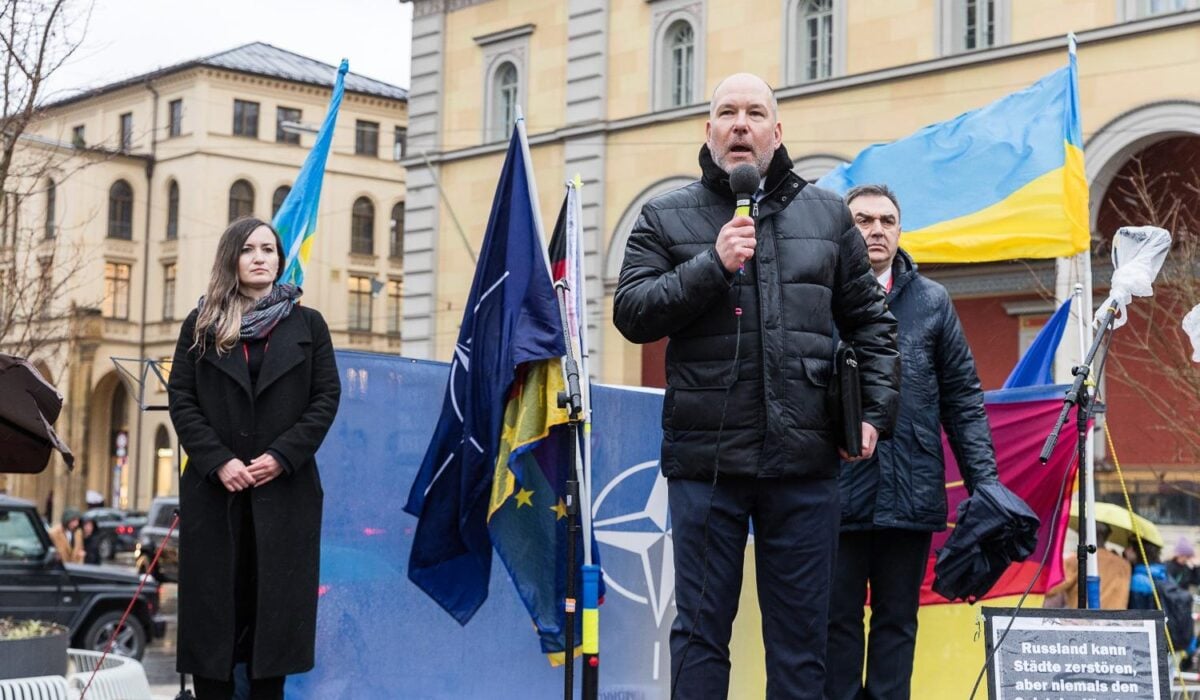
On Feb. 15, Grod met with the Ukrainian community in Germany. The discussion focused on what Ukraine needs to secure victory. He shared insights from the Munich Security Conference, highlighting key takeaways and emphasizing that Ukraine was featured on nearly every major panel. The world continues to discuss Ukraine’s security, struggle, and the future of a just peace.
Topics included the pursuit of a just peace, security guarantees, the return of abducted Ukrainian children, and the role of Ukrainian diaspora communities. Grod encouraged organization, continued support for the Armed Forces, advocacy for Ukraine at all levels, and unity around joint initiatives, including the Global Ukrainians’ Declaration of Unity.
“The world has not abandoned us. The world thinks of us. The world remembers us,” Grod said.
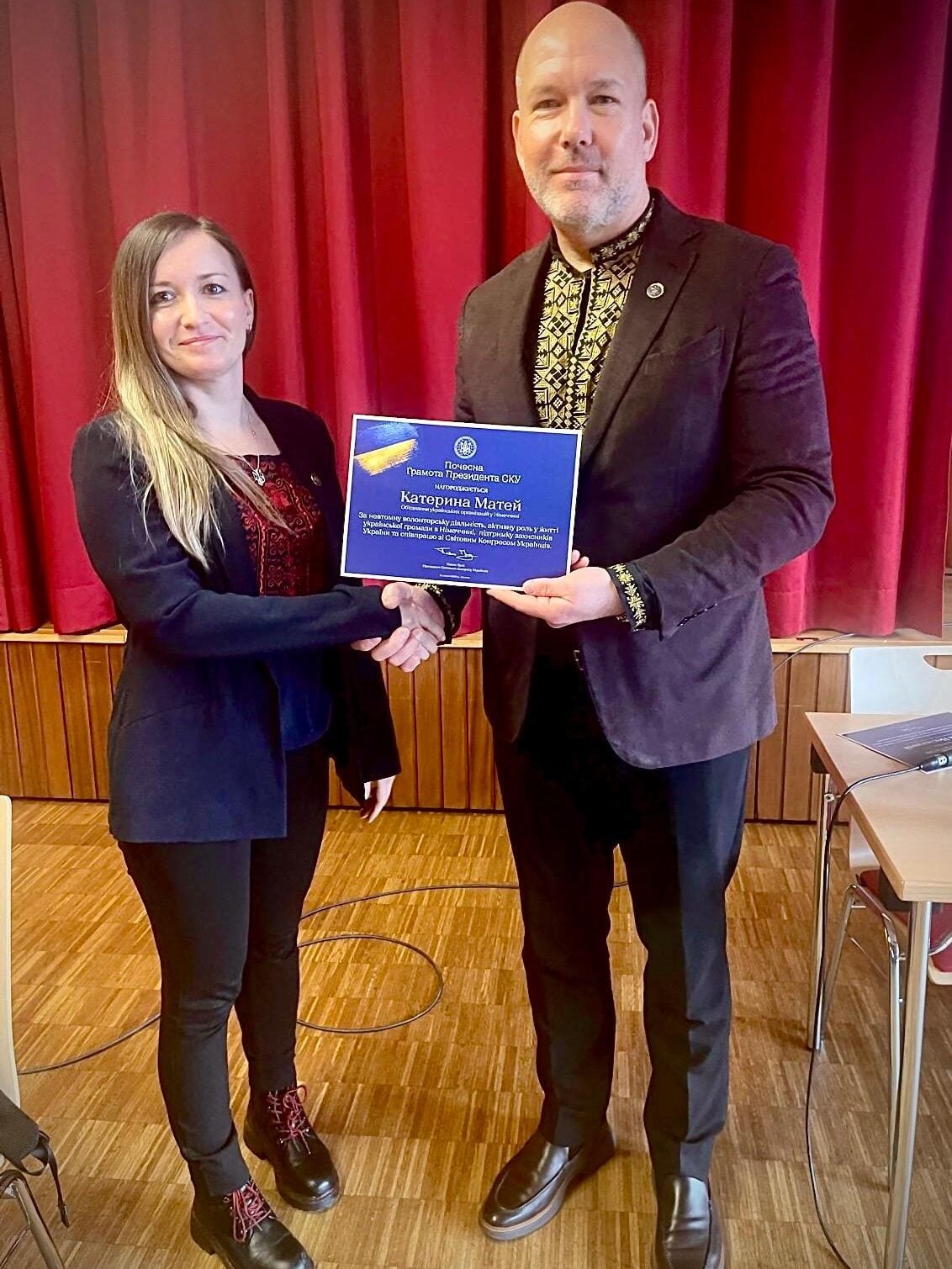
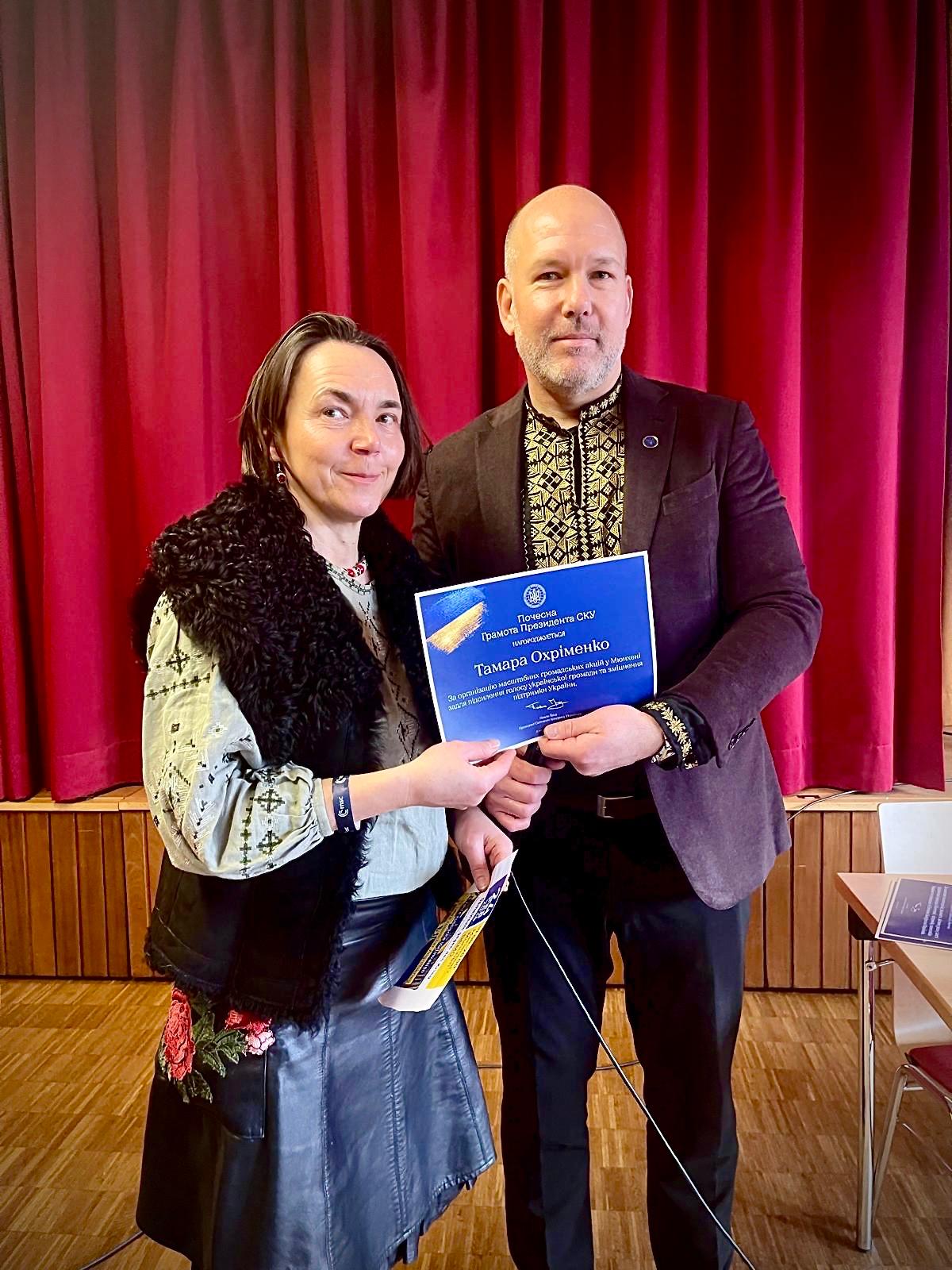
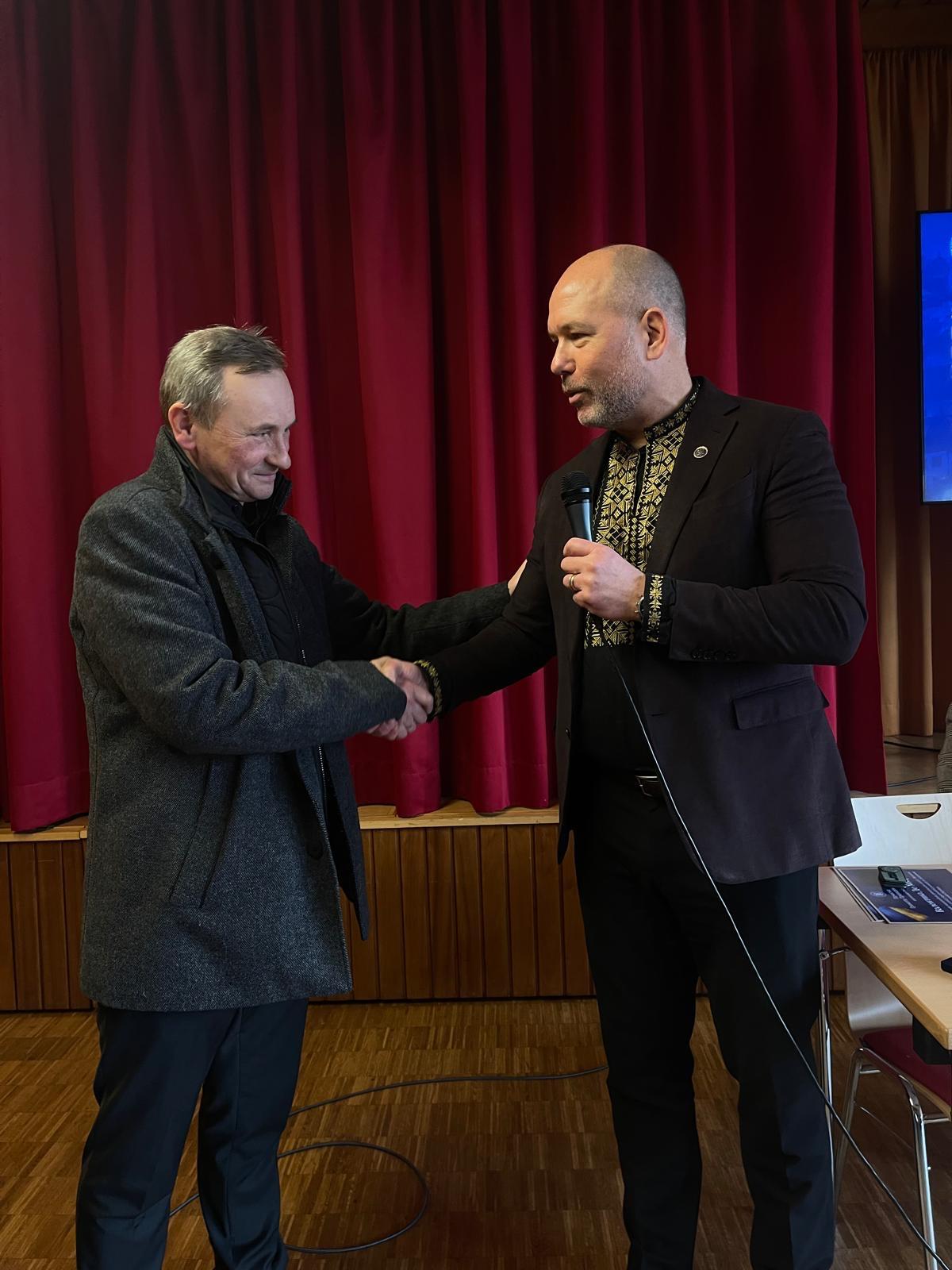
During the community meeting, Grod also presented certificates of recognition to community members for active support of Ukraine, honoring Kateryna Matey and Andriy Nesmachnyi of the Association of Ukrainian Organizations in Germany, as well as active civil leaders Valentyna De Maar and Tamara Okhrimenko.
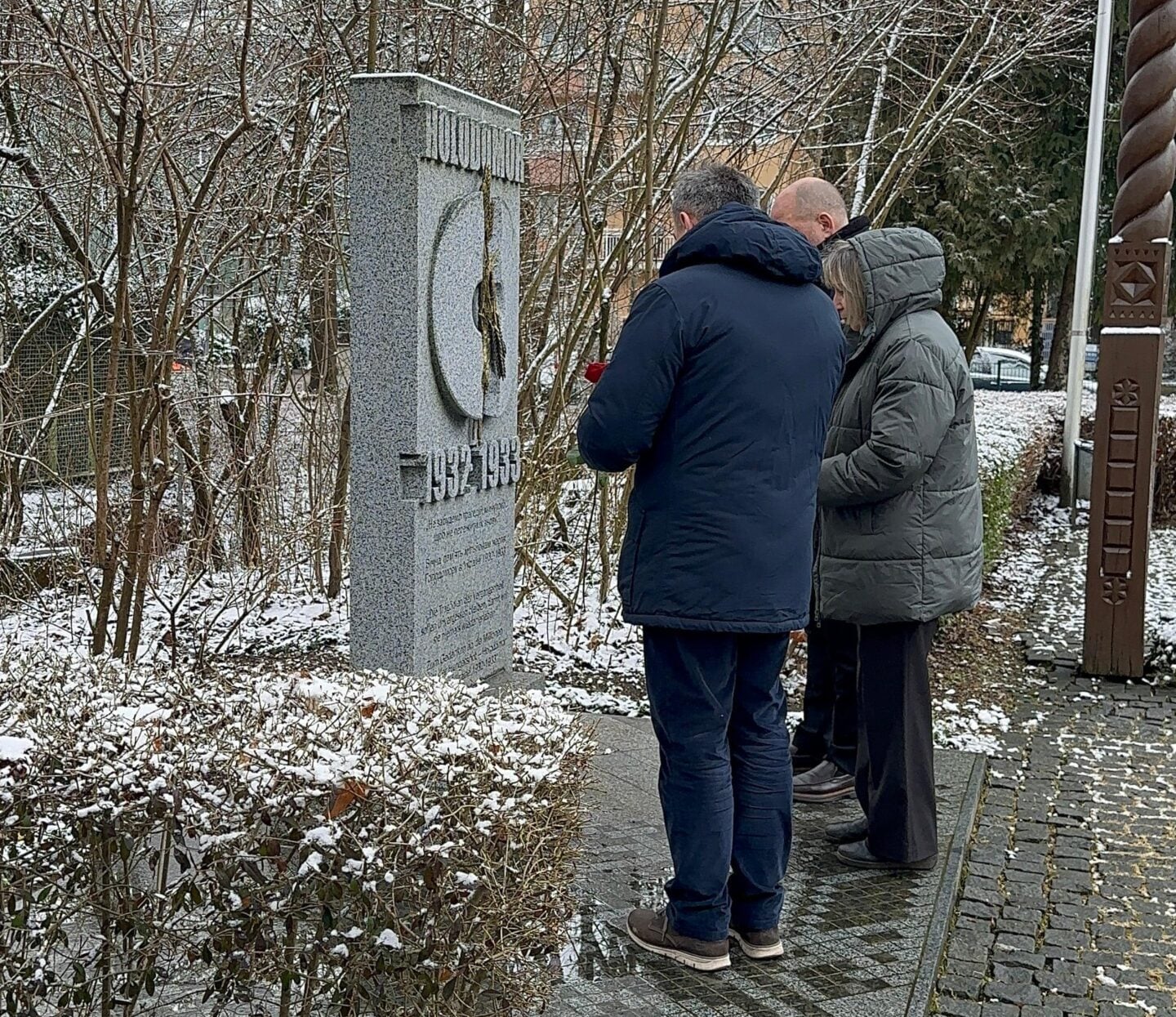
Grod also joined Larysa Didkovska, Rector of the Ukrainian Free University, Rostyslav Sukennyk, Kateryna Matey, and community representatives in laying flowers at the Holodomor memorial.
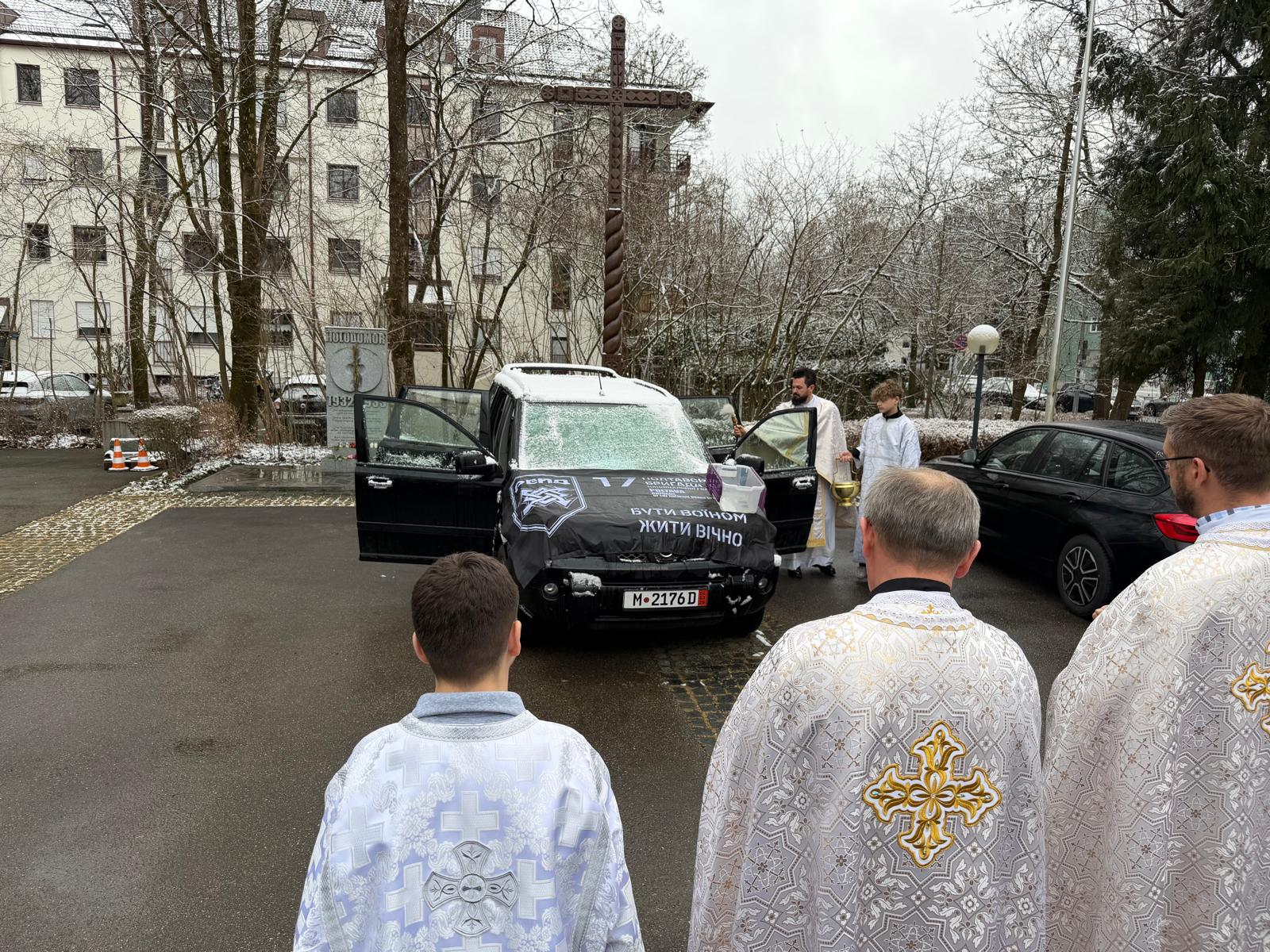
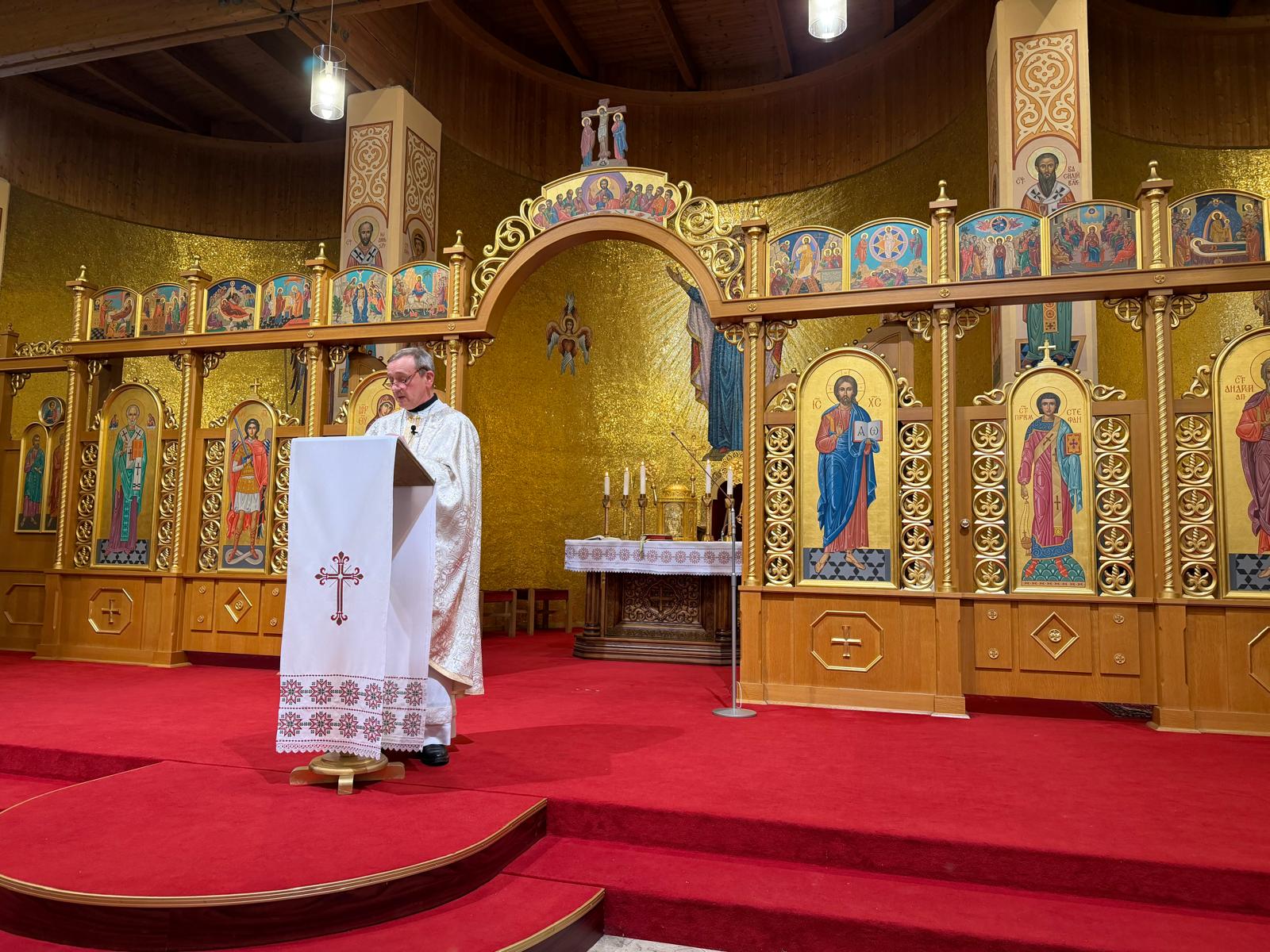
The UWC President also joined the community for a church service and took part in the blessing of vehicles that volunteers are sending to Ukraine. In addition, Paul Grod spoke with journalists about the results of the visit, including interviews with RFI Ukrainian and Ukrainian Radio.
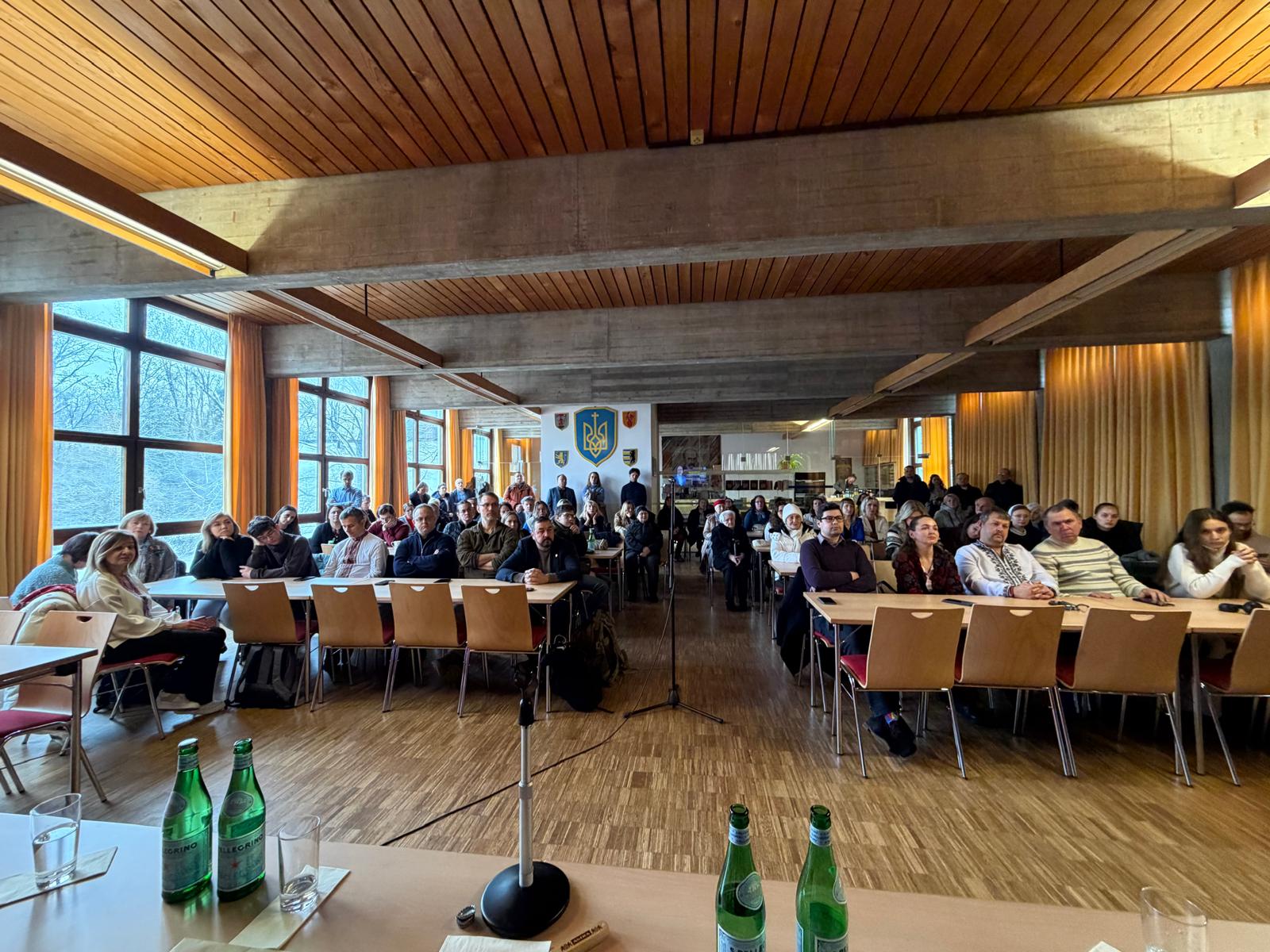 Community events.
The Ukrainian World Congress’s participation in the 2026 Munich Security Conference ensured that the voice of the global Ukrainian community was present on one of the world’s most influential international security platforms, where key decisions on support for Ukraine are shaped.
Through the joint efforts of Ukraine House partners, including the UWC, a space was created where Ukrainian issues became a central focus of the 2026 Munich Security Conference program.
Latest news
 #LocalAction