

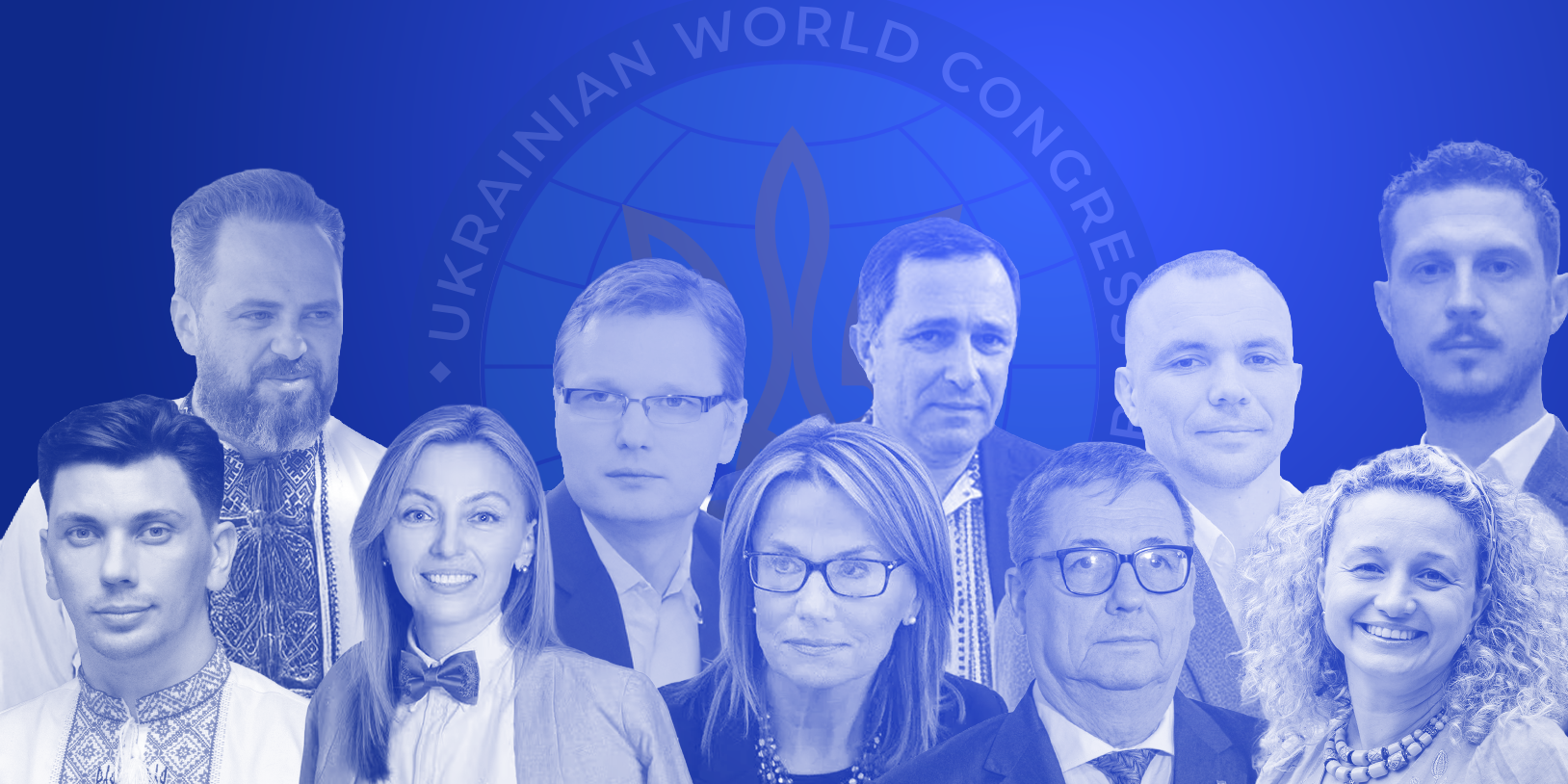


In 2025, the Ukrainian World Congress advanced its mission through coordinated global projects and strong regional leadership. The organization’s ten Regional Vice Presidents reported tangible progress in advocacy, education, culture, and humanitarian support, as Ukrainian communities worldwide deepened partnerships and amplified Ukraine’s presence on the international stage. Below is a snapshot of the UWC’s principal accomplishments by region.
North America
Marta Farion, UWC Vice President for North America
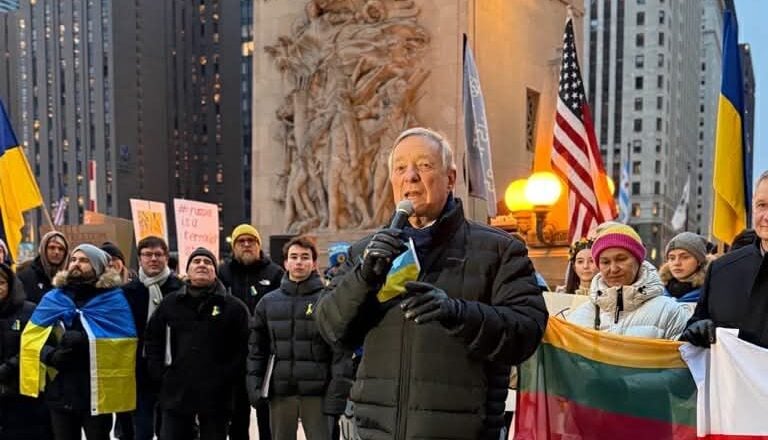
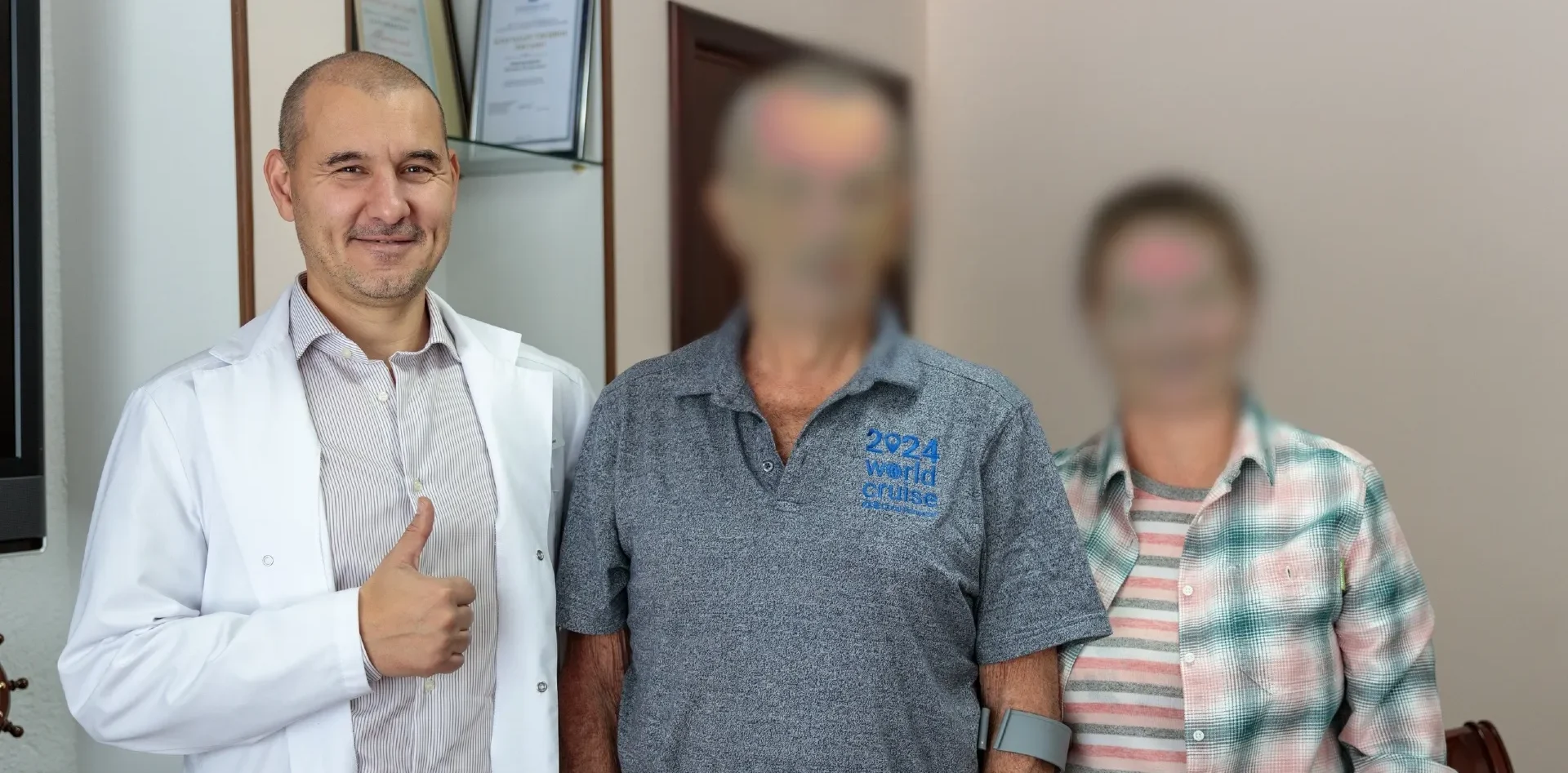
North America played a central role in high-level engagement and advocacy. First Lady Olena Zelenska visited Washington and New York to launch a university consortium focused on Ukraine, while President Zelenskyy and the First Lady met with U.S. leaders and participated in the UN General Assembly, supported by Ukrainian community leaders. Olena Zelenska also brought global attention to the issue of abducted Ukrainian children. Advocacy efforts included mass rallies in major cities, coordinated Advocacy Days on Capitol Hill by UCCA, Razom, NOVA, and others, and national letter-writing campaigns to Congress. Educational initiatives featured ZNO testing for displaced students in Chicago, organized by KonektMe and Refugee One, and the launch of a Ukrainian Saturday school in Mexico City. Humanitarian aid efforts led by Revived Soldiers Ukraine and Protez Foundation provided surgeries and prosthetics for wounded veterans, with U.S. doctors volunteering their time. Cultural diplomacy remained strong, with festivals, performances, and cross-cultural events in Mexico such as fashion shows and the formation of a Ukrainian chorus.
Central and South America
Jorge Danylyshyn, UWC Regional Vice President for Central and South America
Ukrainian organizations across the region worked diligently to ensure that traditional celebrations such as First Bell, Easter Lunch, Heroes’ Day, Independence Day, Ivana Kupala Festival, Mother’s Day and others serve as vital opportunities to unite Ukrainians in communities where the common bond often connects third- and fourth-generation descendants.
Education and Ukrainian studies remain top priorities, with programs led either by the Ukrainian Greek Catholic Church (UGCC) or community organizations, primarily on a volunteer basis. Notable initiatives included participation in the Buenos Aires Book Fair with a Ukrainian stand, book launches and author meetings; a Pysanka Workshop for ambassadors and spouses of diplomats accredited in Argentina organized jointly with the spouse of Ukraine’s Ambassador Yurii Klymenko; and the “Together for Ukraine” Festival featuring Italian, Spanish, Paraguayan and Argentine folklore ensembles, attended by the Mayor of Buenos Aires, the Ambassador of Ukraine and community leaders.
Numerous dance performances and concerts, among the most popular expressions of Ukrainian culture, took place, with over 15 dance groups active in Argentina and similar numbers in Brazil. Archival and research work continued at the Prometheus Library and Documentary Center, along with photo exhibitions on the Holodomor, national costumes, folk art and painting.
Regular meetings, conferences and receptions were held with politicians, artists, delegations from Ukraine’s Ministry of Foreign Affairs, and NGOs from Ukraine and the diaspora. Online meetings connected community leaders from Colombia, Peru, Ecuador, Panama, Paraguay and northern Argentina, while a delegation visit to Brazil took place on the occasion of the Congress of the Ukrainian Brazilian Central Representation.
In cooperation with the Ukrainian Institute, the Spanish-language version of the Course on Ukrainian Culture was also presented.
Southern and Southeast Asia, Australia, New Zealand, Türkiye, and Lebanon
Nataliya Poshyvaylo-Towler, UWC Vice President for Southern and Southeast Asia, Australia, New Zealand, Türkiye, and Lebanon
The UWC President visited Australia and New Zealand, engaging in media interviews, meeting with political leaders and Cardinal Mykola Bychok, and connecting with Ukrainian communities in multiple cities.
Eleven regional meetings were held throughout the year, including sessions with leaders in Turkey, Japan, China, and the Philippines. Communities across the region marked the third anniversary of the full-scale invasion with coordinated events.
Olga Herasymiuk, Head of the Television and Radio Committee, delivered seven lectures in Australia on countering disinformation. In Wellington, commemorations for UNR soldier Mykola Kharytonenko were held in partnership with UWC Ukraine, local authorities, and religious institutions, alongside advocacy training led by OUNZ Co-Chair Kateryna Turska.
Online conferences and literary events supported cultural and historical engagement across the region.
Middle East and Central Asia
Yevheniy Semenov, UWC Vice President for Middle East and Central Asia
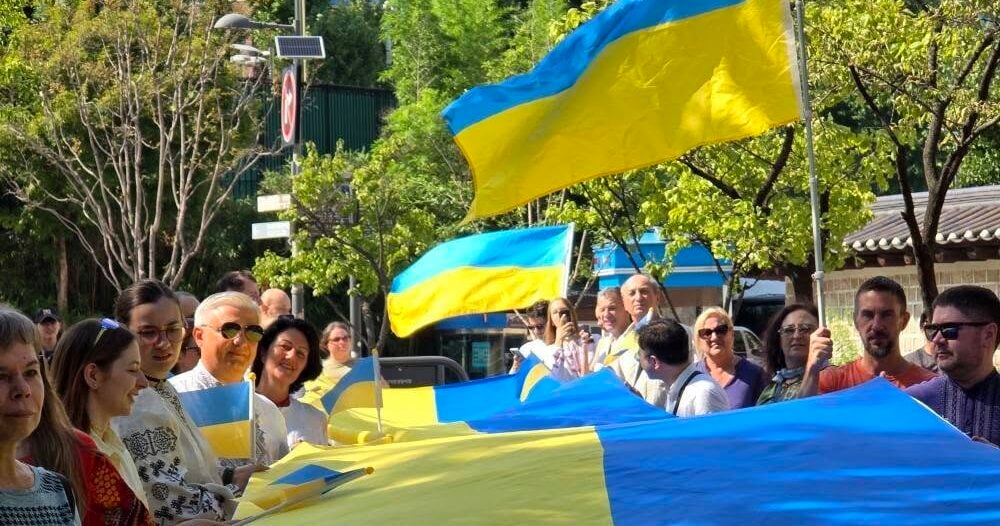
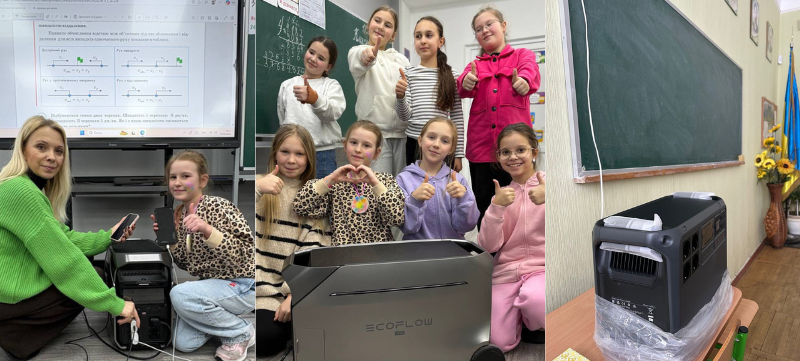
The region actively participated in the UWC’s global campaigns “Stand With Ukraine,” marking the anniversary of February 24 and Ukraine’s Independence Day. In the United Arab Emirates, communities took an active part in the “Energize Ukraine” initiative.
An additional advocacy tool was the launch of the children’s art exhibition “Colors of Hope,” featuring drawings by the children of Ukrainian prisoners of war. Advocacy materials were published in major media outlets such as The National (UAE) and Al Arabiya (Saudi Arabia), while in Kazakhstan a weekly Ukrainian-language radio program aired on Dostyk FM.
The region’s primary focus remained cultural diplomacy. Meetings were held between the UWC Regional Vice President and representatives of the UAE royal family, Kazakhstan’s Minister of Culture and Information, and international leaders, including the Prime Minister of Finland and the Deputy Director-General of UNESCO.
Africa
Dzvinka Kachur, UWC Regional Vice President for Africa
The main focus of advocacy efforts across the continent has been the return of Ukrainian children forcibly deported by Russia. Cooperation has been established between Ukrainian and South African experts to advance advocacy on nuclear safety and the de-occupation of the Zaporizhzhia Nuclear Power Plant, to support UN reform, and to promote accountability for human rights violations and war crimes. As a result of this cooperation, a UWC representative will participate in the African Security Forum — the Tana Forum — in Ethiopia.
Communities across the continent also support the psychological rehabilitation of children in Ukraine through cooperation with the “Voices of Children” organization. The Ukrainian Association of South Africa, in partnership with the Embassy of Ukraine, translated the audio guide at the Apartheid Museum, which was inaugurated during the first official visit of the President of Ukraine and the First Lady to the African continent on 24 April 2025. In Mazepa Bay, South Africa, an information plaque dedicated to Hetman Ivan Mazepa was unveiled, and in cooperation with the Holodomor Museum, an exhibition was created based on the letters of a Holodomor witness — South African engineer Jerry Berman.
Ukrainian Saturday schools remain active in Tunisia, Egypt, and South Africa, and in 2025 a new Ukrainian school was opened in Mauritius. Cooperation has also begun with newly established diplomatic missions. Events promoting cultural diplomacy and advocacy were held in Nigeria, Botswana, Zimbabwe, Zambia, Namibia, Kenya, Tunisia, and Mauritania.
Northern Europe
Roman Mykytenko, UWC Vice President for Northern Europe
The region saw the establishment of the UWC Humanitarian Committee and active participation in the Nordic Ukraine Advocacy Summit 2025. A strategic session was held for the Association of Ukrainians in Denmark, and communication was initiated with the newly appointed Norwegian Ambassador to strengthen ties with the Ukrainian community in Norway.
Ongoing contact was established with the Ukrainian community in Iceland, with a follow-up meeting planned in Reykjavik.
Community-building activities included regular meetings with civil society organizations and participation in major advocacy events such as the Copenhagen Democracy Summit and Folkemødet 2025. Regional meetings were held approximately every two months, fostering coordination and experience-sharing among representatives.
Western Europe
Volodymyr Kogutyak, UWC Vice President for Western Europe
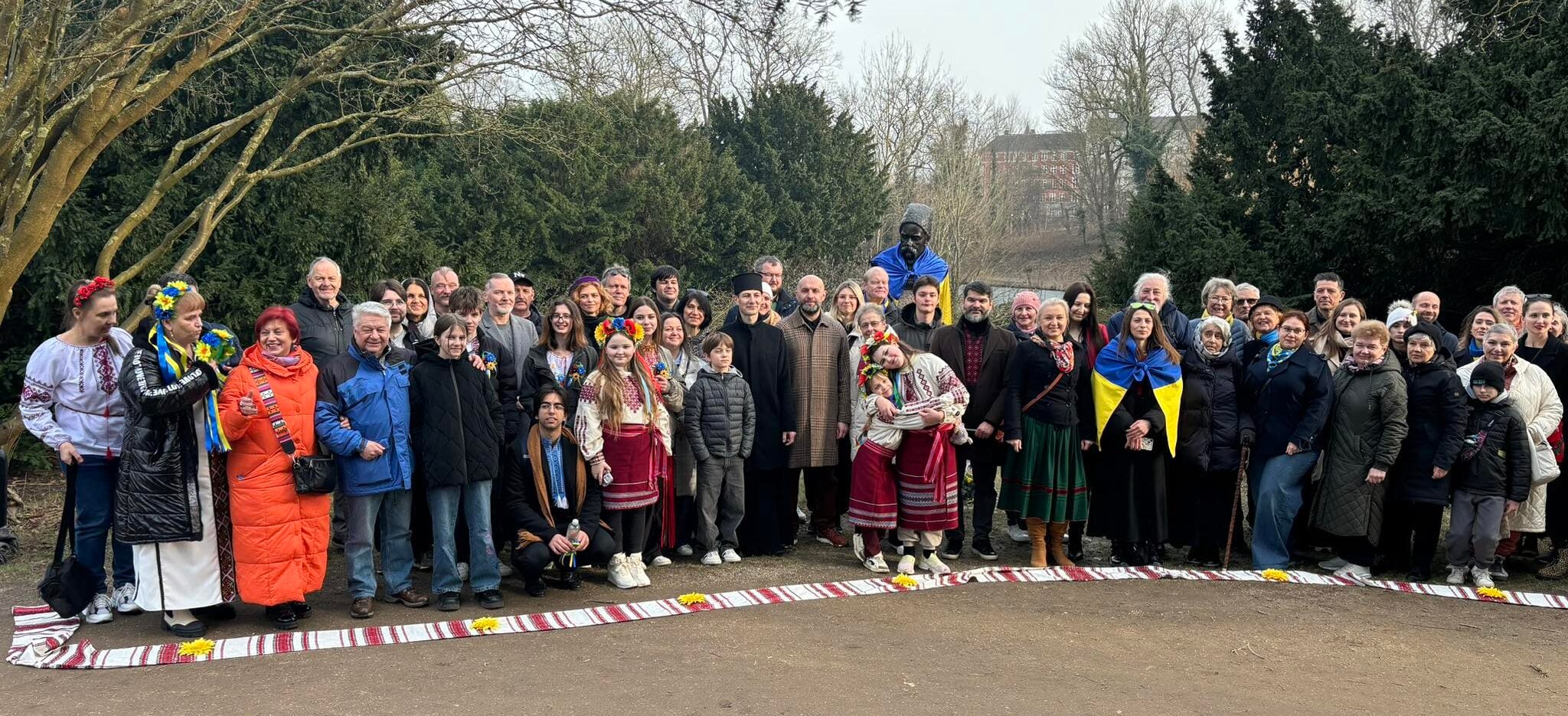
A joint visit to Germany by UWC President Paul Grod helped unify local organizations, shifting from isolated efforts to active collaboration. UWC’s visibility in France increased significantly, with regular mentions in major Ukrainian media outlets, especially around European military support for Ukraine.
Large-scale campaigns such as Ukrainian Independence Day, Vyshyvanka Day, and the anniversary of Russia’s full-scale invasion were held across the region, fostering unity and amplifying advocacy. Over ten major events took place, reinforcing inter-organizational ties and elevating the diaspora’s voice.
Monthly online regional conferences supported coordination, cultural programming, and counter-disinformation efforts.
Southeastern Europe
Miroslav Hočak, UWC Vice President for Southeastern Europe
The European Forum of the Ukrainian Diaspora in Novi Sad (December 2024) served as the central coordination platform, gathering over 630 participants from more than 50 countries. Its outcomes guided regional priorities throughout 2025.
Cultural diplomacy was advanced through festivals such as “Kalyna” in Serbia, the central Ukrainian celebration in Croatia, and “Ukrainiada” in Montenegro, fostering cross-border collaboration and visibility. Community-building activities included educational programs, religious celebrations, and advocacy campaigns that engaged families and youth.
Advocacy efforts were undertaken across several countries, with Croatia leading the way through meetings with parliamentarians, government ministers, and civil society leaders. These engagements resulted in official statements and significantly heightened public and political awareness of Ukraine’s key issues.
Southwestern Europe
Pavlo Sadokha, UWC Vice President for Southwestern Europe
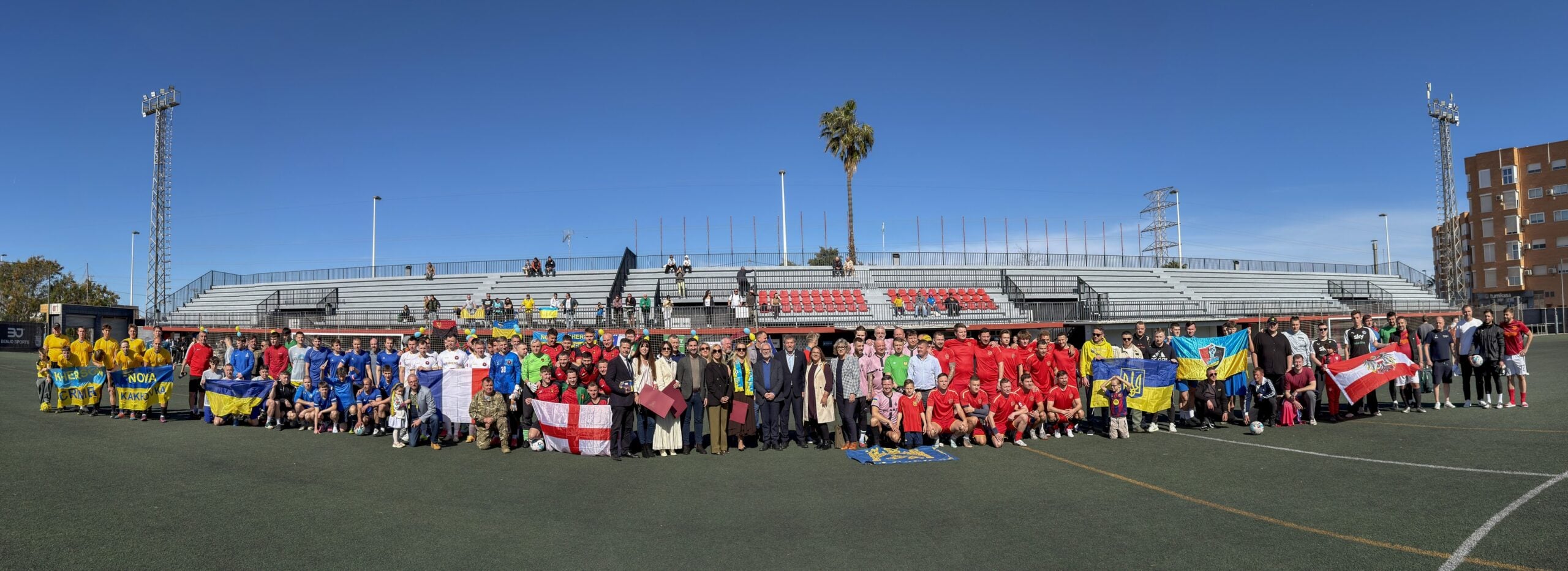
Fundraising campaigns for the Armed Forces of Ukraine were held across all five countries. In Portugal, 17 children and 11 mothers from Sumy were hosted for rest and recovery, while summer camps for Ukrainian children were organized in Spain, Italy, and Portugal.
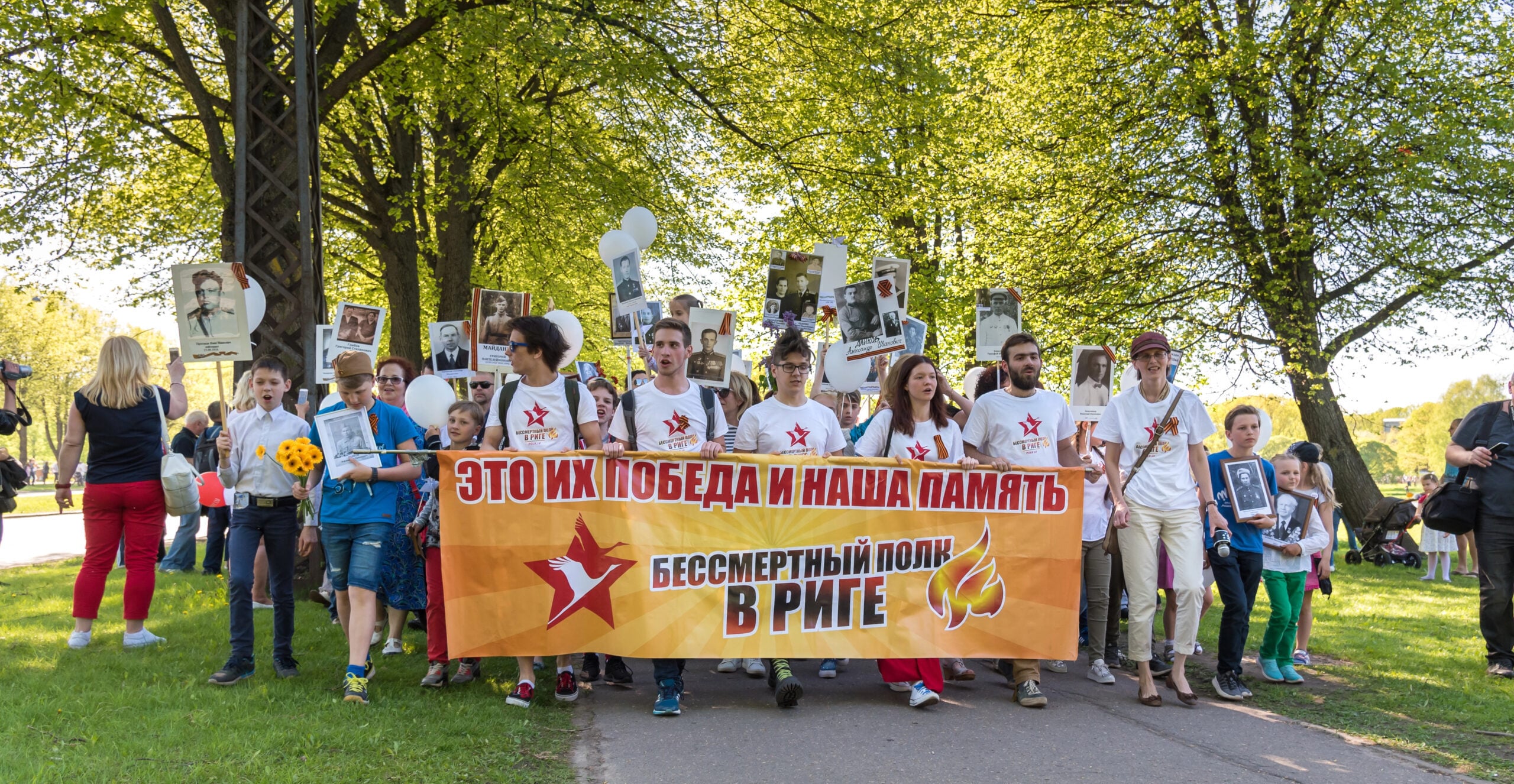
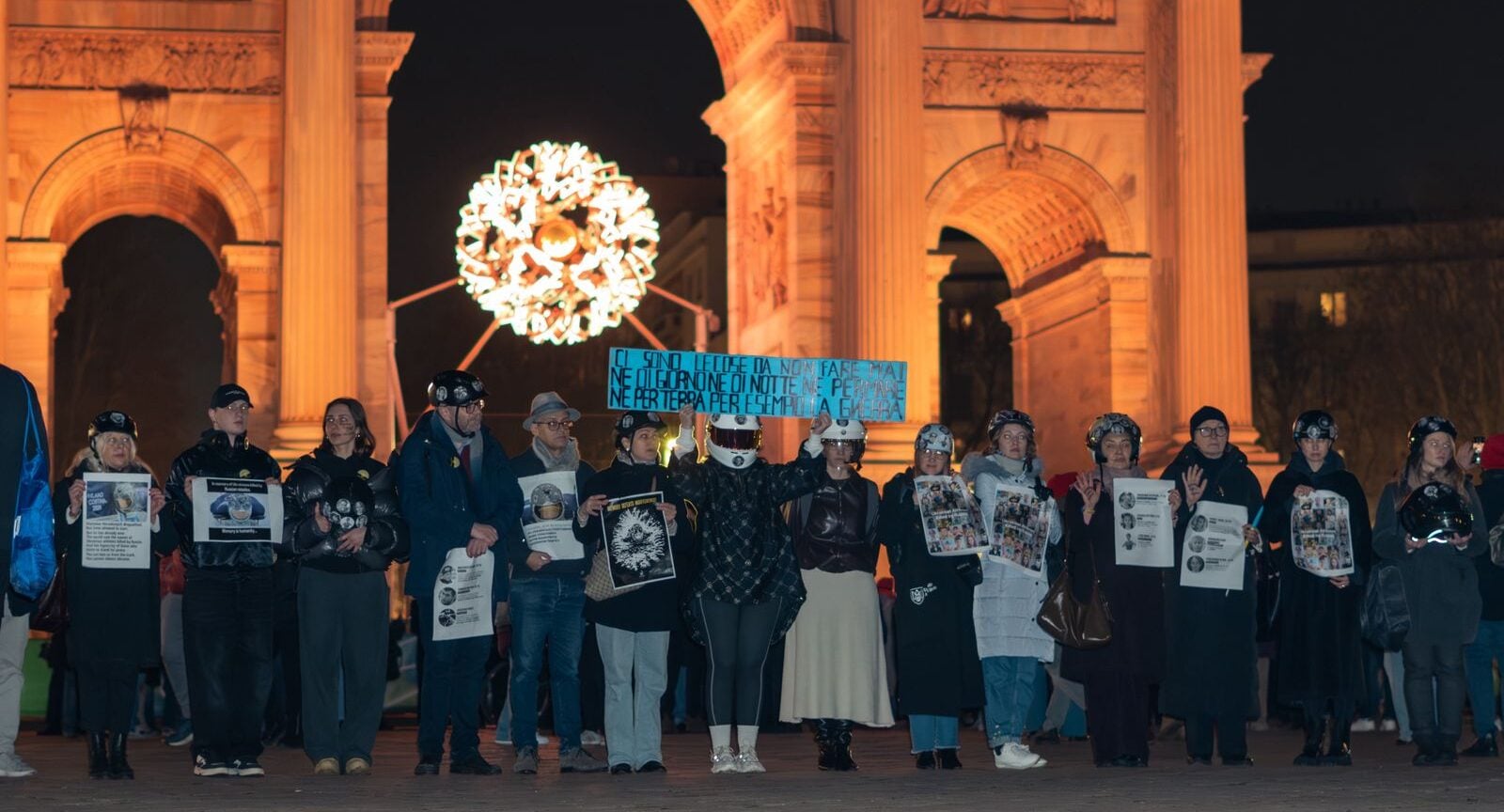
Weekly rallies, media appearances, and political actions sustained advocacy momentum. Notable achievements included blocking a performance by Russian conductor Valery Gergiev in Italy, preventing Portuguese children from being sent to camps in occupied Crimea, reducing visibility of the Immortal Regiment, and stopping Russia’s shadow fleet from entering Portuguese ports.
Community unity was reinforced through large-scale events around February 24, Independence Day, Vyshyvanka Day, and Borscht Day.
Eastern Europe
Mykola-Myroslav Petretskyi, UWC Vice President for Eastern Europe
A landmark meeting in Georgia brought together UWC leadership, Ukrainian civic organizations, and state institutions to define strategic priorities and community needs. In Moldova, collaboration intensified around supporting the country’s EU accession process.
Preparations began for the December 2025 Forum of Ukrainians of Eastern Europe, aimed at unifying communities, sharing best practices, and coordinating wartime support. Throughout the year, communities marked key historical dates such as Holodomor Memorial Day and Ukraine’s Independence Day with commemorative events across the region.
Latest news
 #UWC news