



by Olya Soroka, Chair of the International Coordinating Committee for Holodomor Awareness and Recognition and the Global Holodomor Descendants Network, Ukrainian World Congress
Foreword to the online course by the Holodomor Research and Education Consortium at the University of Alberta.
More than ten recognized genocides have occurred over the past century, claiming the lives of millions of innocent people around the world. This number does not include atrocities that have gone unrecognized or underreported. Even as humanity makes progress, we must confront a sobering truth: we have not fully learned from the horrors of the past. Acts of genocide and mass violence continue to be perpetrated, often by governments against vulnerable populations.
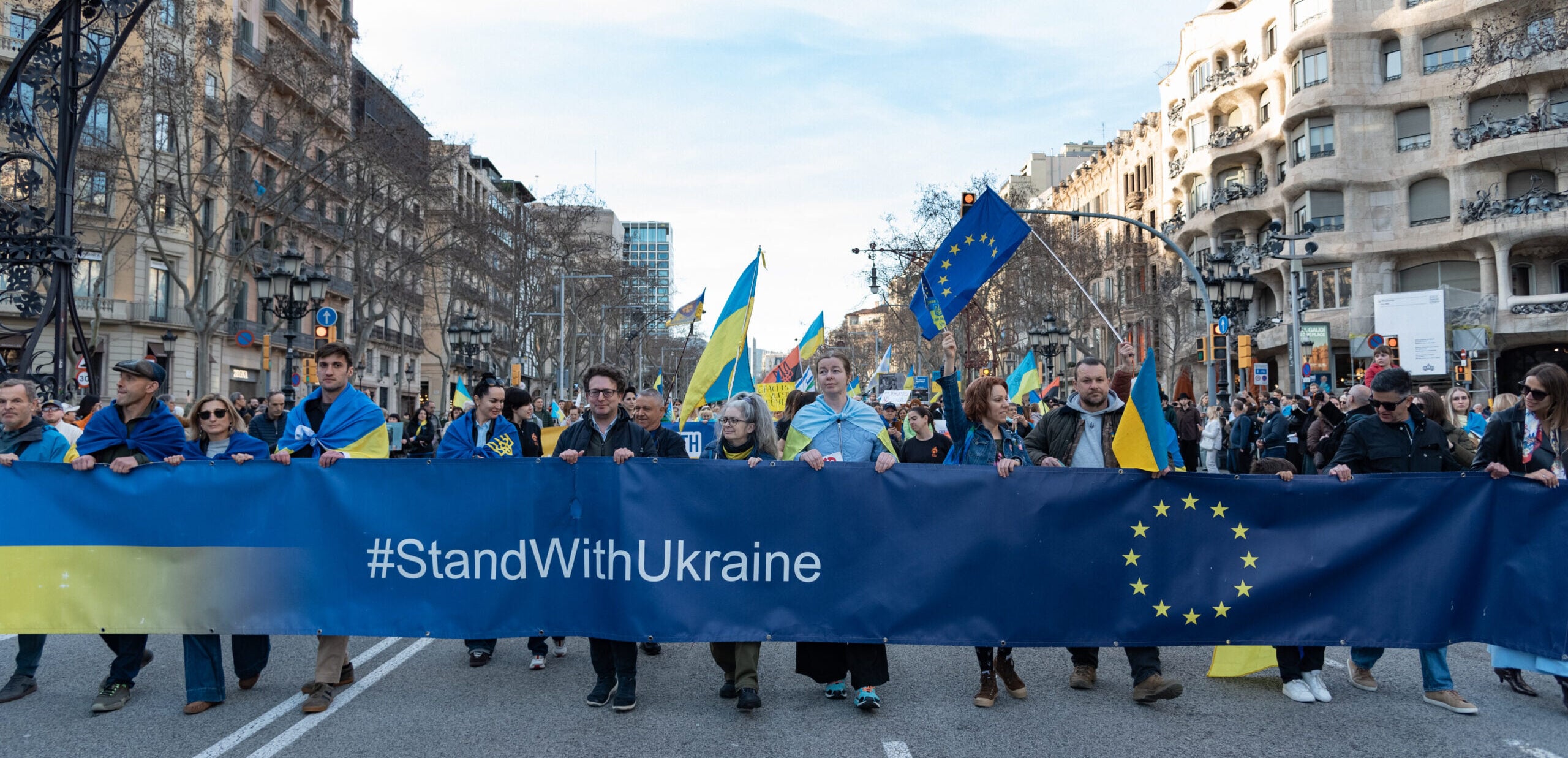
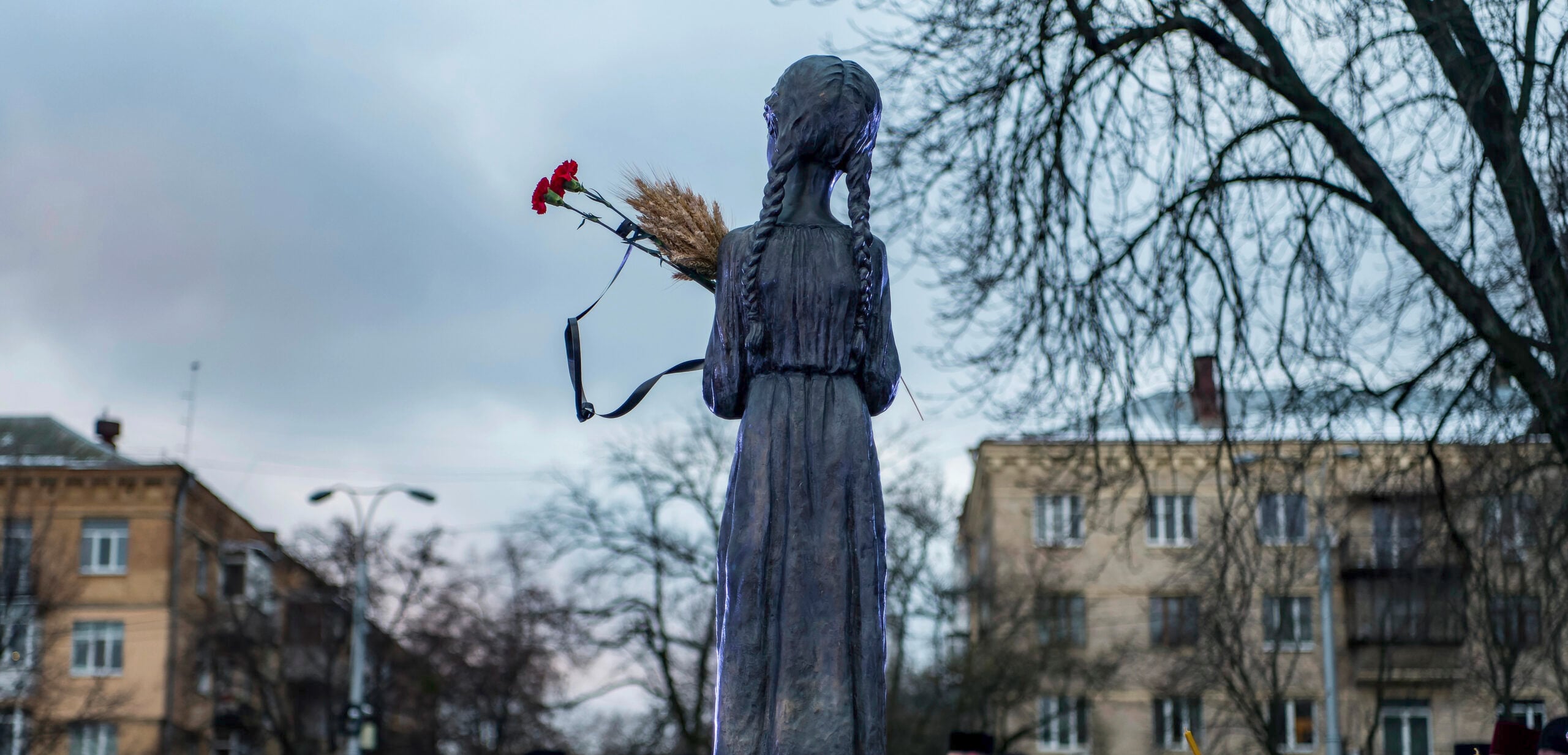
For Ukrainians, who have endured repeated periods of mass repression and famine under the russian empire, the soviet union, and now the russian federation, genocide knowledge carries profound significance. It is essential not only for honoring those who suffered, but also for helping the world recognize warning signs and work to prevent such atrocities from happening again. The Holodomor of 1932–33 was a devastating tragedy that remained largely unrecognized internationally for decades, until scholars and the global Ukrainian community brought it to wider public consciousness. Today, as the war in Ukraine continues, many see echoes of past efforts to suppress Ukrainian identity unfolding in real time.
April is Genocide Awareness Month, a time to reflect on the millions of innocent lives lost to such crimes and to reaffirm our shared responsibility to remain informed and vigilant. Our partner, the Holodomor Research and Education Consortium at the University of Alberta, has released a new, free online course dedicated to the Holodomor.
The course presents research supported by scholars from around the world, including Ukraine.
This is an atrocity that must never be forgotten, and one that continues to call for remembrance, education, and accountability.
Cover: DepositPhotos