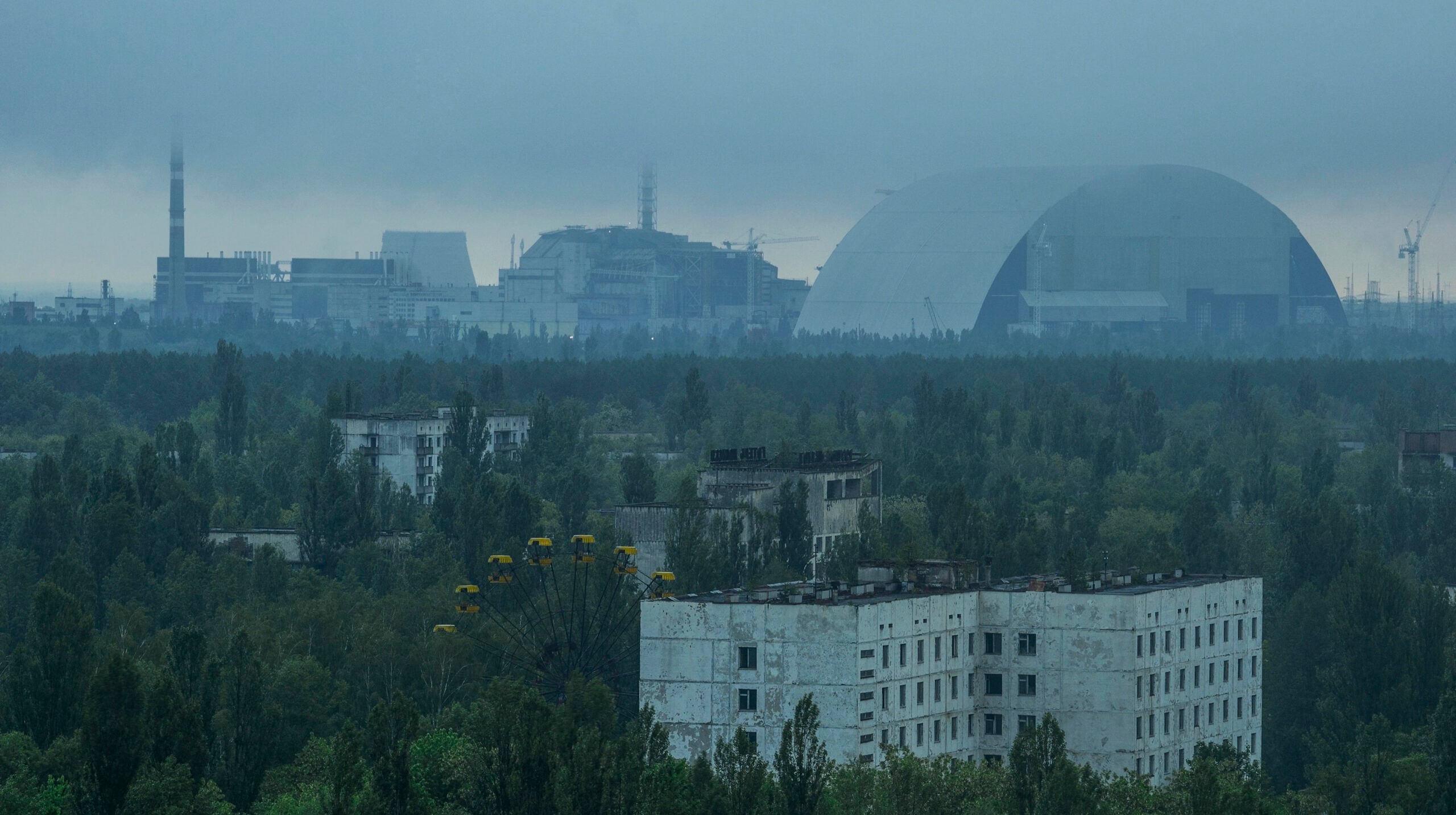


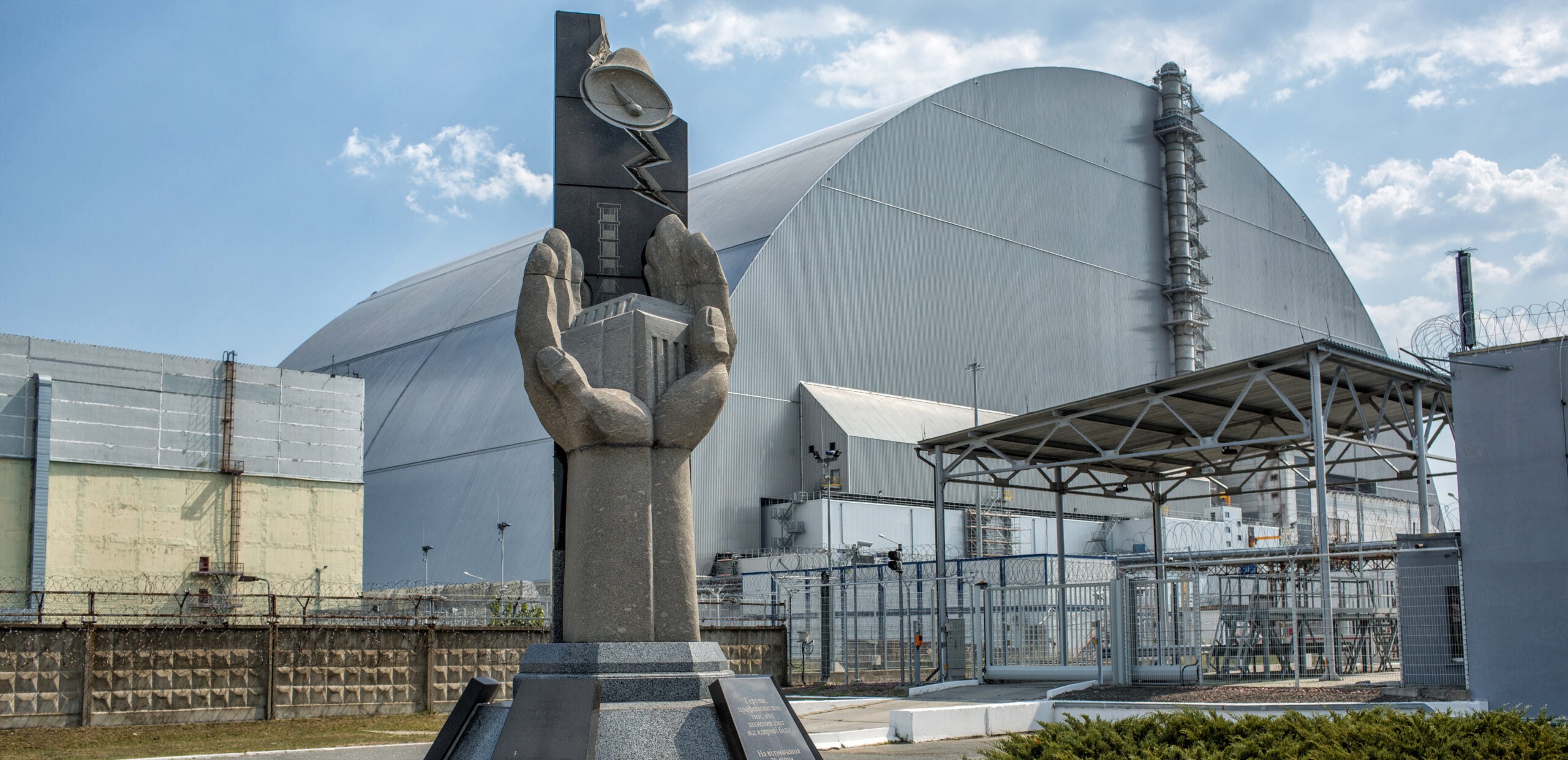


The protective shelter over the destroyed fourth reactor of the Chornobyl Nuclear Power Plant (ChNPP) has partially lost its key safety functions following a Russian drone strike in February, the International Atomic Energy Agency (IAEA) reported on Dec. 5 after a comprehensive technical assessment.
It was built mostly by French engineers and paid for by an international consortium of 45 donor countries at the cost of 1.5 billion euros.
It had a life span of 100 years when it was completed in 2019.
The structure can no longer fully perform its intended functions, including the containment and isolation of radioactive materials. However, the supporting elements of the arch and the main monitoring systems remain intact.
“Limited temporary repairs have been carried out on the roof, but timely and comprehensive restoration remains essential to prevent further degradation and ensure long-term nuclear safety,” said IAEA Director General Rafael Grossi.
The IAEA recommended major restoration work, including additional protective measures, moisture control, an updated corrosion monitoring program for the metal components, and an upgrade of the automated structural monitoring system.
The Russian strike on ChNPP occurred during the night of Feb. 14, when a drone armed with an explosive payload hit the protective shelter of the fourth reactor. The arch sustained damage, but no release of radioactive materials or increase in radiation levels was recorded.
Cover: Shutterstock
Latest news

 #GlobalAdvocacy