

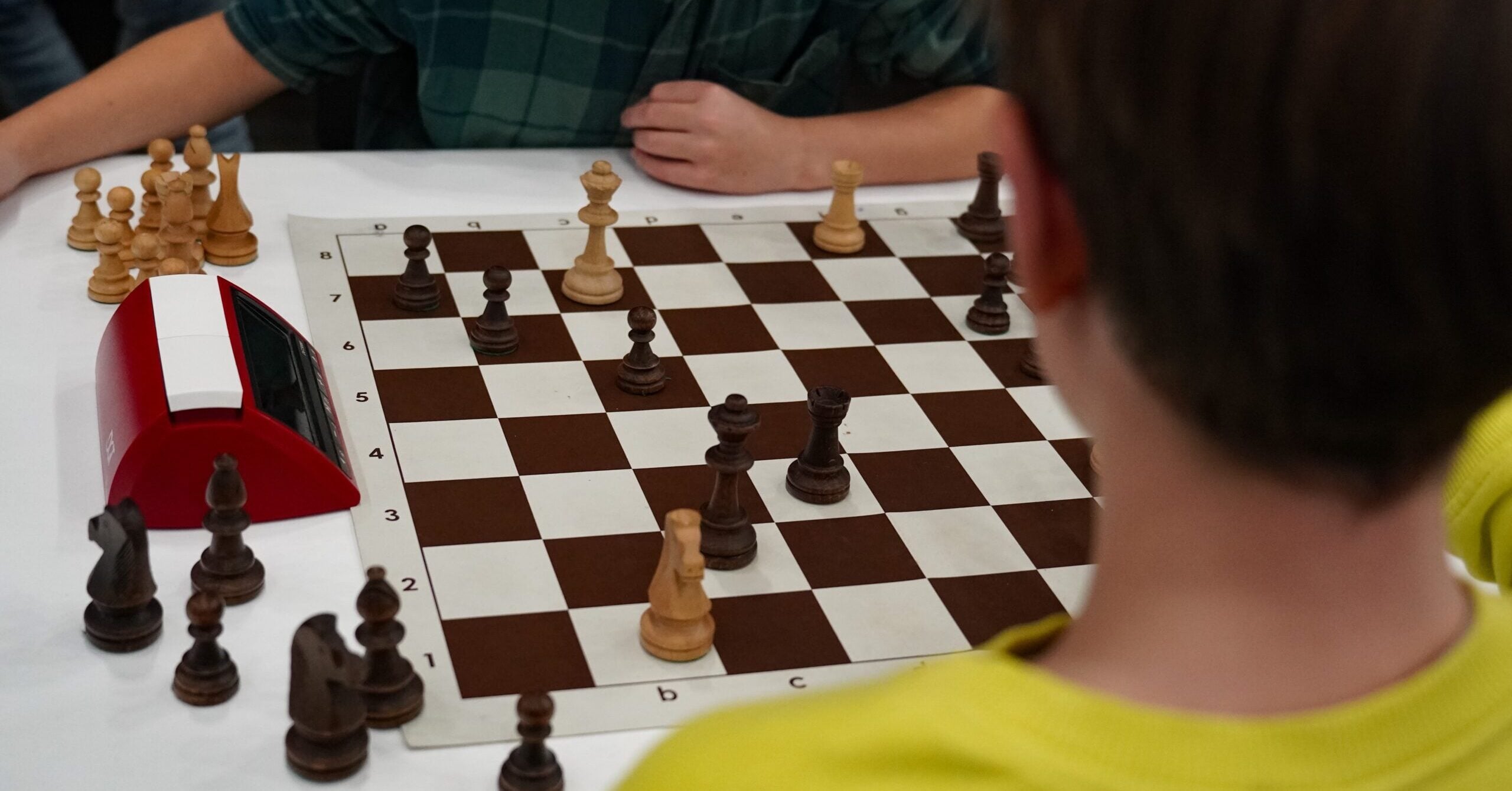


The General Assembly of the International Chess Federation (FIDE) has voted to restore the national symbols of Russia and Belarus and to allow players from both countries to compete in youth and junior chess tournaments, a decision that is drawing heightened scrutiny given that FIDE is currently led by a Russian national.
FIDE President Arkady Dvorkovich, a former deputy prime minister of Russia, has headed the world chess body since 2018.
While FIDE insists it operates independently of governments, critics argue that the federation’s leadership structure makes decisions involving Russia particularly sensitive amid Moscow’s ongoing war against Ukraine.
The General Assembly approved two separate resolutions: one proposed by the Russian Chess Federation and another by the FIDE Council. Russia’s proposal called for the immediate reinstatement of national symbols, while the FIDE Council’s resolution allows flags and anthems at youth competitions in line with recent recommendations from the International Olympic Committee (IOC).
The Russian-sponsored resolution was narrowly adopted, receiving 61 votes in favor, 51 against, with 14 abstentions and 15 delegates not voting. The FIDE Council resolution passed with 69 votes in favor, 40 against, 15 abstentions, and 17 non-participating delegates.
According to FIDE, both decisions were guided by recent International Olympic Committee’s positions regarding athletes from Russia and Belarus.
The federation cited the Olympic Summit’s endorsement of an IOC Executive Board recommendation stating that “youth athletes with a Russian or Belarusian passport should no longer be restricted in their access to international youth competitions, in both individual and team sports.”
The FIDE Council said the resolution took effect immediately and will serve as a framework for future decisions. As a result, teams from Russia and Belarus are now eligible to participate in official FIDE youth and junior events under their national flags and anthems.
The move aligns FIDE with other international sports bodies that have recently eased restrictions. Earlier, the International Sambo Federation and the International Judo Federation fully reinstated athletes from Russia and Belarus, allowing them to compete under full national status.
The Ukrainian World Congress (UWC) has sharply condemned these decisions, urging international federations to uphold principles of fairness and accountability and warning against granting what it described as privileges to aggressor states.
Sport cannot be considered ‘outside politics’ while Russia continues its war against Ukraine and systematically uses international sport as a tool of influence and normalization.
Restoring national symbols risks obscuring Russia’s responsibility for ongoing aggression and undermines broader international efforts to isolate Moscow.
For Ukraine and its supporters, the FIDE vote underscores a broader concern: that international sports governance bodies, particularly those led by officials with ties to Russia, may be gradually eroding the post-2022 consensus on limiting Russia’s global sporting presence while the war continues.
Cover: Shutterstock
Latest news
 #LocalAction