



Thousands of tons of oil spilled into the Black Sea in the wake of Russian shelling of ports in Ukraine’s Odesa Region last month.
The slick spread across hundreds of square kilometers, polluted the coastline and led to the deaths of hundreds of birds, LB.ua reports in an article that assessed the current state of the Black Sea.
“It seems that ecological disasters in the Black Sea during winter are becoming a bad tradition,” the outlet writes.
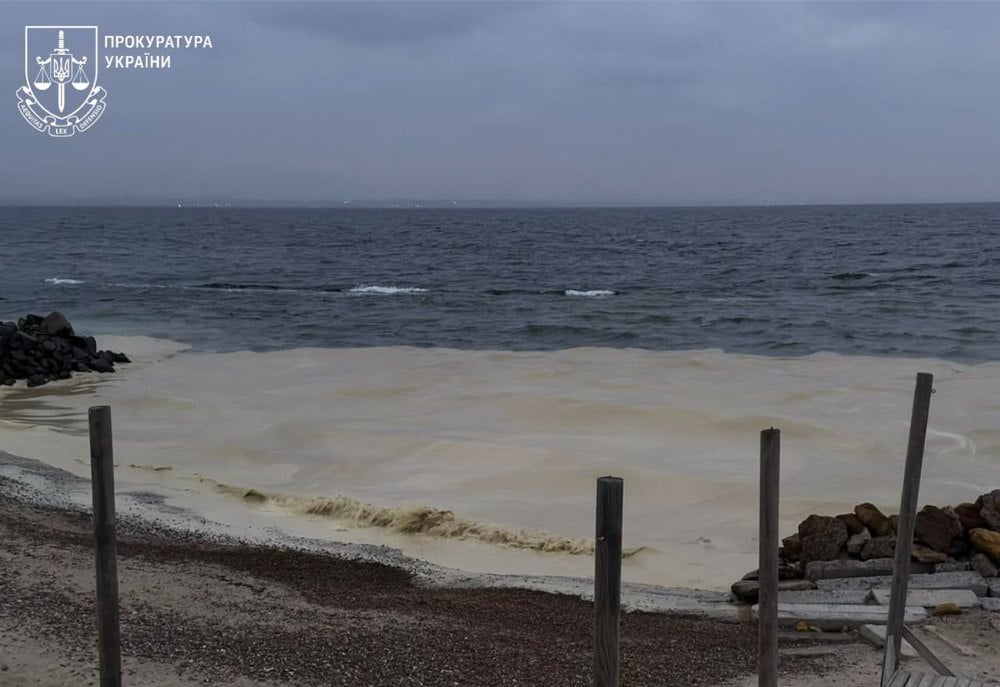
The Dec. 19–21 attacks caused thousands of tons of sunflower oil to leak into the sea from damaged storage tanks belonging to the company Allseeds. According to the Ukrainian Scientific Center of Marine Ecology, the slick spread from the Hryhorivskyi Estuary to Odesa Bay, covering up to 730 square kilometers (282 square miles).
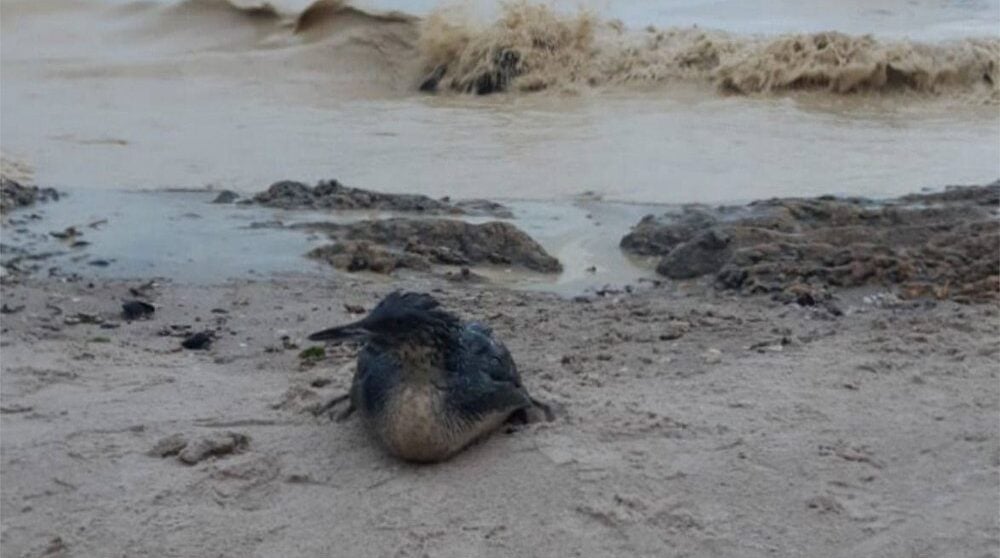
Birds were the first to suffer from the pollution. Volunteers in Odesa rescued hundreds of birds, while many others died after their feathers became coated in oil, leading to hypothermia.
Port services carried out containment and cleanup efforts, and installed boom barriers while deploying specialized vessels and skimmers to collect contaminated water.
By Jan. 2, more than 235 barrels of oil had been collected from the waters of the port of Pivdennyi, though the full scale of the spill remains unknown.
Scientists note that sunflower oil alters the physical and chemical properties of seawater, creates a surface film and has a negative impact on coastal ecosystems, particularly on small filter-feeding species and organisms living in shallow waters.
“The first boom barriers, and later additional ones, were installed on Dec. 20 during breaks between shelling. According to visual monitoring, the polluted area exceeded 420,000 square meters the following day,” the news outlet writes.
Journalists say a lack of clear coordination between state agencies, ports and local authorities has complicated monitoring and response efforts.
Experts describe the incident as one of the largest oil spill cases in the world, as several storage tanks were simultaneously damaged and the large-scale consequences for marine flora and fauna may persist for months.
Volunteers and zoos have taken on the rehabilitation of affected birds by setting up care centers and providing veterinary care, warm shelter and conditions for feather recovery.
The full article in Ukrainian is available at the following link.
Сover: Prosecutor General’s Office of Ukraine