




by Timothy Ash, a British economist covering Europe, the Middle East and Africa
Source: Ash on Substack
The Trump administration seems happy to push two narratives around Russia’s war on Ukraine which seem inconsistent.
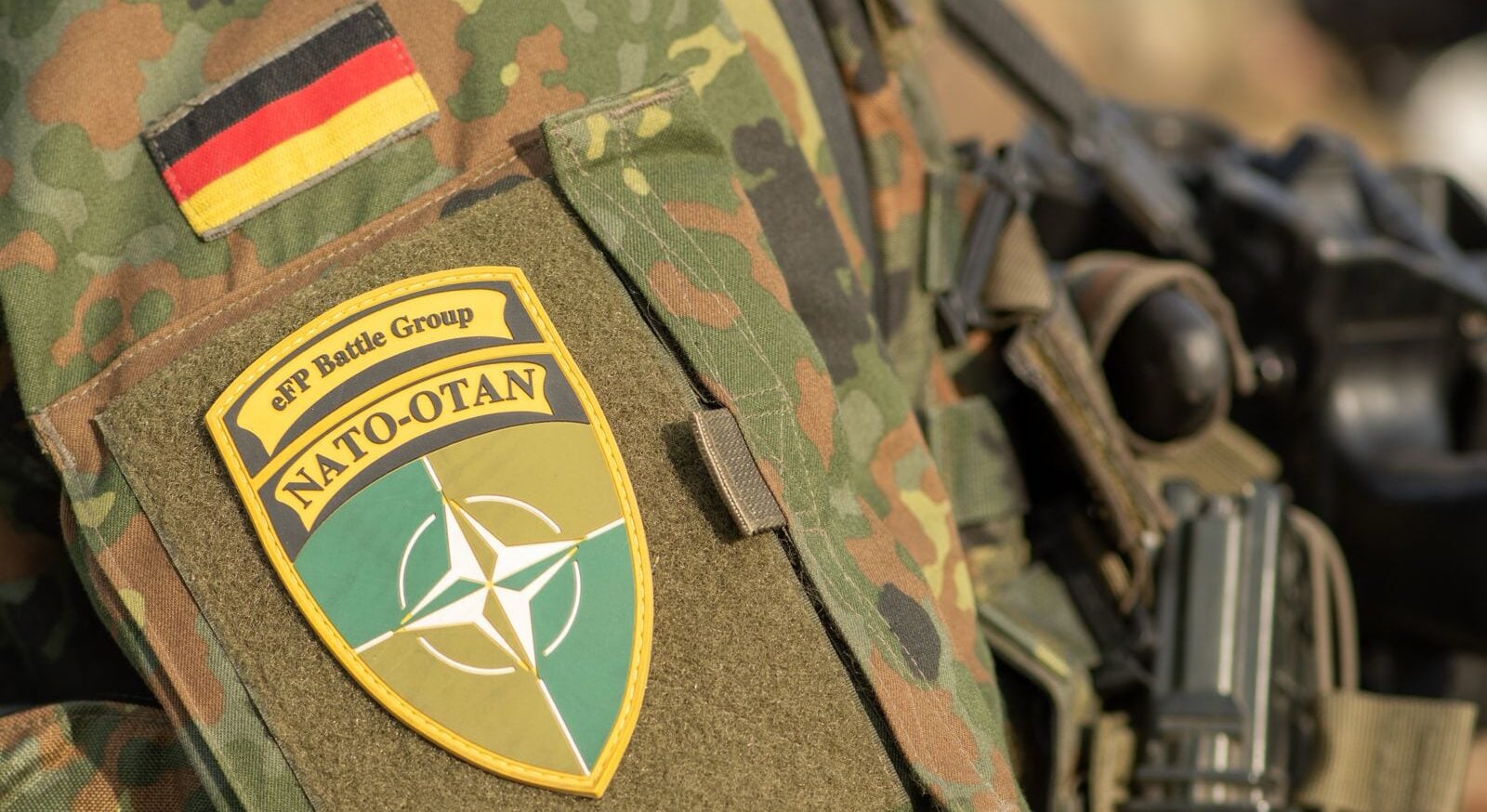
The first is a view, which is almost taken from the Kremlin’s playbook, that Russia’s invasion of Ukraine was somehow justified by the perceived threat resulting from NATO enlargement — and the White House seems to buy the Kremlin narrative that the West went back on a prior pledge not to enlarge East, even though there is zero evidence to support any such claim.
The second is that Europe has free ride on the U.S. security backstop for too long, Europe is not able to defend itself without U.S. support, and that if Europe had only invested better in its own defence then perhaps Putin would not have been so willing to move West and threaten Europe.
You cannot have your cake and eat it. If Europe had so underinvested in its own defence, as the WH is now pitching, then where was the threat from NATO enlargement to Russia, that then provoked the full-scale invasion as per the Kremlin and now White House script?
The truth is that Russia launched the full-scale invasion of Ukraine in 2022, not to counter the threat from NATO enlargement — which actually resulted in less, not more spending on defence — but because Putin just wanted Ukraine, rather as Trump now wants Greenland. Putin saw retaking Ukraine as putting back the historical injustice of the collapse of the USSR, and the loss of the jewel in the Russian Empire, Ukraine.
Putin wanted to re-conquer Ukraine, and he saw the opportunity while Ukraine was not yet strong enough to defend itself, and while he thought the West was weak, divided, and reluctant to do very much to come to Ukraine’s rescue. And Putin thought he had leverage over Europe — to keep them on the sidelines in the war – because of their dependence on Russia for energy, a dependency that he saw weakening with the energy transition to counter climate change. For Putin in 2022 the opportunity was there, and it was kind of now or never.
The facts are that NATO enlargement actually brought less defence spending in Europe (at least as a share of GDP), and less of a threat to Russia, as members saw greater assurance in collective defence as the organisation expanded. And let’s be clear here that the reason there has been a long queue of countries wanting to join NATO, and still is, is because Russia is the perceived threat. It is Russia invading other countries’ territories, Ukraine, Georgia, Moldova, and not the other way around — which is the key European risk factor not some mythical NATO threat to Russia which likely Putin uses to keep Russians vassals to him at home.
But what about the argument that underspending by European countries in NATO was a factor encouraging Putin to invade Ukraine — that Europe is responsible for its own security situation now with respect to Russia?
It’s a tempting argument for sure, and one that I have actually rolled out myself in recent years and to support higher defence spending now. But does it really stand to muster?
Cover: Shutterstock
Latest news
 #LocalAction