



by Serhiy Taran, Ukrainian political analyst and journalist
Source: Taran on Facebook
The Ukraine–U.S.–Russia trilateral meeting felt like a breakthrough in form, but in substance, it was largely a standstill. As expected, no extraordinary achievements came out of it. Still, with some attention, subtle shifts in the parties’ positions were detectable.
There appears to be tentative agreement on the technical format for troop withdrawals, as well as monitoring and control mechanisms for a ceasefire. But the key question — where the actual line of separation will run — remains unanswered.
Meanwhile, as influential global media reported, one possible outcome could be the establishment of a “free economic zone” in Donbas. This would formally demilitarize the region but remain under Russian police control. Of course, there is no talk of Ukraine legally recognizing its lost territories.
I expect a hybrid form of recognition might emerge for certain occupied areas. Some actors may recognize these territories as under Russian control, some will insist on their exclusively Ukrainian status, and others may even formally acknowledge them as Russian. For example, U.S. officials have suggested that, “for the sake of peace,” Crimea could be recognized as Russian.
A similar hybrid approach exists elsewhere — for instance, with Palestine, recognized by some countries but not by others — though the historical circumstances are vastly different.
Ukraine might be willing to consider this hybrid model if it receives ironclad security guarantees (details still unclear) from the U.S., funding for reconstruction, and a fast track toward EU membership.
From Russia’s side, the messaging has strengthened around the central demand: Ukrainian forces must leave Donbas. Naturally, this is outrageous, but it slightly shifts the focus in Putin’s narrative about the “root causes of the conflict,” which previously made even a theoretical pause in the war impossible.
A key point: there are no direct claims from Putin regarding interference in postwar Ukraine’s internal politics. While the topic of “pressuring Russian-speaking communities” is still mentioned, Moscow has not made explicit demands beyond aligning the treatment of national minorities with European norms.
This is not to be taken as optimism or a prediction — simply an observation of new nuances in rhetoric.
The main obstacle to peace remains Putin himself, who cannot imagine what will happen to him or Russia in a postwar scenario. His most optimistic outcome is surrendering to Trump’s mercy, letting the former U.S. president control Russian resources and decide how Russia reintegrates into global markets — a kind of “special operation” finale.
Another difficult issue for Ukraine will be the format of future elections — specifically, how closely they meet international standards. It’s premature to discuss this in detail now, but the question will become urgent if, by some miracle, the war intensity decreases.
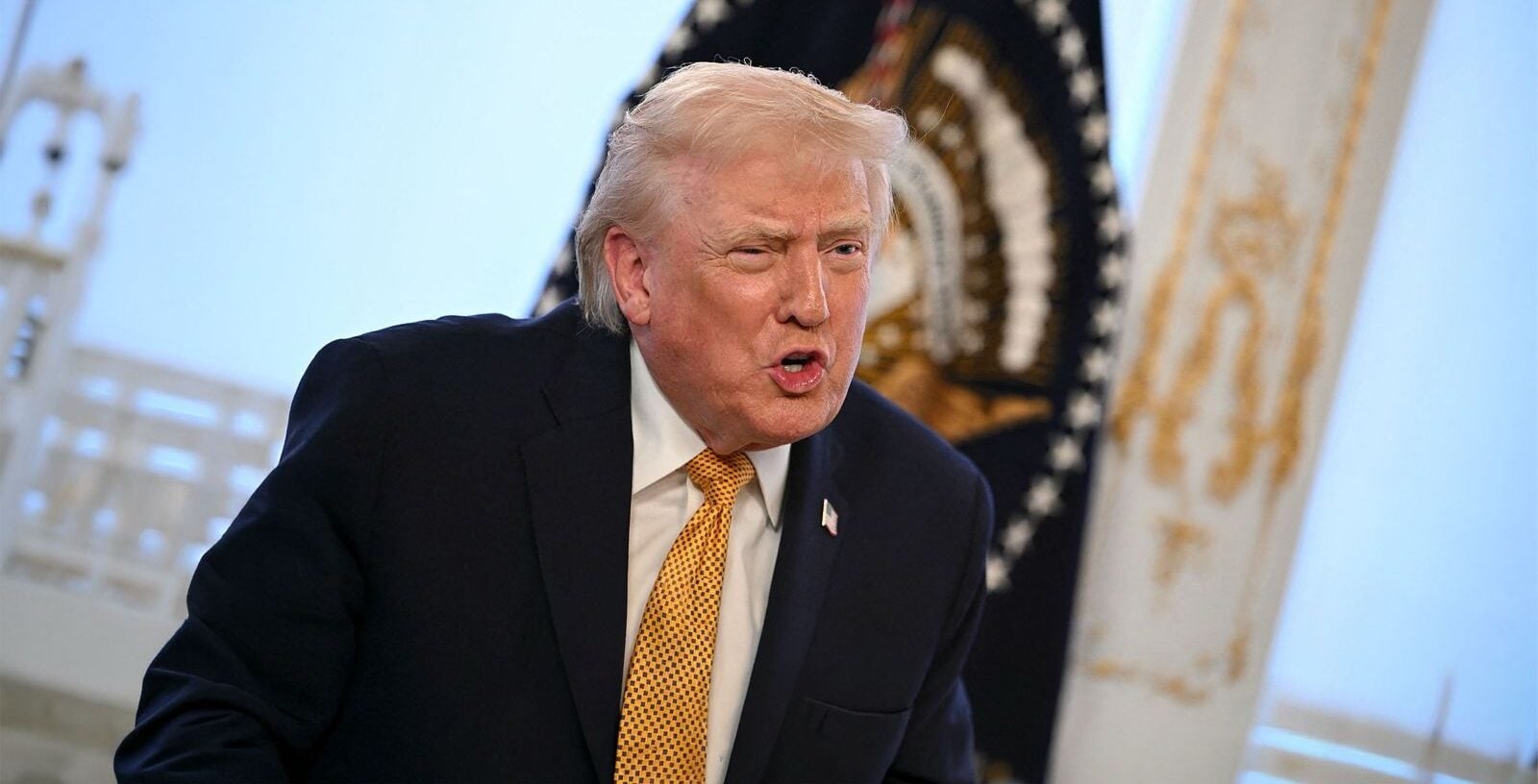
For now, the immediate goals of such meetings are different. Ukraine’s minimum objective is to maintain the flow of American weapons funded by European money. Russia’s is to avoid further sanctions. No one wants to upset a neurotic U.S. leader. And so, the “dance with Trump” continues — now on a whole new level.
Cover: Shutterstock
Latest news
 #LocalAction