




by Serhii Kuzan, Chairman of Ukrainian Security and Cooperation Center (USCC), military and political expert, adviser to the Ministry of Defense of Ukraine (2022-2023), an advisor to the Secretary of the National Security and Defense Council of Ukraine (2014)
Source: Atlantic Council
The issue of potential security guarantees for Ukraine has dominated US-led peace talks in recent months, but current proposals lack credibility. While everyone agrees that security guarantees are essential, is anybody actually prepared to risk war with Russia in order to enforce them? Based on the excessive caution displayed by Western leaders over the past four years, it is easy to see why many observers remain unconvinced.
With Ukraine’s Western partners unlikely to defend the country against a new Russian invasion, the most realistic option is to build up Kyiv’s own military capabilities. This process is already well underway. Since 2022, the Ukrainian army has expanded dramatically to become by far the largest fighting force in Europe and a world leader in drone warfare. Ukraine’s transformation into a major European military power has been supported by the country’s allies, who have provided large quantities of weapons and equipment along with the financial support needed to power the rapid expansion of the Ukrainian defense industry.
The growing strength of the Ukrainian military has been instrumental in stemming the tide of Russia’s invasion. Despite holding the battlefield initiative throughout 2025, Putin’s army was able to seize less than one percent of Ukrainian territory while suffering heavy losses. The priority now is to freeze the front lines further and reach a point where even minor Russian advances become increasingly unfeasible. However, effective defenses alone will not be enough to end the war or prevent a new Russian invasion. In order to deter Putin, Ukraine must also be able to strike back effectively at targets across Russia.
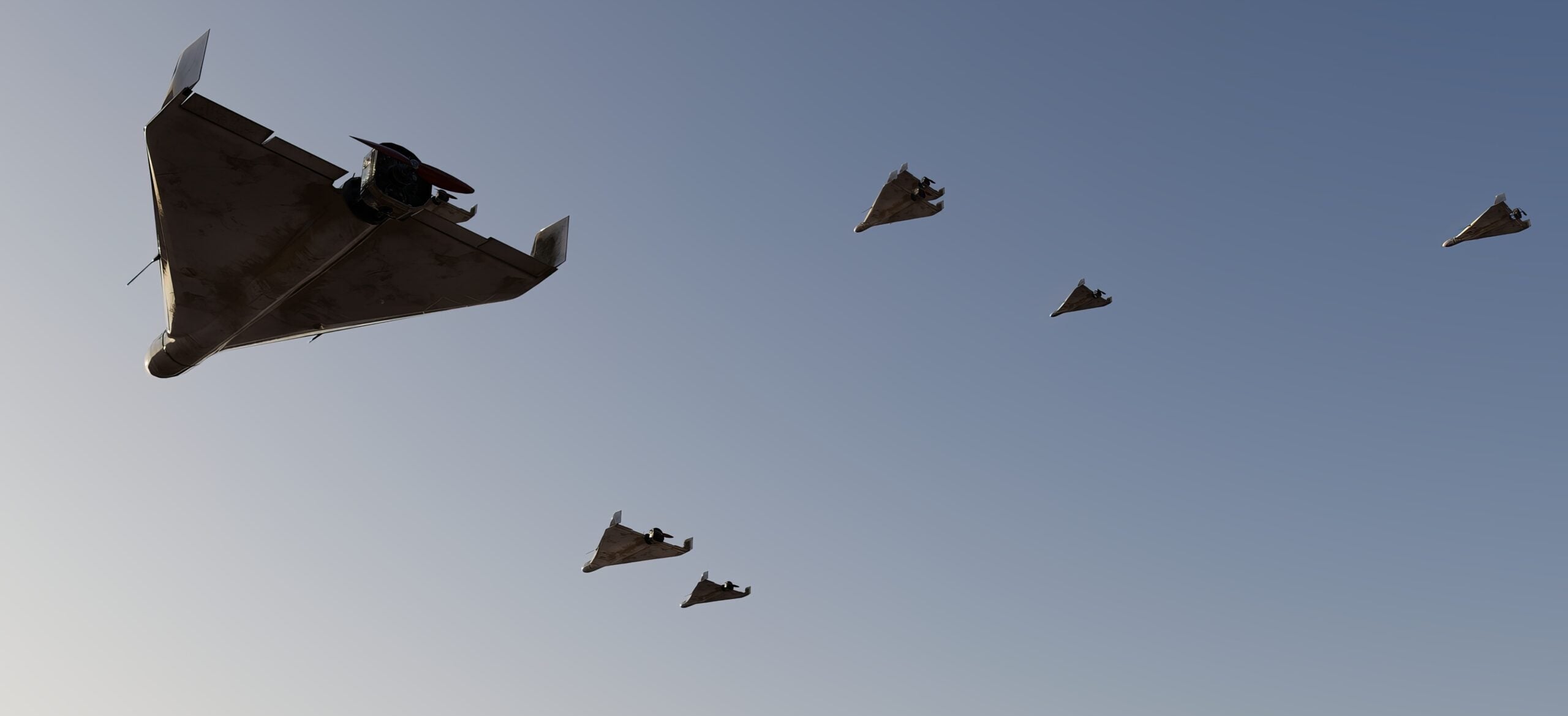
Ukraine’s arsenal of long-range weapons has evolved significantly since 2022. Over the past four years, the country has managed to develop a variety of strike drones with the capacity to reach targets located well over a thousand kilometers from the Ukrainian border. Ukraine also now boasts an expanding selection of domestically produced cruise missiles. This enhanced long-range firepower has made it possible for Ukraine to conduct an escalating bombing campaign inside Russia that has already changed the geography of the war.
Since summer 2025, long-range Ukrainian attacks on Russian territory have reached record highs. Ukraine has struck dozens of military facilities and defense industry enterprises, while also paying special attention to the oil and gas infrastructure that fuels the Russian war economy. Ukraine has hit refineries, pipelines, oil rigs, ports, and a number of tankers belonging to the Kremlin’s so-called shadow fleet. These strikes have complicated the logistics of the invasion while contributing to a significant decline in Russia’s energy export revenues.
Cover: Shutterstock
Latest news
 #LocalAction