



by Valerii Zaluzhnyi, former Commander-in-Chief of the Armed Forces of Ukraine and current Ambassador to the UK
Source: LIGA.net
The thought of this article came to me more and more often at the end of 2023, when my team and I tried to sum up the stormy year of 2023, and most importantly, try to form our strategy for the upcoming year of 2024.
It was a tough year. We still didn’t understand why it was getting harder and harder every day, despite being in a completely different position compared to 2022. Something was wrong. Something had to be seen and foreseen in the future. Something that could change everything, or at least somehow keep things in a situation where anything was still possible.
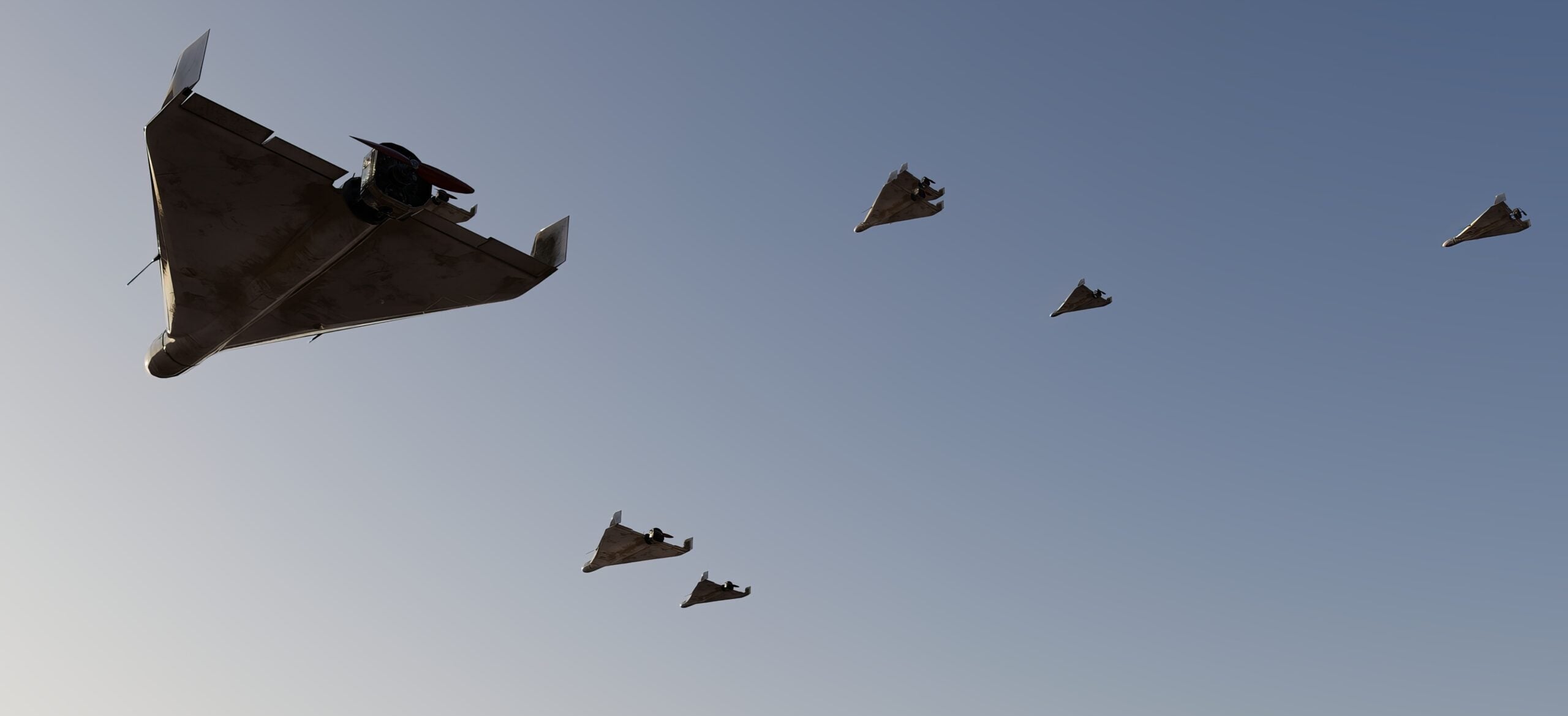
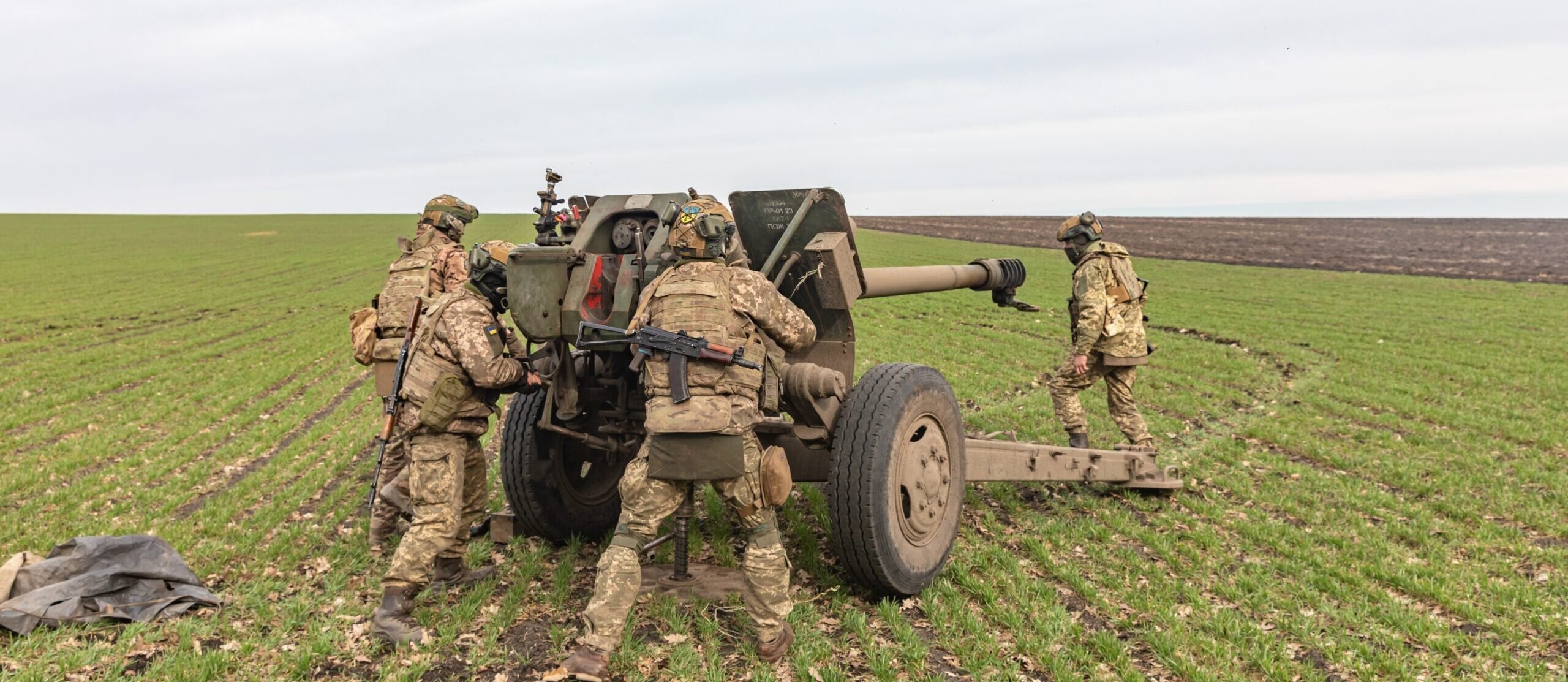
War in 2023 has changed dramatically. And while its physical nature was completely clear to us, which allowed us to even influence its further development, for example, with a comprehensive approach to UAVs and space reconnaissance, it did not yet seem possible to form a full-fledged strategy for our future behavior.
The dependence and use of economic opportunities and their increasing involvement in the war process as a whole became even more obvious.
Finally, we also realized that it is impossible to constantly be dependent on weapons supplies from Western partners. And not even because sooner or later they will run out of such weapons, but primarily because the weapons themselves will change over time and our partners will no longer have them. Something fundamental was missing in the approach to building a quality strategy.
Finally, after the consequences of the decisions made in the field of mobilization began to cause their disproportionate damage, everything fell into place.
Academic lessons immediately came to mind. Because according to Clausewitz, speaking of war as a continuation of politics by other means, it is implied that strategy cannot have a rational basis until the goals that need to be achieved are clearly defined.
Political goal of the war
The political goal of the war is what answers all questions. And if, according to the same Clausewitz, war is a “trinity”: the population, the armed forces, and the state administration, then these aspects are three different codes of law, and among these parties, it is the population that is the most sensitive party in terms of supporting war.
Without public support, it is impossible to wage war successfully. Then perhaps the main form of such public support is society’s attitude, first of all, to mobilization, which quickly began to fail.
Clausewitz also emphasized: in order to have the support of the population, it is important that the public is well informed, able to distinguish “right” from “wrong”, “one’s own” from “others”. Naturally, the support of the population is strongest and most tangible for “their own” and “the right”, that is, national – in practice, it becomes unconditional when they are directly exposed to danger. A danger can be any threat that is perceived as a direct threat to the independence of a state.
So, it is obvious that no matter how much the military command tries to form a military strategy for a certain period, all this will not bring any results without political will, which is precisely formed through a political goal.
Returning to Clausewitz, the basis of his theory is that wars are usually fought for political, not military, goals, and are driven not so much by physical, but primarily by ideological forces.
One evening, I gave the order to pull up all the directive documents that were coming to the General Staff of the Armed Forces of Ukraine, in order to find out what the political goal of the war was. Or, perhaps, we missed something. Because only with the formation of a political goal all subjects of the state will try to reach the outlined line on the horizon. Which can then claim victory. Unfortunately, then we did not miss anything…
It is this term that ultimately makes it possible to see not only what the enemy is doing, but also how to move forward ourselves. It was then that I tried to formulate a political goal for our war, to outline the necessary strategy for achieving it.
Then I prepared a long article that remained on the top shelf of my desk. It was called “On the political purpose of the war for Ukraine at the end of 2023.”
One of Carl von Clausewitz’s most important postulates is true. It is that war is subject to change, and these changes occur in accordance with changes in politics. And indeed, it should be so. Because the changes that occur in the war also require changes on the political and economic fronts.
But the degree of political tension at that time did not allow my conscience to give this article a boost. The internal political situation was already too fragile. But some of its provisions nevertheless formed the basis for the plan of our actions for 2024. Which, unfortunately, remained on paper. Later, another team developed its idea and brought it to life.
Today, as of the end of 2025, the war in Ukraine has been going on for twelfth year. And with absolute certainty, we can say that it is increasingly bearing the hallmarks of a global war. Yes, in terms of the number of its victims, it has not yet reached the global scale, but in terms of the level of global impact and consequences, it is about ready to start its dangerous account.
Confirmation of this, for example, can be an episode from our history, when supposedly strong personalities of the modern world claimed about possible quick solutions and the long-awaited peace.
A peace that has not yet come.
Cover: Shutterstock
Latest news
 #LocalAction