




by Kate Turska, Co-chair of the Ukrainian Association of New Zealand (North) and the head of Mahi for Ukraine
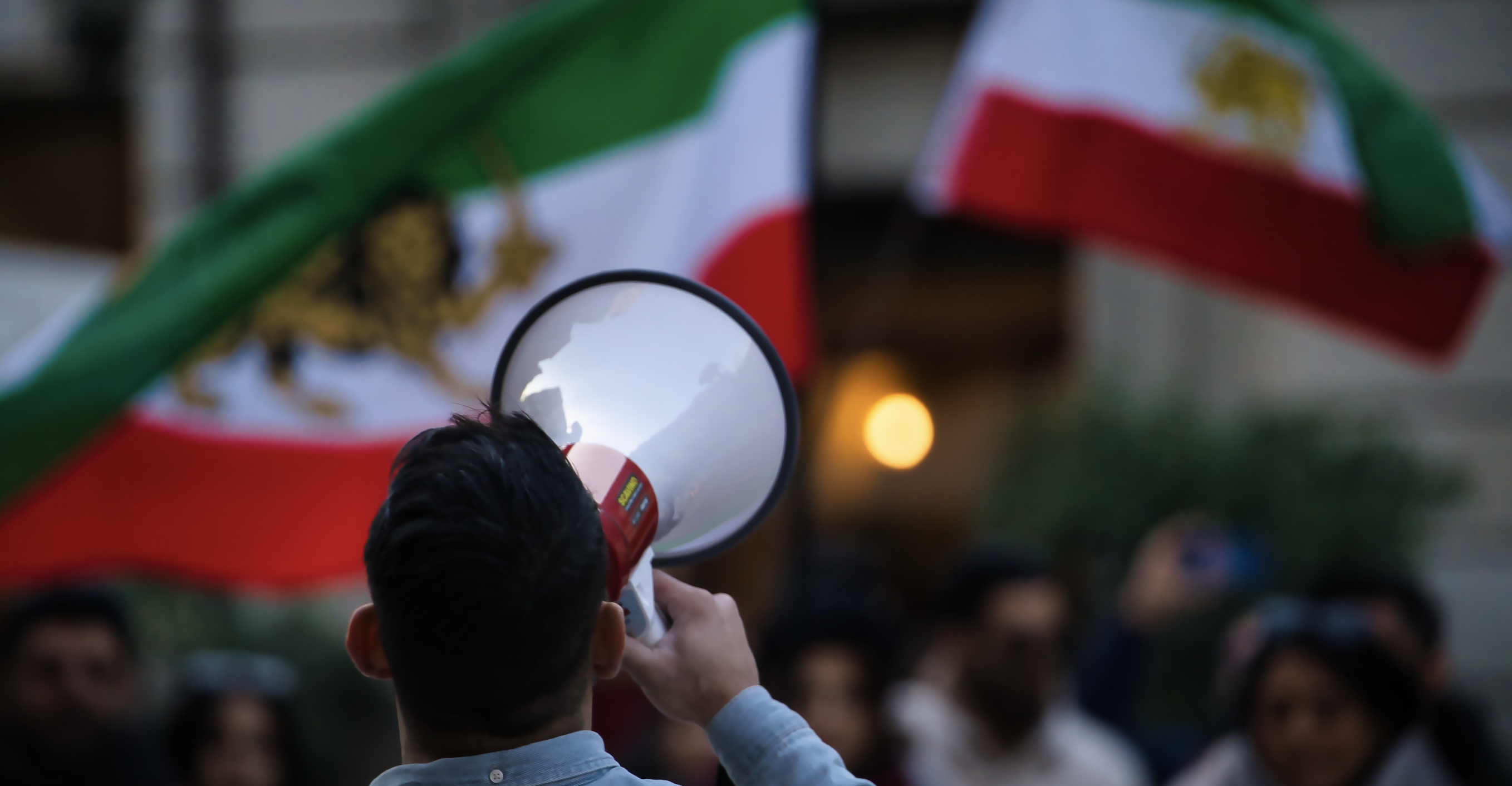
As protests in Iran once again draw international attention, a familiar pattern has emerged in how they are discussed. Almost immediately, parts of the commentary shift away from the people and towards a search for external masterminds: the U.S, Israel, “the West.” The implication may not always be stated outright, but it is clear enough — Iranian society is not acting on its own terms but responding to outside manipulation.
This framing is not just analytically weak. It actively strips Iranian people of agency.
Iranian society has a long history of dissent and resistance to authoritarian rule. These movements did not materialise out of thin air. They are the result of decades of repression, political exclusion, economic pressure, social control, gender violence, and the systematic closure of peaceful avenues for change. People do not risk arrest, torture, or death because a foreign power encourages them. They do so because the conditions of their lives have become intolerable. External actors may have interests or preferences (they always do), but interest is not authorship. Confusing the two collapses cause and consequence and erases responsibility from those in power.
This erasure serves a purpose. If dissent can be reframed as foreign-instigated, then grievances no longer need to be addressed. Protest becomes subversion. Repression becomes “defence of sovereignty.” Violence becomes legitimate. The people disappear from the story, replaced by a geopolitical abstraction.
This phenomenon is not unique to Iran. Ukrainians know it well.
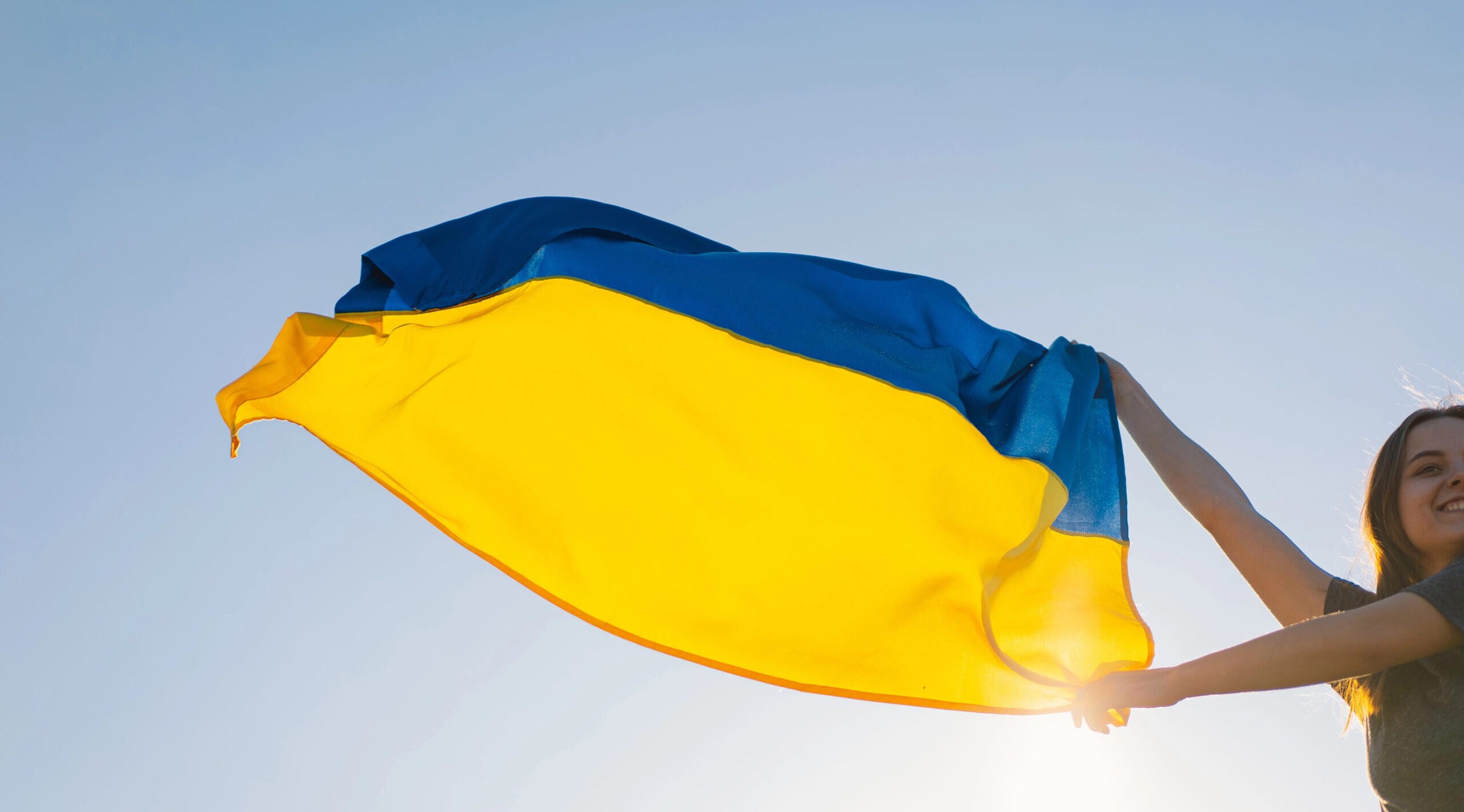
When Ukrainians rose up in 2013–2014 during the Revolution of Dignity, Russian propaganda immediately reframed it as a Western-engineered coup, orchestrated by the U.S, funded by shadowy actors, designed to undermine Moscow. According to that narrative, Ukrainians were not acting in their own interests but were manipulated by Washington. This framing, relentlessly pushed by the Russian state and its media ecosystem for more than a decade remains central to Russian propaganda today. What is more troubling is how readily it has been echoed, or at least entertained, in parts of Western discourse.
The reality is neither mysterious nor complicated, and far more uncomfortable for authoritarian regimes. Ukrainians protested because they wanted a different future: an end to corruption, accountability from their leaders, and the right to choose their own political direction. They organised, mobilised, and sustained a mass civic uprising at enormous personal cost. No foreign power created Ukrainian civil society or its political will. No external actor forced people onto Maidan. Whether or not other countries expressed support is beside the point. External interest does not invalidate internal agency. It never has. To deny that is a denial of basic political agency.
The same rhetorical trick is now being applied to Iran: reduce a complex, internally driven struggle to a geopolitical chess move. Once that framing sticks, the people themselves disappear from the story. They are no longer actors — they are props.
This is why these narratives are so persistent and useful to authoritarian states, including Russia. They allow regimes to deny the very possibility of genuine resistance. They suggest that ordinary people are incapable of organising or acting politically unless they are directed by someone else. It is a profoundly paternalistic worldview, and one that aligns neatly with authoritarian interests.
Some commentators argue that Iran represents the most significant global crisis today (more consequential than Russia’s war against Ukraine & Venezuela combined). There is no question Iran’s role in sponsoring armed groups and destabilising activity beyond its borders is serious. But it is neither unique nor sufficient to justify a hierarchy that sidelines Russia’s war of aggression. Russia’s invasion of Ukraine is not a hypothetical threat or an internal crisis; it is an ongoing, large-scale war with global consequences. Millions have been displaced. Civilian infrastructure has been systematically targeted. Energy and food security have been destabilised. Nuclear threats have been normalised. The post–World War II international order has been openly challenged.
These realities are shaping global security, defence policy, and geopolitical alignment in real time.
Nor does the terrorism argument place Iran in a fundamentally different category. Russia may not be labelled a “state sponsor of terrorism” in policy language, but in practice it employs the same methods — and at greater scale. It has armed and directed proxy forces, enabled violence beyond its borders, and integrated terror tactics into state warfare. The deliberate targeting of civilians, hospitals, energy systems, and food exports is not accidental. It is strategic. If sponsoring and normalising violence is the metric, Russia does not merely qualify — it institutionalises it, backed by a nuclear arsenal, a permanent seat on the UN Security Council and global military reach. The difference is not moral weight, but framing: Iran is discussed as a “destabilising actor,” while Russia is too often treated as a conventional great power whose behaviour must be managed rather than confronted. That discrepancy says more about geopolitical habits than about actual impact.
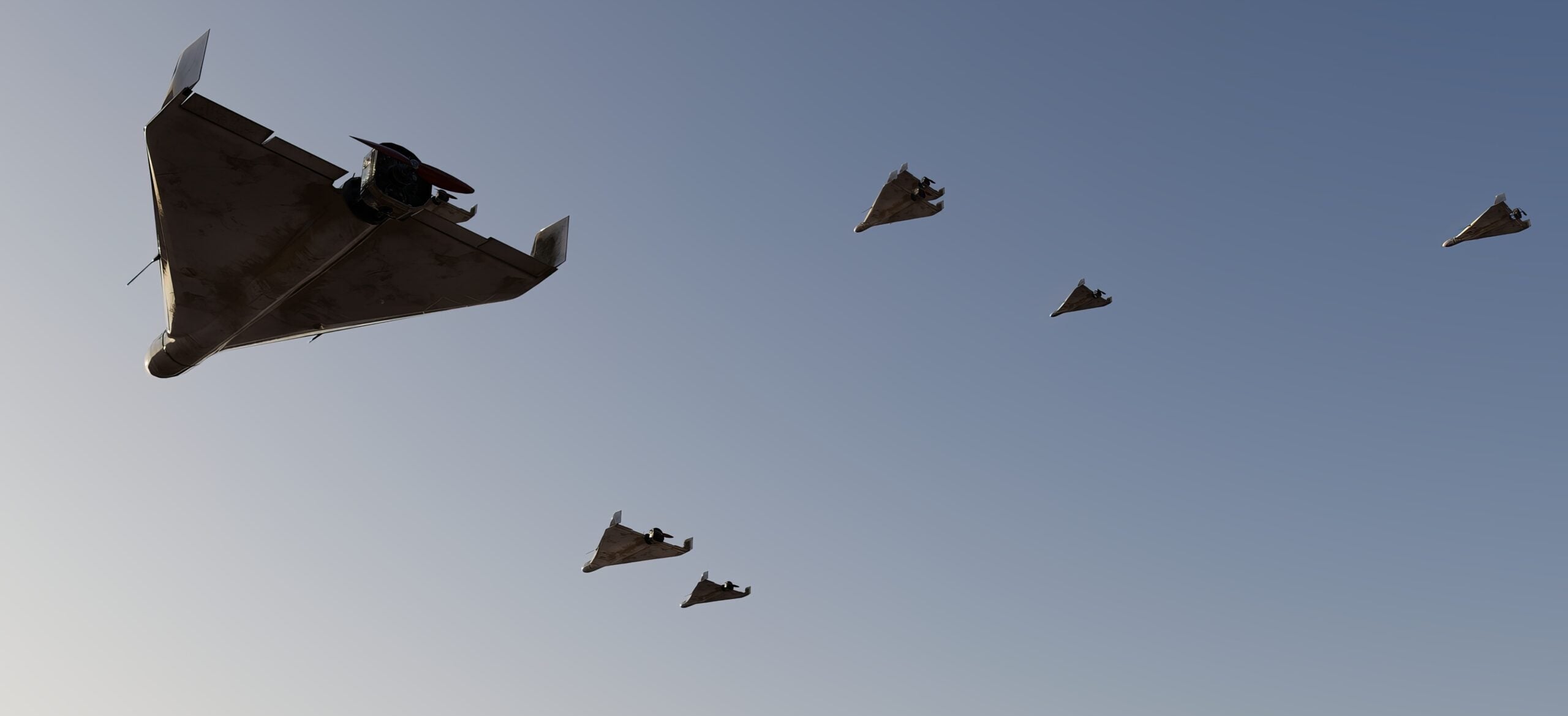
There is also a direct connection between these crises that makes attempts to rank them against each other artificial. Russia and Iran have steadily deepened their political, military, and security cooperation. Iran has materially supported Russia’s war effort, while Russia provides diplomatic cover and strategic backing to Tehran. These relationships reinforce repression at home and aggression abroad. They are not separate flashpoints competing for attention, but interconnected elements of a broader authoritarian alignment.
The situations in Iran and Ukraine are not the same. The political systems, histories, and regional dynamics are different, and pretending otherwise would be dishonest. But the propaganda mechanism is the same. In both cases, denying agency is not an accident — it is the point.
Recognising agency does not mean romanticising protest movements or ignoring complexity. It simply means taking people seriously. Iranian protesters are not pawns. Ukrainians were not pawns. They are societies responding to conditions imposed on them, making choices under pressure, asserting their right to shape their future and paying the cost of those choices.
Denying that reality does not make analysis more rigorous, it is complicity in a narrative designed to erase them. It makes authoritarian propaganda easier to repeat — and easier to believe.
Cover: Shutterstock
Latest news
 #LocalAction