




by Peter Dickinson, UK journalist and researcher, editor of Atlantic Council’s UkraineAlert service and publisher of Business Ukraine Magazine and Lviv Today magazine
Source: Atlantic Council
More than a year since he returned to the White House vowing to end the Russia-Ukraine War within 24 hours, US President Donald Trump remains upbeat about the prospect of peace. “Very, very good talks today,” Trump stated on February 6 following the latest round of negotiations in Abu Dhabi. “Something could be happening.”
Few in Kyiv share this optimism. While Ukrainian officials are loathe to dismiss Trump’s peace efforts for fear incurring his displeasure, a majority of Ukrainians remain utterly unconvinced that Russian President Vladimir Putin has any interest whatsoever in ending hostilities. A poll conducted by Kyiv’s International Institute of Sociology in late January found that only 20 percent of Ukrainians think the war will end by July, while 43 percent expect fighting to continue into 2027 or beyond.
Such skepticism is easy to understand. Ukraine agreed to an unconditional ceasefire way back in March 2025, but Putin has so far refused to follow suit. Instead, he has spent much of the past year engaging in blatant stalling tactics while constantly moving the diplomatic goalposts in a transparent bid to prevent any progress toward a lasting settlement. This has resulted in what most Ukrainians and many others regard as a phony peace process.
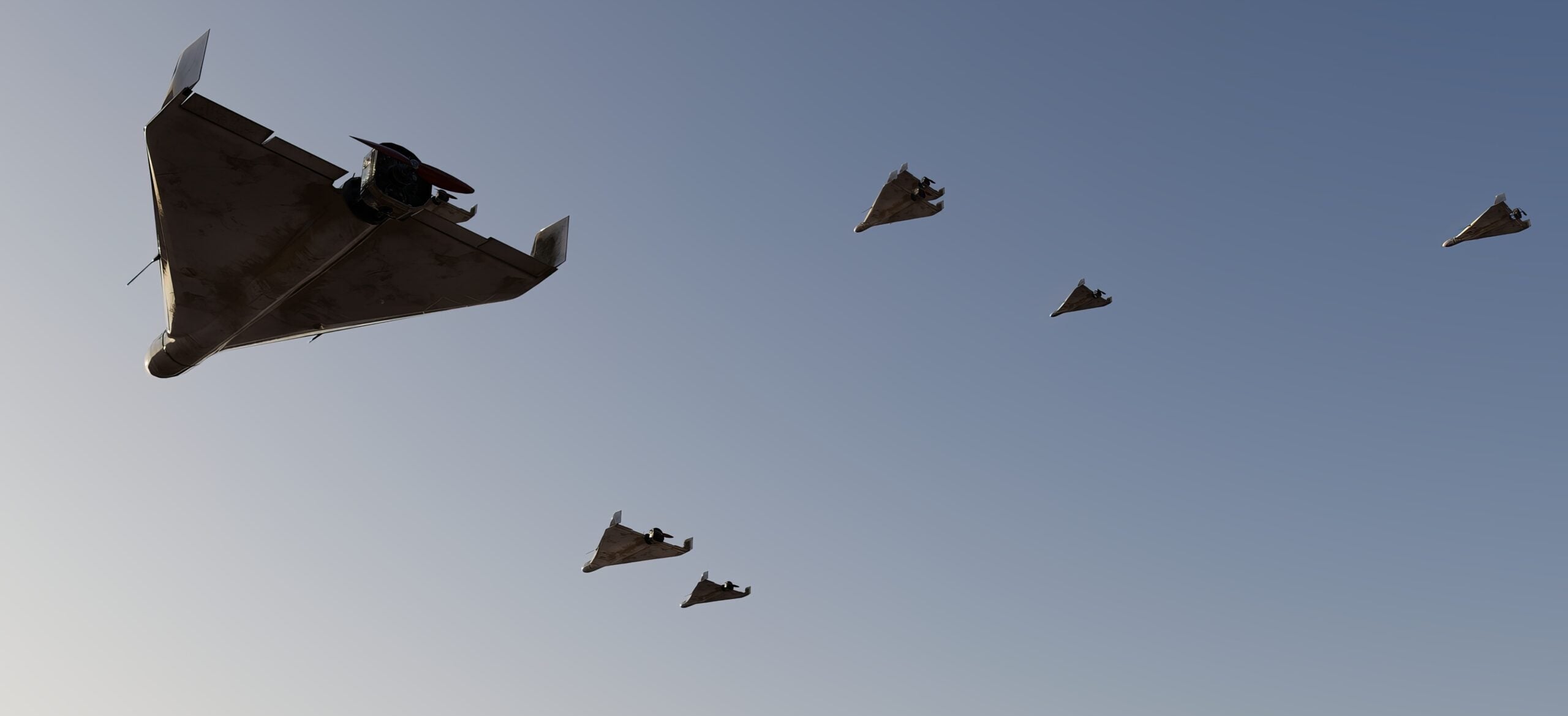
As fruitless US-led negotiations rumble on, Putin has underlined his true intentions by dramatically increasing Russian attacks on the Ukrainian population, leading to a 31 percent surge in civilian casualties during 2025. The most recent escalation saw Russia attempt to freeze millions of Ukrainians in their own homes by systematically bombing critical heating and power infrastructure amid Arctic conditions. Some believe this ruthless winter bombing campaign qualifies as an act of genocide; it is most certainly not the act of a man seeking a compromise peace.
Trump has difficulty reading Putin because he fundamentally misunderstands the motivations behind the Russian invasion of Ukraine. To Trump, the current negotiations are a geopolitical real estate deal, with the Russians playing hardball to secure better terms. In reality, however, Putin is operating on a completely different wavelength altogether.
The Kremlin dictator is not looking to make deals, acquire additional land, or push the Russian border a few hundred kilometers to the west. Instead, he wants to secure his place in history. Putin genuinely believes he is on an historic mission to reverse the injustice of the Soviet collapse and revive the Russian Empire. In order to achieve this, he has convinced himself that he must erase Ukraine as a state and as a nation.
For more than two decades, Putin’s Ukraine obsession has shaped his reign and defined Russian foreign policy. His relationship with the West first became openly hostile in the aftermath of Ukraine’s 2004 Orange Revolution, which Putin bitterly denounced as a Western plot to destabilize Russia. Since that watershed moment, Ukraine has been at the heart of virtually every single new crisis in relations between Moscow and the democratic world, from the 2014 seizure of Crimea to the full-scale invasion of 2022. Throughout this period, Putin has repeatedly demonstrated his readiness to sacrifice all other Russian national interests in pursuit of his anti-Ukrainian crusade.
Cover: Shutterstock
Latest news
 #LocalAction