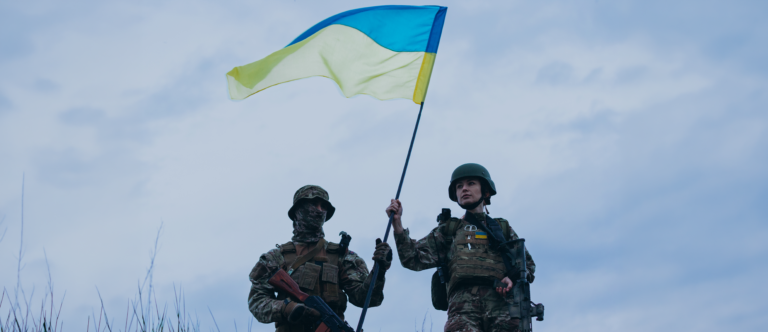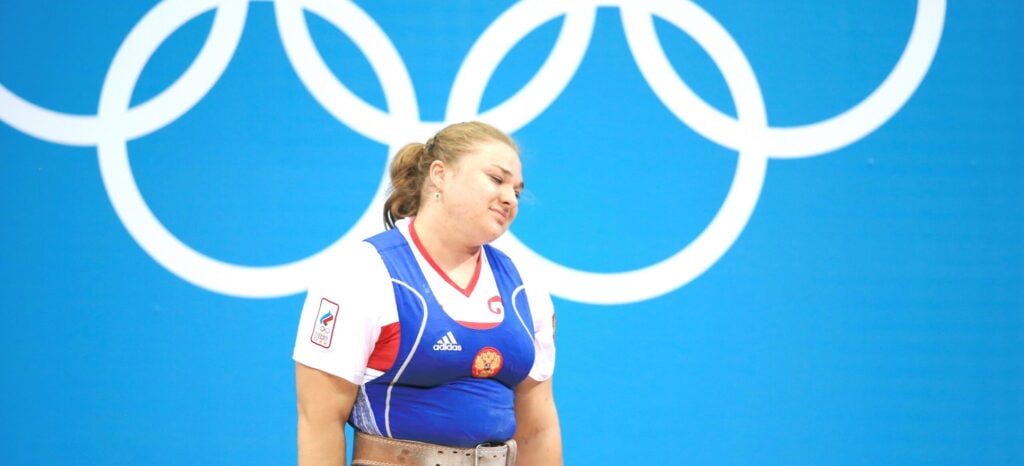


Oct. 30, 2026 — The Ukrainian World Congress (UWC) calls on the International Weightlifting Federation (IWF) to reverse its decision to award the 2030 World Weightlifting Championships to Moscow. This decision is a concession to the Kremlin and a betrayal of the fundamental values of sport.
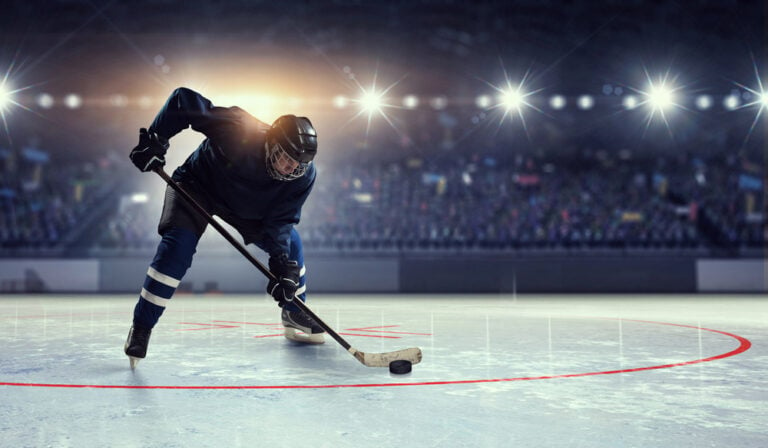
On October 25, the IWF awarded Moscow the right to host the first senior world championship in an Olympic sport in Russia since the full-scale invasion of Ukraine in 2022. The event will serve as a qualifier for the 2032 Olympic Games. Four days later, the Court of Arbitration for Sport (CAS) ordered the International Ice Hockey Federation (IIHF) to readmit Russia to its championships despite the IIHF’s own security concerns. Beginning with the 2027 World Junior Championship in Canada, Russia will once again participate in IIHF competitions. Since the International Olympic Committee (IOC) lifted its suspension of the Russian Olympic Committee in July, one federation after another has restored Russia’s flag, anthem, and place in international competition, despite the continuing war.
“This decision is a capitulation to a state that continues to wage an aggressive war against Ukraine,” said UWC President Paul Grod. “While Russian missiles kill Ukrainian athletes and Russian forces occupy Ukrainian land, the IWF has chosen to give Moscow a celebration. There is no neutrality when it comes to providing a platform for the propaganda of an aggressor state. The IWF must reverse this decision.”
The UWC Position
- A dangerous precedent for international sport. Every concession to Russia makes the next one easier. What began as limited participation under neutral status is gradually becoming a full restoration of Russia’s presence in international sport. Russia is now securing its return not only through decisions of sports federations but also through legal channels. This sends a dangerous signal that military aggression, territorial occupation, and grave violations of international law may carry no long-term consequences.
- Sport cannot become a tool for legitimizing aggression. The Kremlin systematically uses major sporting events to project international normalcy and political legitimacy. Hosting a world championship in Moscow or restoring Russian national teams to international competition creates the impression that Russia’s war against Ukraine is no longer an obstacle to its full participation in global affairs. International sporting organizations must recognize that their decisions carry not only sporting consequences, but moral and societal ones as well.
- Ukrainian athletes must not pay the price for these decisions. Russia’s aggression has claimed the lives of Ukrainian athletes and coaches, destroyed sports facilities across Ukraine, and deprived thousands of young athletes of the opportunity to train and compete under normal conditions. Under these circumstances, it is unacceptable that Ukrainian athletes should be forced to boycott international competitions, lose qualification opportunities, or surrender their place in international tournaments to accommodate the return of an aggressor state.
- Integrity and safety must remain priorities. Russia’s history of doping scandals and the ongoing security concerns previously identified by international federations make such decisions especially unjustifiable. They undermine confidence in international sporting institutions and call into question their commitment to fairness, accountability, and the principles of fair play.
The UWC Calls On
- The International Weightlifting Federation (IWF) to withdraw the 2030 World Weightlifting Championships from Moscow.
- The International Ice Hockey Federation (IIHF) to use every available mechanism to limit the impact of the CAS ruling, ensure that no team, and especially not Ukraine’s, is displaced from competition, and prohibit the use of Russia’s flag, anthem, and state symbols.
- Hockey Canada and the organizers of the World Junior Championship to ensure that Canadian ice is not used as a platform for celebrating an aggressor state.
- The International Olympic Committee (IOC) to reconsider its July 7 decision and ensure that Olympic qualifying events are not awarded to aggressor states.
- National federations, athletes, sponsors, and broadcasters to publicly oppose these decisions and refuse to lend them legitimacy through their participation, support, or coverage.
- Governments to refrain from supporting sporting competitions in Russia and, when hosting international events, to use all available tools, including entry and visa decisions concerning representatives of the aggressor state.
The Principles of Fair Play Extend Beyond the Playing Field
Sport is built on rules, mutual respect, and accountability. A malignant state that has invaded a neighboring country, occupied its territory, and continues to wage a destructive war cannot be considered a credible host of international sporting events and should not be welcomed back into the global sporting community as though nothing has happened.
International sport aspires to unite people around the shared values of peace, respect, and integrity. Sport cannot become a tool for forgetting or normalizing aggression. Sport must never become a reward for war and terror. The UWC calls on sporting leaders to demonstrate moral responsibility and defend the values upon which international sport is built.
Cover: DepositPhotos
Latest news
 #GlobalAdvocacy
Russia awarded World Weightlifting championships: What Ukrainian communities can do
 #LocalAction