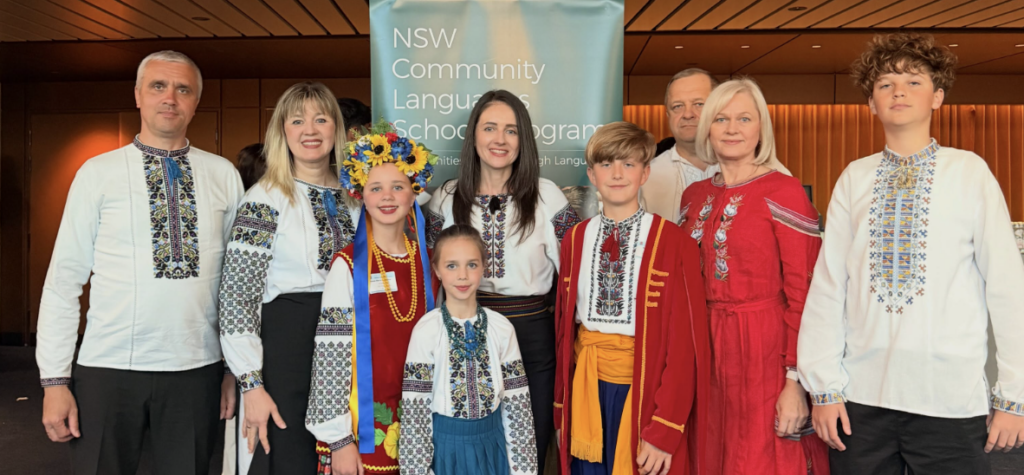


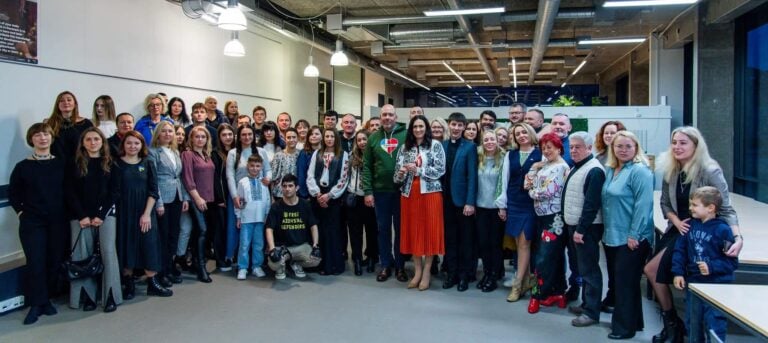
This year, the Ukrainian Education Council of Australia (UECA) celebrates its 70th anniversary. Over the decades, Ukrainian schooling has evolved from small community-based initiatives established by postwar immigrants into a network of educational institutions bringing together children from different generations.
In an interview with the Ukrainian World Congress, UECA Co-Chair Elvira Pyrczak spoke about the history of Ukrainian education, emerging challenges, Ukrainian identity, and the future of education in Australia.
School as family legacy
When Ukrainians arrived in Australia after World War II, they brought with them not only memories of home but also a desire to preserve their native language, culture, and traditions for their children. This led to the establishment of Ukrainian Saturday schools across the country. These schools were organized by parents, churches, community organizations, and teachers. Classes were often held in church buildings, community halls, and, in some cases, private homes.
Over time, the need arose to bring these individual initiatives together, establish cooperation, exchange experiences, and develop Ukrainian education collectively. In 1952, regional school councils were established in Victoria and New South Wales. Then, in 1956, the first Australia-wide Congress of Ukrainian Saturday School Teachers was held in Melbourne, where the Ukrainian Education Council of Australia (UECA) was founded.
Ms Pyrczak explains that Ukrainian schooling experienced a period of remarkable growth in the late 1950s and early 1960s. Around 50 schools were operating, with more than 2,000 students enrolled. Curricula were developed, textbooks were published, and teaching traditions took shape. Ukrainian schools were not merely places of learning but also important centers of community life.
Today, 70 years later, their mission remains unchanged, even though the children, their needs, and the educational environment have changed considerably.
For UECA Co-Chair Elvira Pyrczak, Ukrainian schooling is more than a professional commitment; it is part of her own family history. She has been teaching at the Metropolitan Andrey Sheptytsky Ukrainian Fraternal School for 23 years. She began teaching in 2003, when a close friend suggested she give education a try.
“I remember my first students very well. Almost all of them were boys. They were quite a handful, but I learned so much from them. Today, they are grown men, and it is especially heartwarming that whenever we meet, they always warmly greet their first teacher,” Elvira says with a smile.
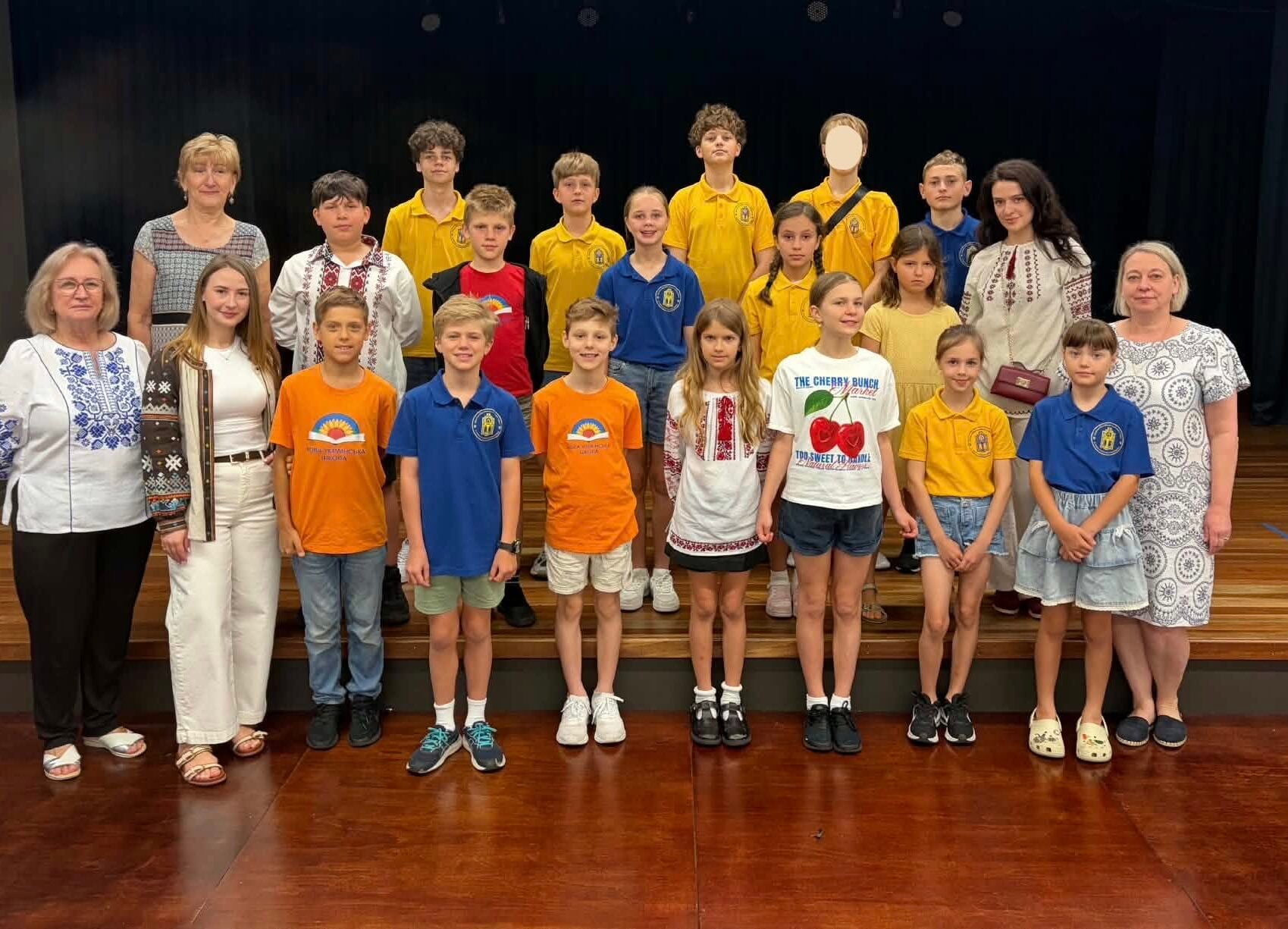
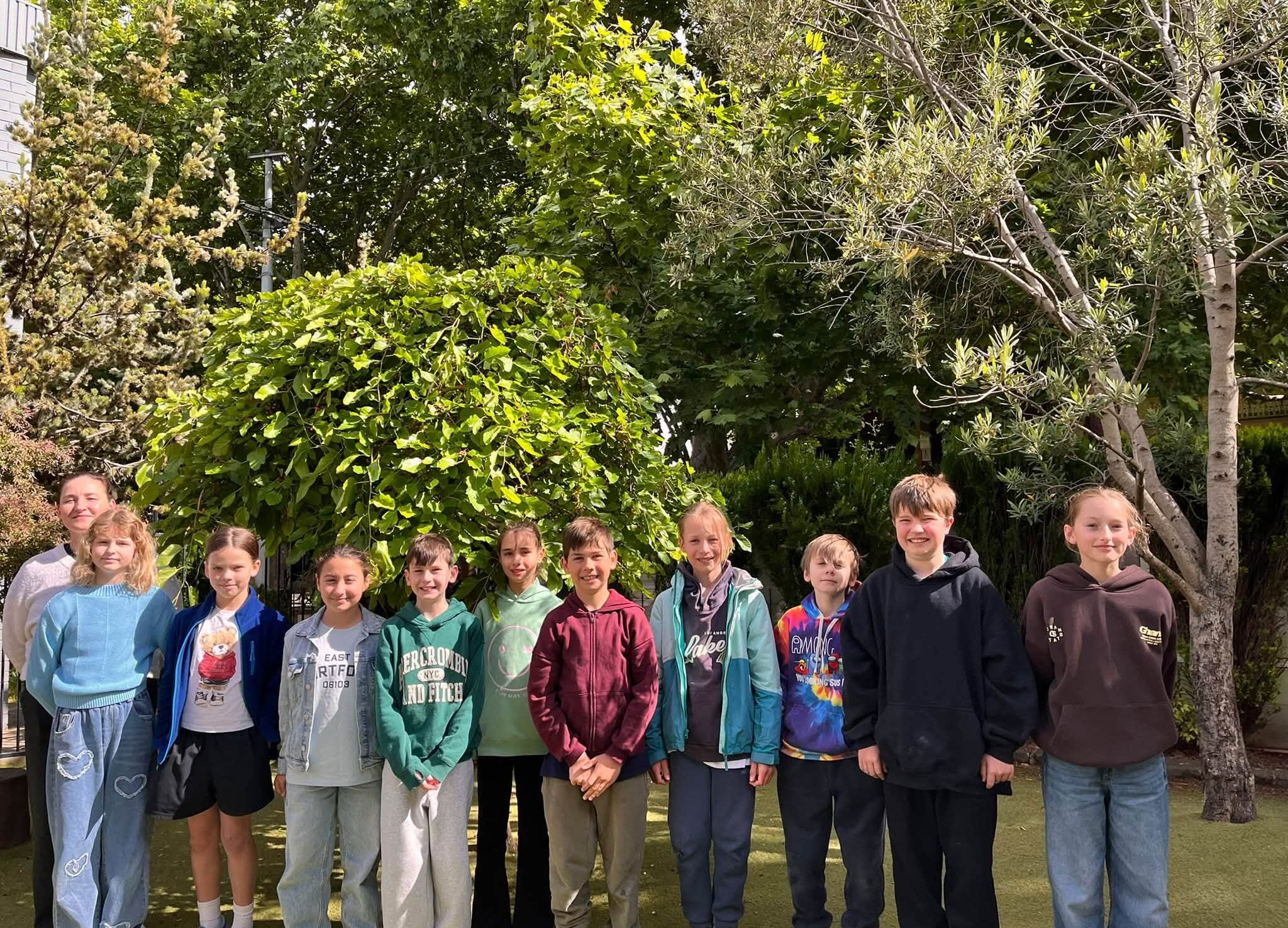
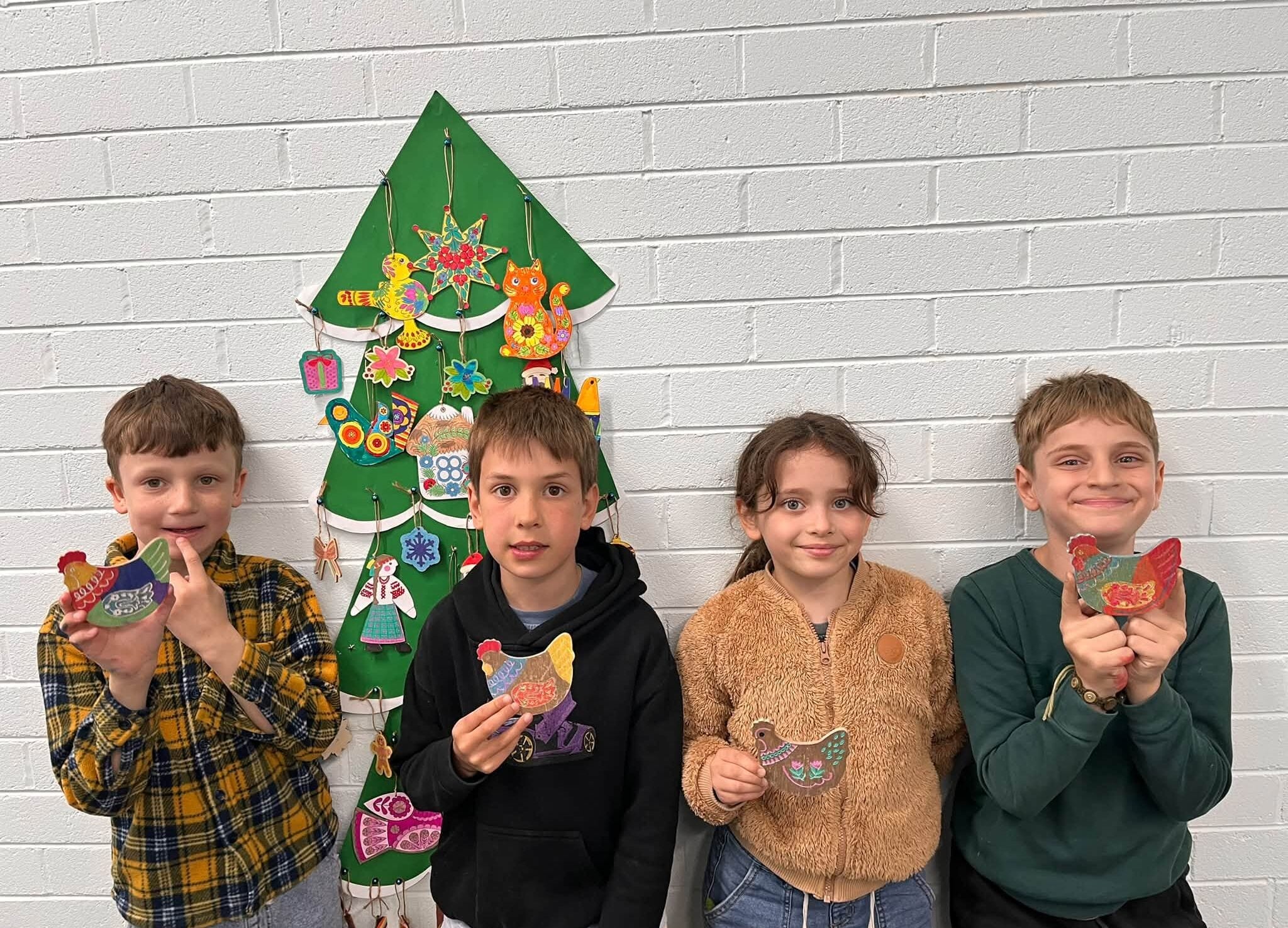
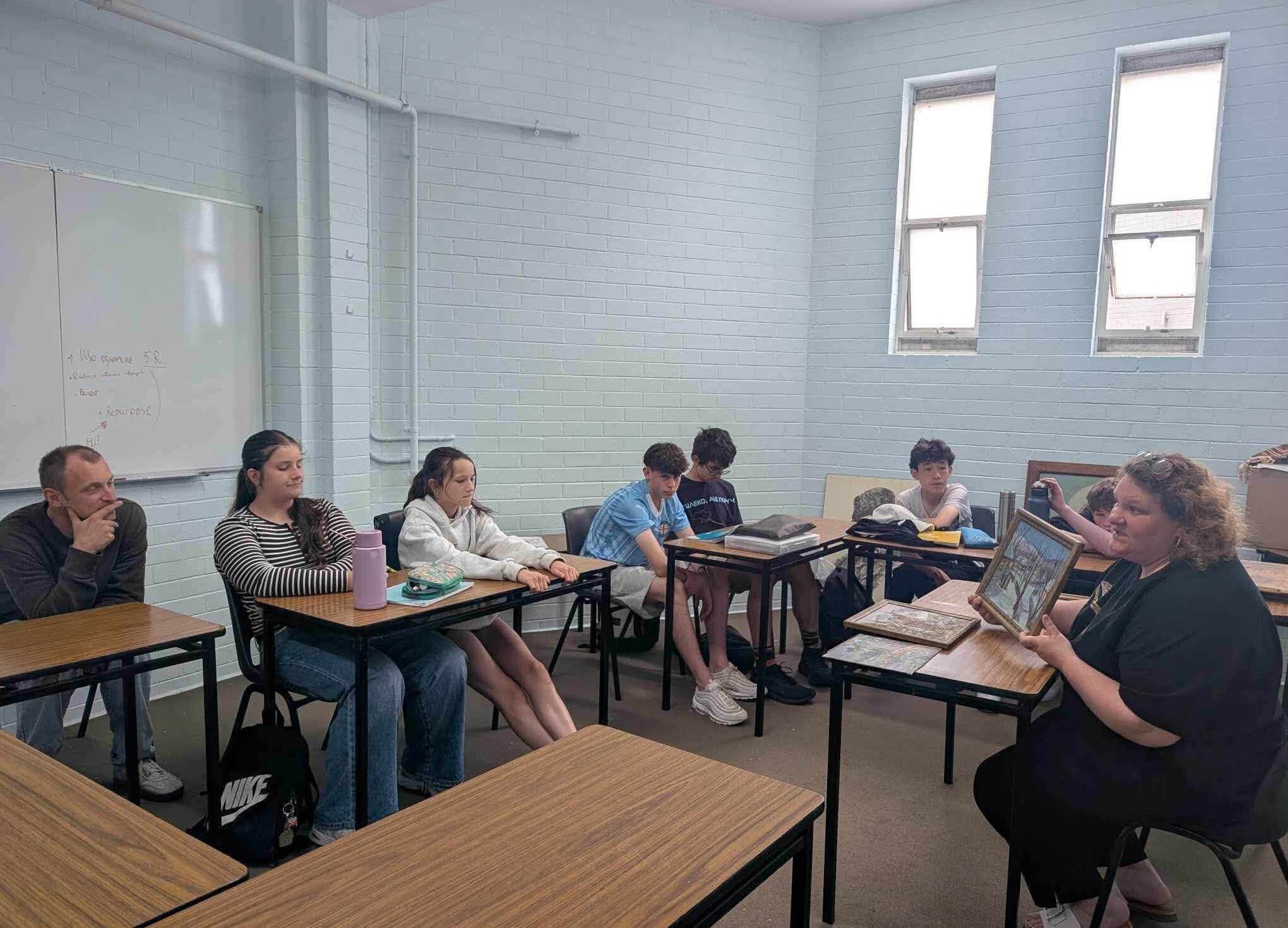
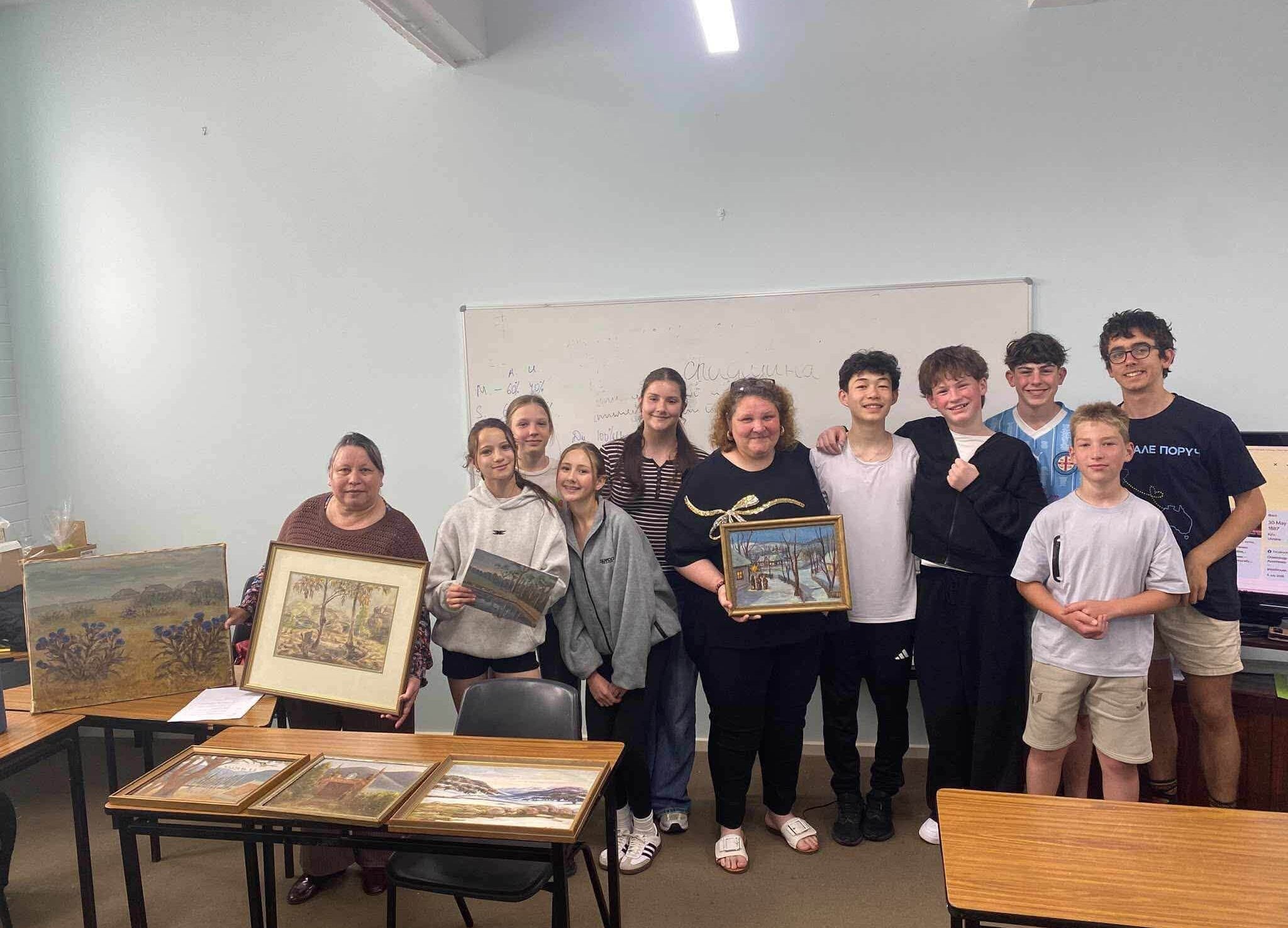
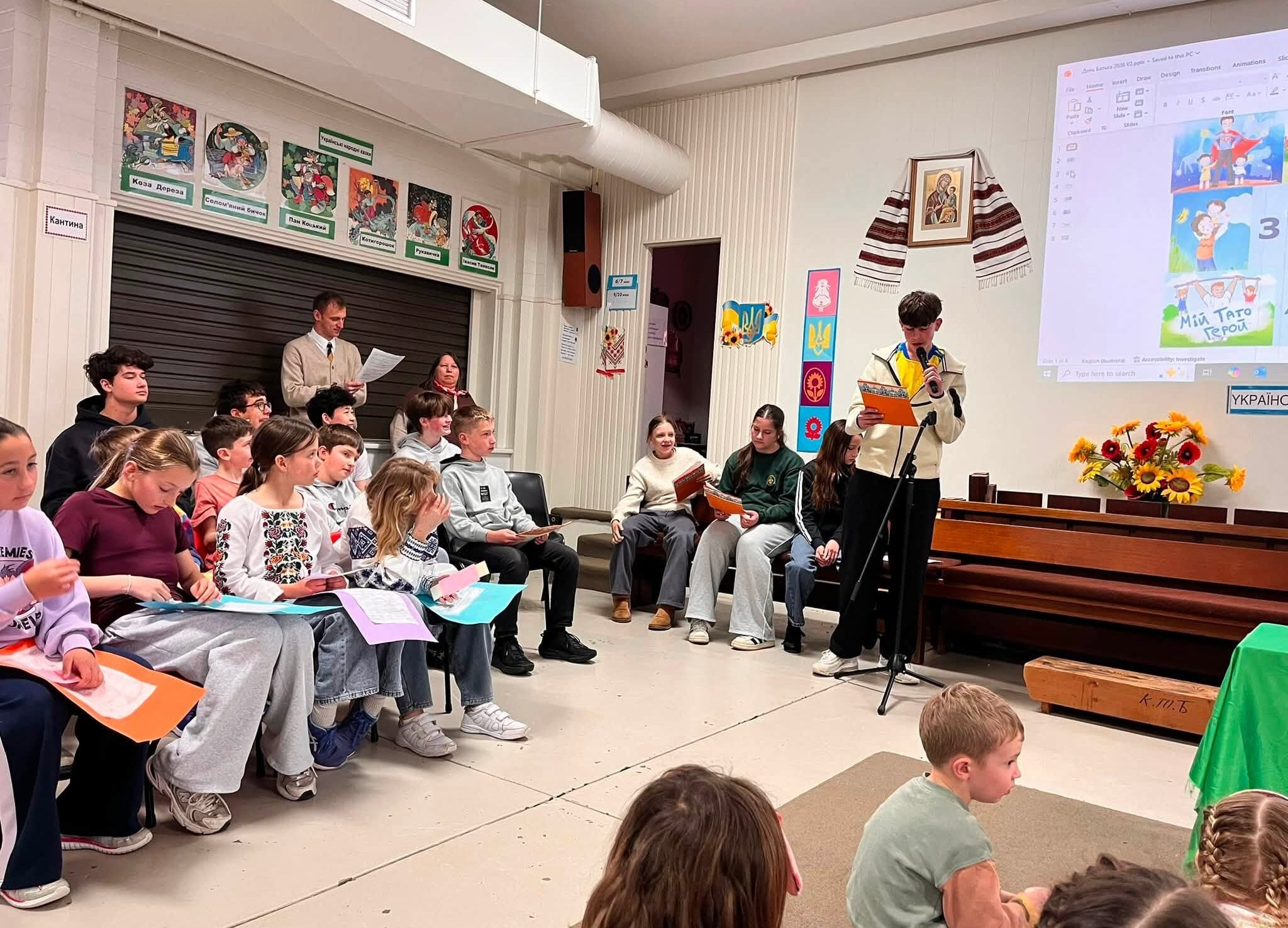
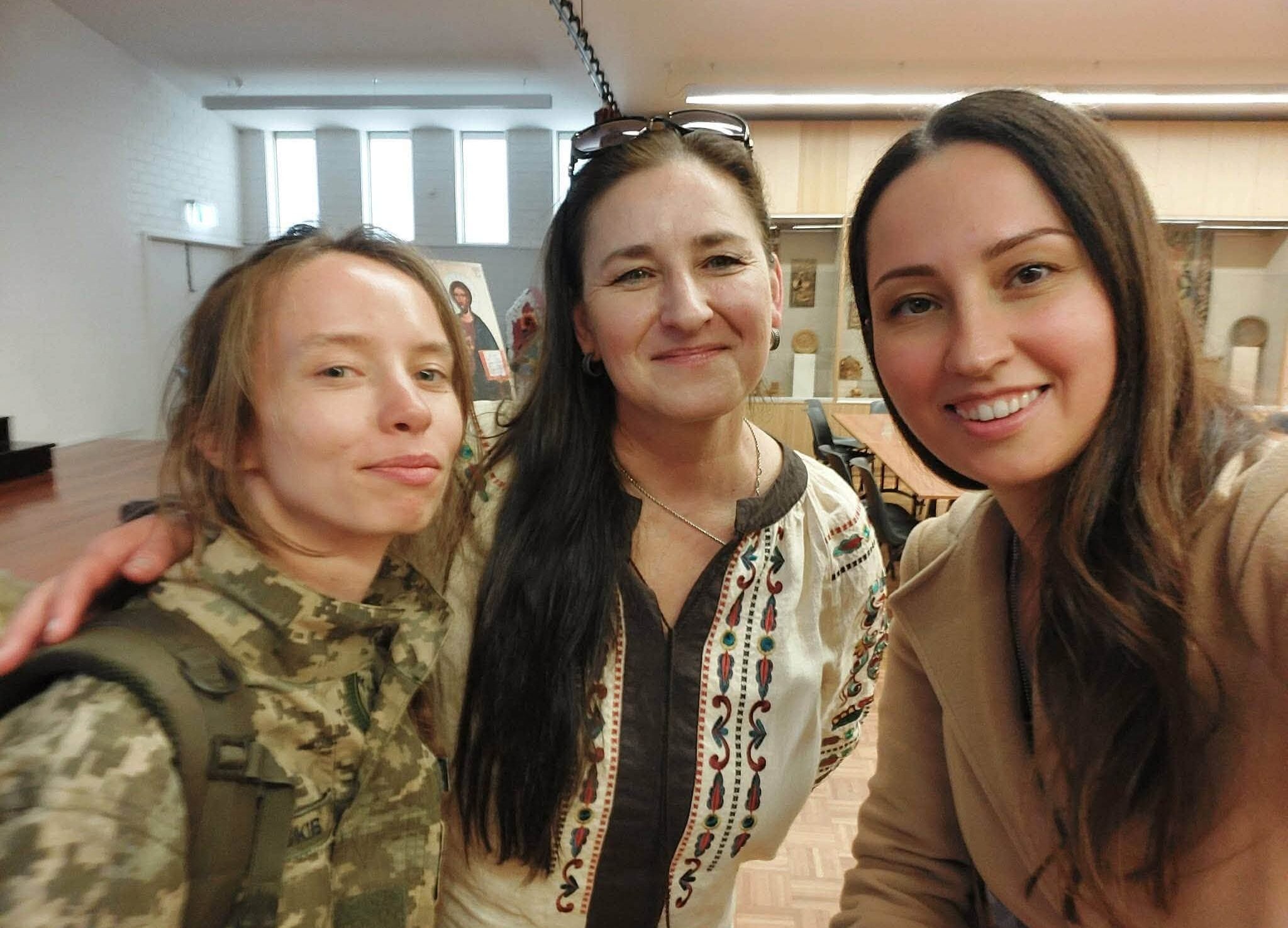
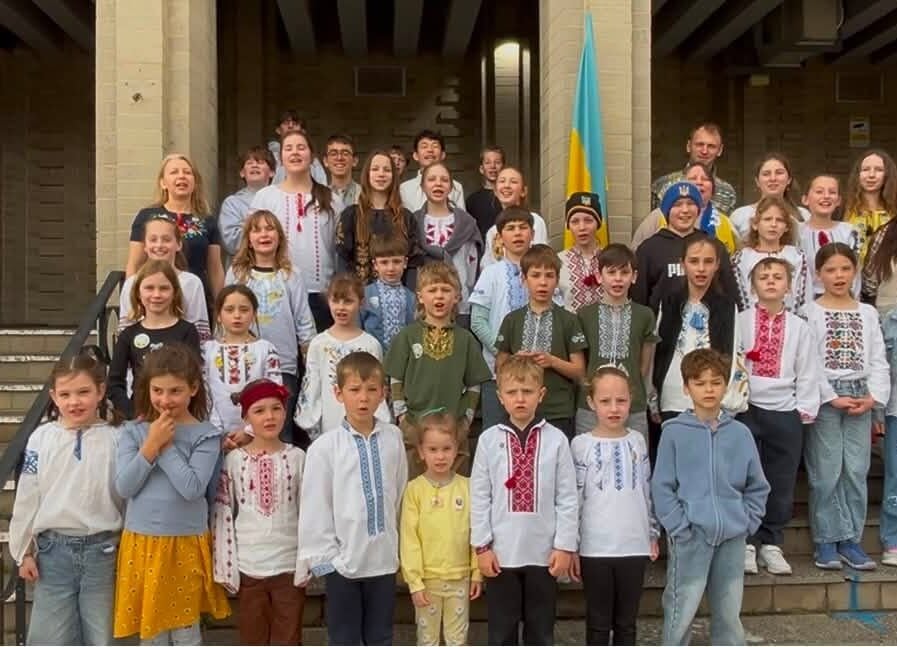
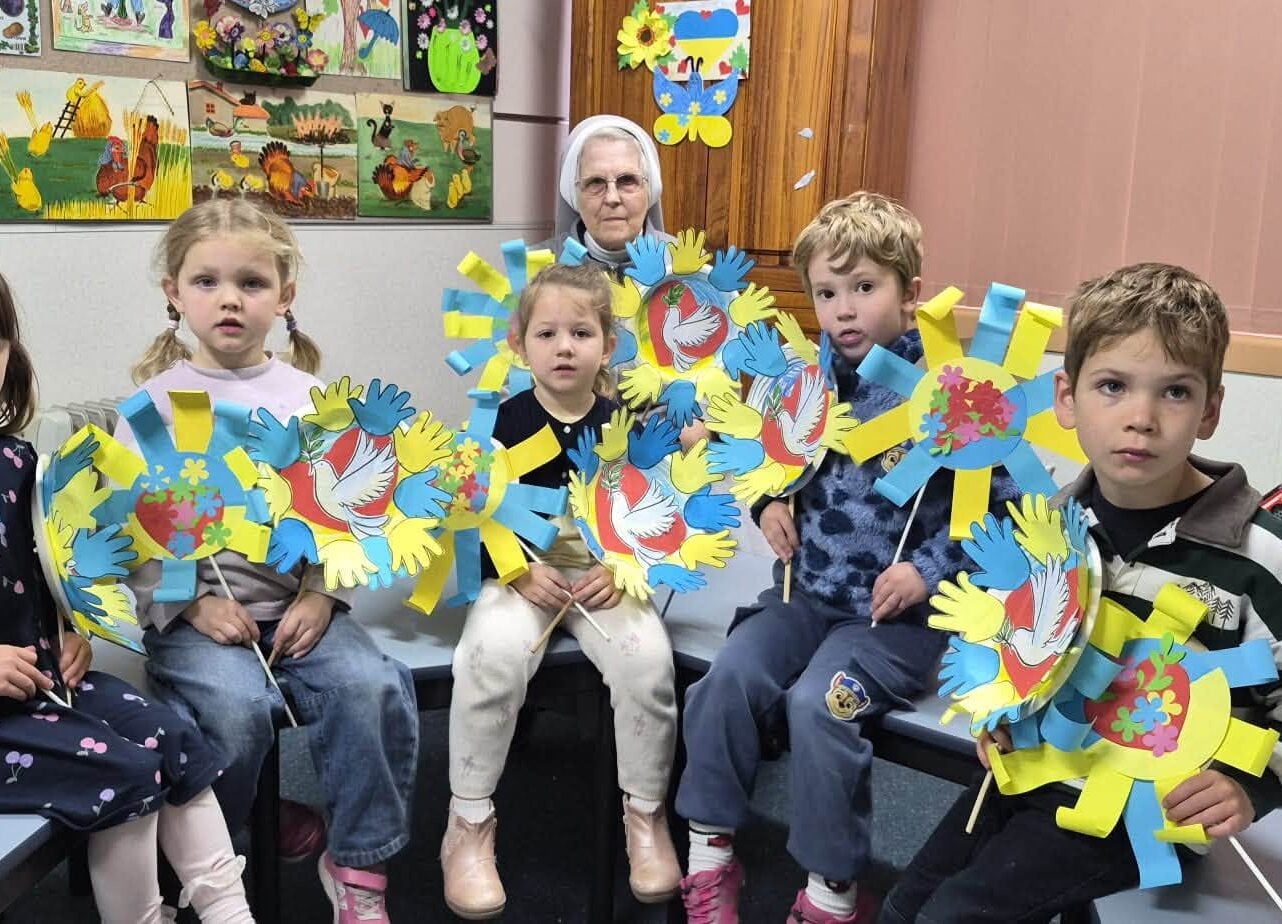
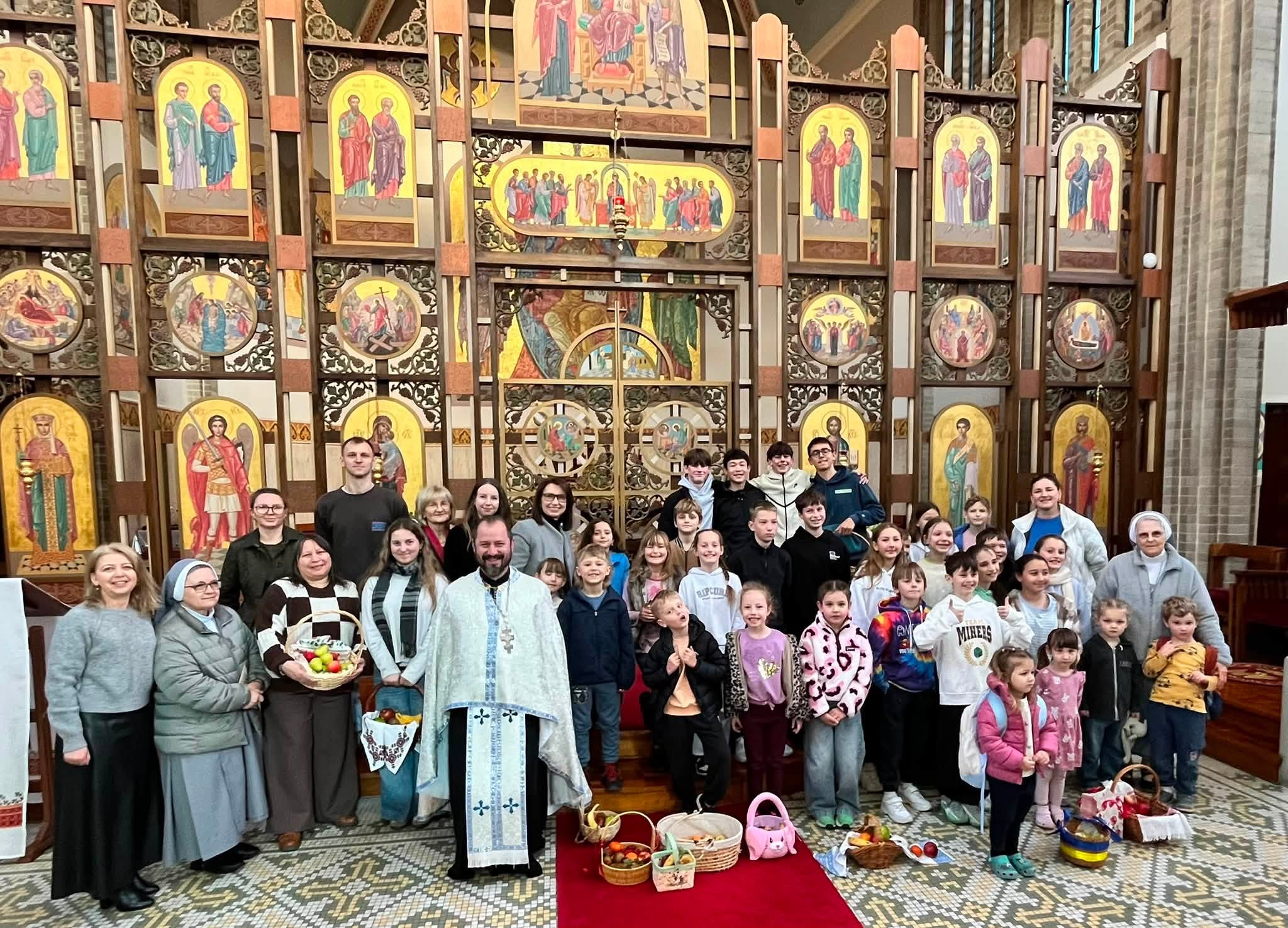
Since then, the school has become an inseparable part of her life. It also holds special significance for her family. Elvira’s husband’s grandparents came to Australia after the war. Their children attended the very same school where she teaches today. Her mother-in-law also taught there, while Elvira’s husband and his sisters were graduates. Later, Elvira’s own children graduated from the school as well.
It is a true chain of generations, one that best explains why Ukrainian schooling abroad is so valuable.
“My teaching philosophy is simple: the classroom should be not only educational but also fun and engaging. That way, children will look forward to coming to school,” she says.
New challenges, new goals
Whereas the first generations of Ukrainian immigrants brought their children to school when Ukrainian was their native language, today most students have been born in Australia. For many, Ukrainian is their second or even third language. This has created a new challenge for teachers: not only to reinforce existing language skills but also to help children learn Ukrainian from the very beginning.
Since 2022, many children from families forced to leave Ukraine because of Russia’s full-scale war have joined Ukrainian schools. For them, school has become a place where they can continue learning in their native language, make friends, find support, and maintain a connection with home.
“Our schools welcomed them with open arms. We understood that the children and their parents had been through difficult experiences, were under considerable stress, and needed support. It was important to create a welcoming environment where they could feel they were among their own people,” the UECA co-chair explains.
At the same time, newly arrived families had different expectations of the educational experience. Some parents hoped that Saturday schools would follow the curricula used by schools in Ukraine. Traditionally, however, Ukrainian schools in Australia have primarily catered to community children for whom Ukrainian is a second language.
This required teachers to be flexible and explore new approaches. After all, a single classroom may include children who speak Ukrainian fluently alongside those who are only beginning to learn the language.
“We do not want to divide children into those who have lived in Australia for a long time and those who have only recently arrived. We are all one Ukrainian school family. Every child should feel welcomed, understood, and valued here,” Ms Pyrczak emphasizes.
Today, ten Ukrainian schools across various Australian states operate under the UECA umbrella. Preliminary estimates indicate that more than 300 children are enrolled in these schools at the end of 2026. In recent years, two schools have successfully resumed operations – in Brisbane and Tasmania.
The council’s work includes coordinating schools, providing methodological support to teachers, organizing educational competitions, and developing joint projects. The UECA has a Methodological Commission headed by Yana Ostapenko. The commission assesses teachers’ needs, conducts surveys, supports professional development, and facilitates the exchange of educational materials.
Particular attention is to be given to modern teaching methods for Ukrainian as a second language. It is important that children with beginner-level Ukrainian do not feel insecure or out of place alongside peers who are already proficient in the language, Ms Pyrczak explains.
The Council also coordinates schools’ participation in the Petro Yatsyk International Ukrainian Language Competition, supports cultural initiatives, and helps Ukrainian schools raise their profile within Australia’s multicultural society.
“We want Ukrainian schools in Australia to be known not only within Ukrainian communities but also more broadly. That is why our schools actively participate in various multicultural festivals, showcasing Ukrainian culture, traditions, and arts and introducing them to Australian society,” the UECA co-chair adds.
To mark the organization’s 70th anniversary, a series of radio interviews with schools has been launched on SBS, along with the creative competition “My School, My Story,” preparations for a commemorative publication on Ukrainian schooling in Australia, and a special webinar. These initiatives are intended not only to celebrate the anniversary but also to collect the stories of the people who have kept Ukrainian education alive on the continent.
Among the important goals for the future is the development of original curricula and textbooks tailored to the needs of Ukrainian children in Australia.
“I would particularly like to emphasize that the UECA is not just its co-chairs or executive committee members. First and foremost, it is all of our schools, their principals, teachers, students, and parents. We want the Council to serve as a shared platform where we can join forces, exchange experiences, support one another, and work together to find answers to the challenges facing Ukrainian schooling today.”
Another major challenge is the academic recognition of the Ukrainian language. In 2018, Ukrainian was removed from the list of languages available for study at the relevant national senior secondary education level due to insufficient student numbers. Since then, the UECA, together with the Australian Federation of Ukrainian Organisations (AFUO), has been working to restore this opportunity. Children who have studied Ukrainian for years should be able to continue their studies in the senior years of secondary school and receive formal academic recognition for their language skills.
“We want Ukrainian to have a future not only in families and Saturday schools but also in senior secondary schools, universities, and professional life. We want learning Ukrainian to be not just an expression of love for one’s roots but a fully recognized educational opportunity,” Elvira explains.
Love passed down through generations
What motivates today’s children to spend their Saturdays at Ukrainian school rather than devote that time to sports, recreation, or other interests? Elvira Pyrczak says that parents’ desire to pass on their language and traditions alone is not enough. A school must be engaging, welcoming, and creative – a place children want to return to.
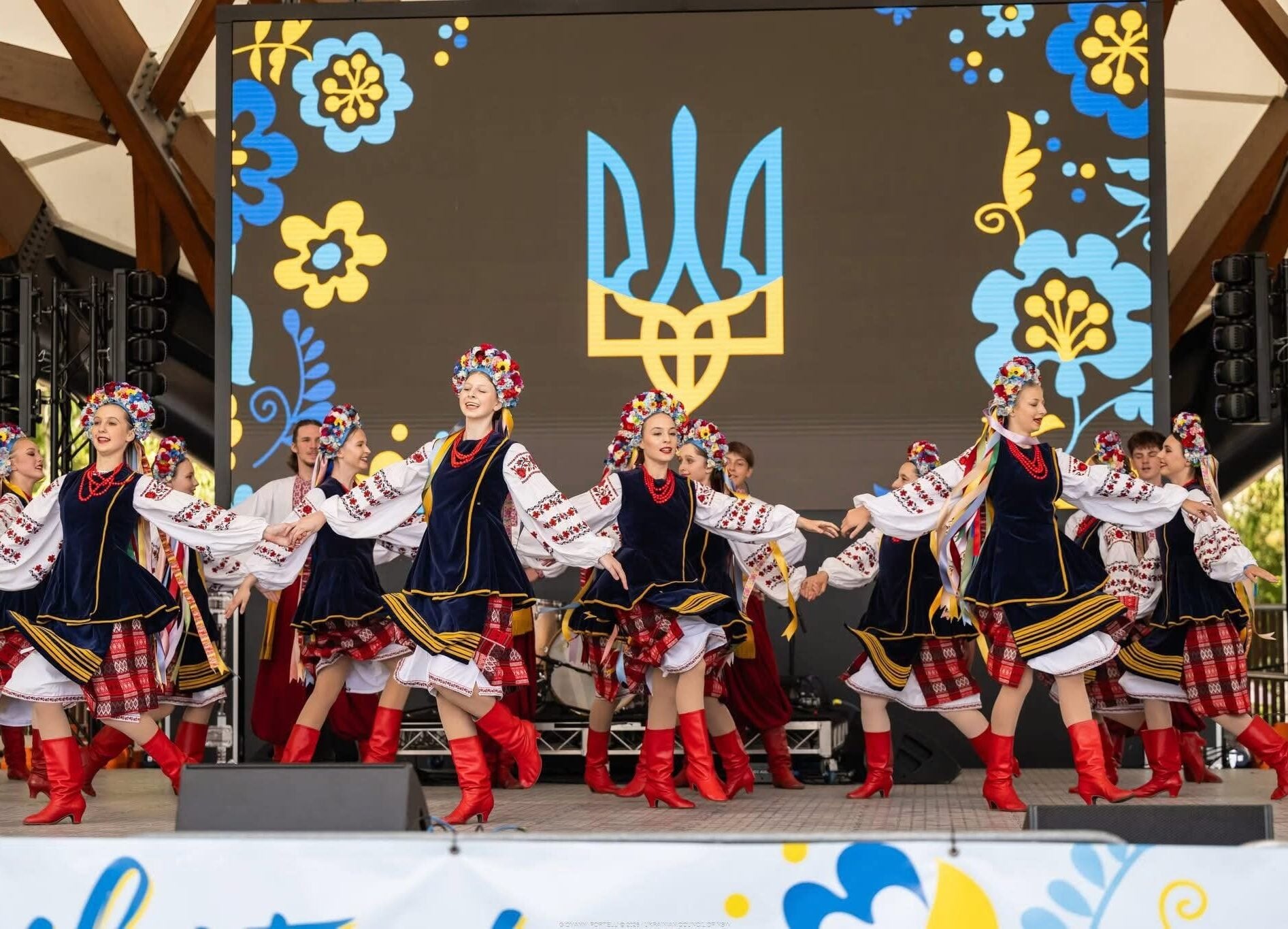
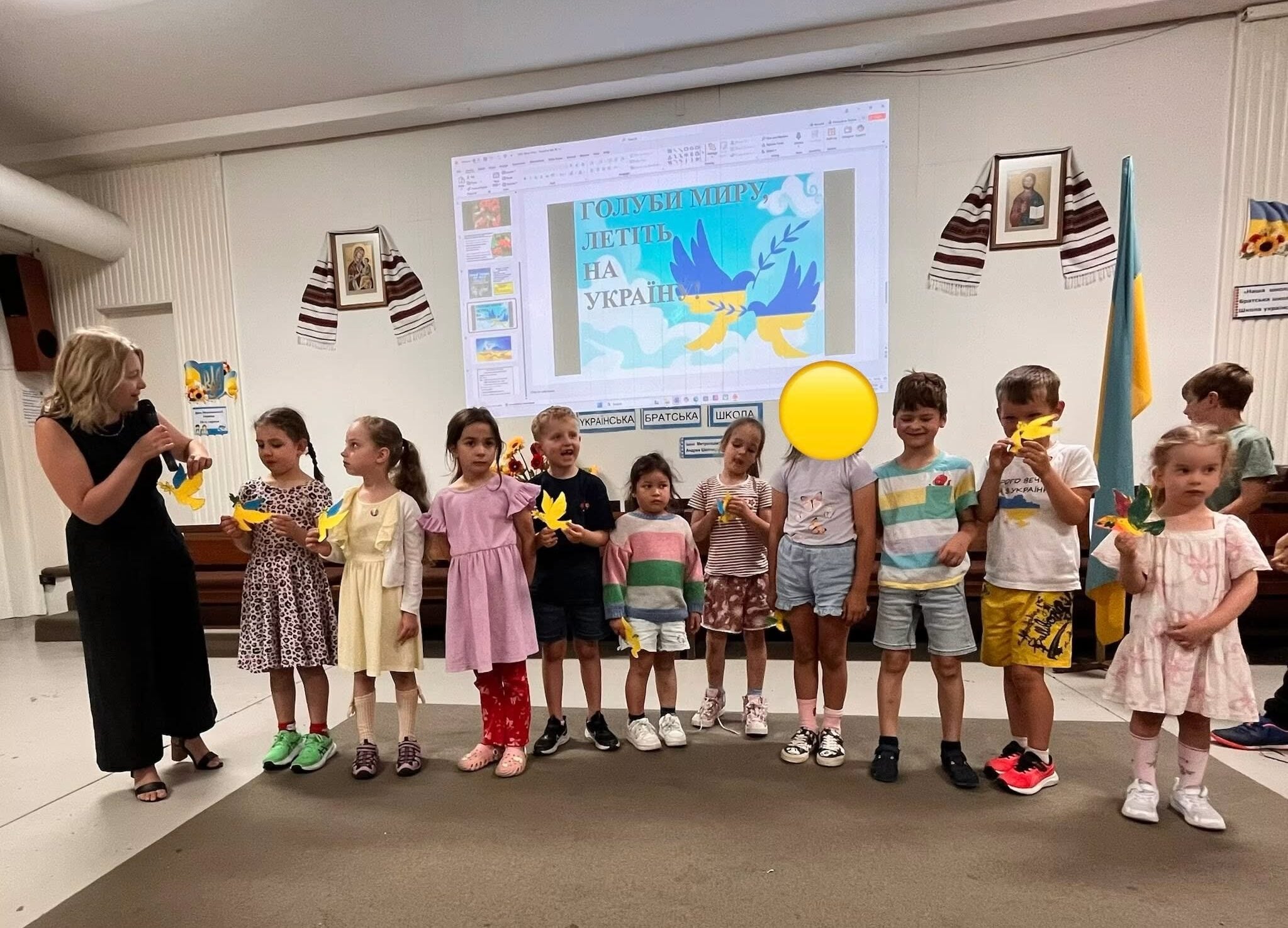
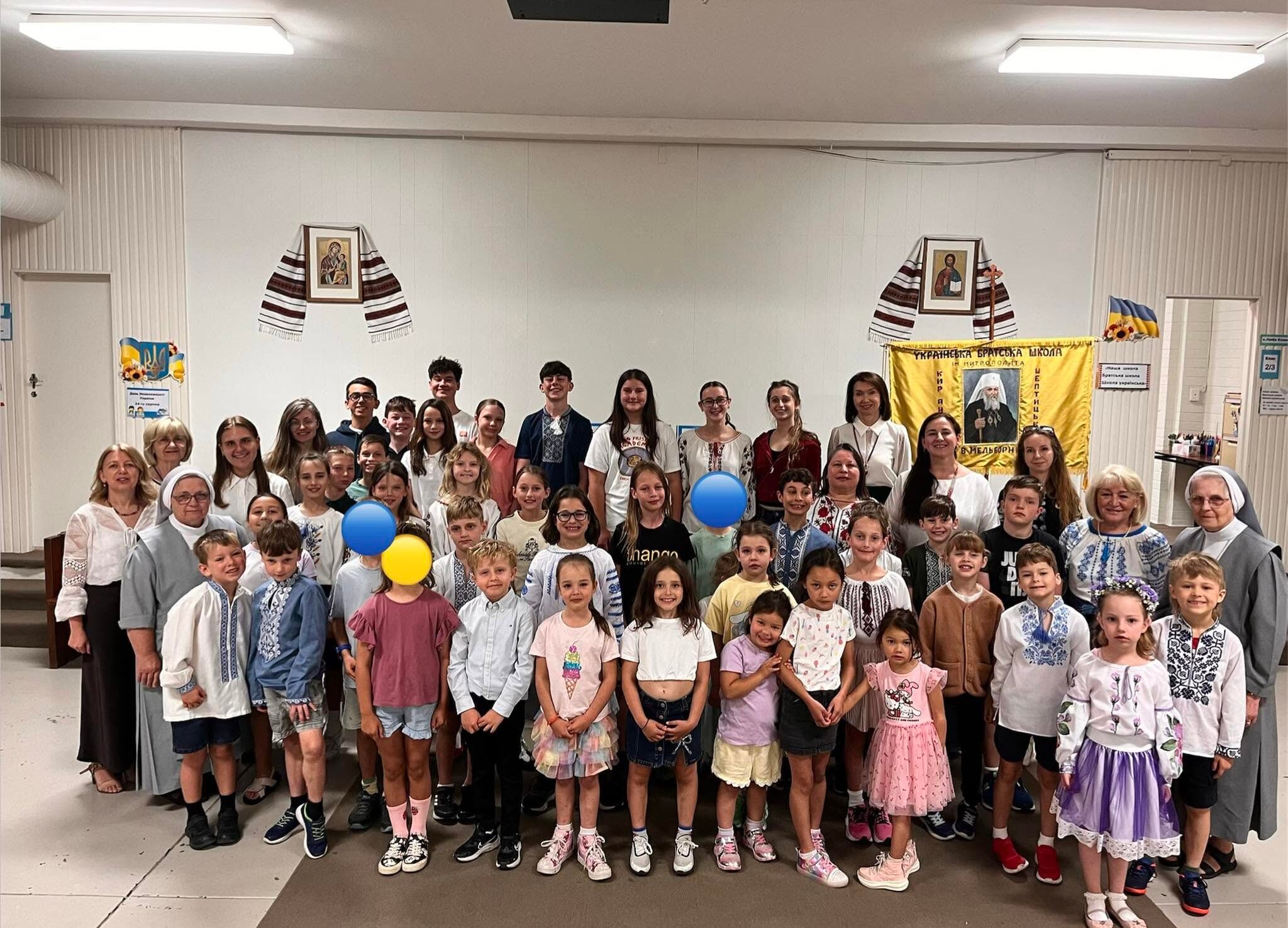
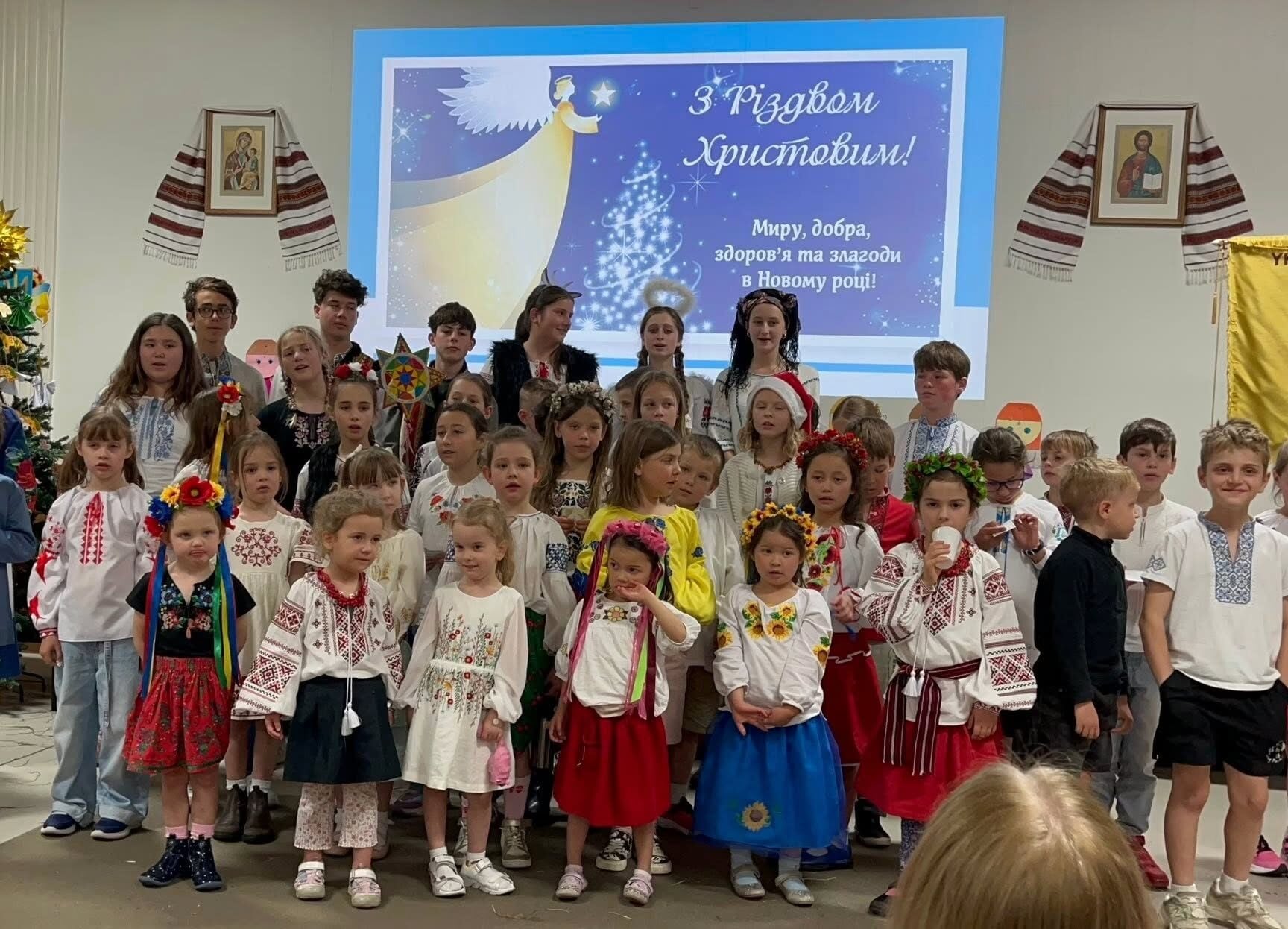
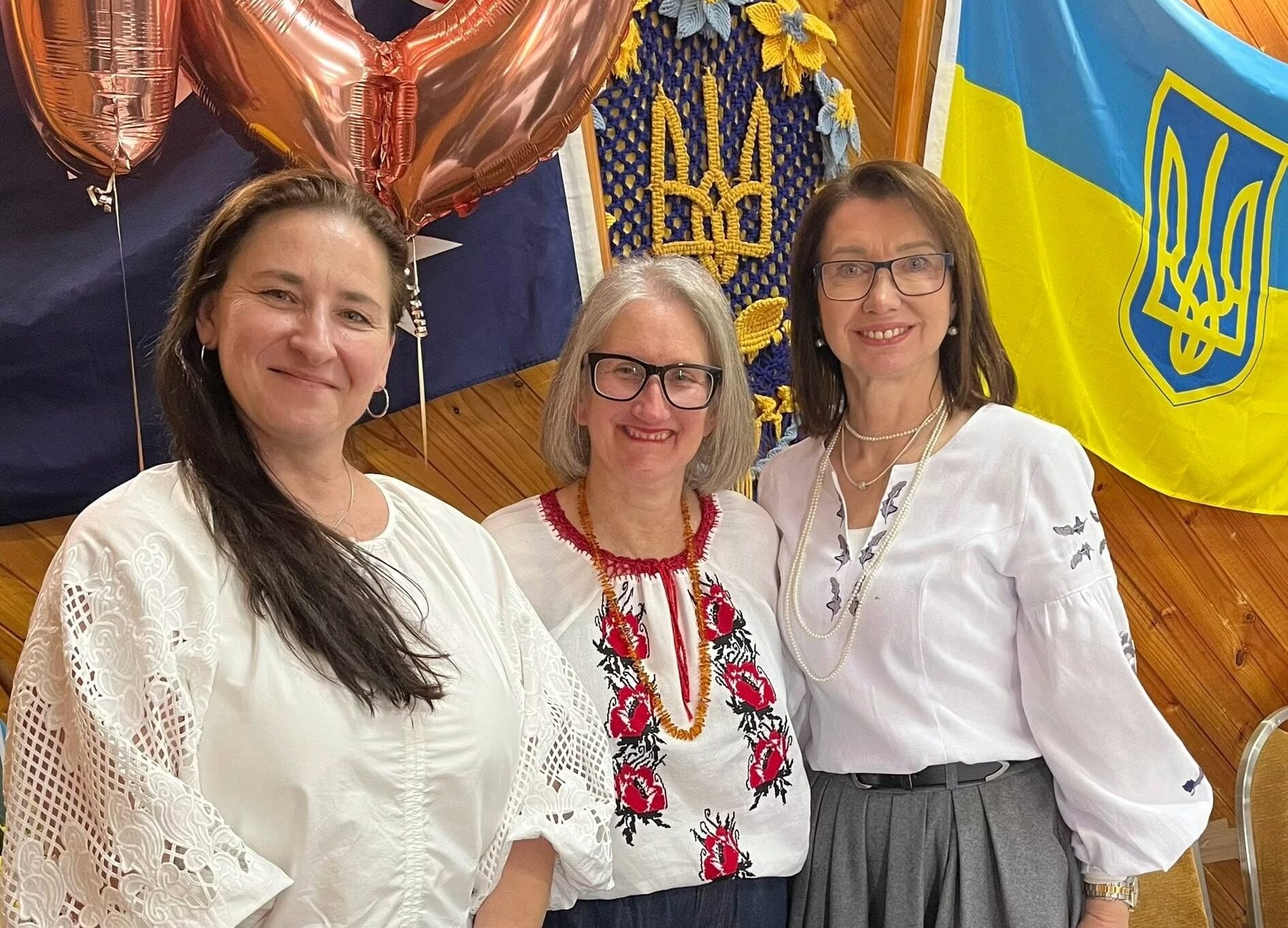
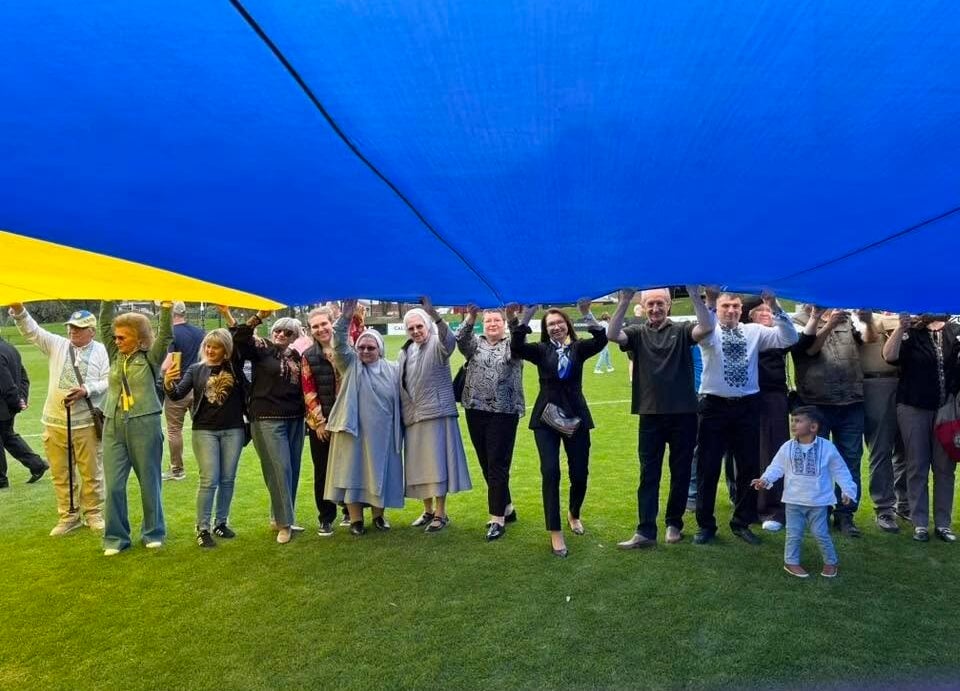
She recalls how her students worked on Ukrainian folk tales for the school’s annual magazine. They formed groups, recorded videos, and came up with their own questions about the stories. The children enjoyed working together and took pride in the finished product.
This is how a love of language develops: through meaningful interaction, friendship, creativity, and a sense of belonging, she says.
For children born in Australia, Ukrainian school helps them understand that they can be fully Australian while also taking pride in their Ukrainian heritage. The two identities are not mutually exclusive. Through learning history, celebrating Ukrainian Independence Day and Vyshyvanka Day, and commemorating the victims of the Holodomor, children discover their roots and develop their own sense of identity, Ms Pyrczak emphasizes.
Many graduates later join Plast, the Ukrainian Youth Association (CYM), and other community organizations. Former students go on to become teachers, school principals, and active members of the Ukrainian community.
Reflecting on seven decades of the council’s work, Elvira Pyrczak speaks above all about people – the generations of educators, parents, and students who have invested their time and hearts in Ukrainian education. Her wishes for the next 70 years include unity, renewed energy, young teachers, modern curricula, and original textbooks for Ukrainian children in Australia.
“Perhaps my greatest wish is that we will always have people for whom to do this work. That the Ukrainian language will continue to be heard in Australia, that our children and grandchildren will know their roots, and that there will always be people around us willing to devote their time, effort, and hearts to this cause.”
And perhaps these words capture the very essence of the 70-year history of Ukrainian schooling in Australia. A school lives not only when its classrooms are filled with students, but also when knowledge, language, and love for Ukraine become a legacy passed from one generation to the next.
Latest news
 #UWC news
UWC marks Ukraine’s Day of Dignity and Freedom: Ukraine’s future belongs to Ukrainians
 #CallToAction
Russia is destroying Ukraine’s energy sector on the eve of winter: How to help
 #LocalAction