



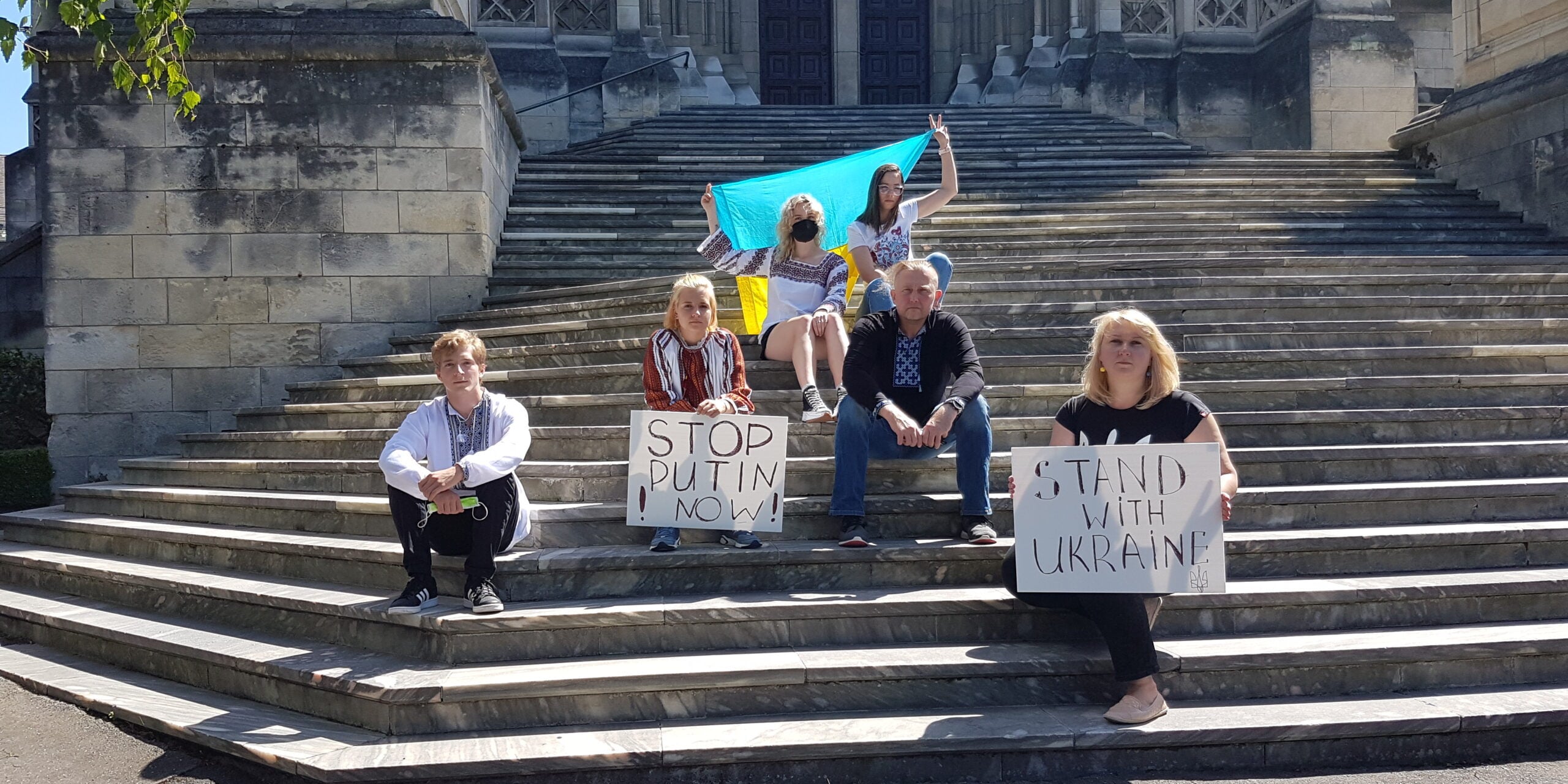
The day after Russia launched its full-scale invasion of Ukraine, five people stood in a square in the New Zealand city of Dunedin. Olya Viazenko, her husband, daughter, and several other acquaintances had come to a rally in support of Ukraine. They did not know whether anyone else would join them, but they knew they had to be there.
The Ukrainian community in New Zealand already had a history spanning many years, with its largest center in Auckland, where it remains today. Olya became involved in community life after moving to the country, when she was living in Auckland.
However, in 2021, she and her family moved to Dunedin, a city on the South Island where there are far fewer Ukrainians.
That day, several people stood in the square, having decided to represent Ukraine where they were. Soon, local residents, city officials, and elected representatives began joining them. Ultimately, about 100 people attended the rally on Feb. 25.

Since then, Olya and several other active Ukrainians have regularly organized pro-Ukraine events, collected aid for Ukraine, worked with local media and authorities, held cultural events, and talked about Ukraine in schools. She also created an English-language radio program about Ukraine, which is now broadcast in two cities on the South Island.
“My approach is simple: if I see and believe that something needs to be done, I do it,” she says.
From TV to New Zealand
Before moving abroad, Olya worked in Ukrainian journalism for more than 15 years, mostly in television. She was a producer, worked on reports, and traveled to eastern Ukraine with her husband, Oleksii Ikonnikov, a historian by profession, when fighting was already underway there.
Ukrainian identity was important to her long before she emigrated. Olya attended a Ukrainian school during the Soviet era and later enrolled at the Ukrainian Humanities Lyceum, which, she says, shaped her as a patriot.
After moving to New Zealand, Olya settled in Auckland and immediately became involved in Ukrainian community life: she organized Christmas nativity performances, competitions, and other events, and later created a YouTube channel about Ukrainians in New Zealand and the history of Ukrainian migration.
In Dunedin, she found herself in a different reality, where there were few Ukrainians. But for Olya, this was not a reason to give up community work.
“There was no need to convince us that we had to do something for Ukraine from here,” she says of herself and her husband.
After the full-scale invasion began, Ukrainians in different cities across New Zealand began organizing rallies, spreading information about the war, and collecting aid. In Dunedin, Olya, her family, and several acquaintances first went to local media outlets to tell them about Russia’s attack.
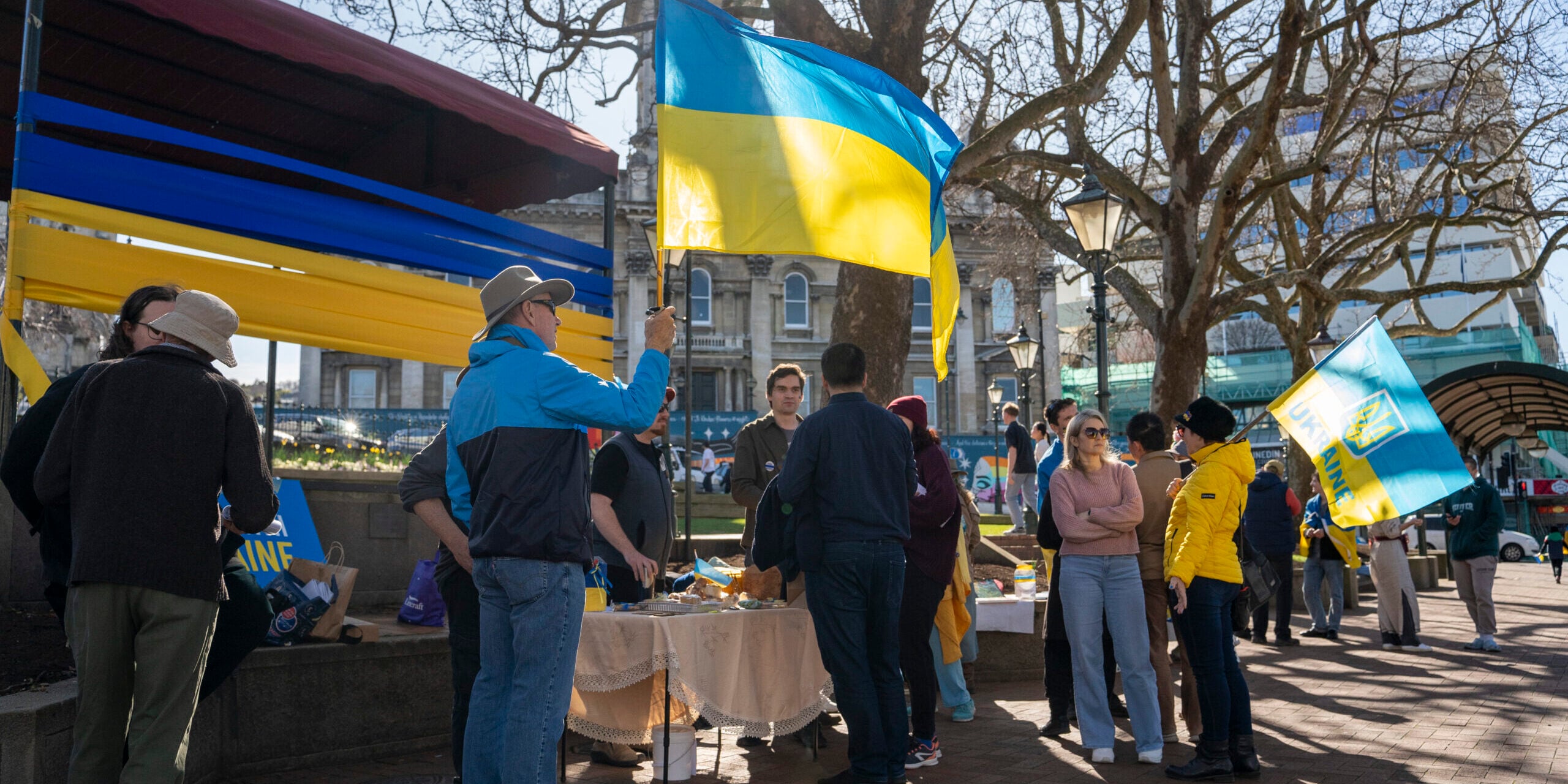
Later, local residents, city officials, and elected representatives began joining them at rallies. Instead of five people, about 100 were gathering in the squares.
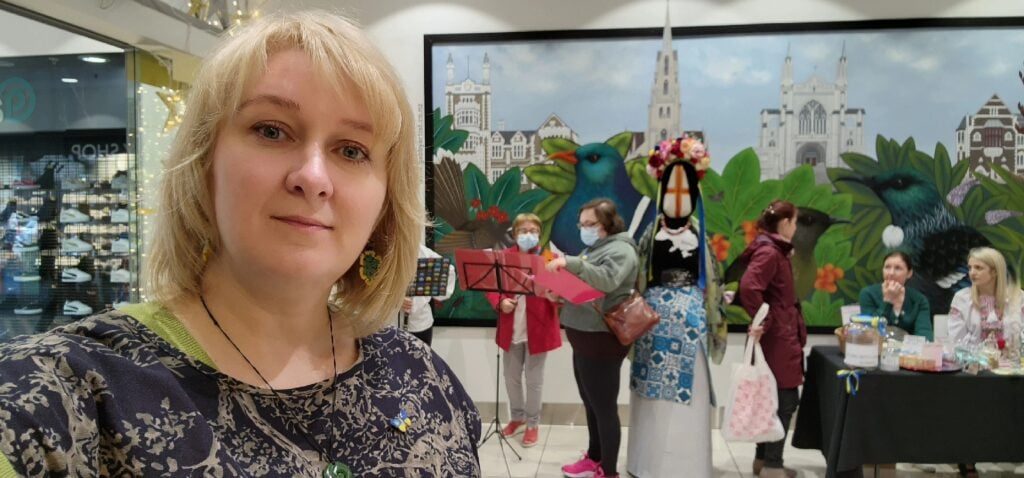
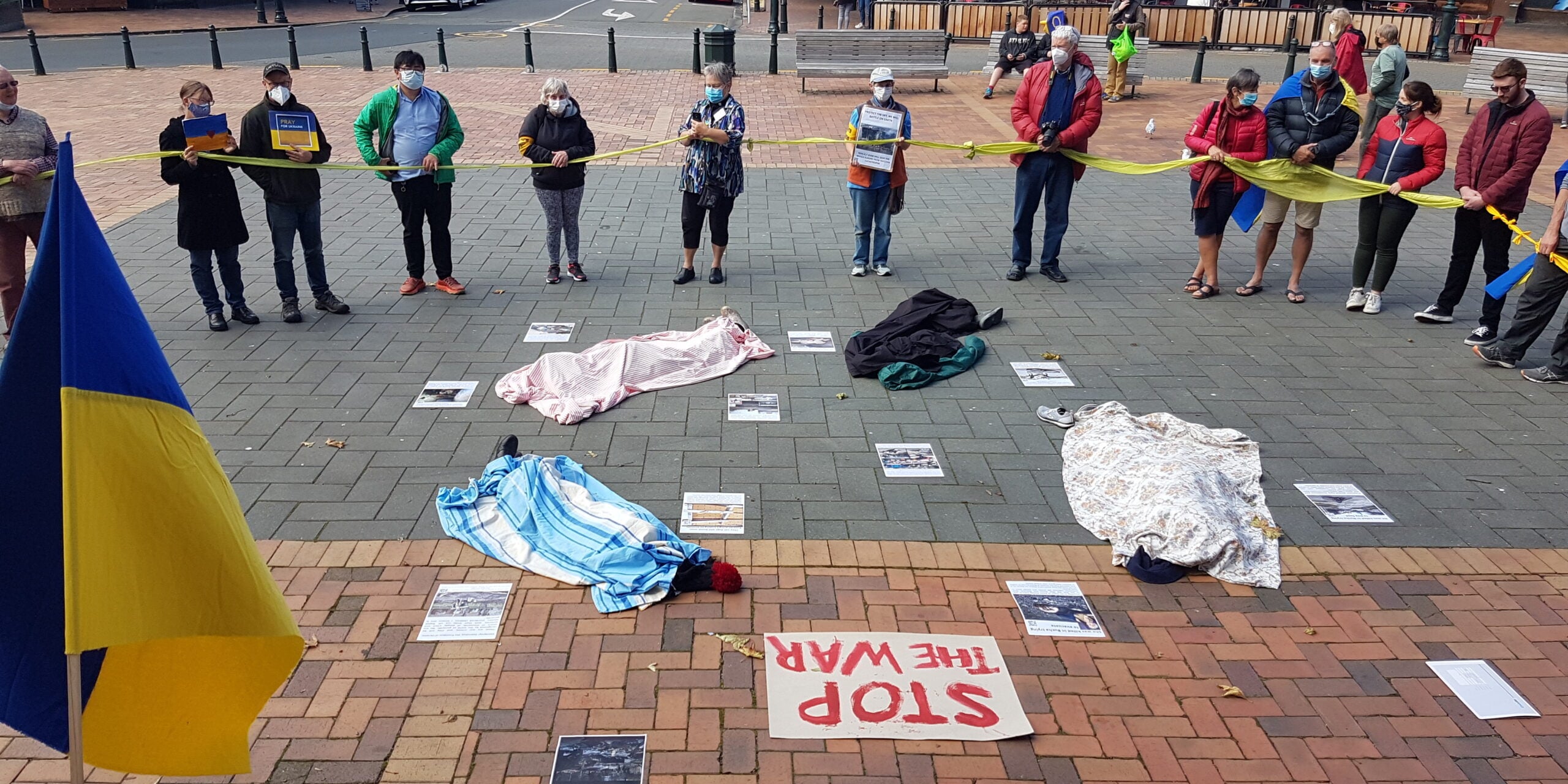
Since then, Ukrainian rallies in Dunedin have become regular. Olya and her supporters gather in the square every Saturday. A group has formed around them that she calls her “Saturday family.” It has long consisted of more than just Ukrainians: New Zealanders, Poles, Lithuanians, Germans, Māori, and members of other communities have joined them.
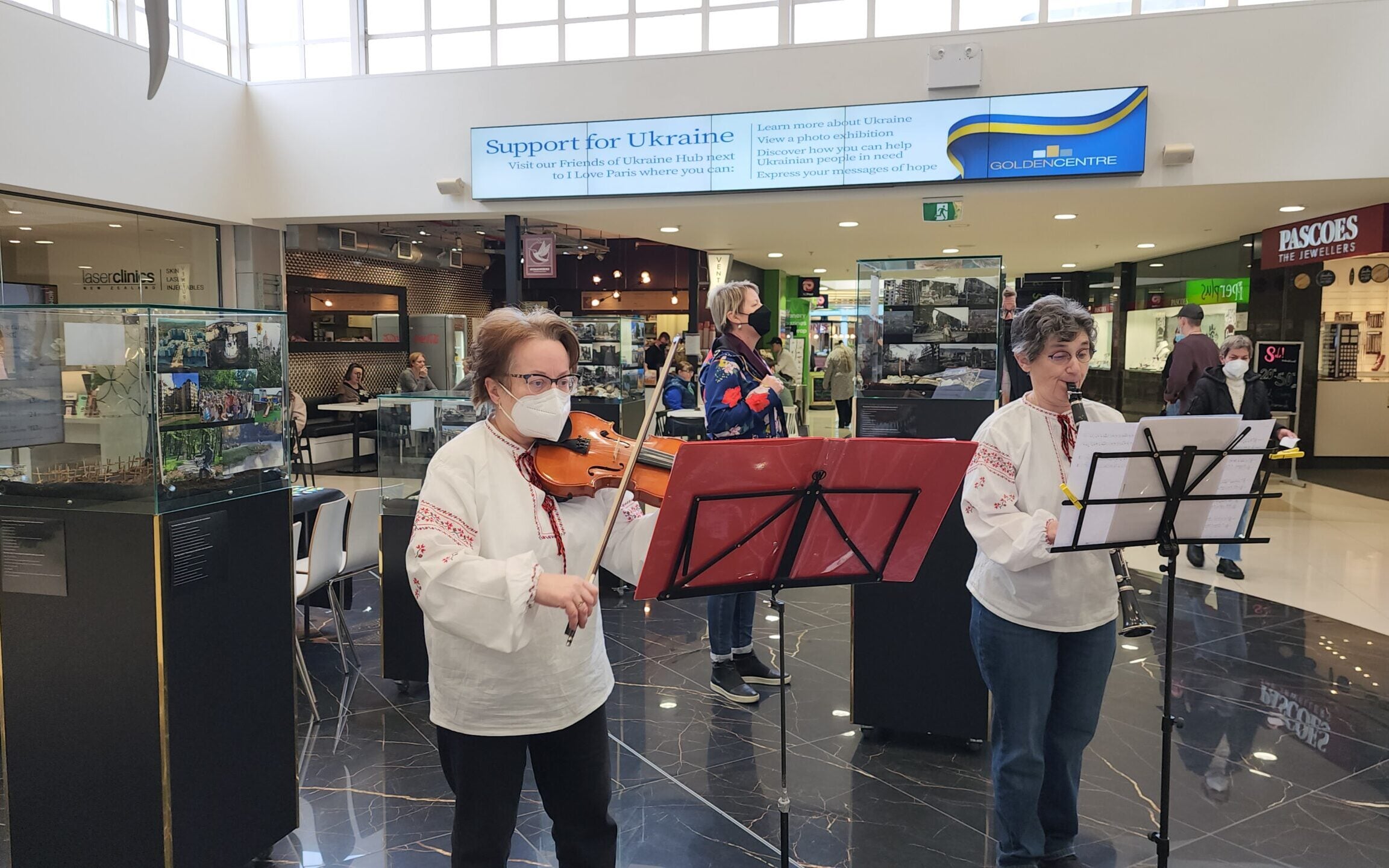
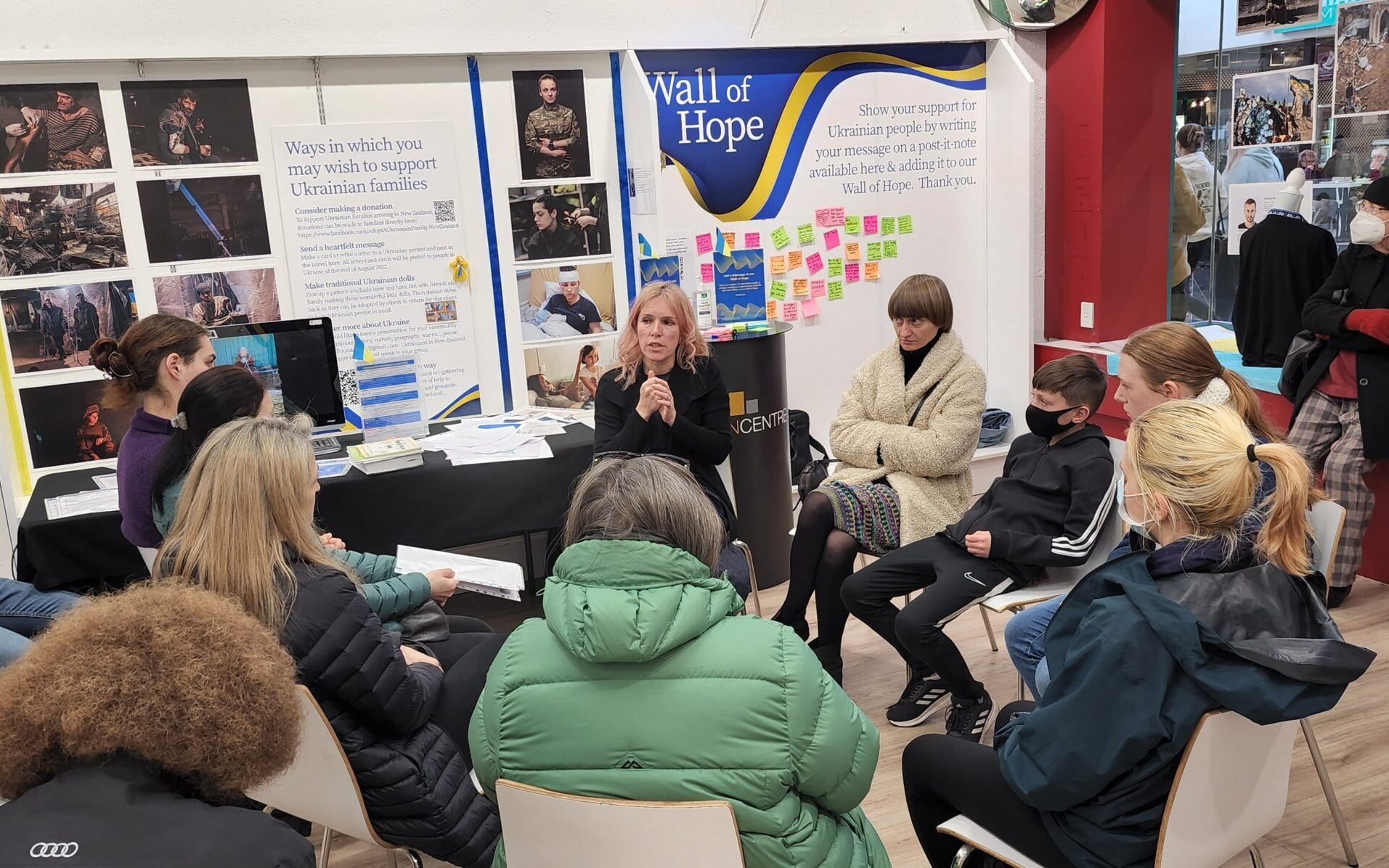
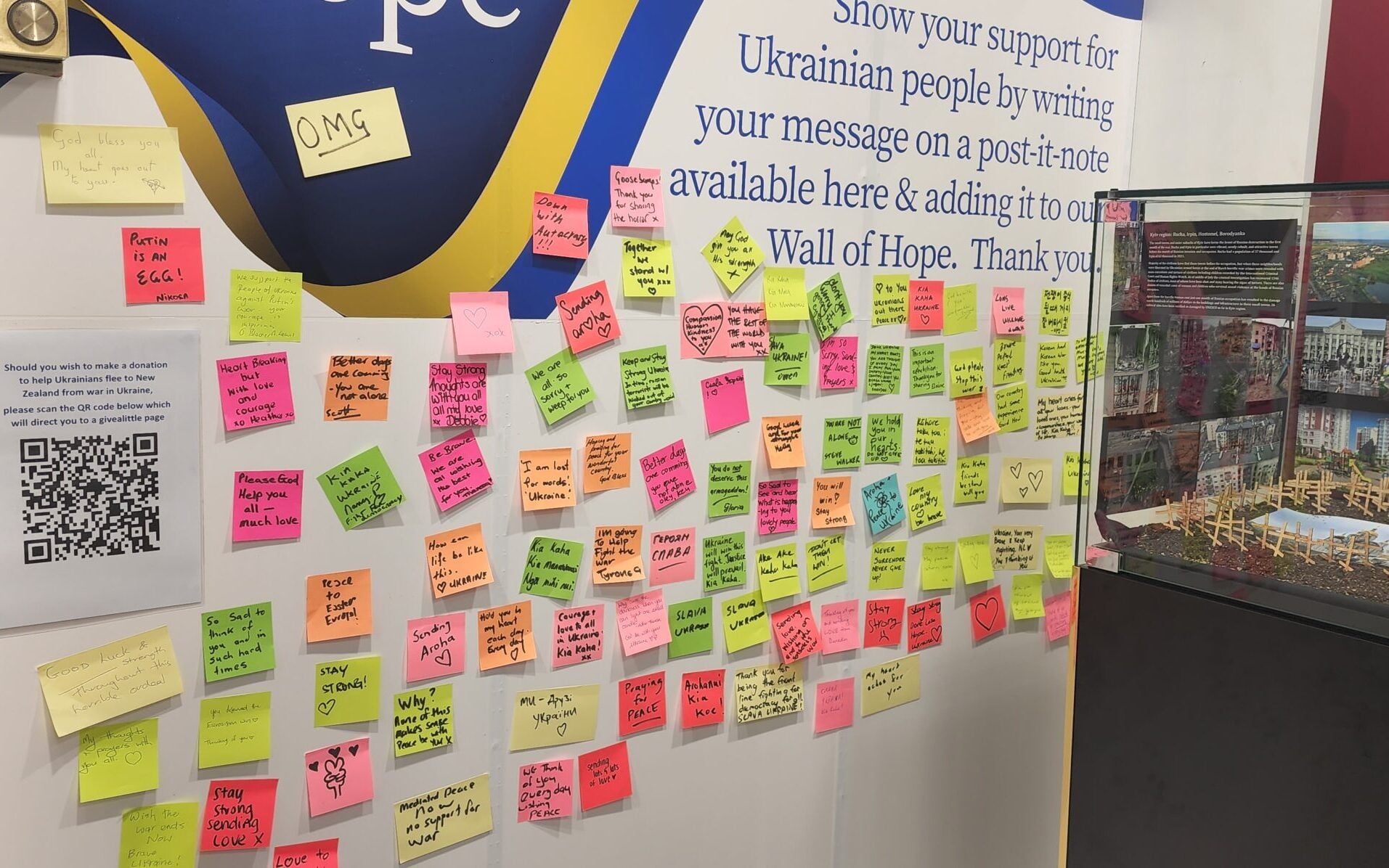
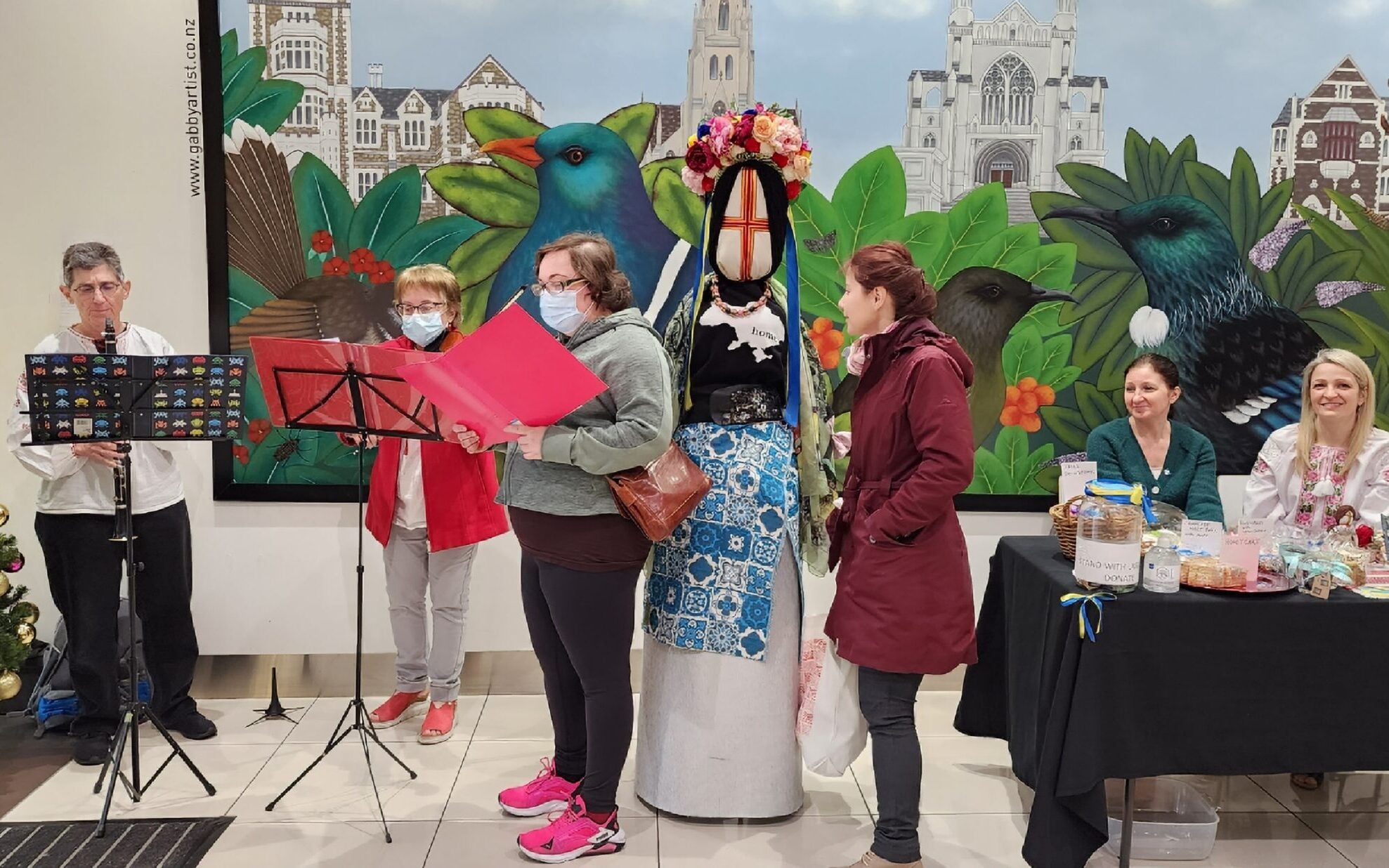
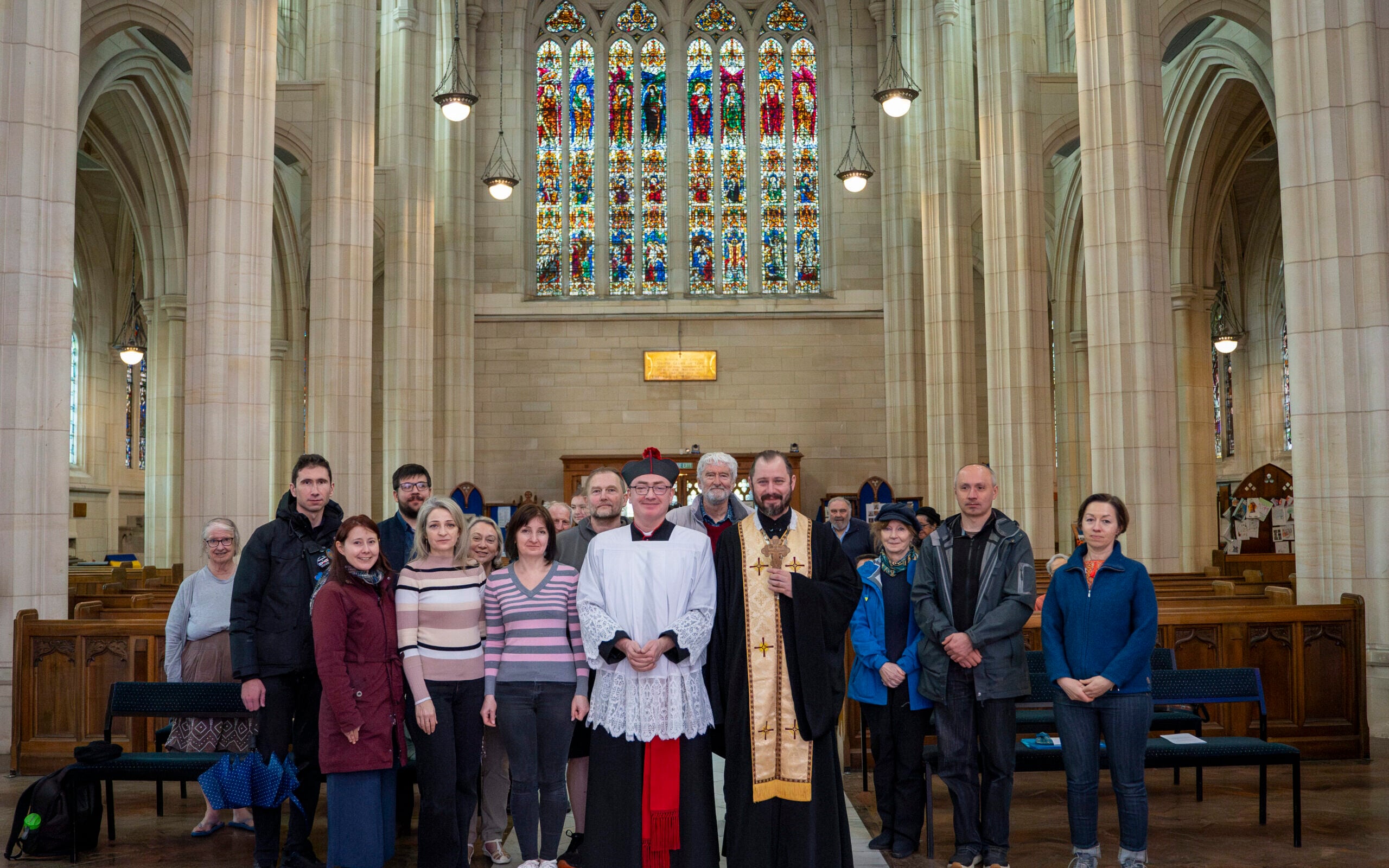
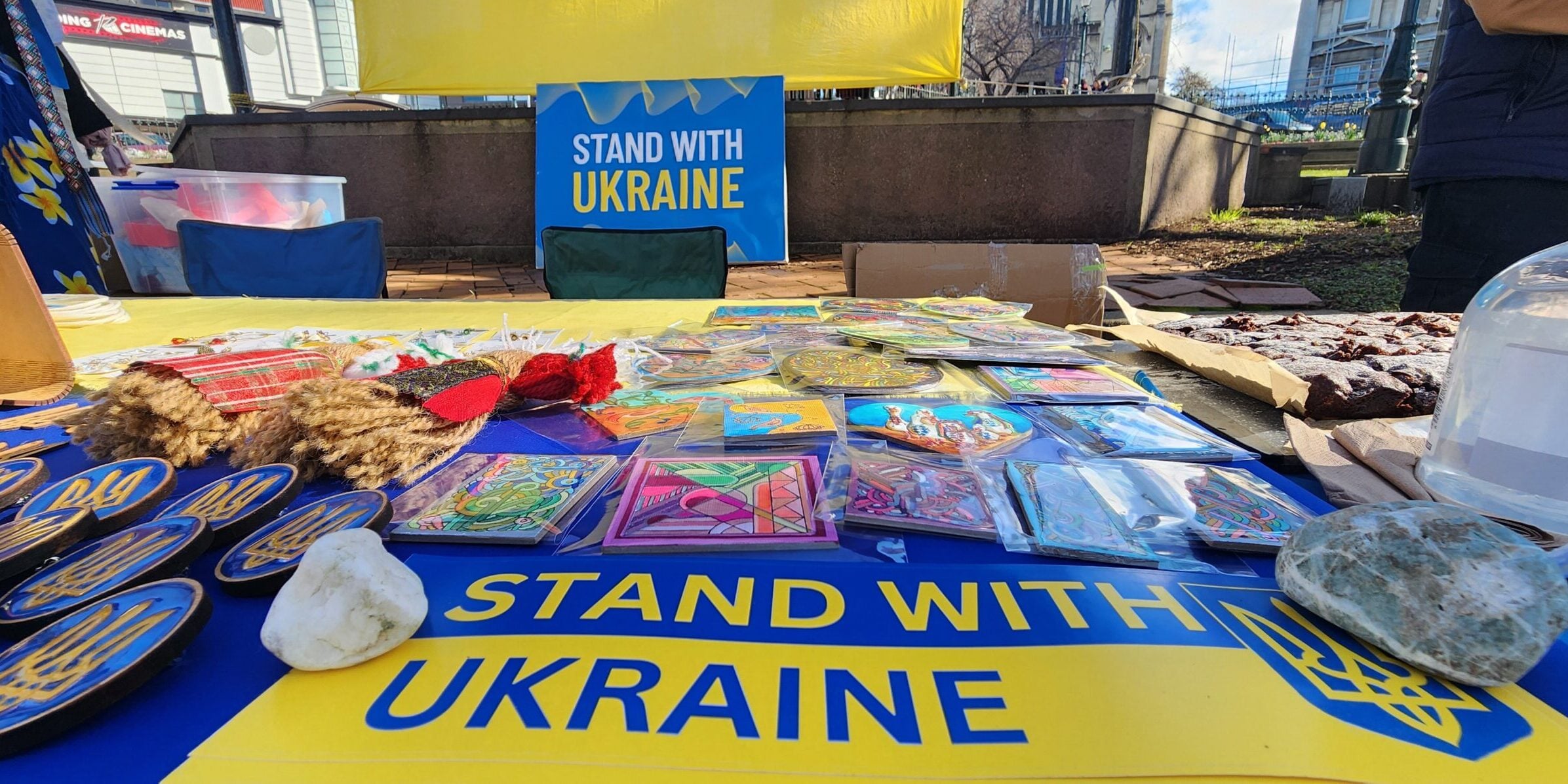
Some attend the rallies, others help organize events, bake food for charity fairs, make posters, or donate to aid Ukraine. For Olya, this is the main principle of her work: not waiting until enough people have gathered around you.
“People started joining when they saw that something was happening and someone was actively promoting it. In other words, you just take it and do it.”
‘Dozens of small talks’
Radio became another way for Olya to represent Ukraine. A local community radio station offered her a slot for a program about the Ukrainian community, and she decided to produce it in English.
After more than 40 episodes, the program has become a bridge between Ukraine and New Zealand. Olya talks about Ukrainian history, culture, and geography and interviews people connected to Ukraine. Her guests have included Ukraine’s ambassador to Australia and New Zealand, Vasyl Myroshnychenko, journalist Peter Zalmayev, and others.
Olya essentially produces the entire program herself: she finds topics and guests, arranges interviews, travels to recordings, edits the material, and delivers it to the radio station. She is not paid for the work and covers her travel expenses herself.
Later, another radio station in Christchurch, the largest city on New Zealand’s South Island, also began broadcasting the program.
“Every time I make a program, I think: Okay, this is probably the last one, no one listens to it, no one needs it. Then local New Zealanders come up to me and thank me for the broadcast. And then I realize that I need to keep going,” Olya admits.
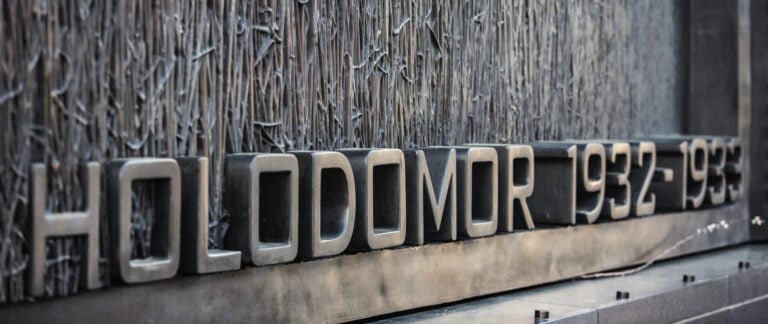
Olya also uses cultural diplomacy. One of her best-known projects is a large Motanka doll named Motria, which she and her husband made overnight before the anniversary of the Holodomor. Motria travels with her to fairs and charity events, where she attracts people’s attention and becomes a reason to talk about Ukraine.
Later, Olya began making smaller Motanka dolls for charity sales and large works for exhibitions. One of them, made in the colors of Christchurch and Ukraine, was presented to the city council.
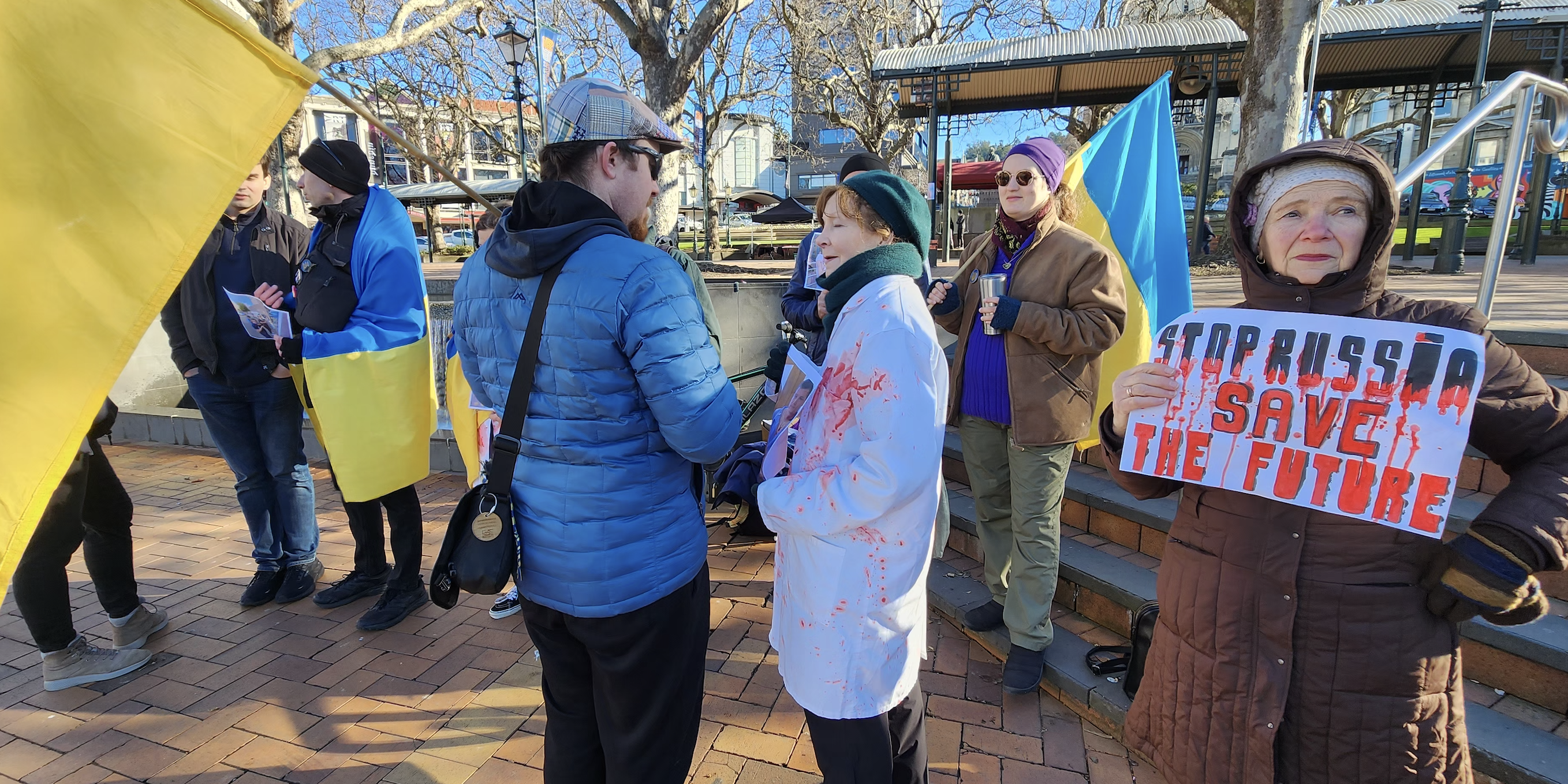
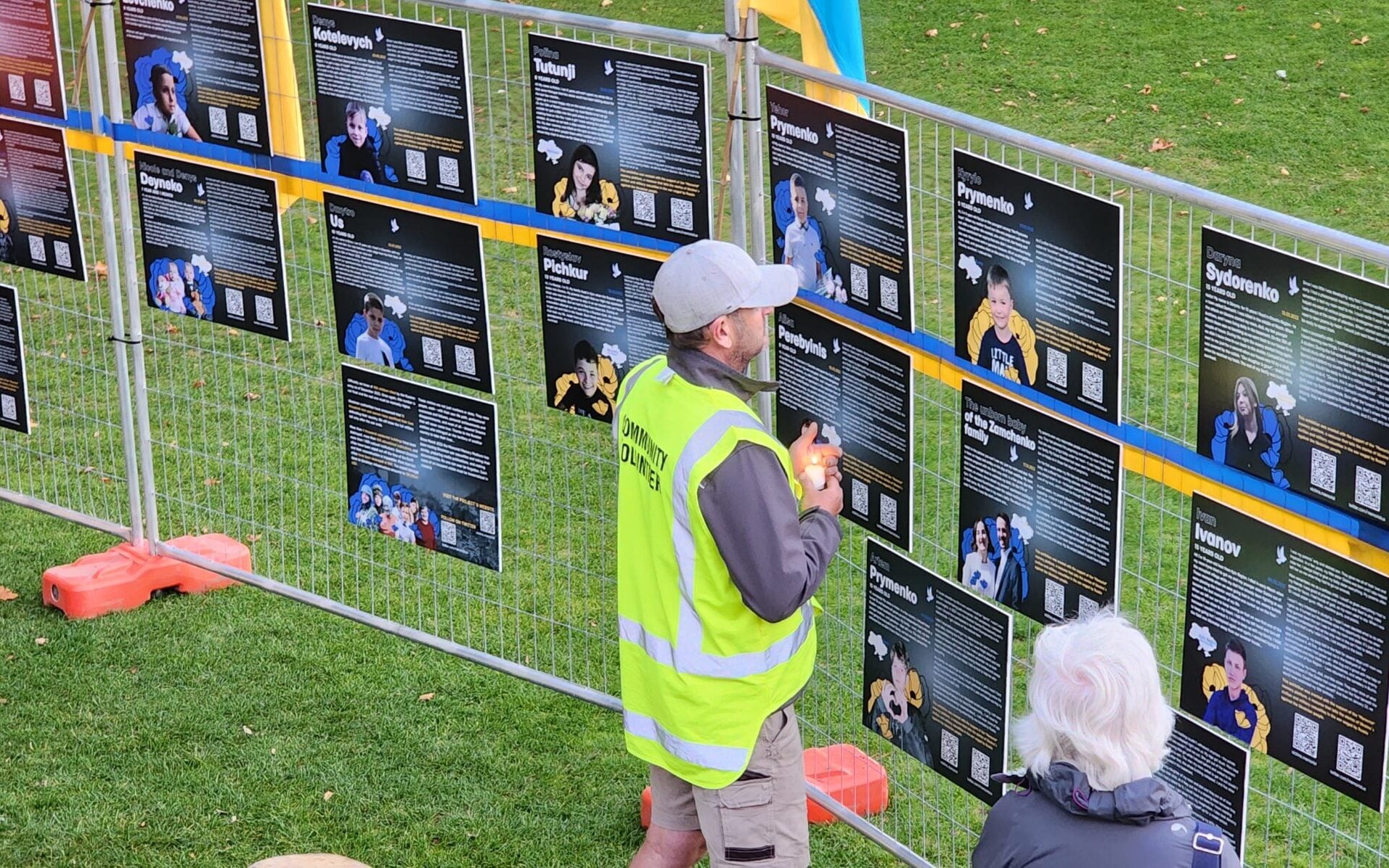
Olya has also organized exhibitions and installations in Dunedin dedicated to Russian aggression. After the destruction of the Kakhovka Dam, Ukrainian activists wrapped the stage in the city center in plastic to create an association with water, held exhibitions featuring photographs of Ukrainians and children who had been killed, and screened documentaries.
“All of our events are designed to make people pay attention, come over, and ask what it is,” Olya explains. She says Ukrainian narratives need to be adapted to the local context so that people do not simply hear them but want to understand Ukraine better.
Before the full-scale invasion, Ukrainians in New Zealand often had to explain even where they were from. Olya recalls that Ukrainians could be called Russians, but attitudes changed after 2022.
According to her, it was not only the name of the country with which Ukrainians were associated that had to change. Before the war, there was also a stereotype in New Zealand that Ukrainian migrants were predominantly low-skilled workers. To change this perception, Ukrainians simply had to become visible – to talk about themselves, their professions, education, experience, and lives in Ukraine before moving abroad.
Olya and her husband gave presentations about Ukraine in schools and churches, talking not only about the war but also about everyday life, culture, and the country’s history. Gradually, local interest grew, and with it, the perception of Ukraine as something distant and unfamiliar began to fade. Locals came to understand that there are many educated people and qualified professionals among Ukrainians in New Zealand who worked or continue to work in good professional positions.
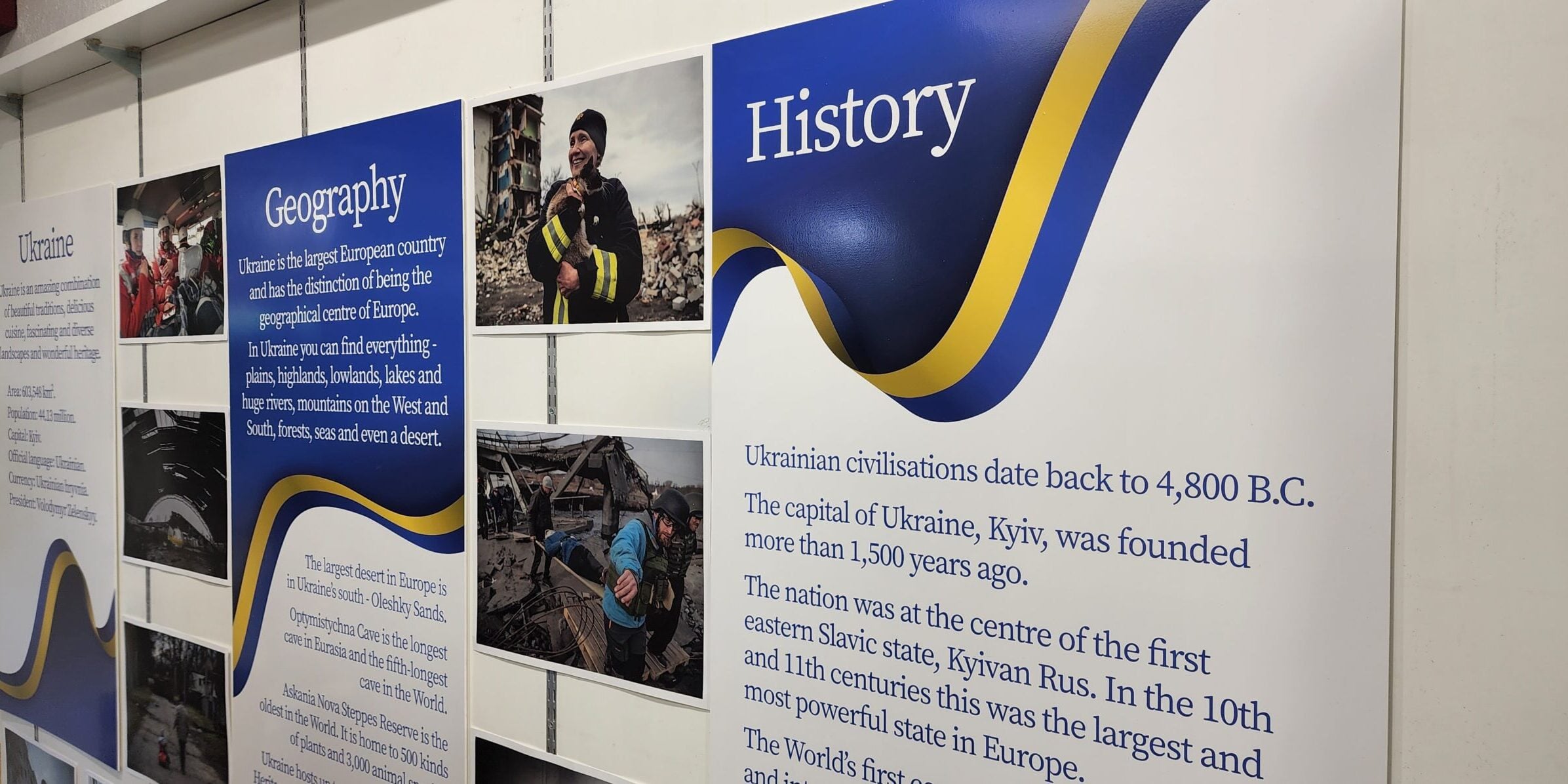
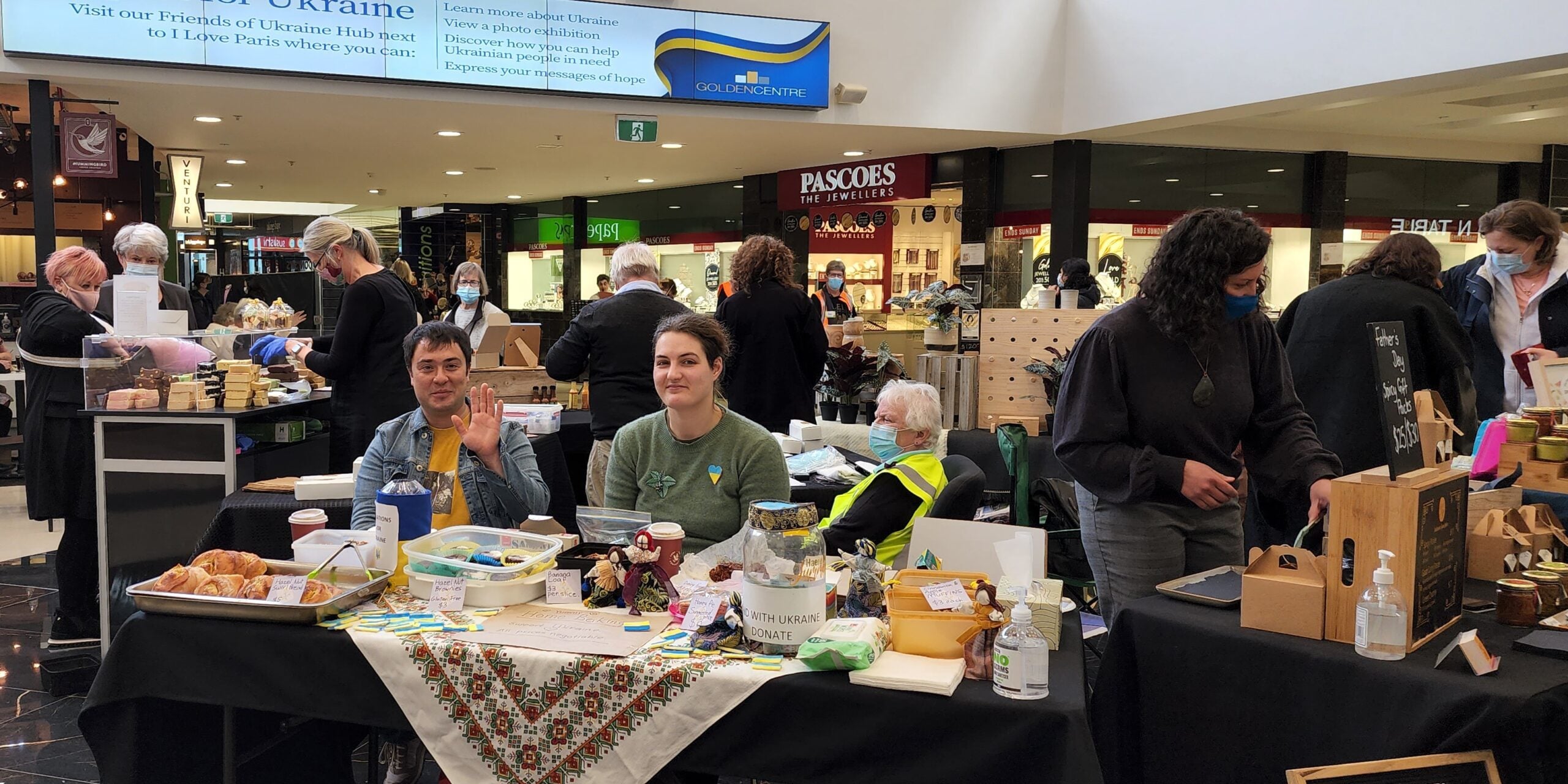
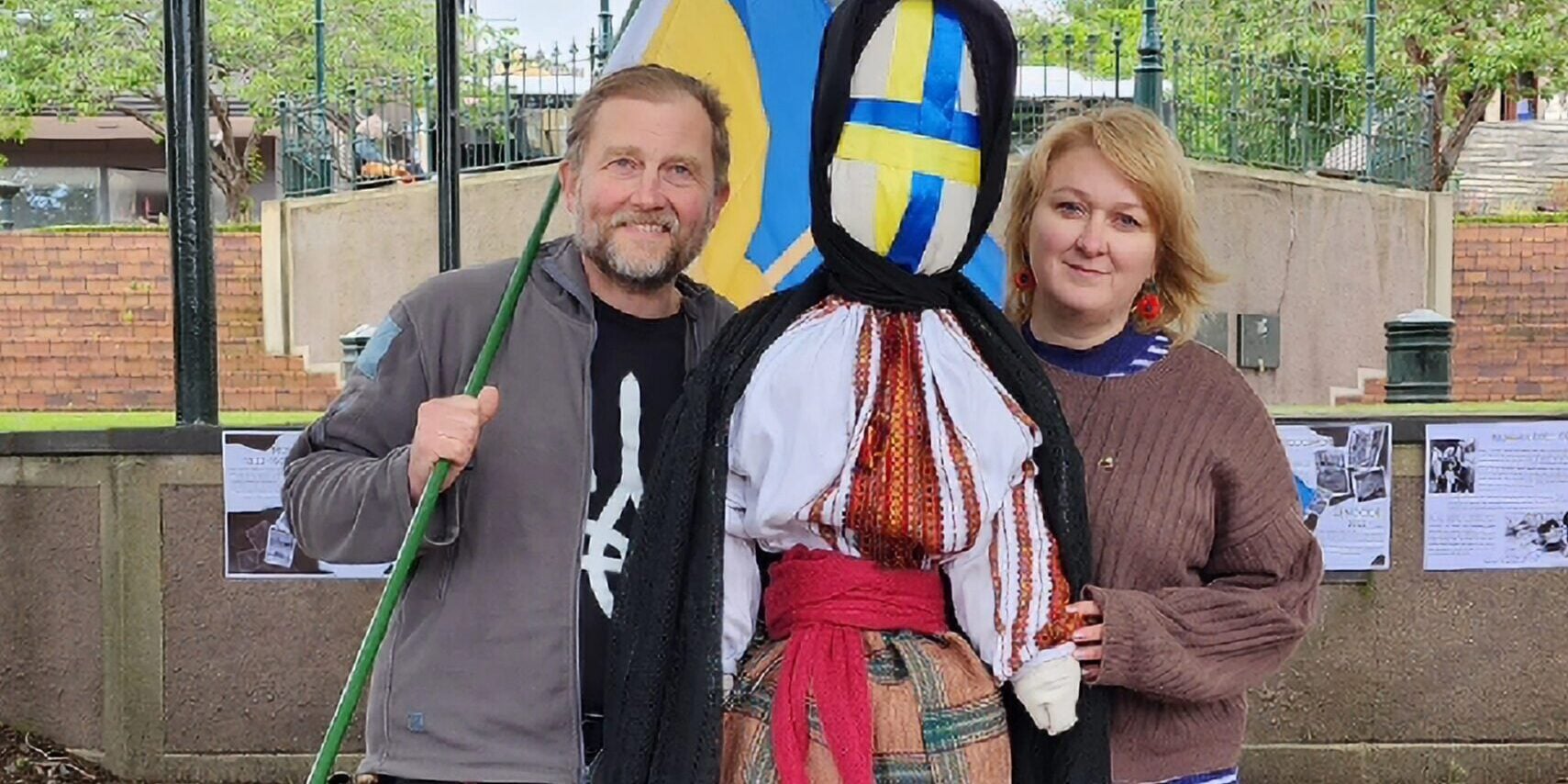
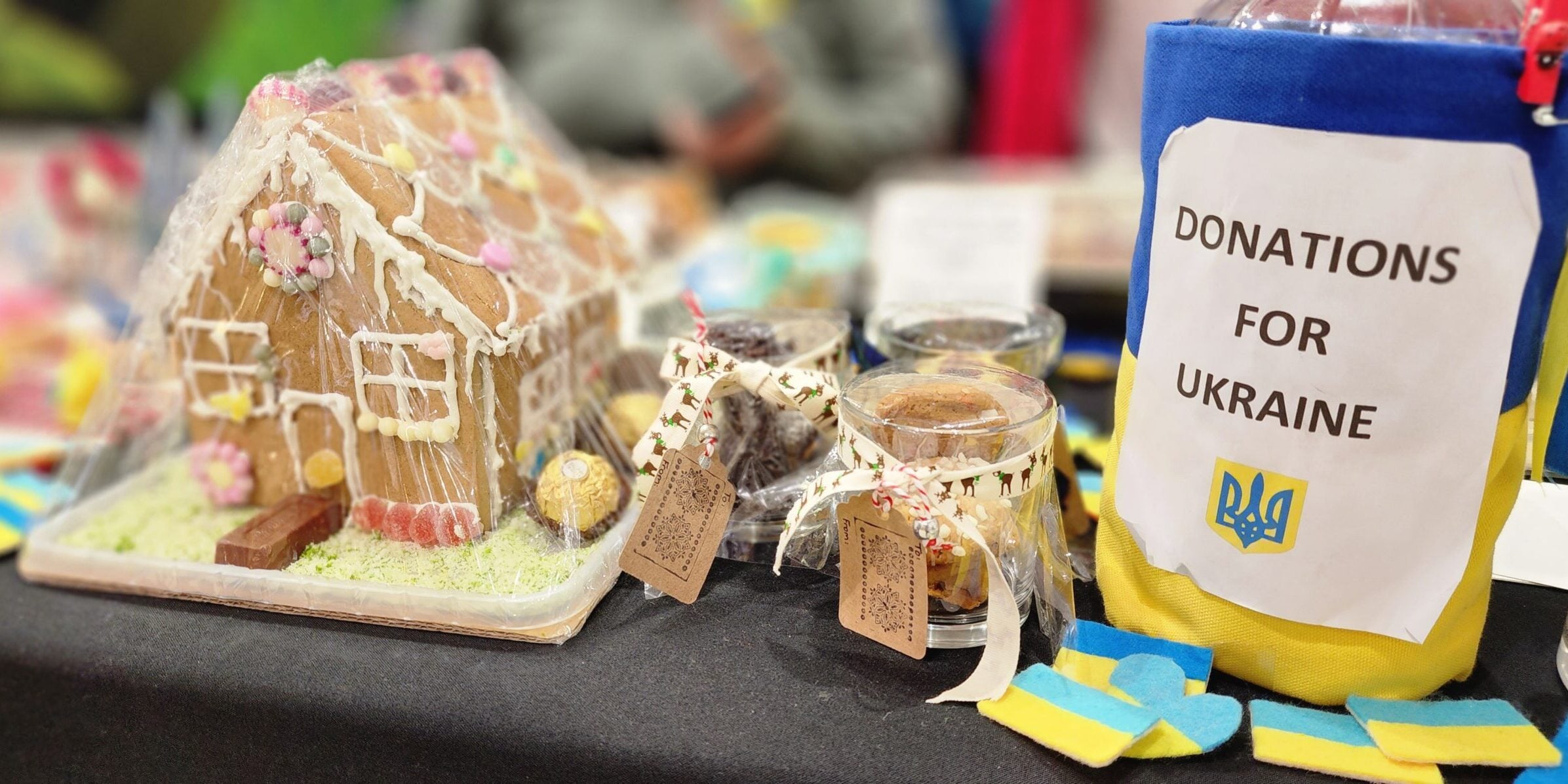
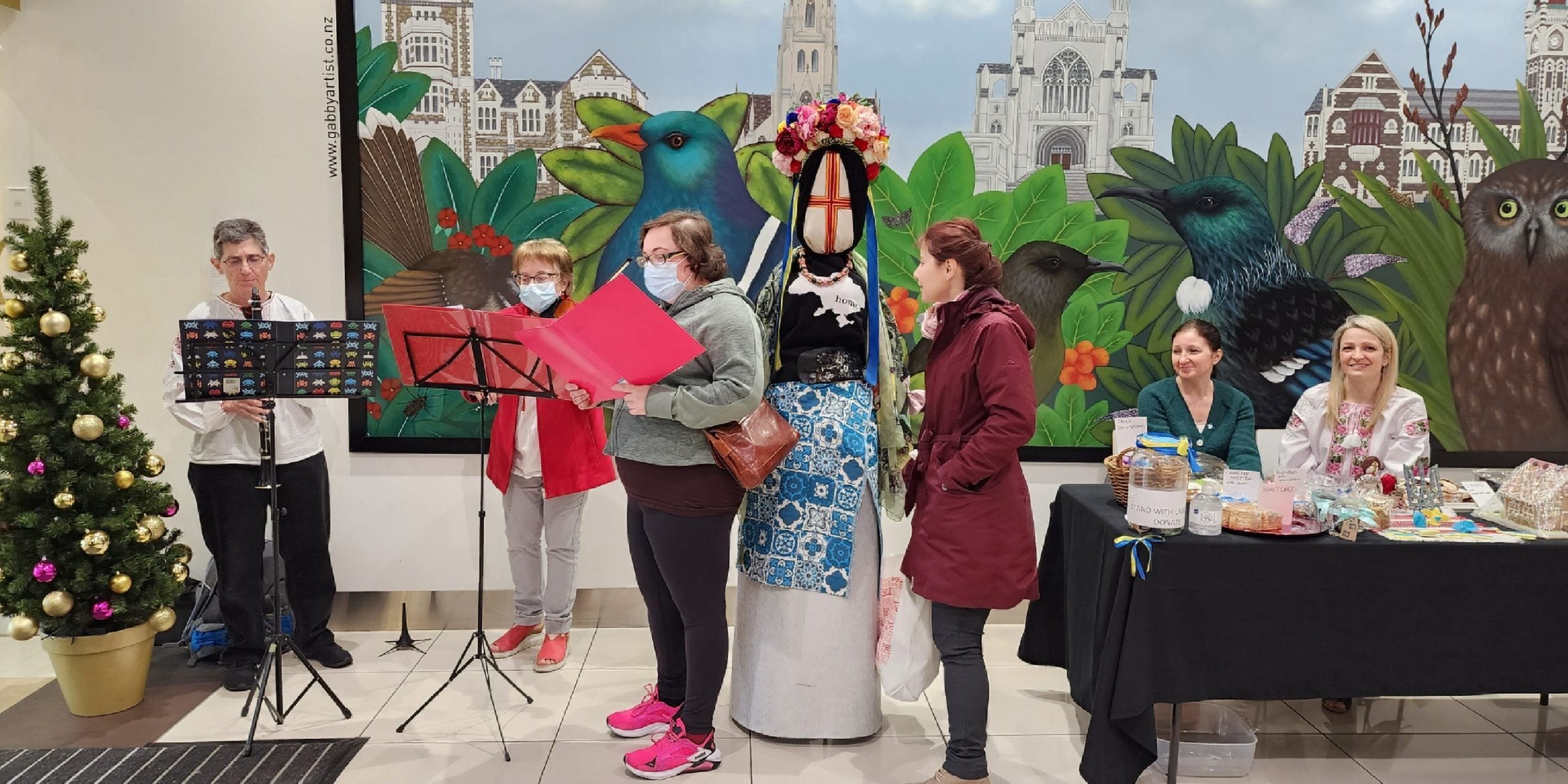
In schools, conversations about Ukraine often began with the simplest things. Children, for example, were surprised to learn that it is summer in Ukraine in July and winter in January, while in New Zealand it is the opposite. For Olya, such moments are no less important than major public rallies because they provide an opportunity not only to tell people about Ukraine but to make it understandable and relatable to people who previously knew almost nothing about it.
For Olya, this is one of the biggest changes of recent years. Ukraine is no longer an abstract point somewhere on the other side of the world. It is becoming a country that locals know more about, Ukrainians are becoming people they personally know, and supporting Ukraine is becoming part of their own city. And in this process, Olya believes, it is not only large rallies or official statements that matter, but also dozens of small conversations – at school, on the radio, on the street, or during an ordinary meeting.
‘People in Ukraine have no choice’
At least 20 Ukrainian families live in Dunedin that Olya knows about or knows personally, but only some of them are actively involved in community work, she says. At the same time, people of other nationalities attend rallies and events and have gradually become part of the local Ukrainian community.
Olya does not try to convince all Ukrainians to become active. But she acknowledges that much of the work rests on a few people. “If my husband and I stopped going to these gatherings, I don’t know how much longer this would last,” she says.
They get tired, too. Sometimes Olya wants to stop coming to the square every Saturday, especially when community work starts to feel like another full-time job. But then she thinks about Ukraine and the people who have remained there.
“People in Ukraine have no choice,” she says.
Ukrainians abroad can become tired of the war and put community work aside. People in Ukraine cannot put the war aside. That is why Olya sees her work as just a small part of what Ukrainians abroad can do for their country.
Her story is about not waiting until there are enough of you to start representing Ukraine where you are.