

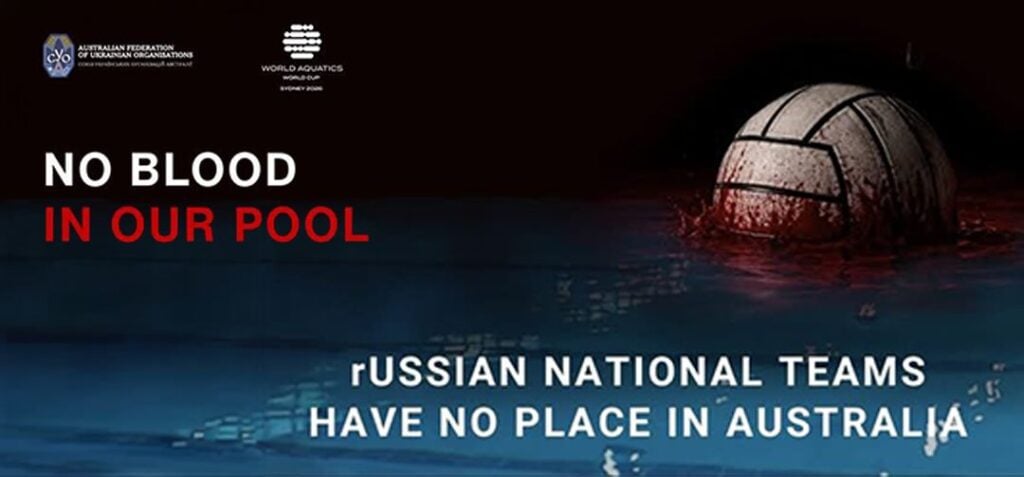


In April, World Aquatics announced it was lifting its ban on Russian and Belarusian national teams, clearing the way for their return to international competition under national flags, anthems and symbols. One of the first events affected was already scheduled: the 2026 Water Polo World Cup Finals, set for Sydney Olympic Park Aquatic Centre from 22 to 26 July, hosted by Water Polo Australia.
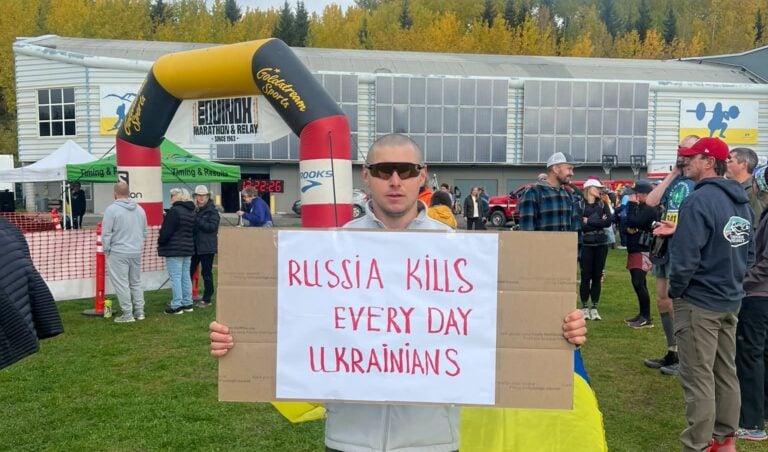
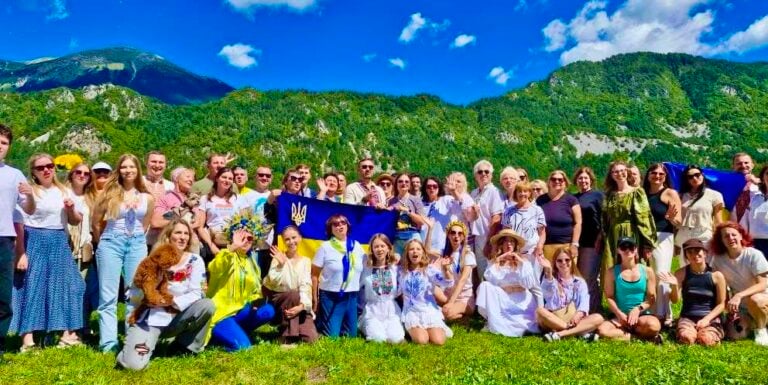
The Australian Federation of Ukrainian Organisations, a UWC member, learned that Russia’s women’s water polo team would be competing in Sydney, and decided to respond. What followed was a campaign that, within days, had generated over 17,000 public engagements on social media and put letters in front of Water Polo Australia and federal government ministers. This is an account of what the AFUO did, and in what order.
The decision and the objection
Russian national teams had been largely excluded from international competition on two grounds: first, the state-sponsored doping scandal exposed between 2015 and 2017; then, following Russia’s full-scale invasion of Ukraine in February 2022. World Aquatics’ decision reversed that exclusion for its own events.
The AFUO’s objection was grounded in geopolitical reality and domestic consistency, noting that Australia has imposed over 1,500 sanctions against Russia and committed $1.7 billion in aid to Ukraine. In a comment to the UWC, the organisation explained:
“How could russian national teams be allowed back into international competition when nothing has changed since the start of the full-scale russian invasion of Ukraine? Every day, russia continued to commit war crimes, perpetrate systematic human rights violations in occupied territories, and conduct attacks on civilians – it still holds hostage at least 35,000 kidnapped Ukrainian children. In Australia, it also risks undermining the principled support Australia has shown for Ukraine,” said Kateryna Argyrou, AFUO Chair.
Furthermore, the AFUO mentioned the deep structural links between Russian athletes and the state’s military apparatus:
“Many athletes within the russian sporting system are affiliated with clubs and structures tied to the russian military, security services, or state-owned enterprises that support and sustain the war effort.” The Russian national water polo system “draws heavily from clubs historically and institutionally linked to the armed forces and state security apparatus,” AFUO said.
- Step 1: Formal institutional advocacy
The campaign began with formal letters to Water Polo Australia and government leaders, urging them to oppose World Aquatics. The AFUO stressed the human cost of the war, noting that more than 650 Ukrainian athletes and coaches have been killed, and over 800 sports facilities destroyed.
The message was clear: Australia should not help legitimise Russia’s return while Ukrainian athletes continue to train under air raid sirens.
- Step 2: Frictionless public action
To maximize public leverage, the AFUO removed barriers to participation by launching a purpose-built webpage: standwithukraine.good.do/waterpolo.
Supporters could navigate to the link, read a suggested message, and send it directly to decision-makers in under two minutes. By providing the webpage and drafting the message, the AFUO efficiently converted passive sympathy into scaled, active pressure.
- Step 3: Amplifying via #NoBloodInOurPool
The AFUO launched the active, named social media campaign #NoBloodInOurPool. The morally unambiguous hashtag gave the movement a searchable identity.
The response was immediate, with a single Facebook post receiving over 17,300 likes. This massive engagement signaled to government and sporting officials that the issue held broad, mainstream public accountability.
- Step 4: Situating Australia within global resistance
The AFUO framed Australia’s choice not as an isolated extreme, but as part of an emerging international standard. Aquatic associations in Norway, Finland, and Poland have already refused to host World Aquatics events in protest.
As the campaign materials state:
“Aquatic associations in Norway, Finland, and Poland have already refused to host World Aquatics events in protest, citing their ethical responsibilities. It is time Australia added its voice and prevented Sydney from handing russia one of its first major global sporting platforms since the full-scale invasion of Ukraine.”
The AFUO is maintaining long-term pressure across multiple media and political channels and has reached out to legal and sporting professionals who are also opposed to the decision to allow Russian national teams back into competition. They have agreed to provide to key advice and input into the campaign, and to make public, on-the-record comments to add momentum to its efforts.
“Our campaign has just begun,” Argyrou said. “We have reached out to mainstream media about the issue, and will continue to advocate to the government, our members of parliament, and our sporting associations that Australia should not allow russia to sportswash its crimes using our institutions and platforms.”
Key takeaways for advocacy
The AFUO’s disciplined framework offers a highly transferable model for other Ukrainian communities:
- Identify the moment early: Act immediately to shape the narrative before it sets.
- Lead with institutional correspondence: Formally write to decision-makers to build official accountability.
- Lower barriers to participation: Invest in digital infrastructure to convert intent into quick action.
- Name the campaign: Use a distinct hashtag and visual identity to unite individual voices into a movement.
- Leverage international context: Cite global peers to normalize your demands.
- Plan for the long term: Maintain sustained pressure across media and government channels.
- Co-opt independent experts to help build your case and provide credible, on-record commentary that adds authority and momentum to the campaign.
To join the campaign, you can message Water Polo Australia and government leaders at: standwithukraine.good.do/waterpolo/send-email/
Latest news
 #UWC news
UWC funded armored ambulances evacuate wounded after deadly Russian attack on Kramatorsk

 #LocalAction