

Ahead of World Children’s Day, observed on Nov. 20, the Ukrainian World Congress (UWC) spotlights the Ukrainian nonprofit in Denmark “Hjælp Ukrainske Børn (Help Ukrainian Children)”.
The history of the initiative’s creation and work is an example of how the actions of caring people grow into systemic aid, unite communities, and change the lives of Ukrainian children.
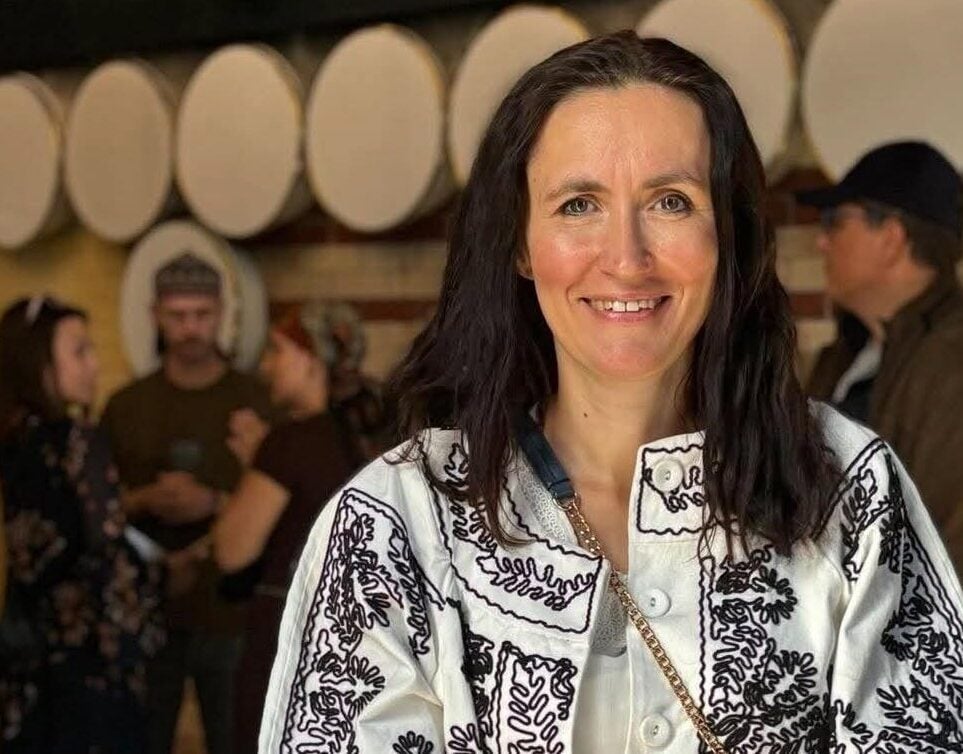
The organization’s head, Lesia Ignatyk-Eriksen – who also serves as an advisor to the Ukrainian Parliament Commissioner for Human Rights in the Kingdom of Denmark – is convinced that protecting Ukrainian children begins with concrete action.
In a conversation with the UWC, she discusses the organization’s experience, international advocacy, and how other Ukrainian communities can get involved in helping children.
This text has been edited and condensed for readability.
‘I have to do something’
The initiative, which eventually grew into an NGO, began with a single Facebook post in 2014. Its author – volunteer and civic activist Lesia Lytvynova, a former colleague of Lesia Ignatyk-Eriksen – wrote about the needs of people forced to leave their homes due to the hostilities in eastern Ukraine, and was organizing aid for internally displaced persons in Kyiv.
Lesia responded to the call and reached out to the Ukrainian community and local residents in Denmark, proposing to start by collecting clothing, diapers, food, and other essentials. The response exceeded all expectations – the donations filled dozens of large boxes that were shipped to Ukraine, Lesia says. That is how an organization was born that has spent over a decade helping Ukrainian children and families affected by Russian aggression.
A trip to Kyiv in the summer of 2014 became particularly memorable for Lesia: “I remember an elderly woman coming to the center with a child one day. They had just run out of buckwheat, and she was crying because she had nothing to feed the child. My husband couldn’t bear it: he went to the store and bought buckwheat and other groceries, which were distributed very quickly. When you see a situation like that, you realize you could easily be in her shoes. That’s when I realized I had to do something and figure out how to help once I returned home.”
Initially, the items collected in Denmark were stored right inside Lesia’s own apartment. Eventually, they secured a warehouse, established logistics, and built a team of volunteers and a network of partners.
One of their major areas of focus became supporting hospitals. Lesia recalls how the organization found incubators and equipment for premature infants in Denmark and delivered them to a children’s hospital in Lysychansk. Later, a doctor from the hospital called to say that thanks to this equipment, they had managed to save the lives of several newborns whom the hospital previously wouldn’t have had the means to care for.
“At that moment, I thought: if we hadn’t taken that step, if we hadn’t called that Danish hospital to ask about incubators, those children might not have survived. Even small steps can make a huge difference,” she says.
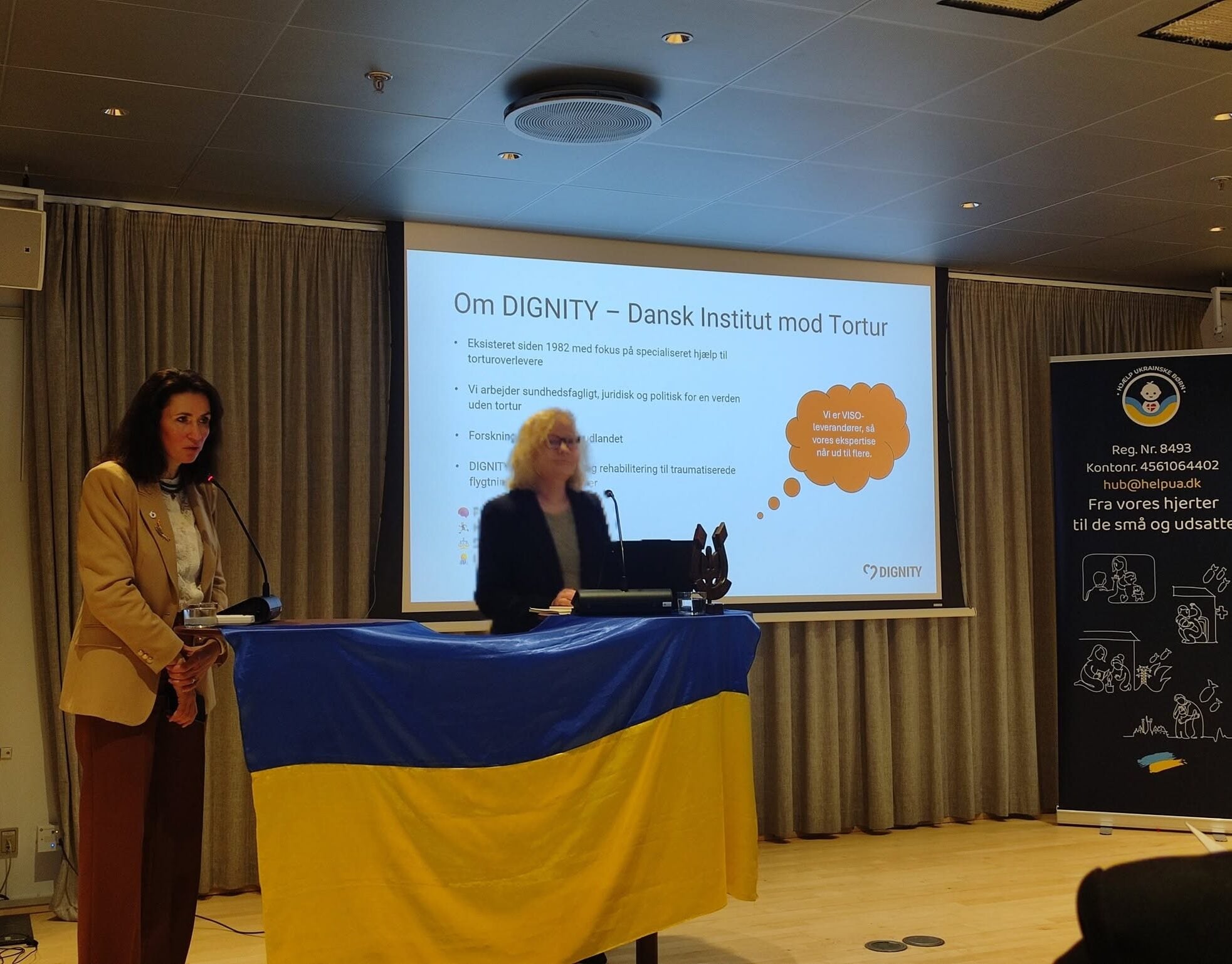
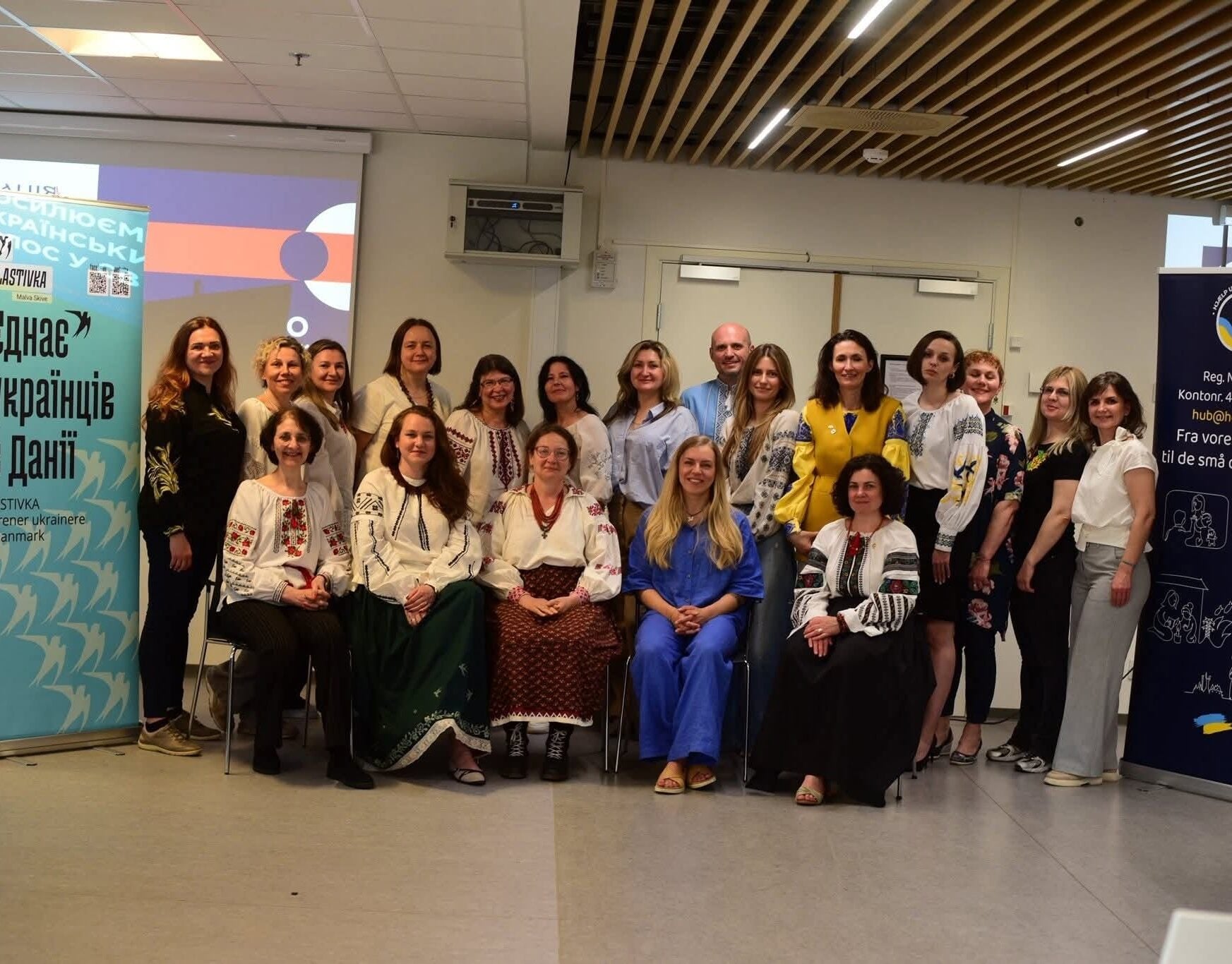
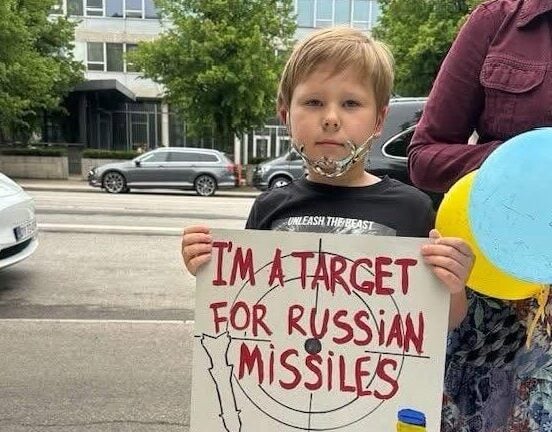
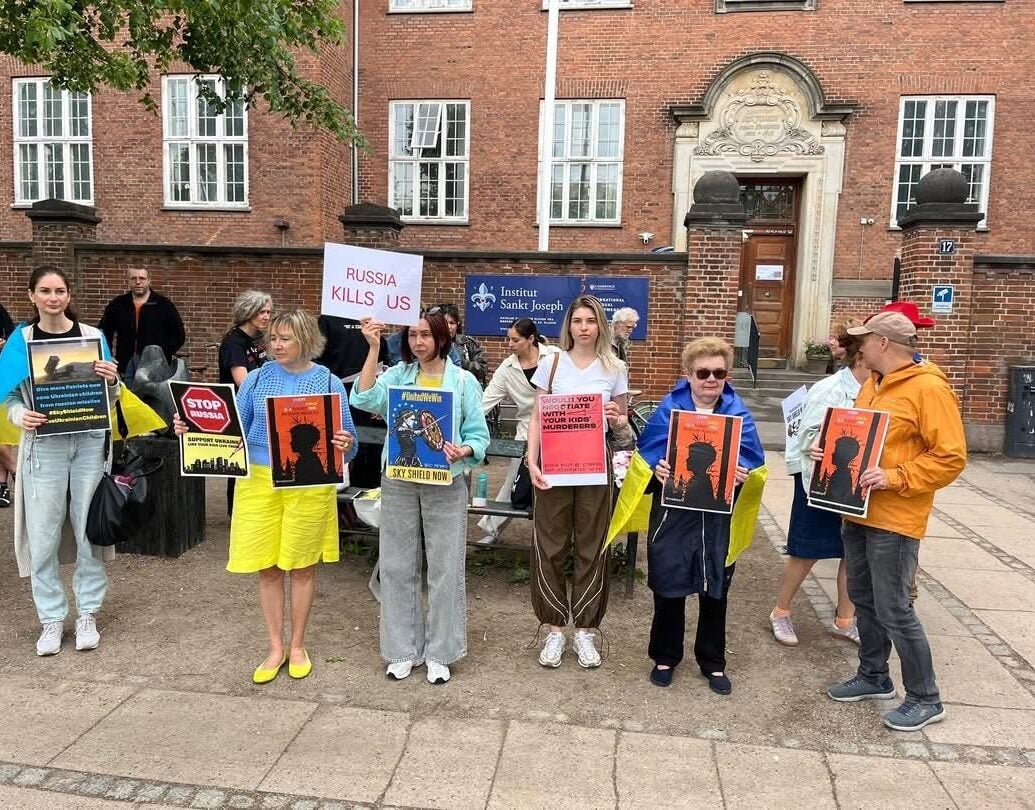
Over the years, the organization has delivered nearly 500 tons of humanitarian aid to Ukraine. However, its work has evolved over time – instead of focusing primarily on large-scale humanitarian shipments, the team is increasingly concentrating on targeted support, educational initiatives, and the protection of children’s rights.
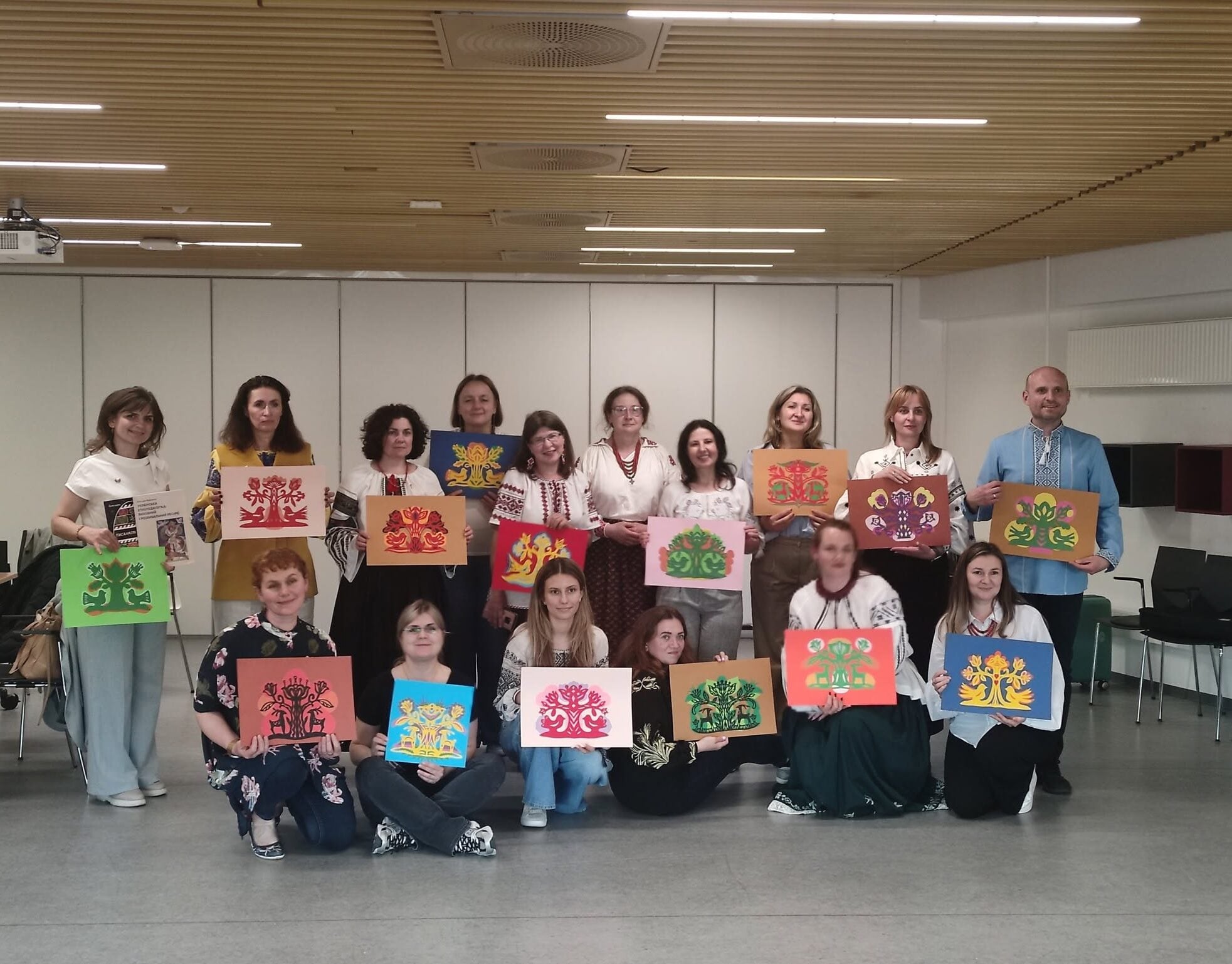
Today, assistance is available to Ukrainian families in Denmark facing difficult circumstances: specifically, mothers with children who have just arrived and are not yet receiving social benefits, or families needing support to return to Ukraine. The organization also collects gifts for children in educational and rehabilitation facilities, supports Ukrainian schools, and implements educational projects in partnership with the Pylyp Orlyk Foundation. One of these projects is the translation of Taras Shevchenko’s Kobzar into Danish.
Protecting children goes beyond humanitarian aid
A distinct priority in the organization’s work is addressing Russia’s deportation and forcible transfer of Ukrainian children. According to Lesia Ignatyk-Eriksen, at the start of the full-scale war, Danish society knew very little about this issue – about children separated from their families, taken from occupied territories, held in so-called filtration camps, placed into Russian families, and given altered personal identities.
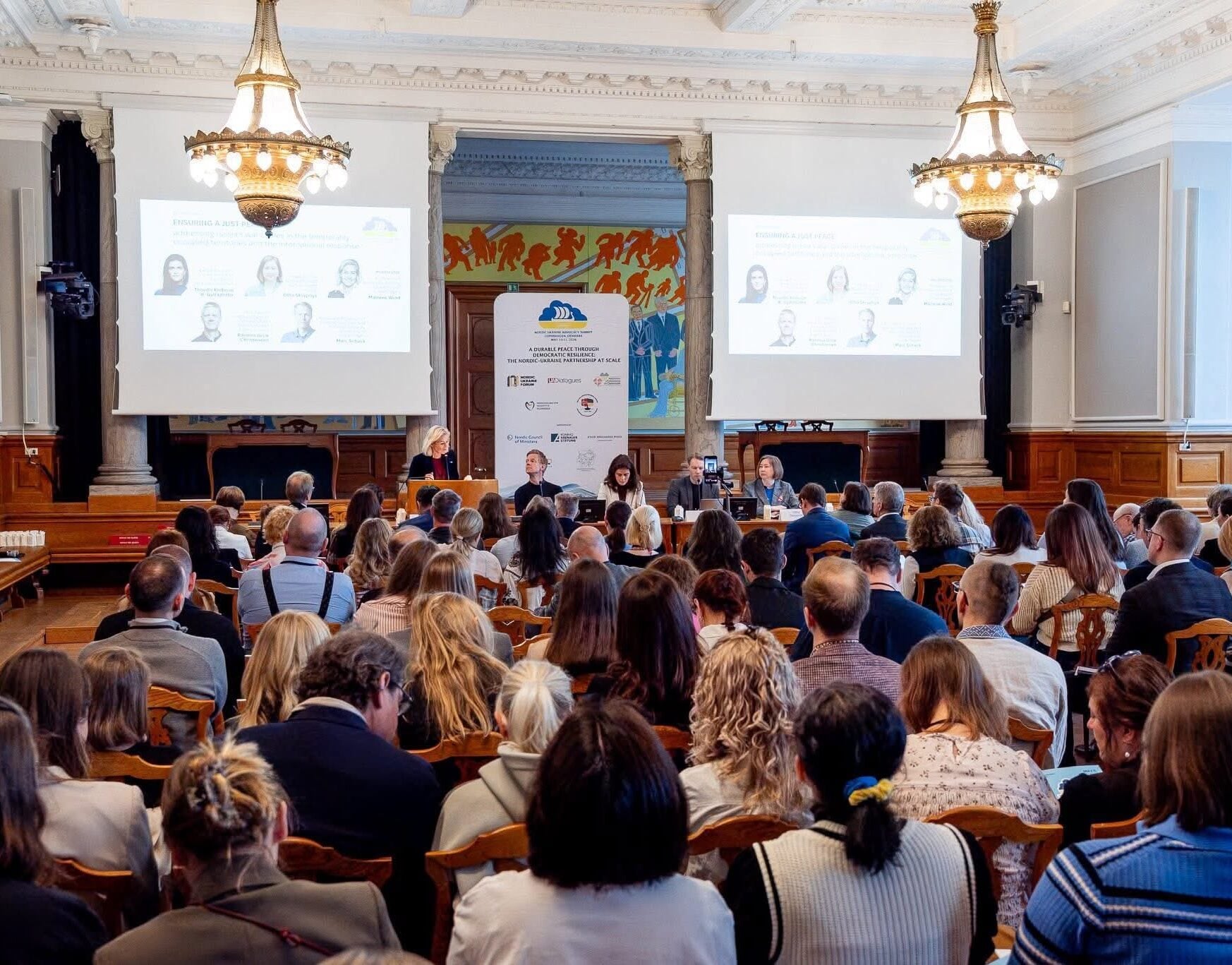
To draw attention to the problem, last year the organization – together with Women for Ukraine, the Center for Civil Liberties, and Gen.Ukrainian – held a conference in the Danish Parliament titled Deported Children of Ukraine: Stolen Generation. Ukrainian and Danish human rights defenders, researchers, and experts working to document Russian crimes and support affected children were invited to participate.
Among the speakers were Oleksandra Matviichuk, head of the Center for Civil Liberties, an organization awarded the Nobel Peace Prize; Oksana Lebedeva, founder of Gen.Ukrainian, which focuses on the psychological rehabilitation of children; and Nathaniel Raymond, executive director of the Yale University research lab that has documented the deportation of Ukrainian children.
According to Yale researchers, air transport was used in certain cases to remove Ukrainian children from occupied territories. Representatives from the Danish Institute for Human Rights, the Danish Foreign Policy Society, the Danish Helsinki Committee, and the European Commission Representation in Denmark also took part in the conference. The event was held with the support of Danish Member of Parliament Louise Schack Elholm.
“It was important for us to show Danish politicians and the public that the abduction of Ukrainian children is a systemic state policy of Russia, not isolated incidents. Returning the children and holding the perpetrators accountable requires international effort,” Lesia Ignatyk-Eriksen explains.
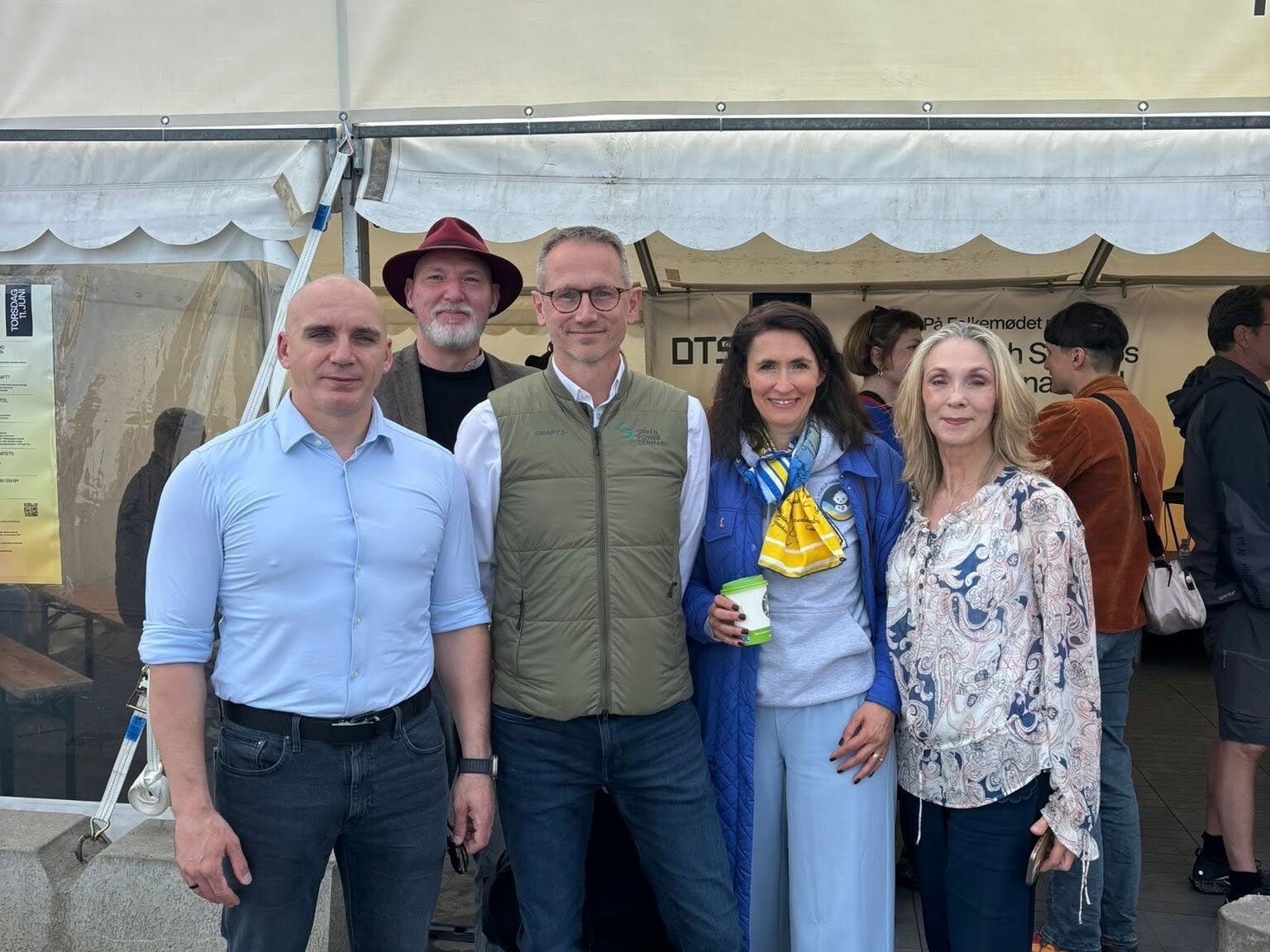
This work didn’t stop at a single conference. By June of that same year, the organization brought the presidential initiative Bring Kids Back UA to Denmark’s democracy festival, Folkemødet. While the parliamentary conference served as a platform for expert discussion, the festival provided an opportunity to discuss the fate of Ukrainian children with politicians in a more informal setting.
The organization also maintains ongoing contact with Ukrainian human rights advocates, Danish politicians, and state institutions, publishing materials in Danish on investigation findings and testimonies regarding the fate of Ukrainian children. It is crucial that Danish society understands the scale of these crimes and does not lose focus on the issue – because international support and political action can bring the children’s return home and the accountability of perpetrators closer.
This approach is built on trust and partnership. The organization engages Danish civic associations, invites them into joint initiatives, shares verified information, and helps Ukrainian specialists connect with decision-makers in Denmark.
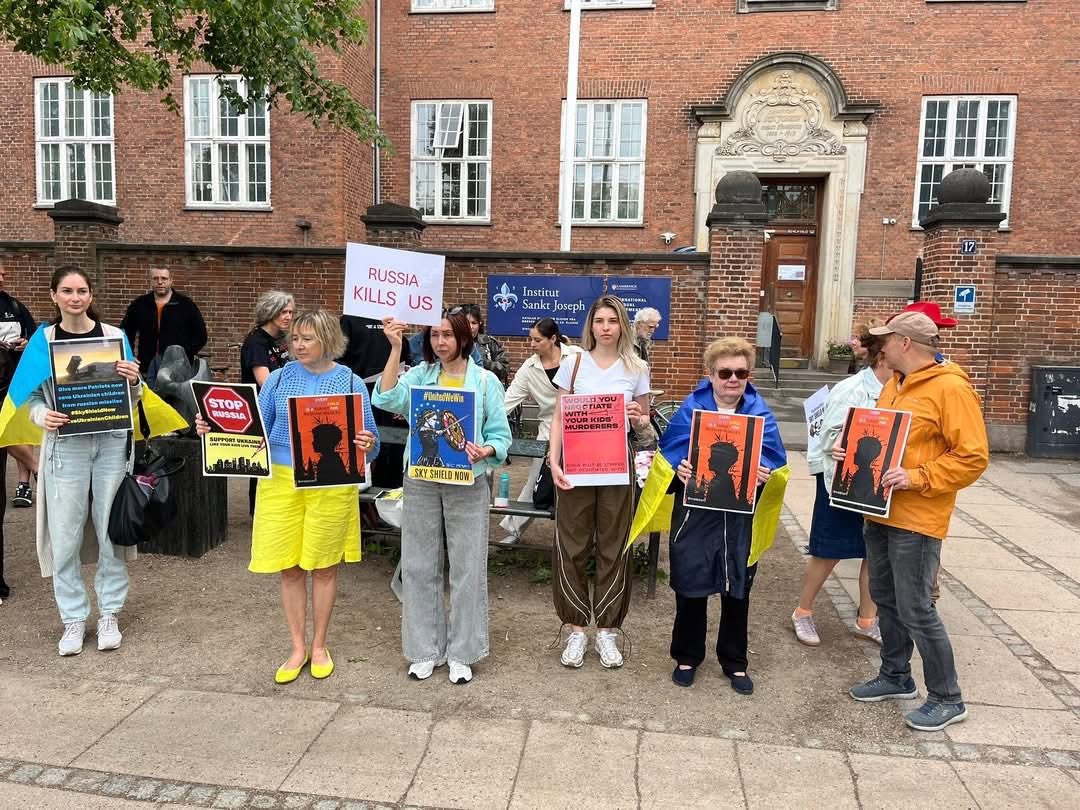
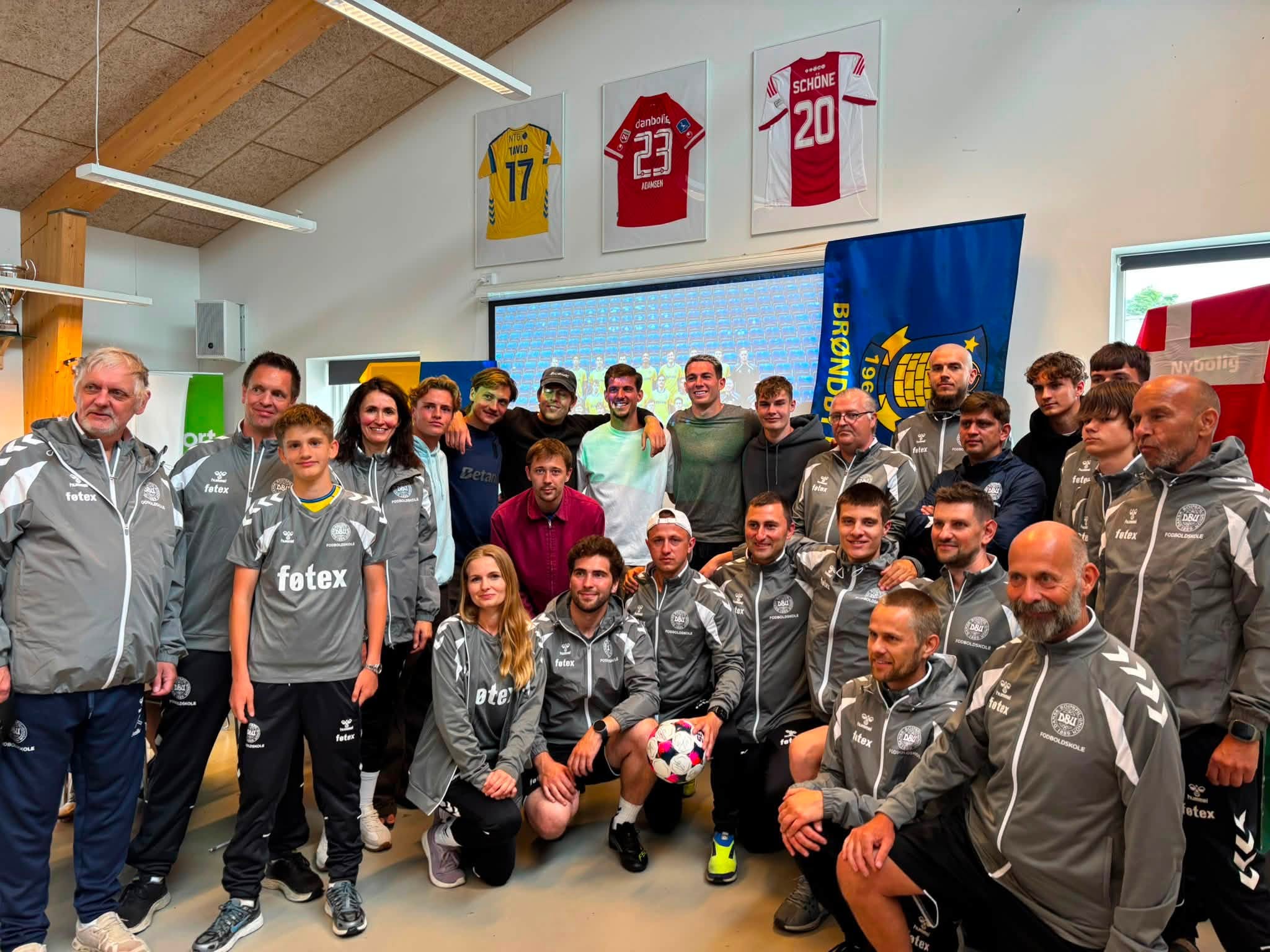
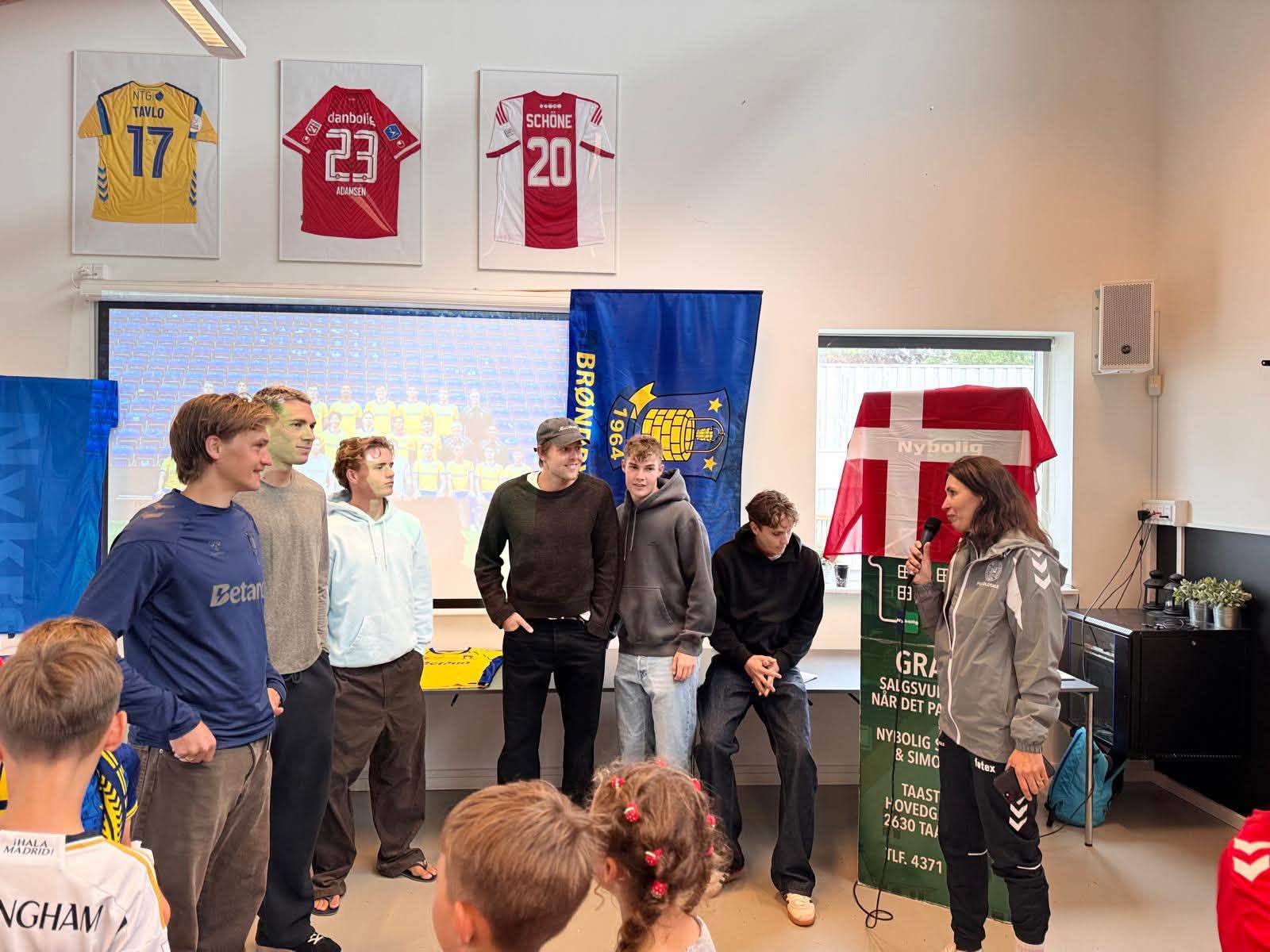
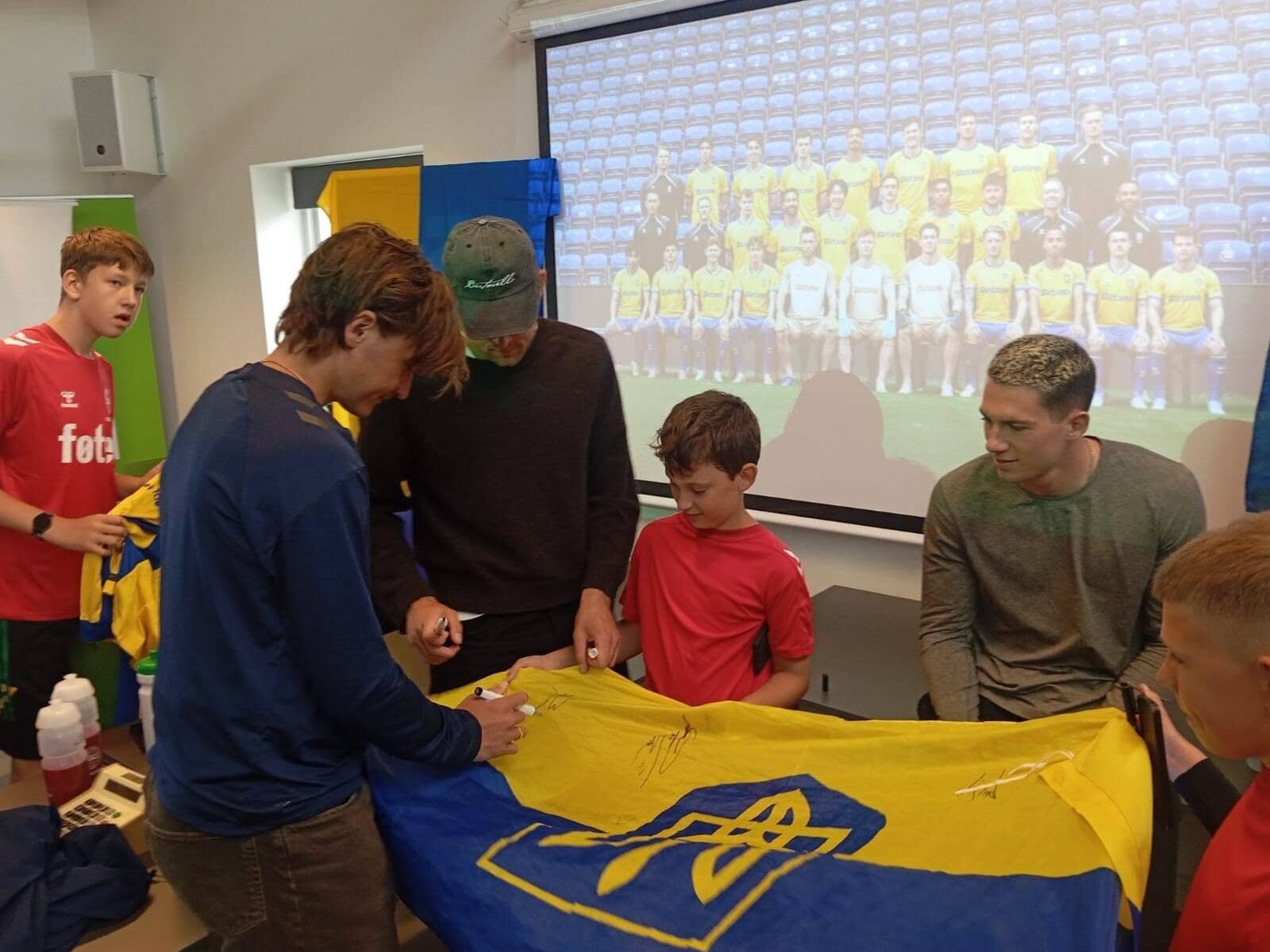
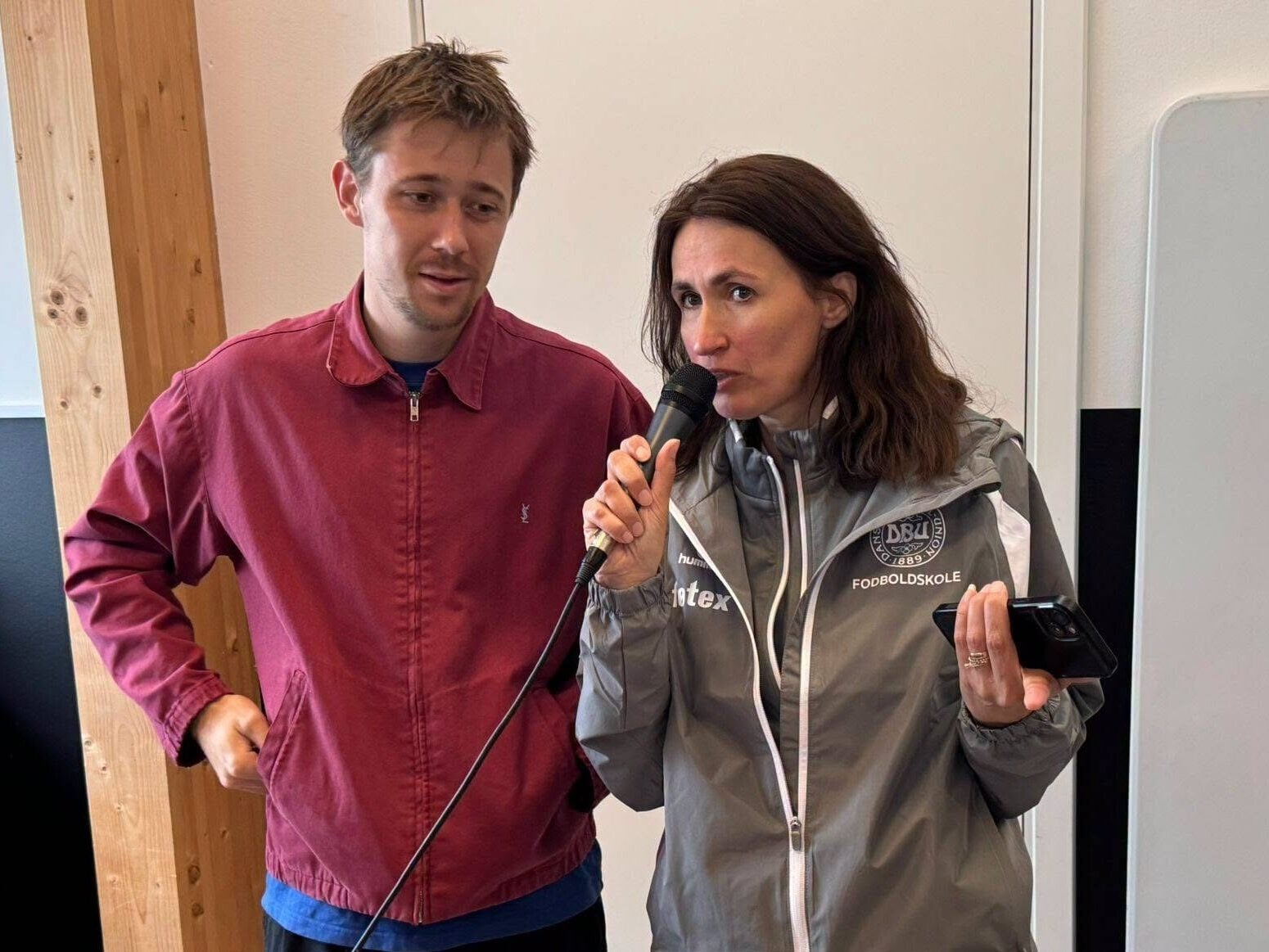
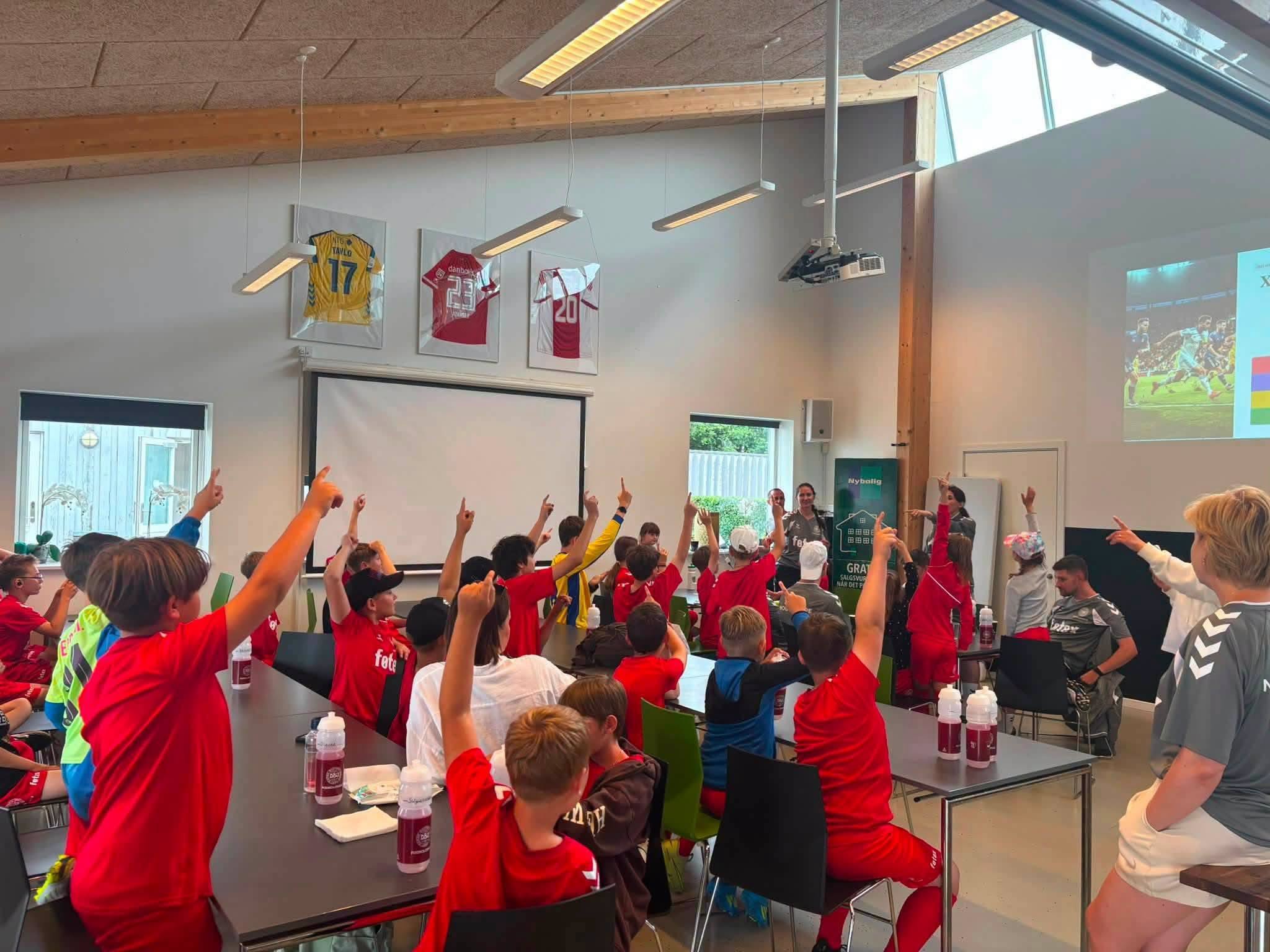
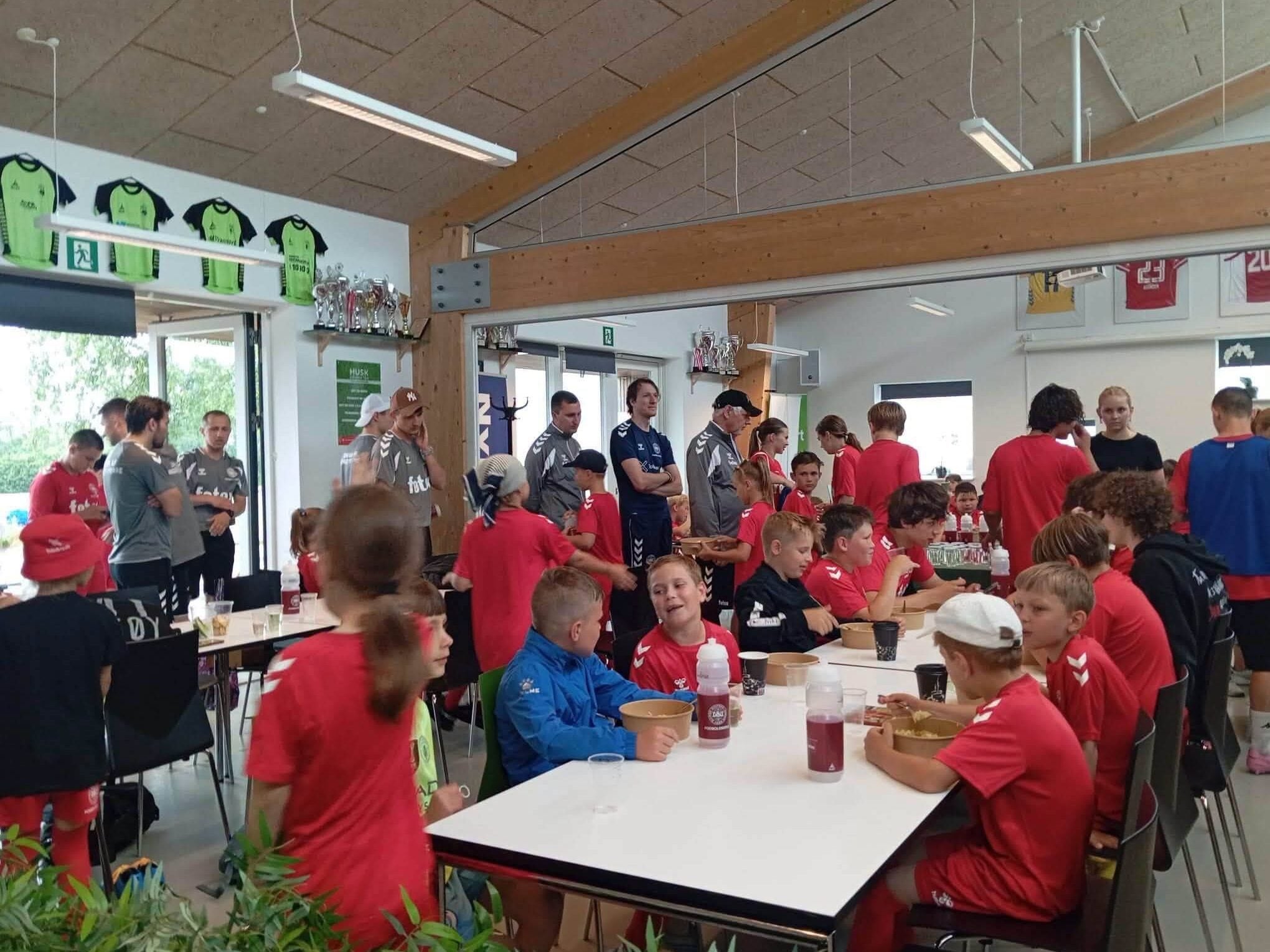
Psychological support is another vital focus. Forced displacement, experiencing shelling, separation from loved ones, and adapting to a new linguistic and social environment all leave a mark on a child’s psyche. Teachers at Ukrainian Saturday schools in Denmark reached out to the organization because they were noticing signs of trauma, depression, and panic attacks in children, yet didn’t always know how to respond properly.
In response, the organization brought in specialists from Danish rehabilitation centers experienced in working with Ukrainian children. For Lesia, it is essential that adults not only want to help, but also understand how to do so without causing the child additional stress.
“We have to realize that after the war, we will have to deal with national trauma. Children have been living under missile attacks for years; many have lost their sense of safety and a part of their childhood,” she notes.
What can Ukrainian communities do?
In Lesia Ignatyk-Eriksen’s view, protecting children must become a top priority for the Ukrainian diaspora in every country. Doing so doesn’t necessarily require a large organization, significant financial resources, or access to high-ranking officials. What matters is identifying what the community can do, bringing people together, and acting consistently.
She advises focusing on several key areas:
First – advocating for the safety of Ukrainian children. Communities can join international campaigns to protect Ukraine’s skies and urge the governments of their host countries to support Ukraine’s air defense and the construction of bomb shelters. Protecting childhood starts with a child’s ability to live, study, and sleep without fear of missile strikes.
Second – working for the return of deported children. Communities should organize informational events, meetings with parliamentarians, and public rallies, as well as collaborate with local human rights organizations. It is vital not to let this issue disappear from the international agenda.
Third – providing psychological support. Ukrainian communities can establish partnerships with local psychologists, rehabilitation centers, and organizations working with war-affected children. Special attention should be paid to training teachers at Ukrainian Saturday schools, as they are often the first to notice when a child needs help.
Fourth – maintaining a connection with Ukraine. Educational, cultural, and language initiatives help children abroad preserve their sense of belonging to their homeland. Ukrainian schools, clubs, cultural events, history lessons, and joint projects create a space where a child can remain part of the Ukrainian community.
Fifth – offering targeted aid. Lesia recommends taking patronage over children’s institutions or supporting specific families and children. This can take the form of gifts, school supplies, equipment, or financial assistance. Whenever possible, supplies should be purchased directly in Ukraine to support Ukrainian manufacturers and local businesses.
It is equally important to care for Ukrainian children living in the communities’ host countries – helping them make friends, attend Ukrainian schools, take part in community life, and receive support as they adapt.
Speaking on why joining forces matters, Lesia returns to the very idea that sparked the story of her organization: one person can also change someone’s life.
“Sometimes we feel like we’re just one small person and can’t change anything. But that isn’t true. If you can help even one child, that is already a tremendous amount. And we achieve big changes together, through community and advocacy projects.”
Latest news
 #UWC news
‘It’s the same struggle’: UWC Executive Director on 1991, the film Distance to Independence
 #GlobalAdvocacy