



In Helsinki, the Ukrainian community is calling for an end to imports of Russian nickel feedstock into Finland and urging the European Union to impose sanctions on Vladimir Potanin, owner of the Russian mining and metals company Nornickel. The focus is on the plant in Harjavalta, which continues to operate using Russian raw materials.
In an interview with the Ukrainian World Congress (UWC), Vasyl Hutsul, head of the Ukrainian Association in Finland (UAF), explained why Ukrainians consider the situation a sanctions loophole and are seeking to bring the issue before the Finnish Parliament and the European Union.
Russian nickel under the Finnish flag
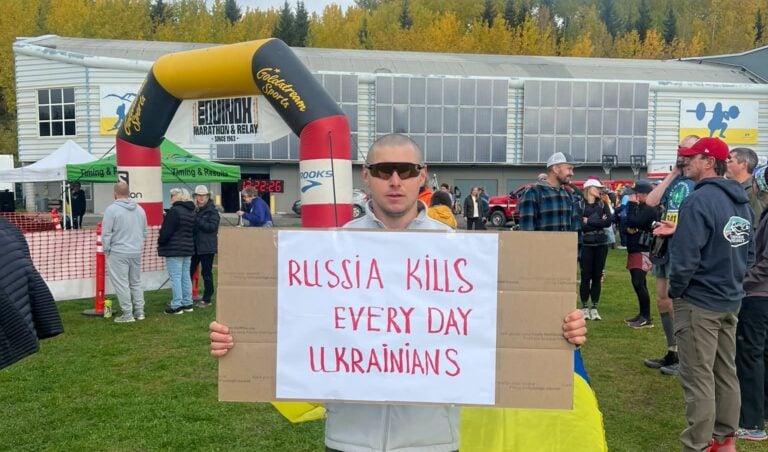
On Sept. 15, the AUF held a demonstration in Helsinki in support of the NICKEL22 campaign, which calls for an end to Russian nickel imports into the country and the closure of a loophole that allows this raw material to enter the European market.
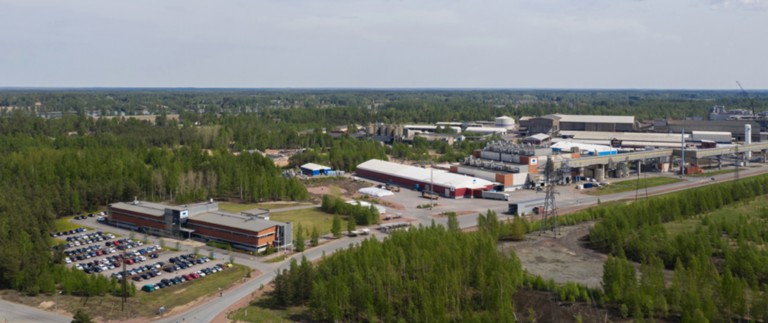
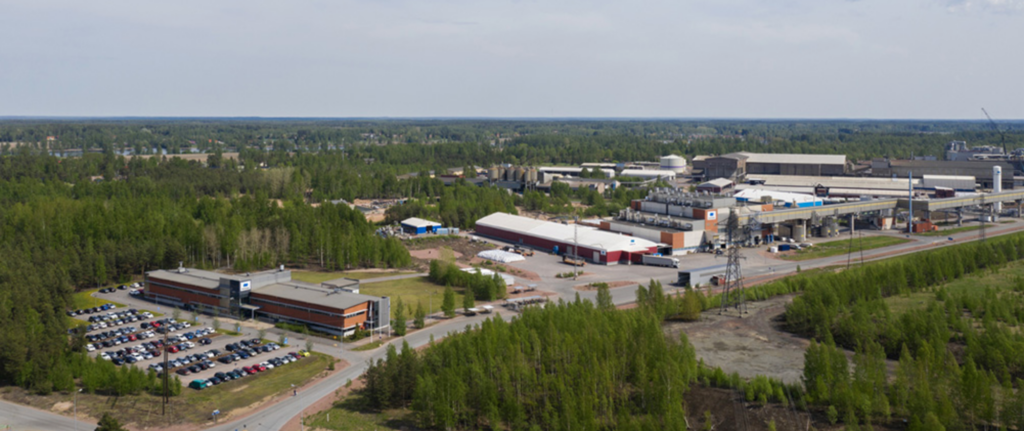
The campaign’s primary target is Nornickel Harjavalta, a plant in the Finnish city of Harjavalta owned by the Russian mining and metals group Nornickel. The facility processes nickel feedstock from Russia. Once processed, the finished nickel can be sold on international markets as a product of a Finnish facility.
“The problem with the plant is that it has not yet been sanctioned. That is why we are trying to stop the production of nickel from Russian raw materials in Finland,” Hutsul says.
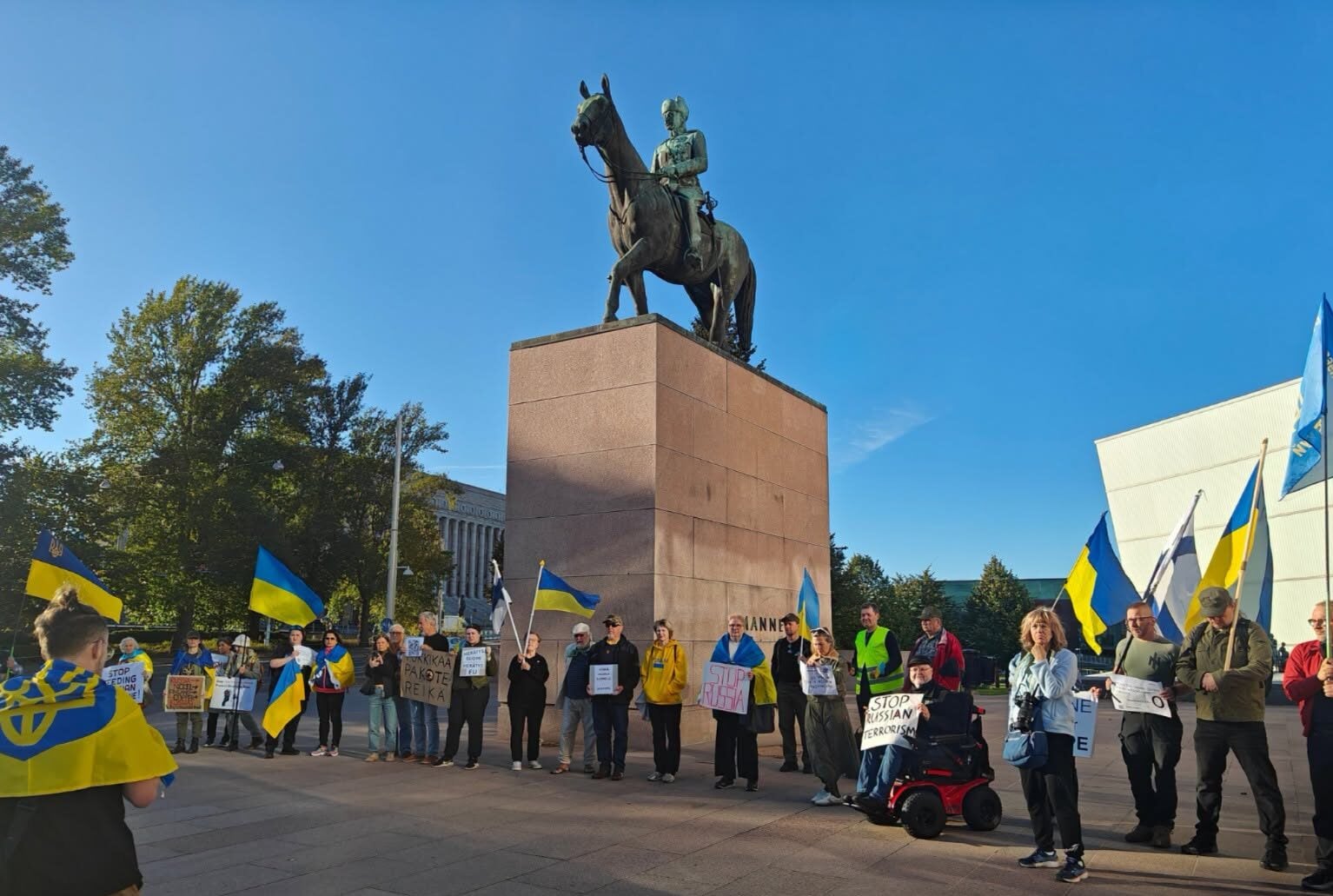 A rally in Helsinki on Sept. 15.
According to figures cited by the NICKEL22 campaign organizers, Finland imported more than €4 billion worth of Russian nickel feedstock between 2022 and 2025. Activists believe the current system allows Russia to maintain access to international markets: its raw materials are processed in Finland, after which the finished products can be sold outside Russia.
“Russia uses this plant as a kind of window onto the global market. After Russian raw materials are processed, the resulting nickel receives Finnish labeling and can be sold on international markets,” Hutsul explains.
The Ukrainian community is also concerned that processing nickel feedstock generates byproducts that can be used in further copper production. Some of these materials are sent back to Russia for additional processing.
Copper is widely used in electronics, energy, industry, and the defense sector. The Ukrainian community therefore considers the very existence of a supply chain in which Russian raw materials enter the EU, undergo processing, and then have some of the resulting materials returned to Russia to be problematic.
Hutsul says that this contradicts the very logic of sanctions policy, which aims to limit Russia’s revenue and its ability to sustain its wartime economy.
The problem is that EU sanctions on Russian metal raw materials were introduced gradually, leaving certain types of products outside direct restrictions. Nickel is an important raw material for European industry, particularly in the production of stainless steel, batteries, and other products.
That is why NICKEL22 is pushing for an expansion of the sanctions regime. The Ukrainian community is also calling on the EU to add Vladimir Potanin, Nornickel’s largest shareholder, to its sanctions list.
‘Money has no smell’
The issue is particularly contradictory in Finland. Since the start of the full-scale war, the country has sharply reduced its economic and political ties with Russia, closed its land border to passenger traffic, and become one of Europe’s most consistent supporters of Ukraine.
At the same time, trade flows between the two countries have not stopped entirely.
“The border between Finland and Russia is closed, but freight trains carrying raw materials are still running,” Hutsul says.
He adds that this situation is clearly at odds with Finland’s policy toward Russia.
“Even in Northern Europe, which has been very consistent in supporting Ukraine, there are cases where, as the saying goes, money has no smell,” Hutsul says.
At the same time, the Ukrainian community understands that calls to shut down the plant have not only a geopolitical dimension but also socioeconomic implications for Finland. The Harjavalta plant is an important employer in a small city, so its closure could mean job losses. Hutsul believes this factor partly explains the limited attention Finnish media have paid to the protests.
The AUF holds pickets every Tuesday near the Mannerheim statue, across from Parliament. According to Hutsul, around 20 to 30 people typically take part, with attendance sometimes reaching 40.
Finns make up a significant share of the protesters. Around 25 people attended the demonstration focused on NICKEL22. However, according to the AUF head, these protests have yet to receive sufficient media attention.
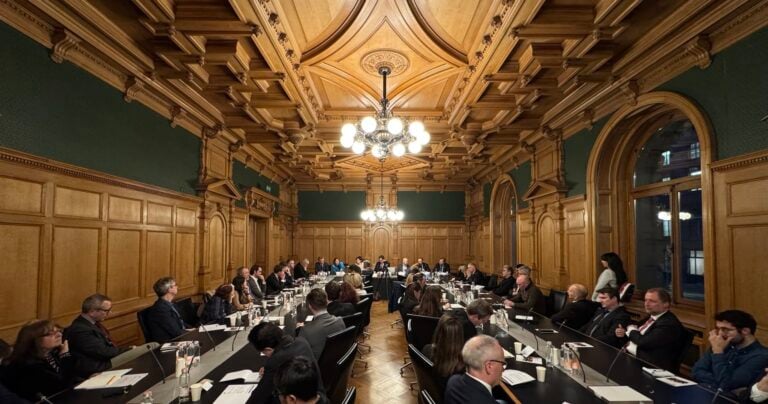
The next step for the Ukrainian community is therefore political dialogue. Following the demonstration, AUF representatives met with members of the Finnish Parliament to discuss possible political solutions.
“It is important for us to get a response from lawmakers because, as a civil society organization, we are unlikely to be able to resolve this issue on our own,” Hutsul says.
The Ukrainians want to persuade Finnish politicians to support stronger sanctions and bring the issue of Russian nickel to the EU level. This dialogue is becoming particularly important ahead of Finland’s parliamentary elections.
At the same time, Hutsul acknowledges that this is a difficult issue for Finnish politicians. The country is going through a challenging economic period, and any decisions that could lead to job losses are likely to provoke a negative reaction from some segments of society.
Bringing communities together
The AUF wants the issue of Russian nickel to extend beyond Finland. The organization works with Ukrainian communities in Sweden, Denmark, and Norway through the civil society initiative Nordic Ukraine Advocacy Summit.
Every year, representatives of these communities hold a joint summit in a different country. The first took place in Sweden in 2023, followed by meetings in Helsinki, Oslo, and Copenhagen. Next year, the summit is planned to take place in Vilnius.
“We also raised the issue of Russian nickel with our partners at Nordic Ukraine Forum in Sweden and informed Ukrainian communities in Copenhagen and Oslo about this initiative,” Hutsul says.
For the community, the key question now is whether Finnish politicians are prepared to support stronger sanctions on Russian metals and push for the closure of relevant loopholes at the EU level.
For Ukrainians, the issue is not just one plant in Harjavalta. It is also about how consistent European sanctions policy can be when Russian raw materials continue to enter the European market, undergo processing there, and remain part of trade chains that continue to generate revenue for the Russian economy.
Cover: Nornickel Harjavalta, a plant in the Finnish city of Harjavalta. Credit: the Harjavalta website.
Latest news
 #UWC news
UWC funded armored ambulances evacuate wounded after deadly Russian attack on Kramatorsk
 #LocalAction