



How does a Ukrainian community engage with the parliament of a country that maintains strict neutrality regarding Russia’s war against Ukraine? The experience of the Ukrainian Society of Switzerland shows that the key lies in systematic effort, trust, and a constant presence within the political environment.
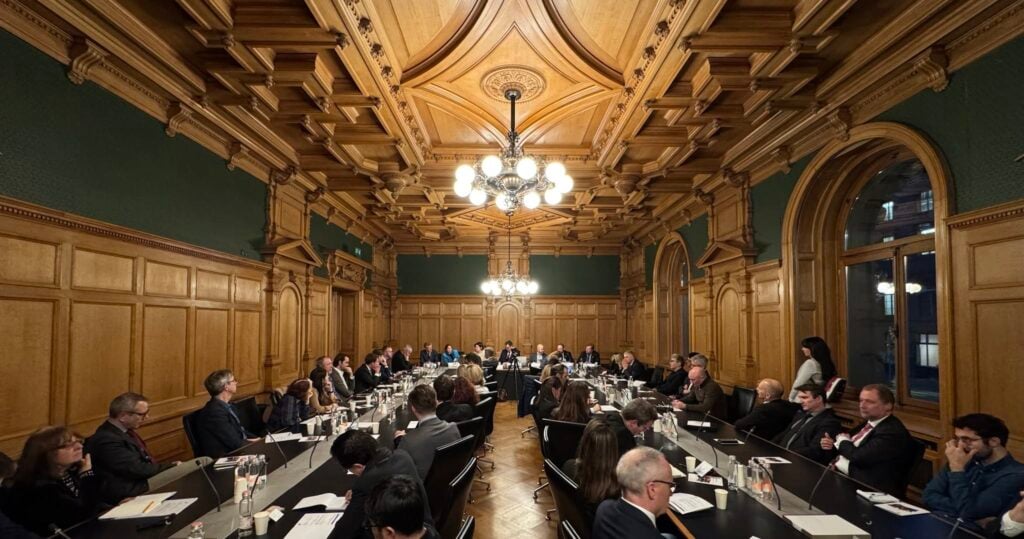
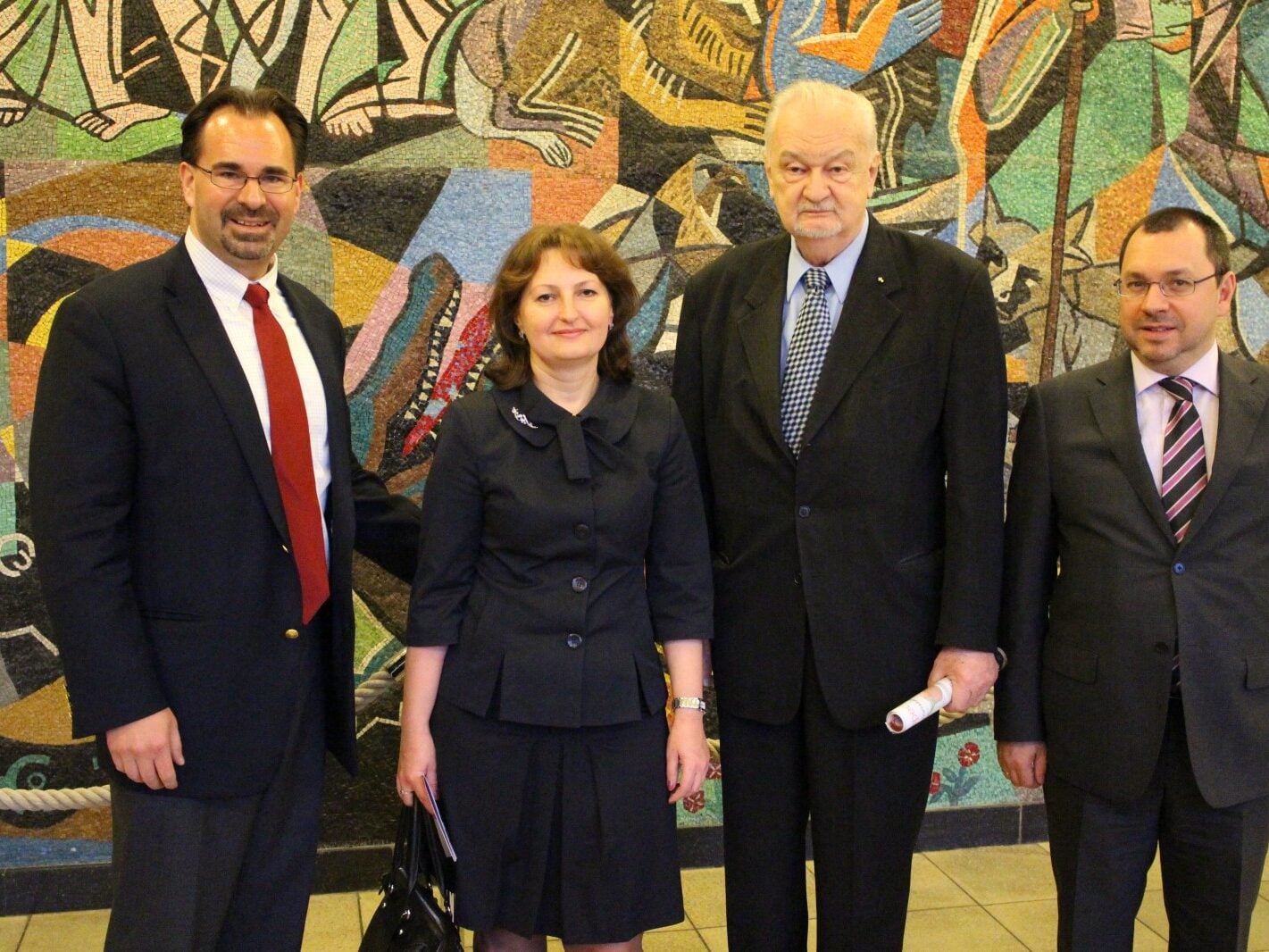
Switzerland’s oldest Ukrainian organization does not limit itself to ad-hoc advocacy on individual issues. For over a decade, it has hosted the regular Ukraine Forum at the Swiss Federal Palace, seat of the Swiss Federal Assembly, bringing together parliamentarians, diplomats, journalists, government officials, civil society and experts twice annually to discuss Ukraine. Ambassadors and senior representatives from nearly 30 embassies also attend these events, and interest consistently exceeds available seating.
How this model of cooperation developed, why institutional trust became its primary asset, and how the community manages to strengthen support for Ukraine in a neutral state is explained in an interview for the Ukrainian World Congress (UWC) by Andrej Lushnycky, President of the Ukrainian Society of Switzerland (Ukrainischer Verein in der Schweiz/Société Ukrainienne en Suisse).
Below is the direct commentary, condensed and edited for clarity.
From student circles to an official institution
The Ukrainian presence in Switzerland has deep and fascinating roots. Already in the second part of the 19th century, from 1870 students from Ukraine came here to attend leading educational institutions. They gathered around the Swiss Federal Institute of Technology in Zurich (ETH Zurich), as well as the universities of Bern, and Geneva. The first organized groups emerged as student associations. Interestingly, in 1872 a student reading hall was established in Zurich with more than 100 Ukrainian students.
Ukrainian political and intellectual life in Switzerland took root in 1876, when Mykhailo Drahomanov settled in Geneva and built a socialist circle that included figures like Serhii Podolynsky and Mykhailo Pavlyk, publishing extensively on the Ukrainian national question until 1889. Other Ukrainians drifted through Swiss revolutionary and academic circles in this era, though organized Ukrainian institutions remained sparse and short-lived until the outbreak of the First World War, when the roughly 50 Ukrainians scattered across Geneva, Lausanne, Zürich, Bern, and Basel became markedly more active politically.
The war years produced a burst of organizational energy: Lausanne became a hub for pro-Ukrainian publishing (La Revue ukranienne, L’Ukraine) and advocacy, Geneva saw competing hromadas and the socialist journal Borot’ba, and Bern hosted Dmytro Dontsov’s Bureau of the Nationalities of Russia. By 1917, Volodymyr Stepankivsky’s Ukrainian Bureau was running a 20-person information and political operation. After the war, Ukrainian governments-in-exile maintained semi-official consulates and trade missions in Lausanne, Bern, and Zürich, while sympathetic Swiss journalists and diplomats – including Du Bois, Du Bochet, and Kuhne – wrote favorably about Ukrainian independence after visiting the country themselves.
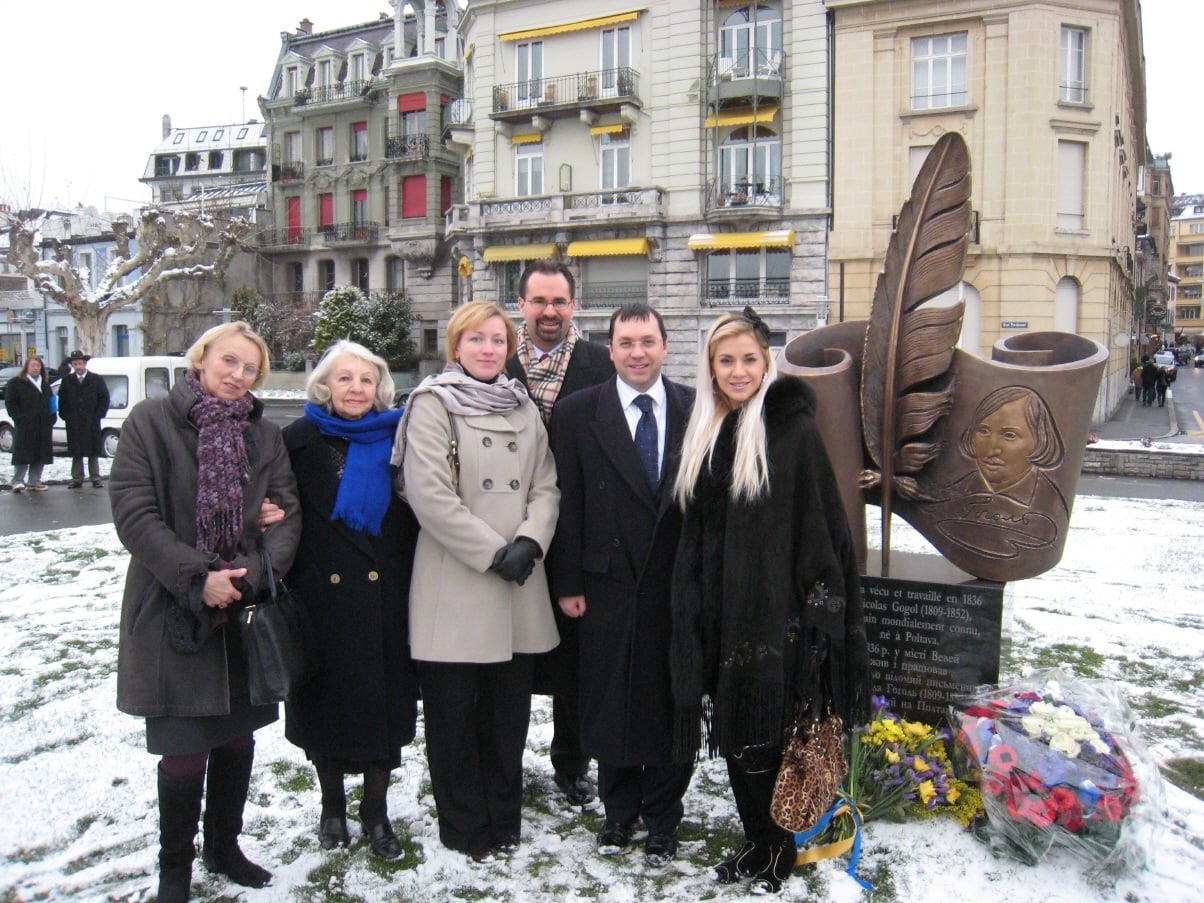
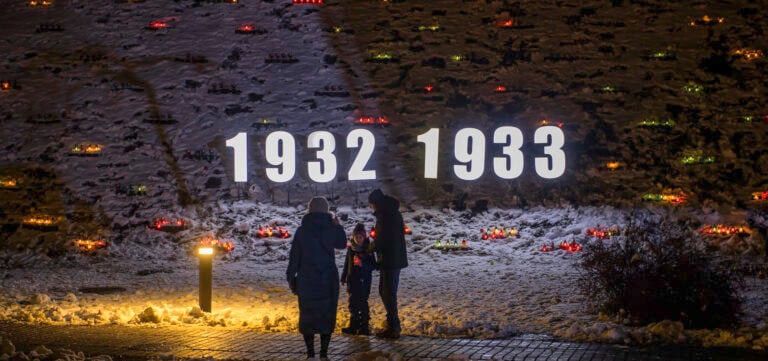
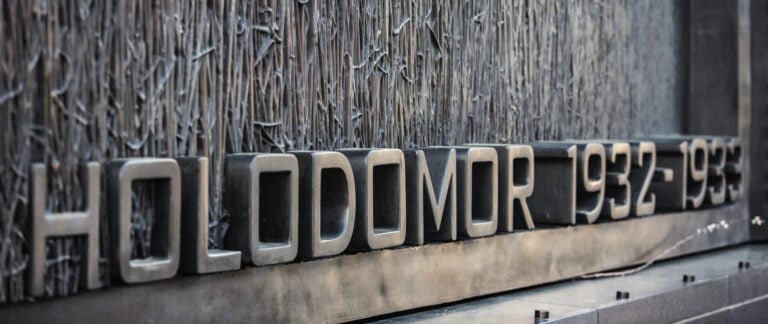
Between the wars, Geneva’s status as home to the League of Nations made it a natural stage for Ukrainian minority-rights advocacy, with parliamentarians like Milena Rudnytska and Dmytro Levytsky pressing Ukraine’s case, and Hanna Chykalenko-Keller serving as the UNR government-in-exile’s Swiss representative. Swiss newspapers gave substantial coverage to the 1932–33 Holodomor, and organizations such as the Ofinor press agency and the student association Ukraina sustained a modest but active community into the 1930s.
The Second World War sharply curtailed political activity, permitting only charitable and cultural work, while the Ukrainian population swelled temporarily with POWs and forced laborers (Ostarbeiters) who were mostly repatriated by 1945. In the postwar years, fresh waves of immigrants arrived from Germany, Austria, and Italy, bringing Switzerland’s Ukrainian population to roughly 70 by the early 1950s.
A true institutional turning point occurred after World War II. In 1945, after this new wave of Ukrainian migrants arrived in Switzerland. Once it became clear that returning home was impossible due to the Cold War and Soviet occupation, they decided to establish a permanent hub for the diaspora. The Sokil Student Society, later renamed the Academic Hromada, was founded in Bern under the leadership of Roman Prokop to promote and defend Ukraine. In 1951, these local efforts coalesced into a central representative body, the Alliance of Ukrainians in Switzerland (OUSh), which was renamed the Ukrainian Society of Switzerland in 1974.
This continuity eventually became one of the organization’s greatest assets when working with state institutions. Over more than 80 years, the society has accumulated contacts, expertise, and trust, enabling a sustained, systematic dialogue with the Swiss parliament and government today.
Despite changes in membership with each subsequent wave of migration – and minor adjustments to its name over time – the organization preserved its core strength: uninterrupted activity from 1945 to the present day.
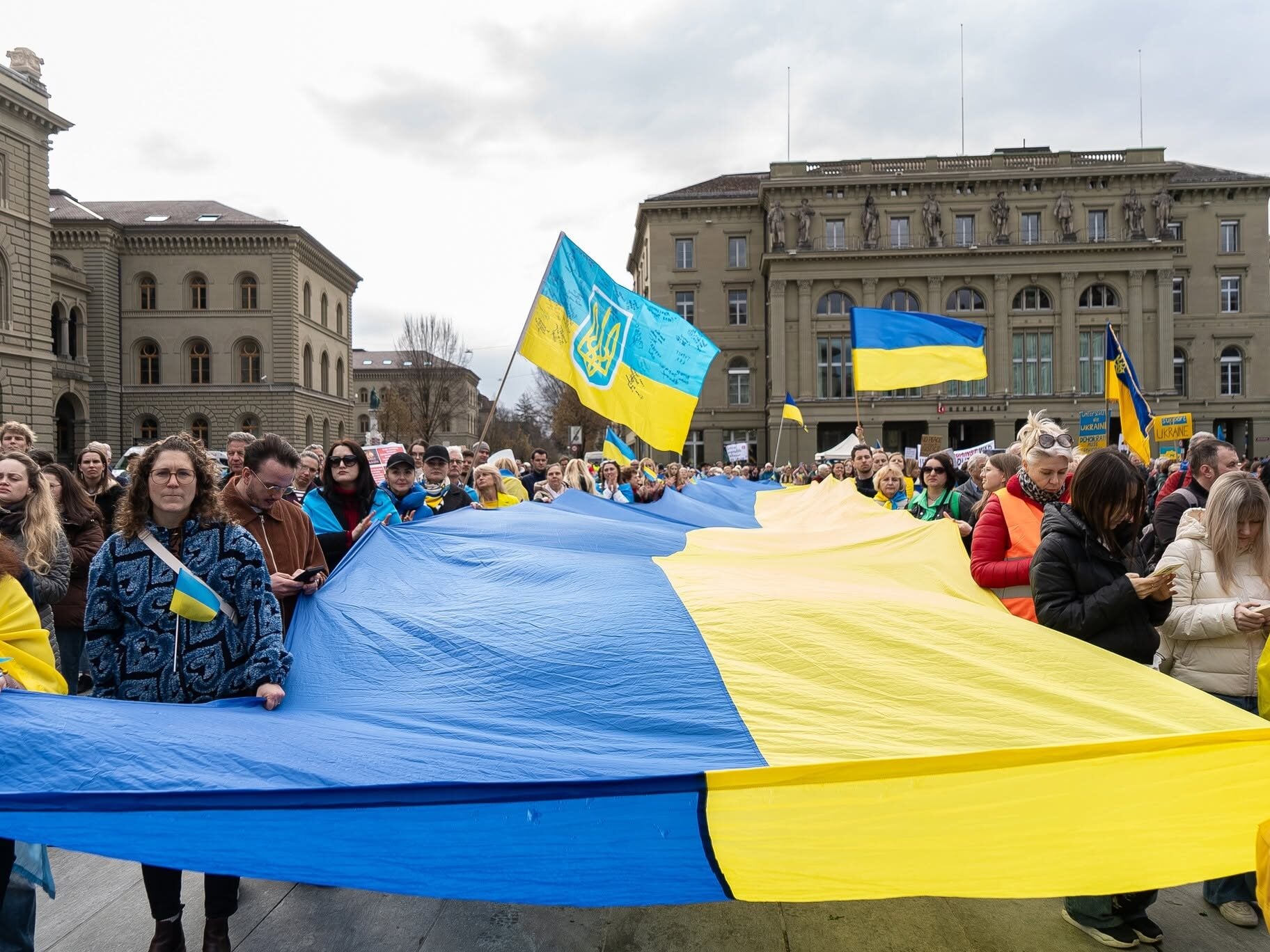
Today, roughly 80,000 Ukrainians reside in Switzerland. Relative to the country’s population of over nine million, this represents a notable community presence. The vast majority of Ukrainians who arrived after the 2022 full-scale invasion received Special Protection Status S, which guarantees the right to legal residence, employment, education, and social benefits. Consequently, numerous new initiatives and associations sprung up in cities and small villages across the country, uniting people to support Ukraine.
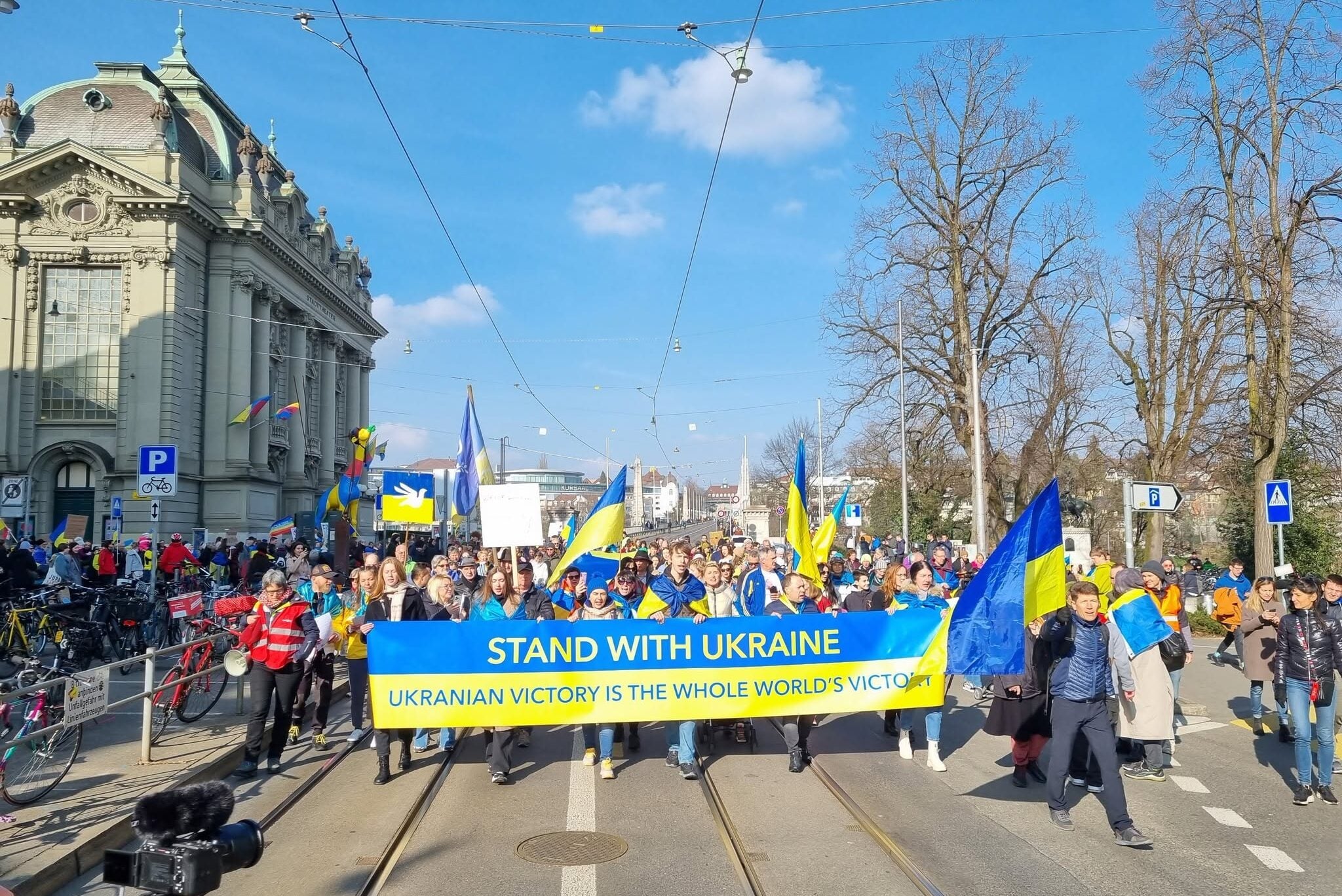
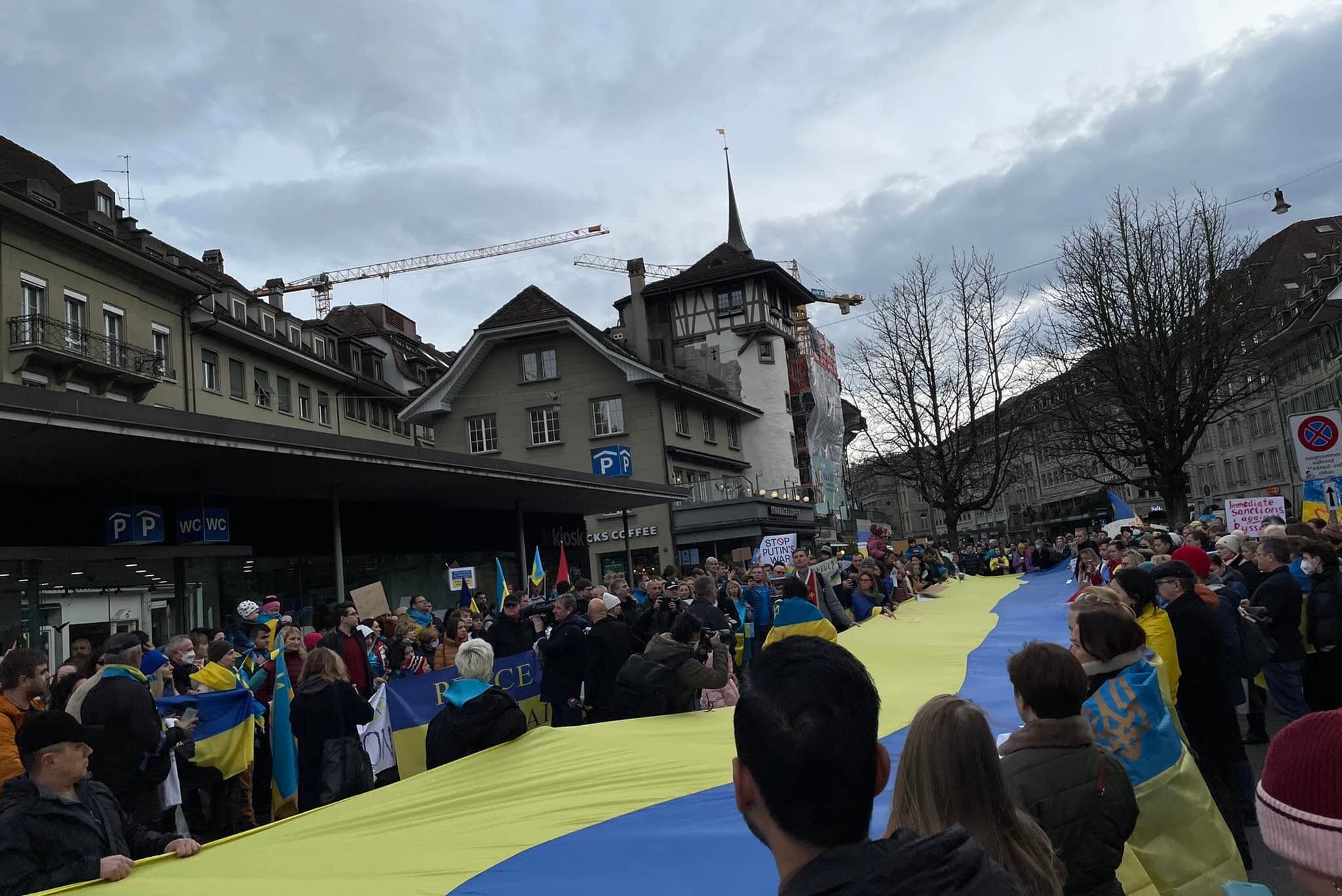
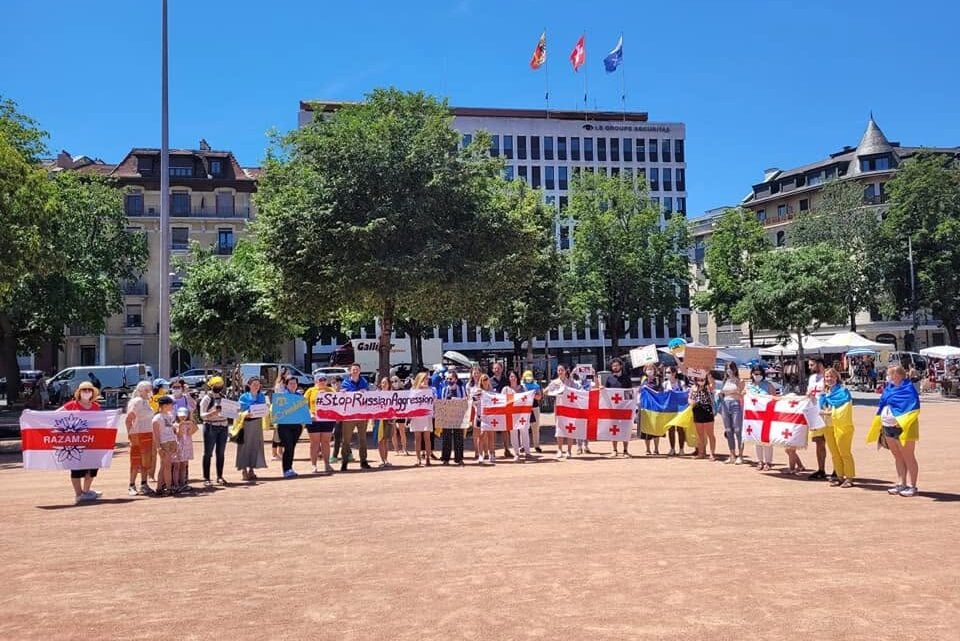
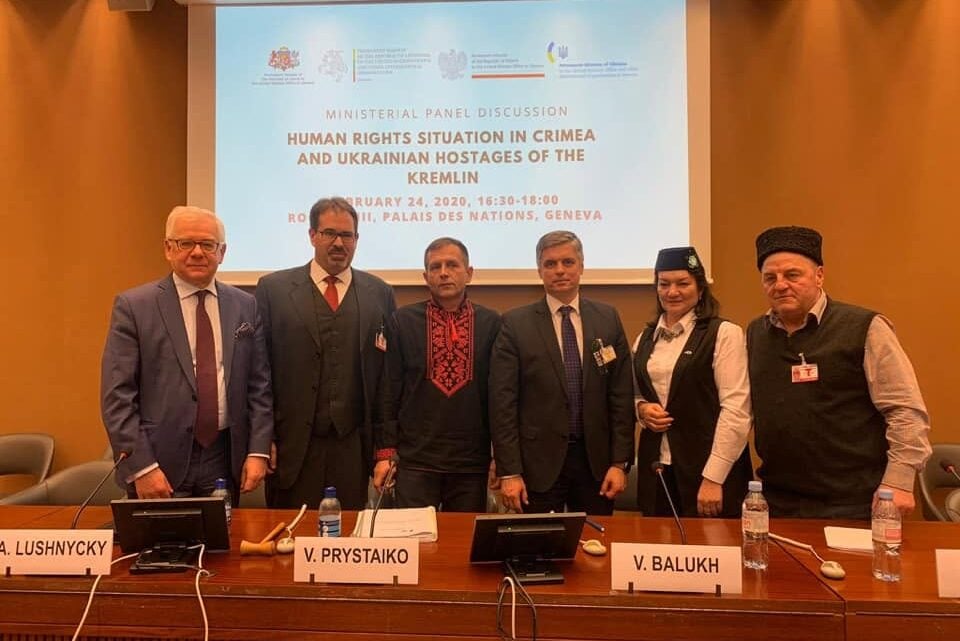
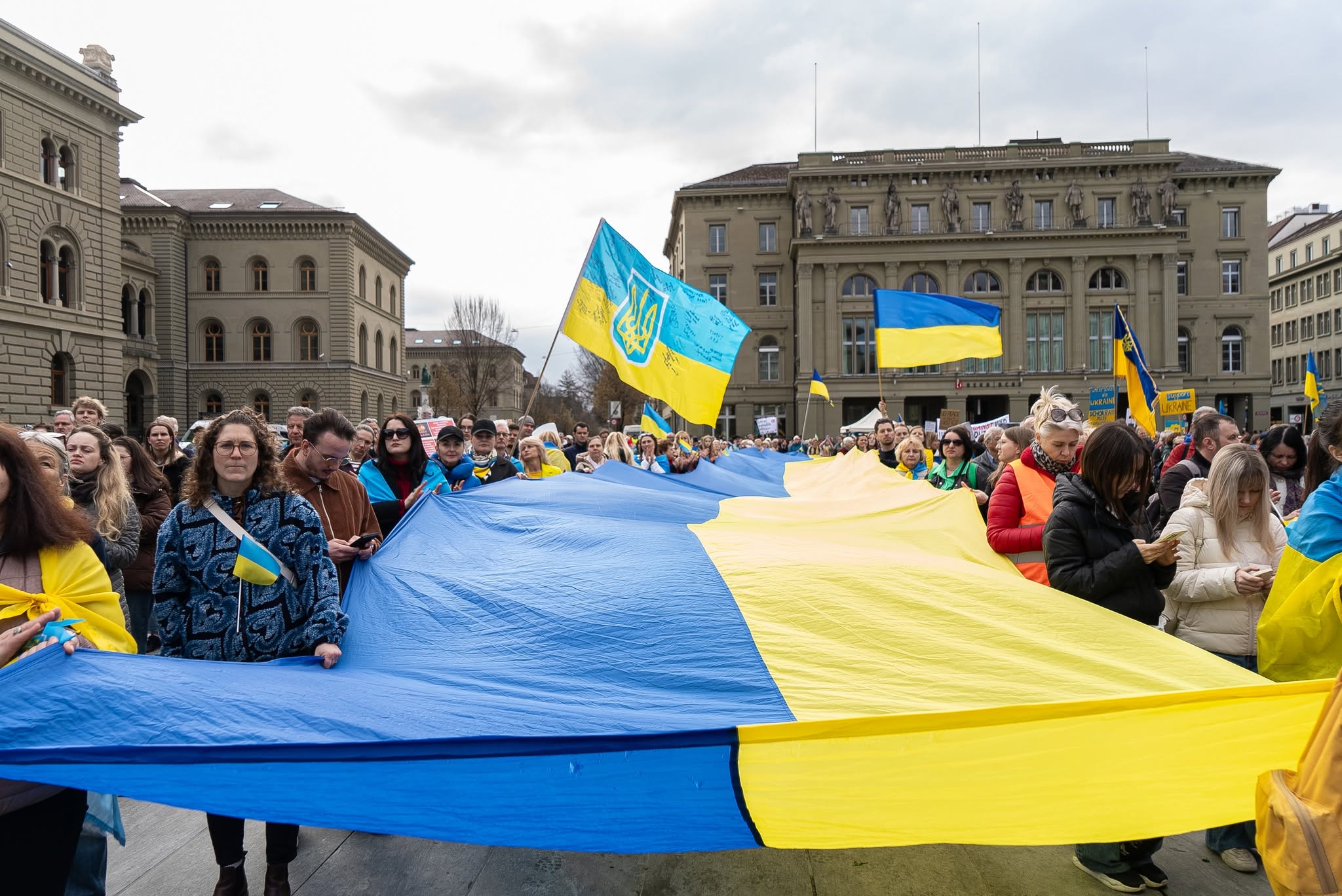
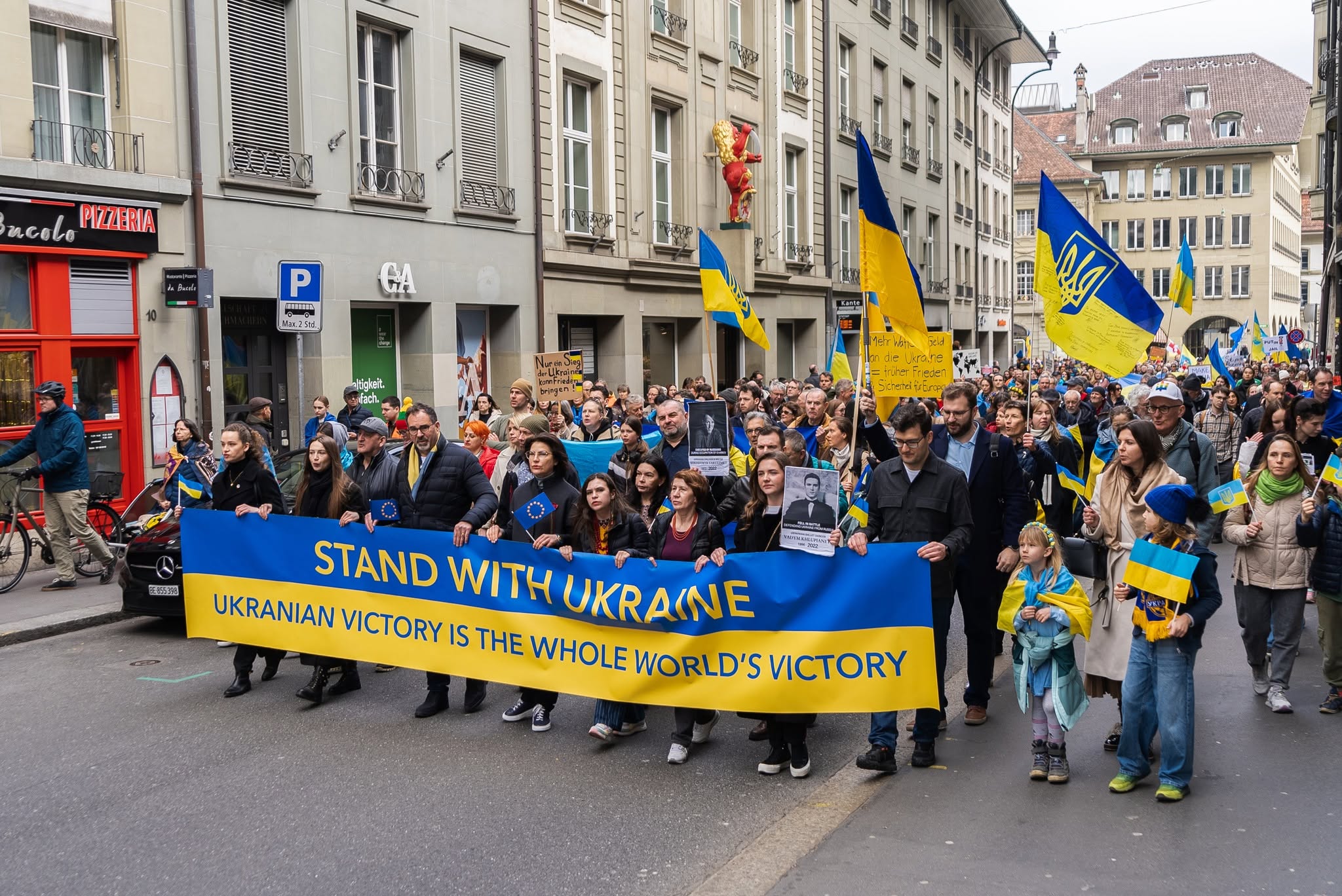
This momentum echoes the events of the Orange Revolution, which also saw a surge in newly founded organizations. Over time, like in the century before, however, many spontaneous initiatives fade as interest wanes or resources deplete. The primary strength and pride of the Ukrainian Society of Switzerland lie in its institutional memory, stability, and significant public stature – a true sense of gravitas.
The secret to this resilience is that the society positions itself not merely as an émigré association, but as a fully integrated Swiss civil society organization. Its membership includes Swiss citizens – both those with Ukrainian roots or born locally, and Swiss nationals without Ukrainian heritage who genuinely care about the cause. This enables engagement with state bodies on an entirely different level. The society regularly collaborates with the federal government, cantonal authorities, municipalities, immigration services, and parliament.
Десятиліття праці принесла організації високий рівень довіри. Коли урядовцям чи журналістам потрібні експертний коментар або позиція щодо українських питань, вони звертаються безпосередньо до Товариства. Крім того, оскільки Швейцарія має чотири офіційні мови, організація підтримує постійний контакт із медіа німецькою, французькою та час від часу італійською мовами – завдання, що вимагає значних щоденних зусиль.
Ukraine Forum
Nothing better illustrates this systematic approach than Ukraine Forum – a platform created at the Swiss Federal Assembly that has served as a reliable bridge between Ukraine and the Swiss political establishment for more than thirteen years.
The initiative originated in November 2013 at the University of Fribourg, where Andrej Lushnycky is based. The inaugural event brought together a distinguished panel, including prominent economist Bohdan Hawrylyshyn, journalist Bohdan Nahaylo, Bishop Borys Gudziak, and leaders from the Swiss Federal Assembly at the time, Dominique de Buman and Christa Markwalder.
Ukraine Forum’s main goal at the time of the Revolution of Dignity was to correct distorted narratives about Ukraine that local media and commentators had shaped through the lens of Russian propaganda for years and to advise government leaders on policy. The event proved remarkably effective, prompting the decision to transform it into a regular political and diplomatic platform.
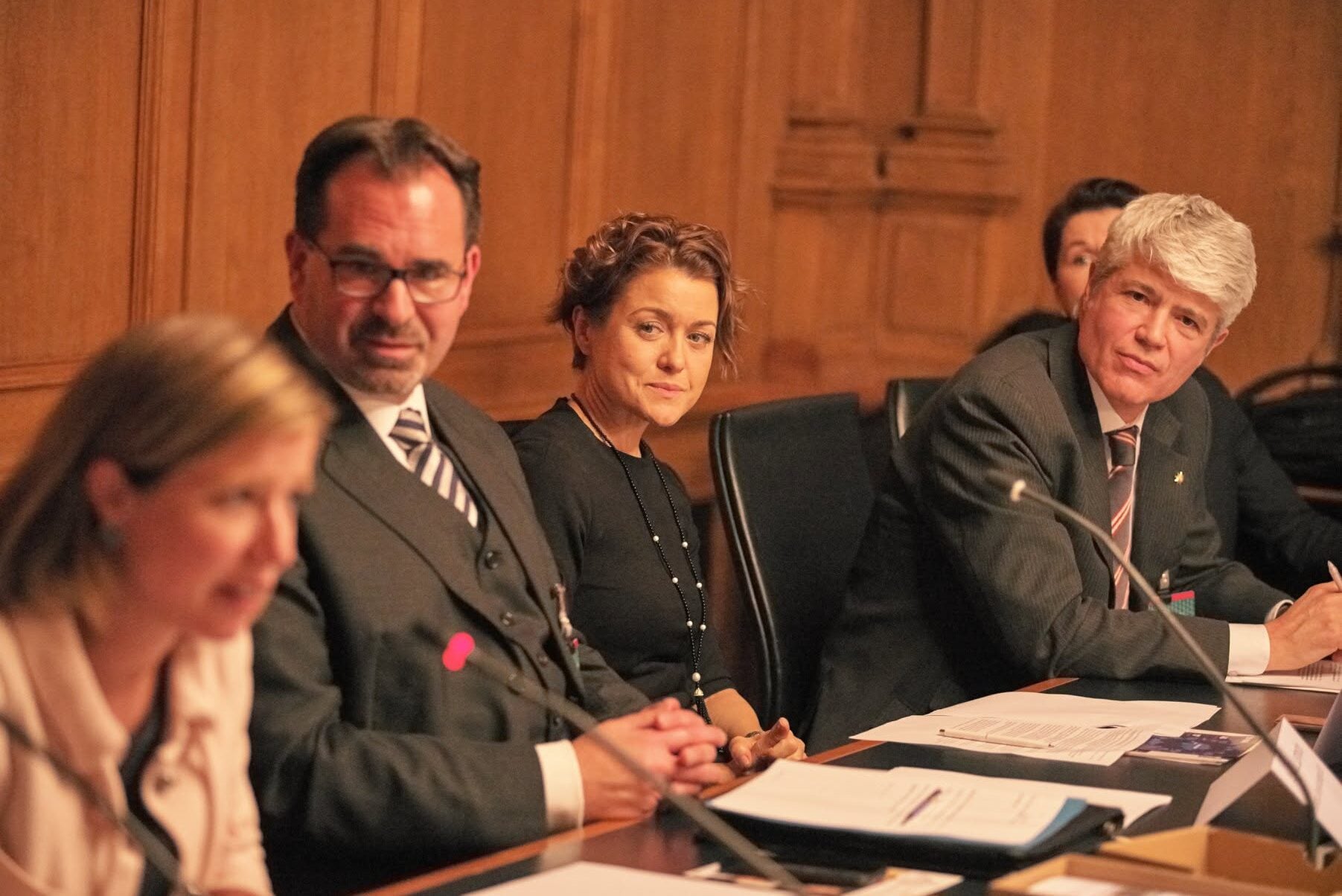
Today, Ukraine Forum takes place at least twice a year – in March and September – during the sessions of the Swiss Federal Assembly in Bern. The program typically consists of several panel discussions featuring parliamentarians, journalists, officials from the Federal Department of Foreign Affairs, and policy analysts. Diplomats from nearly 30 foreign embassies attend each gathering.
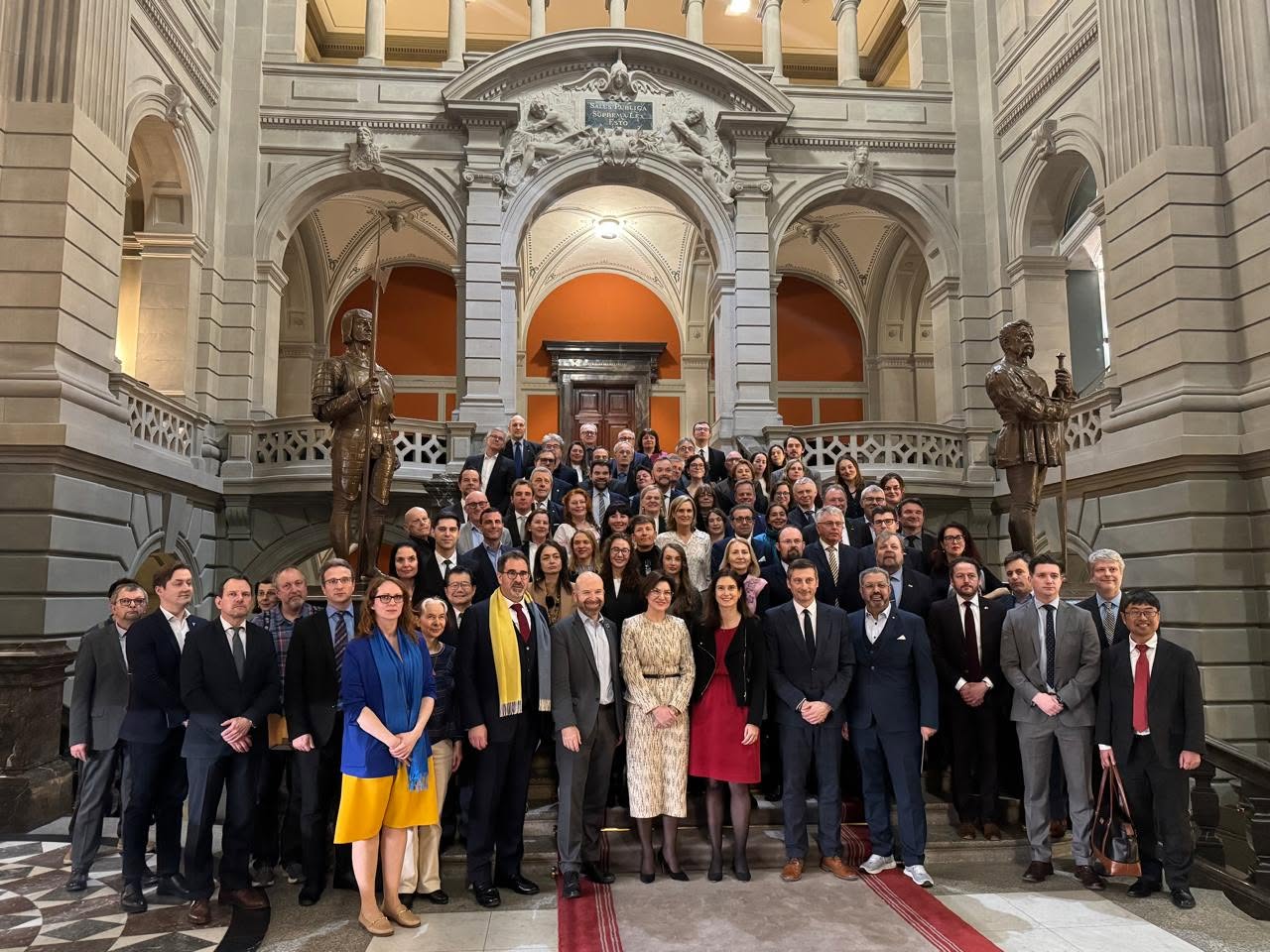
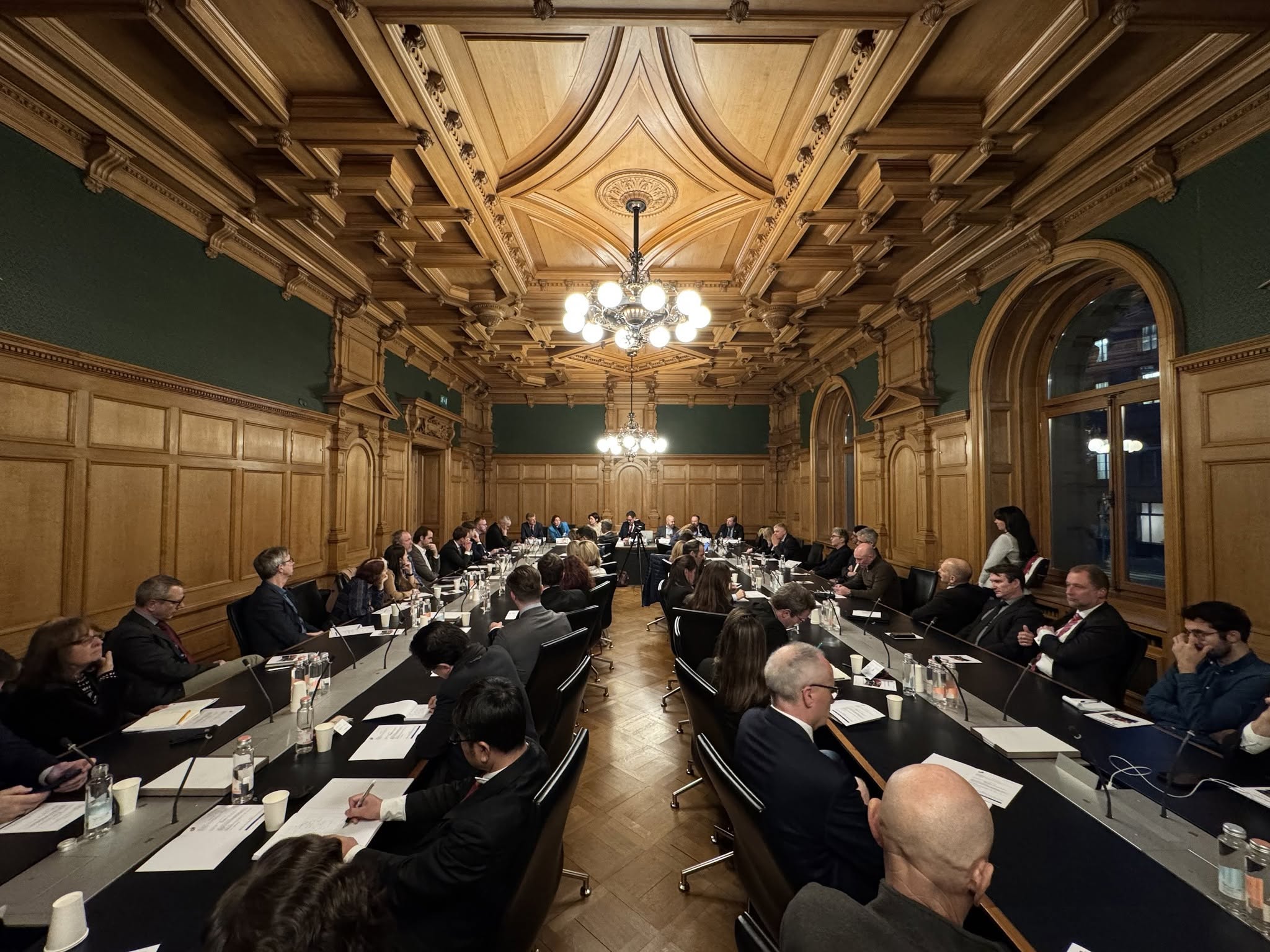
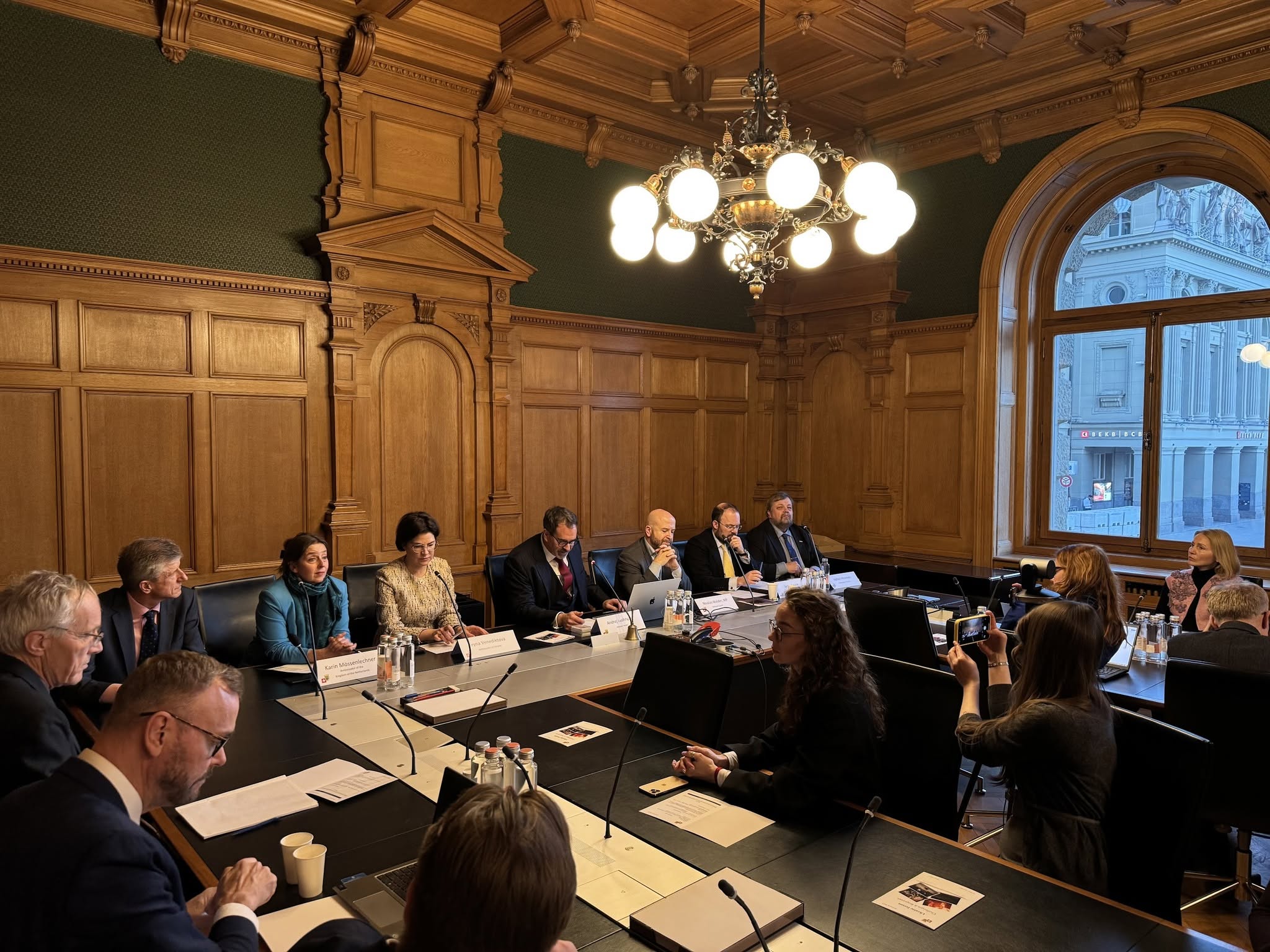
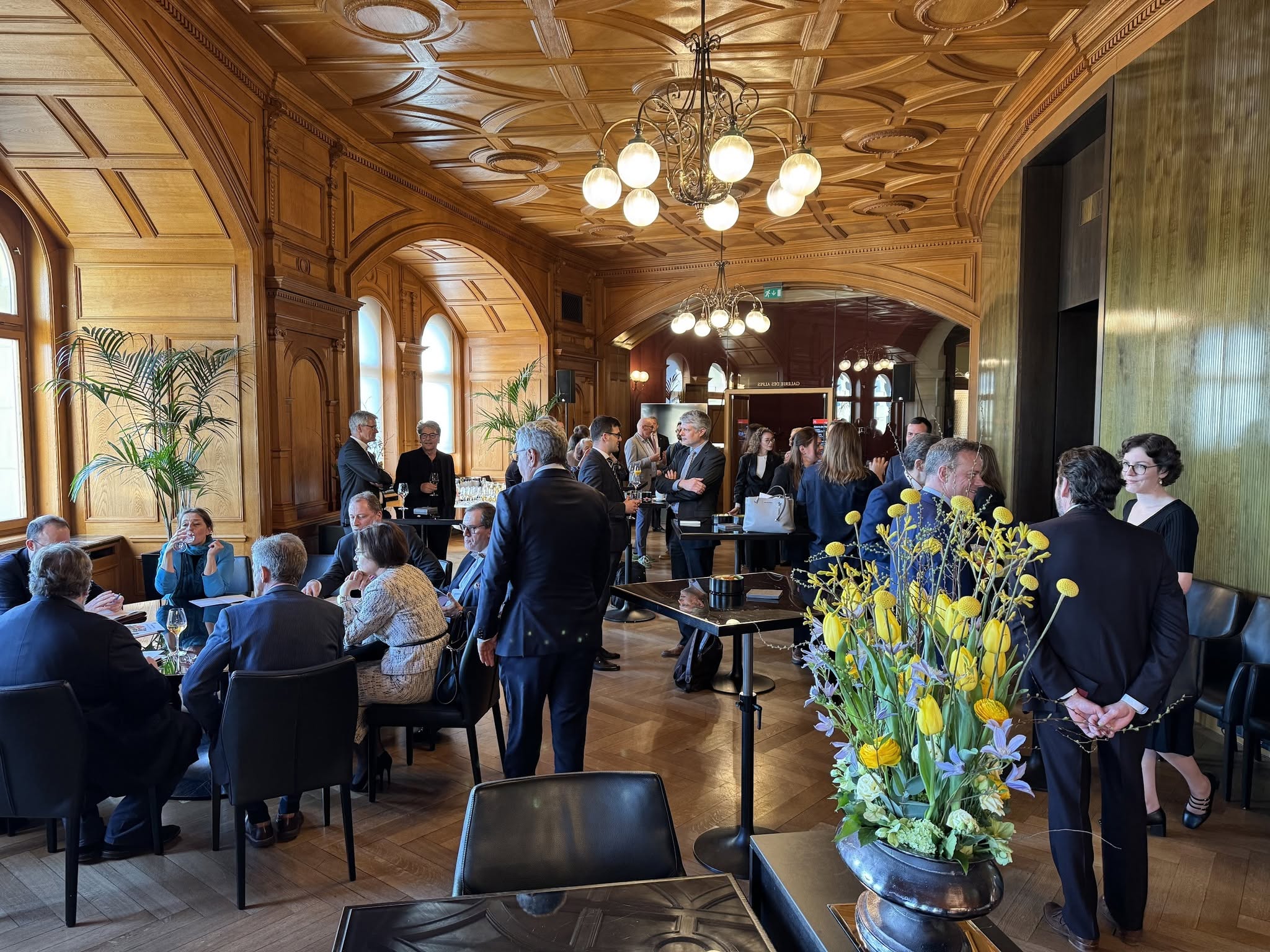
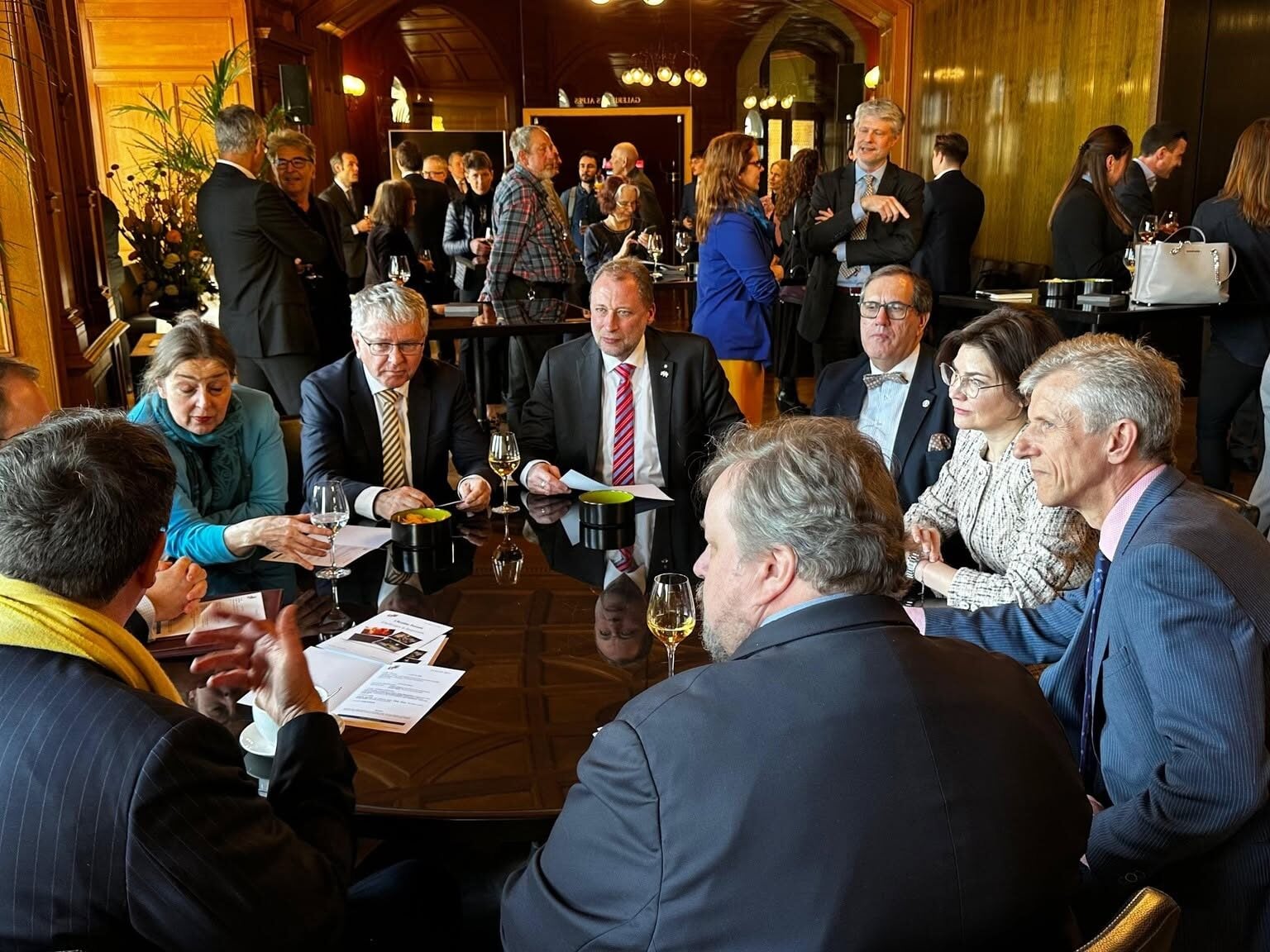
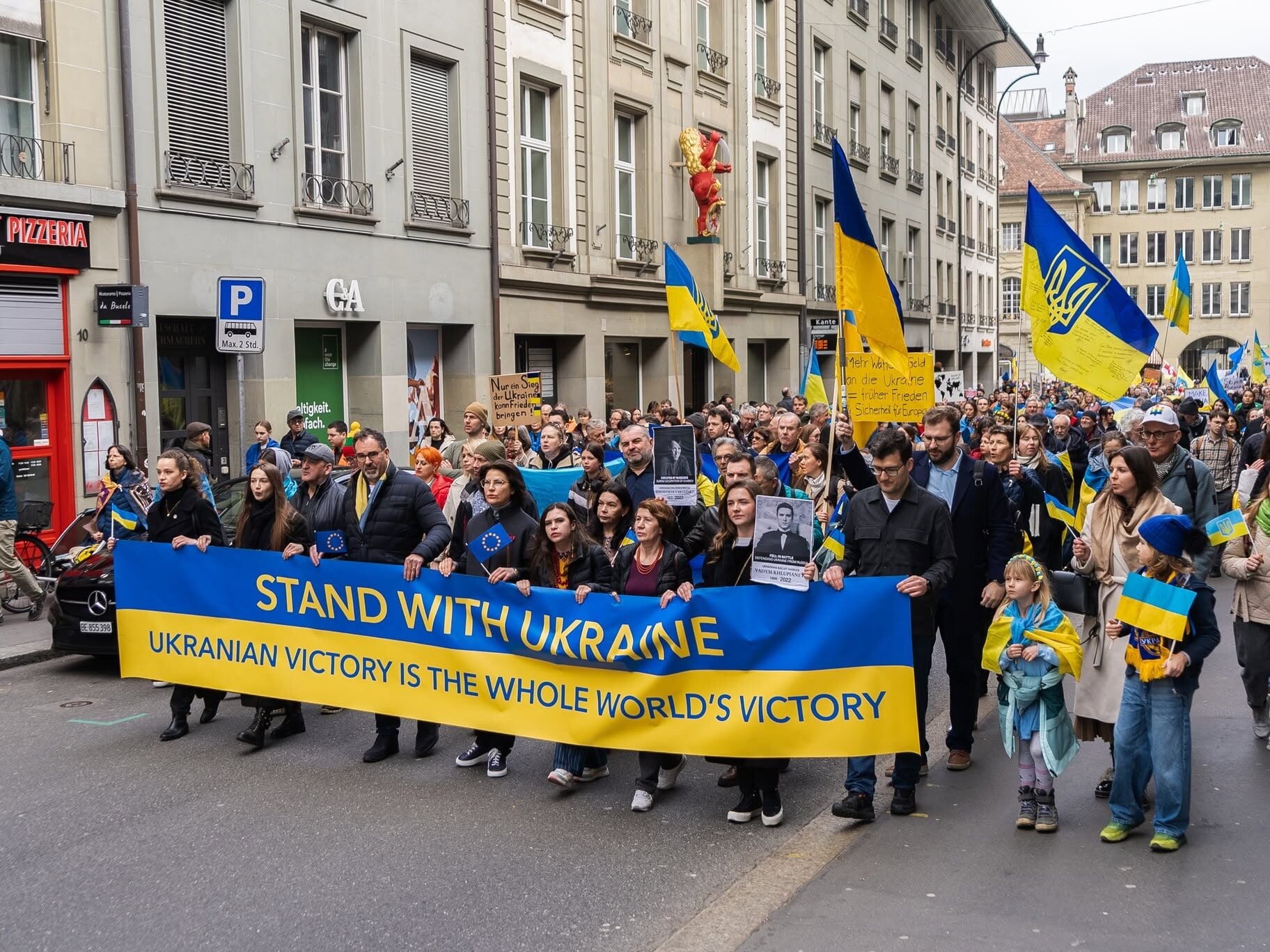
The forum provides a vital venue for sharing precise and accurate information about Ukrainian political developments and reforms, the situation on the ground, and Russia’s war of aggression against Ukraine – not only with Swiss politicians, but also across the broader international diplomatic corps. The event is strictly invitation-only and draws high demand, with applications consistently exceeding room capacity by 20 percent.
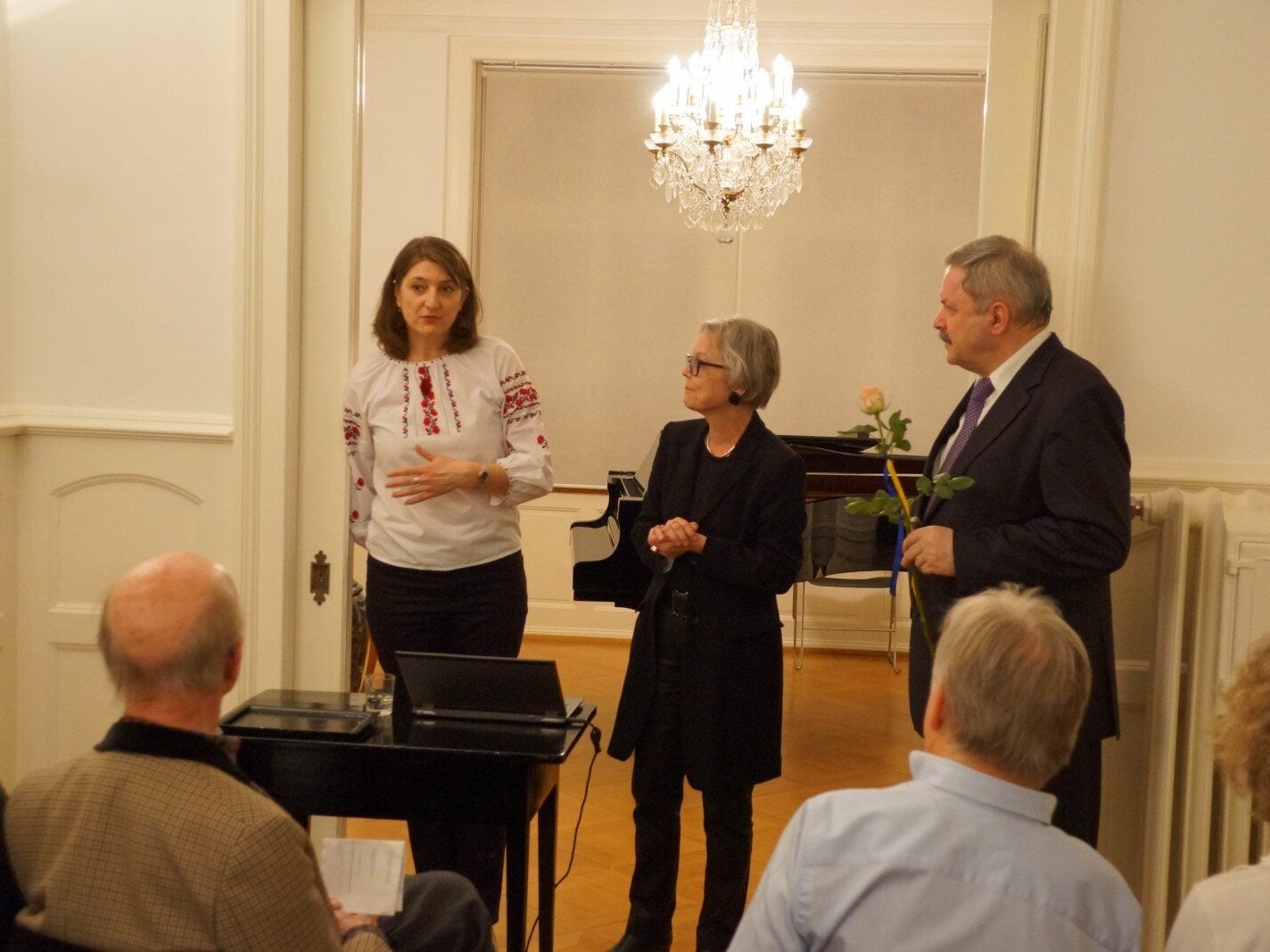
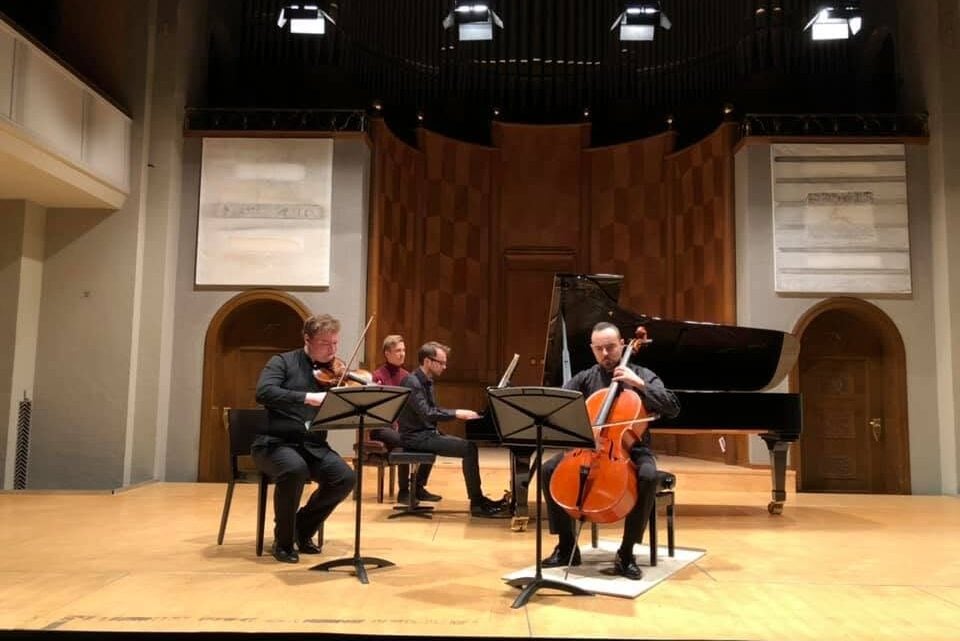
Over time, the Swiss-Ukrainian and Ukrainian-Swiss parliamentary friendship groups joined the organization of the forum, enabling members of the Verkhovna Rada of Ukraine to participate in the sessions. The event traditionally opens with a cultural performance.
During the Forums early years, world-renowned pianist Alexey Botvinov performed at the Swiss Federal Palace several times. To make this possible, a half-ton concert grand piano had to be transported through strict security checkpoints into the parliament building using specialized equipment. Today, the organization continues this tradition by inviting Ukrainian musicians to perform on the bandura or violin.
As a result, the Ukraine Forum has evolved from a single-issue advocacy campaign into a permanent communication channel with MPs. According to Lushnycky, it is precisely this regularity that allows the community not only to react to events, but to shape the agenda and sustain attention on Ukraine systematically.
Systemic aid to Ukraine
Navigating the information sphere remains one of the most challenging aspects of this work. For decades, a certain complacency, even laziness, persisted across European academic and media circles, where outlets frequently republished material derived from Russian sources. Even now, the Society must continuously monitor the press and respond swiftly to disinformation – ranging from myths surrounding history and language policy to attempts to discredit Ukrainian military units. To address these issues, the organization regularly sends official letters of rebuttal to editorial boards and collaborates with Swiss diplomats who have served in Ukraine and understand the reality on the ground.
Regarding material and humanitarian assistance, Switzerland’s neutral status must be taken into account, as law prohibits the delivery of weapons or military equipment. Instead, the country allocates substantial funding toward humanitarian efforts, including demining, reconstruction, and civilian infrastructure. For example, 600,000 Swiss francs were directed toward the restoration and preservation of the Kyiv-Pechersk Lavra. Ambassador Jacques Gerber serves as the Federal Council’s official delegate for these matters, maintaining close working contact with the Society.
Concurrently, the Society and its local chapters in Basel, Bern, Geneva, Zurich, and Lucerne collect and deliver humanitarian aid to Ukraine while running local support initiatives. Over 1,000 specialized medical beds have been gathered and shipped to hospitals in Ukraine, alongside regular shipments of relief supplies.
The latest major infrastructure initiative is the Support and Recovery Program Platform. Under Swiss regulations, hospitals, cantons, and municipalities routinely replace equipment – such as large diesel generators. In practice, this equipment remains in ideal working condition, having been turned on only a handful of times. The SRP identifies these assets in Switzerland, arranges for their donation, engages engineers for dismantling and transport, and partners with recipients in Ukraine to ensure installation.
Keys to success
Finally, Andrej Lushnycky shared advice for Ukrainians who have recently founded organizations across Europe and are taking their first steps. The core resource of any community is its people. It is crucial to identify professionals among Ukrainians who know the local language, legal system, cultural context, and management practices, and involve them in operations.
At the same time, it is vital to keep the nature of civic activism in mind. Because this is volunteer work without salaries – often requiring activists to spend their own funds – leaders should avoid overtaxing volunteers. Everyone should contribute at their own pace and according to their talent and their capacity.
It is also wise to build a flexible structure that allows members to act locally in their own cities without spending time traveling to the capital for every task. The best strategy for growth is to start with small, manageable projects, build trust within local society step by step, and only then move on to larger, more ambitious endeavors.
The experience of the Ukrainian Society of Switzerland shows that a community’s influence is determined not merely by its headcount or the scale of isolated campaigns. In Switzerland’s case, influence was built through decades of consistent work with institutions – above all, parliament, the government, and local authorities. For younger diaspora communities, this demonstrates that a strong political voice begins not with a massive campaign, but with trust, expertise, and sustained dialogue.
Photos: the Ukrainian Society of Switzerland on Facebook