



For Ukrainian children abroad, school is not only a place to learn language, history, and culture, but also a space to maintain a connection with Ukraine and adapt to a new country. In the early days of the new school year, Inna Hryhorovych, Executive Director of St Mary’s Ukrainian Schools in the United Kingdom, shares her experience in this work.
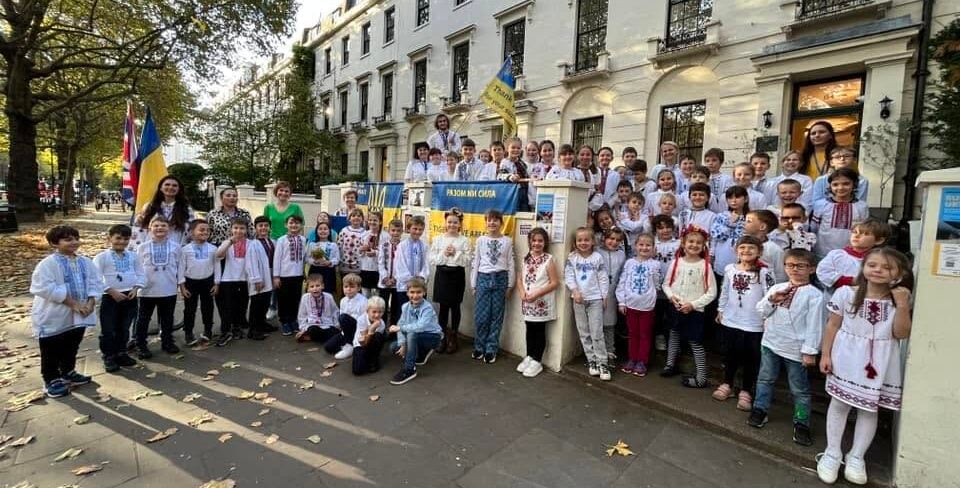
Founded by the Association of Ukrainians in Great Britain (AUGB) in 1955, the school has grown from a single center in London into a network of 15 centers across the UK. In the 2025-2026 school year, its schools served more than 2,500 Ukrainian children. The curricula have undergone state verification in Ukraine, allowing the schools to issue documents recognized within Ukraine’s education system.
Over its 72 years, the school has experienced postwar emigration, the decline of the 1990s, and a new wave of Ukrainian children following the start of Russia’s full-scale war. Today, its experience shows how Ukrainian education abroad can go far beyond the traditional Saturday school.
A legacy of three generations
The school was founded in 1955 amid the first wave of postwar Ukrainian emigration to the UK. From the beginning, it was built as a full-fledged educational institution, with its own curricula, approaches, and procedures.
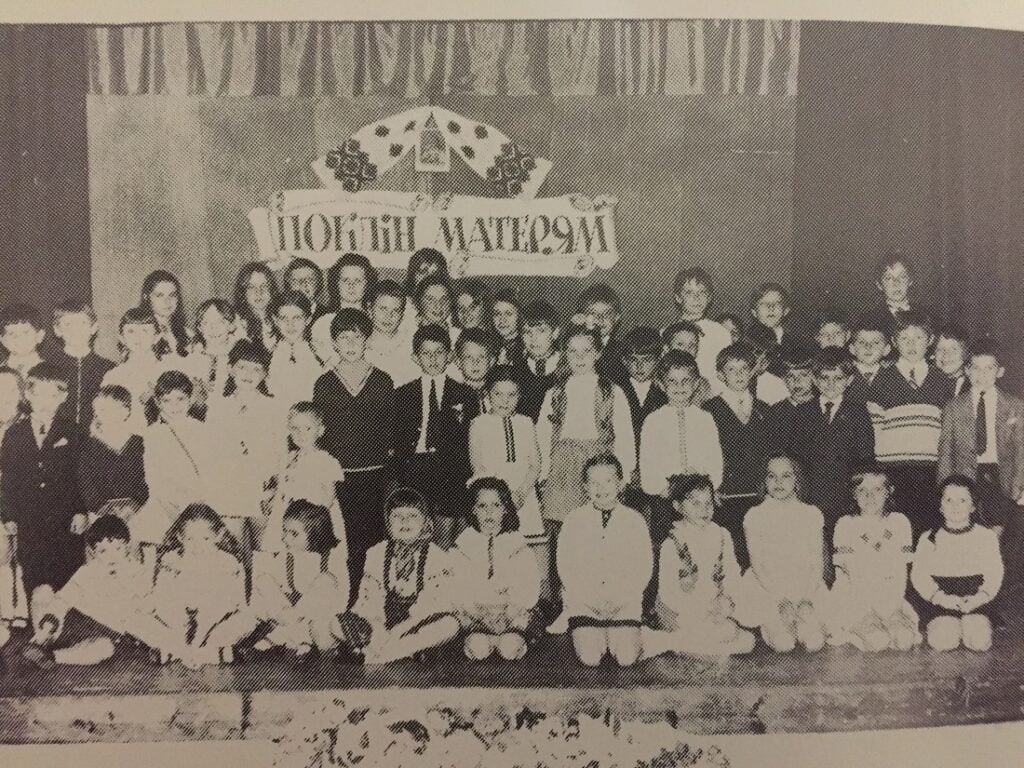 The first Association of Ukrainian Teachers and Educators was established and led by Professor Oleksander Moncibowycz in 1956, in London.
When Ms. Inna became principal in 2014, she inherited an established structure and a team that had formed during the wave of emigration in the late 1990s and early 2000s. The team set a strategic goal of changing perceptions of Ukrainian schools abroad.
“We wanted Ukrainian schools abroad to be seen not as an additional element of education, but as a full-fledged part of the educational process,” she says.
The curricula were adapted to British standards, taking into account not only the requirements of Ukraine’s Ministry of Education and Science but also those of the British education authorities. According to Ms. Inna, this work, carried out from 2013 to 2022, helped the school prepare for the new wave of children that followed the start of the full-scale war.
Before Russia’s full-scale war against Ukraine, about 240 children attended the school, and the team consisted of 20 people. Today, 260 employees work across the 15-center network.
The size of the network is constantly changing, Ms. Inna says, saying that in the 1970s and 1980s, the school in Bradford had more than 400 children. Large centers operated in Coventry, Nottingham, and Manchester, but by the 1990s, those numbers had fallen to 40-50 children per school in London.
For the principal, this is the main lesson for small Ukrainian community schools around the world – today’s number of students does not determine the future.
“If our school had closed when there were only 40–50 children, we would not have the structure today that can provide support in such challenging times,” she says.
More than a Saturday school
Until 2022, the format of Ukrainian schools in Britain was largely traditional – Saturday or Sunday classes in Ukrainian language, history, geography, and cultural education.
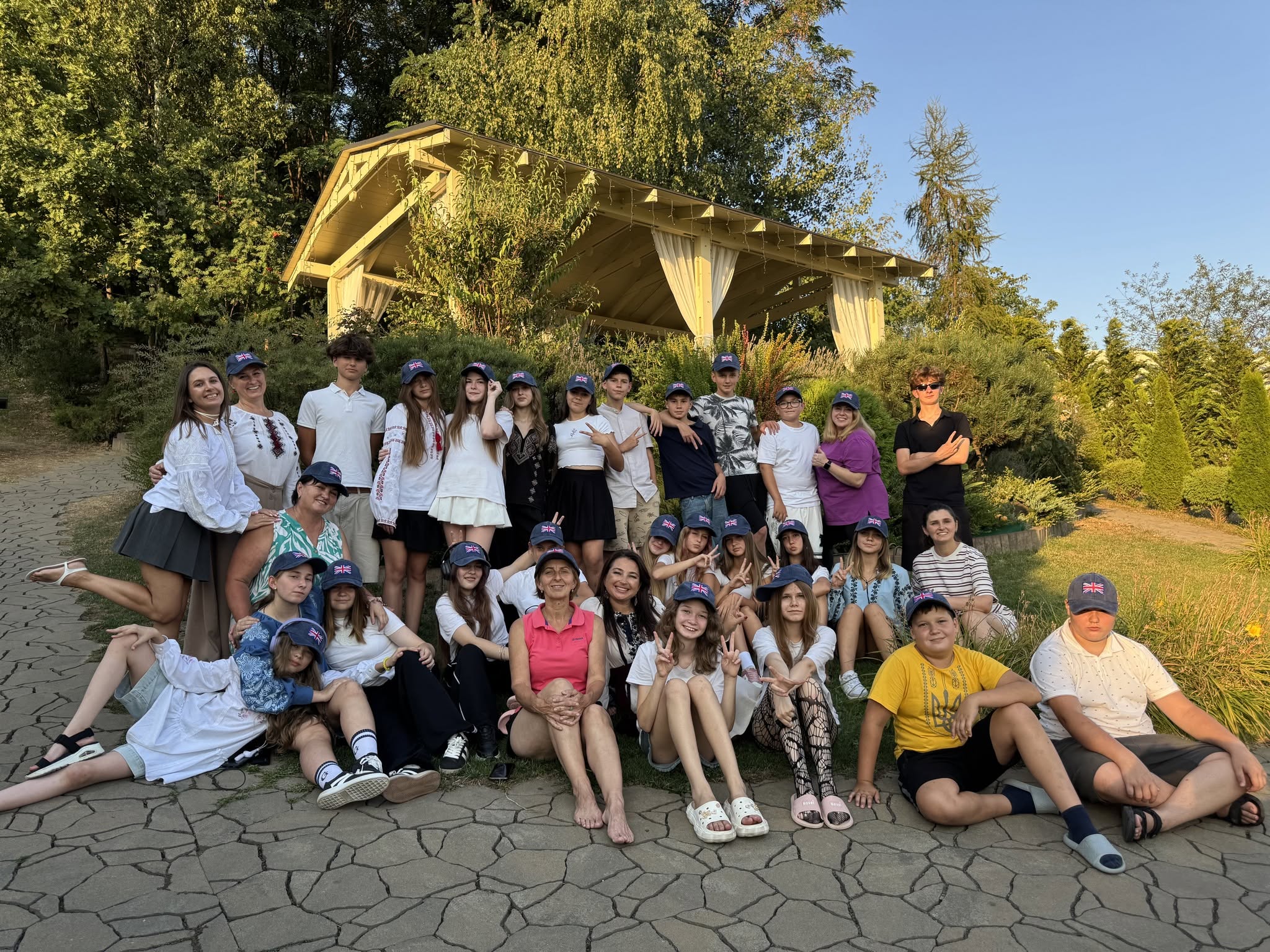
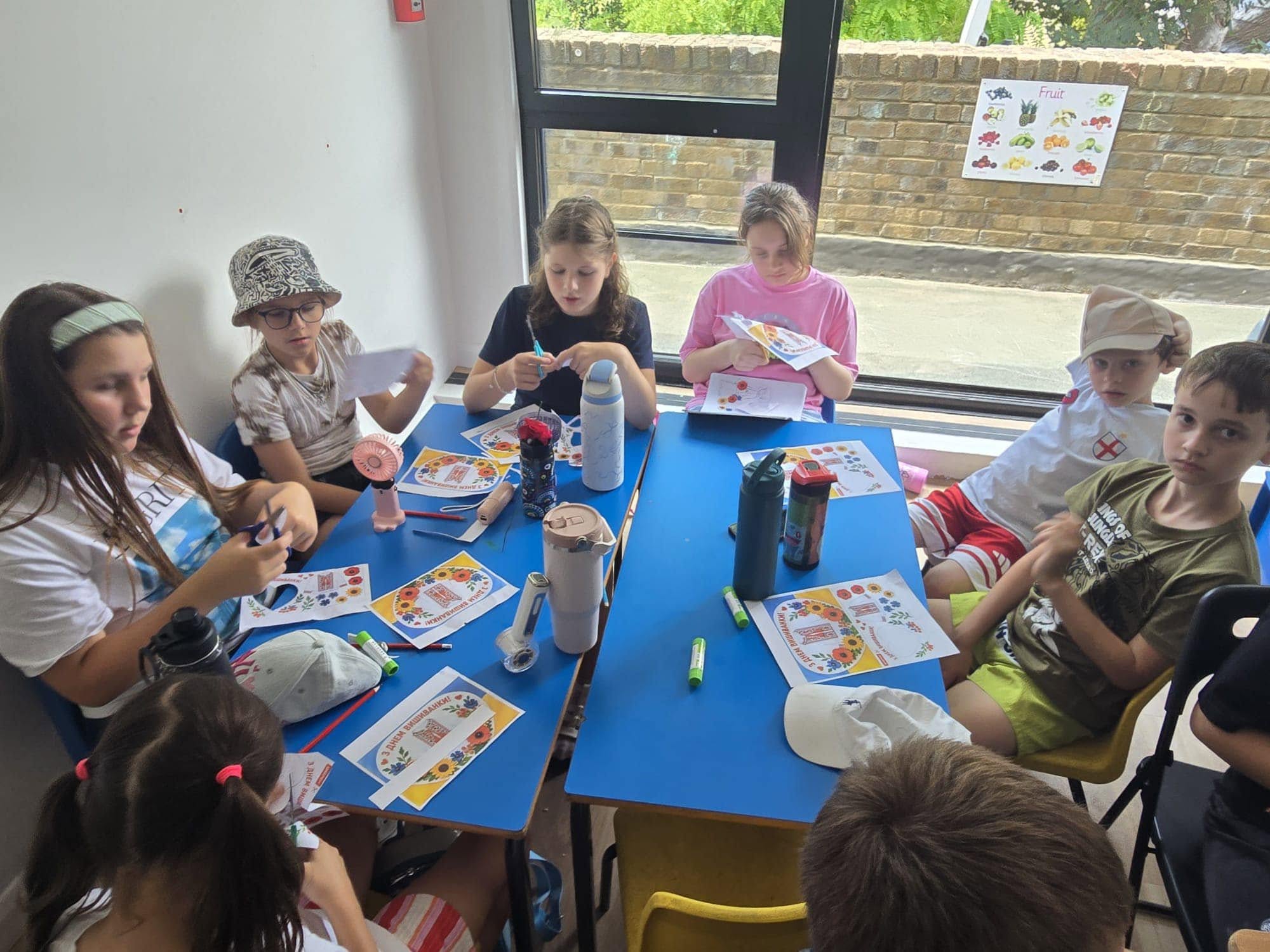
Over time, St Mary’s Ukrainian School added a full afternoon program. Children can now spend time at school from 9:30 a.m. to 3:30-4:30 p.m. After their main classes, they attend extracurricular activities where they can explore other areas.
The goal, Ms. Inna explains, is not only to give children more hours of instruction. The school is trying to make the Ukrainian environment a place children want to return to.
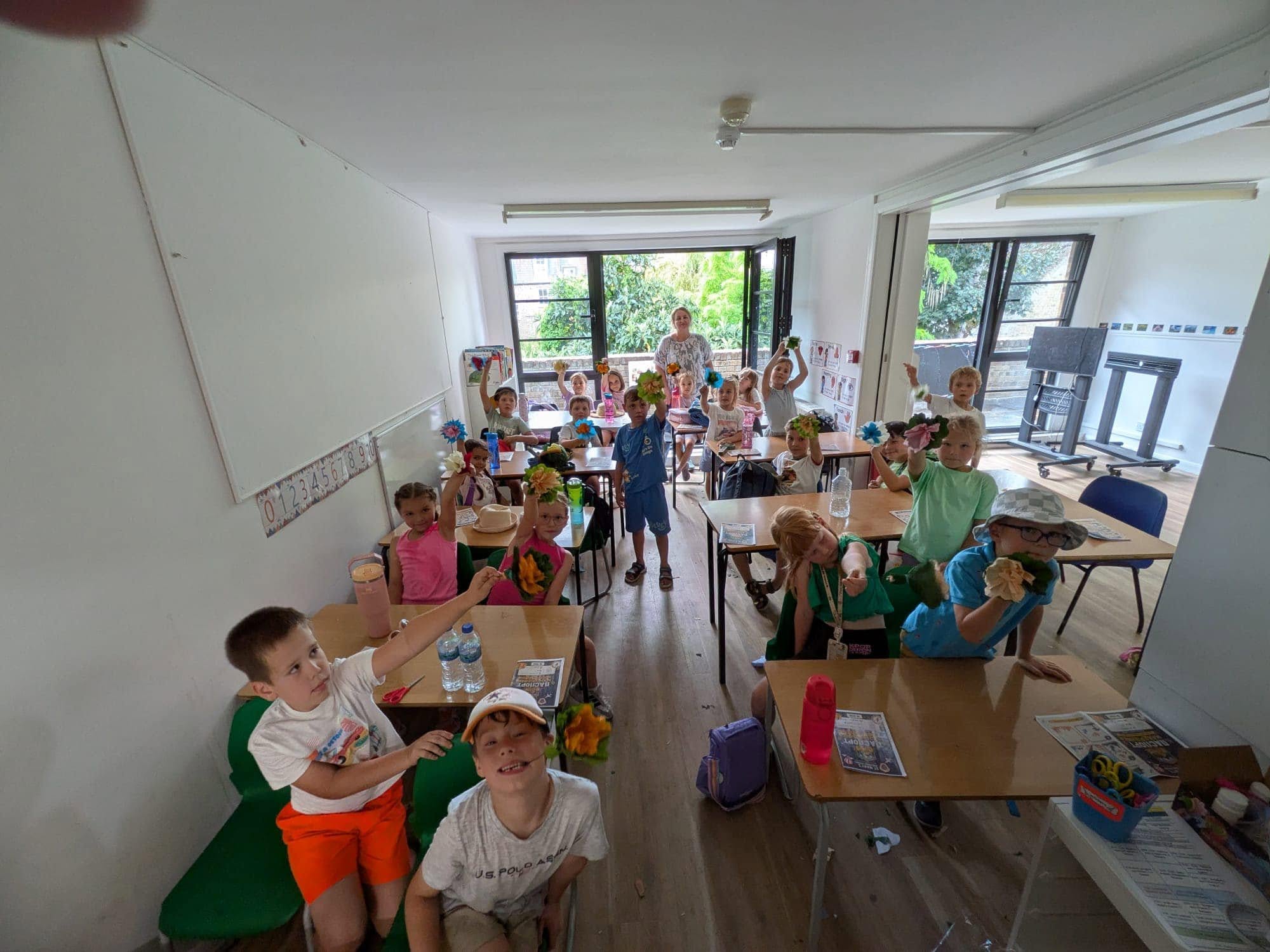
Another area is day camps during school breaks. Over five days, children receive approximately the same number of contact hours as they would during 10 Saturday classes. For many, it is also an opportunity to spend several days in a Ukrainian-speaking environment.
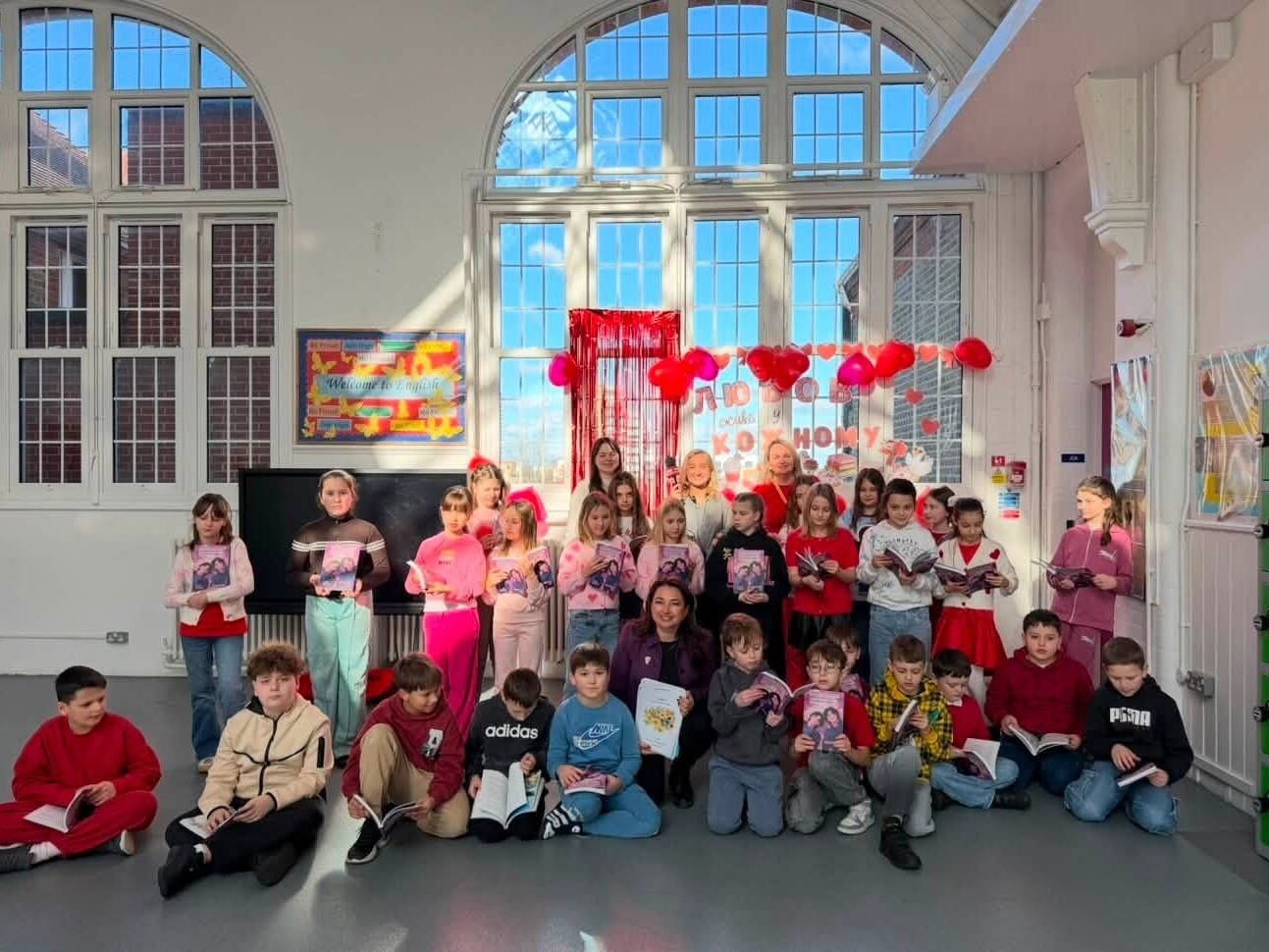
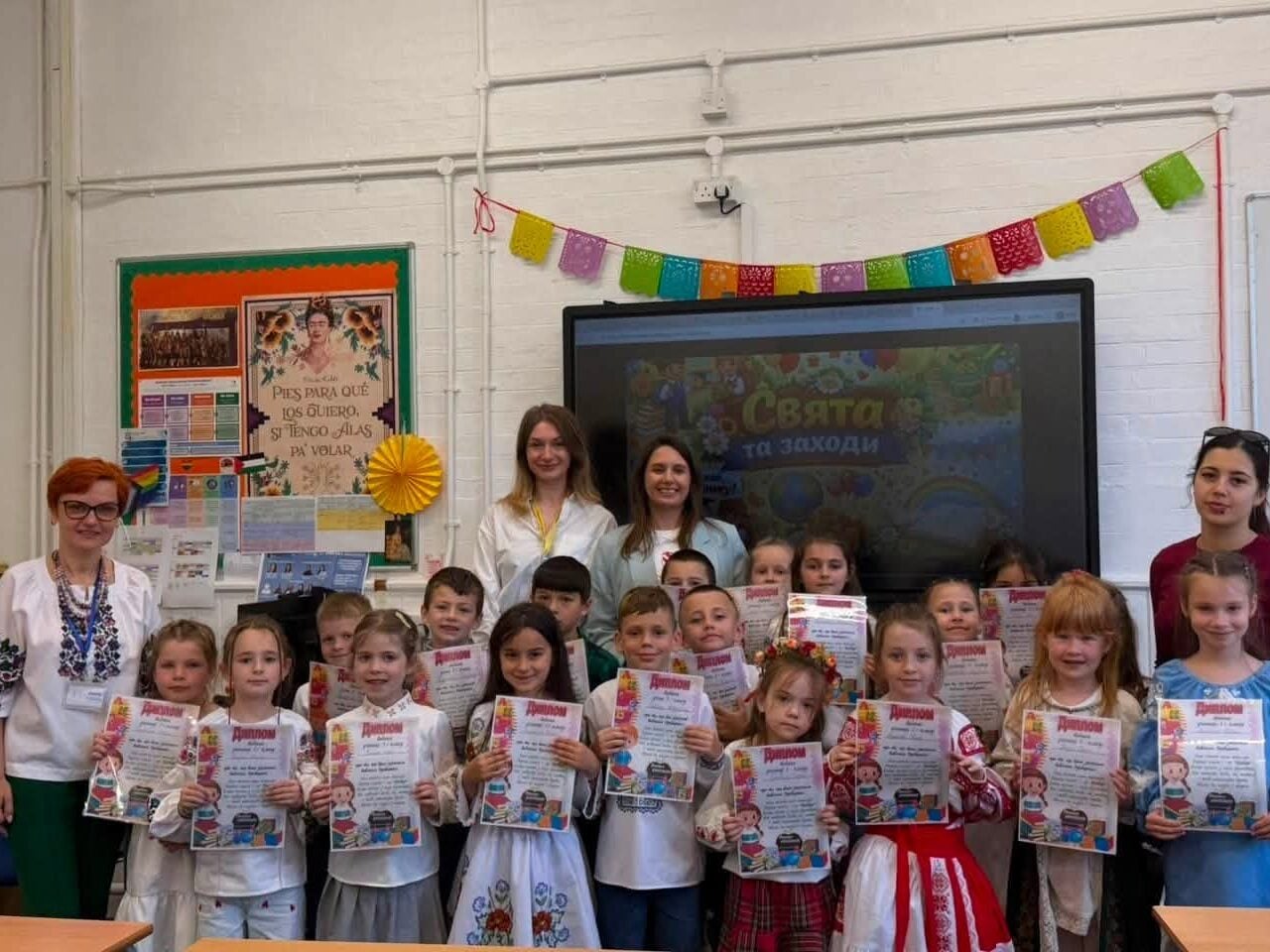
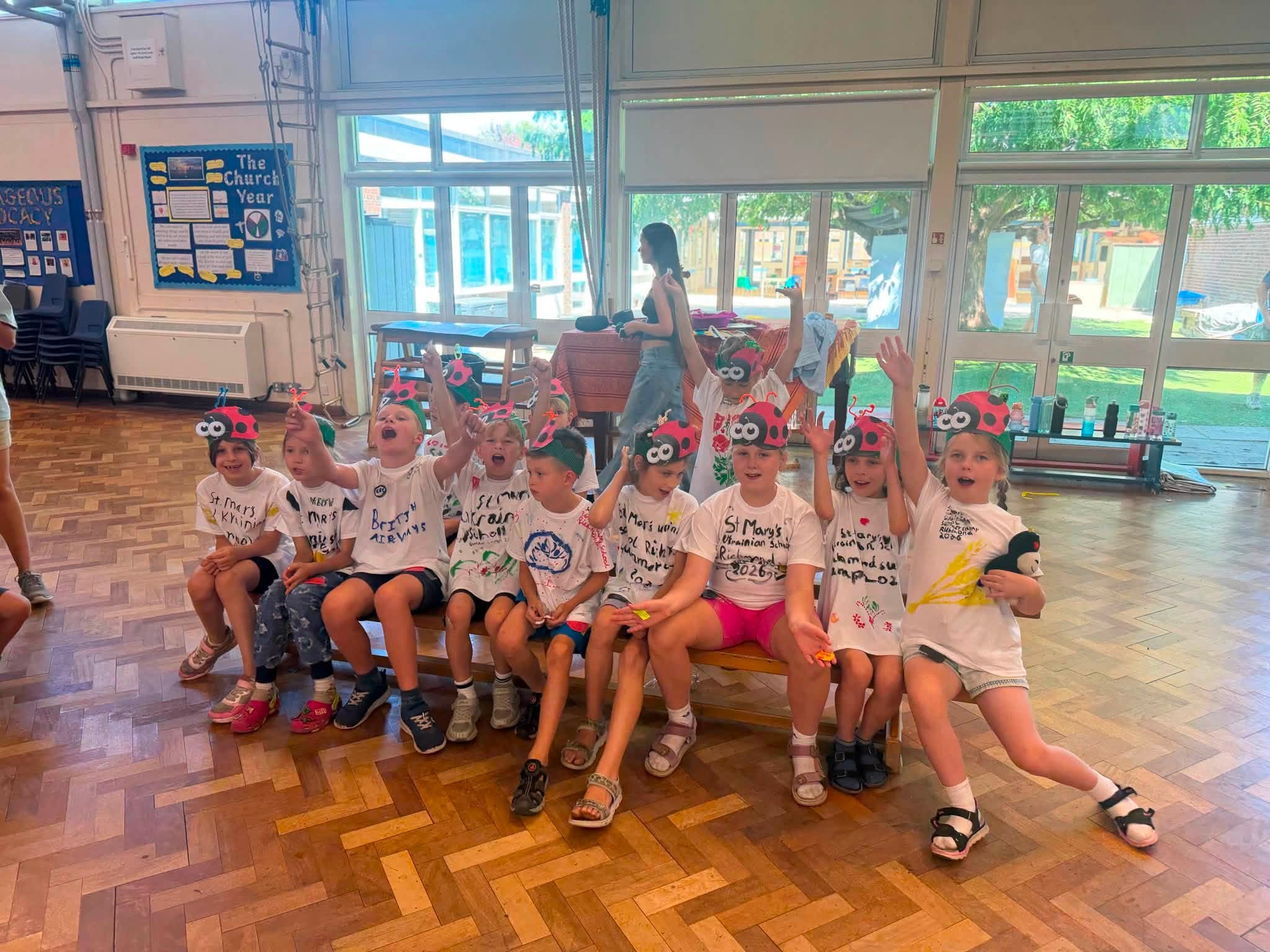
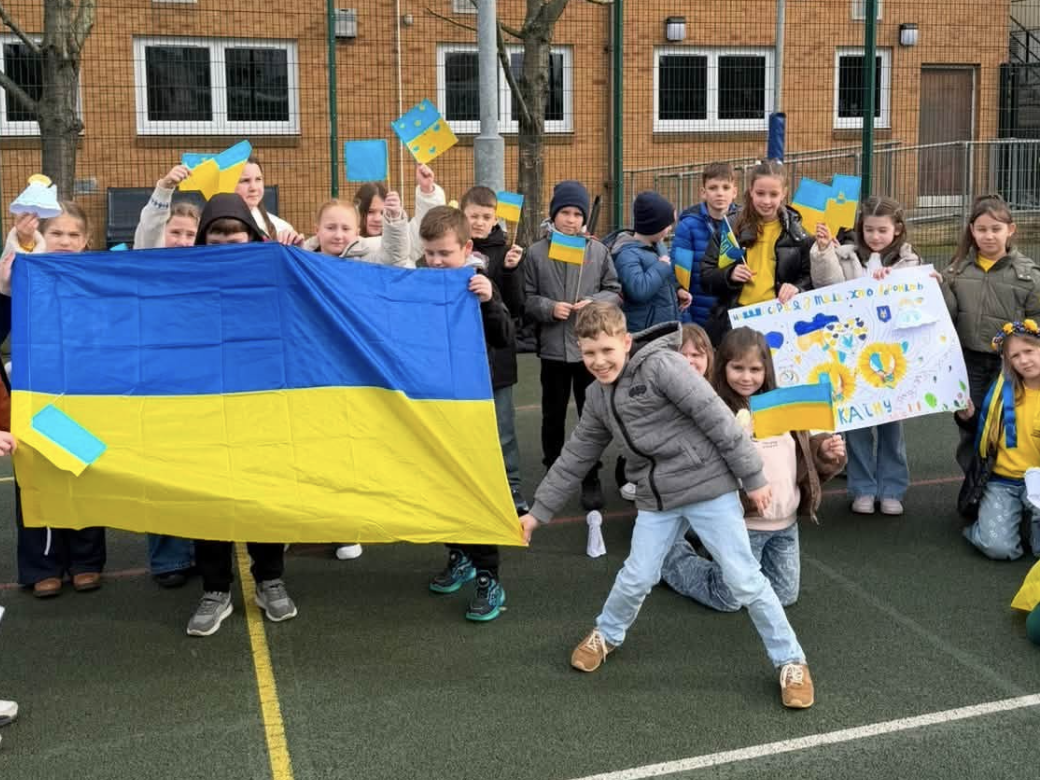
Another area of work emerged after 2022, when there was a need to support children with traumatic experiences. School specialists now work in more than 250 British mainstream schools, helping not only Ukrainian children but also British teachers and school administrations.
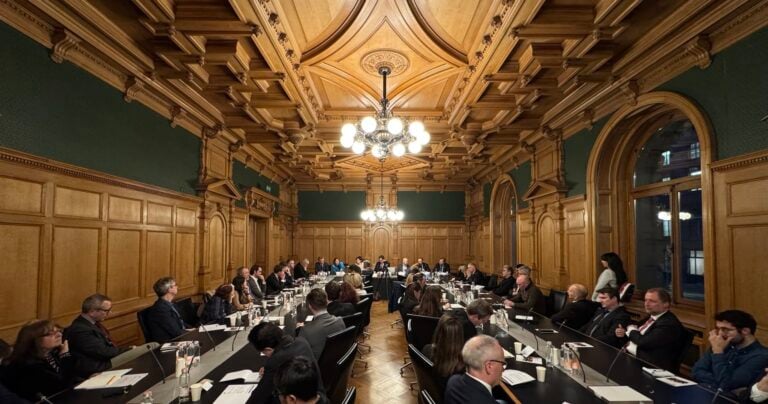
According to Ms. Inna, this approach allows them to speak with British educators about Ukraine through the specific needs of children in their classrooms. The school’s experience has already been discussed in the British Parliament, and its work has been taken into account in proposals on supporting mental health and children with traumatic experiences in British schools.
English vs Ukrainian
At the same time, children’s close integration into the British environment creates a new challenge for Ukrainian schools, which is preserving the language.
“Our child still spends five days in a British environment,” Ms. Inna explains.
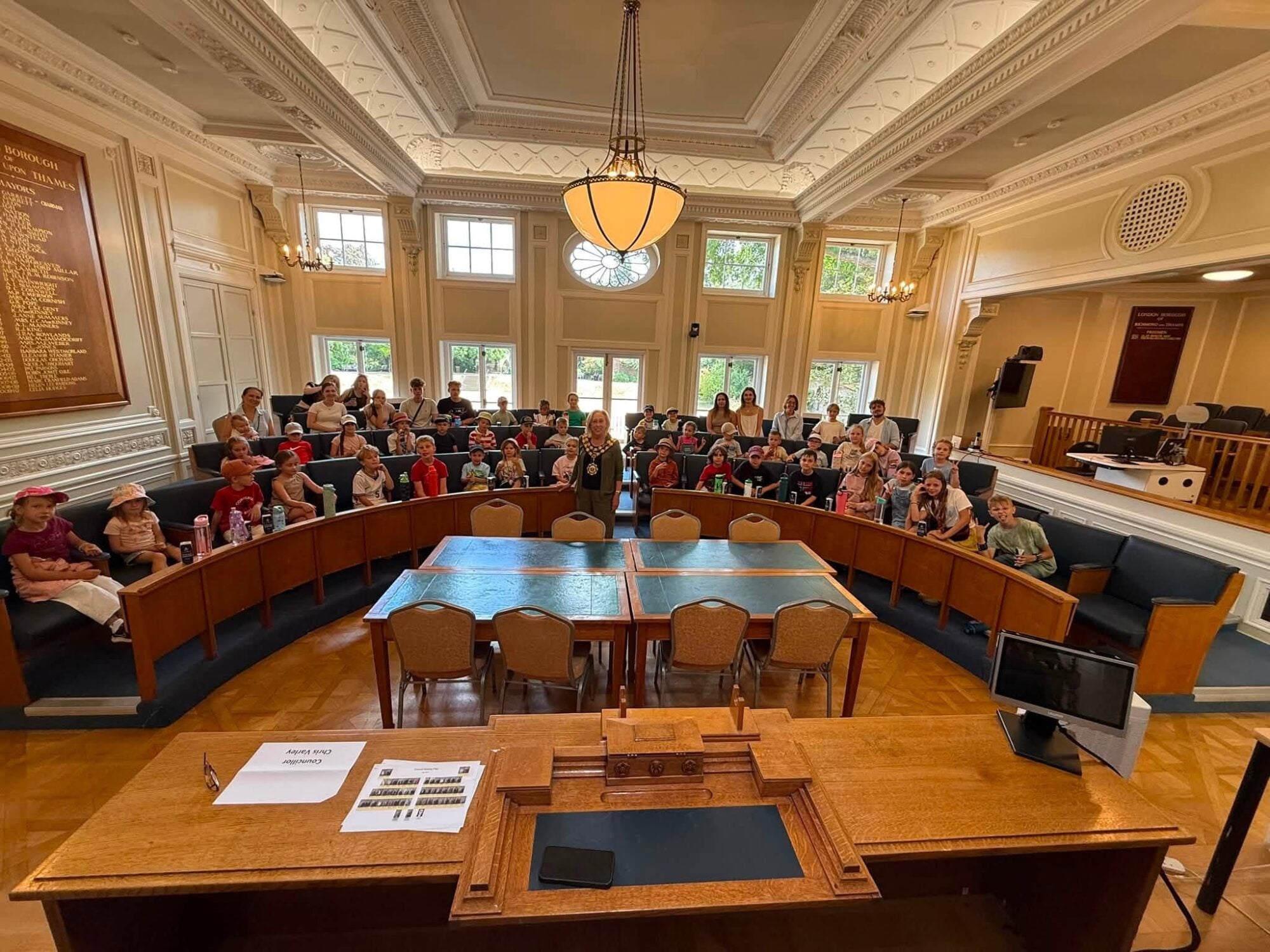
That is why the school did not want to isolate itself within the Ukrainian community from the beginning. Even before 2022, the team was building cooperation with local education departments, councils, and British schools so that Ukrainian children could integrate into British society while maintaining their connection to Ukrainian education.
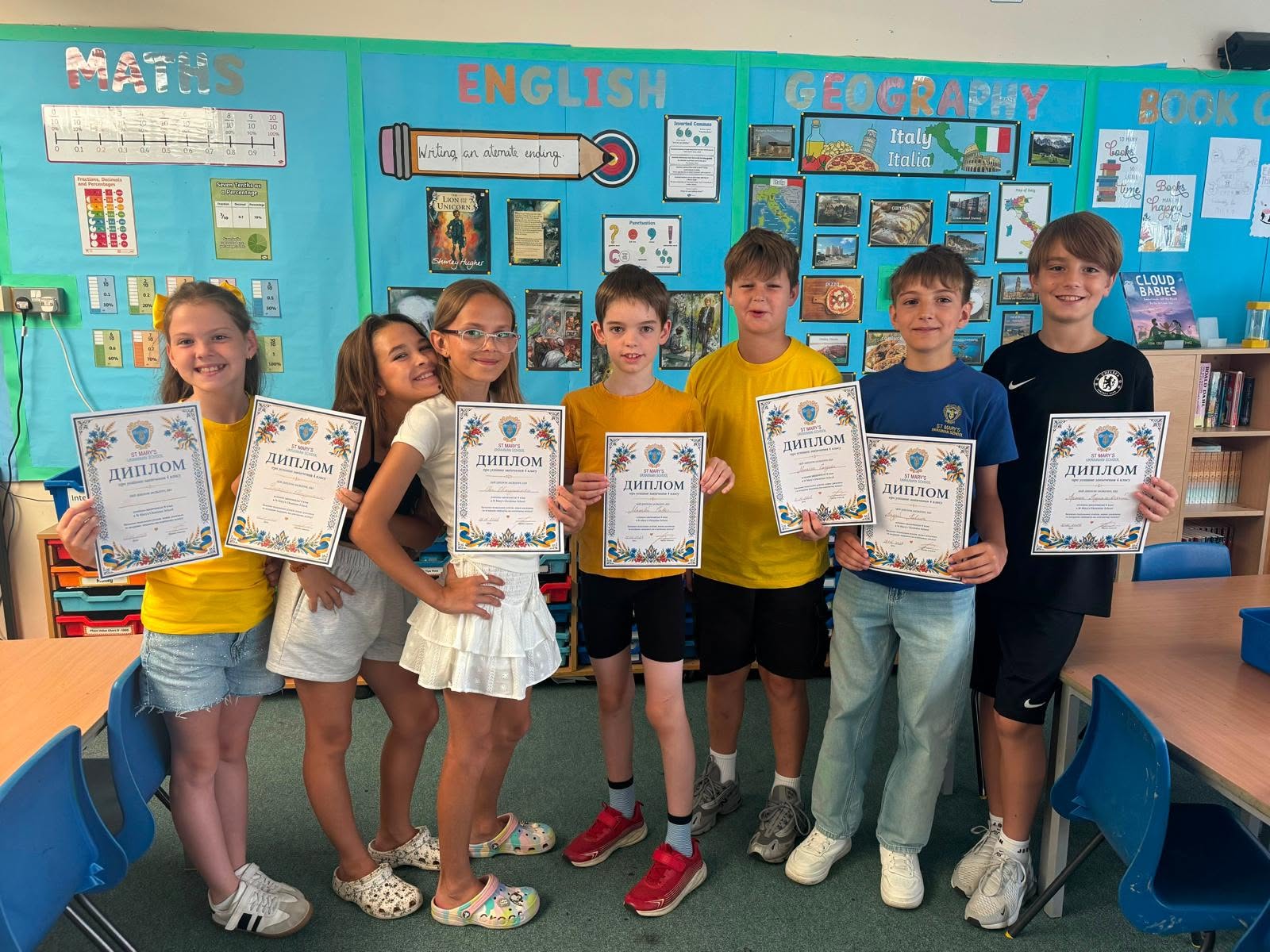
This cooperation also produced practical results. Some local councils began providing grants to cover the rental of spaces for classes. Last year, the country’s Saturday and Sunday schools underwent state verification, allowing them to issue certificates recognized within Ukraine’s education system. In May alone this year, the school issued about 120 such documents.
But even the ability to officially certify education does not solve the language issue. According to Ms. Inna, during the first one or two years after moving, children often looked forward to Saturday school as a place where they could freely speak Ukrainian and talk about what was troubling them. Over time, English begins to push out Ukrainian even during breaks.
This happens especially quickly with children who arrived in Britain at age eight or younger.
“It turned out that you can forget your native language,” Hryhorovych says.
According to her, parents began contacting the school more often about this issue last year. Some families who had not previously attended Saturday school or had stopped attending returned.
Keeping children in the Ukrainian education system is difficult for other reasons as well. According to Ms. Inna’s estimate, in the past, only about 20% of those who started elementary school went on to graduate.
Until last year, parents often had to provide their children with both remote learning in a Ukrainian school and attendance at a Saturday school in Britain because the latter’s educational results were not recognized in Ukraine. For families, this meant a double burden, and some ultimately gave up one of the formats.
The situation changed after state verification, but another problem remains: access to schools. According to the principal’s estimate, the St Mary’s Ukrainian Schools, together with schools run by the Union of Ukrainian Teachers in the United Kingdom, serve about 15–20% of the approximately 30,000 Ukrainian school-age children in the United Kingdom.
Ukrainian families live throughout the country, often far from one another. Children have to travel dozens of miles to existing Ukrainian schools. But not every family is willing to travel that far on weekends. For a small center that does not have at least 50–60 students, maintaining a full program becomes difficult.
From volunteering to employment
The resource problem concerns not only facilities and the number of students, but also the people working in the schools. In 2022-2023, the network expanded rapidly with almost no funding. New locations were opened essentially from scratch, relying on volunteers and the trust of partners.
Over time, it became clear that this was not enough for long-term operations. The board of directors decided to gradually move from a purely volunteer model to formal employment contracts.
According to Ms. Inna, this makes it possible to ensure stability and the quality of education – to have a teacher who works regularly, prepares for lessons, and can plan their work.
The staffing shortage remains, however. The school needs linguists, historians, geographers, and foreign-language teachers. Retaining staff is more difficult because the work involves about 40 Saturdays or Sundays a year, as well as preparation during the week.
Pay, which largely depends on parents’ membership fees, does not always compensate for all the time spent and travel costs.
“A place where you’re understood”
For Ms. Inna herself, the school became part of her life long before she became its principal.
In 2011, she brought her three-year-old daughter to Saturday school. That was when, she says, the community “took her in.” From then on, every Saturday, the family had a place where they could be among their own.
After 2022, this personal story took on a different scale. The school’s staff is predominantly female, and, according to Ms. Inna, this helped them quickly understand what mothers who came to Britain after the start of the full-scale war were going through.
She especially remembers the children who came to school in 2022 frightened and confused. Sometimes, trust was restored through the simplest things.
Ms. Inna recalls how a child’s face would change when they heard the question, “Borscht or varenyky for lunch?” A familiar taste and smell of home could do more than long explanations.
Today, the school is trying to do the same thing on a different level – to remain a place where Ukrainian children can preserve their language, culture, and sense of belonging while learning and living in British society.
Helping a child understand who they are in another country so they do not lose themselves – not for the country that has sheltered them and not for Ukraine – is one of the main tasks of Ukrainian educators abroad, Ms. Inna says.
“We feel unfairly privileged,” she says of herself and her colleagues. “So this is the least we can do for Ukraine and Ukrainian children.”
Latest news

 #GlobalAdvocacy
Russia seizes foreign businesses: Turning Kremlin blackmail into advocacy tool
 #LocalAction