

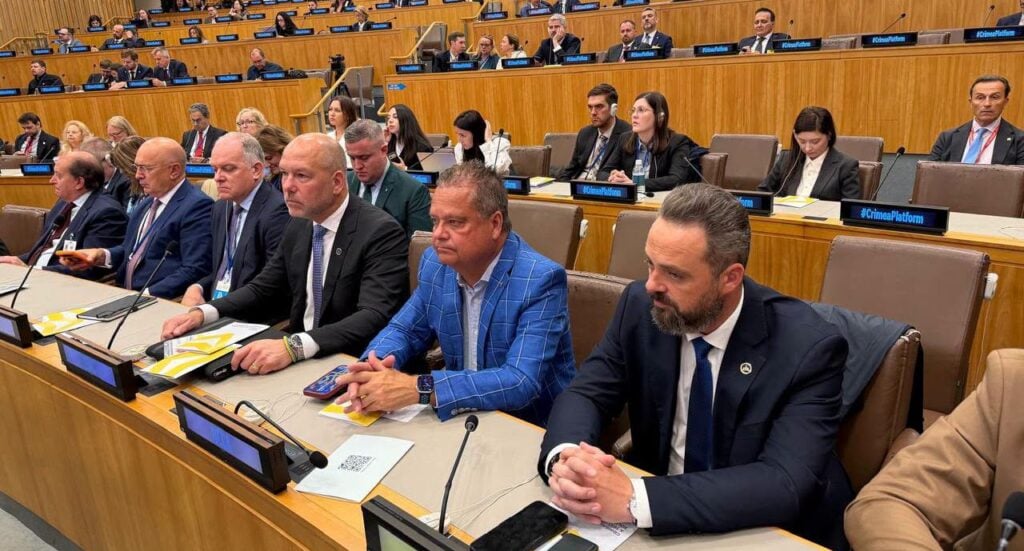


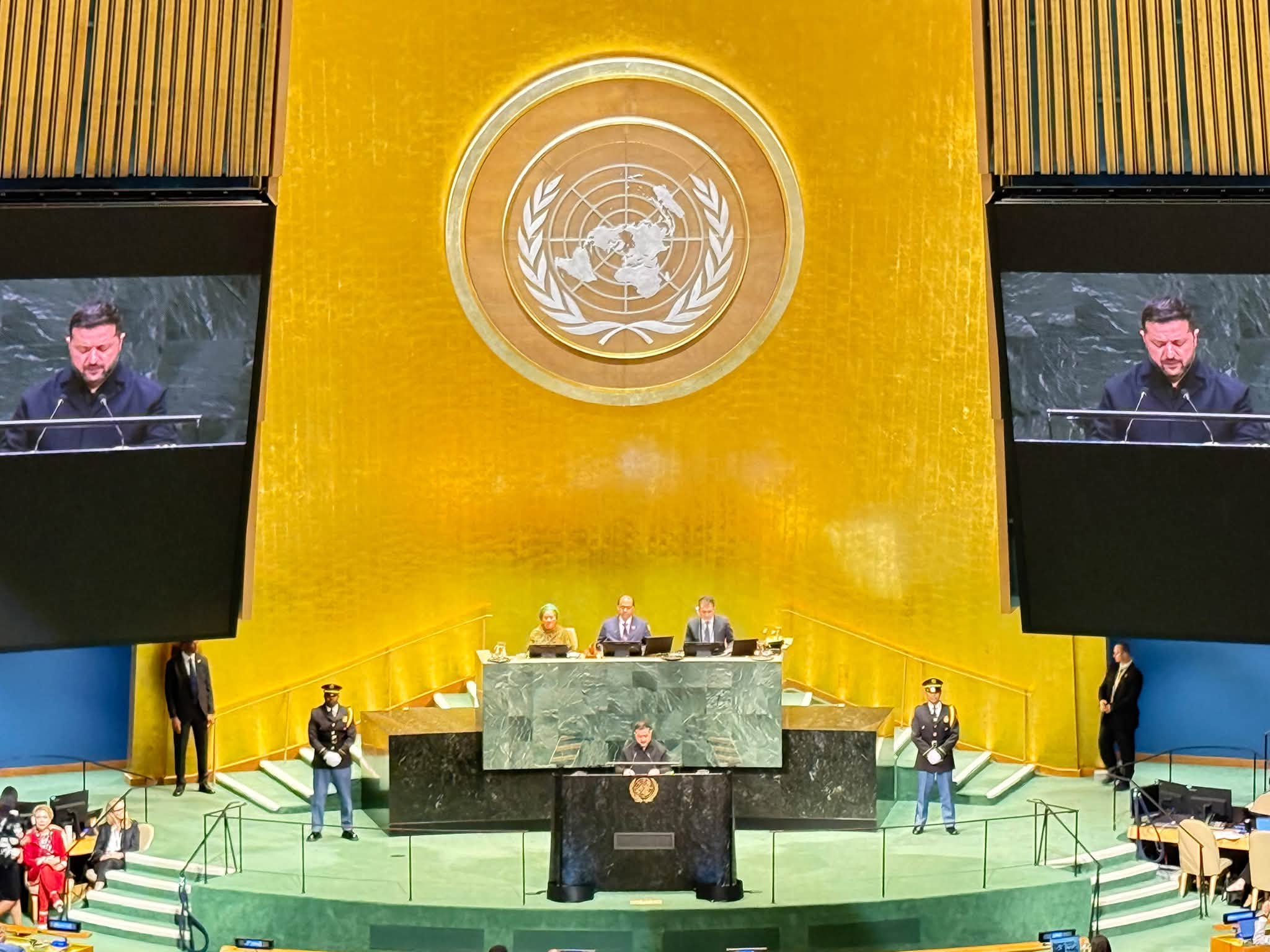
The high-level week of the 81st session of the United Nations General Assembly is underway in New York – one of the world’s most important diplomatic forums. This year, the forum has brought together representatives of all 193 UN member states, with around 130 heads of state and government participating in person. Ukraine remains among the key issues on the international agenda.
The Ukrainian World Congress (UWC) delegation at the General Assembly includes UWC President Paul Grod, Vice President Andriy Futey, Vice President for Eastern Europe Mykola-Myroslav Petretskyi, Board Member Kvitka Semanyshyn, and other representatives of the UWC leadership. Representatives of the World Federation of Ukrainian Women’s Organizations (WFUWO) have also joined the delegation.
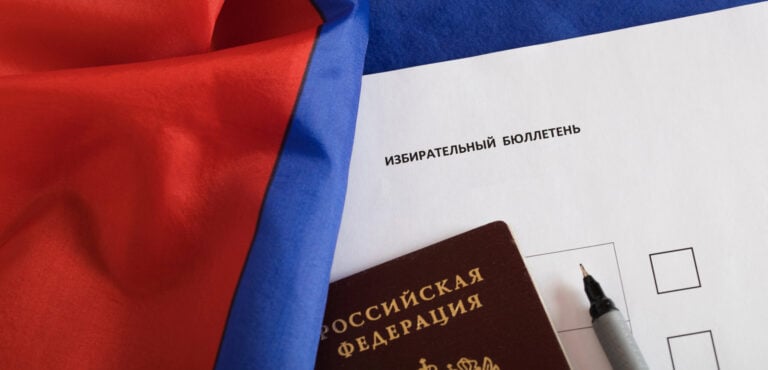
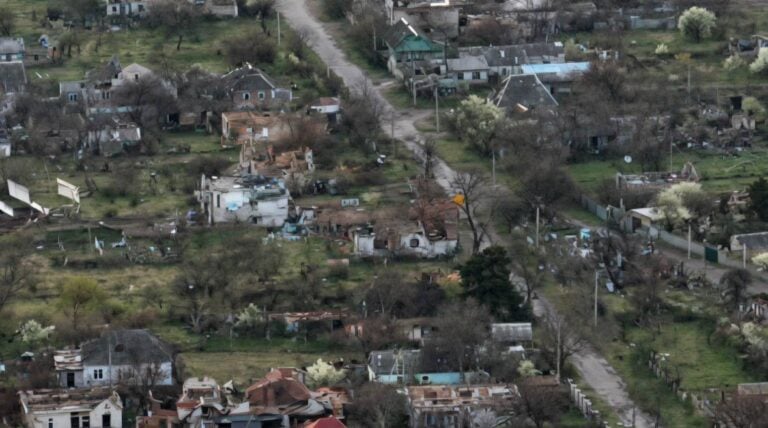
Since the beginning of the forum, UWC President Paul Grod has already issued two important statements – regarding the illegitimate elections in Russia and regarding the tragedy in occupied Oleshky – drawing the attention of the international community to the crimes of the aggressor.
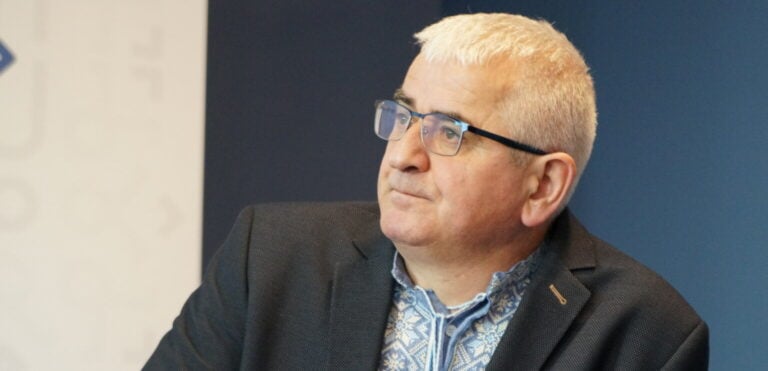
We spoke with UWC delegation member Mykola-Myroslav Petretskyi, Vice President of the Ukrainian World Congress for Eastern Europe, head of the Union of Ukrainians of Romania (UUR), and a member of the Romanian Parliament, about the real levers of influence available to Ukrainian diplomacy, the state of the international security system, and the role of Eastern European countries.
The alternative to international law is the ‘law of the jungle’
Although resolutions of the UN General Assembly do not have a direct enforcement mechanism, refusing to participate in this forum would be a fatal mistake, Petretskyi says.
The current international security system is experiencing serious failures, and a telling manifestation of this is the violation of Ukraine’s sovereignty by another member of the UN Security Council – the Russian Federation – which has completely disregarded its obligation to uphold peace. Romanian President Nicușor Dan also spoke directly about this from the UN’s main podium, the UWC Vice President adds.
“We are victims of the current failure of the postwar system of international relations, which makes our obligation to restore it as quickly as possible even more urgent,” he emphasizes. “The alternative to restoring such a system, with the UN and its institutions at its center, would be the ‘law of the jungle.’ And the absence of a functioning system of international law would have far more dramatic consequences for our countries than its current dysfunction.”
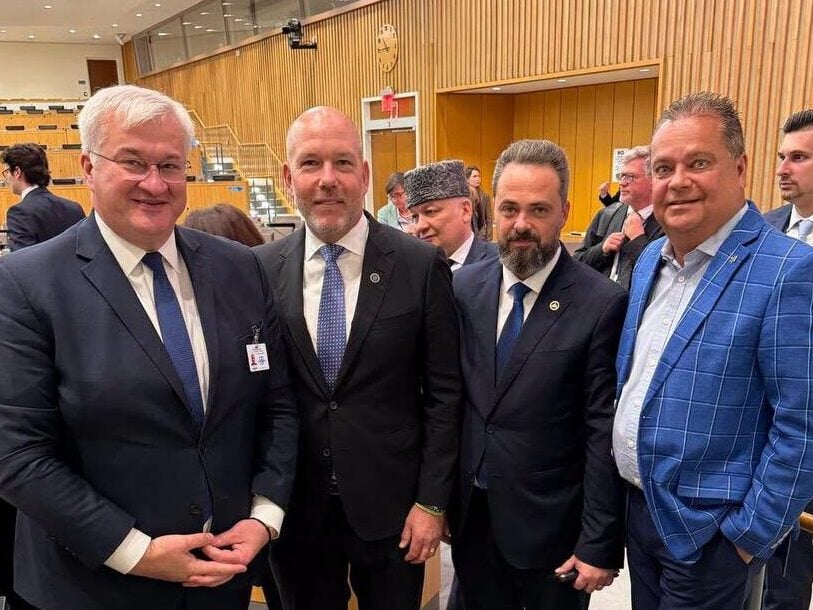
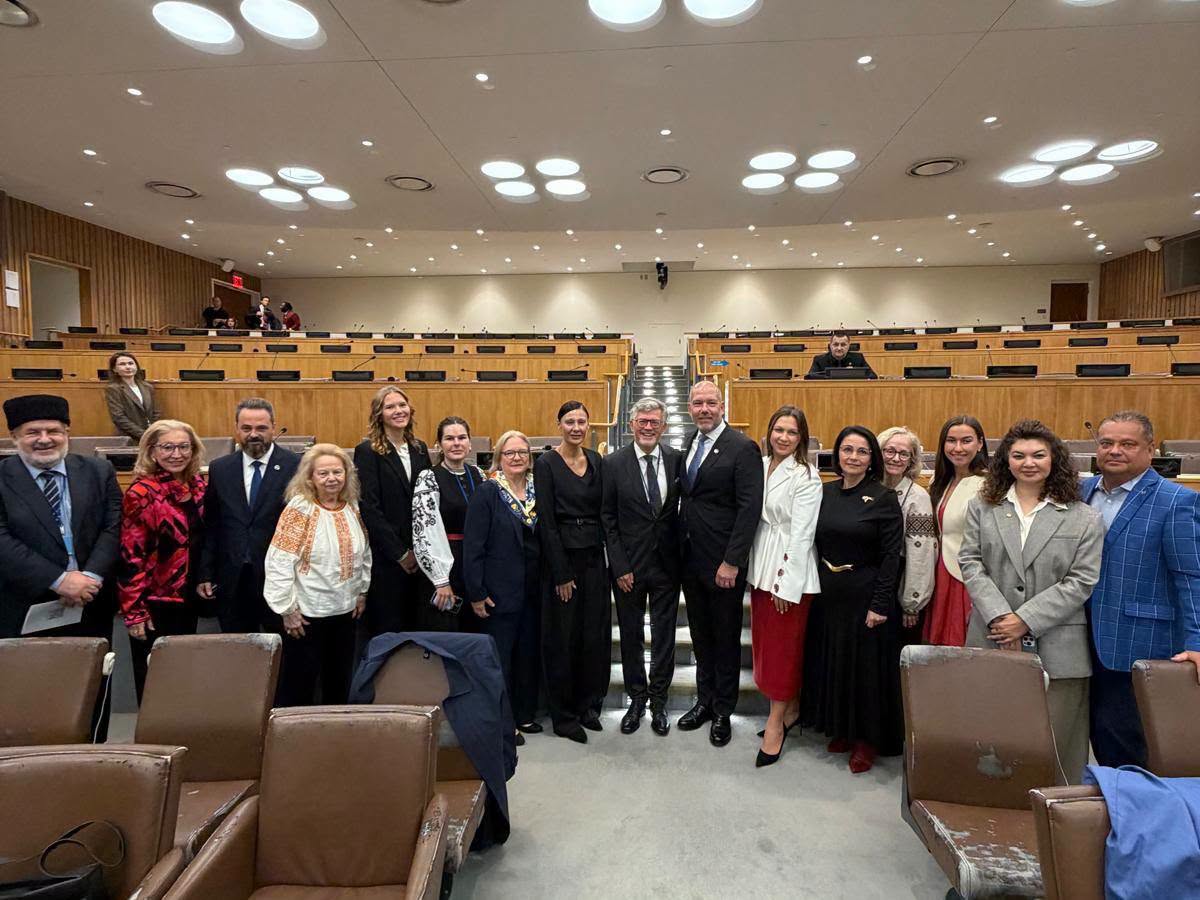
Being present at the General Assembly makes it possible to keep issues that are critical for Ukraine on the global agenda. It is a platform for shaping decisions, increasing pressure on the aggressor, strengthening alliances, and engaging new partners. A strict and reliable system of international law is necessary to protect the sovereignty of states in the future and deter any actors pursuing revisionist policies.
Among other things, Petretskyi highlights the International Crimea Platform – an international coordination mechanism aimed at the de-occupation of the peninsula. The platform’s main summits are now held directly at the UN Headquarters in New York.
Although the necessary conditions for a diplomatic settlement of the de-occupation have not yet been created, Ukraine puts forward unwavering legal, historical, and moral arguments. At the UN General Assembly level, a range of positions remains – from imperative demands for the Russian Federation to withdraw its forces from all occupied territories to opposing statements from countries aligned with Moscow.
“The core of Ukraine’s supporters remains strong and influential at the global level,” the UWC Vice President notes. “Ukraine’s arguments and the lobbying efforts of its friends will ultimately create the necessary pressure to shape a diplomatic solution. But it cannot emerge from silence and inaction.”
Strategic role
In the corridors and official meetings of the General Assembly, there is a growing desire across the world to bring armed conflicts to an end as quickly as possible, Petretskyi says. The political, social, and economic costs resulting from Russia’s revanchist policies are increasing in Europe, the Americas, Asia, and Africa.
At the same time, the concept of “peace” is being interpreted differently around the world. Most leaders emphasize the need for a just and lasting peace that will ensure the protection of the country that has been the victim of aggression and prevent its recurrence. Such approaches were expressed particularly clearly in the remarks of the presidents of Finland, France, and Romania, as well as the Prime Minister of Canada.
At the same time, there have also been isolated calls for the war to end as quickly as possible regardless of the conditions, which can create a false equivalence between the aggressor and the victim.
“Concern and impatience are growing,” Petretskyi emphasizes. “The task of Ukraine and the UWC is to highlight the destructive consequences of a peace that encourages the aggressor. At the same time, I have not felt any direct hints or pressure on Ukraine in New York demanding that it accept unacceptable compromises.”
The UWC Vice President also noted that although events in the Middle East initially diverted attention from Ukraine, today both conflicts are viewed by the international community as interconnected elements of a global crisis requiring urgent political and diplomatic intervention.
As part of the high-level week, the UWC delegation is participating in meetings of the UN Security Council, the UN General Assembly, the summit of the International Crimea Platform, and numerous informal meetings. The main goal is to expand working contacts with heads of state, engage new government policies, and advocate for projects supporting Ukraine.
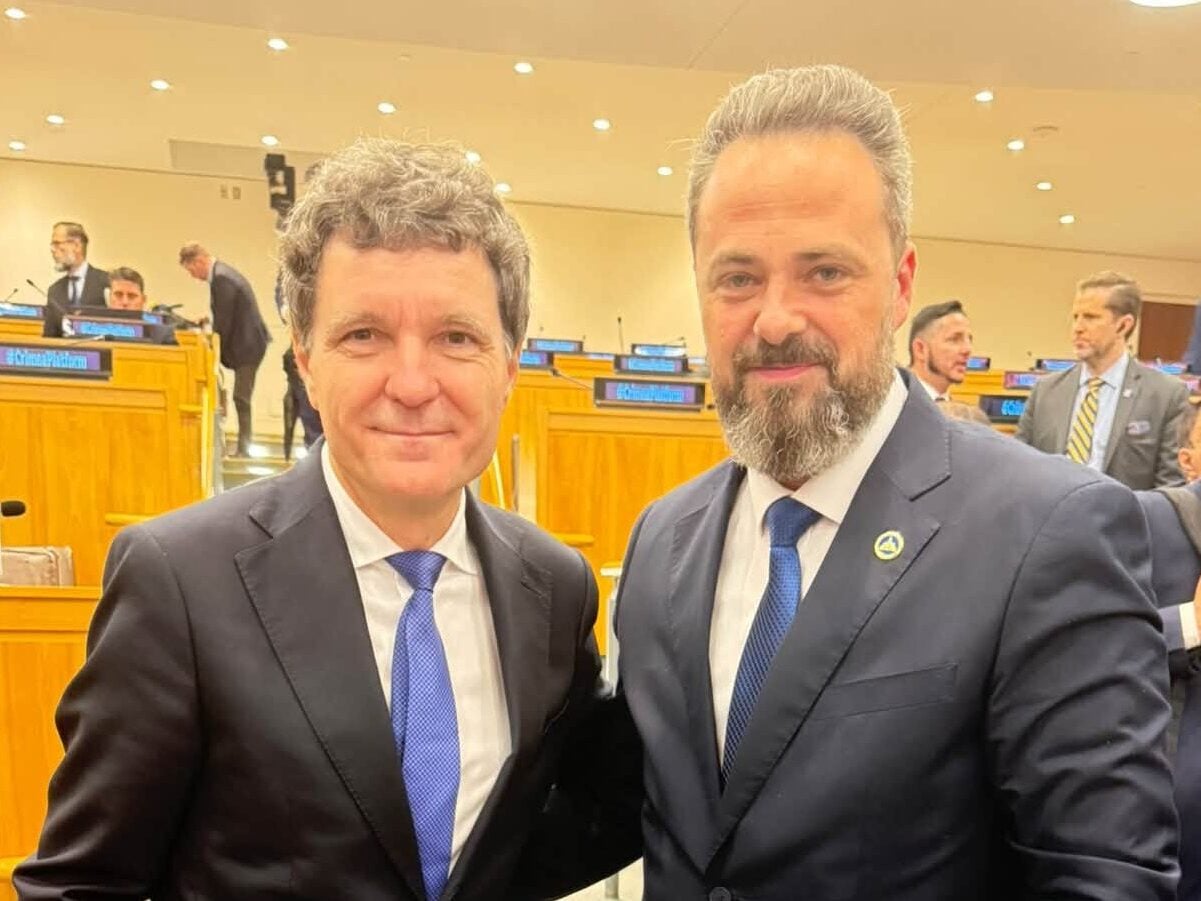
Mykola-Myroslav Petretskyi paid particular attention to the position of Central and Eastern European countries, especially Romania, Poland, and the Baltic states. The countries on NATO’s and the EU’s eastern flank are the ones most aware of the threats posed by Russian revanchism and are working to counter the spread of “war fatigue.”
The countries of the region play a critically important role in supporting Ukraine, including by ensuring the functioning of the “solidarity lanes” for the export of Ukrainian agricultural products, restoring energy infrastructure and expanding the network of interconnectors, providing military and technical assistance, facilitating transit and shaping future security guarantees, as well as sheltering millions of Ukrainian refugees and promoting financial support, grant programs, and sanctions packages at the EU level.
“Romania is and will remain among Ukraine’s leading partners. The level of war fatigue in Romanian society is lower than in many other European countries, while the government is pursuing a consistent strategic policy of support,” the UWC Vice President concluded.
Following the delegation’s work in New York, the UWC will conduct a detailed analysis of the agreements reached in order to further develop new international initiatives in defense of Ukraine, Petretskyi concluded.
Latest news
 #LocalAction
Kyiv, Warsaw, and Russian threat: How Ukrainians in Poland preserve dialogue
 #CallToAction