



After a year and a half of legislative work, the US House of Representatives on Sept. 16 finally approved the “sanctions bill from hell” initiative against Russia and Iran co-authored by the late Senator Lindsey Graham.
Hours of debate, behind-the-scenes and private talks, shifts in the positions of key players, and major compromises – all the way to the end, passage of the bill was considered unlikely.
Among other measures, the bill provides for tariffs of up to 100% on the largest buyers of Russian energy, sanctions against Russia’s leadership, banks, energy projects, and “shadow fleet,” as well as tariffs of up to 500% on direct imports from Russia. The decision to impose the restrictions would be made by US President Donald Trump.
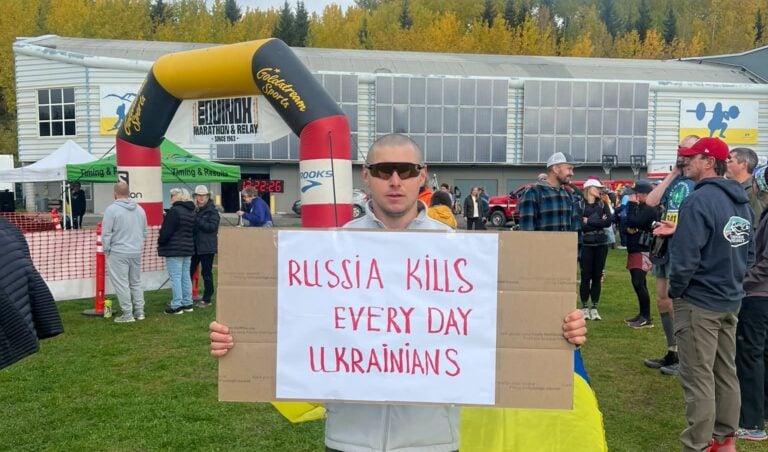
Alongside the long diplomatic lobbying effort, the Ukrainian community in the US has also been working systematically. Hundreds of Ukrainians from different states have consistently urged American lawmakers, among other things, to strengthen sanctions against Russia.
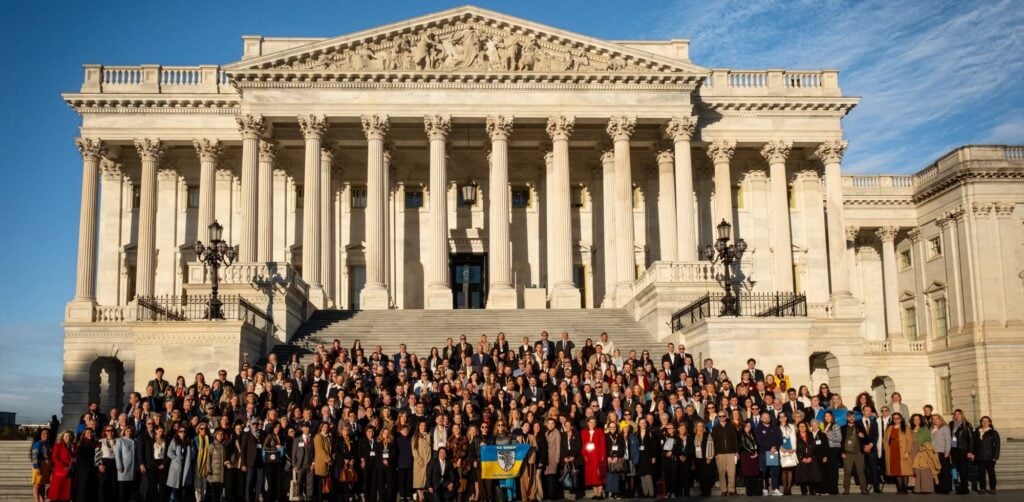
For several years, one of the main platforms for this work has been the large-scale Ukraine Action Summit, an advocacy initiative in Washington led by the American Coalition for Ukraine. The event brings together supporters of Ukraine to lobby Congress for continued support for Kyiv.
We spoke with Marta Farion, board member of the Ukrainian Congress Committee of America Illinois Division (UCCA), vice president of the Ukrainian World Congress (UWC) for North America, president of Kyiv-Mohyla Foundation of America, about how Ukraine’s advocates are trained, what is currently on the US agenda, and whether Trump’s return to power has changed the way they communicate with American audiences.
Below is Ms Farion’s direct account, edited and shortened for easier reading.
The tone of the conversations has changed
Over the years of the full-scale invasion, American public attitudes toward the war in Ukraine have understandably changed. As a result, the arguments Ukrainian delegates bring to meetings with members of Congress have also changed. In 2022-2023, the conversation was largely shaped by a moral argument. Today, there is a need to talk about the security and strategic interests of the US itself.
In 2022, things were fairly clear to many Americans: Russia attacked Ukraine, so this was an obvious injustice. Americans are a fairly religious people, so society here places a high value on the idea of justice.
Ukraine itself also made a strong impression. Americans watched with surprise and admiration as Ukrainians resisted. At the beginning of the full-scale war, people were told that Ukraine would fall within three to five days – but that did not happen. Instead, the world saw the extraordinary courage of Ukrainians, both men and women, who volunteered to go to the front and defend their country.
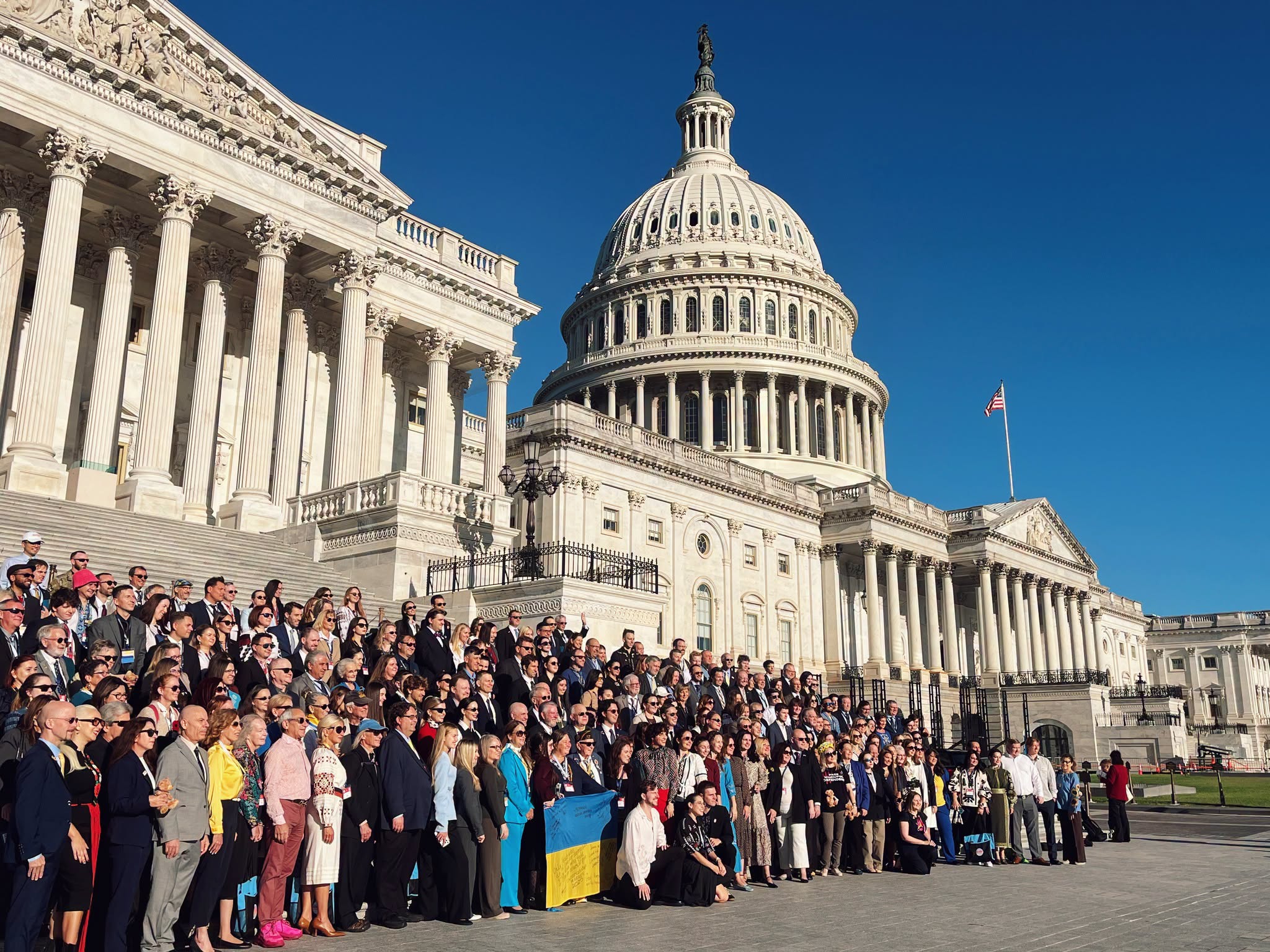 Ostap Yarysh/Facebook
That feeling has not disappeared, but talking to American politicians has become more difficult. The economic situation in the United States has changed, and it is becoming harder for people to afford basic needs, from fuel to food. At the same time, many Americans do not always understand why the United States should be involved in conflicts in different parts of the world. Against the backdrop of other international crises – the war in the Middle East, tensions around Venezuela, and other conflicts – the issue of Ukraine is no longer viewed by part of society as clearly as it was in 2022.
That is why both citizens and politicians now need to be persuaded much more. They need to understand that supporting Ukraine is also a matter of US national security. If Ukraine loses, the consequences will affect not only Europe but also America’s position in the world.
Political polarization also plays a huge role today. Republicans, for the most part, are reluctant to openly oppose President Donald Trump, while Democrats are in the opposition. This is a fundamentally different political situation from 2022.
Still, public support for Ukraine in the US remains an important factor. General polls show that a significant share of Americans continues to support Ukraine and oppose Russian aggression. In the end, politicians must consider the views of their voters – especially at the local level, where they directly depend on their support.
Three main arguments
In conversations with members of Congress, delegates first emphasize US security. The main argument is that supporting Ukraine today is a way to prevent a situation in which America would have to send more of its military personnel to different parts of the world tomorrow and risk American lives.
Ukraine is at the center of global geopolitical changes – essentially, Ukraine is fundamental in the process of transformation of the global balance of power. On one side, cooperation between Russia, China, and North Korea. On the other, a challenging relationship between the US and its Western allies. How the war ends will have a major impact not only on Europe’s security but also on the role and position of the United States in the world.
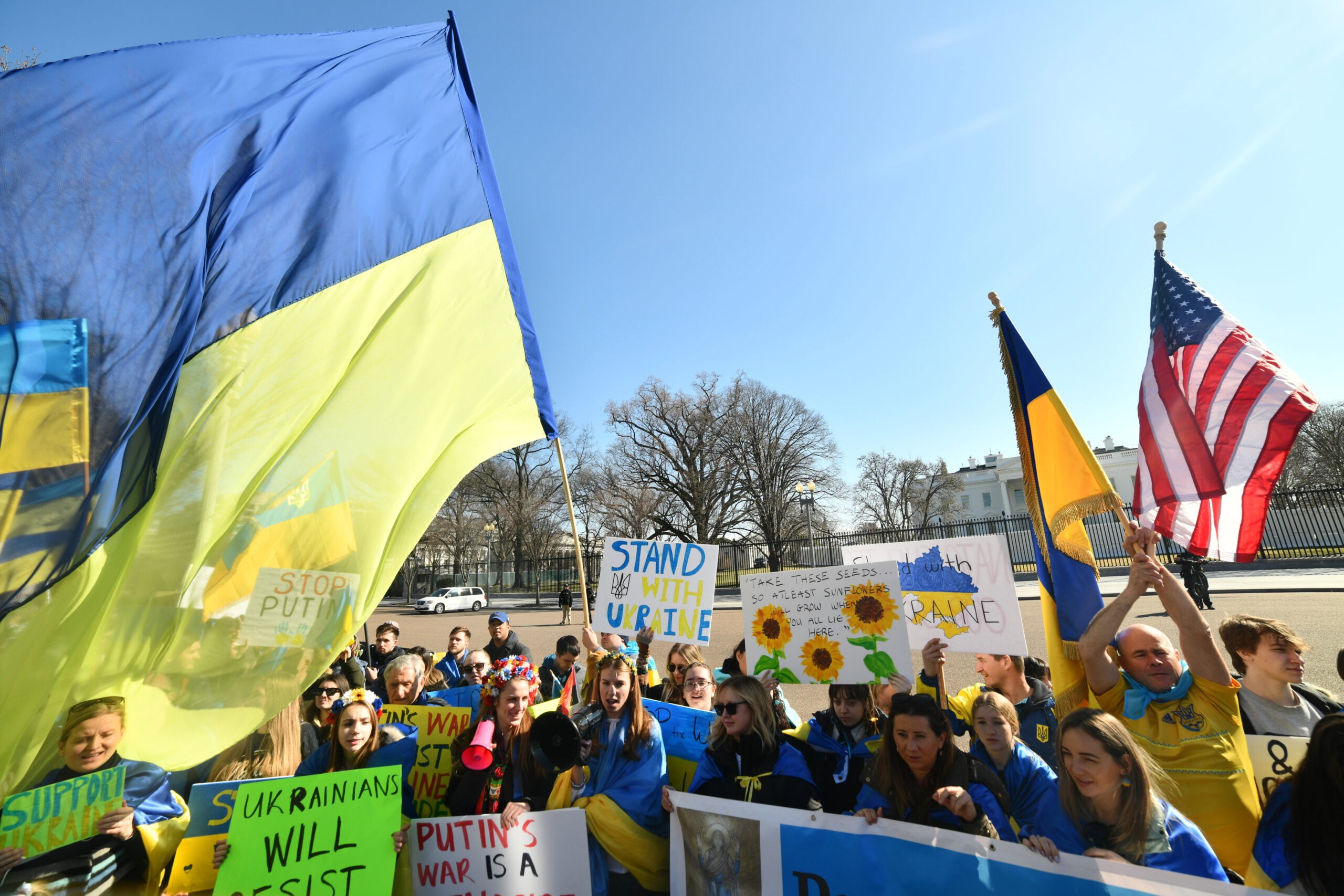

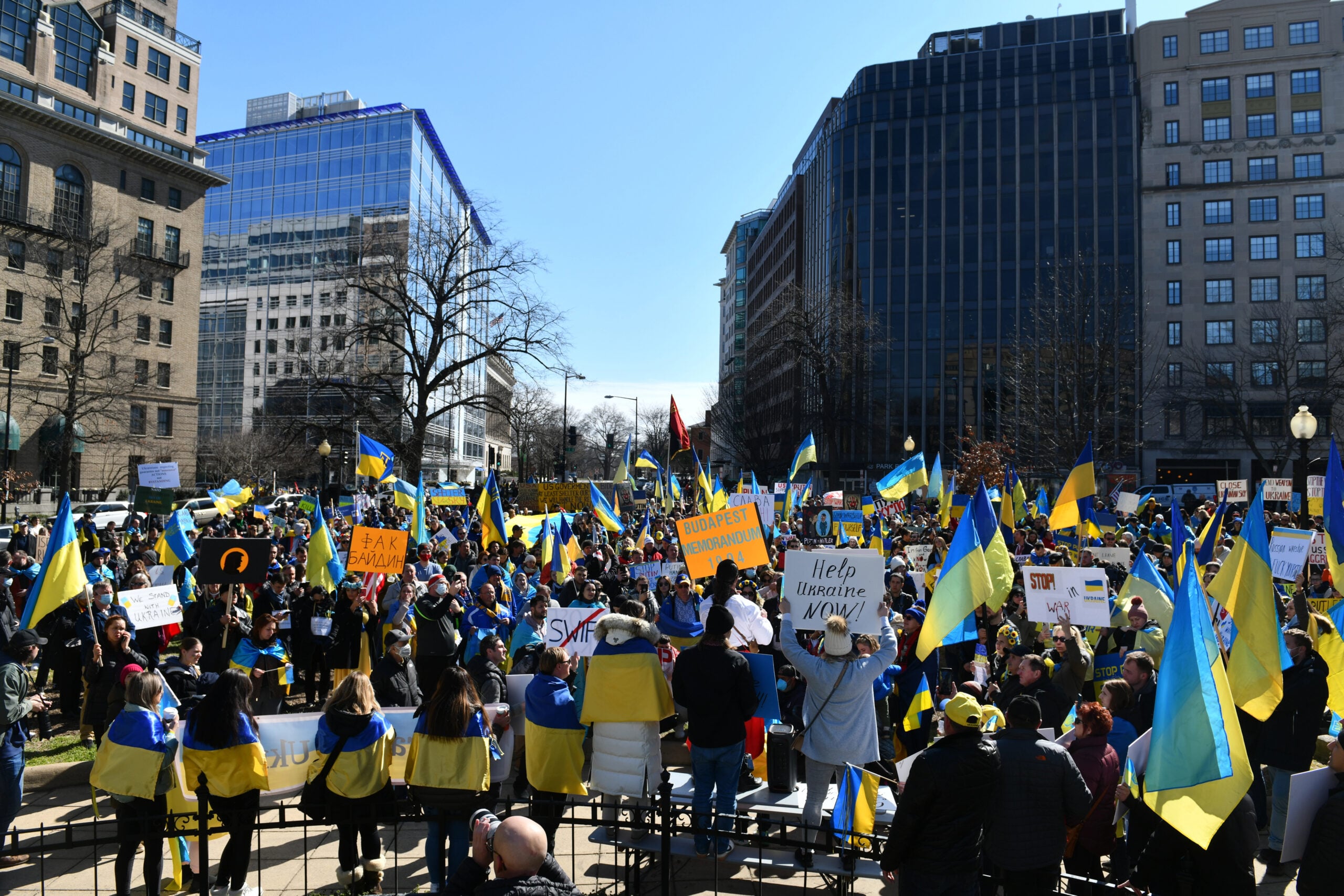
The second argument concerns the state of democracy in Western countries and around the world. Authoritarian states are trying to show that dictatorship is more effective than democracy. Americans understand when explaining that the issue is the defense of democracy and freedom, but it is an abstract issue.
But the strongest argument is economic. The Trump administration is pursuing a policy focused on business and financial dominance, but America is losing as a result. Business with Russia strengthens Russia itself, as well as China and other countries that are enemies of the United States. People understand this when it is explained to them.
Voice of the People
It is important that Ukraine be discussed not only by diplomats or professional lobbyists but also by the people from Ukrainian communities. These are the people Americans and members of other ethnic communities interact with every day – in their cities, at work, in schools, churches, and community organizations. When someone says, “I’m from Ukraine, I have relatives there, I know what is happening there, and I can tell you about it from my own experience,” people often listen more closely.
Diplomacy is professional work, and diplomats genuinely need clear and effective communication materials. But such materials are just as important for communities. Informative videos, accessible explanations, and high-quality materials are needed by Ukrainians in different countries around the world because they allow people to talk about Ukraine with their friends, colleagues, and neighbors. This is how people develop an understanding of what is happening in Ukraine – not only through official statements, but also through personal stories and direct communication.
The Ukrainian Congress Committee of America (UCCA), established in 1940 after the invasion of Ukrainian lands, became the official representative of the Ukrainian-American community to advocate for the community and for Ukrainian independence. As an umbrella of community organizations, today the UCCA organizes advocacy and events to enhance Ukrainian identity, promote support of Ukraine in Congress, and help Ukraine’s humanitarian needs.
After the 2022 full-scale Russian invasion of Ukraine, new immigrants from Ukraine, Americans of Ukrainian descent, and Americans with no Ukrainian roots from states around the country organized the American Coalition for Ukraine (ACU). The ACU organizes an Action Summit twice per year in Washington, when hundreds of young people unite to descend on the U.S. capital to advocate for support of Ukraine.
On Sept. 12-16, 2026, over 600 delegates registered to attend the Ukraine Action Summit to promote passage of the Lindsey Graham Bill to enforce sanctions against Russia. Their efforts were successful – the Bill passed and became law.
Before meeting with members of Congress, delegates receive special training. Organizers devote an entire day to it, explaining how to behave in Congress, how to acquire a professional appearance, how to greet people, how to introduce yourself, and how to clearly explain whom and what you represent.
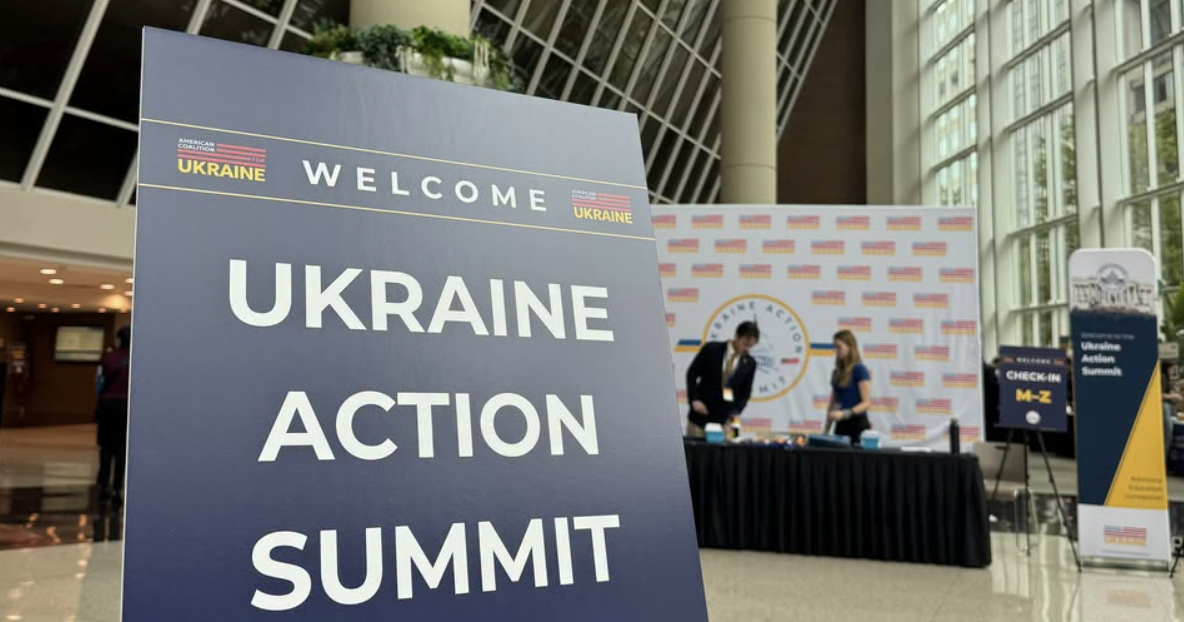
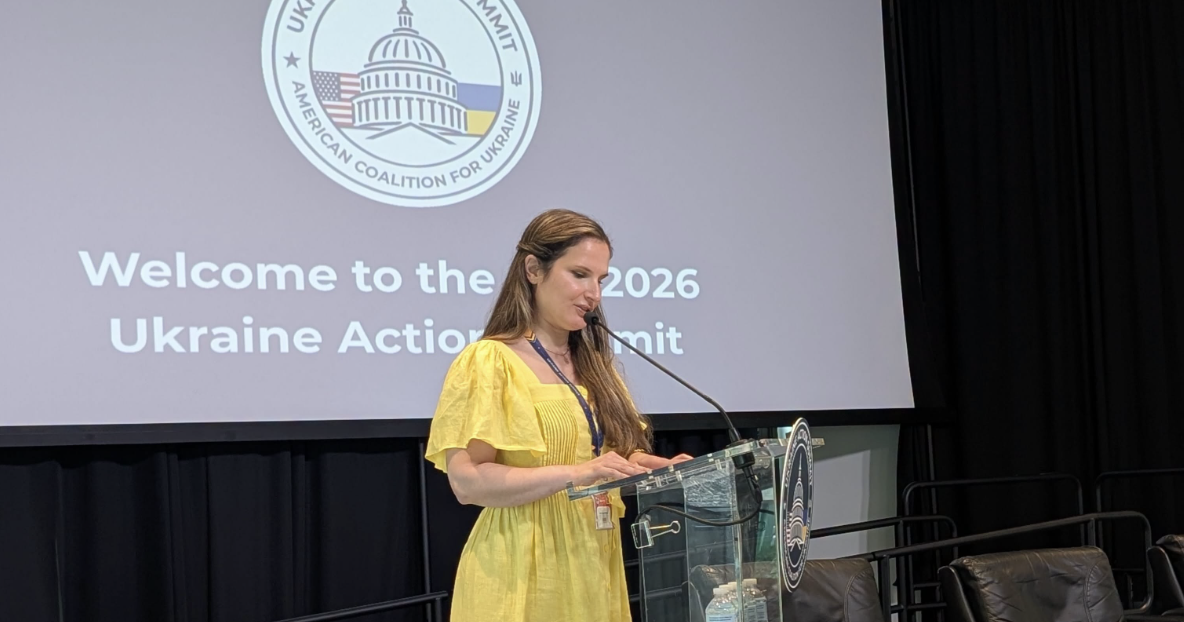

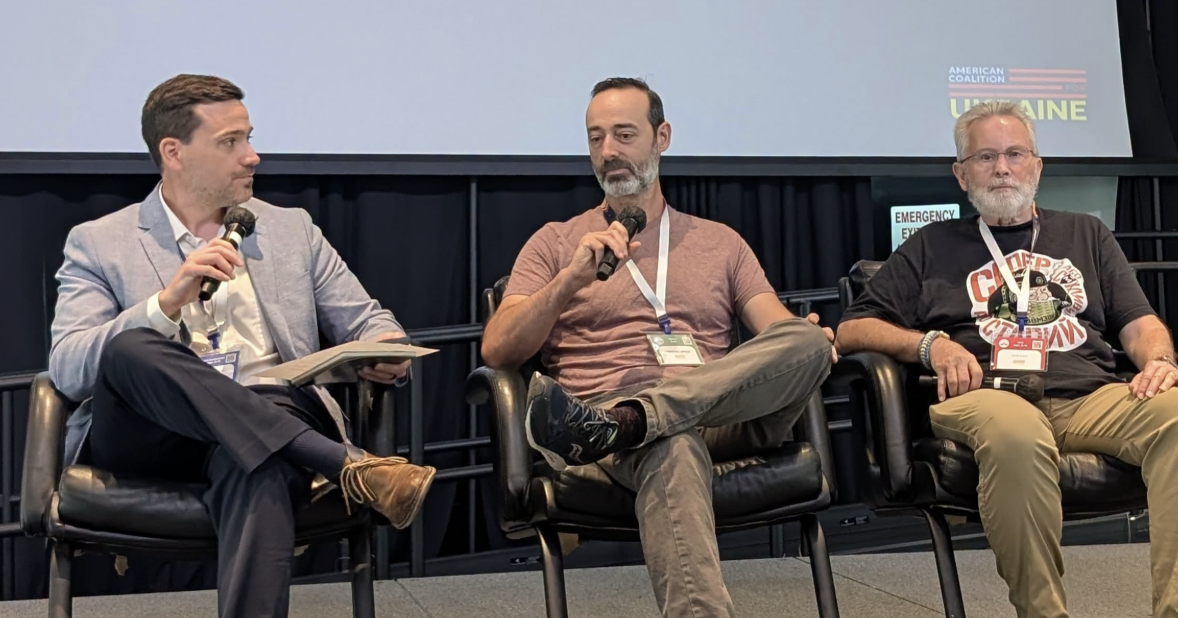
A delegate should come to a meeting with prepared questions and specific requests, rather than simply talk about Ukraine. It is important to immediately explain who you are, why you came, and what you want from the member of Congress.
The main topics of the fall summit included strengthening sanctions against Russia, with a focus on the Lindsey Graham bill. But also, the safe return of Ukrainian children illegally taken by Russia, and deeper defense and economic cooperation between the United States and Ukraine.
Practical advice for communities
Every community can be an ambassador for Ukraine, not only by talking about its culture but also by explaining Ukrainian interests and countering Russian disinformation.
A few practical tips for Ukrainian communities:
- Preserve Ukrainian identity – support the Ukrainian language, Ukrainian studies schools, dance, music, traditions, and cultural events.
- Do not isolate yourselves within your own community – interact more with local communities, introduce them to Ukraine, and involve people of other nationalities.
- Promote Ukrainian culture on major platforms – support the best Ukrainian ensembles, orchestras, films, and artists so they are represented internationally.
- Use the professional potential of the community – involve Ukrainians working in business, universities, media, and other influential fields in advocacy for Ukraine.
- Counter Russian disinformation – especially where Russian influence is strong, and teach young people how to respond to manipulation.
- Work with the government and diplomats – communities, diplomats, and Ukrainian state institutions should complement one another’s work.
The world’s attitude toward Ukraine has changed dramatically in recent years. In the past, people had to explain where Ukraine was located and that it was not Russia. Today, Ukraine is known around the world, people admire the courage of its citizens, and its important role in global security is recognized.
That is why every Ukrainian should feel personally responsible for their country. Each of us should be its ambassador.
Latest news
 #UWC news
UWC funded armored ambulances evacuate wounded after deadly Russian attack on Kramatorsk

 #LocalAction