

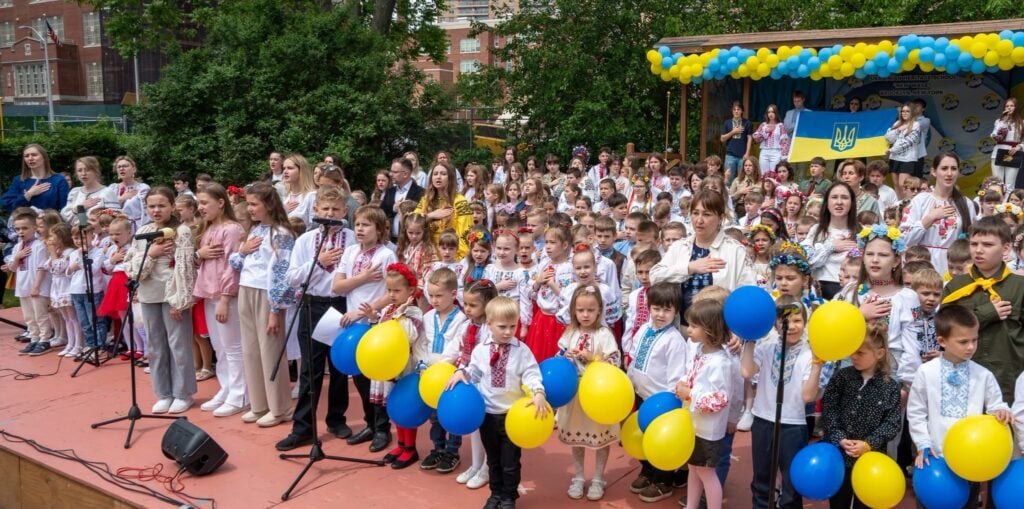


In 1953, at the height of the postwar wave of immigration, the Educational Council was established in the United States. On a new wave of immigration, and 73 years later, it continues to coordinate the work of more than 40 Ukrainian schools – from New York to the West Coast.
In an interview with the Ukrainian World Congress (UWC), Myroslava Rozdolska spoke about the state of Ukrainian education in the US today, the challenges it faces, and how one Brooklyn school grew to 600 students in ten years.
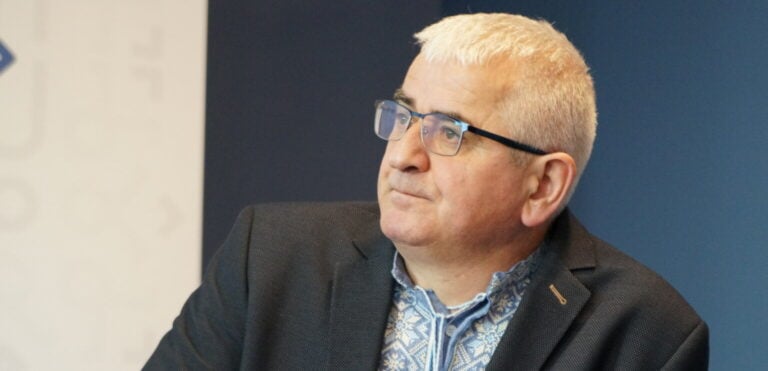
Myroslava is a community activist and educator with many years of experience. She heads the Educational Council of the Ukrainian Congress Committee of America (UCCA) and is also the founder and director of New Wave (Nova Khvylka) Ukrainian studies school in New York.
Below is her direct account, edited and shortened for ease of reading.
The ‘Education ministry’ of the Ukrainian community in the US
The UCCA Educational Council was established in 1953, during the postwar period, when the Ukrainian community in the US was growing rapidly, and the number of Ukrainian schools was growing along with it. A common space was needed to bring these separate initiatives together, help establish unified approaches to education, and develop curricula and textbooks.
Over time, this evolved into a structure that, for many years, has effectively served as an educational coordinator for Ukrainian schools in the US. It brings together Ukrainian studies schools, develops and updates curricula, supports educators, and, in the most recent stage of its history, monitors changes taking place in Ukraine to ensure that Ukrainian education overseas remains connected to them.
Today, more than 40 schools are part of the Educational Council, and the network continues to expand. Growth is particularly noticeable on the West Coast of the US, where new, often small schools are being established. Some of them begin with cultural activities – singing, dancing, and folk traditions.
Over time, however, these centers move toward structured education in the Ukrainian language, literature, history, and culture. The Educational Council sees one of its key functions as helping new schools develop not simply into cultural clubs, but into full educational programs.
At the same time, Ukrainian education in the US is undergoing a period of significant renewal. The old textbooks that had been used for decades no longer meet the needs of either modern Ukrainian education or children growing up in a very different linguistic environment. That is why one of the Educational Council’s priorities has become the creation of new educational materials based on the model curricula of Ukraine’s Ministry of Education, with the necessary adaptations for American realities.
There is an important difference here: a child in Ukraine has an entire school week available for learning, while a child attending a Saturday Ukrainian studies school has only about 33 instructional Saturdays a year. During that limited time, the school needs to provide instruction in language, literature, history, and culture without overwhelming students with material they will not have enough time to absorb.
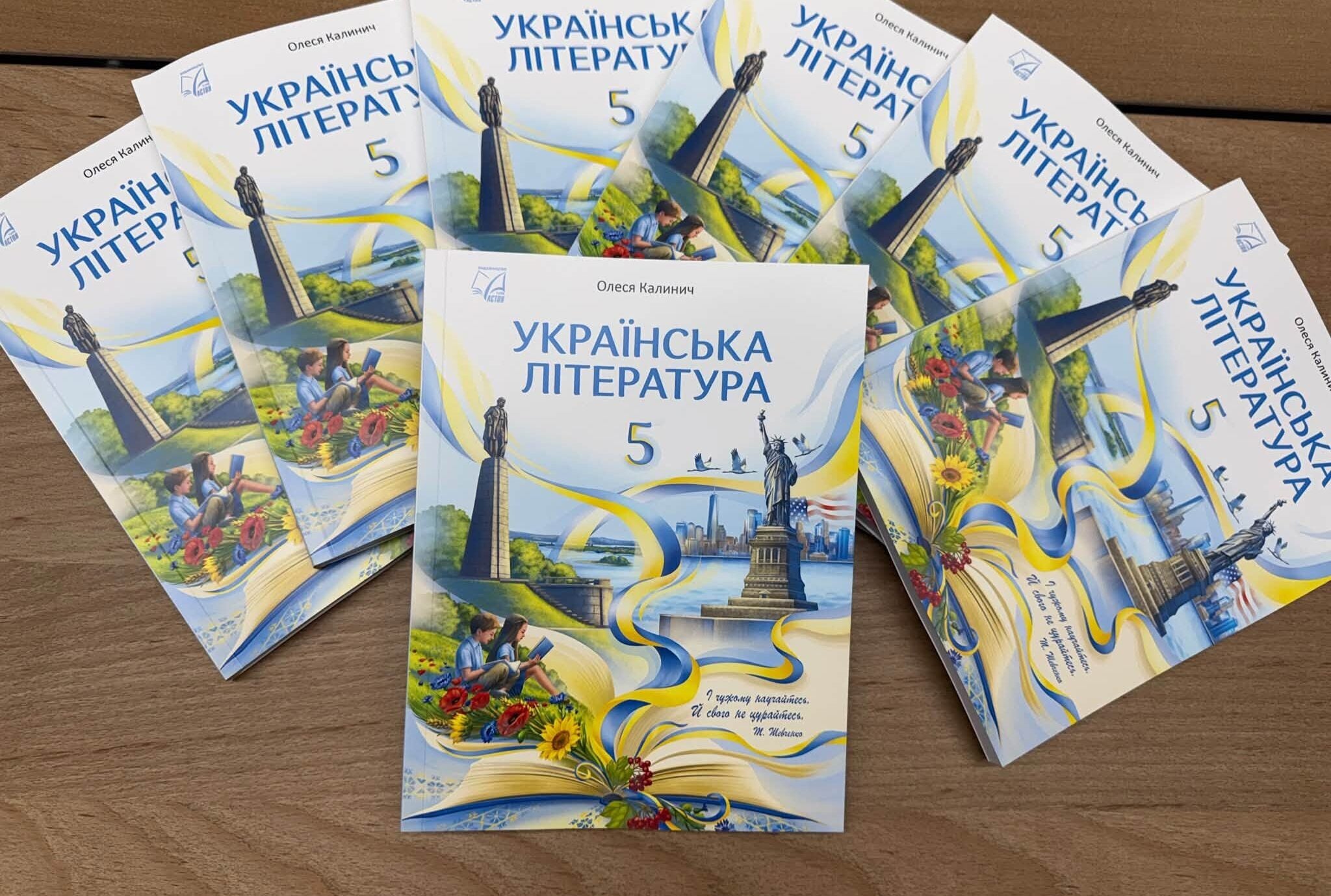
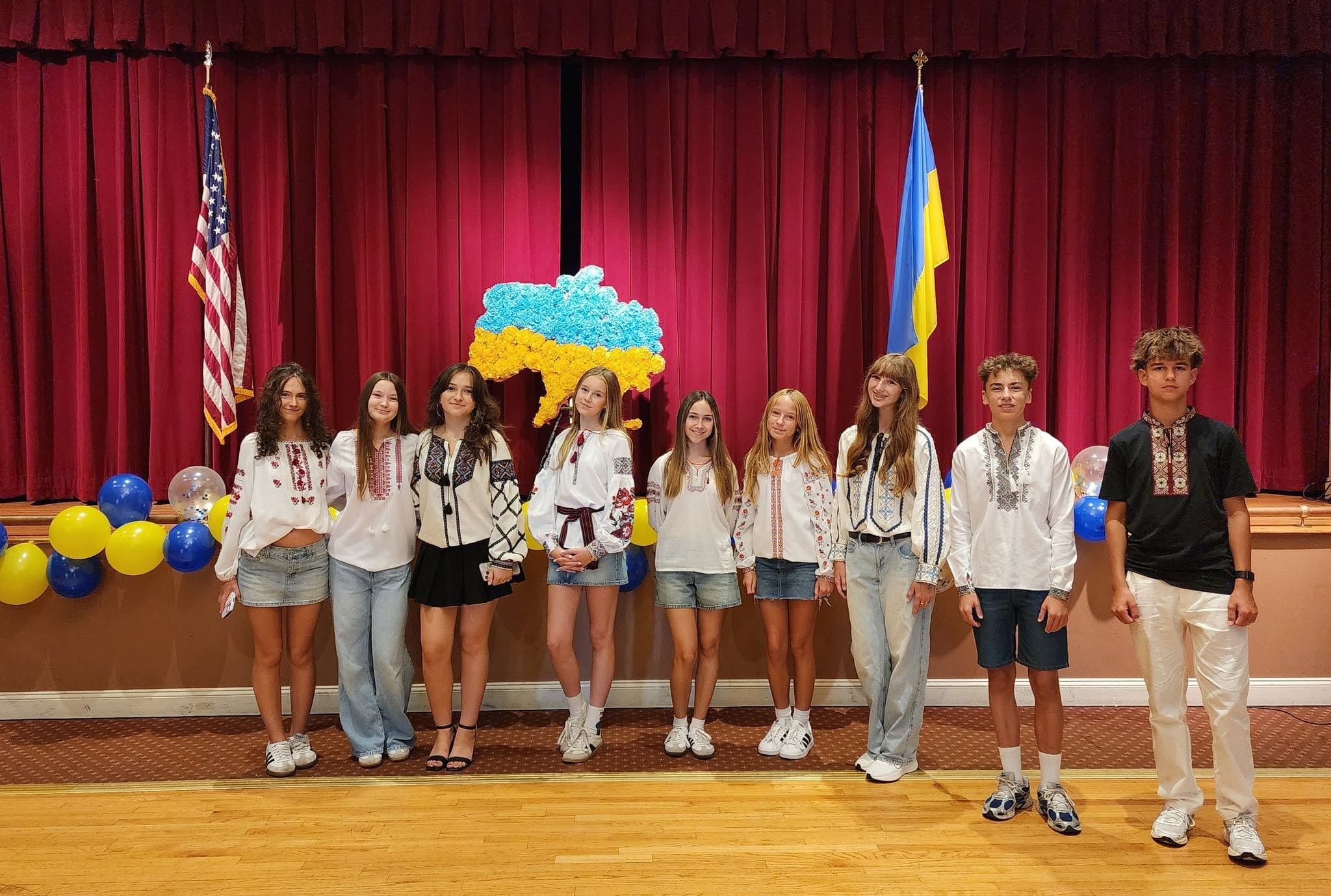
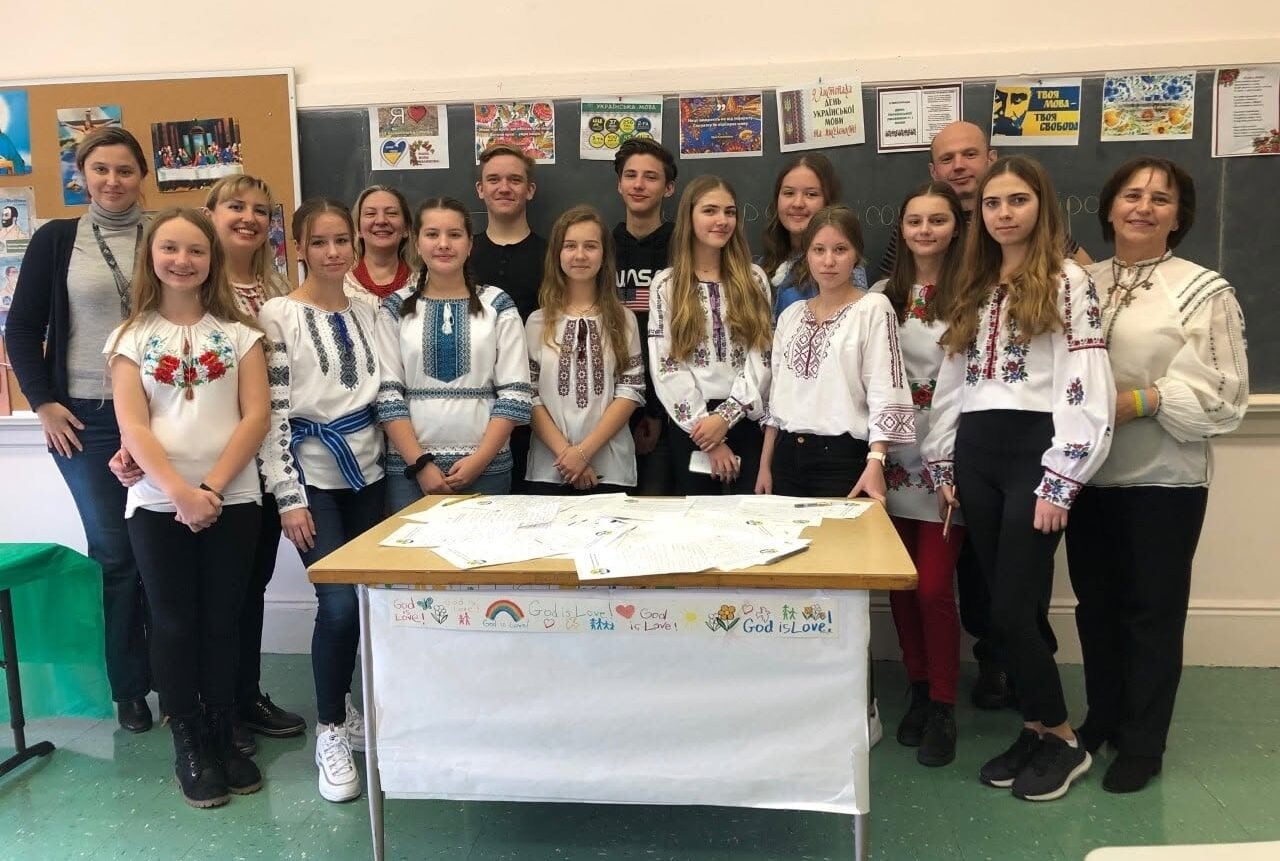
The first result of this work was an adapted Ukrainian literature textbook for fifth grade, authored by Olesia Kalynych and edited by the Educational Council’s working group, prepared in cooperation with Aston Publishing House. The material was shortened to reflect the actual amount of instructional time available, while explanations, glossaries, and assignments were added to account for the needs of children for whom Ukrainian is not always the language they use in everyday life. The next stage is work on a sixth-grade textbook.
Different generations in the same classroom
The growth of Ukrainian schools after 2022 brought not only more students, but also a new educational reality. Children with fundamentally different language backgrounds may end up in the same classroom. For a child who arrived from Ukraine a few years ago, Ukrainian is a natural language of communication. For a member of the third or fourth generation of Ukrainian immigrants, it may be a language they know only at a basic level.
In larger schools, this problem can be addressed organizationally by creating separate classes, grouping children according to their language proficiency, and offering programs at different levels of difficulty. Smaller schools often do not have that option. There, children of different ages and with very different levels of preparation may study in the same classroom.
Particularly challenging are cases in which a child enters a Ukrainian school in fifth or sixth grade, speaks Ukrainian fluently, but can barely read or write. Moving the child to first grade is not possible – their age places them with their peers. Schools therefore look for opportunities to work with the student individually, allowing the child to learn reading and writing separately while attending music, culture, and other classes with their grade-level peers.
This experience shows that the future of Ukrainian education abroad is unlikely to be built around one universal program for everyone. Different levels of difficulty and different educational paths are needed.
Fitting everything into one Saturday
After the full-scale war began, Ukrainian schools in the US gained a significant pool of teachers. Many Ukrainian educators came to America as part of the wave of forced migration. As a result, the Educational Council does not currently identify a severe teacher shortage.
Instead, another problem has emerged: uncertainty over the legal status of some educators who came to the US after the war began. Many are waiting for their work permits to be extended and therefore have no certainty about their professional future. For schools, this also makes long-term planning more difficult.
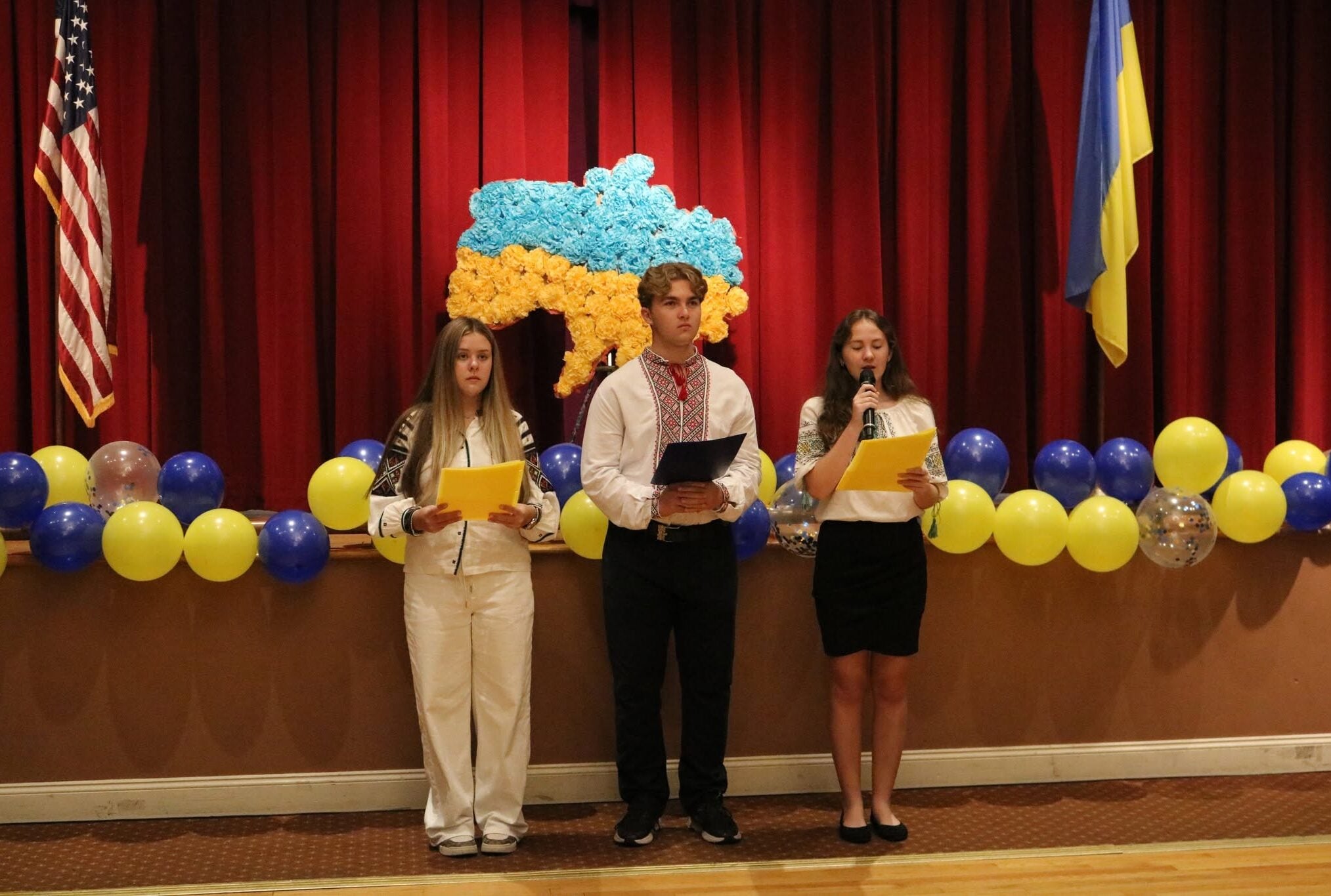
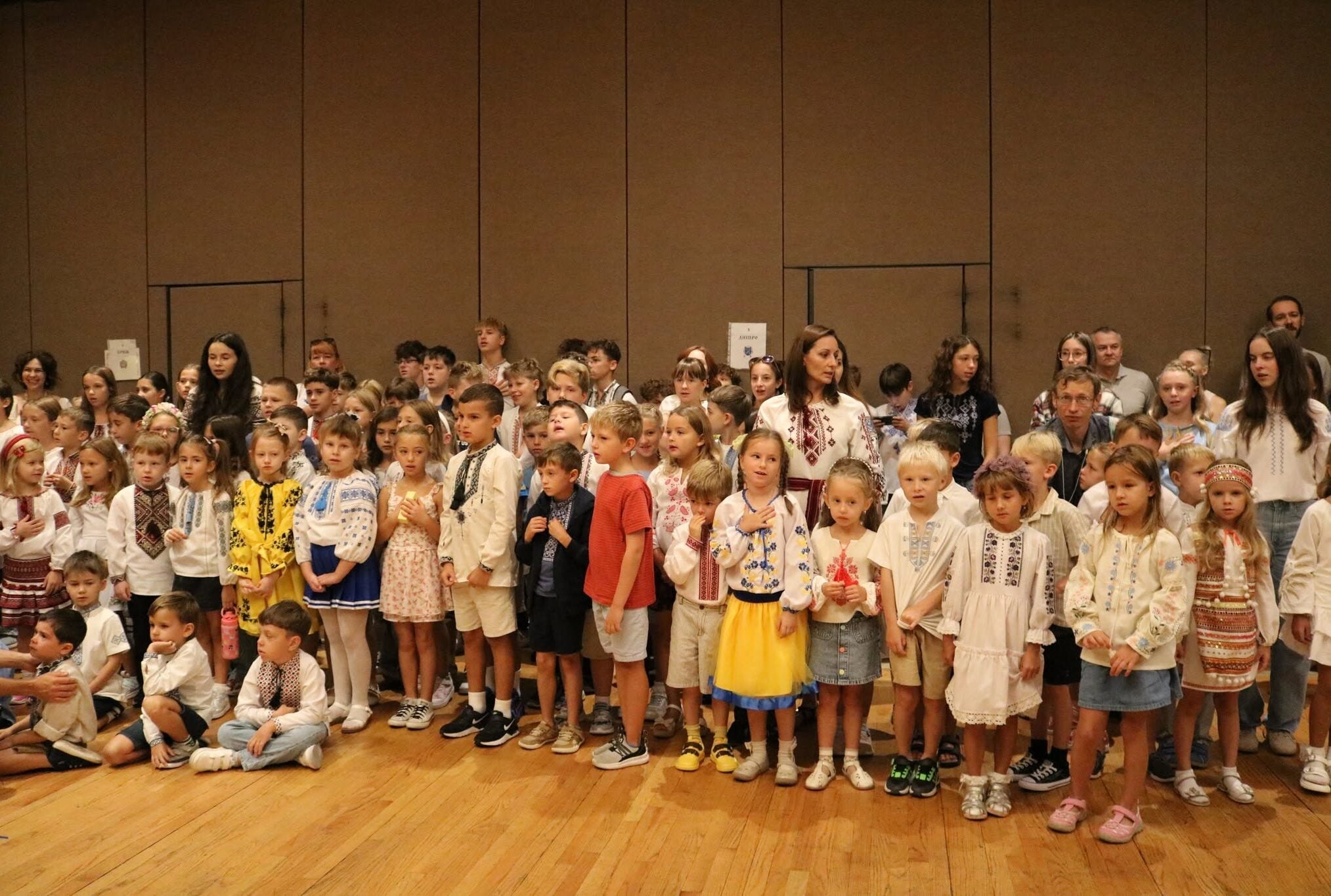
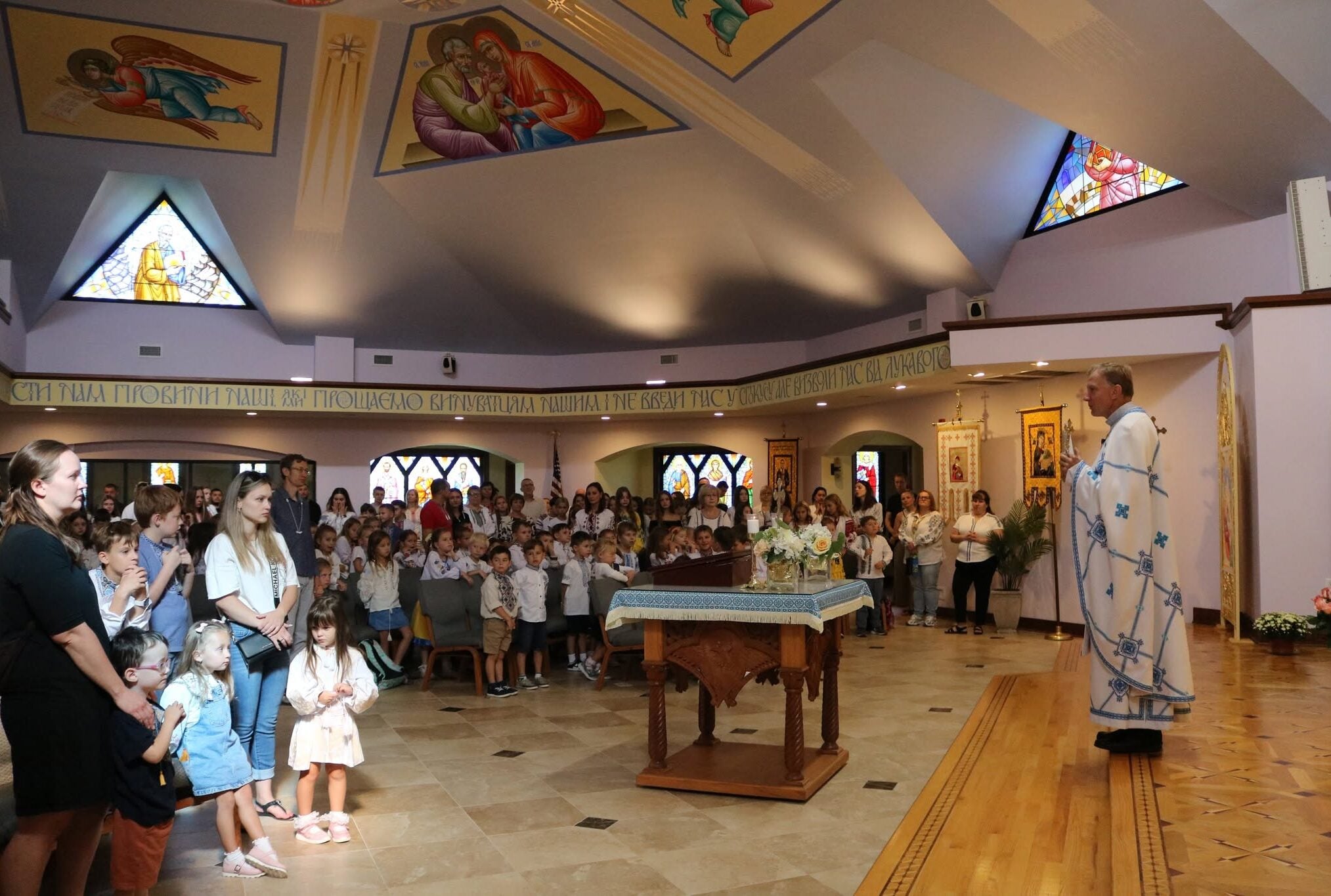
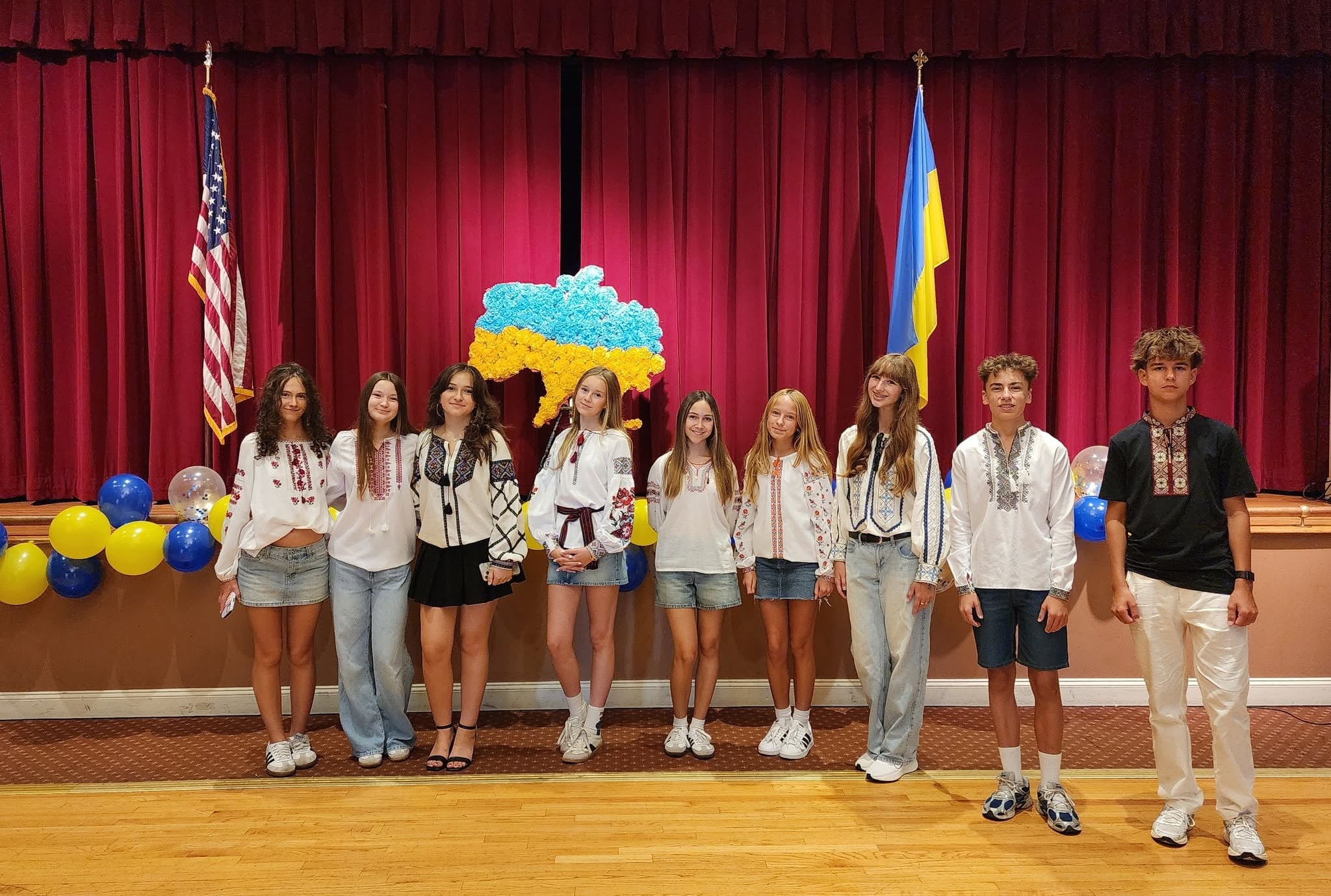
There is also a purely educational challenge: a Ukrainian school teacher abroad has to work very differently from a teacher in Ukraine. They need to cover a substantial amount of material in one day a week, make it accessible to children who spend the rest of their time living in an English-speaking environment, and at the same time avoid turning the Ukrainian school into a simplified extracurricular club.
That is why the Educational Council places significant emphasis on professional development for teachers, holding seminars, methodological meetings, and experience-sharing sessions. The Educational Council’s annual nationwide conference has become an important venue for this work.
This year’s conference will take place October 23-25 in Stamford. Colleagues from Canada and the UK have also been invited to participate. This geographic scope is not accidental as Ukrainian schools abroad face many of the same challenges regardless of the country. These include limited instructional time, different levels of language proficiency, the need for modern textbooks, and, most importantly, the question of how to pass on to the next generation not only knowledge of Ukrainian but also a sense of belonging to Ukraine.
‘Little ambassadors of Ukraine’
A child’s motivation to attend Saturday school begins at home – with an understanding of why Ukrainian language, history, and culture matter to them. At the same time, much depends on the school itself, which needs to create an environment where children enjoy learning and want to return every Saturday.
In the younger grades, much of the learning is built around games, creativity, celebrations, and group activities. Older students are invited to meet with veterans and community activists and to participate in the life of the Ukrainian community. In this way, children develop not only knowledge about Ukraine but also an emotional connection to it – a sense of belonging and pride in their heritage.
Another area of focus is teaching children how to talk about Ukraine in their American communities. Students need to be able to explain to their classmates what is happening in Ukraine, answer questions about the war, and explain why supporting Ukraine is important to them. At school, children are taught that in their American classrooms, they become, in a sense, “little ambassadors of Ukraine.”
For a Ukrainian child in America, this is particularly important because they live in two educational and cultural environments at the same time. They need to succeed in an American school while also knowing their family history, understanding the Ukrainian context, and being aware of where they come from.
That is why a Ukrainian Saturday school should not compete with American education. Its purpose is to complement it – to give children what they do not receive during the regular school week: Ukrainian language, history, literature, and culture.
This also applies to how Ukraine is represented in the American educational environment. Some schools still use outdated Russian-language curricula and approaches shaped by the Soviet educational tradition. In such situations, Ukrainian students themselves often become the ones who explain the difference between Ukraine and Russia to their classmates, talk about modern Ukrainian history, and defend their right to have their own voice.
Saturday school also develops practical skills such as discipline, responsibility, and the ability to work systematically. For a child, it is an additional school day each week while their peers are taking time off. Attending classes regularly, completing assignments, and remaining engaged in the educational process for many years is, in itself, an experience in perseverance and responsibility.
There is also a practical benefit: graduates can submit their Ukrainian studies school completion certificate to American colleges, and some educational institutions recognize this education as fulfilling foreign-language requirements or provide corresponding credit for it. For some families, this becomes an additional motivation to complete the program.
How do one create a Ukrainian school?
This leads to a broader task for the Educational Council – not only supporting existing schools but also helping communities create new ones. To do this, the Council plans to hold webinars for parents and teachers who want to establish a Ukrainian school, share ready-made curricula and methodological materials, and involve new centers in the annual conferences.
The main goal is to give every child an opportunity to remain in a Ukrainian educational environment. Even if a student does not speak Ukrainian as fluently as a peer who grew up in Ukraine, they can still know their history, culture, and heritage and feel like part of the Ukrainian community.
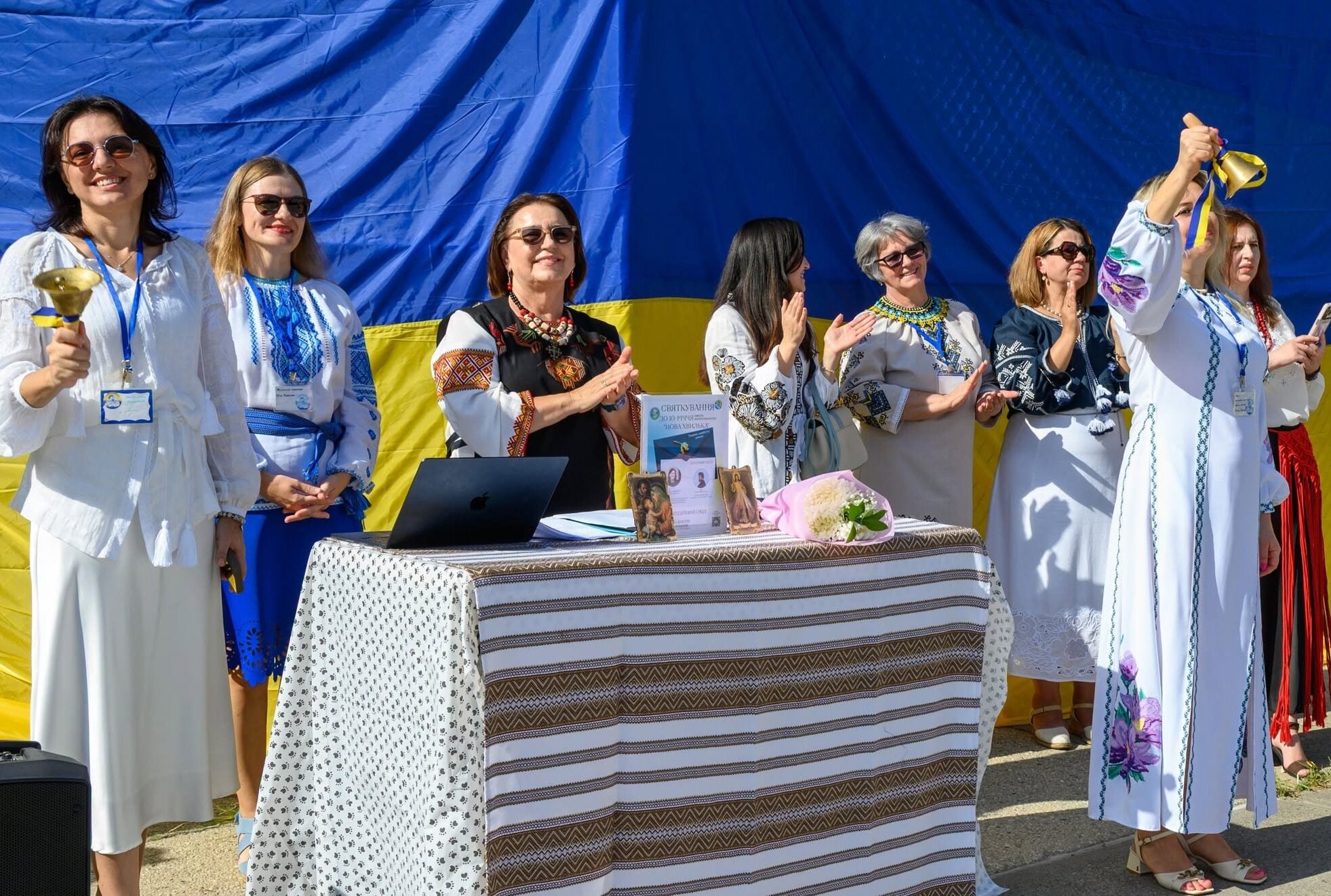
It was largely on this approach that New Wave (Nova Khvylka), a Ukrainian studies school in Brooklyn, was built. This year, the school is celebrating its tenth anniversary.
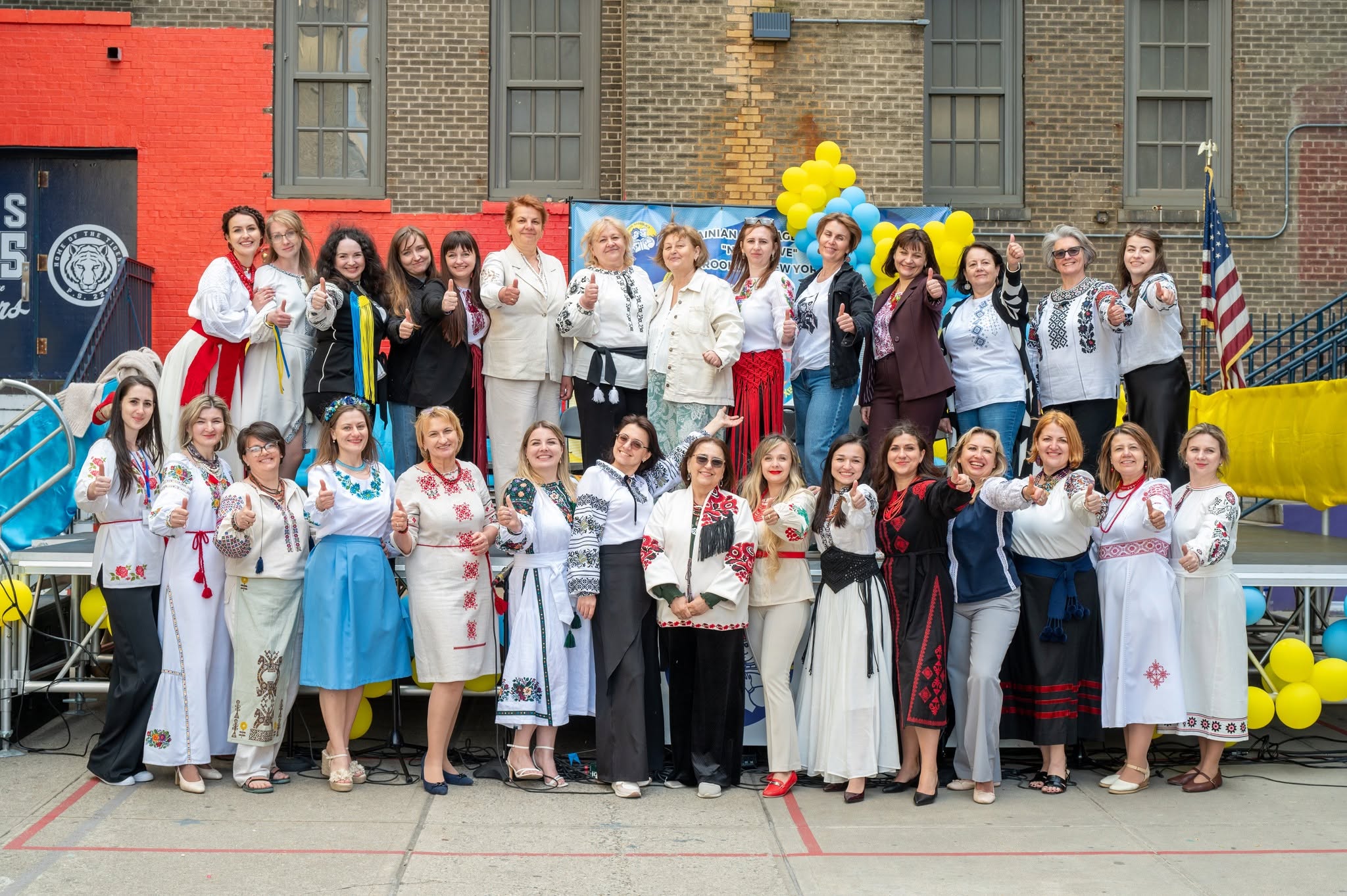
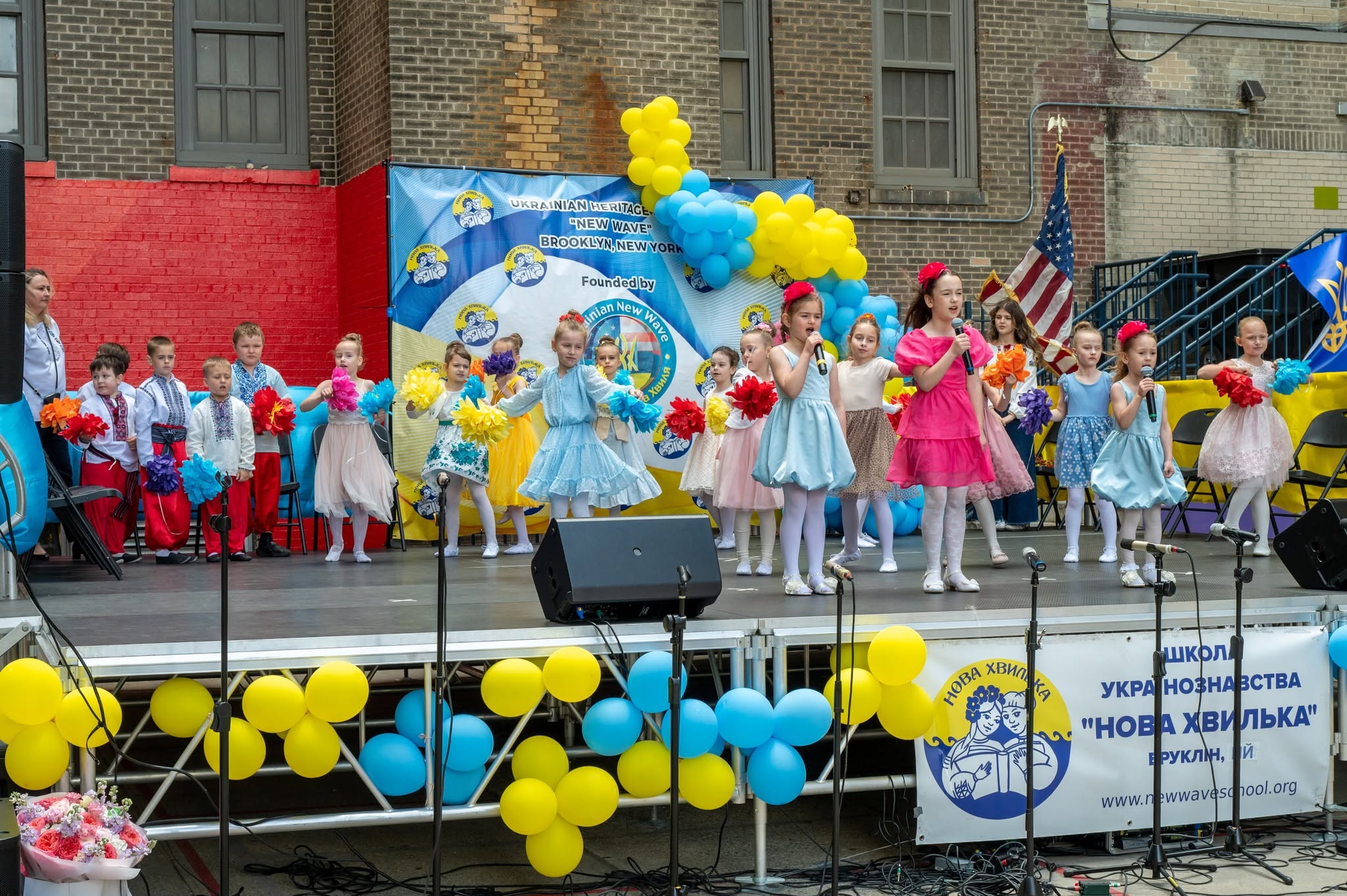
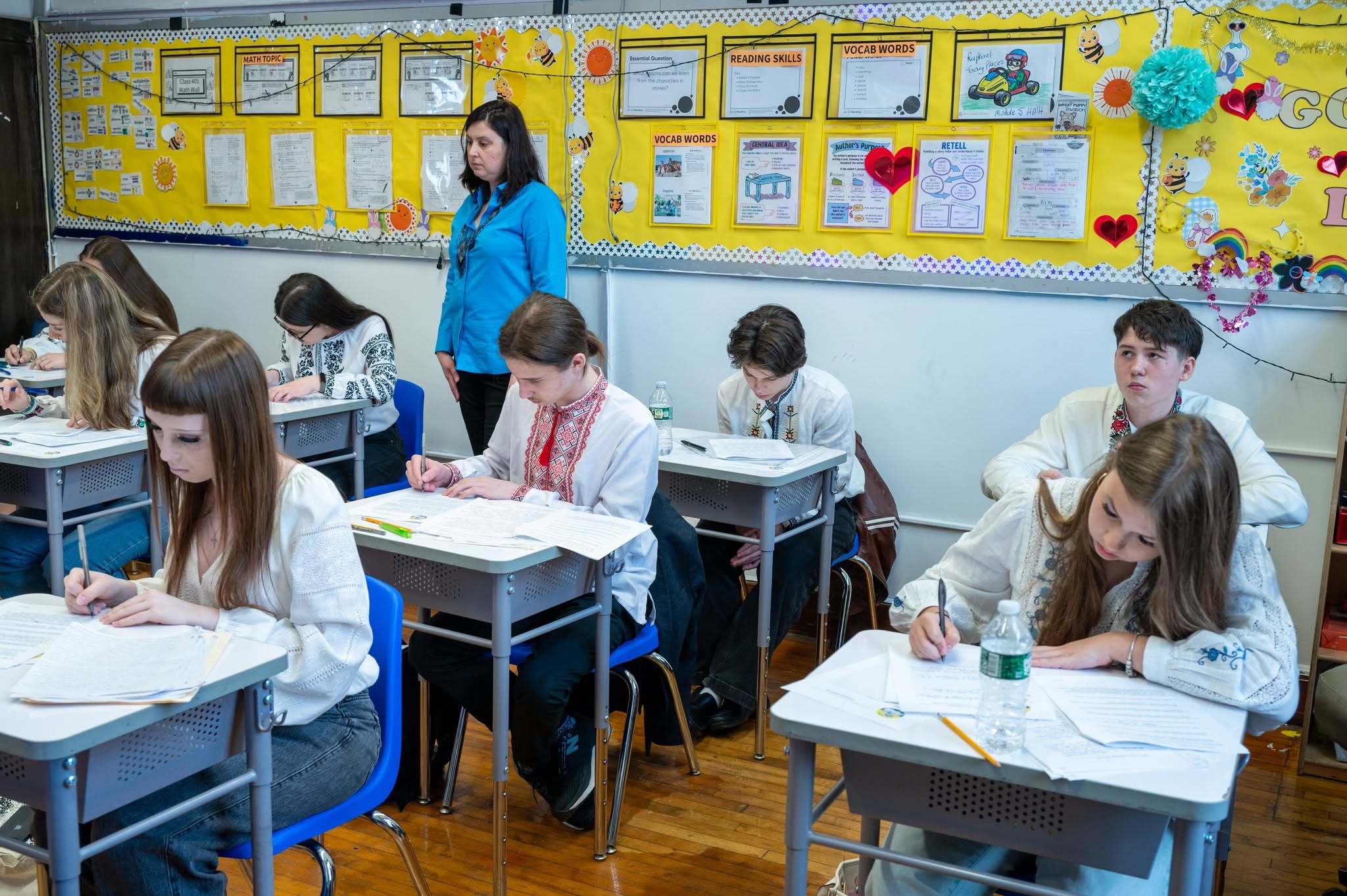
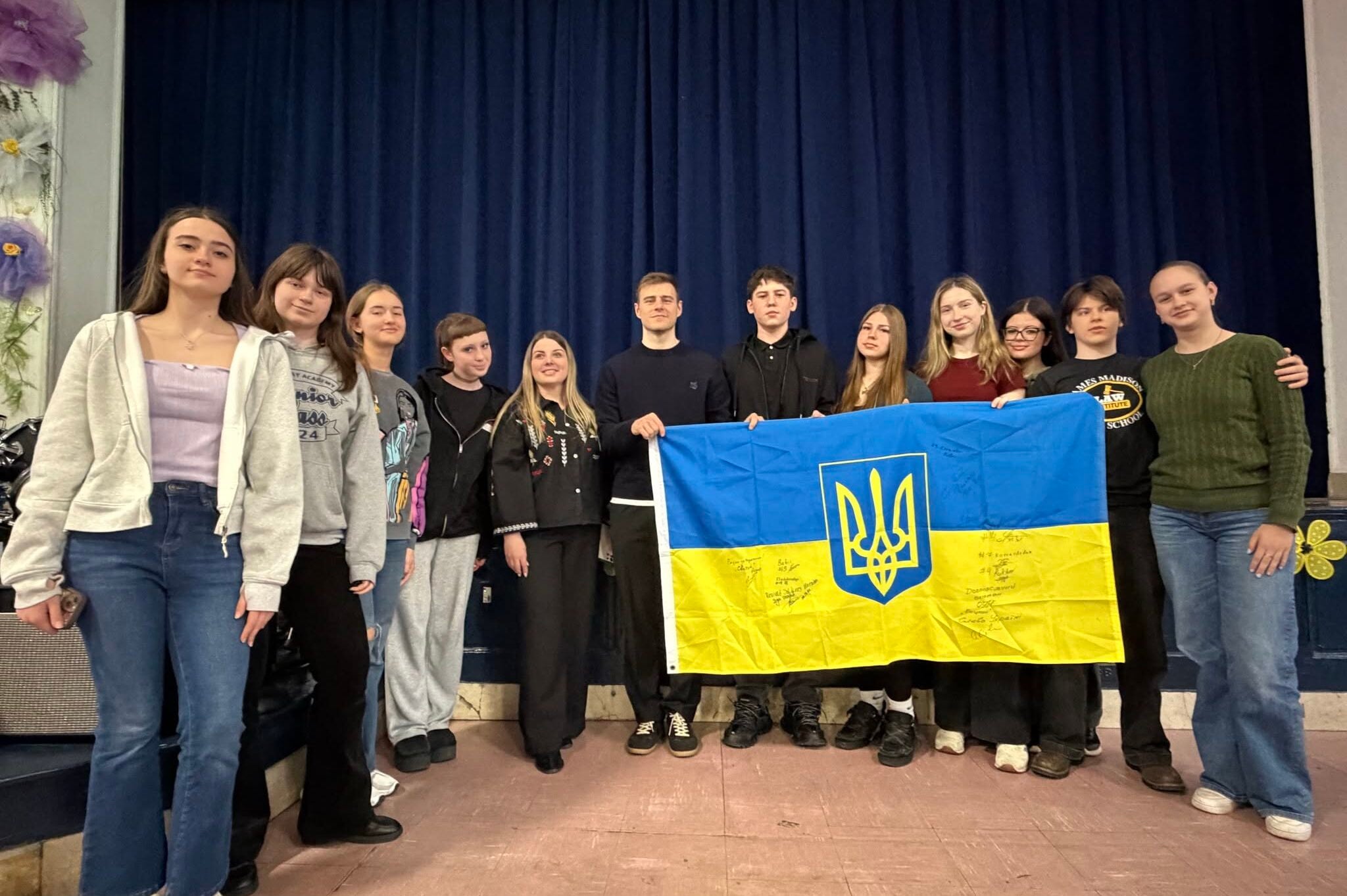
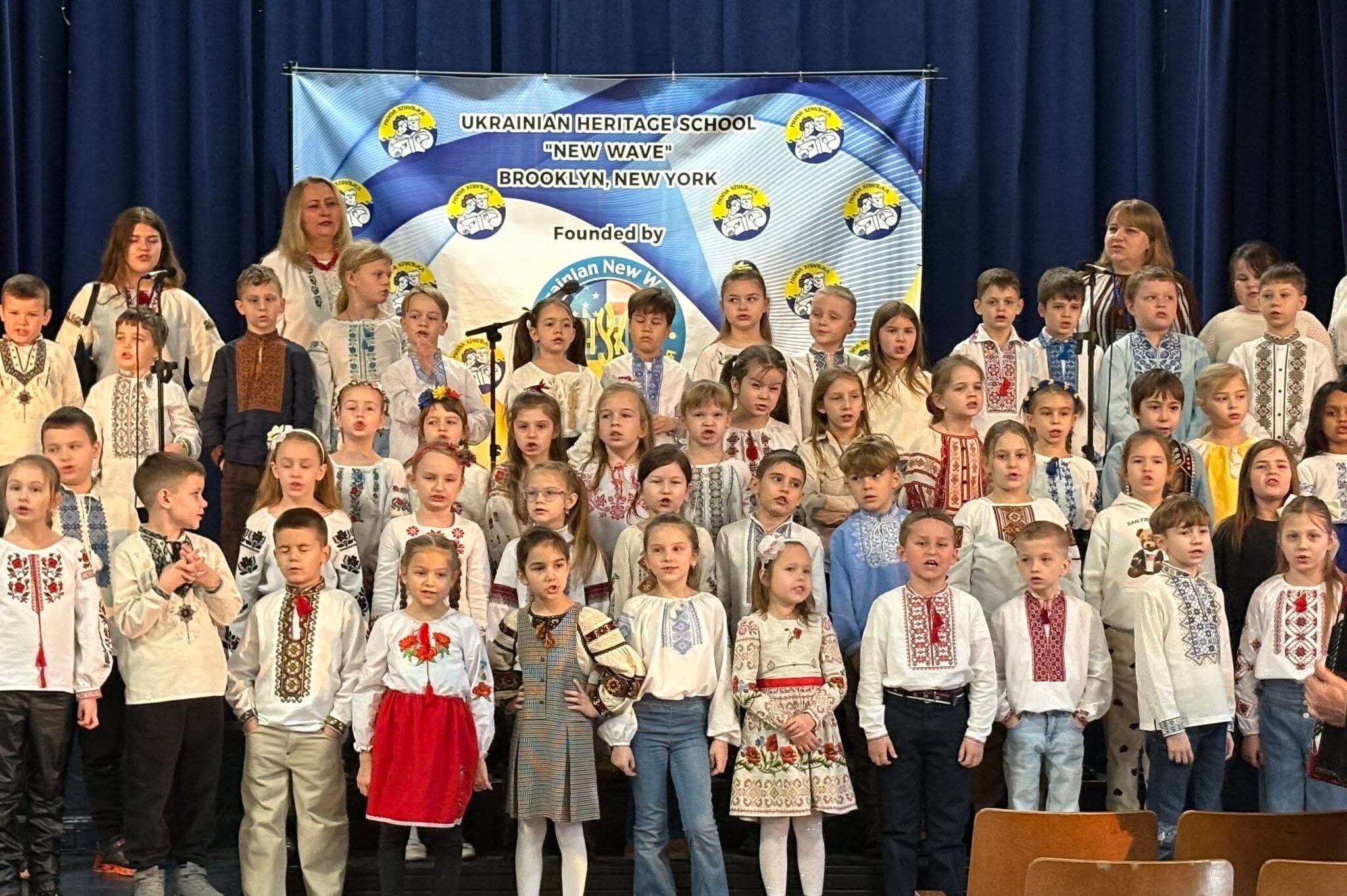
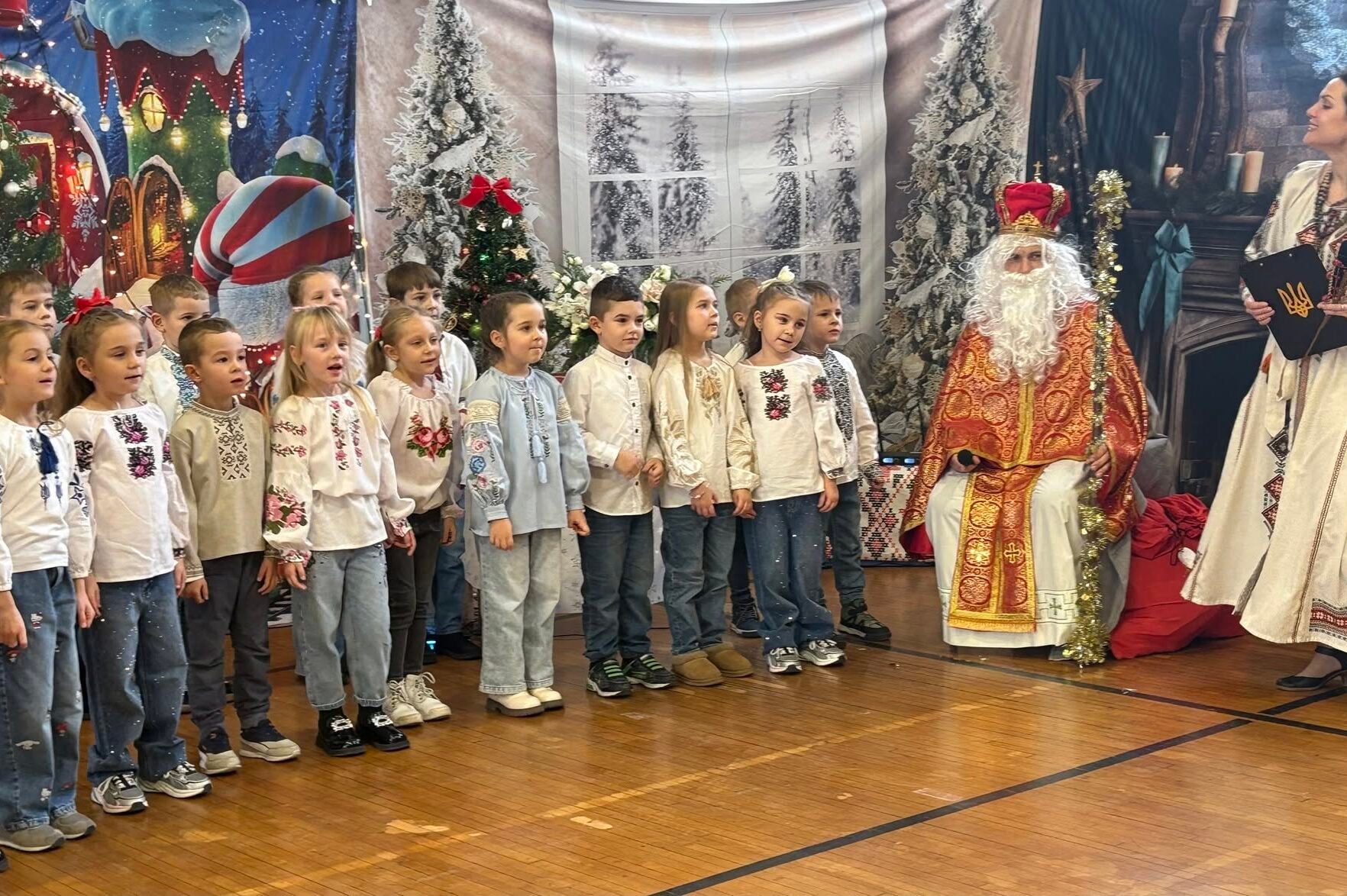
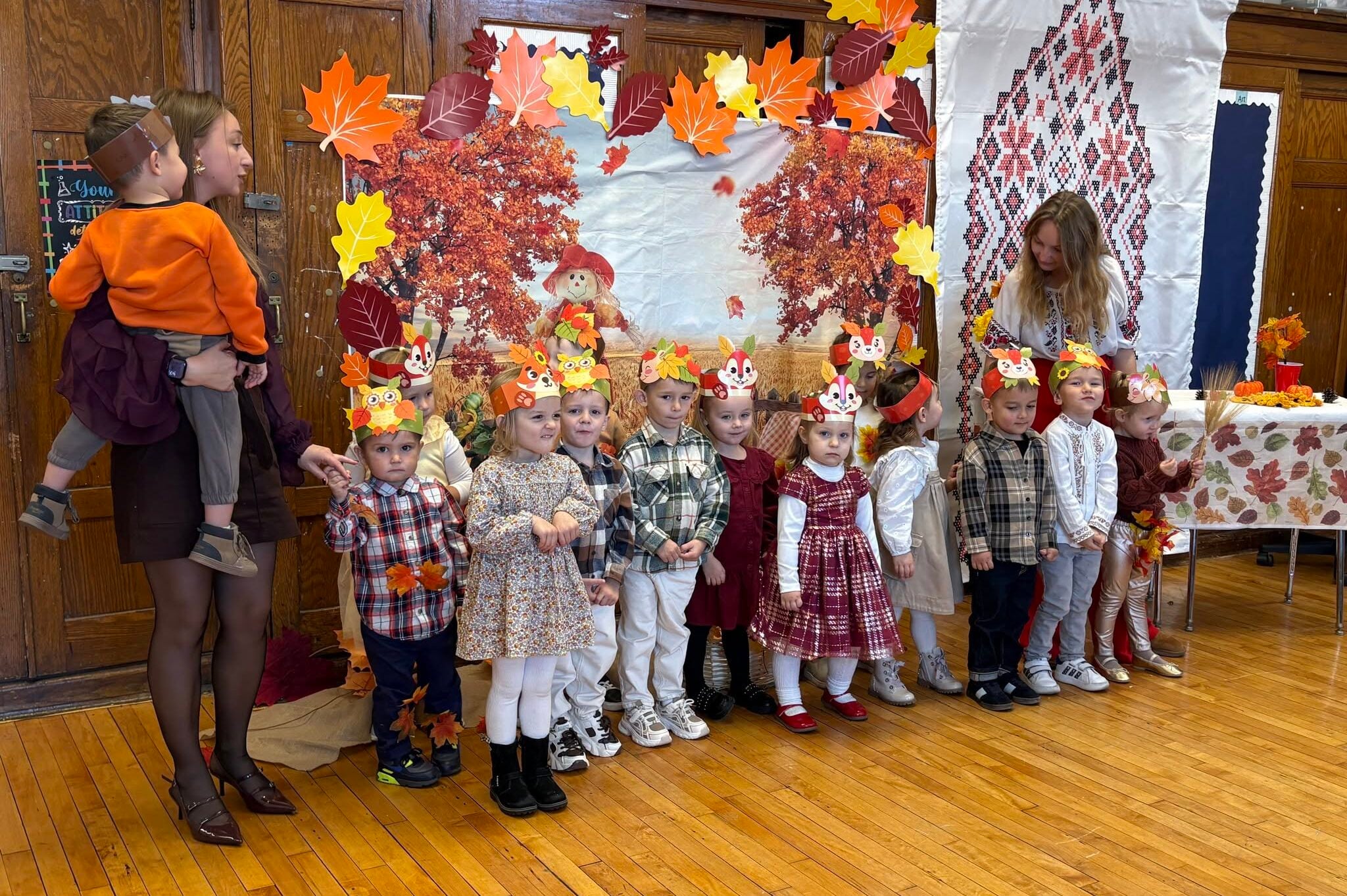
Its creation was a response to a very specific problem. Brooklyn had a large Russian-speaking environment, while there was virtually no Ukrainian infrastructure for children. Ukrainian families found themselves in Russian-speaking preschools and schools, and children gradually switched to Russian.
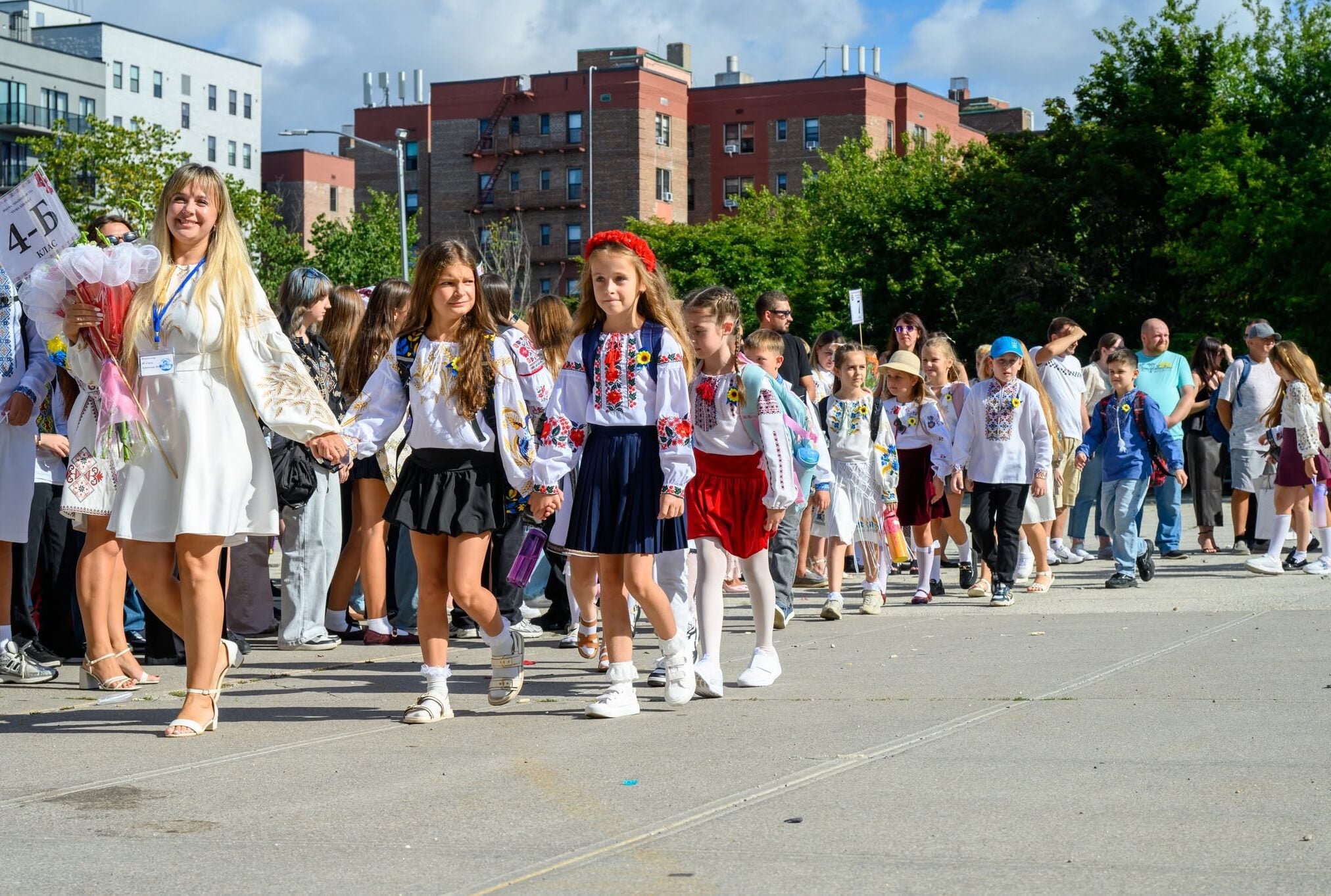
New Wave (Nova Khvylka) began modestly – with three mothers and approximately 60-65 children in a space rented from a Roman Catholic church. Over ten years, the school grew to approximately 600 students and became one of the largest Ukrainian schools in the United States.
However, the scale of a school is measured by more than the number of children. Over the decade, New Wave (Nova Khvylka) has developed into an educational and cultural center around which families gather. The school hosts concerts, festivals, cultural events, meetings, and large school-wide events attended by thousands of people – not only Ukrainians.
In this way, the school gradually became part of the broader life of the Brooklyn community. It also attracts families in which the parents themselves grew up in Russian-speaking environments but want their children to know Ukrainian, understand their heritage, and maintain a connection with Ukraine.
In this sense, the story of New Wave (Nova Khvylka) reflects the broader process now taking place in Ukrainian schools across the United States: moving from an individual Saturday initiative to an environment capable not only of educating children but also of building a community around the Ukrainian language, culture, and identity.
Latest news
 #UWC news
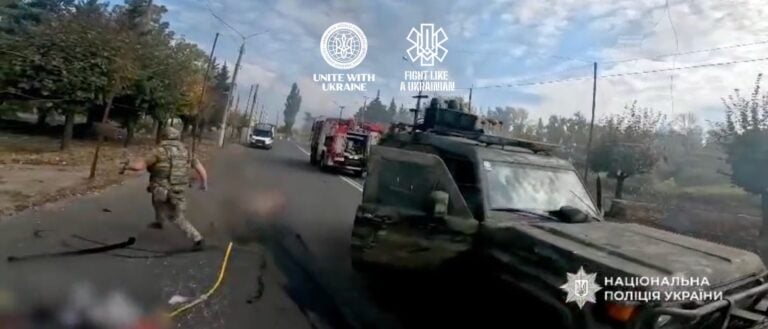
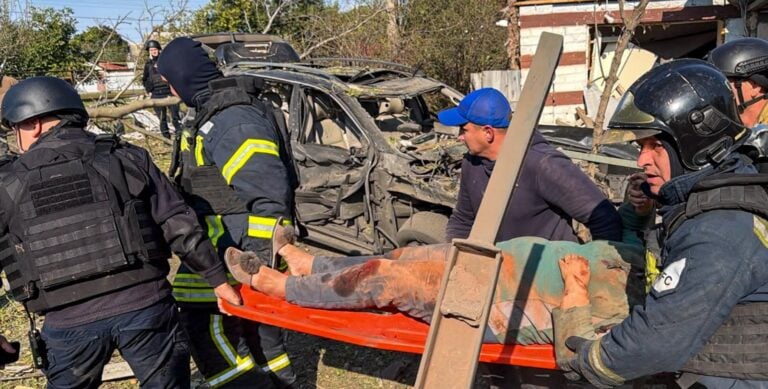
UWC funded armored ambulances evacuate wounded after deadly Russian attack on Kramatorsk
 #LocalAction