



A Russian drone carrying explosives that was discovered at an airport in Leipzig in early August shook Germany. The threat of Kremlin aggression in the country took on an obvious physical form – this time, fortunately, without any casualties.
Nearly a month after the incident, Germany officially accused Moscow of attempting a terrorist attack and closed the Russian Consulate General in Bonn, as well as the Russian House in central Berlin.
However, before Germany had time to recover from the attempted Russian terrorist attack, the country was hit by a new wave of political turbulence with an apparent “Kremlin hand.”
The historic, though predictable, victory of the far-right Alternative for Germany (AfD) in the Sept. 6 state parliamentary election in Saxony-Anhalt confirmed local concerns about threats to democracy in the country.
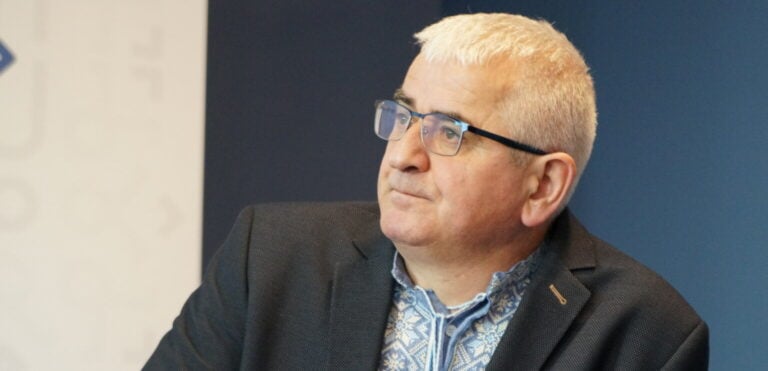
Although Germany is beginning to assess the threat from Russia more realistically, and Chancellor Friedrich Merz says Berlin will continue providing aid to Ukraine, Germany still underestimates the Kremlin’s ability to destabilize the situation inside the country, Lyudmyla Mlosh, President of the Central Union of Ukrainians in Germany (Zentralverband der Ukrainer in Deutschland, ZVUD), said in an interview with the Ukrainian World Congress (UWC).
Mlosh, who heads one of Germany’s oldest Ukrainian organizations, spoke about how local people view Russia and the Ukrainian community’s efforts to counter Russian propaganda.
‘The contours of the threat are blurred’
The incident involving the Russian drone in Leipzig once again demonstrated how insidious Russia can be, Mlosh says. What is particularly striking, she adds, is that it happened in Germany – a country accustomed to rigorous controls and meticulous adherence to rules.
Yet even explosives from the Kremlin on German soil did not trigger a radical shift in public sentiment. The ZVUD president says politicians are now speaking much more clearly about the Russian threat, which she sees as a positive trend. At the same time, she has not yet seen a similar shift among the general public.
For many decades, Germans placed too much trust in Russia, in part because of its role in World War II, she says. At the same time, German society is fairly conservative and not inclined to change course quickly.
“Something very serious would have to happen for people to truly feel that the war in Ukraine also directly affects them. For now, the contours of this threat remain blurred for many,” Mlosh says.
Even years later, Soviet propaganda narratives continue to influence how Ukraine is perceived in Germany. Ukrainians were not recognized as a separate people for a long time and were often equated with Russians. In Mlosh’s view, this legacy has not disappeared, which is why the community actively speaks with local people about its history and identity.
That is why, Mlosh believes, it is necessary to work not only with politicians but also with society as a whole. Germans need to see Ukraine not only through news reports about the fighting, but also understand what is happening to people directly experiencing the war.
Russia with no ‘House’ in Germany
Kremlin influence in Germany continues to operate, although it does not always take the form of direct Russian propaganda. Mlosh considers the constant presence of pro-Russian and far-right political forces in the German media space – particularly the AfD – one manifestation of that influence.
According to her, when such forces regularly receive airtime and opportunities to promote their narratives, this in itself strengthens their influence on society. They do not even necessarily have to offer new arguments or achieve new political results each time – it is enough to remain constantly present in the information space.
At the same time, Mlosh does not attribute the AfD’s growing support solely to Russian influence. In her view, it is largely a consequence of Germany’s domestic problems, particularly its migration and social policies.
In her observations, some Germans feel that the government is not paying enough attention to their own problems. Mlosh believes this dissatisfaction creates fertile ground for the growth of radical political forces. Russia, in turn, exploits these sentiments for its own interests, deepening existing divisions within German society.
For many years, one of the instruments of Russian influence in Germany was the “Russian House” in the capital. However, Mlosh says, its closure does not automatically mean an end to Russian ties and influence in the country. They have been built over many years, and countering them therefore requires a systematic approach.
In the ZVUD president’s view, Ukraine should have established a strong presence of its own in Germany long ago. In particular, it needs its own platforms through which it can present Ukrainian culture, history and contemporary life.
Russia, after all, has used cultural diplomacy for years to promote its own vision. On the surface, this involved ordinary cultural events, matryoshka dolls, folk costumes and celebrations. But behind this, Mlosh says, was a much broader presentation of Ukraine as part of the Russian cultural sphere.
‘It’s better to see something once’
ZVUD is trying to work with German society and other communities. More than 20 organizations from different countries operate in the building where the organization rents its office. Ukrainians invite them to their events, while also learning about the cultures of other communities.
For example, traditional pysanka-making workshops are attended by members of Palestinian, Vietnamese and African communities. According to Mlosh, this is also a form of cultural diplomacy – an opportunity to show people who live nearby what Ukraine is like.
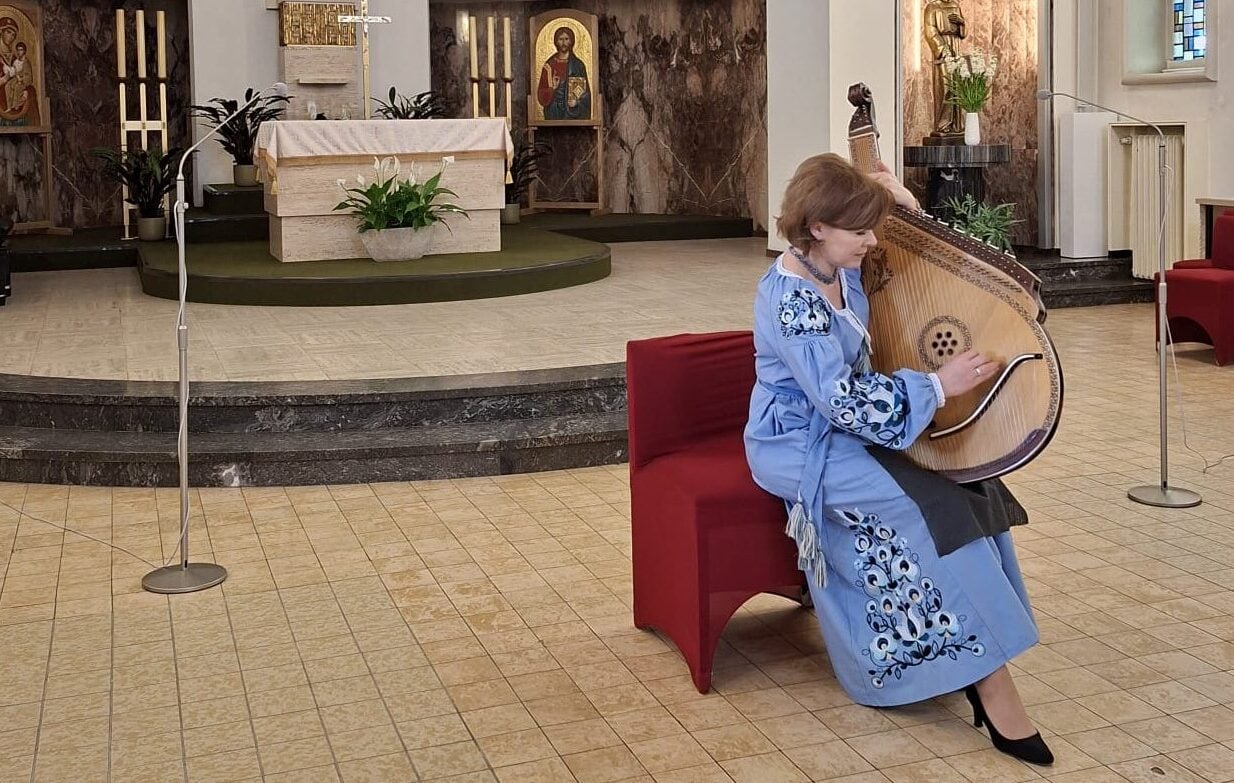
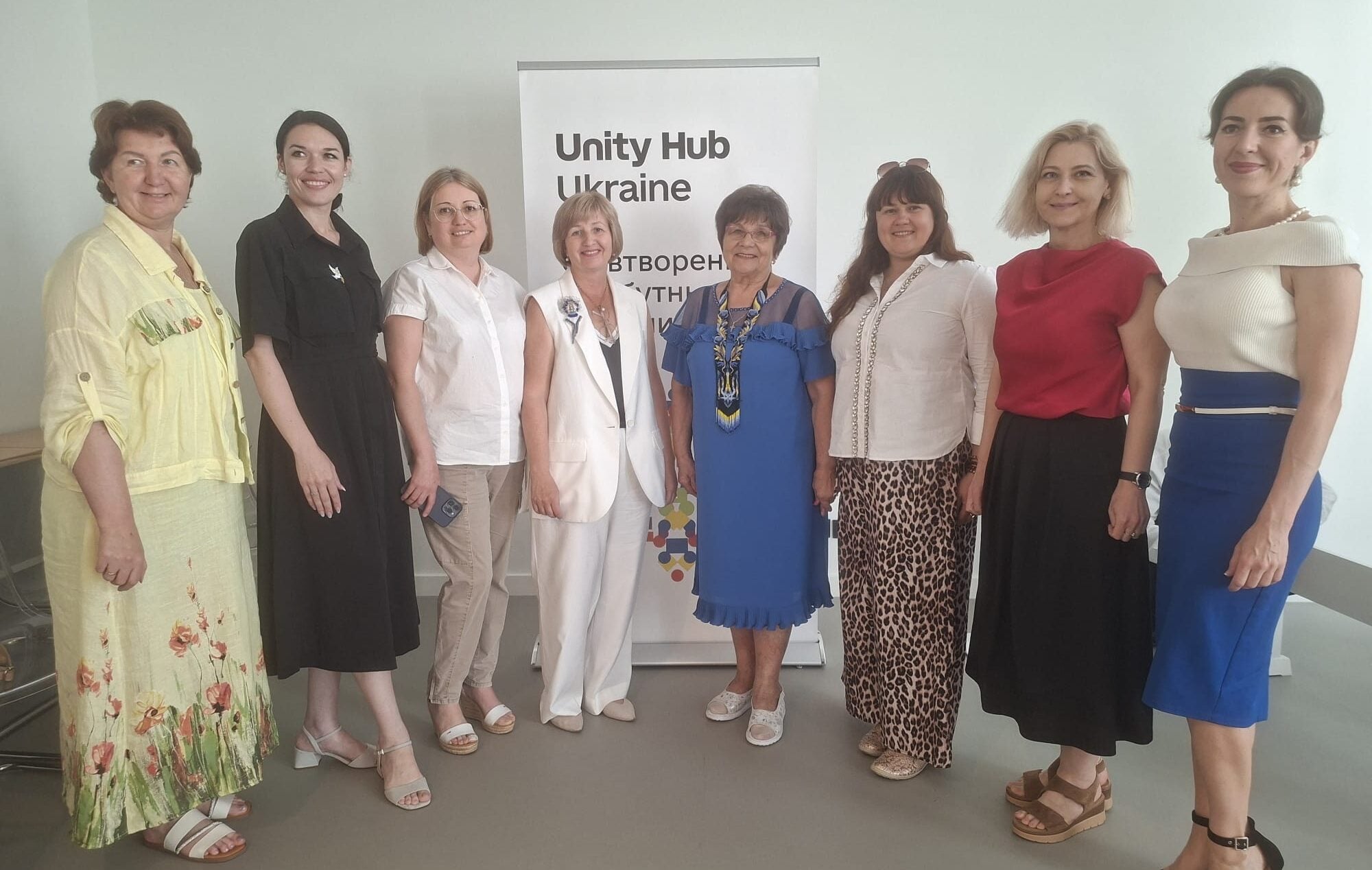
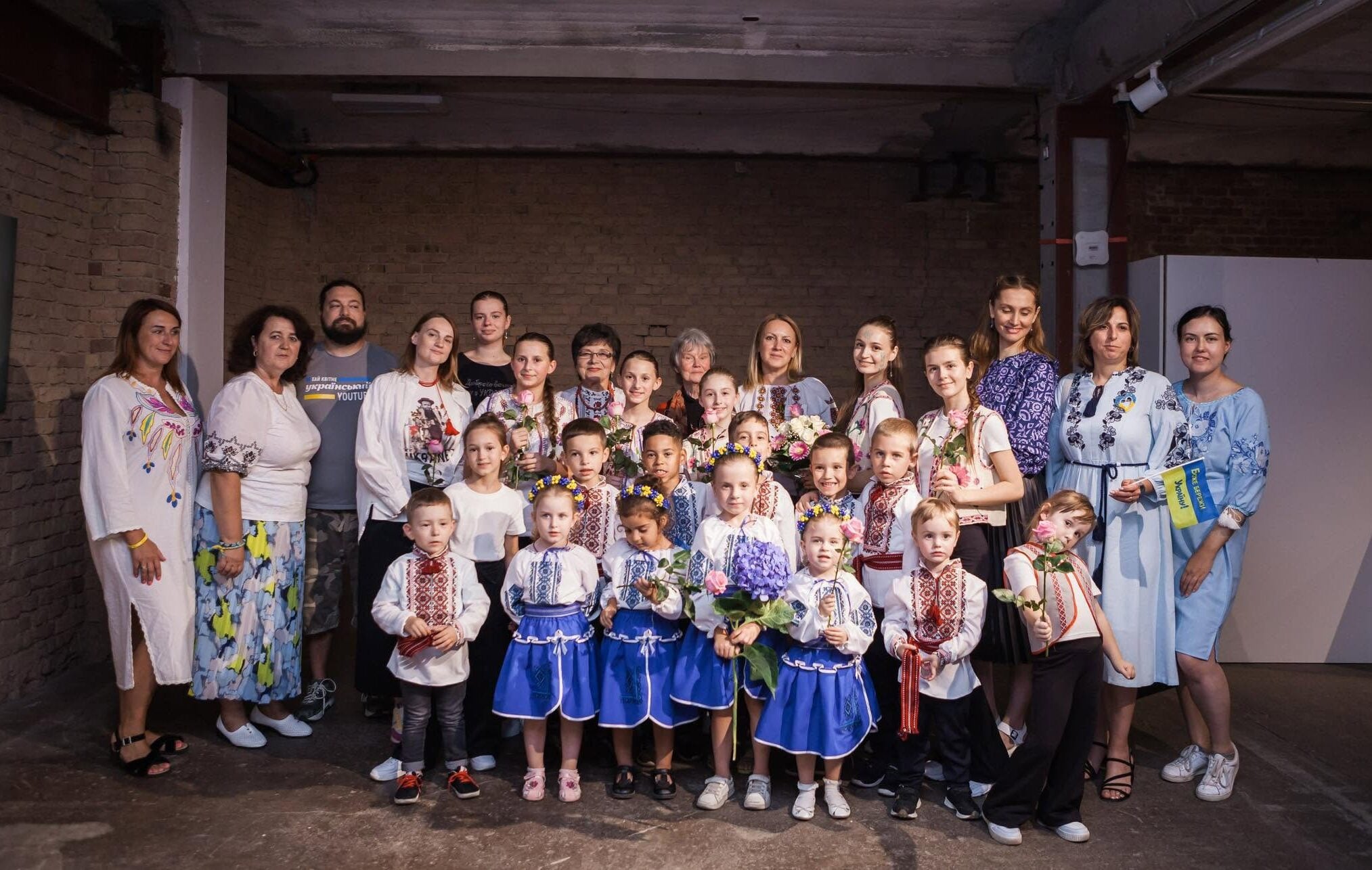
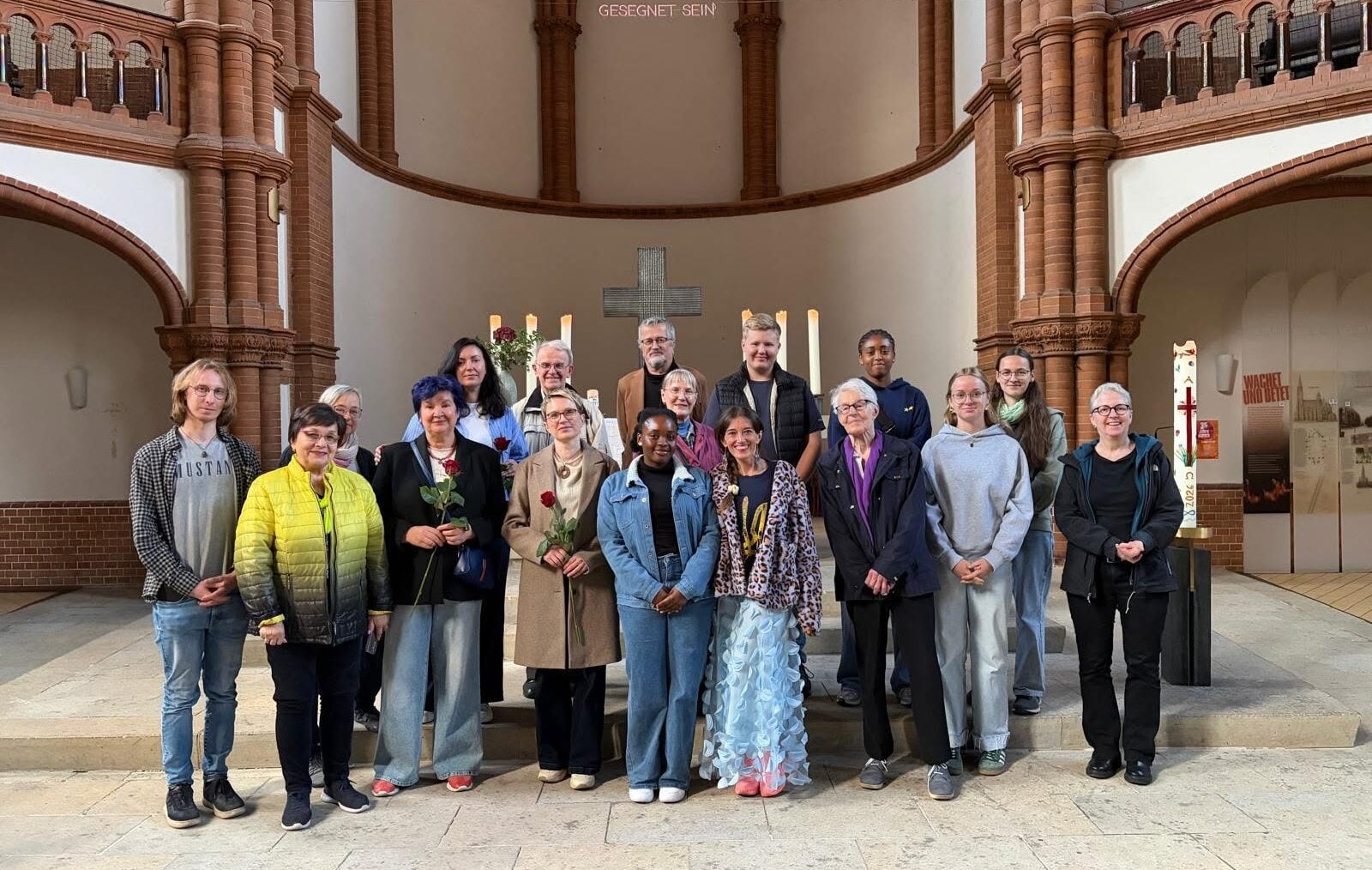
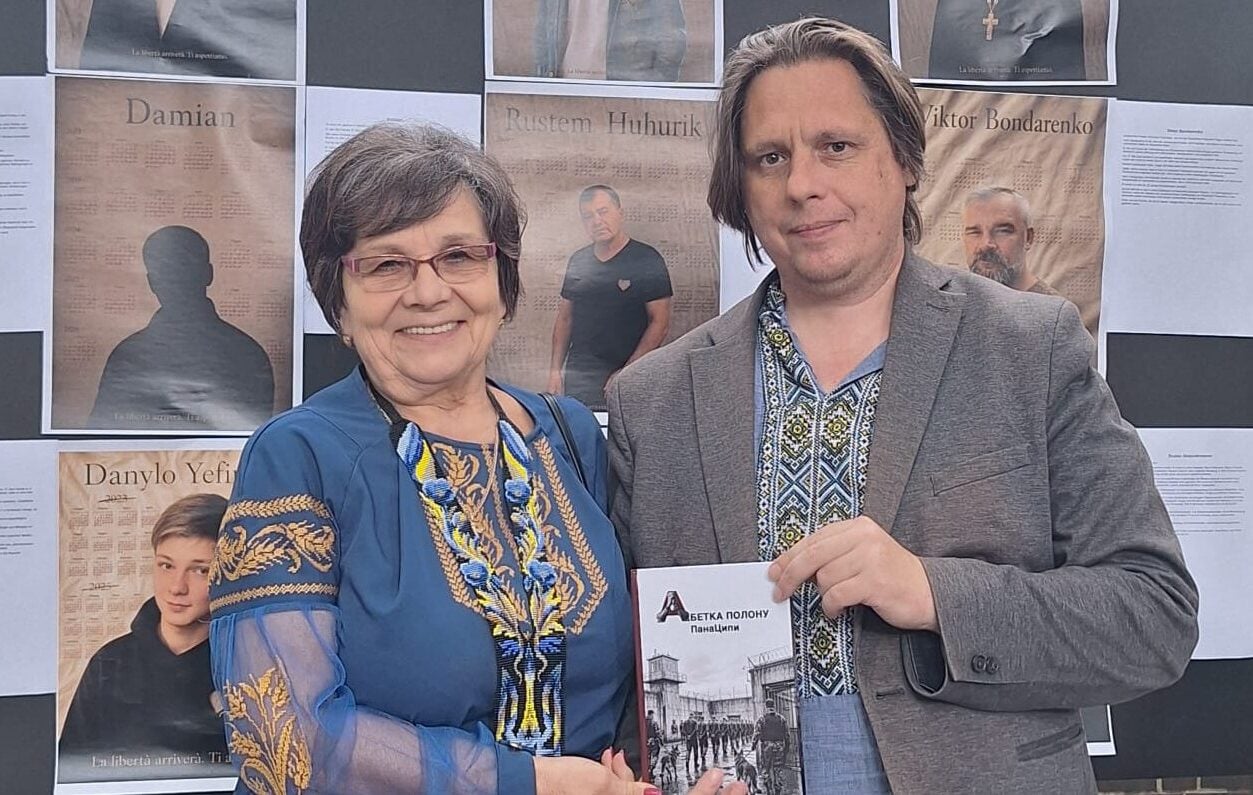
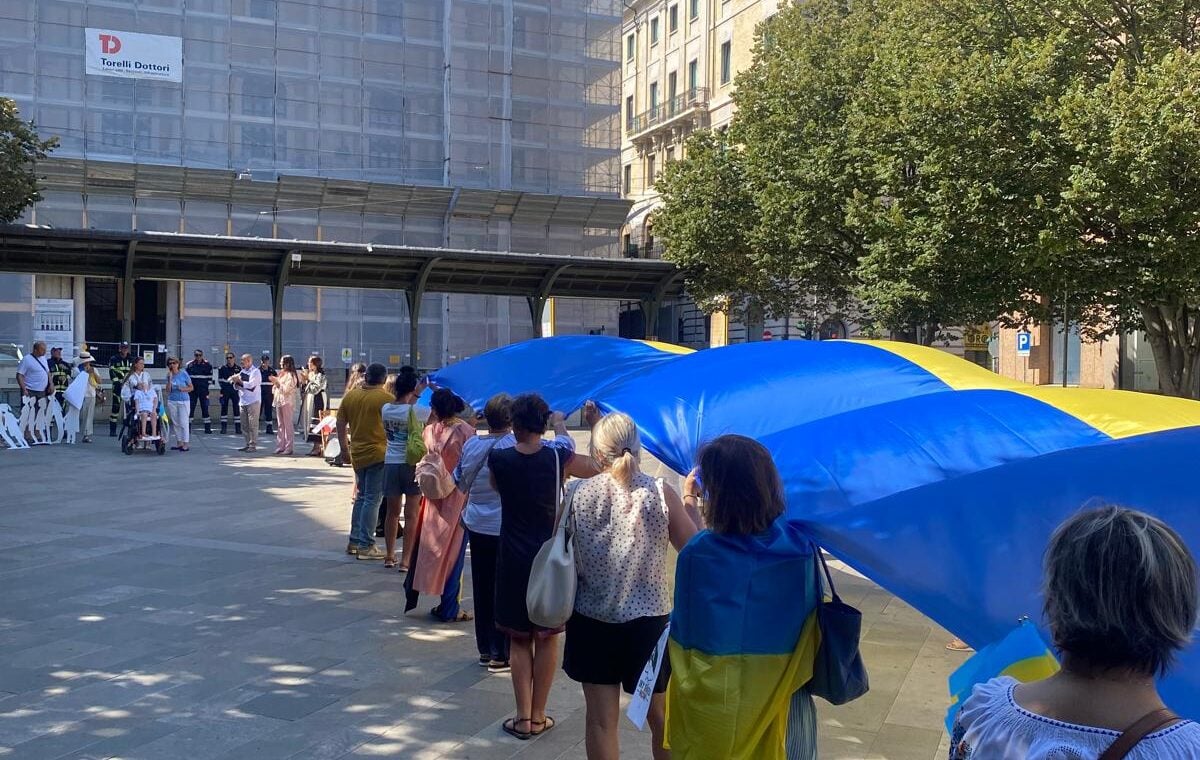
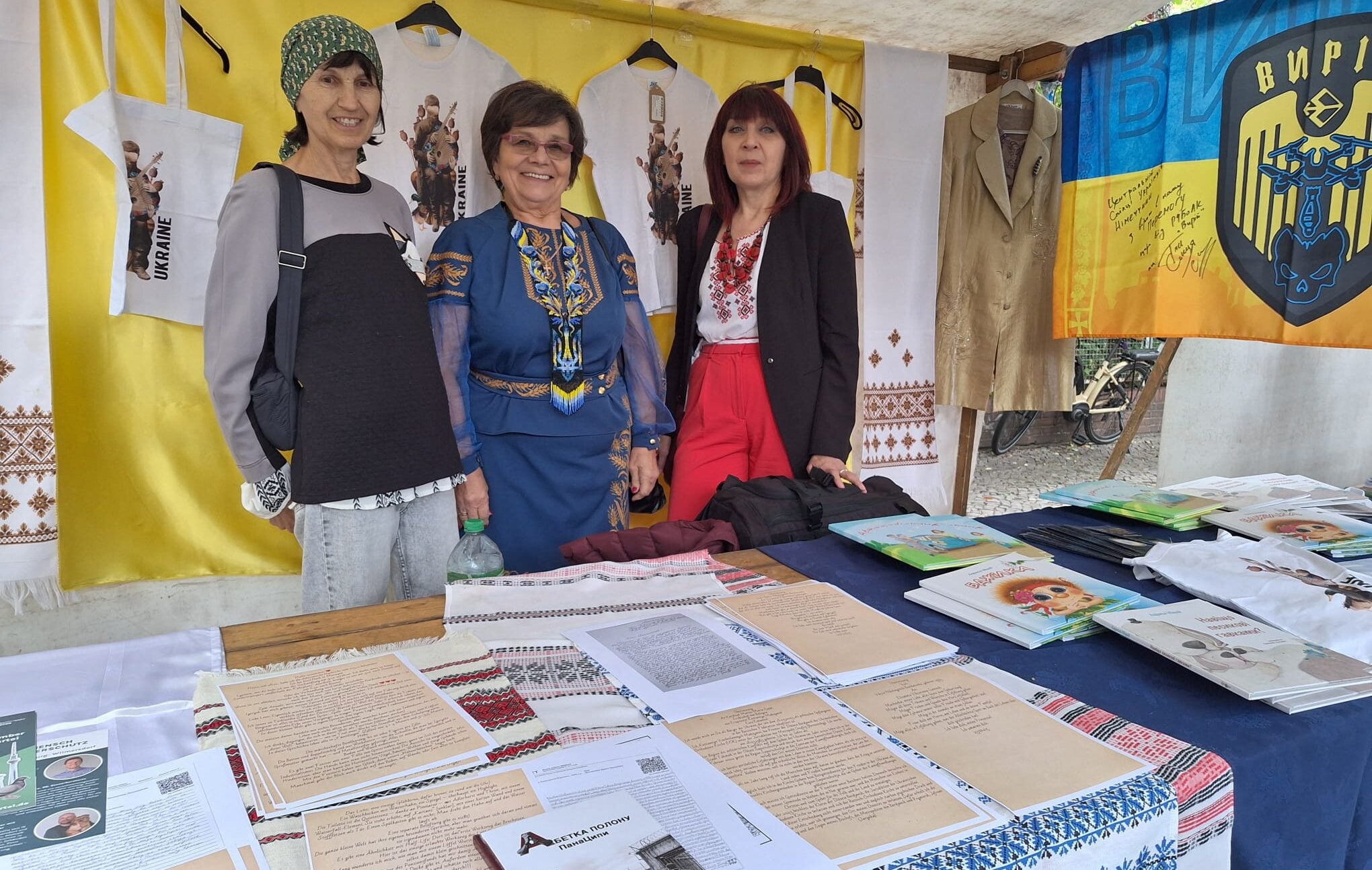
The organization also holds exhibitions dedicated to the war, seeking to show not only destroyed buildings but also human suffering.
Mlosh would like to show Germans Ukrainians who have suffered severe injuries. At the same time, German partners sometimes believe that such images could be traumatic for their society.
She understands this position but emphasizes that for Ukrainians, such trauma is an everyday reality. There are people in Ukraine who have lost limbs, their health, their homes and their loved ones.
“It’s better to see something once than hear about it a hundred times,” Mlosh says.
For her, this is not only about exhibitions or cultural events. She herself often travels to Ukraine and sees the consequences of the war.
In her view, this personal experience helps her better explain to Germans what is happening in Ukraine. Through such meetings, exhibitions, cultural events and direct communication, the Ukrainian community is trying to shape its own understanding of Ukraine in Germany – not the one Russia imposed for decades.
Cover: DepositPhotos
Latest news
 #GlobalAdvocacy
Russia seizes foreign businesses: Turning Kremlin blackmail into advocacy tool
 #LocalAction