



Ukraine’s community in Colombia is one of the youngest and smallest in Latin America. Yet despite its size – or perhaps because of it – it has, in just a few years, built a strong community, established a presence at the country’s major cultural events, and become an affiliate organization of the Ukrainian World Congress (UWC).
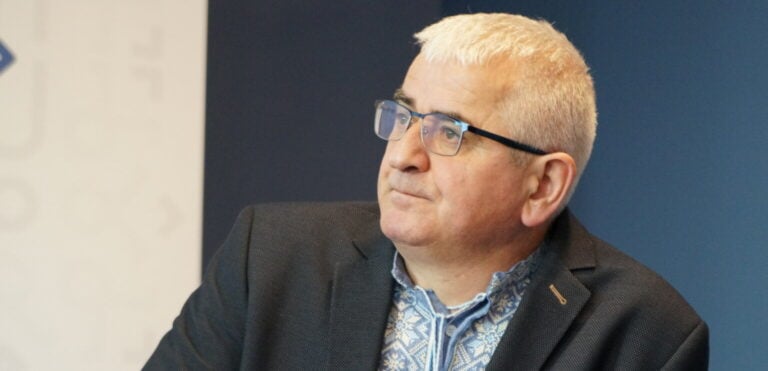
The story of the Prosvita Ukrainian Association in Colombia is about how a small group of people decided to speak up for Ukraine, even when few people were listening. Rostyslav Kalatsynskyi, head of Prosvita, shared that journey with the UWC.
Overcoming bureaucratic barriers
Rostyslav Kalatsynskyi first came to Colombia in 2015 through AIESEC’s Global Talent professional internship program. During his placement, he taught English at the US Embassy, the Red Cross, and a UN agency focused on women’s rights. At the time, there was little reliable information about Colombia online, and much of it reinforced stereotypes about the country. Rostyslav decided to see Colombia for himself.
He later learned Spanish, completed a master’s thesis on Colombia’s media at Taras Shevchenko National University of Kyiv, and moved to Colombia permanently in 2017.
At the time, ties between Ukraine and Colombia were limited not only by geography but also by bureaucracy. Until 2020, Ukrainians needed a visa to enter Colombia, and had to travel to Warsaw to obtain one. Colombians wishing to visit Ukraine, meanwhile, had to apply through the Ukrainian Embassy in Peru.
Beginning in 2017, an initiative group – including Ukrainian politicians such as Iryna Herashchenko, then chair of the parliamentary committee on European integration – campaigned for the abolition of tourist visas. Their main argument was simple: making it easier for people to connect, allowing families to reunite and Colombians to discover Ukraine without unnecessary bureaucracy.
Even after visas were abolished and Russia launched its full-scale invasion, however, Colombia’s Ukrainian community did not grow significantly. Some Ukrainians fleeing the war arrived in 2022 and 2023, but most later moved to other countries. Those who stayed applied for refugee status and received Colombian residency only after three years. During that period, they were effectively unable to leave the country.
Colombia has never introduced a government support program for Ukrainians. Plans to open a Ukrainian embassy in Bogotá, first announced in 2023, also never materialized. According to Rostyslav, that changed with a new government and a shift in Colombia’s foreign policy. After President Gustavo Petro took office in 2022, strengthening ties with Ukraine became less of a priority.
Colombia has since held presidential elections, and President-elect Abelardo de la Espriella will officially take office on Aug. 7. Prosvita hopes the new president, who has taken a more pro-Ukraine and pro-Western stance than his predecessor, will place greater emphasis on developing relations with Ukraine.
At the same time, de la Espriella has announced a major reorganization of Colombia’s diplomatic service, including the closure of 14 embassies and around 15 consulates as part of government spending cuts. His foreign policy is expected to focus more on cooperation with the United States and NATO countries, while taking a firmer stance toward governments that support Russia, including Cuba and Venezuela.
Despite the community’s small size, Ukrainians who settle in Colombia are gradually finding their place in local society. According to Rostyslav, most work in one of two fields.
The first is teaching English as a foreign language at language schools, universities, and Colombian schools. Although English is not their native language, Ukrainian teachers are highly valued for their strong philological training.
The second is working on flower plantations, as the flower industry is one of Colombia’s leading export sectors.
The Ukrainian IT company SoftServe also operates in Colombia, with offices in Bogotá and Medellín, employing mainly local specialists. Some Ukrainians have also started their own businesses, although such cases remain relatively rare.
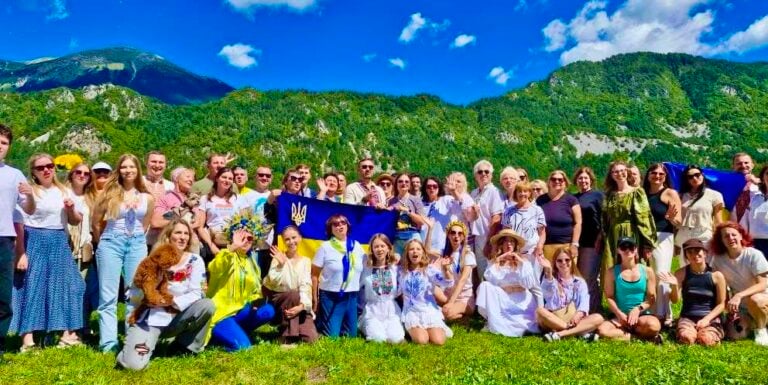
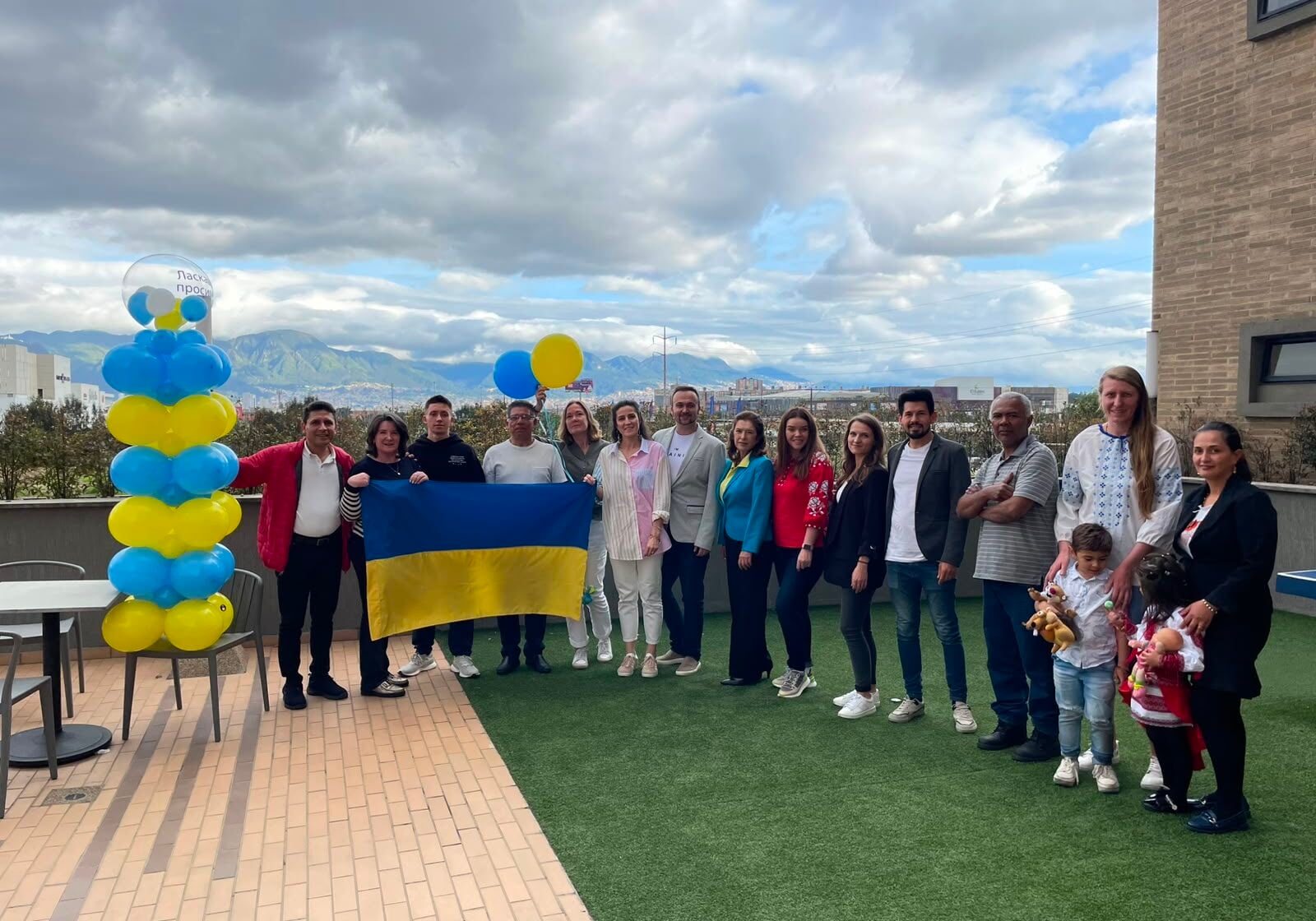
Today, about 400 Ukrainians live in Colombia, a country of more than 53 million people. Around 30 of them are active members of Prosvita. Yet in just a few years, this small team has launched dozens of initiatives to support Ukraine and promote its culture.
Cultural diplomacy, Colombian style
Prosvita held its founding general assembly in 2023, officially registered as an organization in 2024, and became an affiliate organization of the UWC in 2025. For a young community run entirely by volunteers, this marked an important step toward international cooperation.
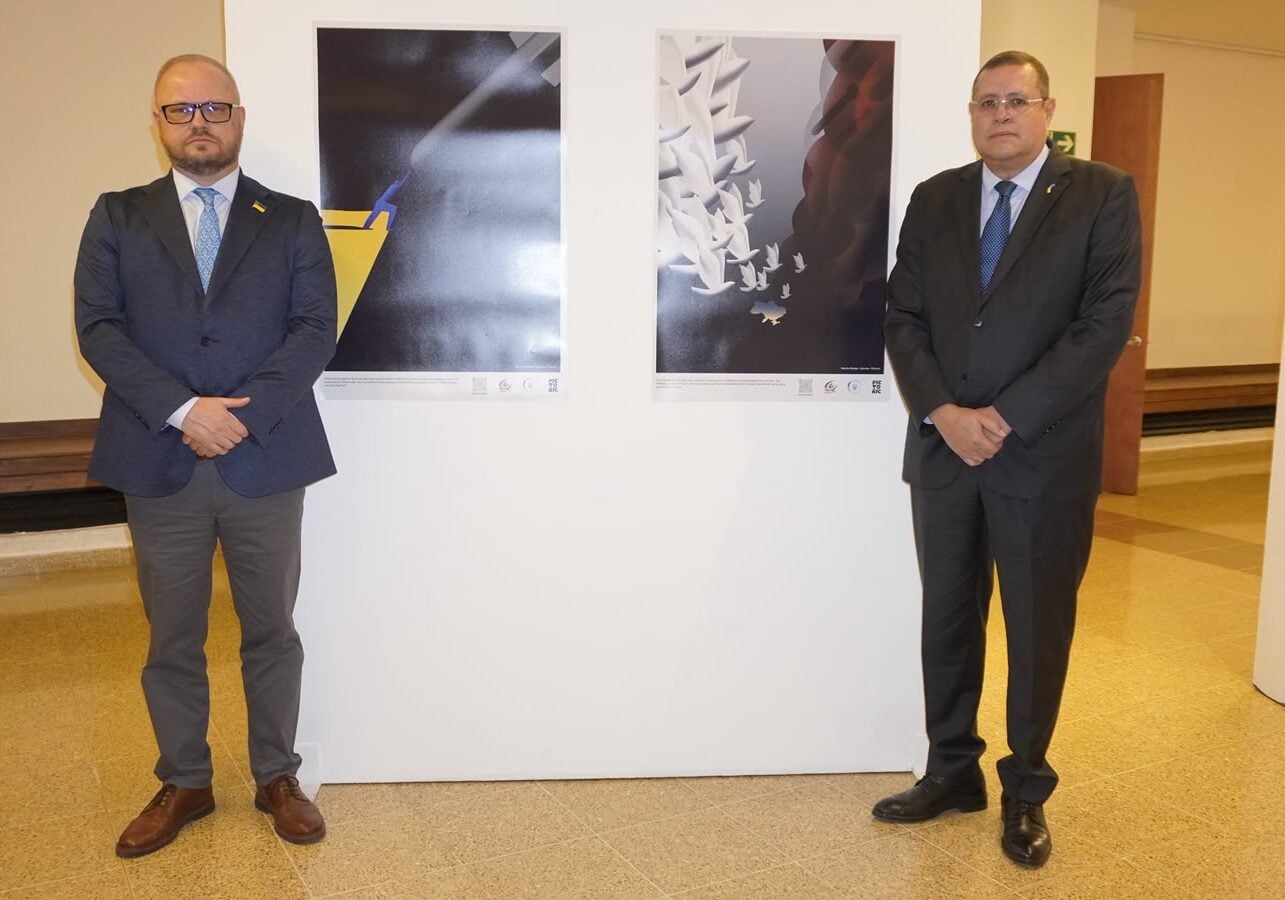
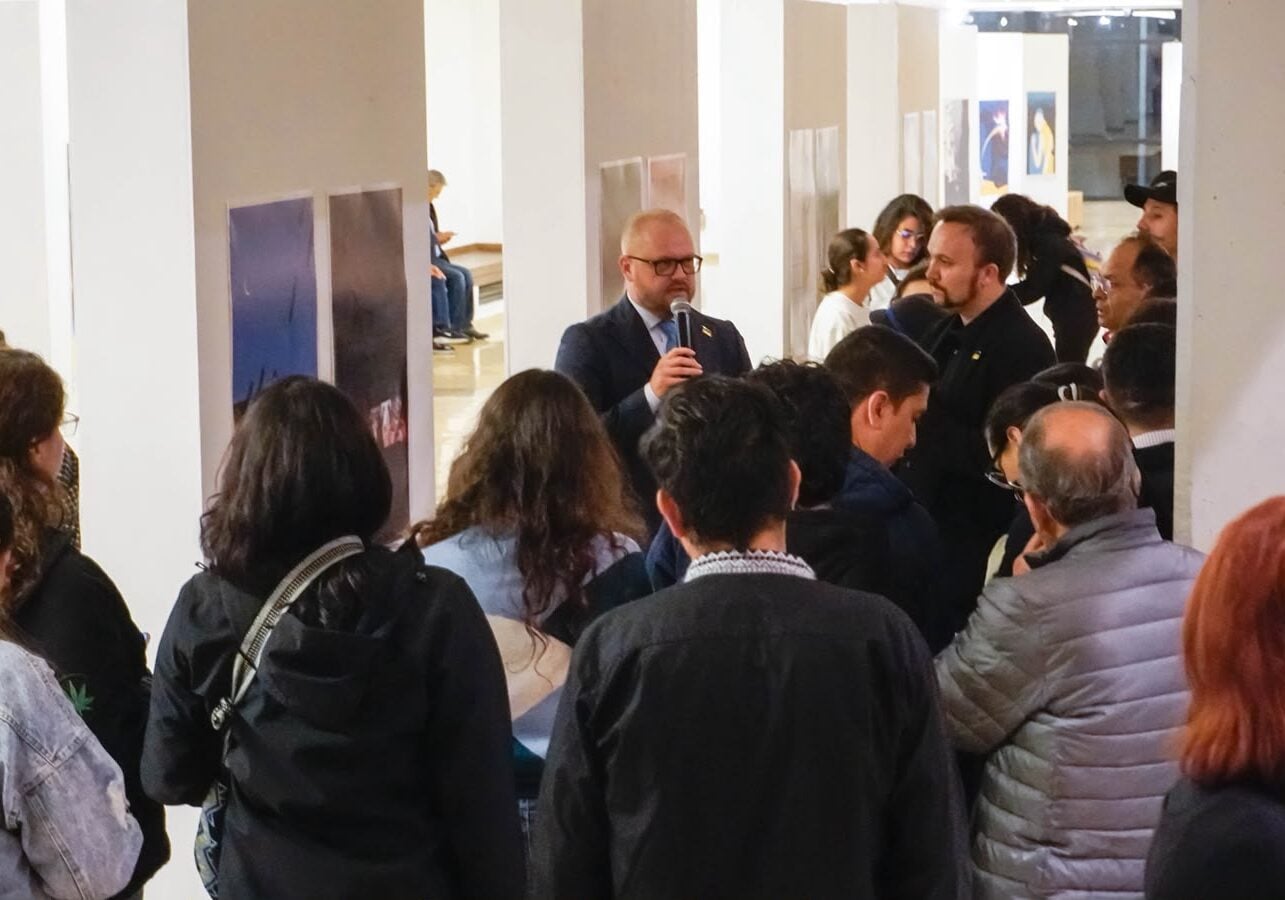
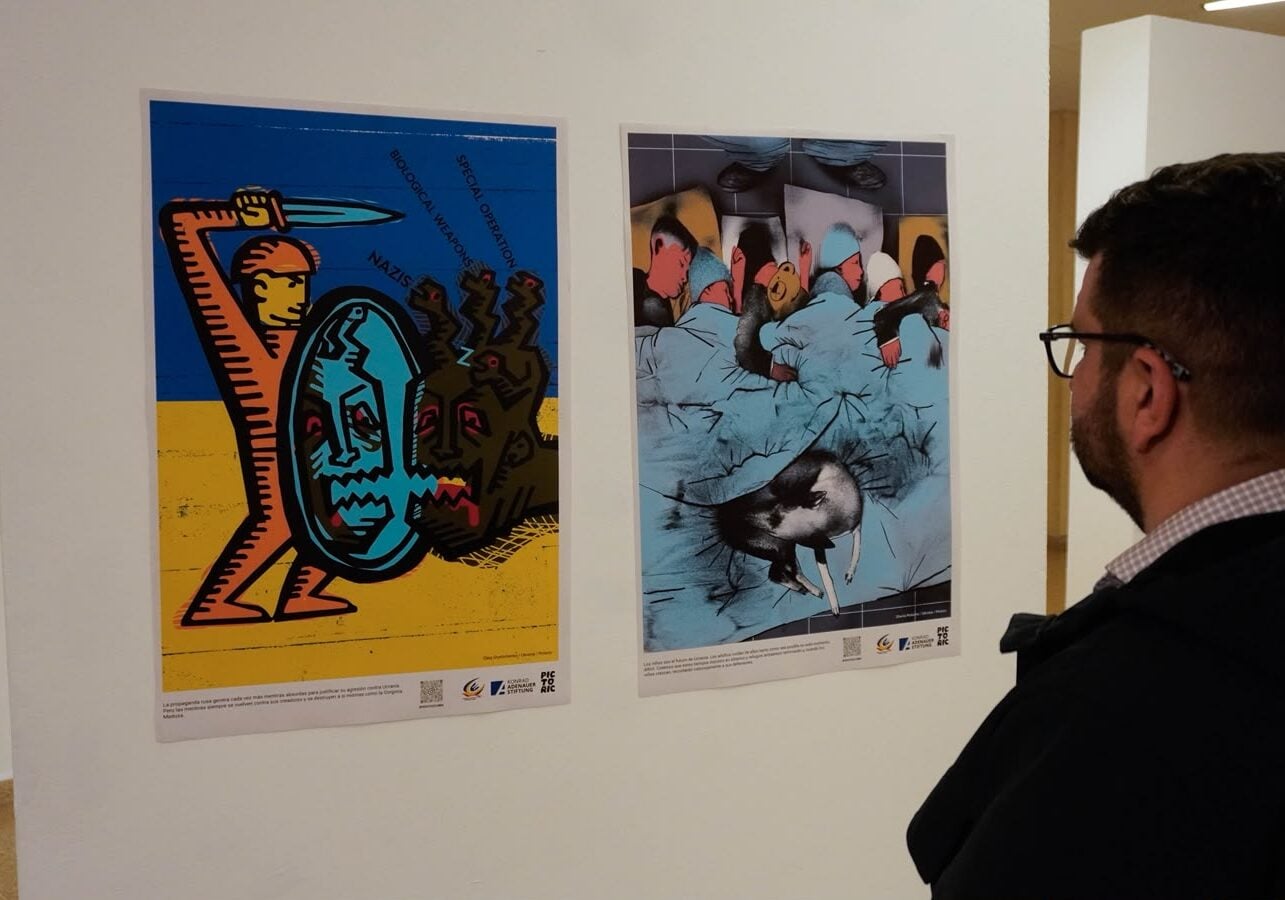
In just a few years, the association has organized dozens of cultural, educational, and charitable initiatives. Its volunteers have hosted screenings of documentaries about the war in Ukraine, collected aid for the Armed Forces of Ukraine – including tourniquets and body armor – and organized photo exhibitions explaining Russia’s aggression to Colombian audiences.
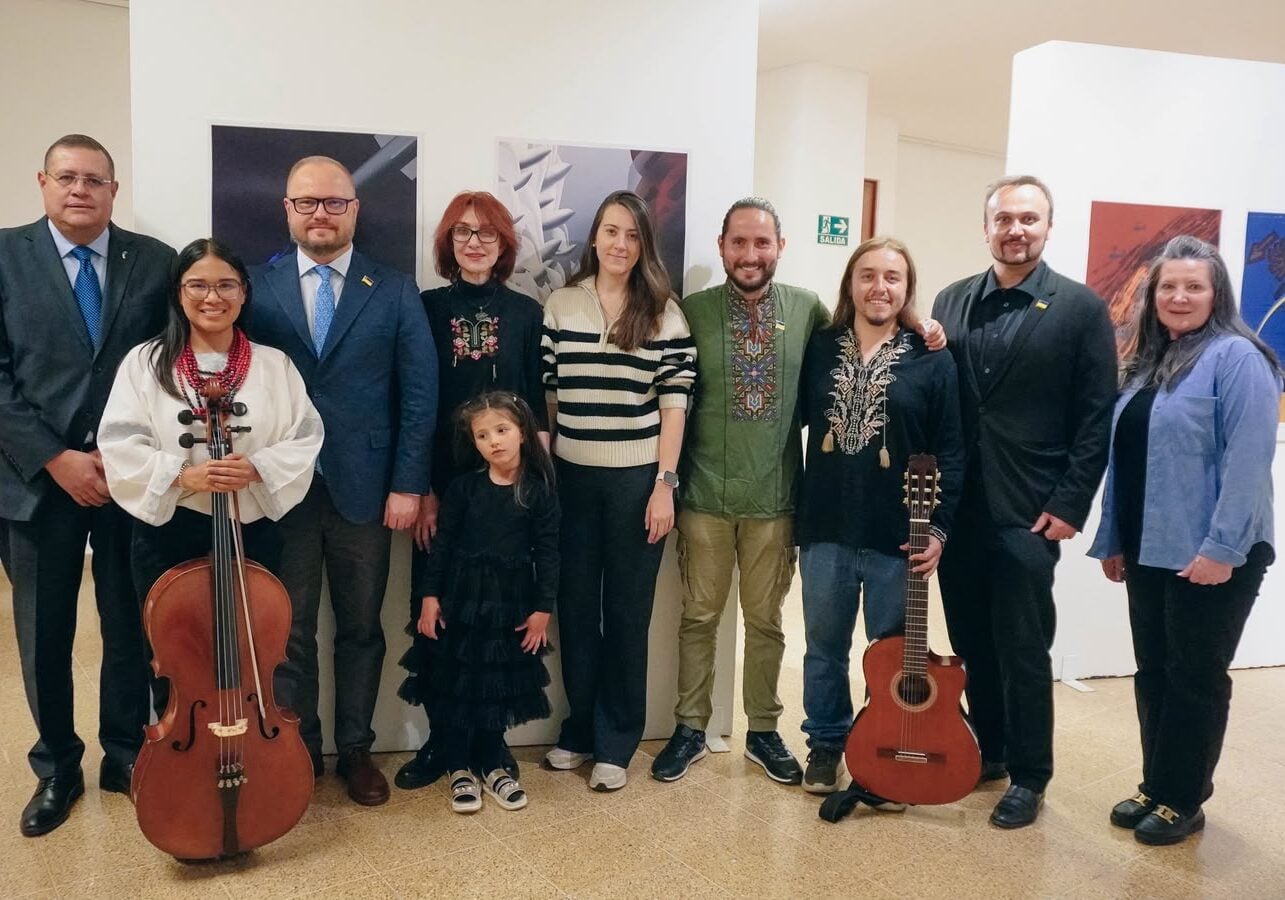
An important partner in these efforts has been the Ukrainian illustrators’ club Pictoric, which provided artwork for several exhibitions. The exhibitions toured multiple Colombian cities, using art to tell stories about the war, human loss, and the resilience of Ukrainians.
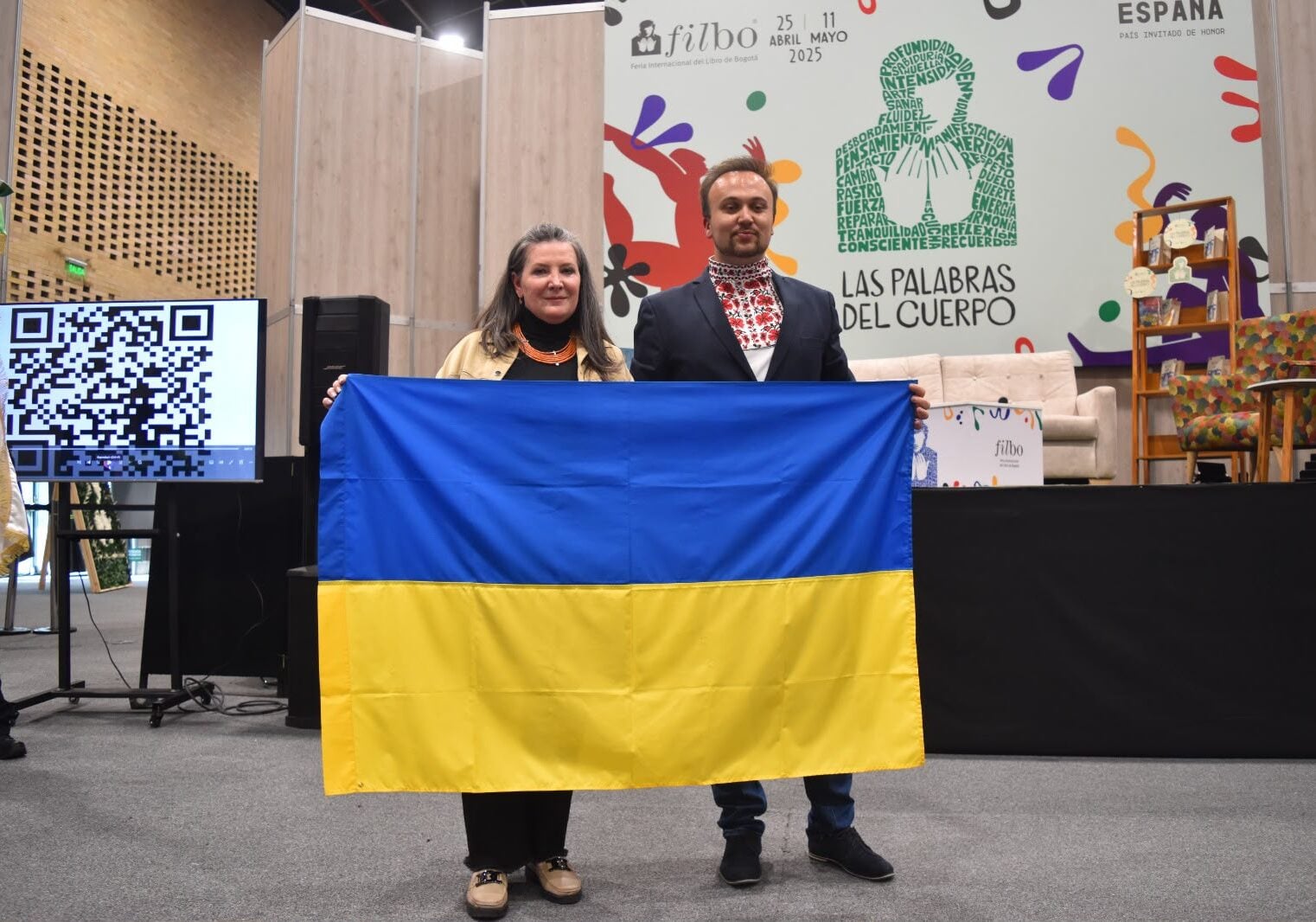
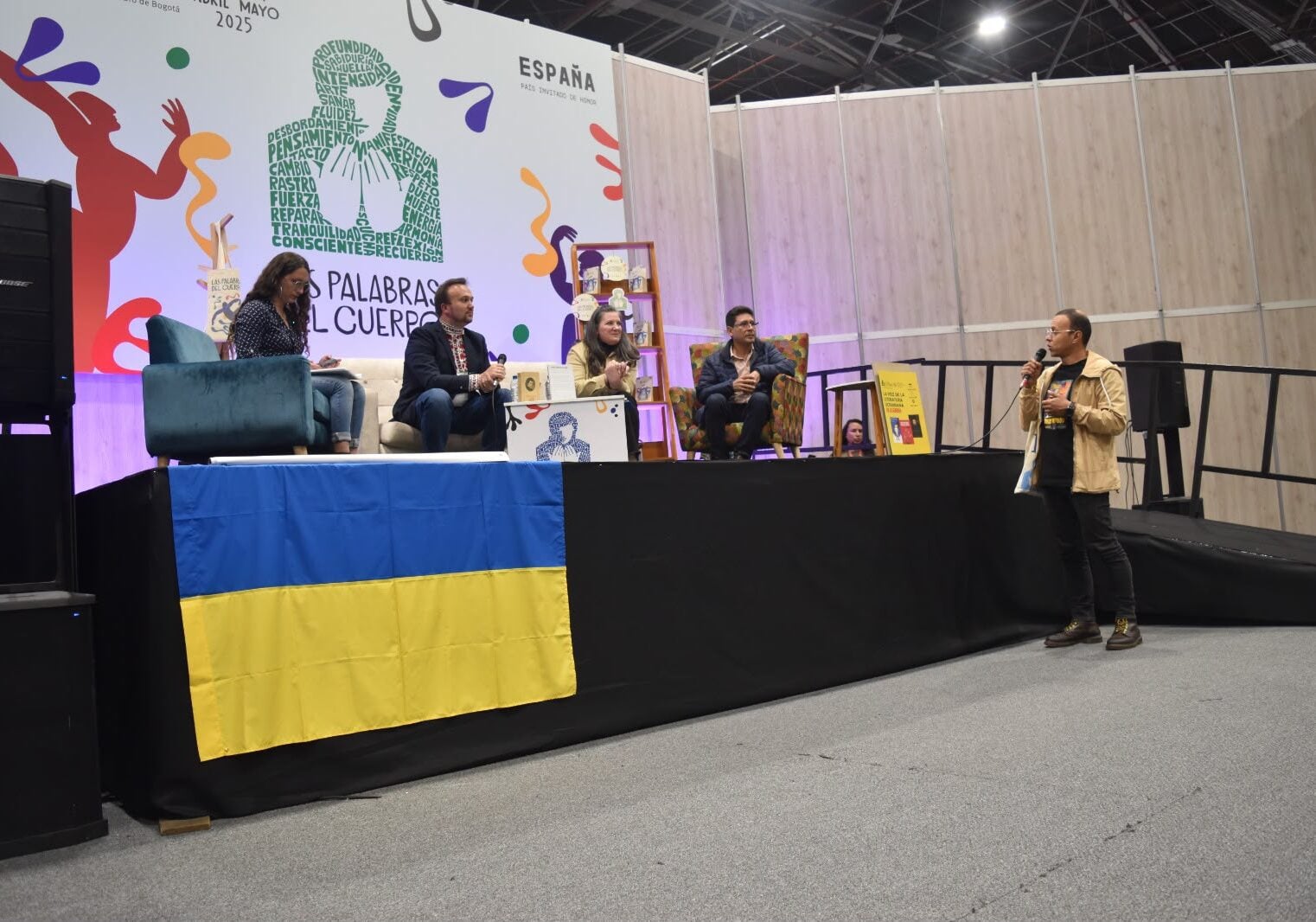
One of the association’s most important platforms has become the Feria Internacional del Libro de Bogotá, Colombia’s largest book fair. For several years, Prosvita has participated in its program by presenting lectures titled The Voice of Ukrainian Literature During the War.
During these events, the association introduces Colombian audiences to Ukrainian authors whose works have become testimonies of the war, including writer Victoria Amelina and poet Maksym Kryvtsov, both of whom were killed as a result of Russian aggression.
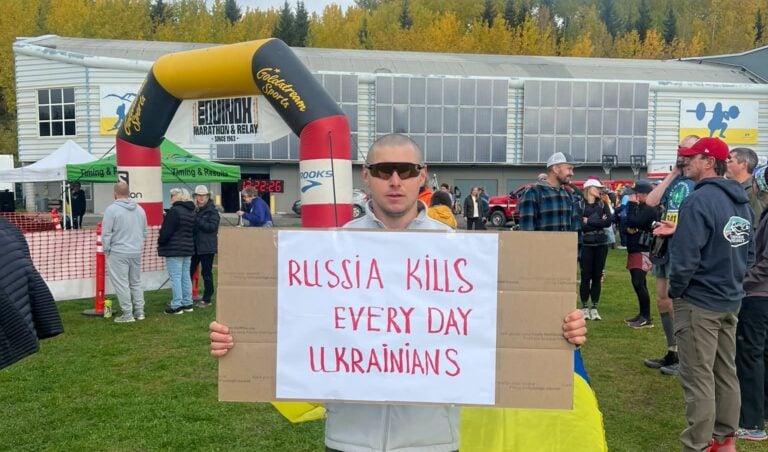
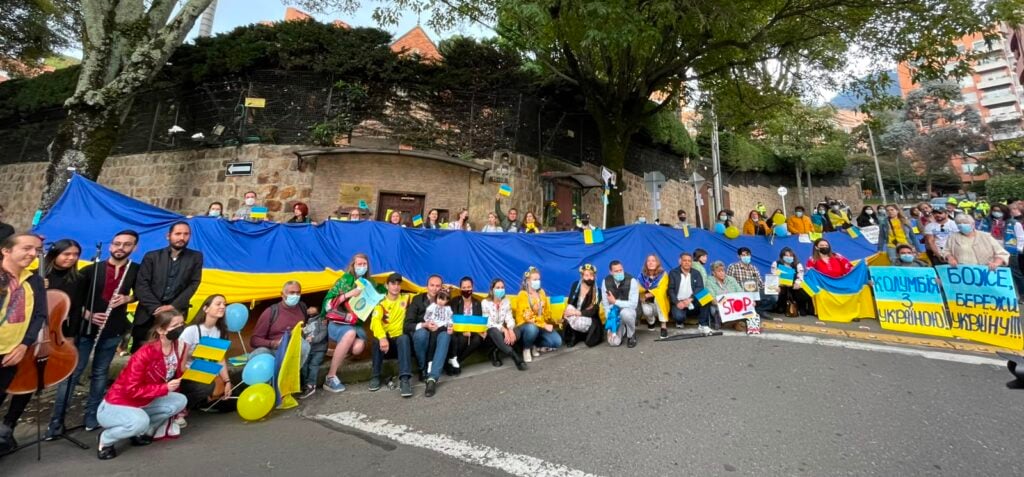
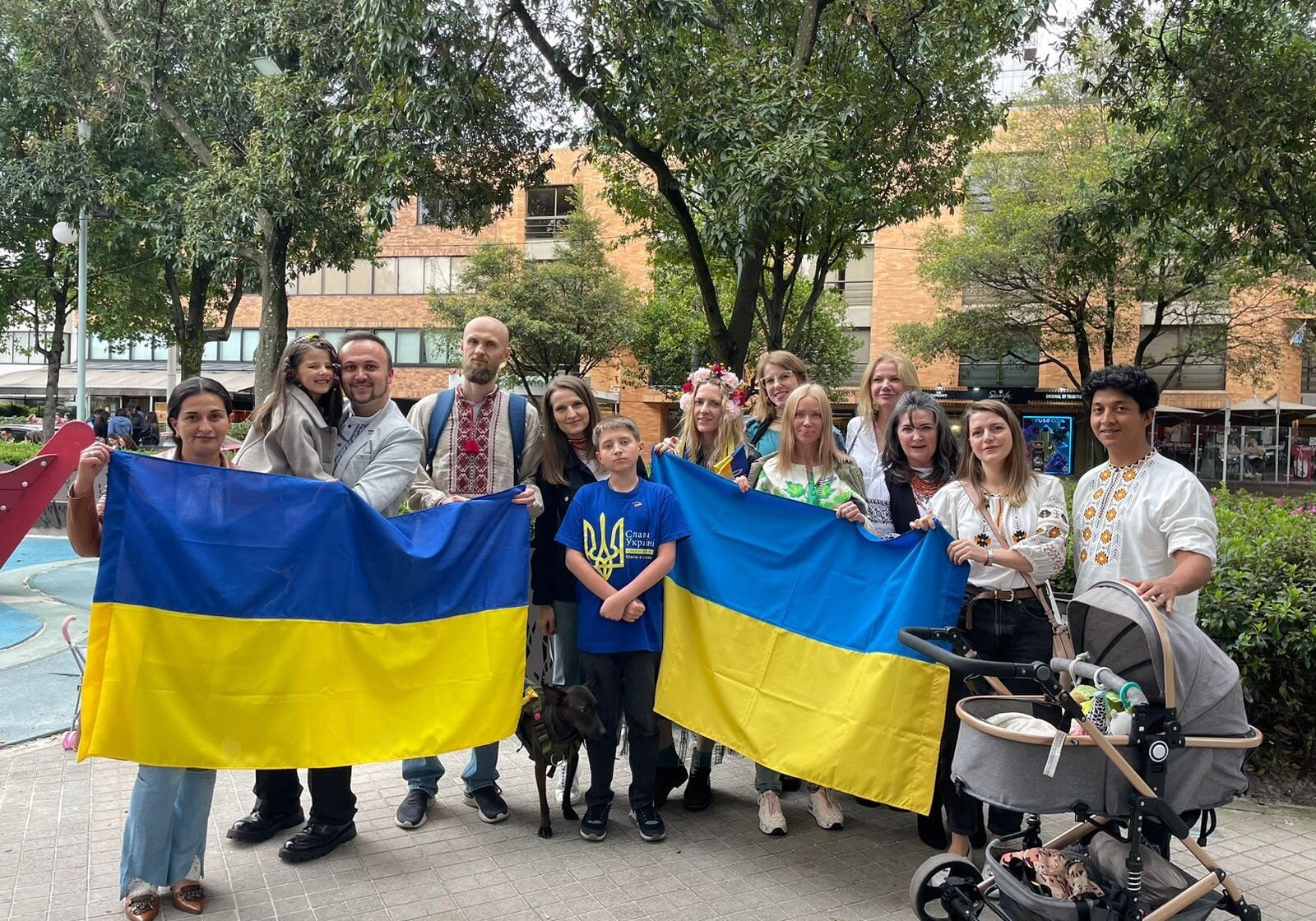
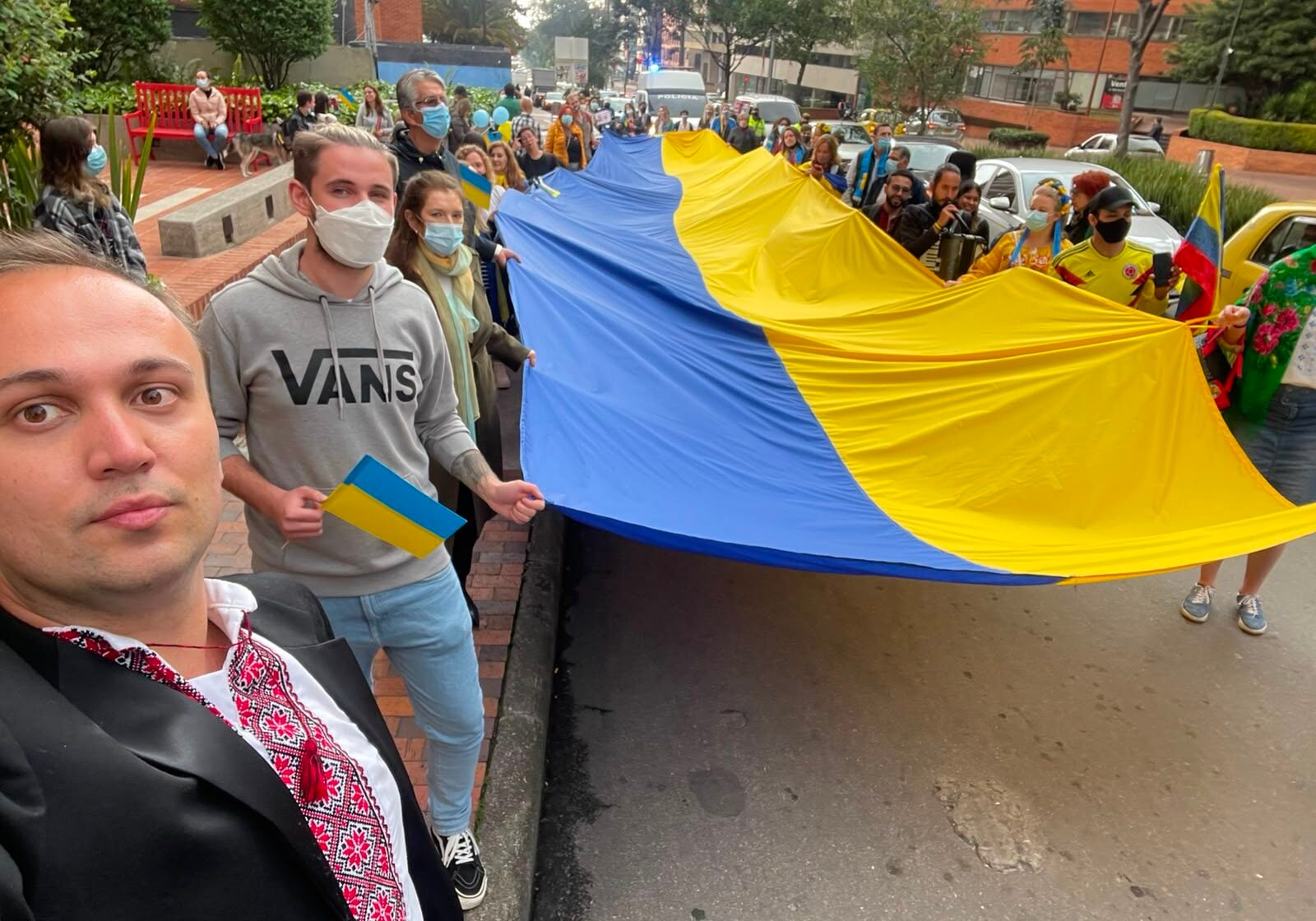
Every year on Feb. 24, the community joins international solidarity events coordinated by the UWC and also organizes a public march. Through these events, Prosvita reminds Colombian society that the war continues and that everyone can support Ukraine – whether by joining public events or sharing accurate information on social media.
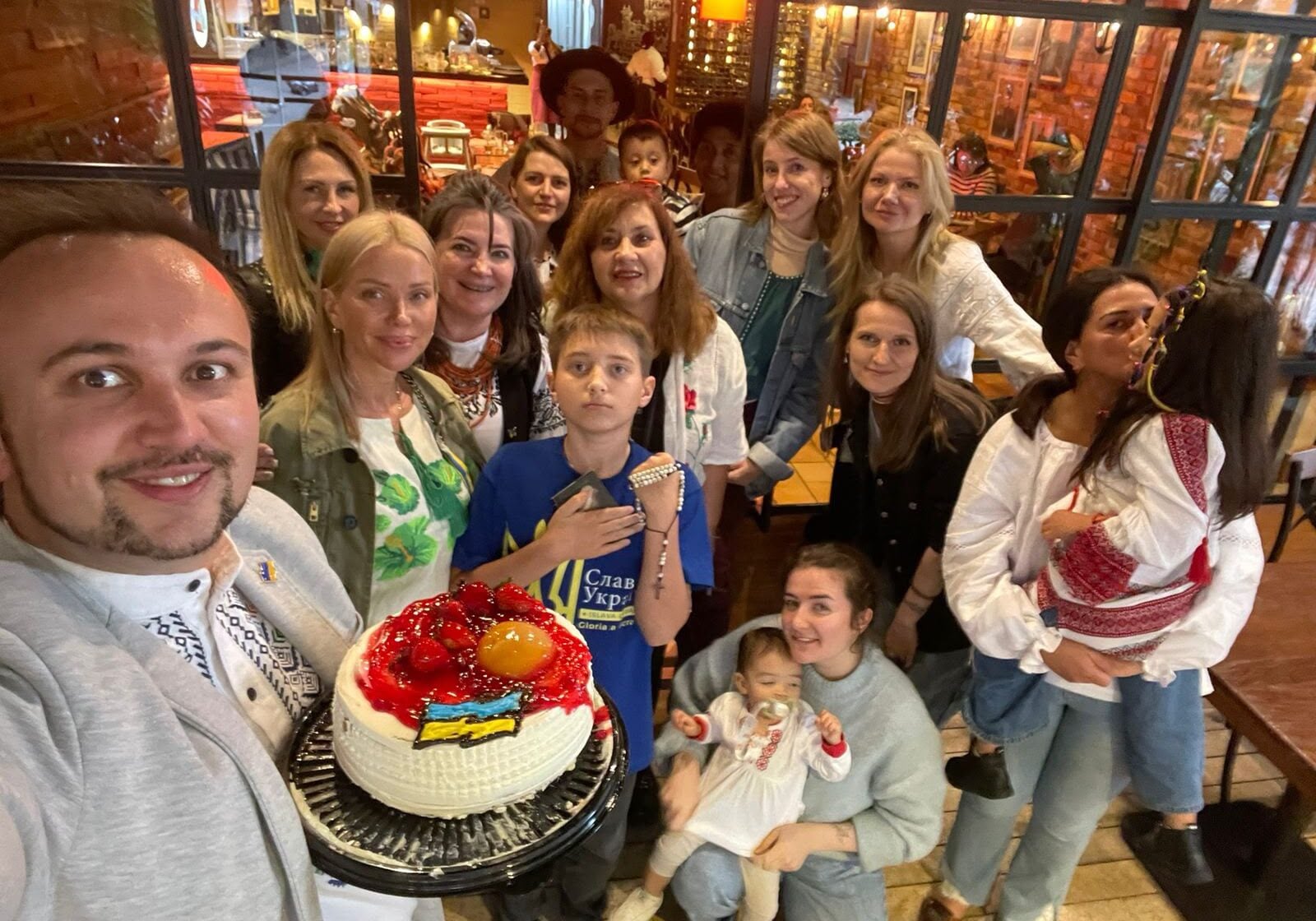
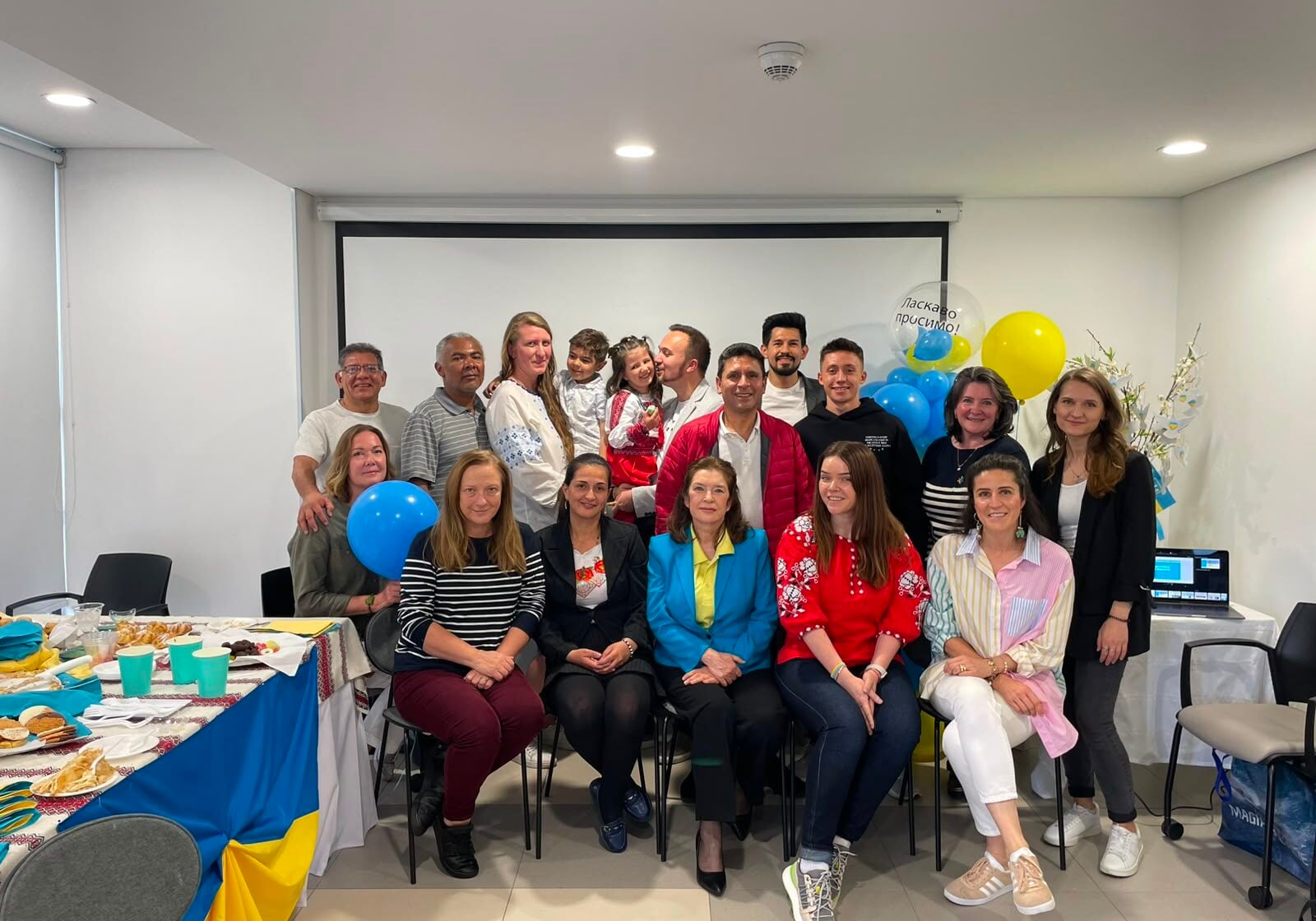
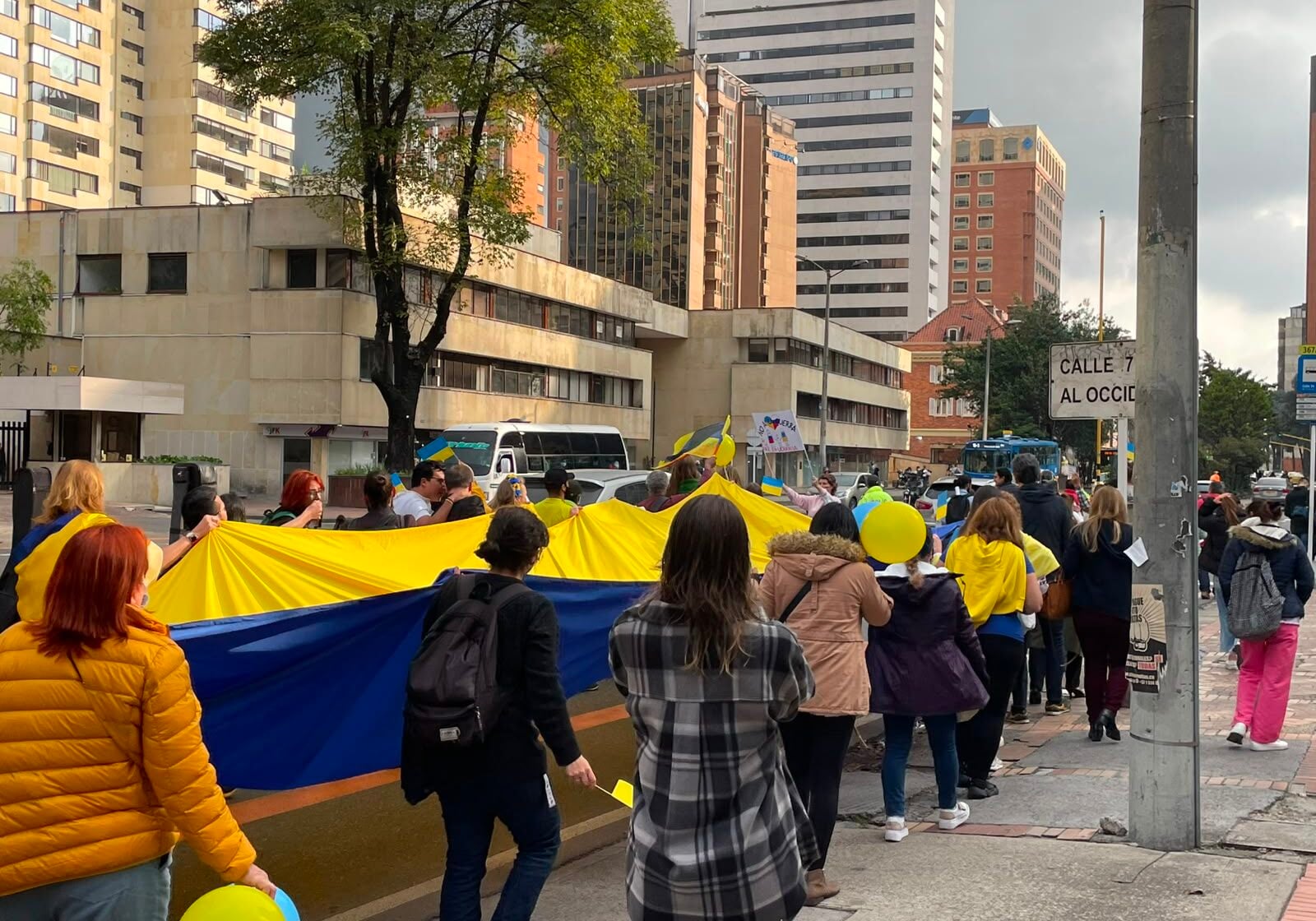
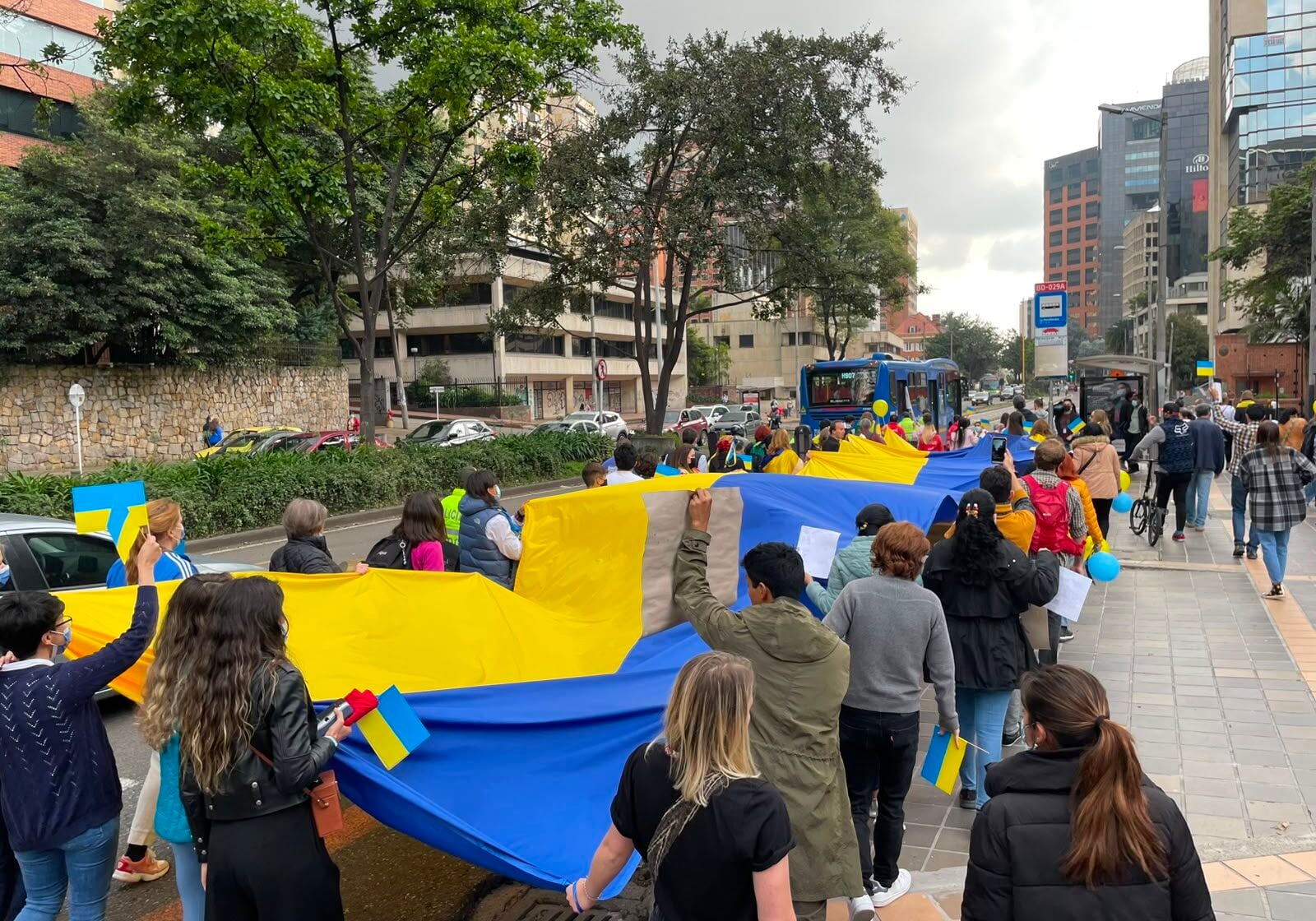
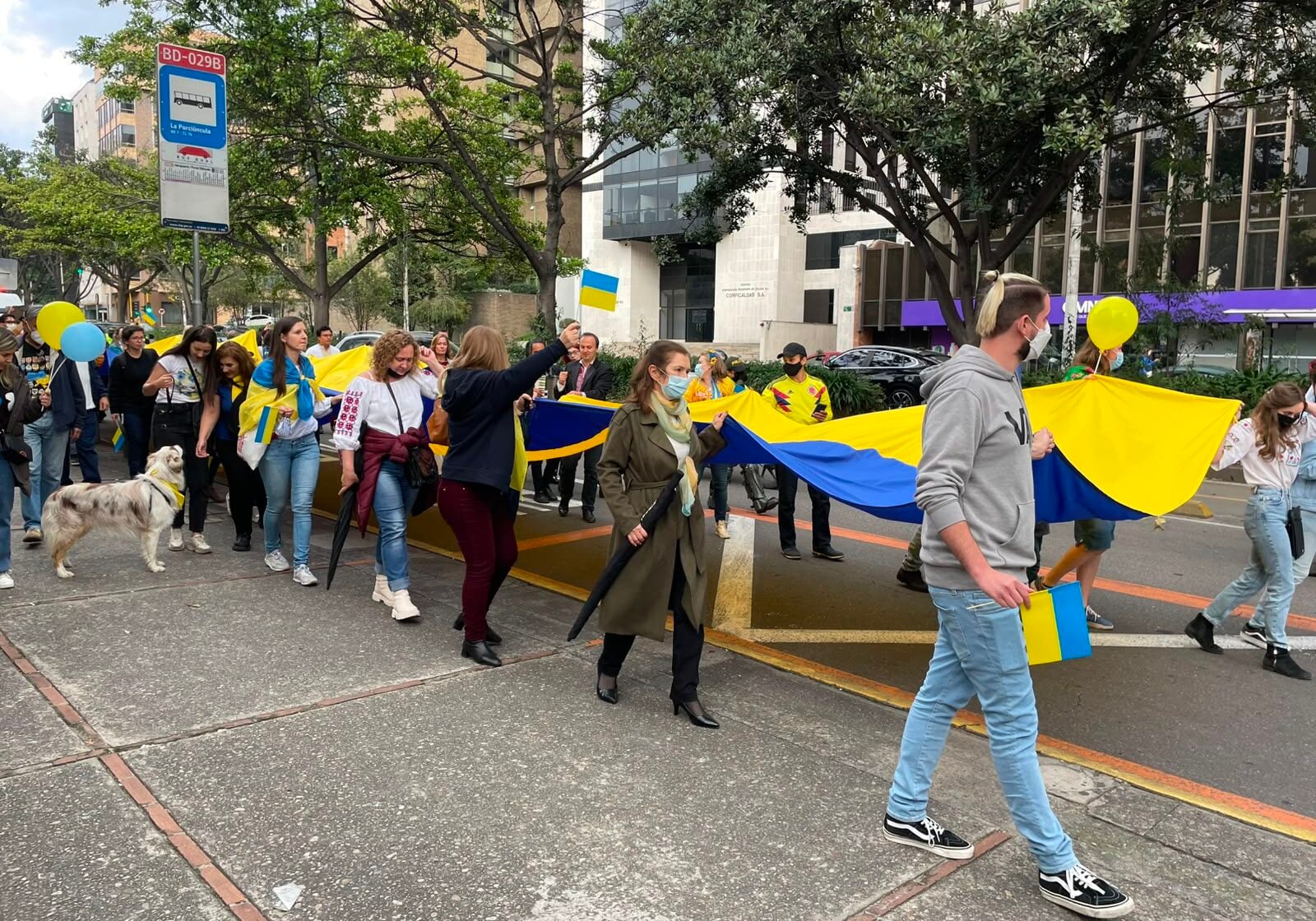
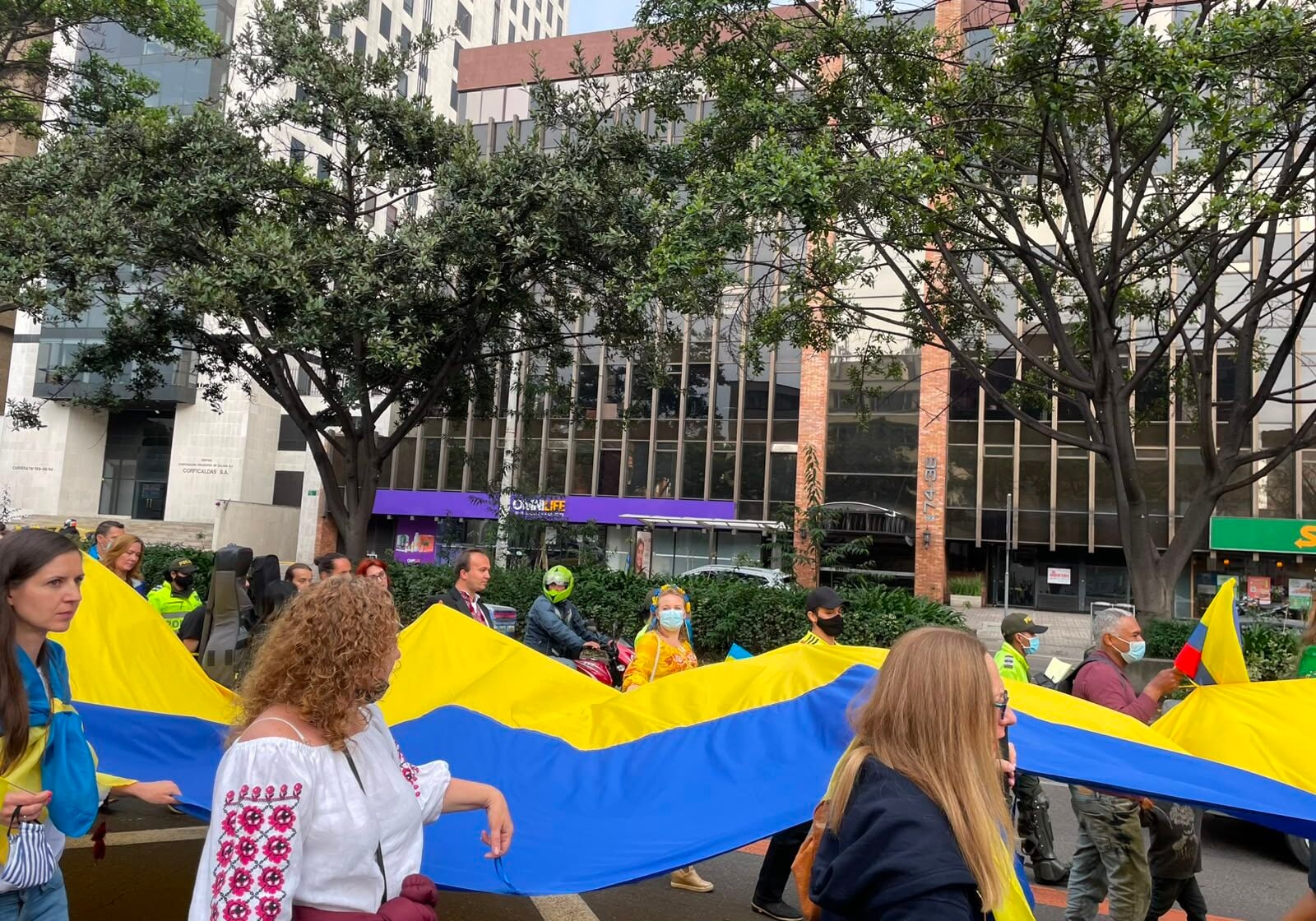
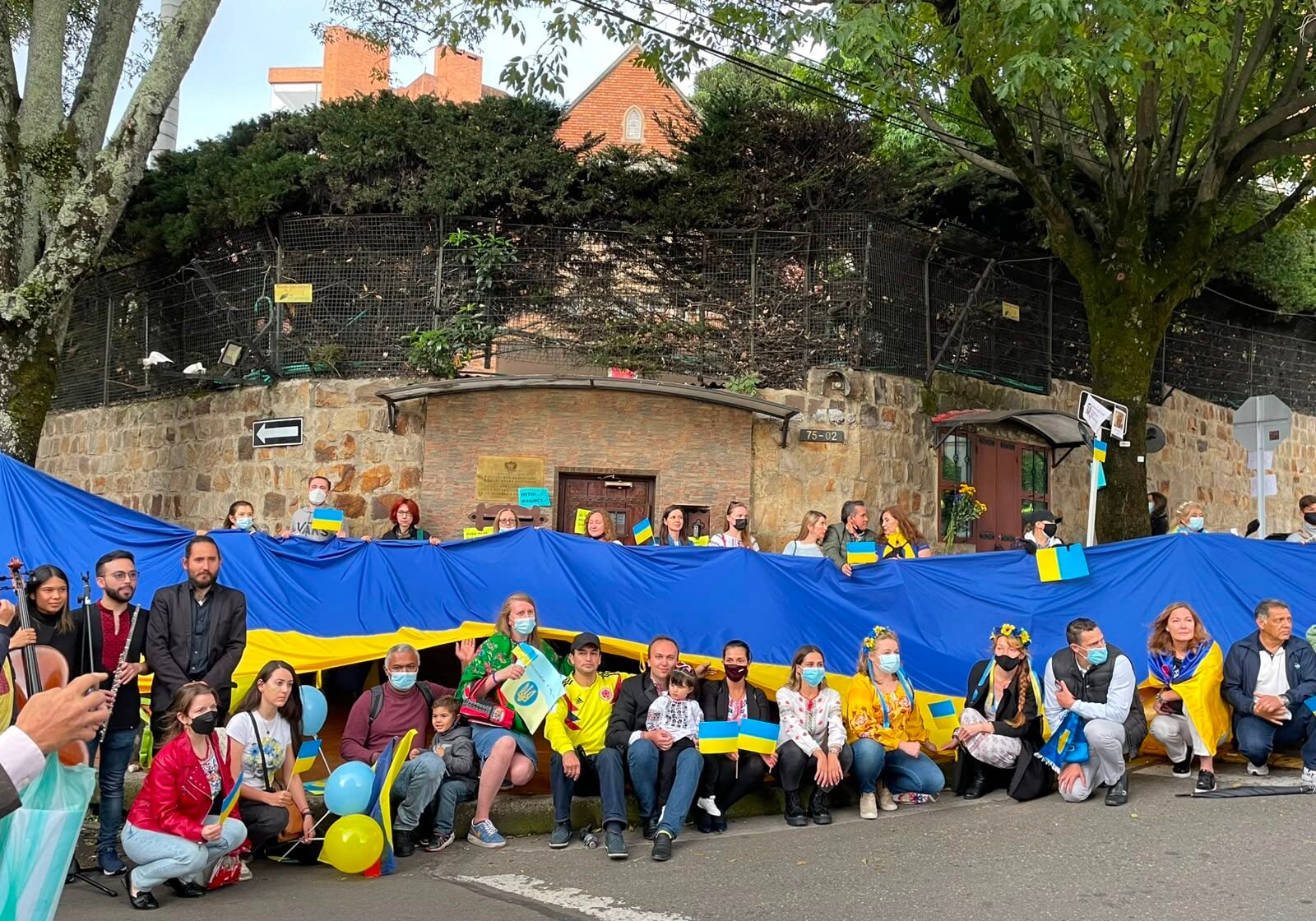
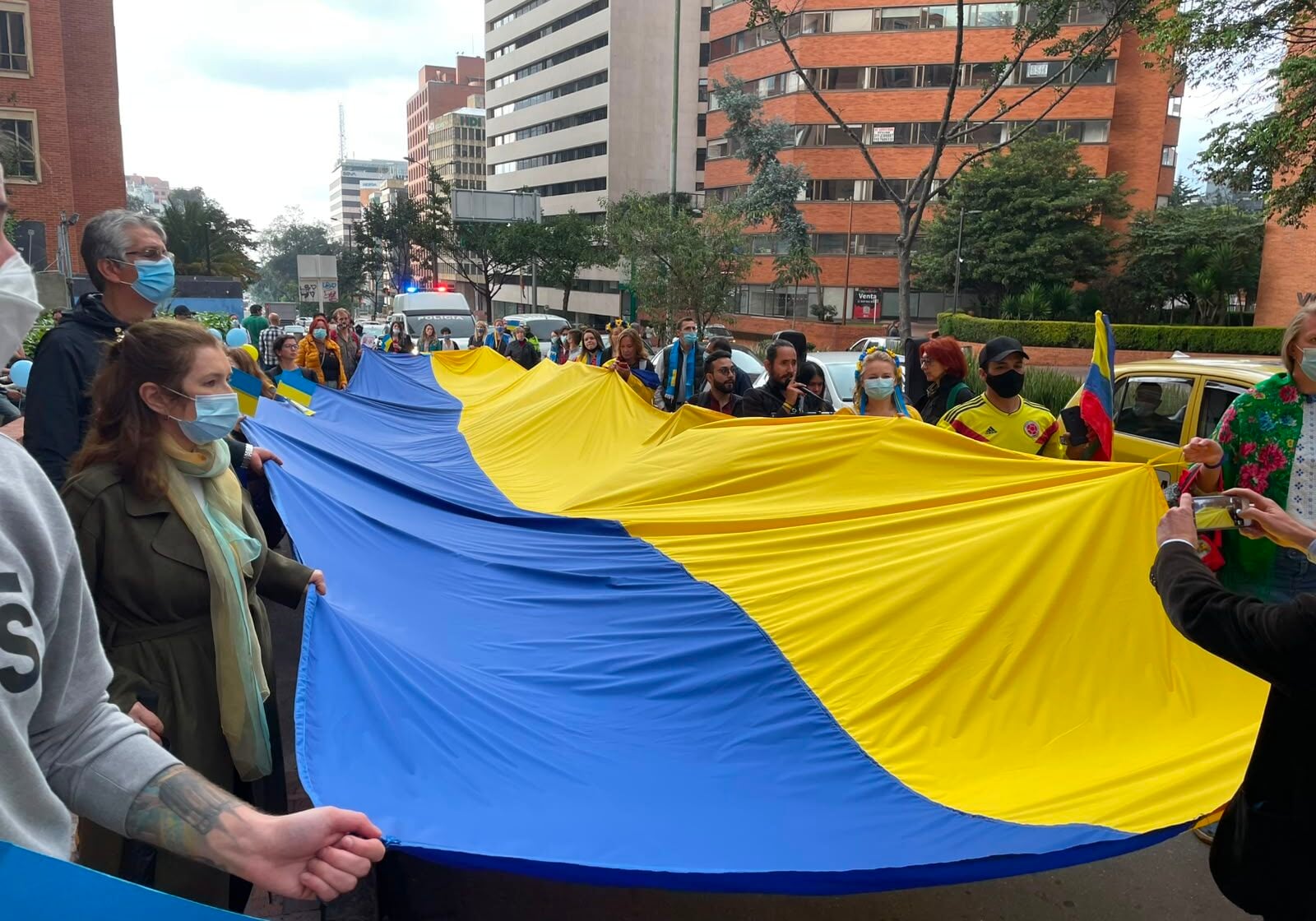
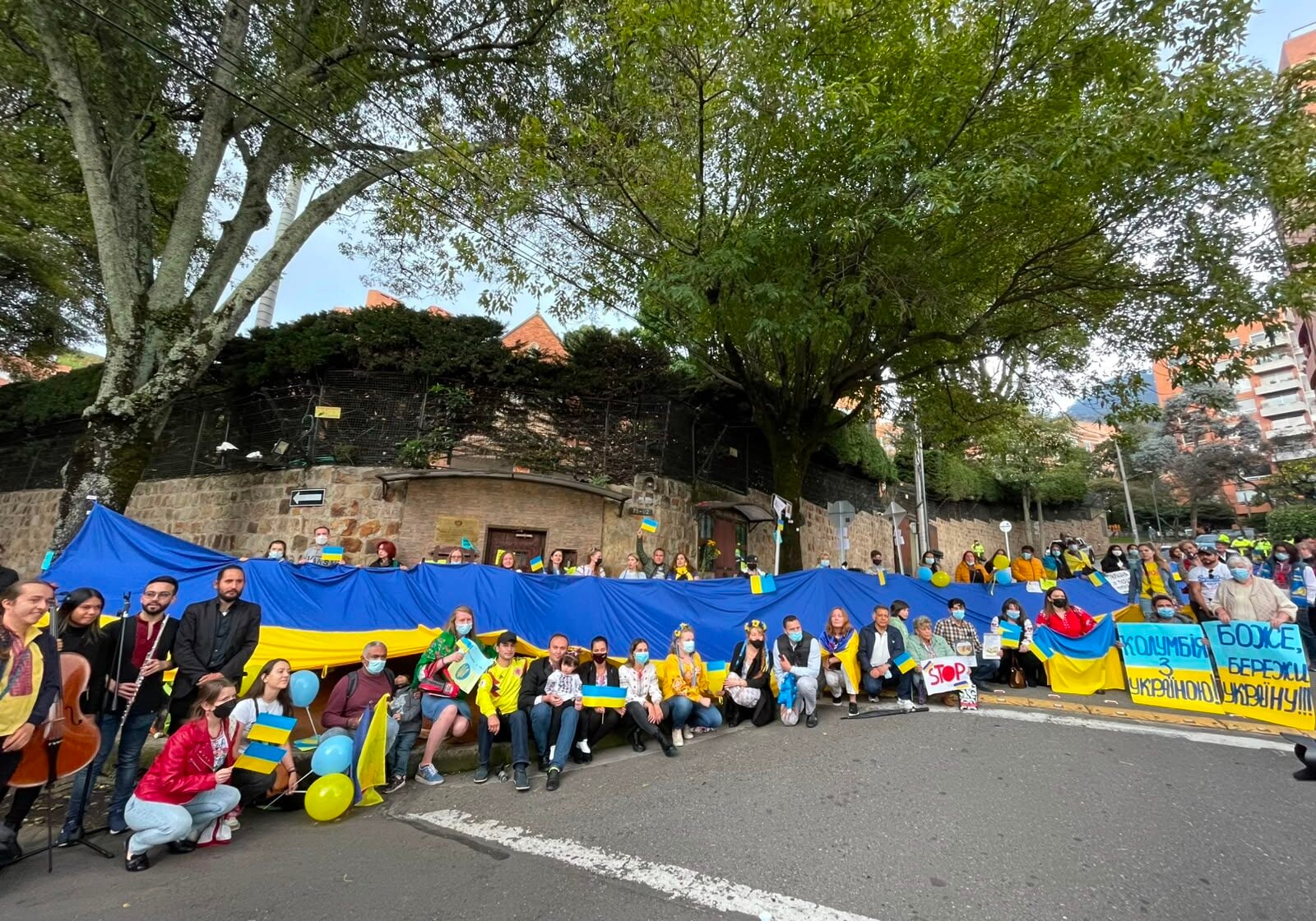
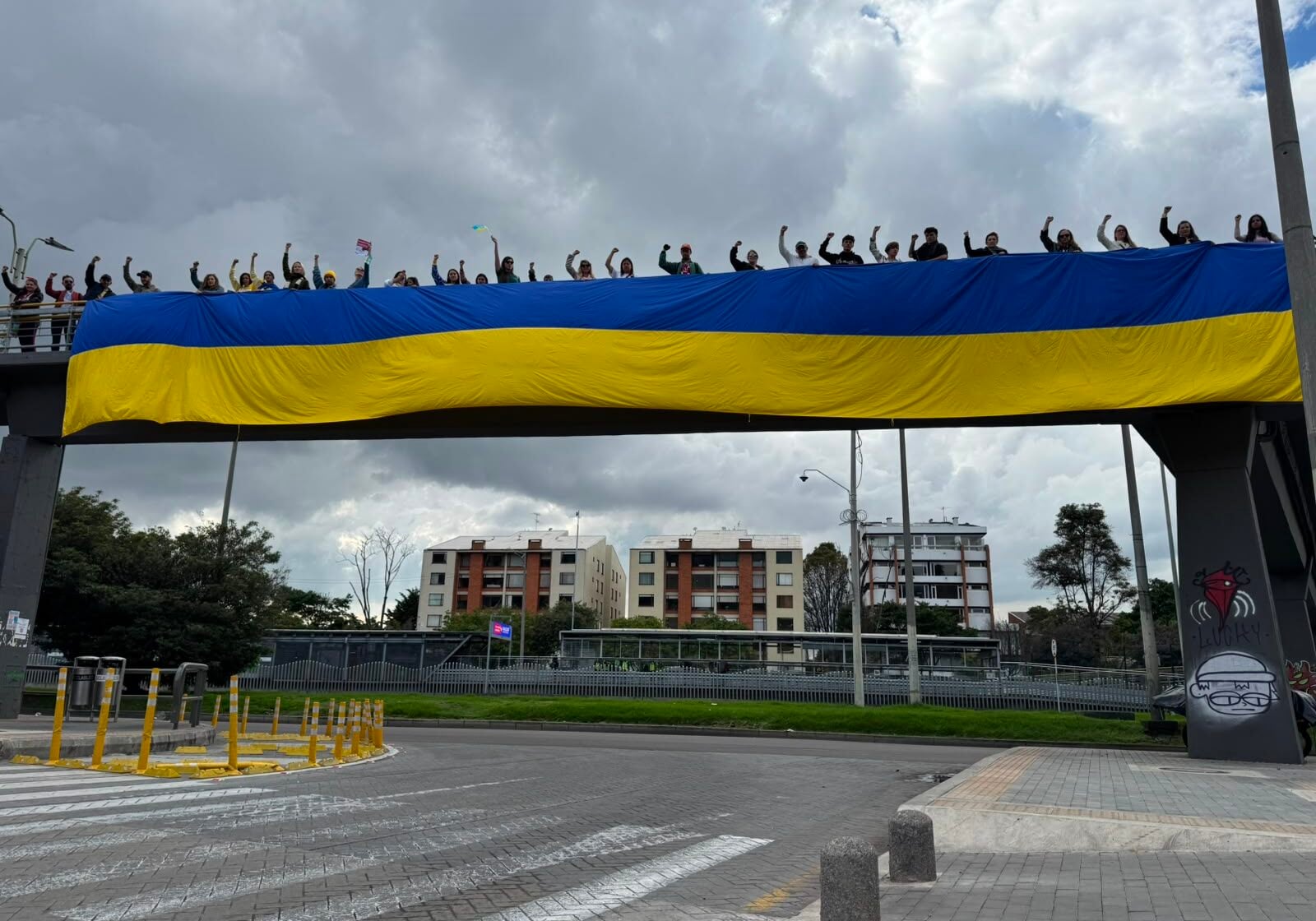
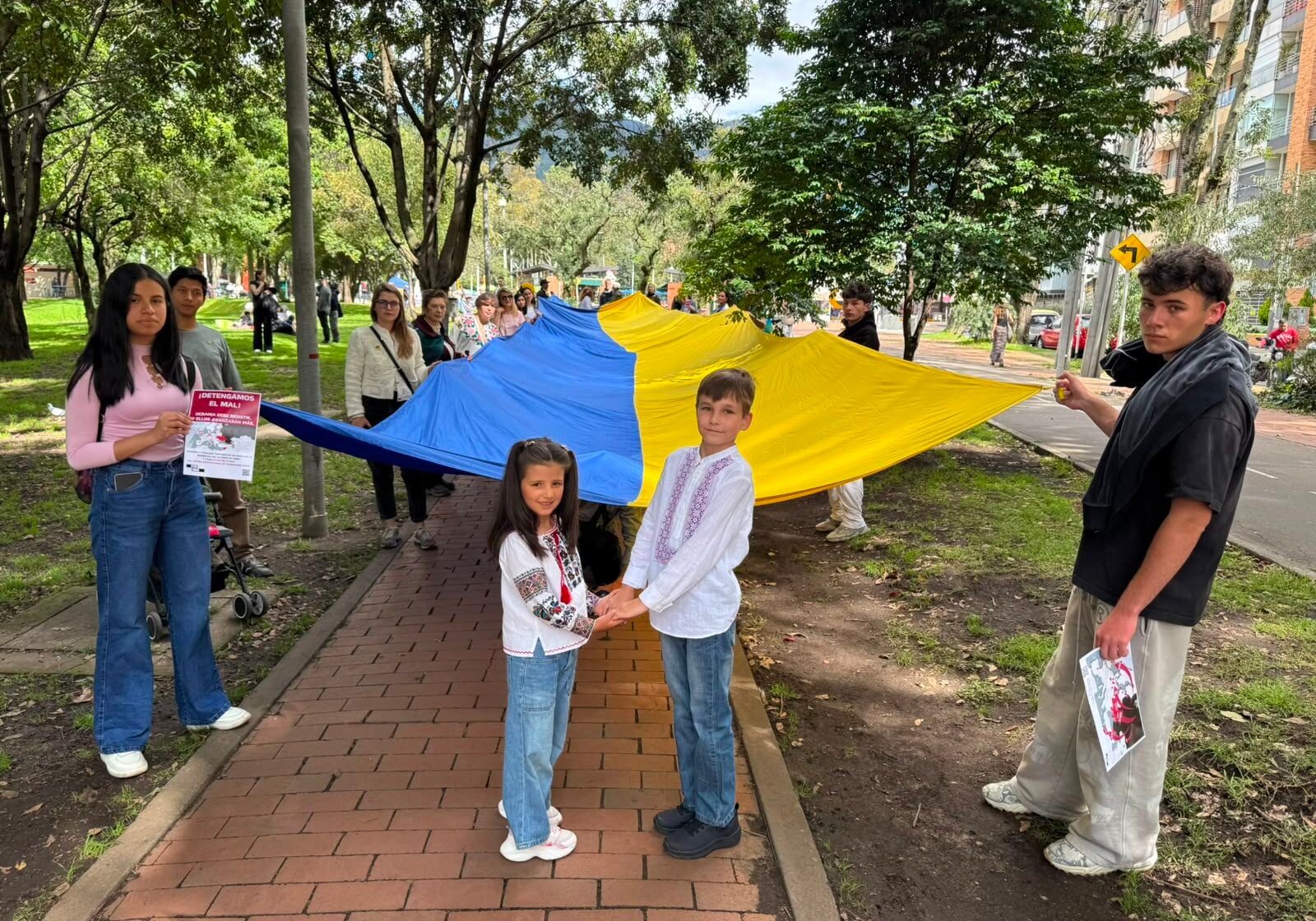
The association’s partnerships extend beyond the Ukrainian community. Together with the Embassy of Poland in Colombia, Prosvita organized a Polish-Ukrainian cultural picnic that combined presentations of both cultures with a fundraiser for Ukraine.
Last year, Ukrainian pianist Taras Filenko visited Bogotá. With Prosvita’s support, he delivered lectures on Ukrainian culture at universities, met with members of Colombia’s artistic community, and performed a public concert.
Over time, Prosvita has built an extensive network of international partnerships. The association works closely with the diplomatic missions of Poland and France, as well as the Delegation of the European Union to Colombia.
Although Ukraine still does not have its own embassy in Bogotá, Prosvita maintains regular contact with diplomats from the Ukrainian Embassy in Peru, which is also responsible for Colombia and Ecuador. Representatives of the embassy regularly attend the association’s events and participate in its initiatives.
The Ukrainian community is also increasingly invited to local cultural events focused on Ukraine. One such event featured Colombian journalist Ana María Rodelo, who reported on Russia’s war against Ukraine from inside the country, alongside writer Héctor Abad Faciolince.
The next step: a permanent home for Ukraine
Despite its many achievements, Prosvita is already looking ahead. One of its biggest goals is to establish a permanent Ukrainian booth at the Feria Internacional del Libro de Bogotá, Colombia’s largest book fair, which attracts between half a million and one million visitors each year during its three-week run from late April to early May.
According to Rostyslav, having a permanent presence at the fair would allow Ukraine to present itself not only through books, but also through contemporary culture, history, and national identity.
Presenting Ukraine as more than just a country at war has become one of the association’s main priorities. Prosvita aims to take part in local cultural events, collaborate with artists and fashion professionals, and invite Ukrainian musicians, historians, writers, and art experts to Colombia.
For now, these projects remain in the planning stage, and all of the association’s work continues to rely on volunteers. Still, Prosvita believes cultural diplomacy is one of the most effective ways to build lasting interest in Ukraine and create connections that endure regardless of political circumstances.
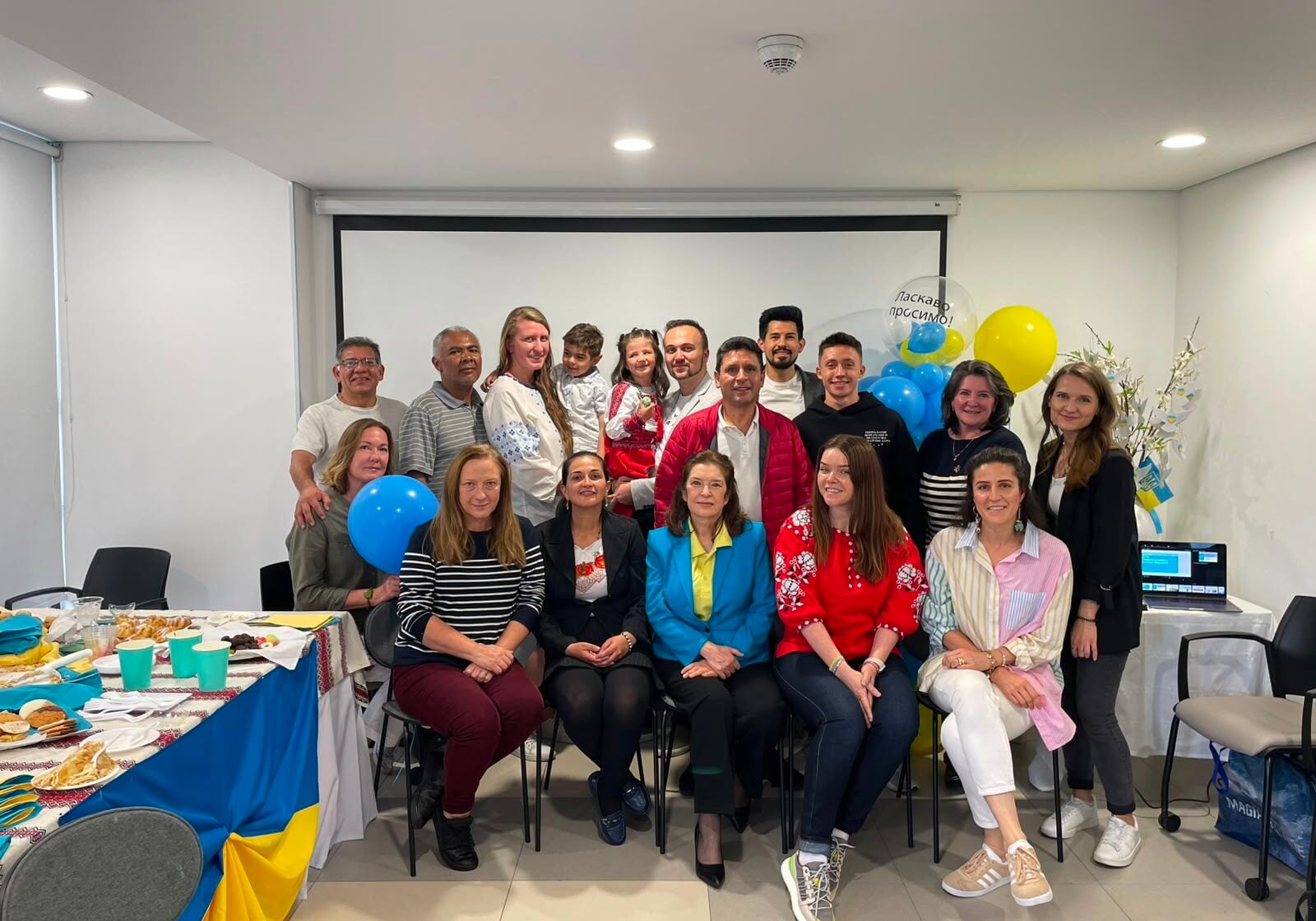
The next major gathering of the Ukrainian community will take place on Aug. 23, ahead of the 35th anniversary of Ukraine’s Independence. The association will hold its general assembly, followed by an open cultural program for Ukrainians, Colombians, and all friends of Ukraine.
For a community that was established less than four years ago and brings together only about 30 active members, this has already become a valued tradition. In just a few years, Prosvita has grown from a small initiative group into an organization representing Ukraine at major international cultural events, working with diplomats, universities, and artists, and helping Colombians discover modern Ukraine.
Because even thousands of miles from home, it is still possible to be Ukraine’s voice.
Latest news
 #UWC news
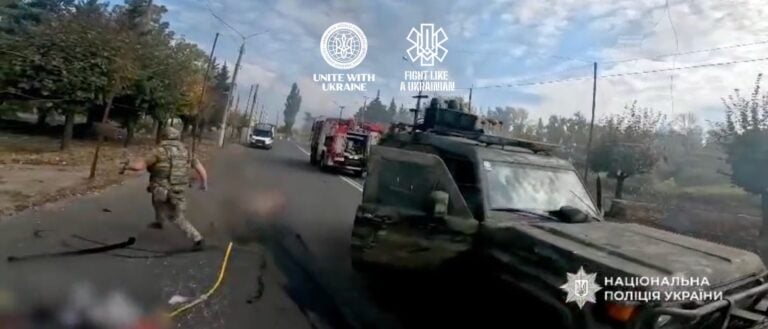
UWC funded armored ambulances evacuate wounded after deadly Russian attack on Kramatorsk
 #LocalAction