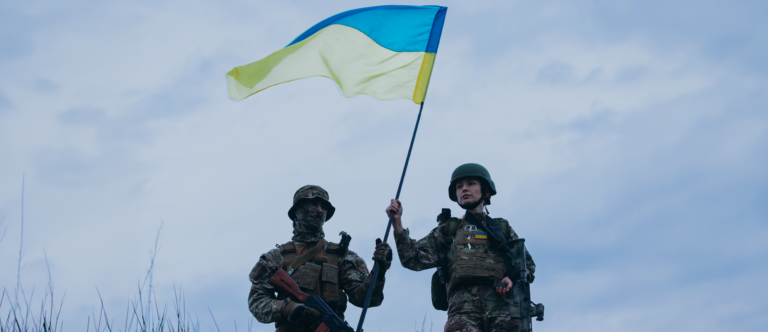


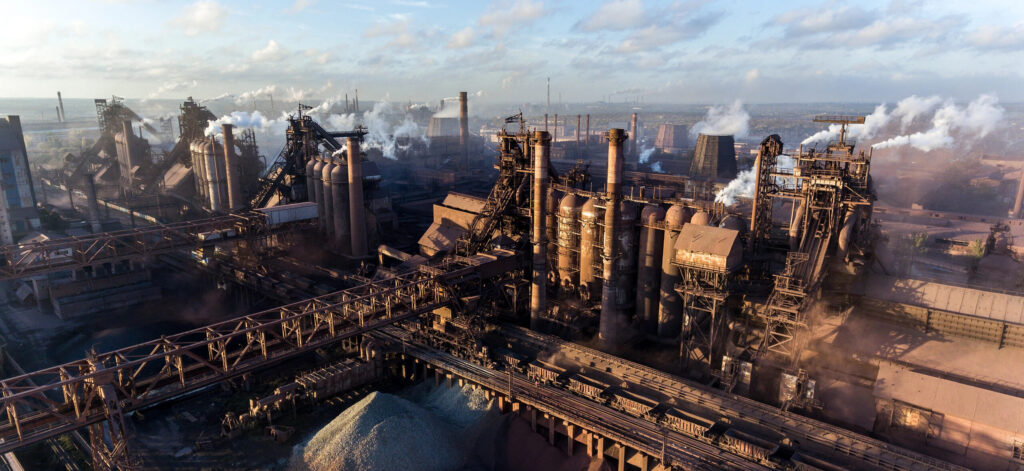


May 20 is a date etched into the heart of every Ukrainian. Four years ago, in May 2022, on orders from the high command to save lives, the last defender of Mariupol left the fortress-like Azovstal steel plant. Eighty-six days of total siege, superhuman effort, and resilience became a symbol of our identity. But today, this day is not about history – it is about an ongoing duty.
Volodymyr Kogutyak, UWC Vice President in Western Europe and head of its Advocacy Committee, stresses that the world has no right to forget those still held in Russian prisons. He calls on Ukrainian communities worldwide to turn this anniversary into a powerful act of advocacy.
Why is this especially important now?
It has been four years since hundreds of Azovstal heroes were taken captive. Russia continues to ignore the Geneva Conventions, denies access to international observers, and uses prisoners as a tool of political pressure. For the international community, this is not just a “humanitarian issue” – it is a test of the effectiveness of international law.
“We urge the governments of the countries where we live to increase sanctions pressure on Russia and to demand immediate access for the Red Cross to the places where our soldiers are held. The release of the defenders of Mariupol and all Ukrainian prisoners of war is a priority for Ukrainians worldwide,” Kogutyak says.
Messages for events and appeals
When preparing activities for May 20, use these key points in communication with foreign media and politicians:
- Azovstal is a symbol, but people are lives. Remind audiences that behind the steel structures of the plant were real people who carried out orders. Now the world must fulfill its duty and bring them home.
- Captivity in Russia is torture. Use UN reports and testimonies of those who have returned to highlight the urgency. Every day in captivity poses a risk of irreversible harm to health.
- The release of all is key to peace. As long as Russia holds thousands of military and civilian hostages, no dialogue about stability is possible.
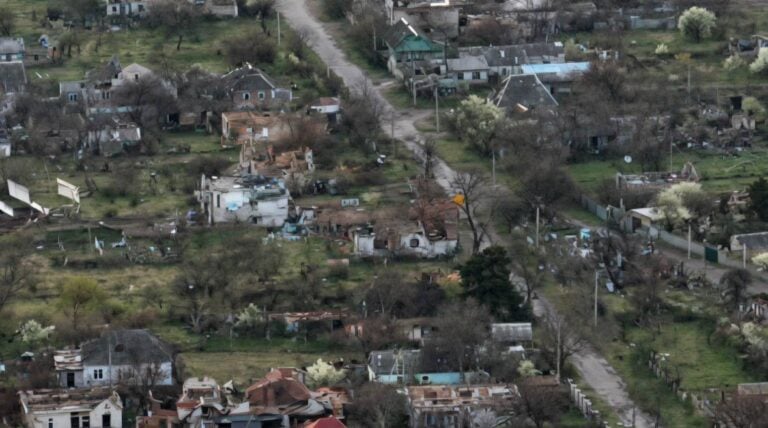
- Mariupol is a crime scene. Emphasize that the occupation of the city was accompanied by genocidal practices, and its defenders were the only barrier preventing the total destruction of the civilian population.
Practical advice for communities
To ensure your voice is heard locally, the UWC recommends the following steps:
- Organize public demonstrations. On May 20, gather in central city squares. Use visual installations such as chains, symbolic “cages,” or photos of defenders still in captivity.
- Write official letters. Send appeals to foreign ministries and parliamentary committees in your countries of residence. Demand that “all-for-all” prisoner exchanges be on the agenda of every international meeting.
- Work with human rights groups. Engage local branches of Amnesty International or Human Rights Watch. Organize joint panel discussions on Russia’s violations of prisoners’ rights.
- Digital advocacy. Share the stories of individual fighters – personalizing the tragedy generates stronger empathy among international audiences.
- Media outreach. Invite journalists to your events. Prepare a press pack with facts about the siege of Mariupol and the current situation of prisoners in English or the language of your host country.
Earlier, the UWC called on the international community to intensify efforts to secure the swift release of captured defenders of Mariupol. The appeal was voiced by UWC leaders during the UWC Summit in Bucharest in April 2024.
We have no right to grow tired until the last defender of Ukraine embraces their family on free Ukrainian land.
We remember. We fight. We will bring them home.
Cover: DepositPhotos