

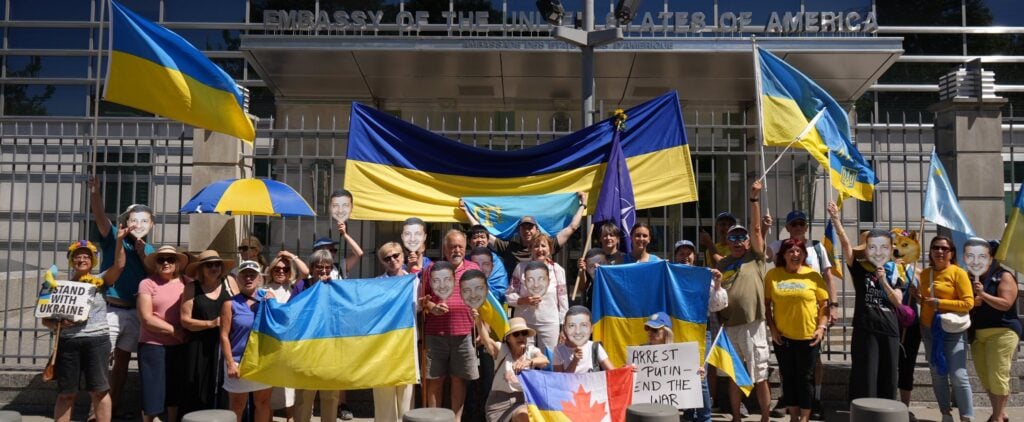


For Crimean Tatars, the memory of the 1944 deportation is part of family identity, passed down from generation to generation. It is not a textbook chapter but something alive – carried in grandmothers’ stories, in the names of places that no longer exist, and in a language that was once targeted for erasure.
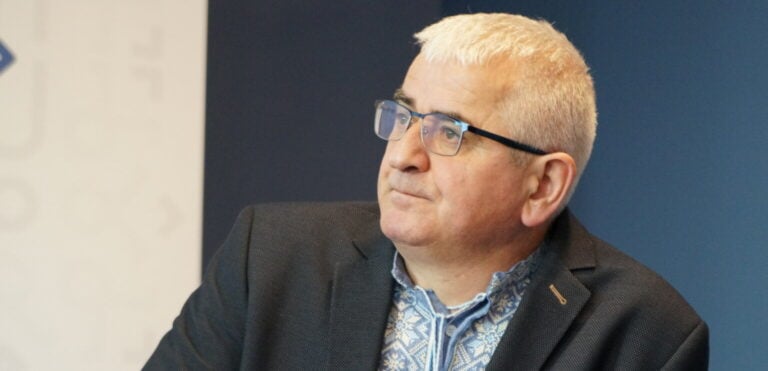
Ahead of the Day of Remembrance for the Victims of the Crimean Tatar Genocide, marked annually by Ukraine on May 18, the president of the Canadian Association of Crimean Tatars, Ruslan Kurt, spoke to the Ukrainian World Congress (UWC) about his family history, the work of the diaspora in Canada, and why it is especially important today to keep Crimea in the global conversation.
‘Only two survived out of eleven’
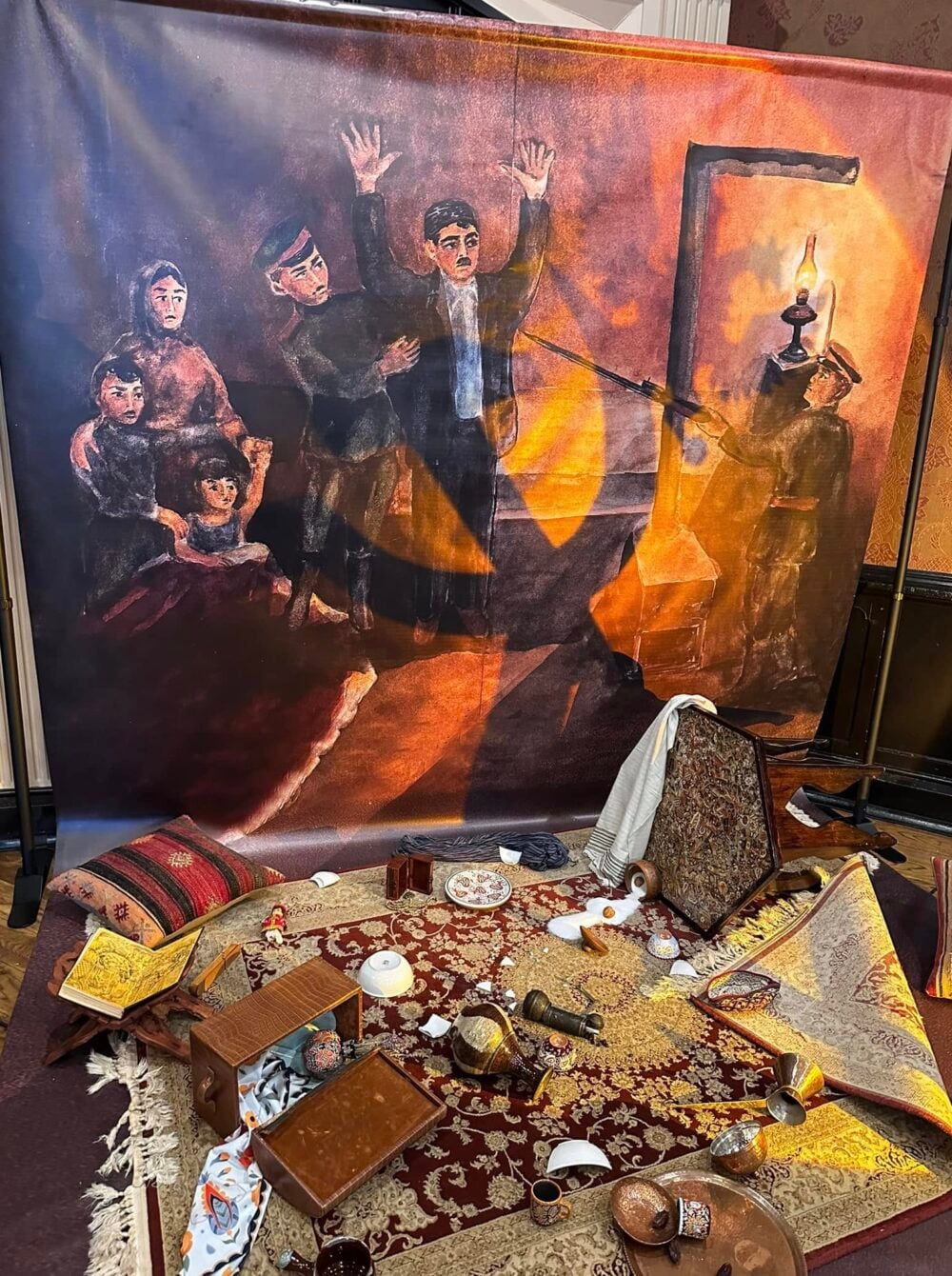
Ruslan’s great-aunt was eight years old when Soviet soldiers arrived at their home in the spring of 1944. The entire family – eleven people, including parents, grandparents and eight children – was loaded into a freight train. Up to 200 people were packed into a single wagon.
Two of the children did not survive the journey. In the early years of exile, others in the family – parents and older siblings – died from exhausting forced labor, widespread illness and living conditions unfit for human survival.
In the end, only two of the eleven children survived. They were placed in an orphanage in Uzbekistan.
“There are many, many stories like this. This memory lives in every Crimean Tatar family, no matter where they are – in Canada, Türkiye, Ukraine or occupied Crimea. It is passed on through stories, through language, through the desire to carry the truth to future generations,” Ruslan says.
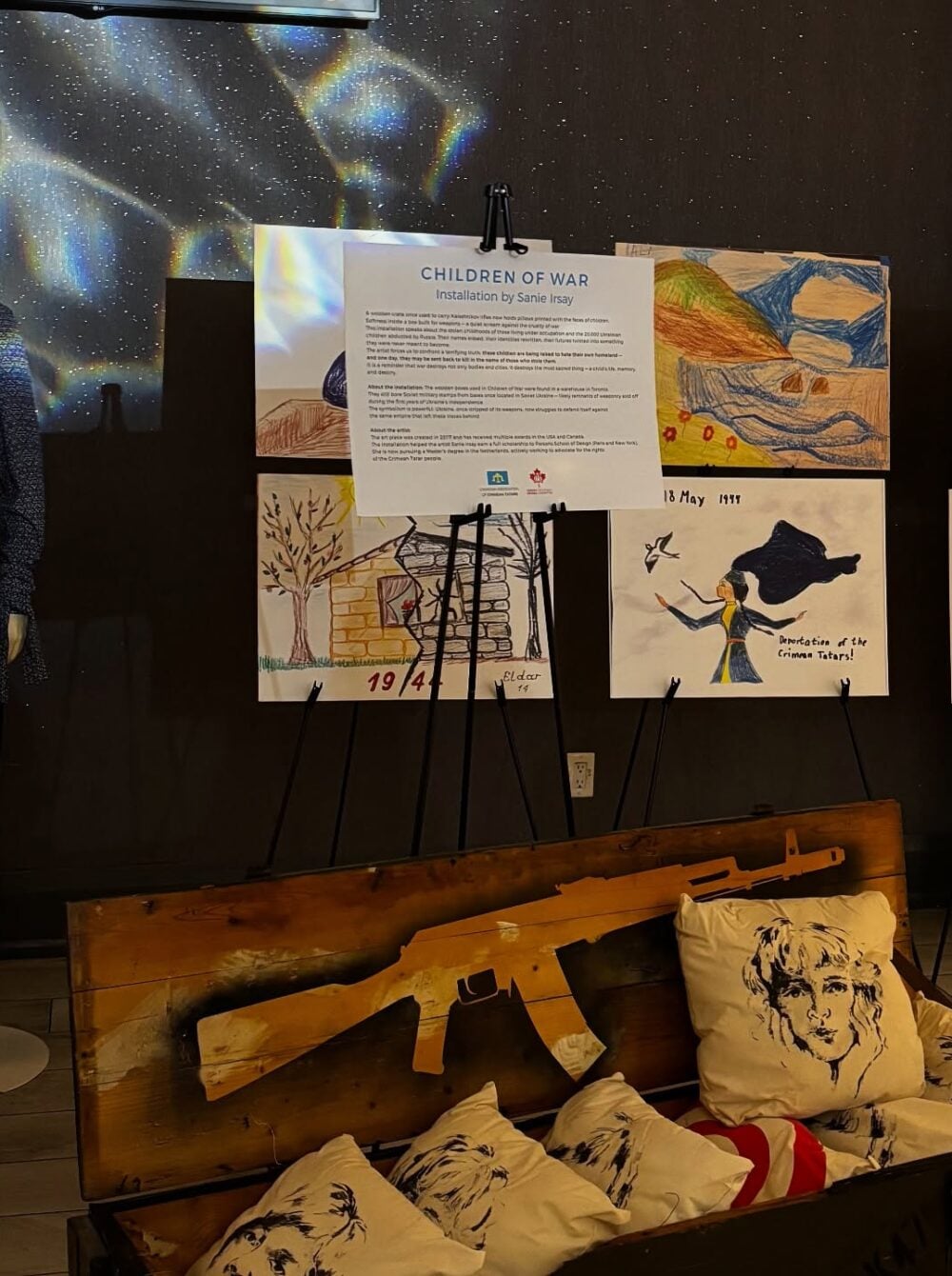
The deportation of the Crimean Tatars – one of the crimes of the Soviet totalitarian regime – took place from May 18 to May 21, 1944, with the last trains arriving in Central Asia in early June.
According to various official estimates, between 20% and 25% of those deported died in exile. Crimean Tatar national movement data puts the figure as high as 46% – nearly every second person.
The return process, which officially began only 45 years later, was obstructed at every stage. Even after the Soviet authorities lifted the formal ban, informal restrictions created a system designed to prevent the indigenous people from resettling in their homeland.
Ruslan recalls how his own family was forced to settle in Melitopol, about 100 kilometers from Crimea, because entry to the peninsula remained effectively blocked.
“My grandparents tried to return gradually and settled as close to Crimea as possible. At the time, Crimean Tatars were not allowed to live in cities – it was an unofficial policy. They were denied registration. Without registration, you couldn’t get a job. No job meant no housing, you couldn’t buy anything,” he explains.
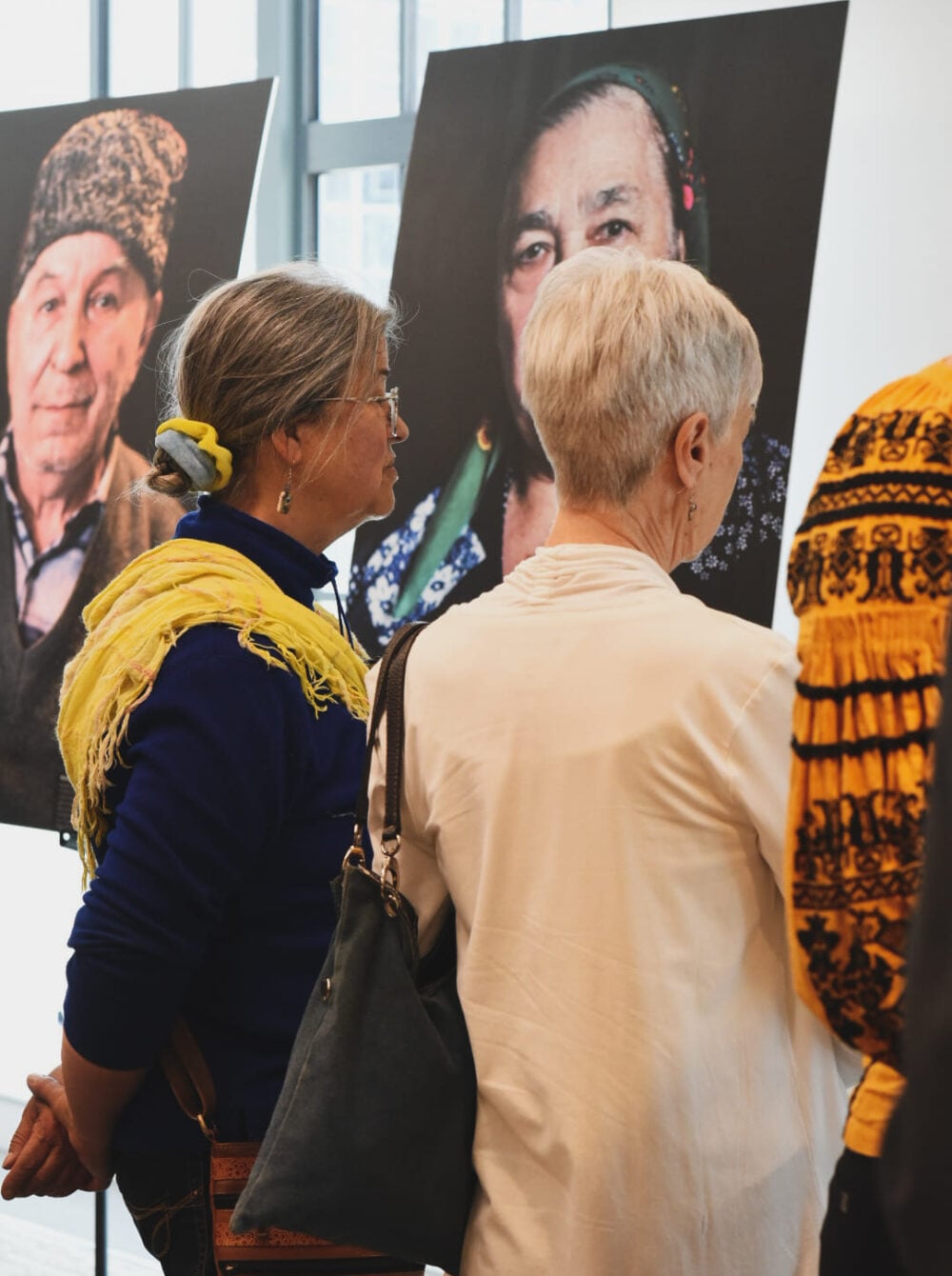
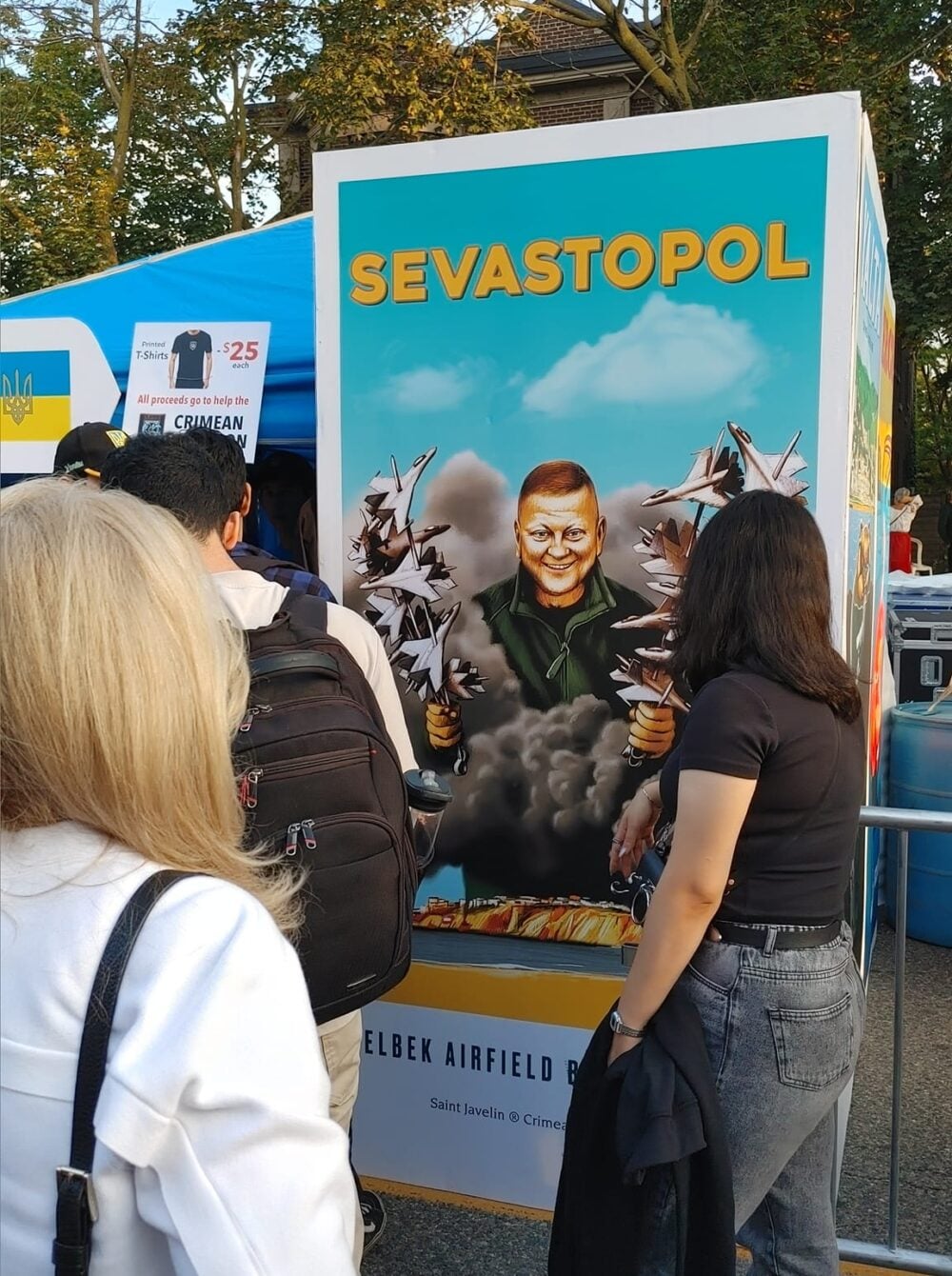
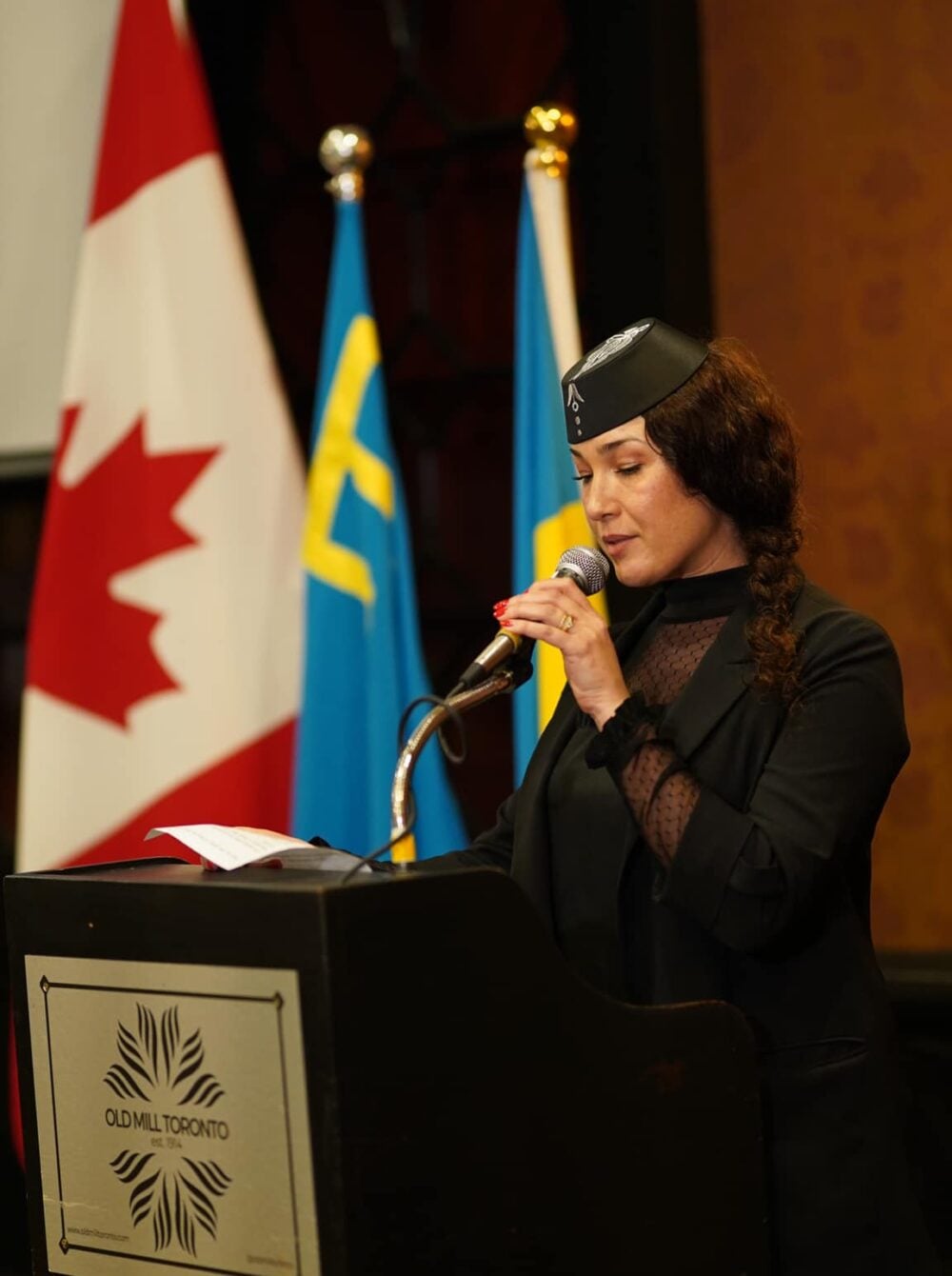
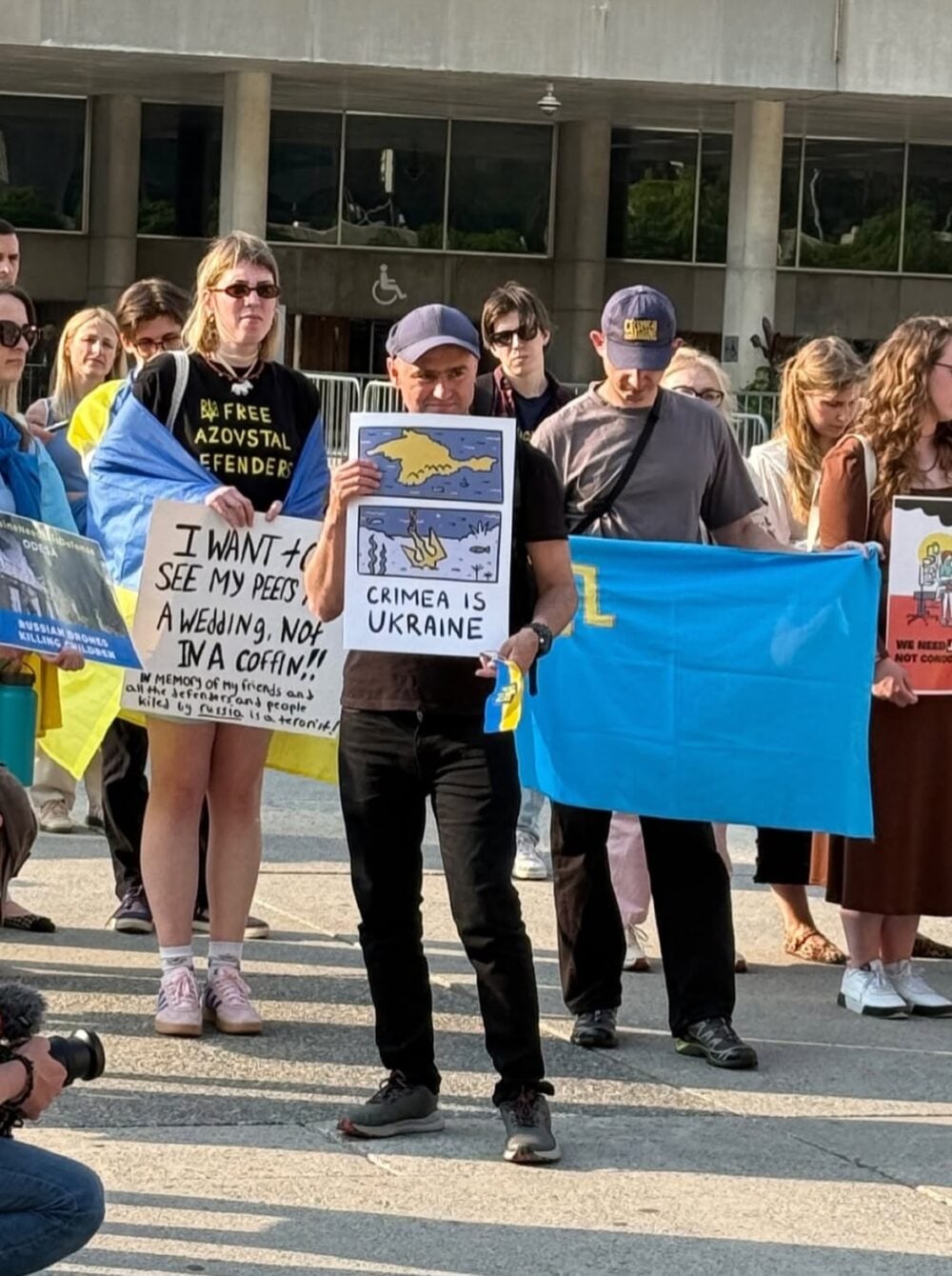
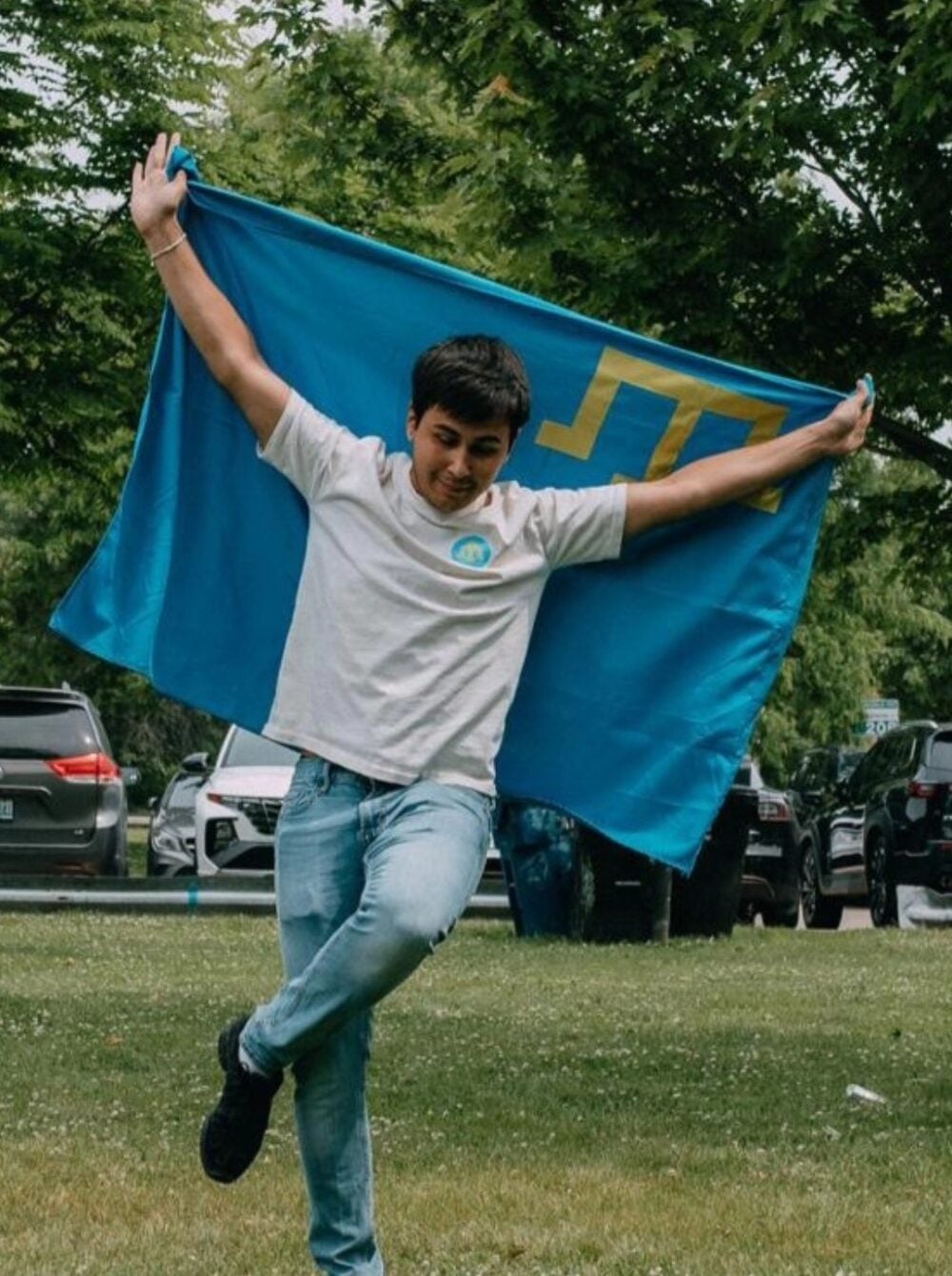
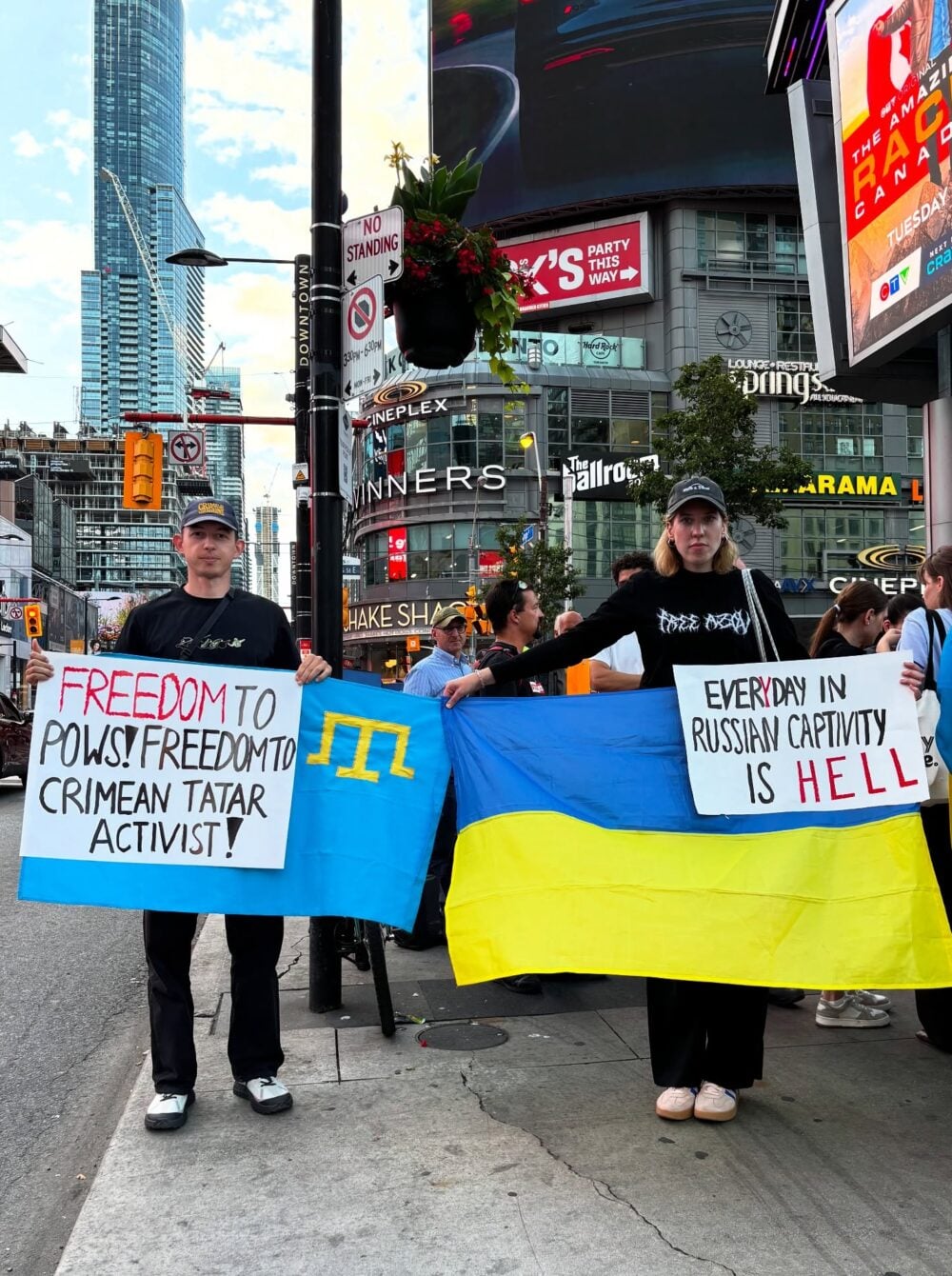
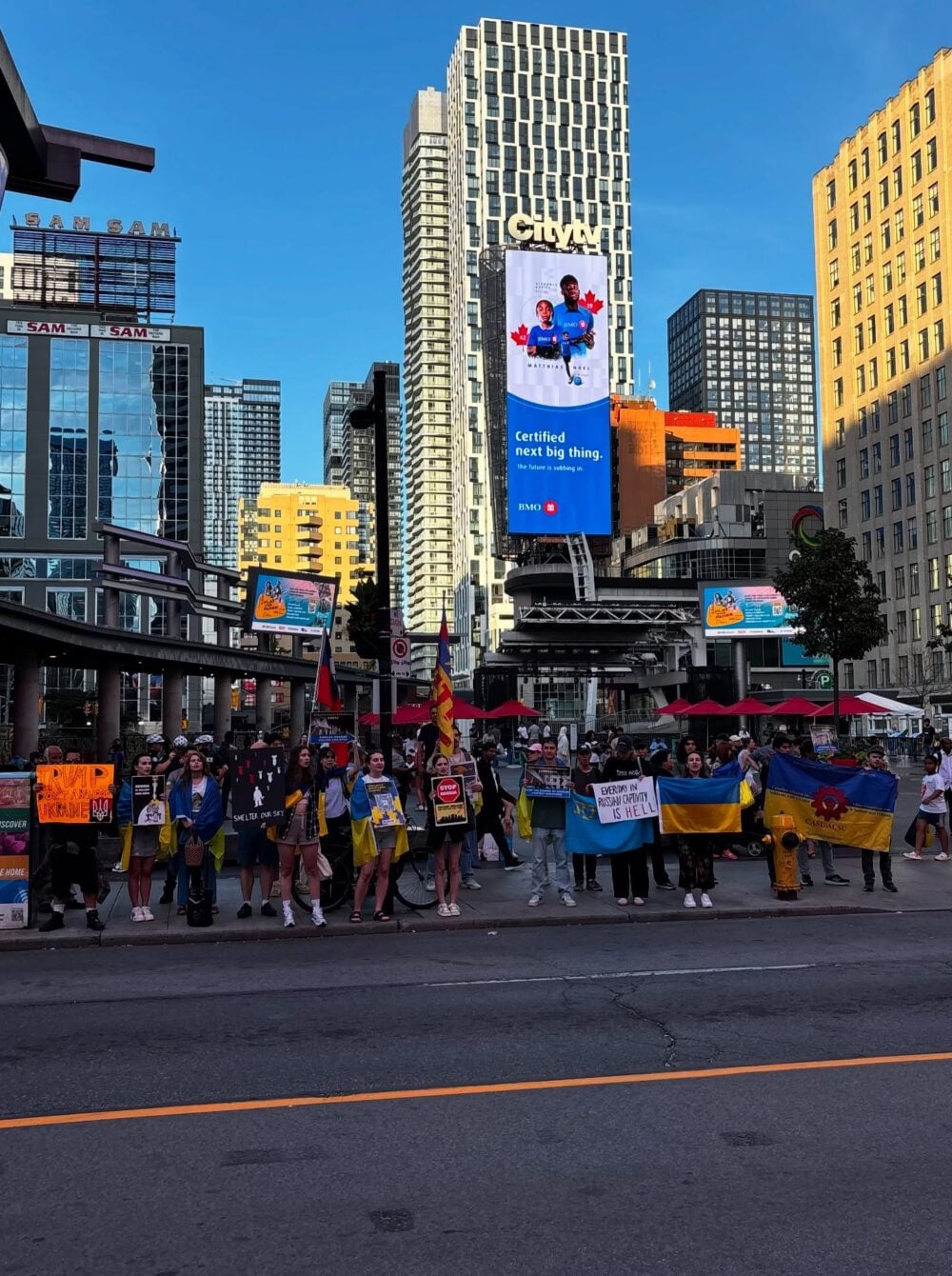
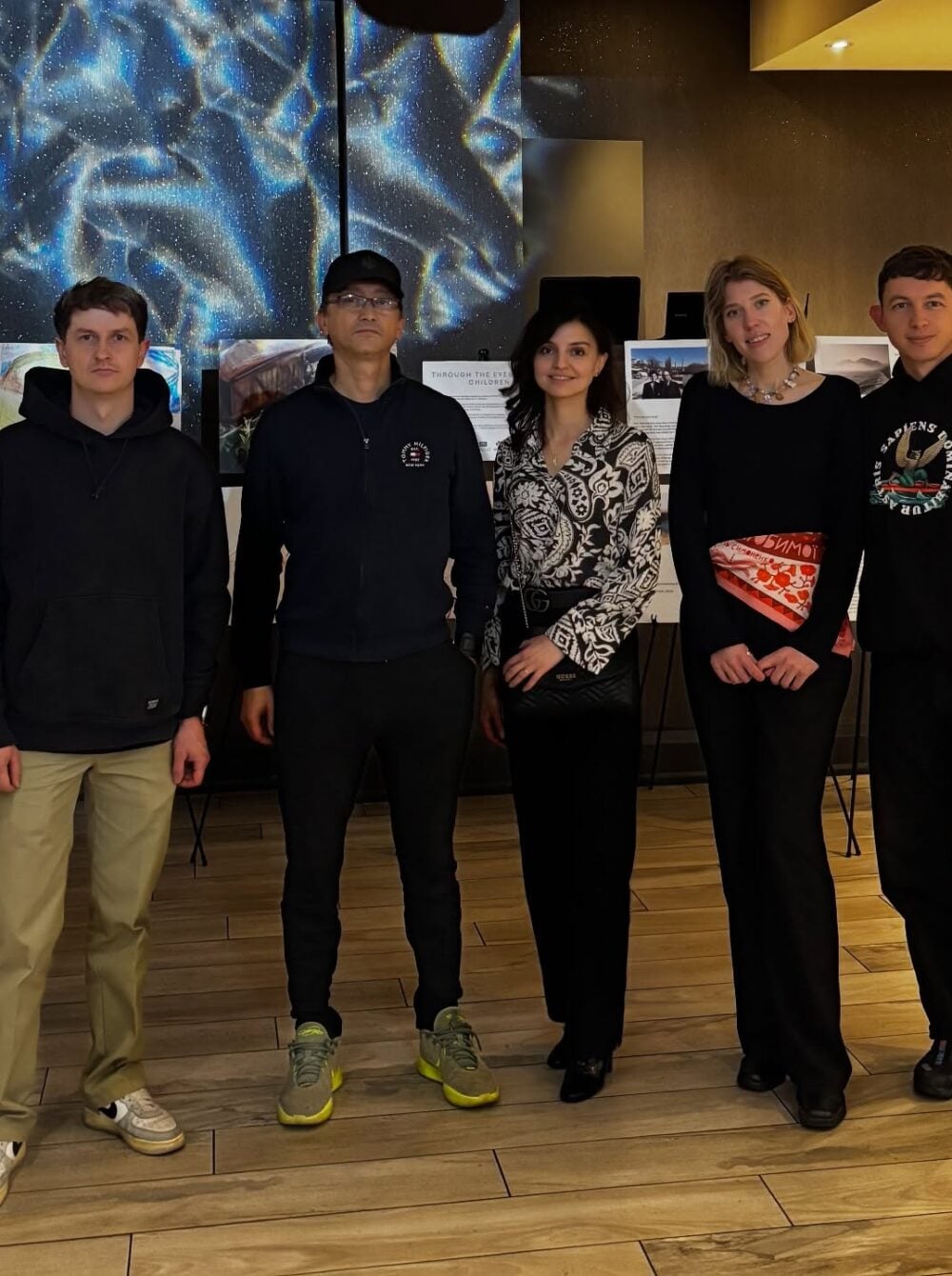
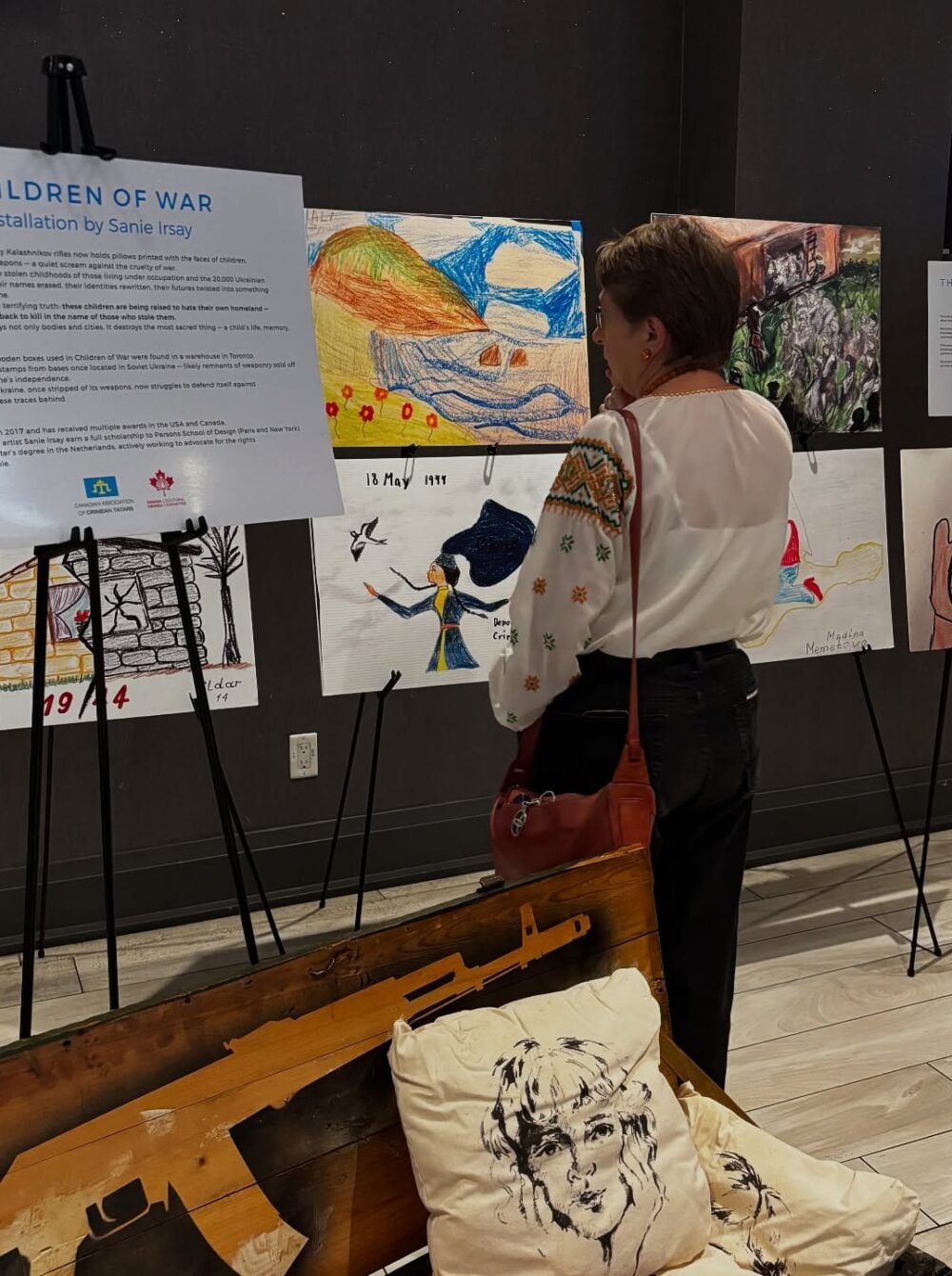
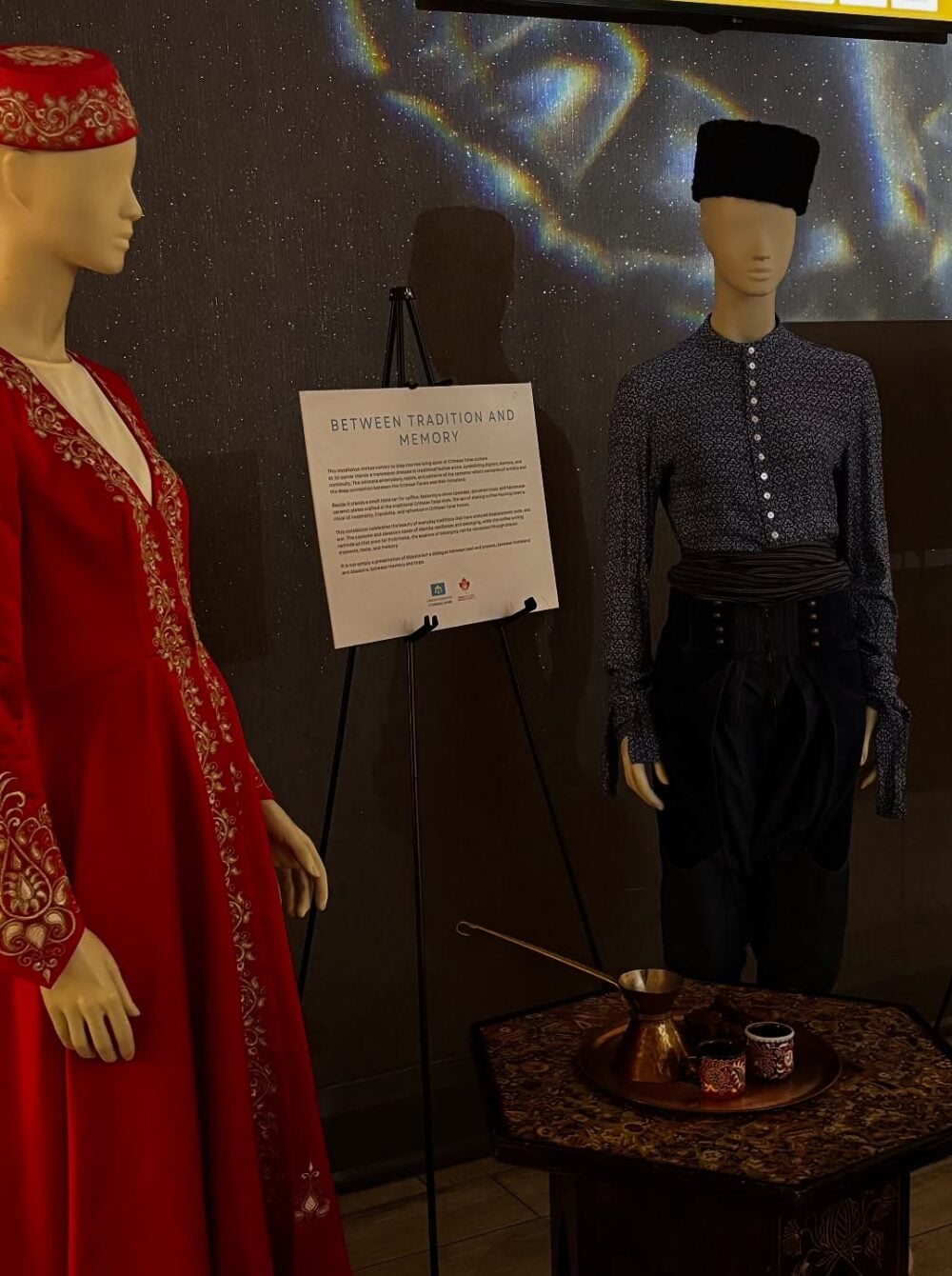
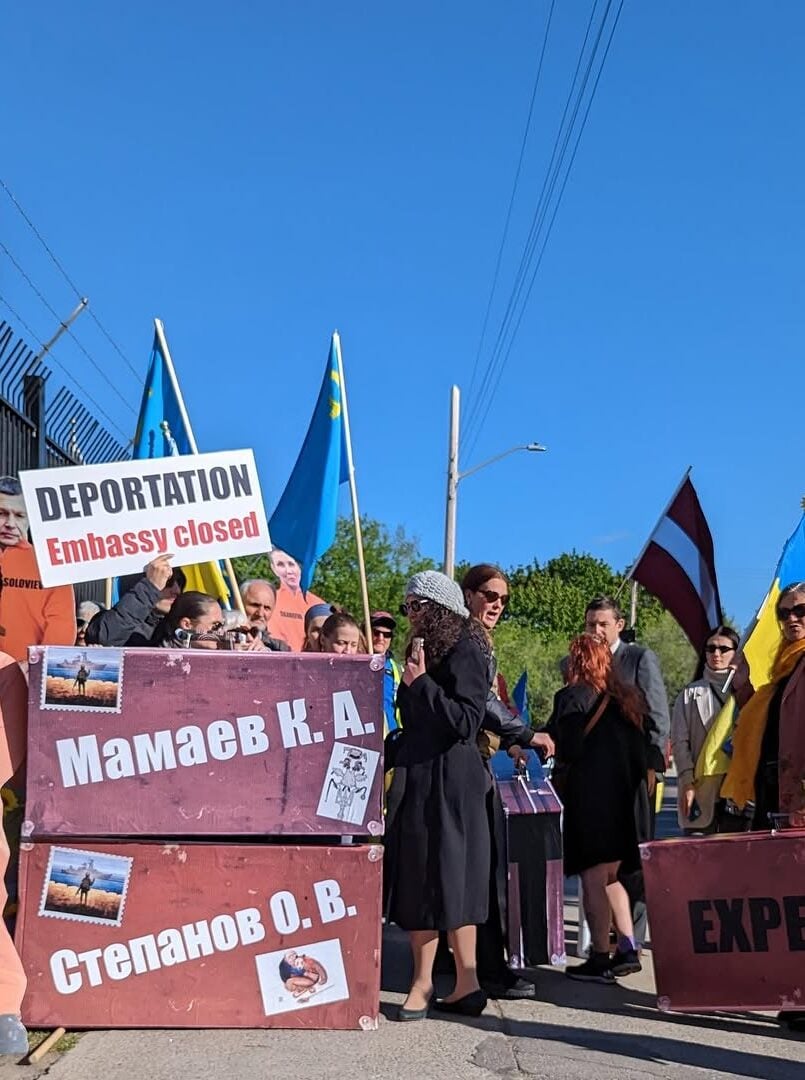
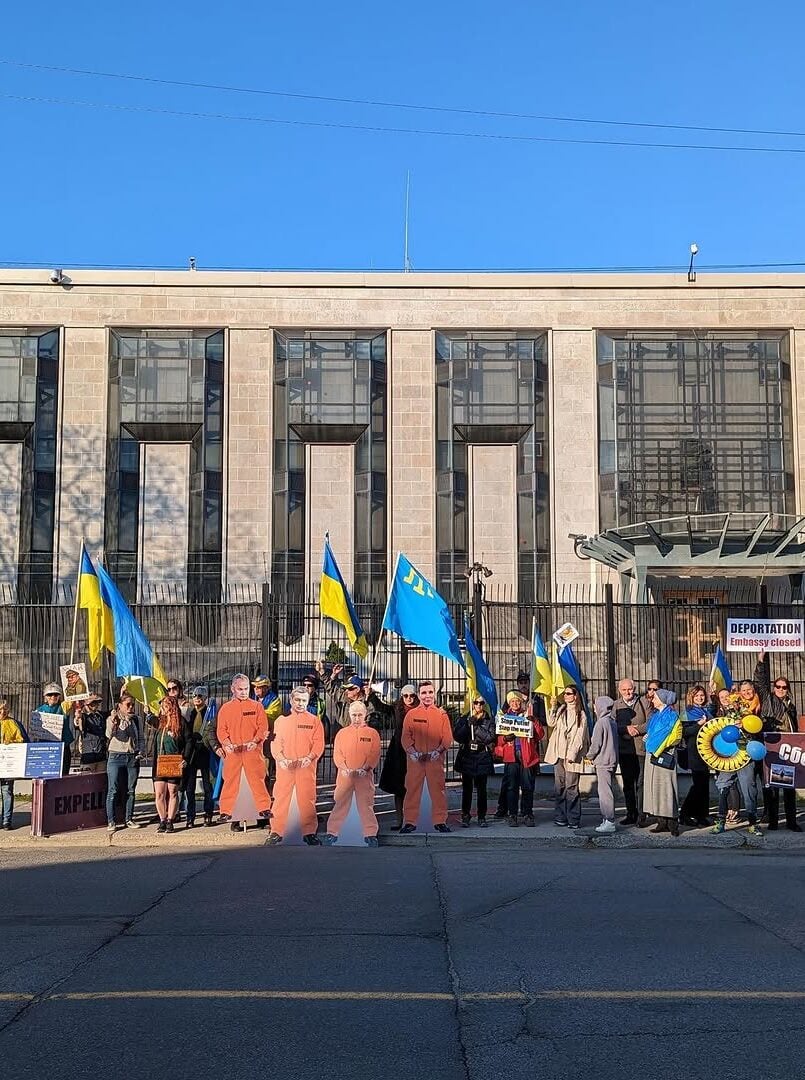
Even after years in exile, only a small percentage managed to overcome systemic bureaucratic and social barriers. Those who returned often found their homes occupied by strangers for decades, while their history in the homeland had been erased from official records and place names.
1944, 2014, 2022
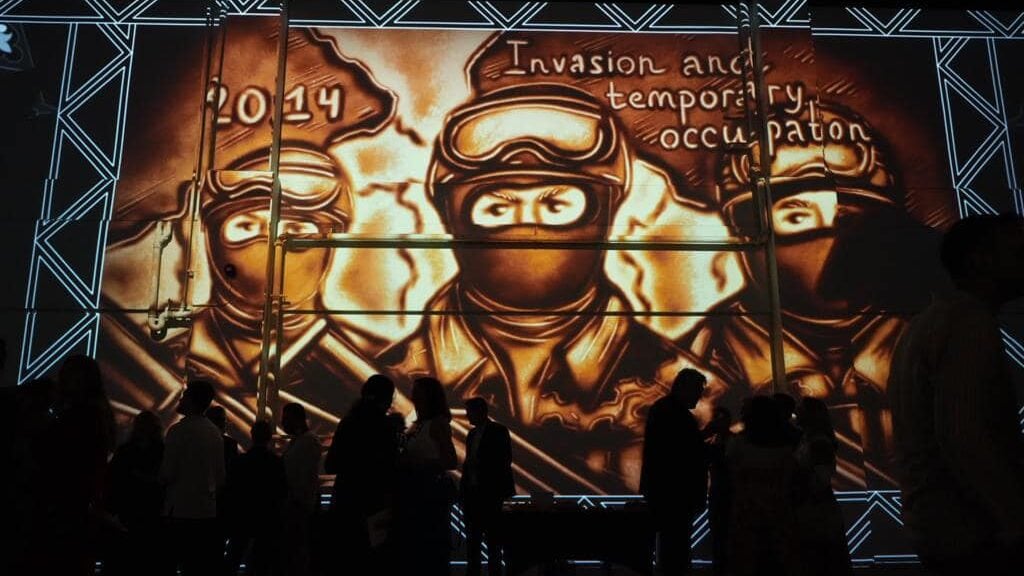
The world fully grasped the tragedy of the Crimean Tatar people only after Russia’s occupation of Crimea in 2014, which marked a new wave of pressure and attempts to suppress the nation.
“These are not two separate stories. It is a continuation of the same imperial policy aimed at controlling Crimea and pushing out its indigenous people,” Ruslan says.
In 1944, Soviet authorities tried to physically erase Crimean Tatars from Crimea. After the 2014 occupation, he says, the methods changed but the goal remained the same.
Political arrests, persecution of activists, home raids, enforced disappearances, pressure on independent media and religious communities – Crimean Tatars were among the first to openly oppose the occupation and therefore became early targets of repression.
“Crimean Tatars reacted very strongly to the occupation because the memory of deportation never disappeared. We understood what Russian control over Crimea means,” Ruslan says. He himself was also forced to leave his ancestral home.
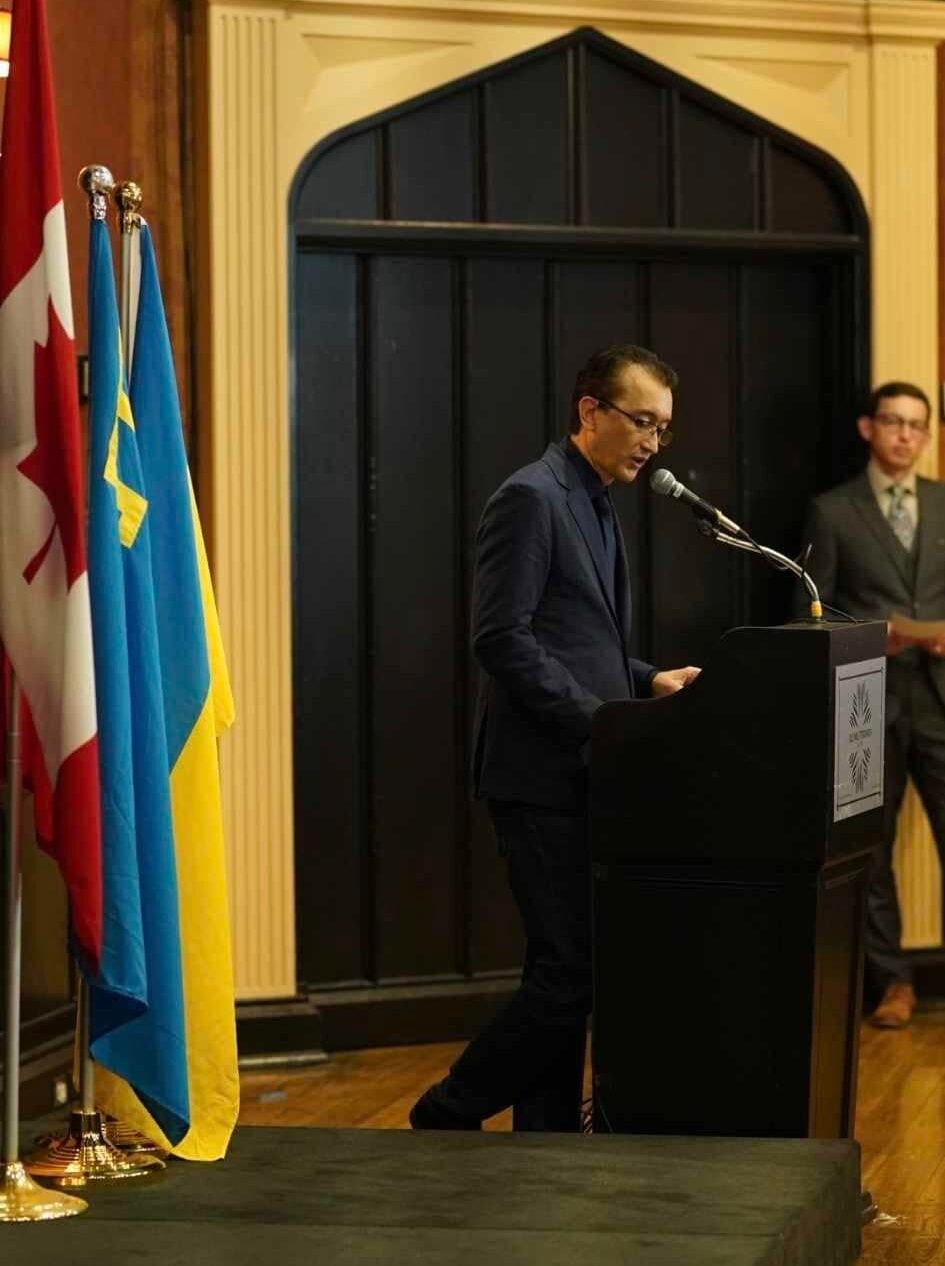
Since 2014, speaking out about his people’s fate has become a personal responsibility for him. In 2022, after moving to Canada, he joined the Canadian Association of Crimean Tatars and in summer 2025 became its president.
Speaking about Crimea today, he says, is not only important for Crimean Tatars. It is a matter of security for Ukraine and Europe as a whole.
“Crimea is not just territory. It is people, rights, memory and justice. Without the liberation of the peninsula, there will be no full security for Ukraine or Europe,” he adds.
Crimea in Toronto
The Canadian Association of Crimean Tatars was formed after the 2014 occupation of Crimea. It was founded by Crimean Tatars who realized the need to speak about Crimea more loudly and consistently in Canada, within Ukrainian communities and in political circles.
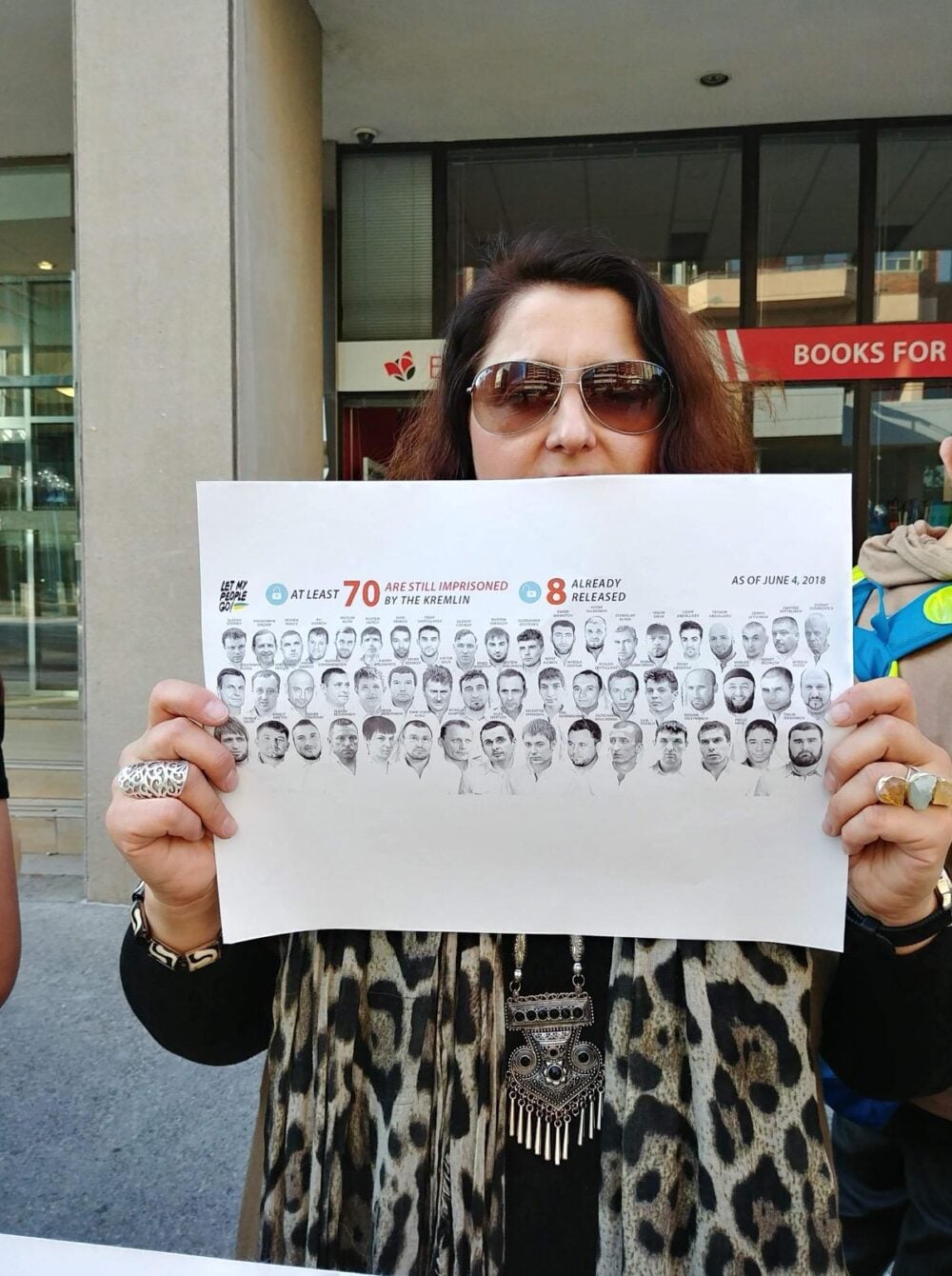
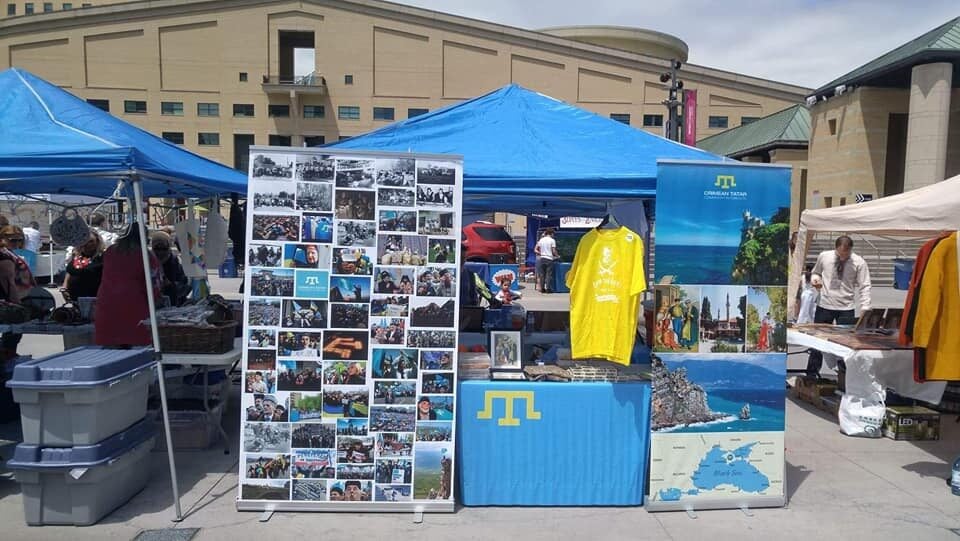
Today, the organisation has only eight members. All are volunteers balancing community work with jobs and private life. Yet even this small group has created dozens of projects presenting Crimea through culture, history and personal stories.
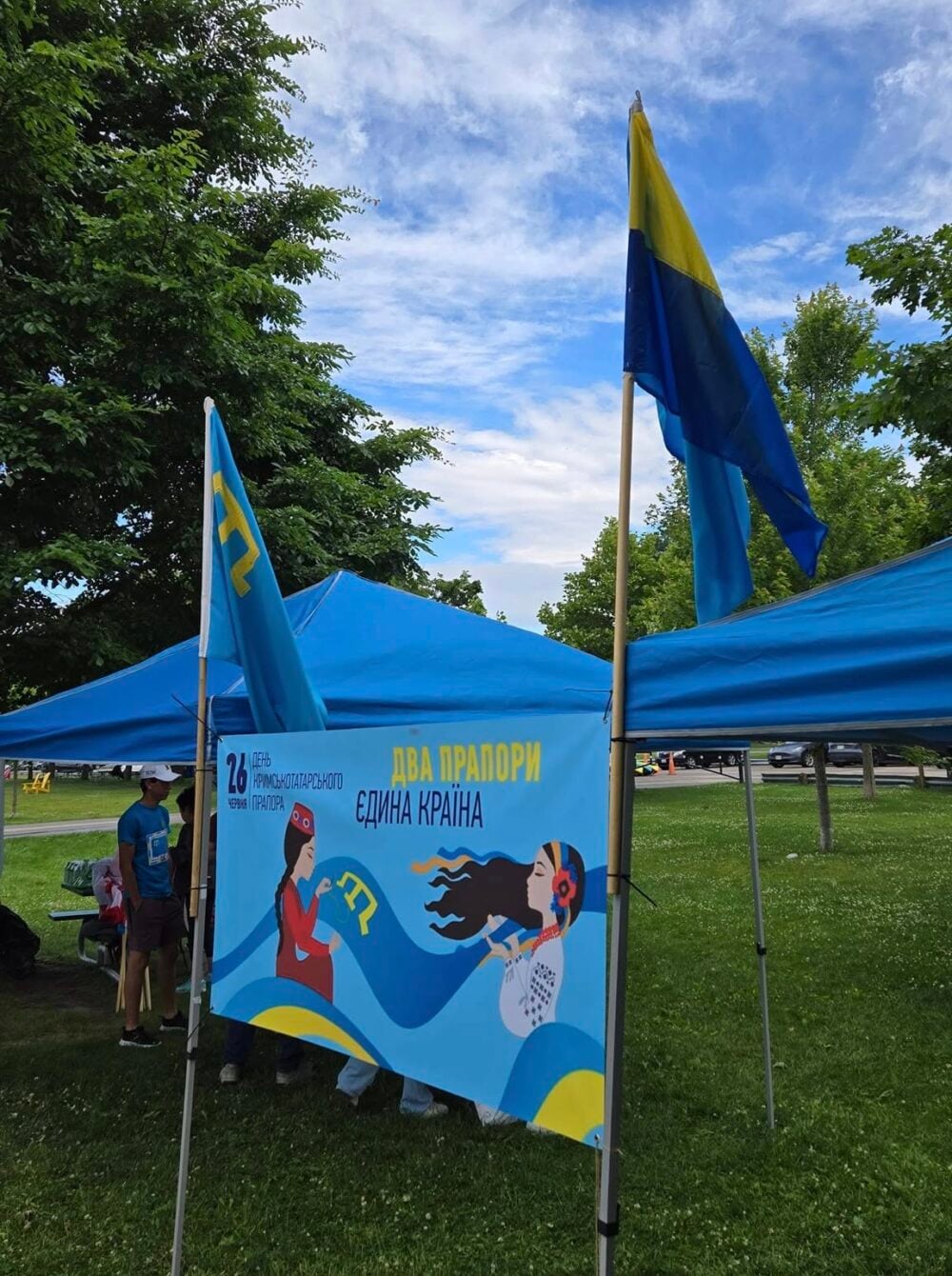
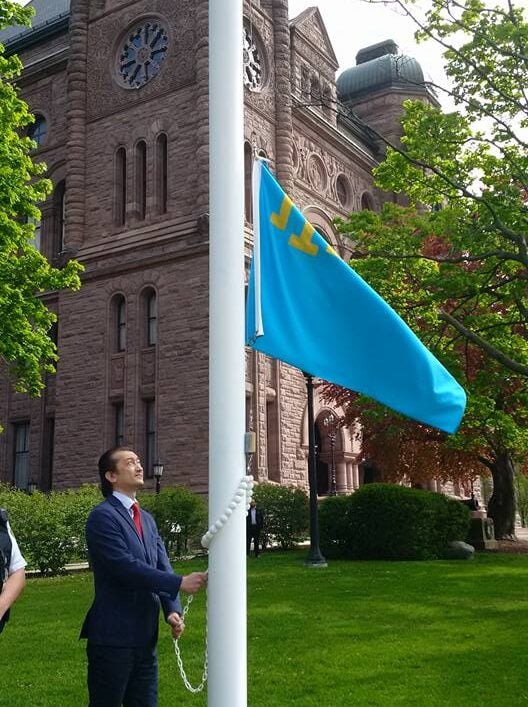
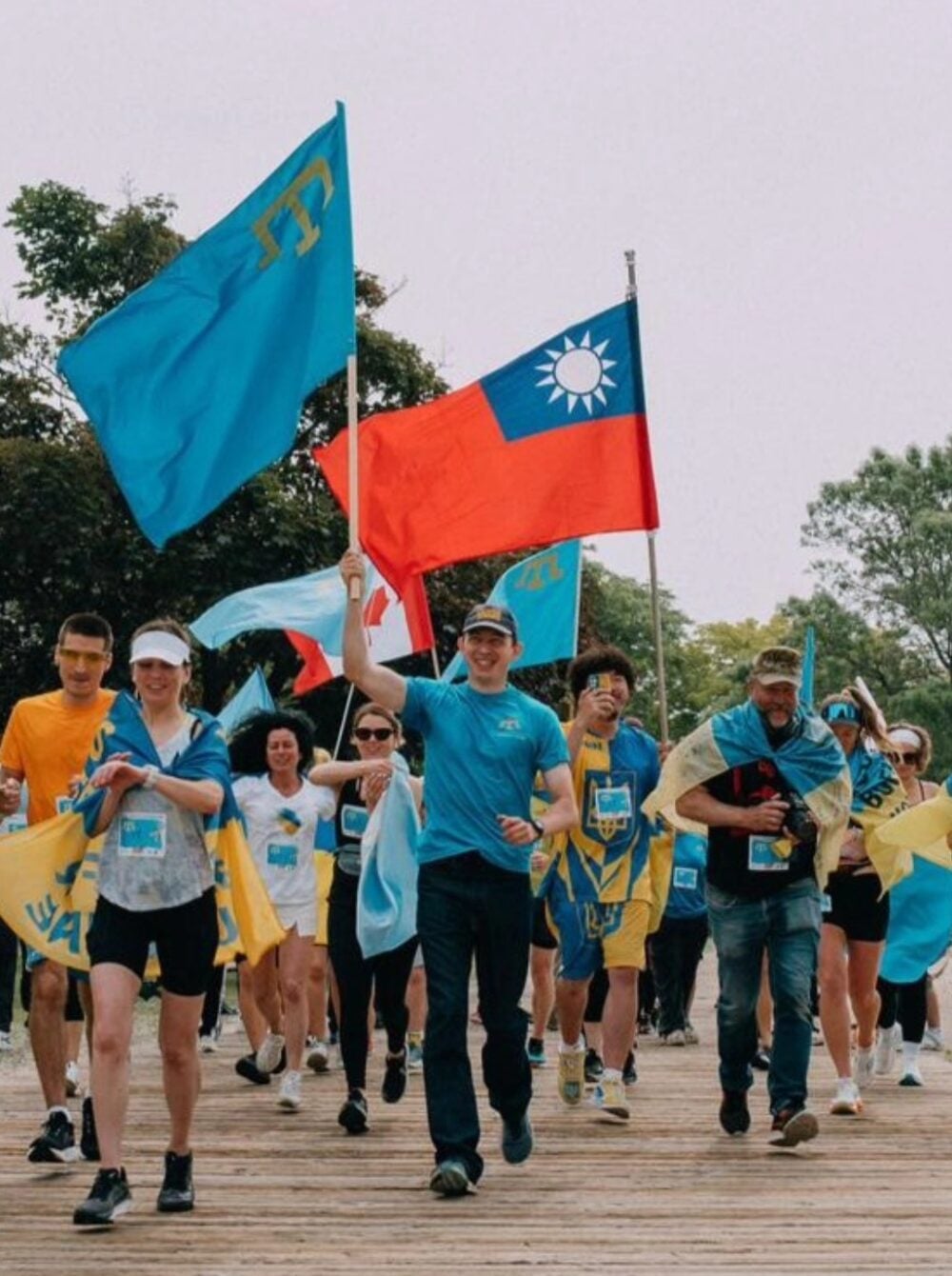
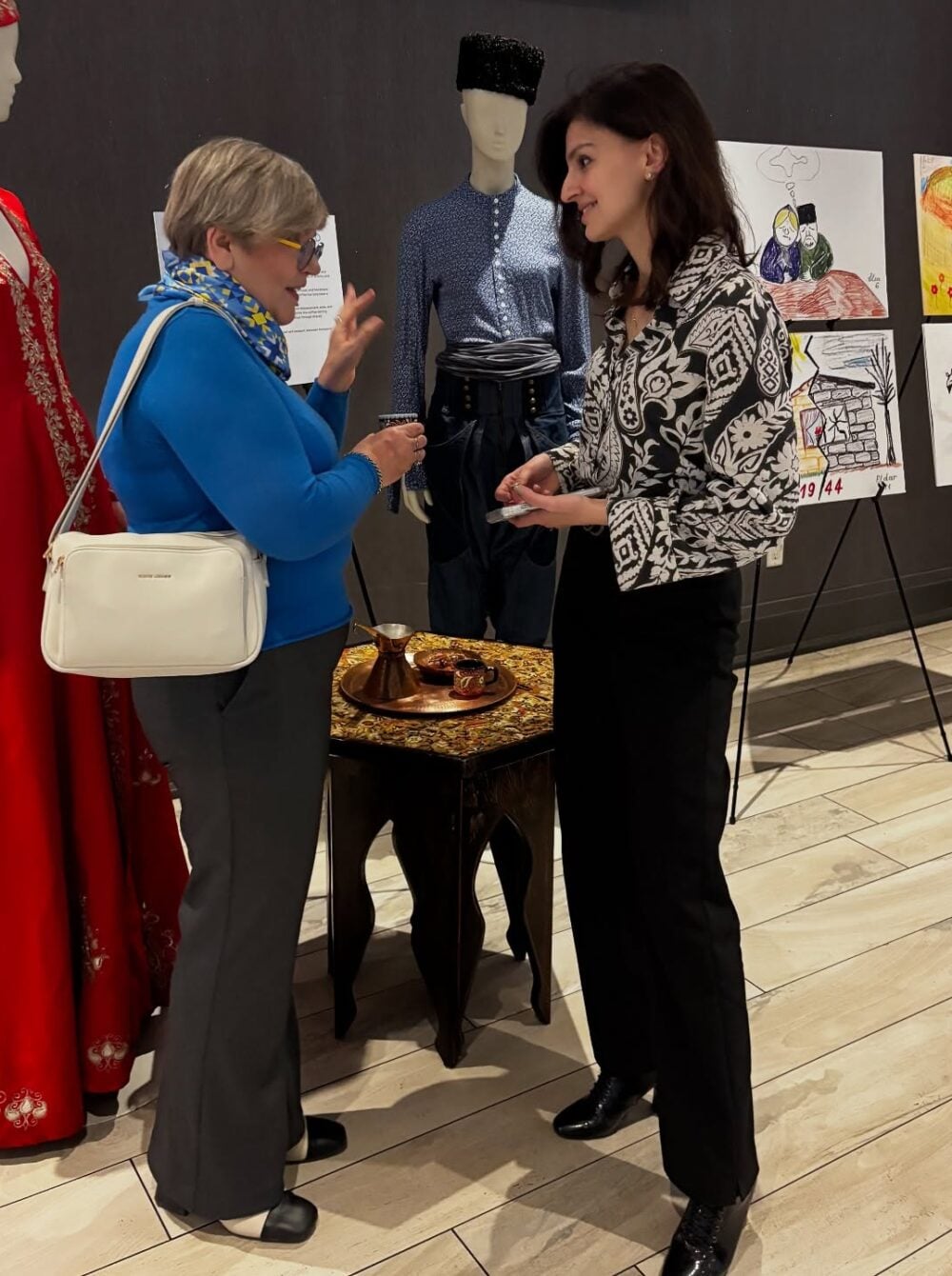
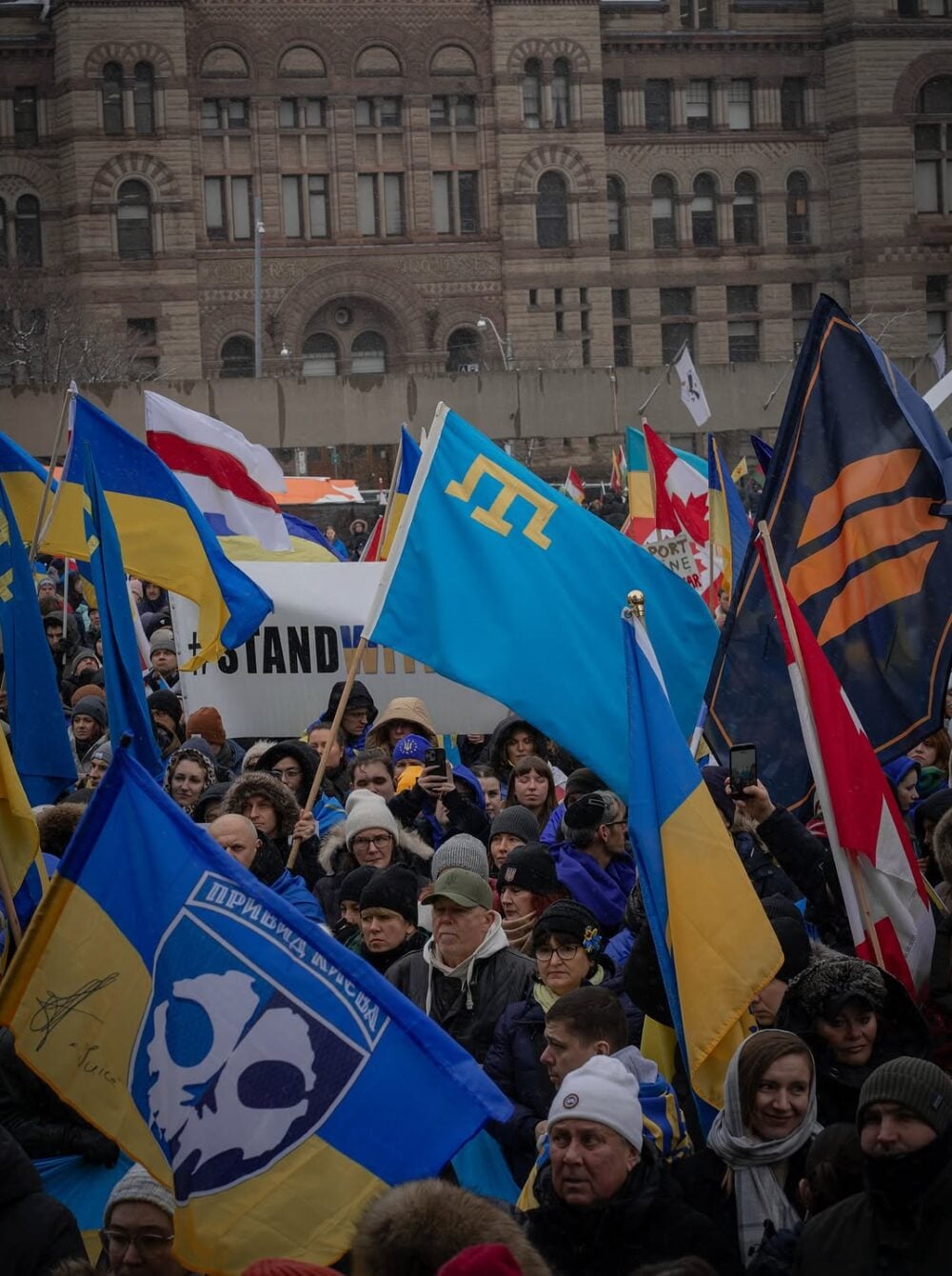
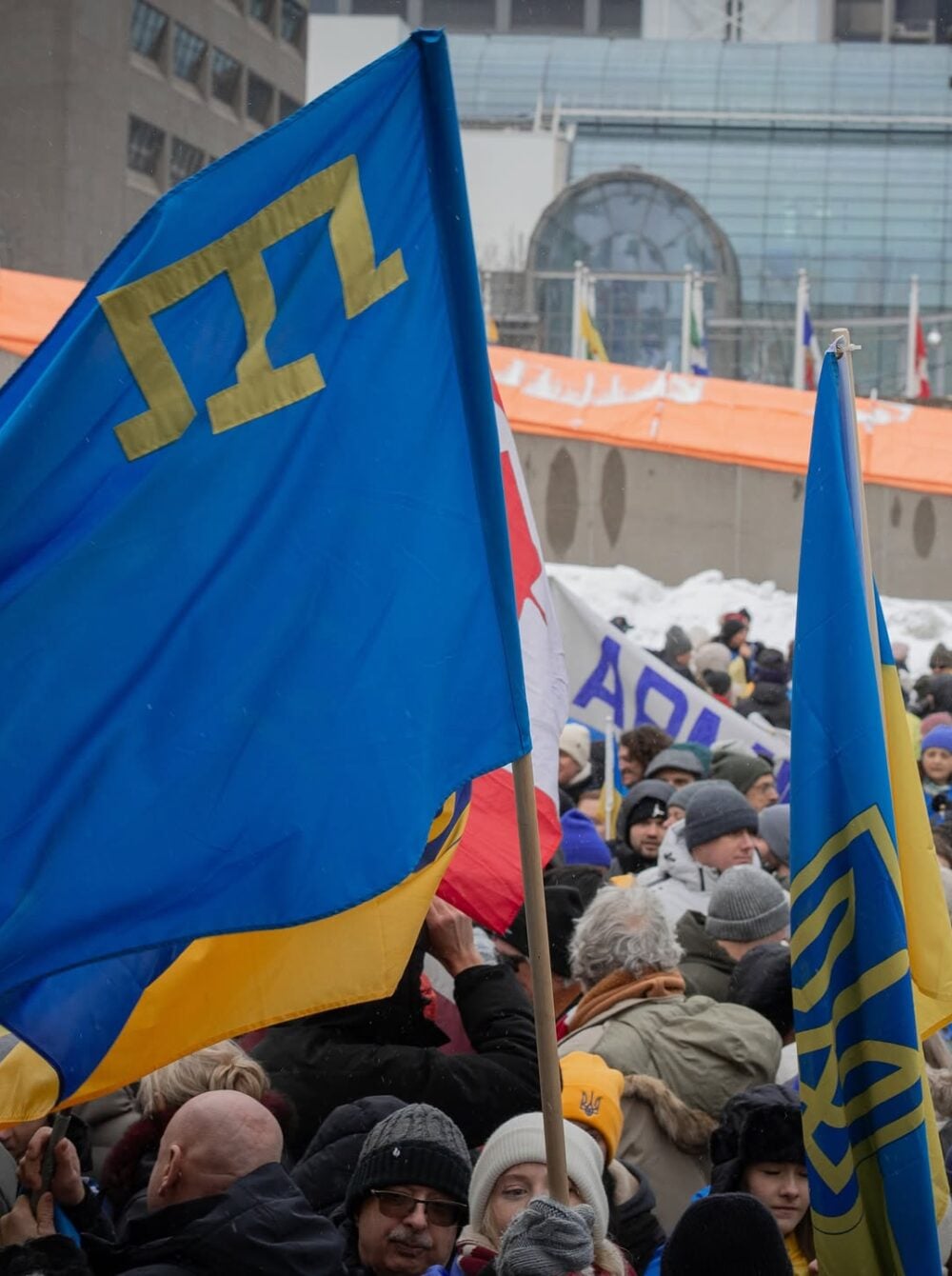
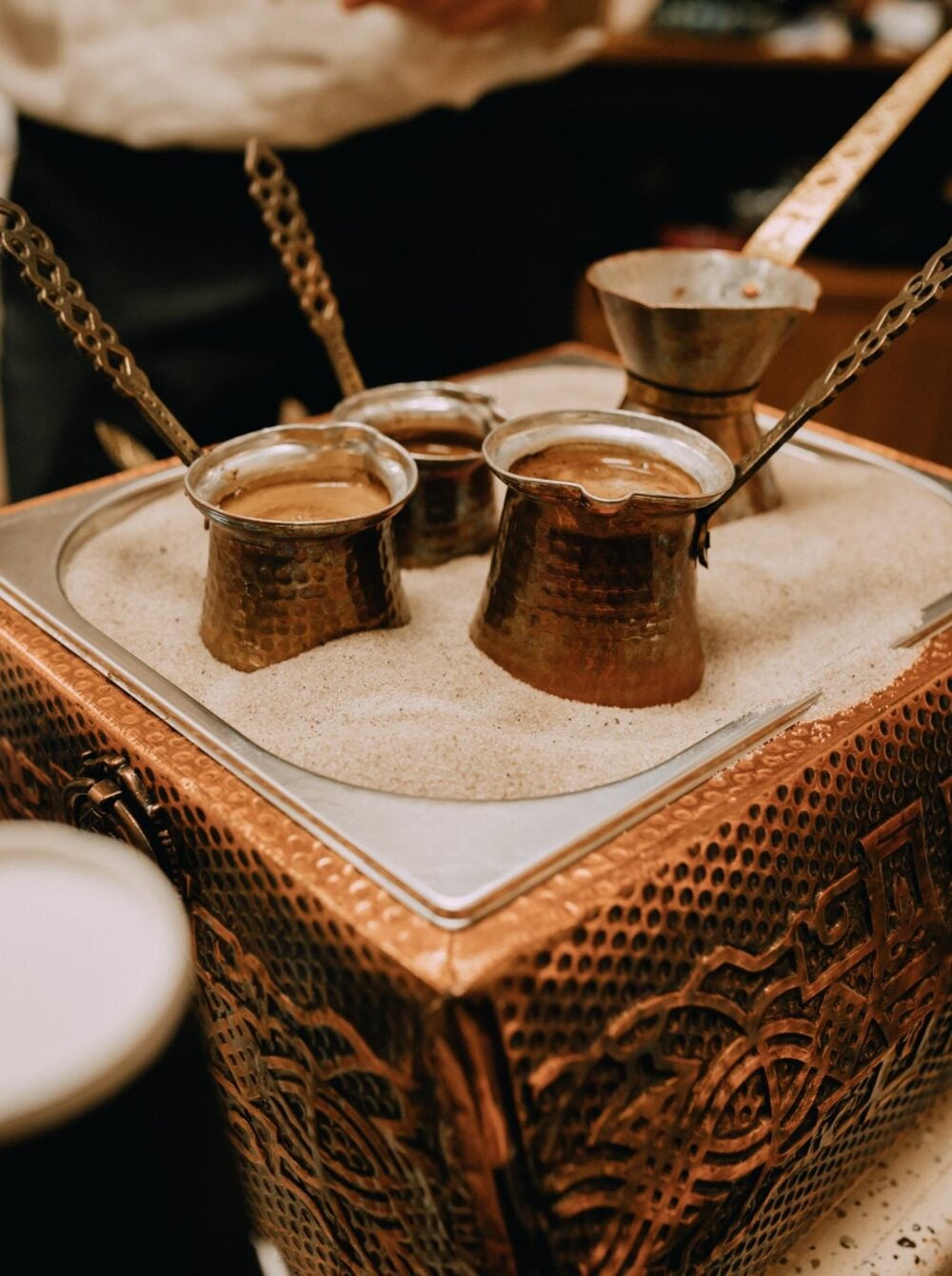
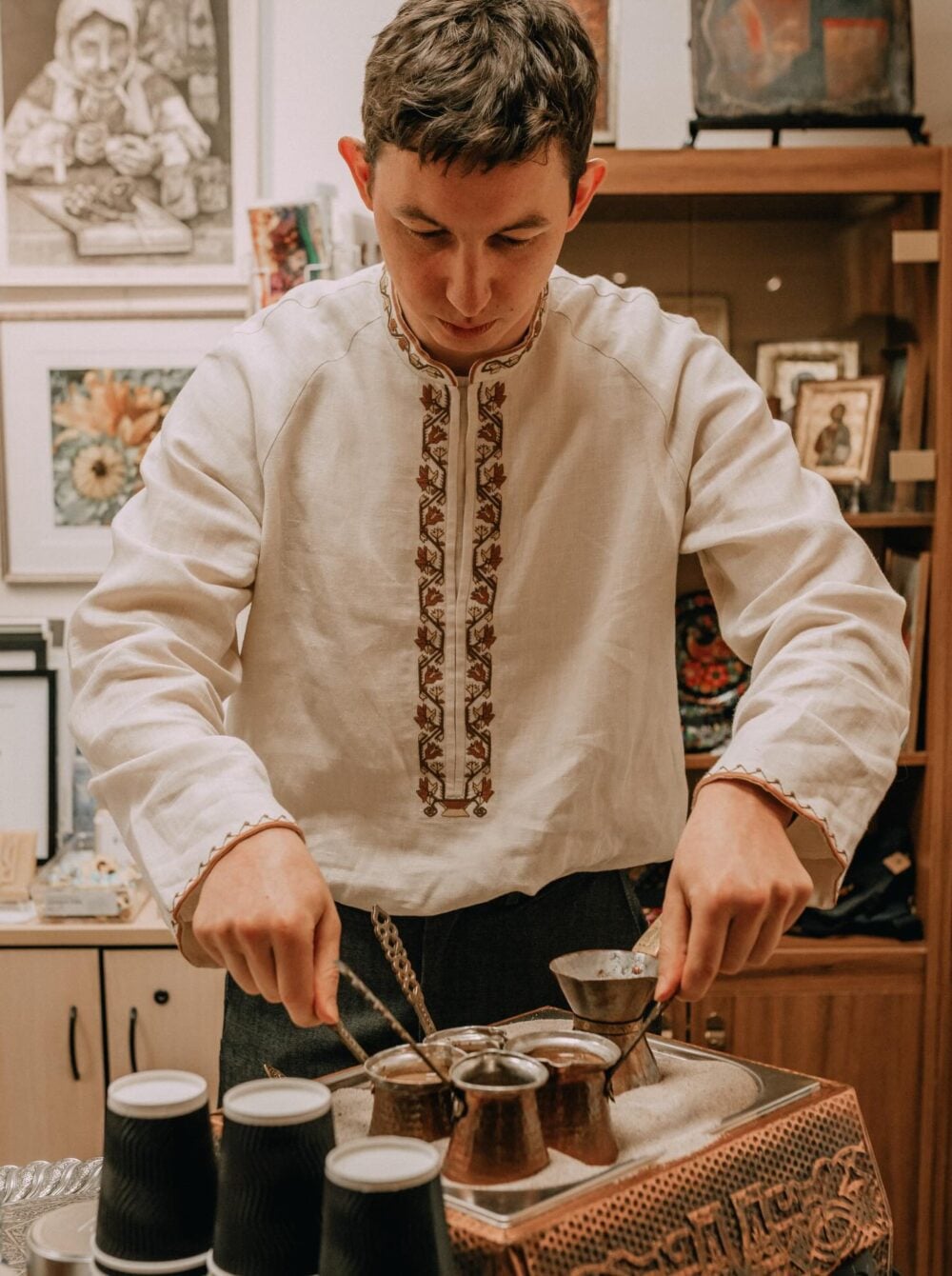
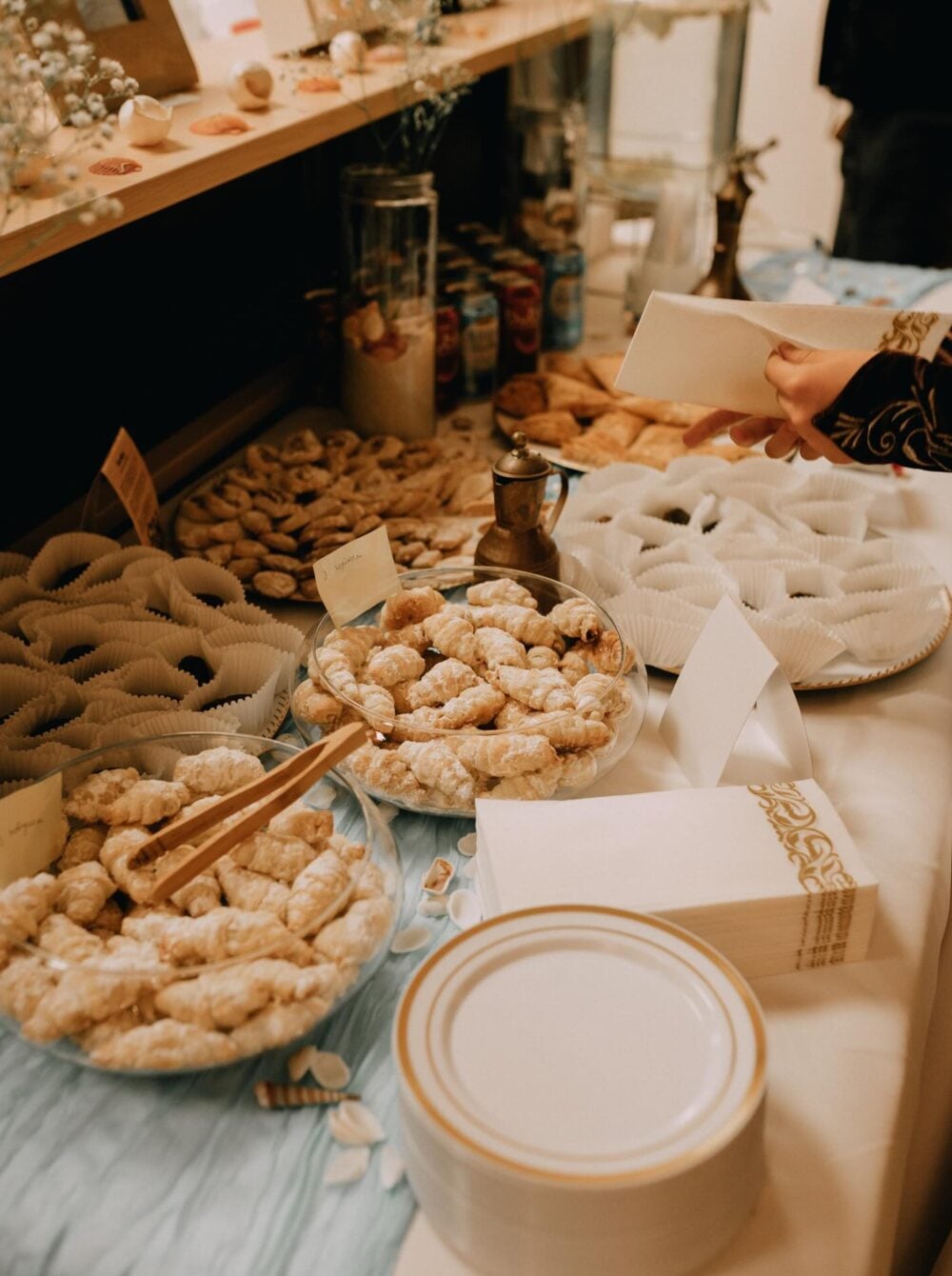
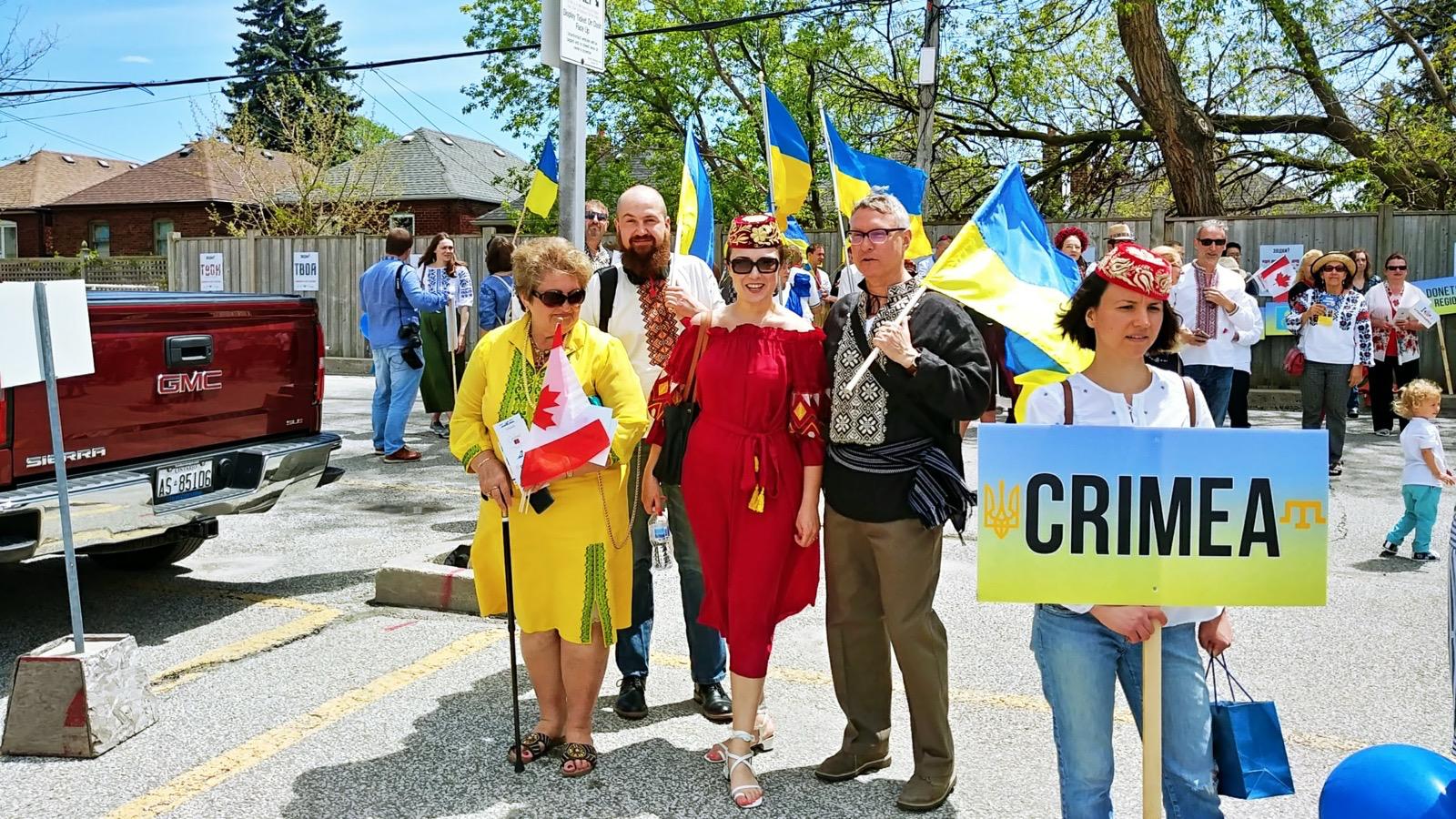
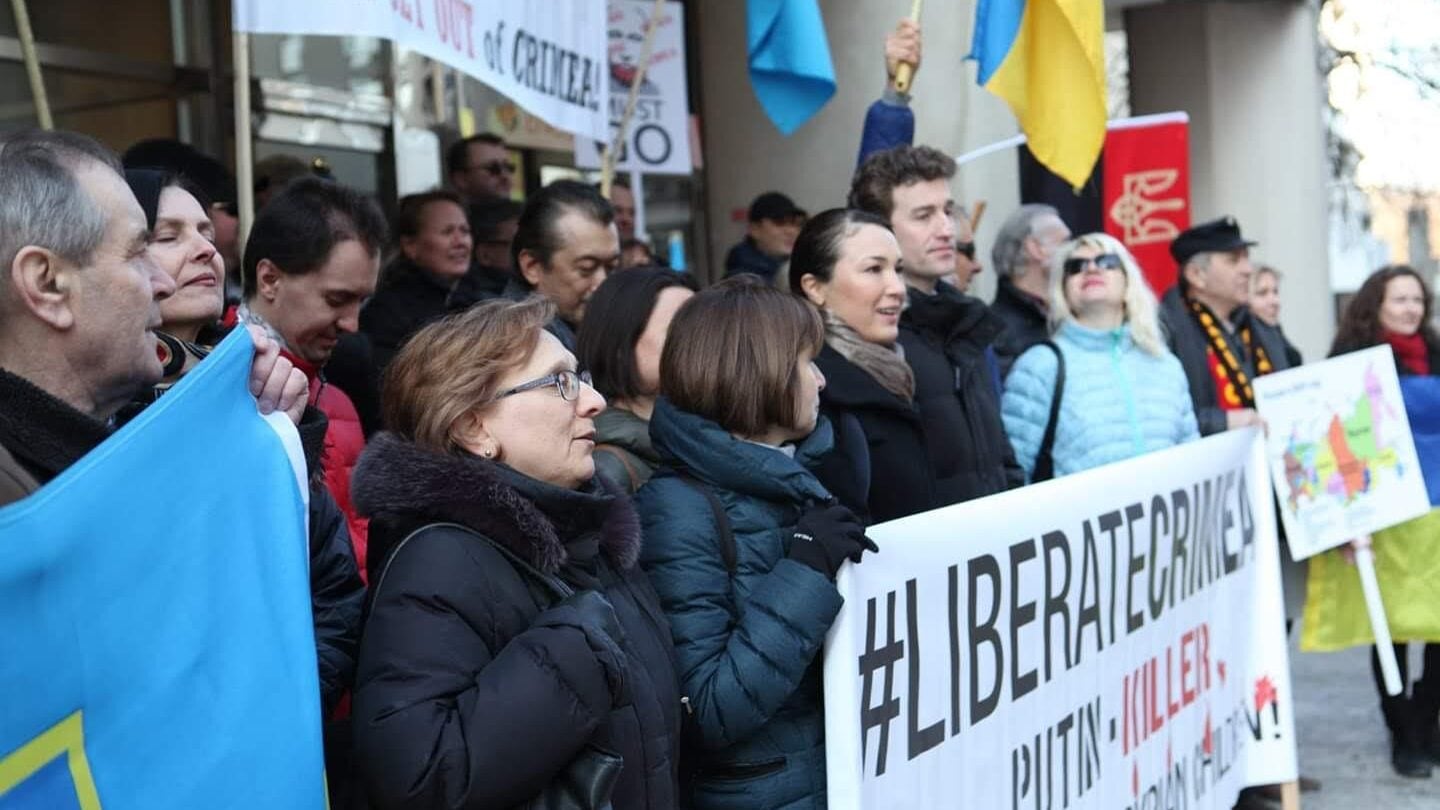
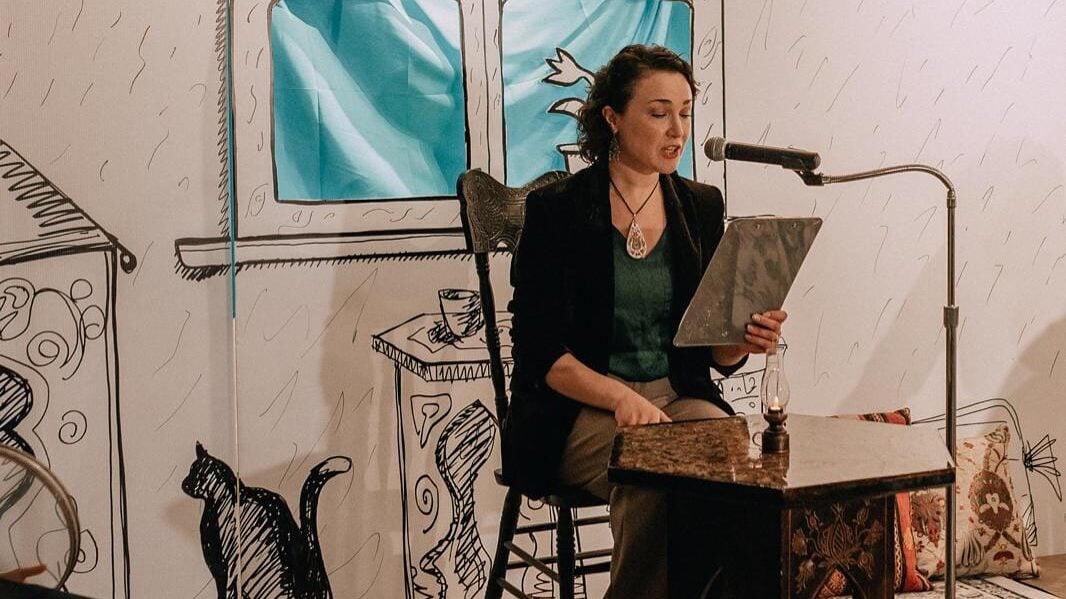
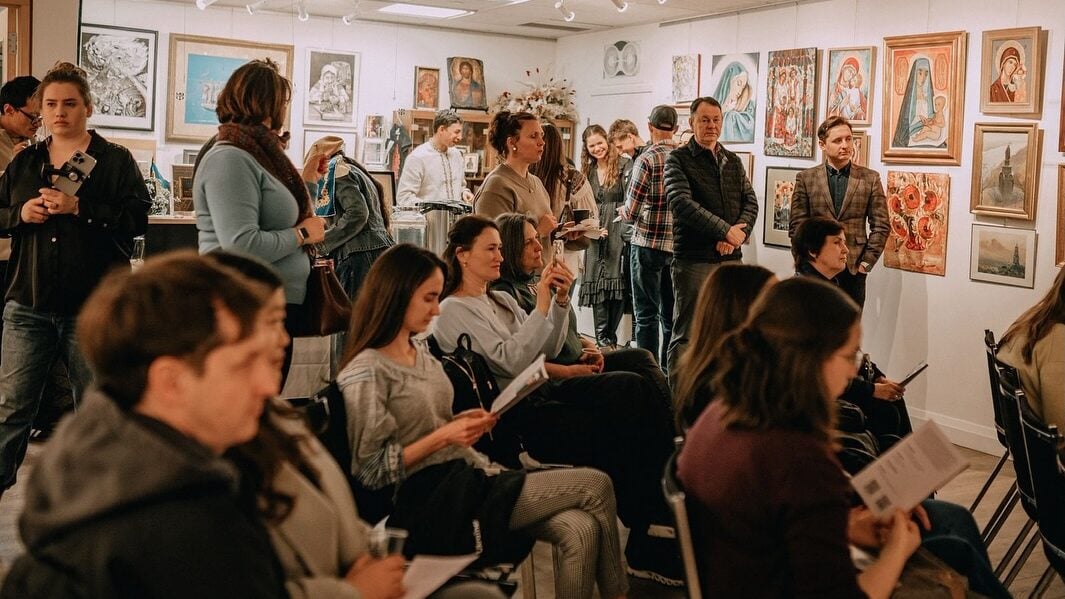
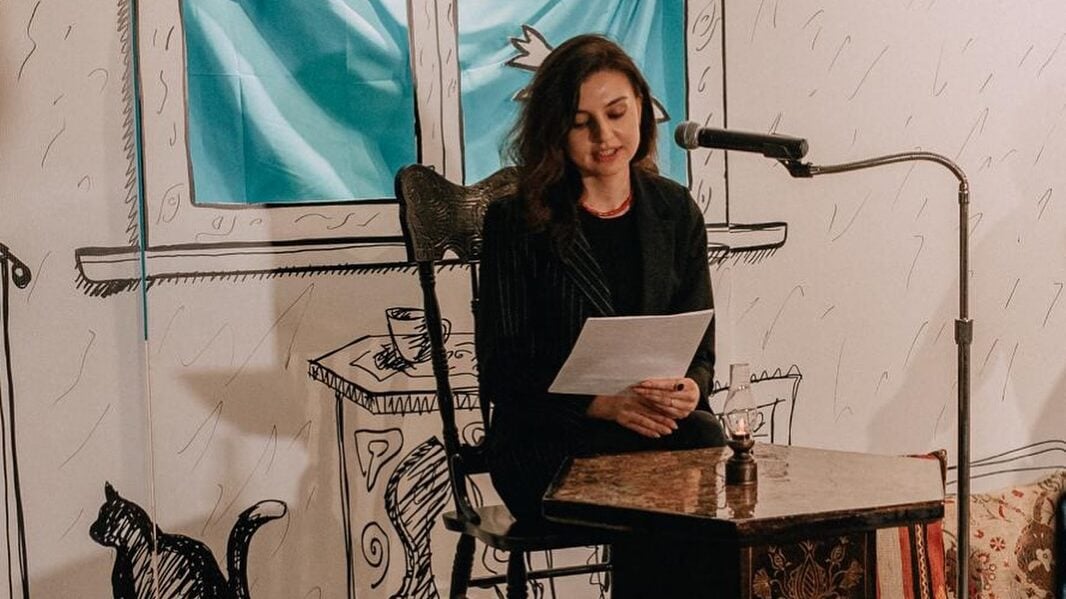
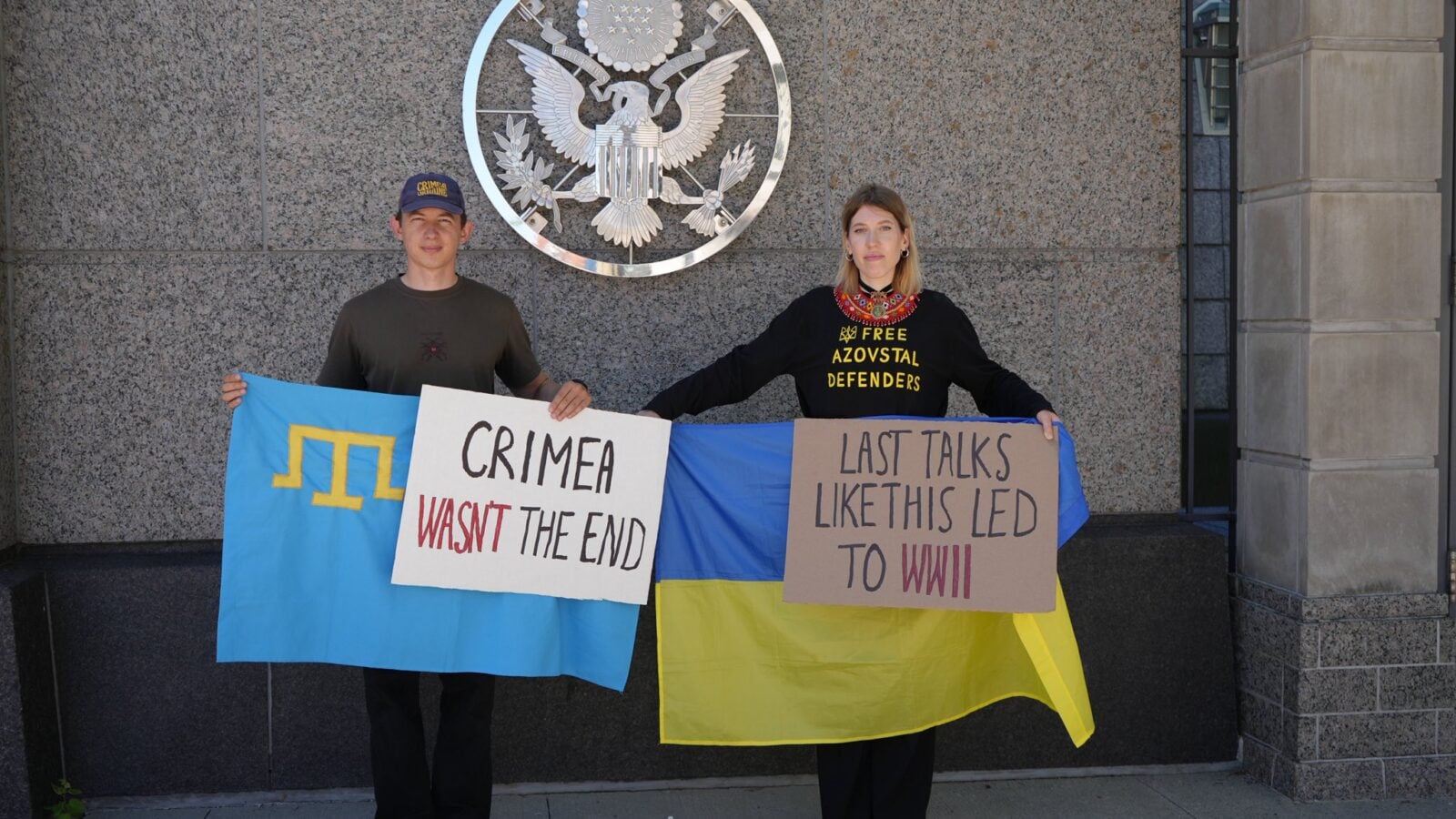
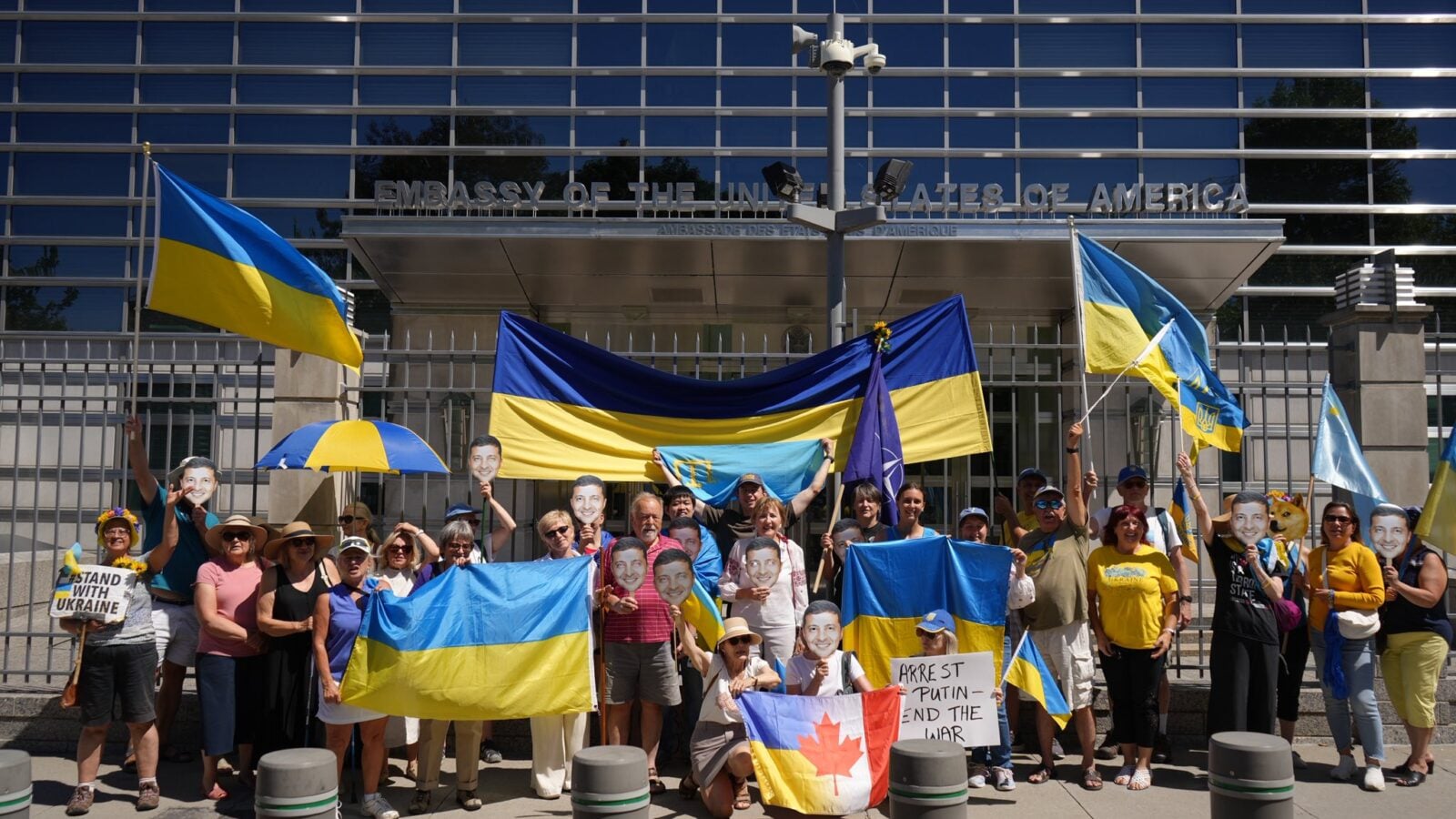
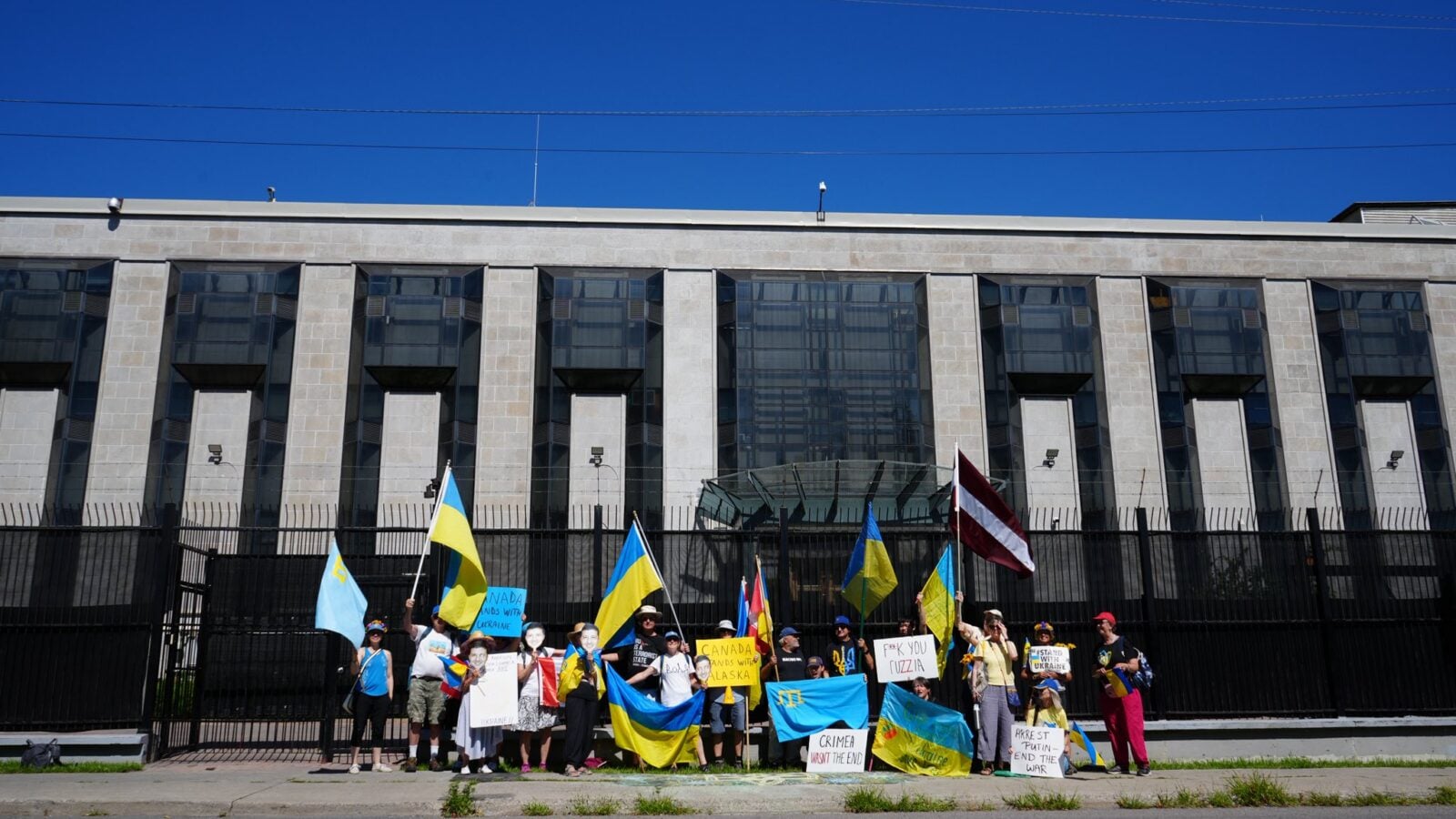
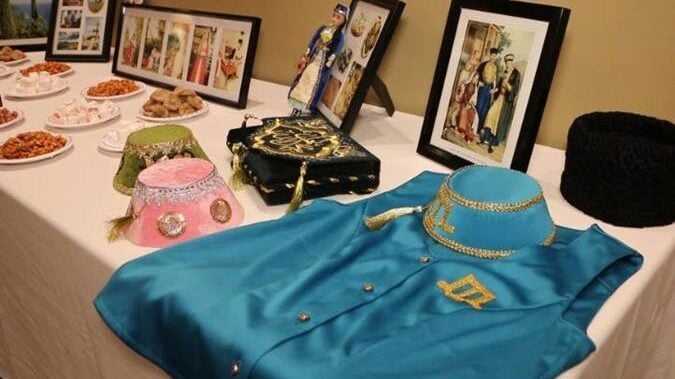
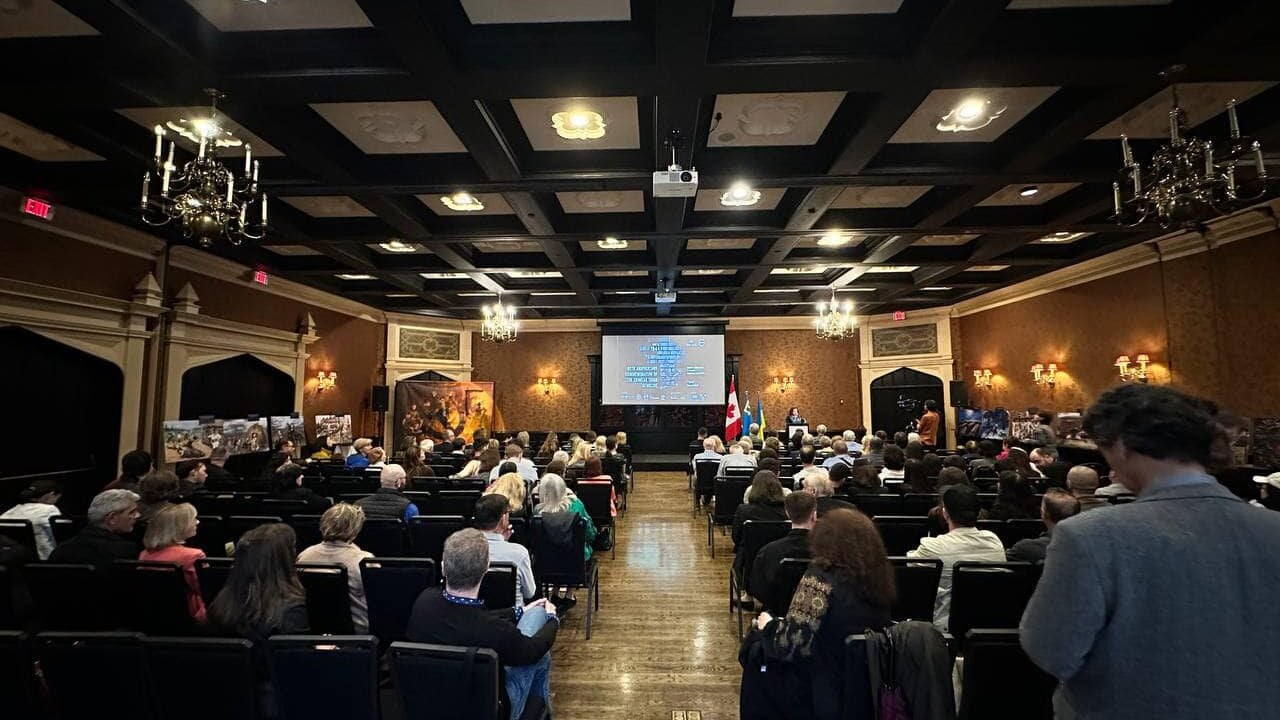
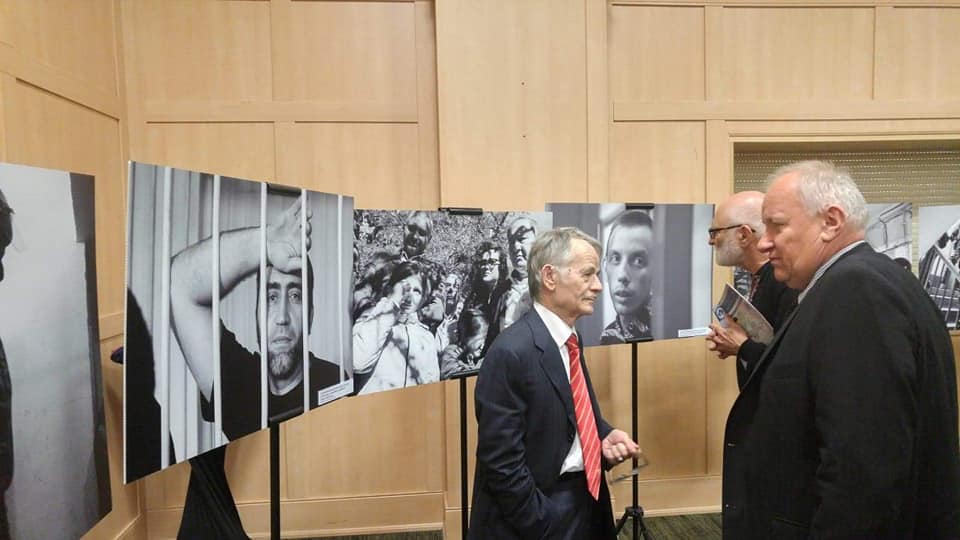
In Toronto, the association hosts evenings of Crimean Tatar poetry, film screenings, lectures, memorial events on May 18, celebrations of Crimean Tatar Flag Day, exhibitions and festivals. One of its most beloved traditions is a summer run with flags, followed by a picnic with music and Crimean Tatar cuisine, open to the Ukrainian community as well.
“You cannot reach everyone through politics or discussions about repression. But culture helps people feel Crimea closer,” Ruslan explains.
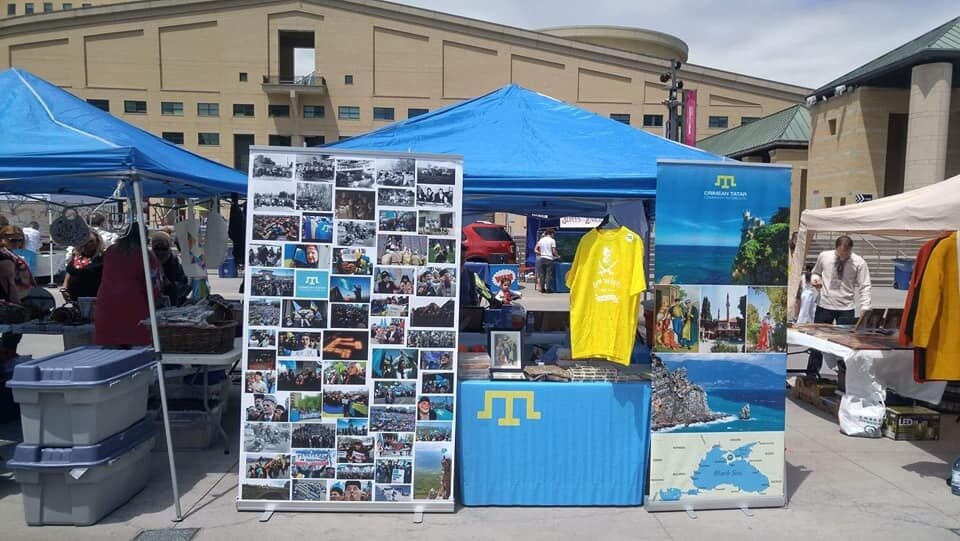
The association also takes part in the major Ukrainian festival in Toronto, the Bloor West Village Ukrainian Festival, and cooperates with Ukrainian organisations in Canada, human rights groups and the Mejlis of the Crimean Tatar People.
One of its biggest achievements, Ruslan says, was the 2022 unanimous decision of the Canadian House of Commons to recognize the deportation of the Crimean Tatar people as genocide.
“For us, it was a historic moment. It meant our voice had been heard,” he says.
Expanding awareness of Crimea and the Crimean Tatar people across Canada is now his priority. He also aims to move beyond established diaspora circles and reach new audiences through cultural, educational and public initiatives.
Ruslan believes the greatest danger today is Crimea slowly disappearing from the international agenda. That is why he urges Ukrainian communities worldwide to keep the issue present year-round, not only in May or on occupation anniversaries.
This includes joint Ukrainian–Crimean Tatar events, lectures, film screenings, support for families of political prisoners, advocacy in local parliaments and consistent countering of Russian disinformation.
“When someone repeats the myth of ‘Russian Crimea,’ we must respond clearly: Crimea is Ukraine. Crimean Tatars are the indigenous people of Ukraine,” he says.
One struggle
Support for Crimean Tatars is inseparable from support for Ukraine, as it is a shared struggle for freedom, justice and the return of occupied territories.
“Supporting Crimean Tatars means supporting Ukraine,” Ruslan says.
Asked about the future of Crimea, he speaks not as a dream but as inevitability. “I truly believe Crimea will be free and remain part of a democratic European Ukraine.”
But liberation, he stresses, will only be the beginning of a much larger task. Years of occupation have shaped a generation of children raised in the Russian information space. Parts of Crimean Tatar history have been erased or distorted. After de-occupation, Ukraine will have to work not only with infrastructure and politics, but also with memory.
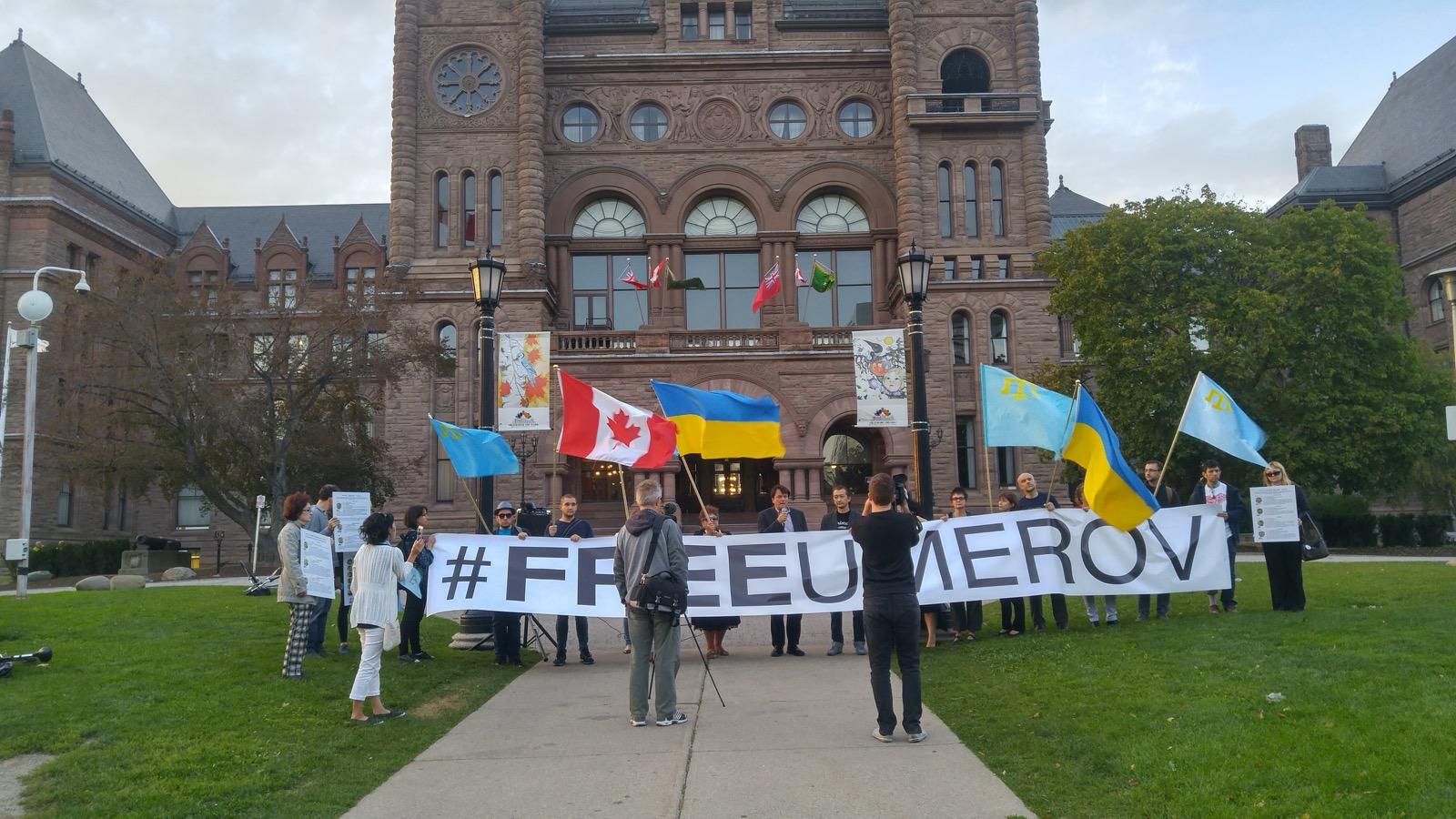
“We will need to restore the truth about Crimea through education, language, media, culture and youth work,” he says.
In his vision, Ukrainian and Crimean Tatar languages will coexist in Crimea, cultural and religious centers will be restored, political prisoners will return, and the history of the indigenous people will no longer be invisible.
“The day Crimea is free will be a victory not only for Crimean Tatars, but for all of Ukraine,” he says.
Latest news
 #UWC news
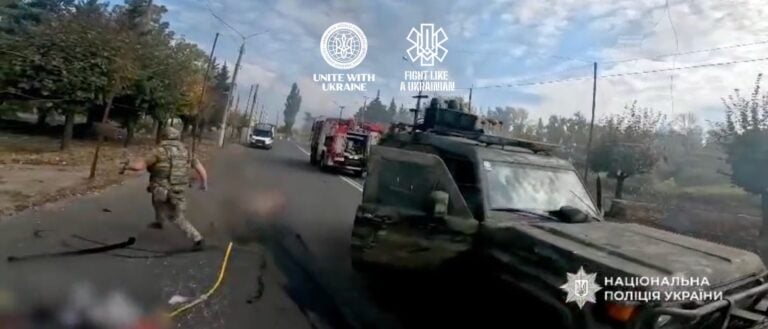
UWC funded armored ambulances evacuate wounded after deadly Russian attack on Kramatorsk
 #LocalAction