

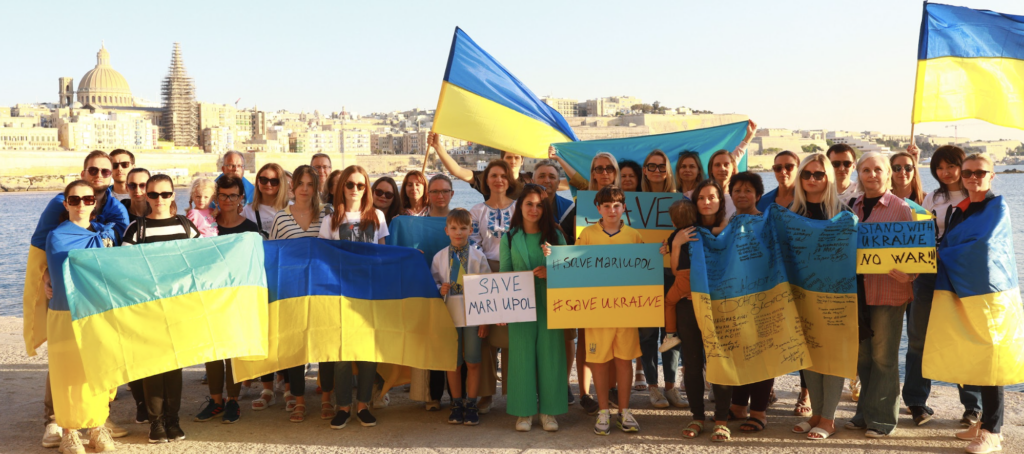


Malta is a small island state, one of the smallest in the European Union and the most densely populated, where the Ukrainian community makes up about 1% of the country’s population. Year after year, support for Ukraine here has not weakened. Last year, during Malta’s presidency of the Council of Europe, the Special Tribunal on the Crime of Aggression against Ukraine was approved.
The Foundation for the Ukrainian Community of Malta is the only non-governmental volunteer organization that brings together Ukrainian initiatives in the country. Since March 2026, it has been a full member of the Ukrainian World Congress (UWC). The UWC spoke with Alexia Melkonyan, the organization’s head and co-founder. What follows is a shortened version of her direct remarks for clarity.
Malta, an advocate for justice for Ukraine
Malta’s population is about half a million, but over the past 5-7 years the number of expats has grown significantly due to a stable economy and job market. A large share of the economy depends on tourism. During the season from April to October, up to two million people visit the country.
Malta is a dynamic and stable country, one of the southernmost in the EU and close to North Africa. This shapes its openness to dialogue with a wide range of partners. It maintains neutrality and is not a member of NATO. Despite this neutral status, Malta has played an important role in key international decisions for Ukraine. During its presidency of the Council of Europe, it contributed to the approval of the Special Tribunal on the Crime of Aggression against Ukraine – a mechanism intended to determine accountability, ensure reparations, and provide proper legal assessment of war crimes. This is a major step. In effect, it creates a tool that will allow work with the entire body of documented crimes committed by Russia. I personally thanked Malta’s foreign minister for this last year.
Public support in Malta for EU military assistance to Ukraine reached 74% in spring 2022. Over time, it declined significantly, and by spring 2025 stood at 51%, partially recovering from a historic low of 46% the previous fall. At the same time, support for economic sanctions against Russia (64%), as well as financial and humanitarian aid to Ukraine (77%), remains consistently high. We are very grateful to Malta for this.
From gatherings in the square to official status
Looking back ten years, it all really started with the Maidan. In December 2013, news broke that Yanukovych was planning a visit to Malta, which sparked the first wave of outrage. People began finding one another through word of mouth and mutual acquaintances. Our first protest took place on December 12 – there were about 15 of us, including not only Ukrainians but Georgians and Armenians as well. Although the visit had been canceled by then, it marked the first official demonstration and the beginning of our community gathering.
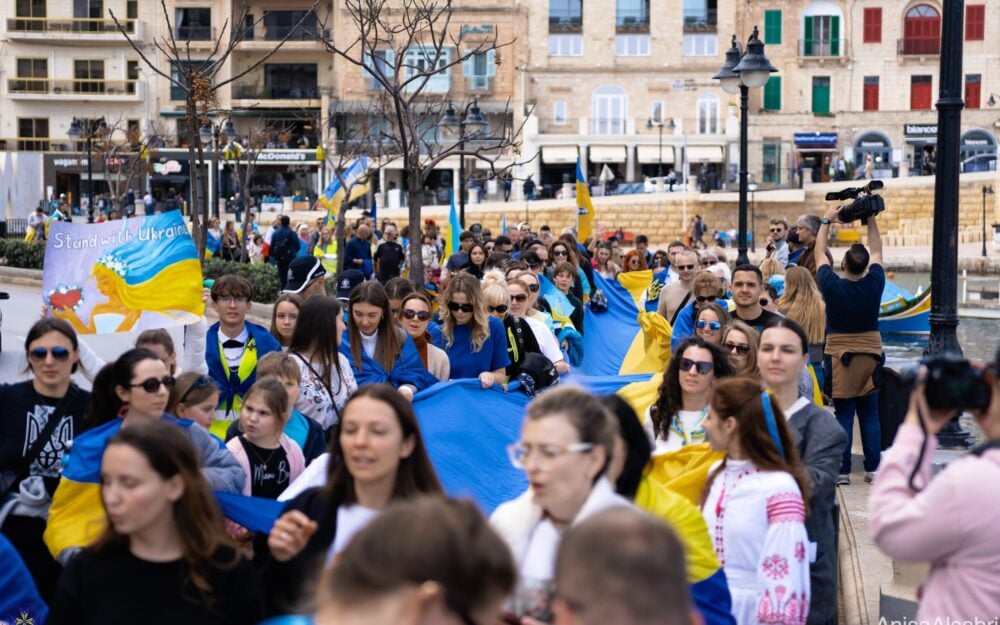
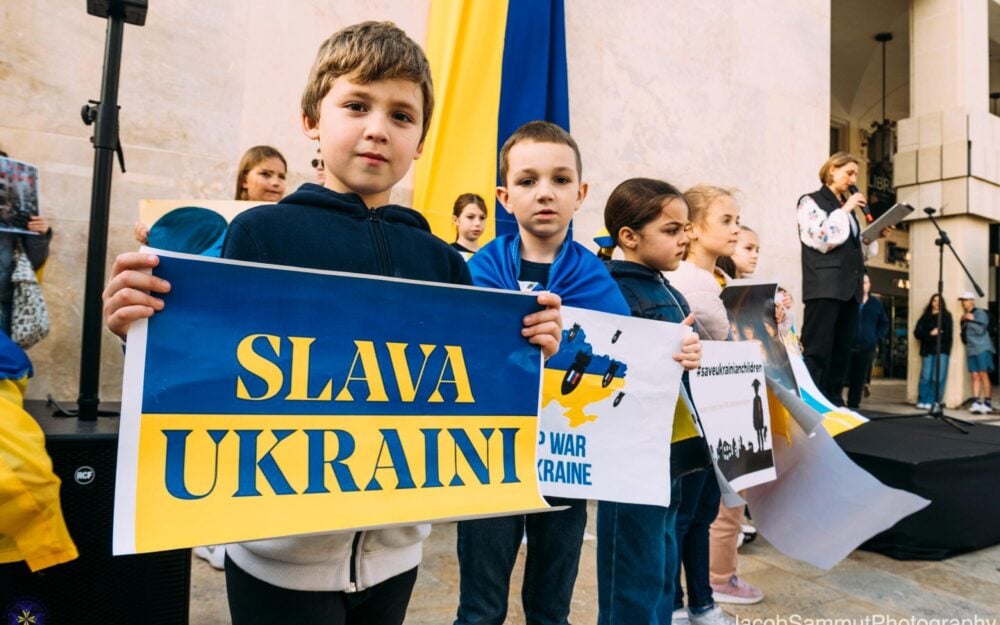
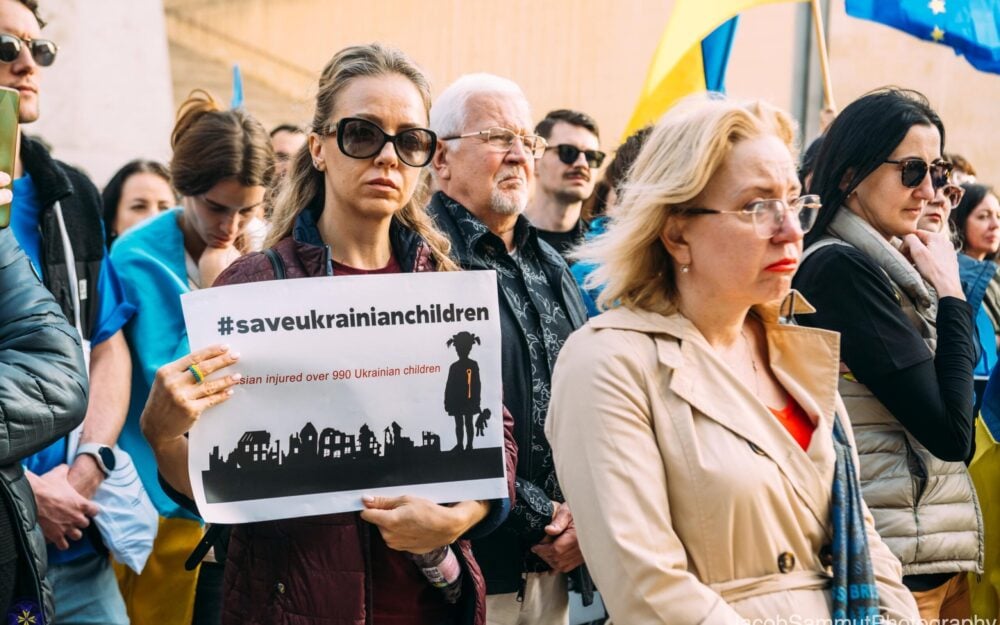
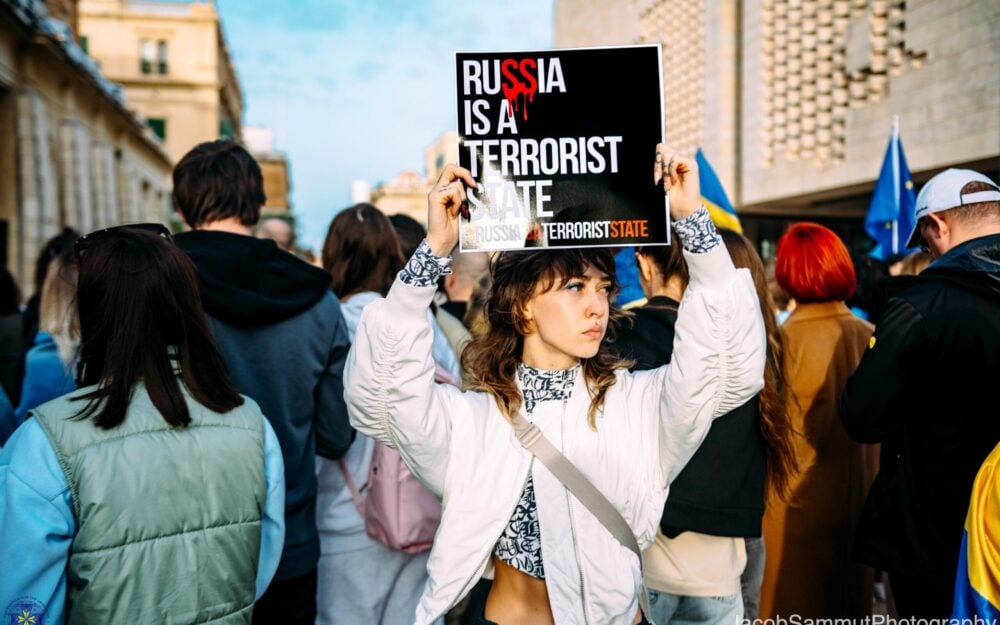
Other major events followed, from the Heavenly Hundred to the occupation of Crimea. We collected signatures and held rallies, and while these actions didn’t always have a direct political impact, they were incredibly powerful in bringing us together. The formation of the Ukrainian community in Malta can be divided into three distinct waves. The first, prior to 2014, consisted of people who moved for studies, work, or family. The second wave followed the events of 2014, bringing a significant number of displaced persons from Eastern Ukraine and employees from relocating international companies. The third wave began after February 24, 2022, resulting in a sharp spike in numbers where nearly 2,000 people arrived in Malta within just six months.
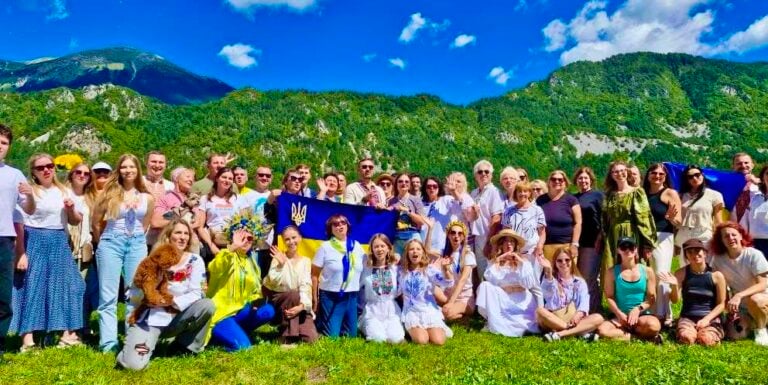
Today, we estimate there are about 5,000 Ukrainians here, accounting for nearly 1% of the country’s population. It is now one of the largest foreign communities in Malta, though it is a somber reality that this growth is largely due to the full-scale invasion. In the first months after the invasion, our efforts were purely grassroots. We collected humanitarian and medical aid, assisted the government, and operated a crisis hub. We visited hotels, delivered food, and connected people with doctors, all while navigating the added complication of COVID-19 restrictions.
Our information sessions deserve a special mention. For nearly three and a half months, we met every Saturday at 2:00 PM at the Tritons’ Fountain in Valletta to explain the situation to newcomers: what the rules were, where to go, and how to get help. It was about both information and emotional support, and sometimes people arrived there straight from the airport. I remember the largest pro-Ukrainian rally in history, held in 2022, where the square in front of Valletta was half full. After that, it became clear that we needed to formalize our efforts, so we officially registered our organization.
Today, we are the only major volunteer NGO effectively uniting Ukrainian initiatives in the country. Our work stands on three main pillars: community building, integration support for newcomers, and cultural advocacy. The church also plays a vital role in our community. I want to give special thanks to Eugene Choliy, the former president of the UWC, who visited Malta around 2015–2016. We were able to discuss the community’s key needs directly, including the need for a priest. Following that meeting and subsequent correspondence with Kyiv, things began to move. By 2019, a priest started visiting regularly, and a Greek Catholic parish was formed. Since 2024, we’ve also had an Orthodox parish under the Ecumenical Patriarchate. Additionally, Plast has launched here; this year, they received their uniforms, completed their certification, and now hold regular activities.
The Russian community in Malta isn’t particularly active, but they did react in 2023 when we hosted the “Price of Freedom” exhibition at the Malta Society of Arts with the support of the UWC. The exhibition told the stories of 24 people who joined the military and died for Ukraine, and Dmytro “Orest” Kozatsky even visited us for the event. It was a success, with many locals and foreigners attending and receiving positive coverage in the local media. However, during the final two days, the venue’s director received an unsigned threat from the Russian embassy. They threatened to shut everything down and, predictably, accused us of “spreading Nazism.” We took it as a sign of success – absolute proof that we are moving in the right direction.
‘Warmth for Ukraine’
This winter, when massive attacks and freezing temperatures hit Ukraine, my operations team – now seven people who volunteer on a regular basis – decided to help however we could. Around the fourth anniversary of the full-scale war, we held a series of charity events and launched a fundraiser for heating and electricity in Ukraine.
Some of the funds came unexpectedly. During a street exhibition (a повтор of “The Price of Freedom”), we simply put out a donation jar, and people started giving. Most were foreigners – locals and visitors walking through the capital, who stopped to view the exhibition, read the stories, and donated.
The largest amount was raised during a charity concert for the community. It was a warm, intimate evening with Ukrainian music, a sense of home, and unity. We sold tickets, held a small auction, and together it brought results. In total, we raised about €1,500. Of course, this is a small amount on a global scale, but for us it was a very meaningful moment. It showed that we, too, can be part of helping Ukraine.
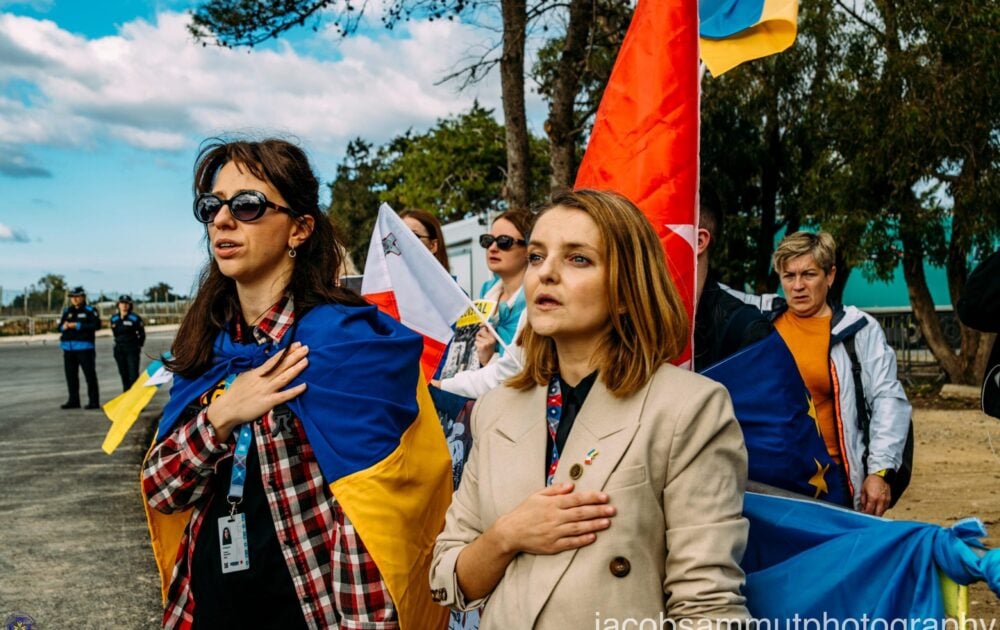
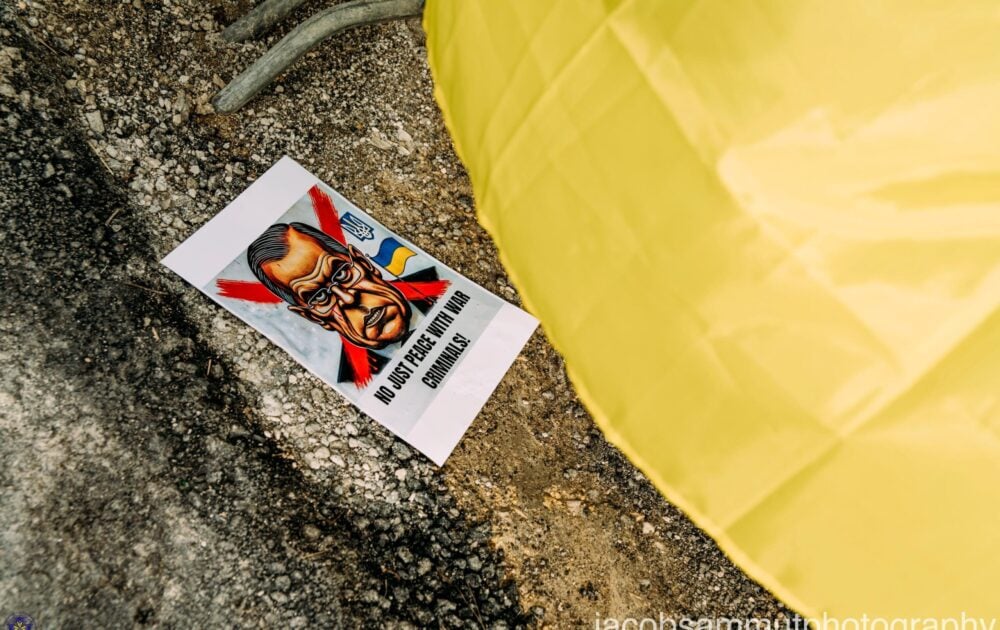
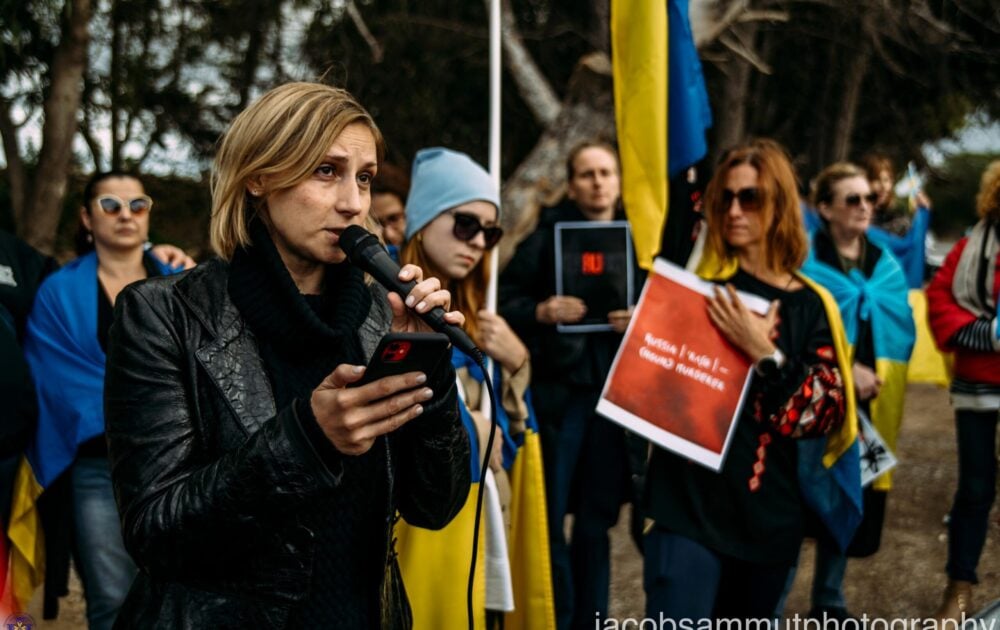
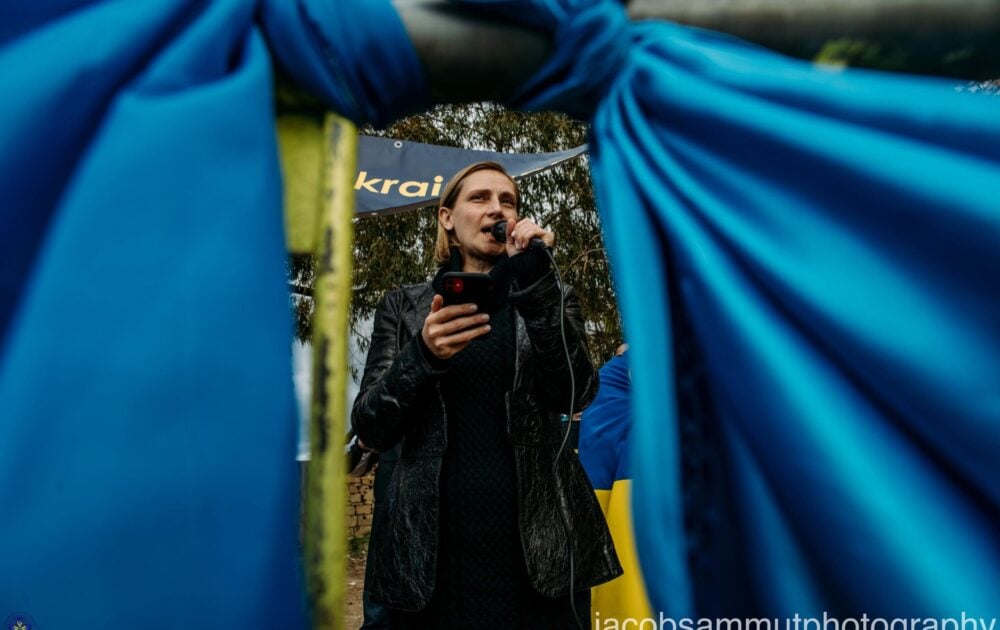
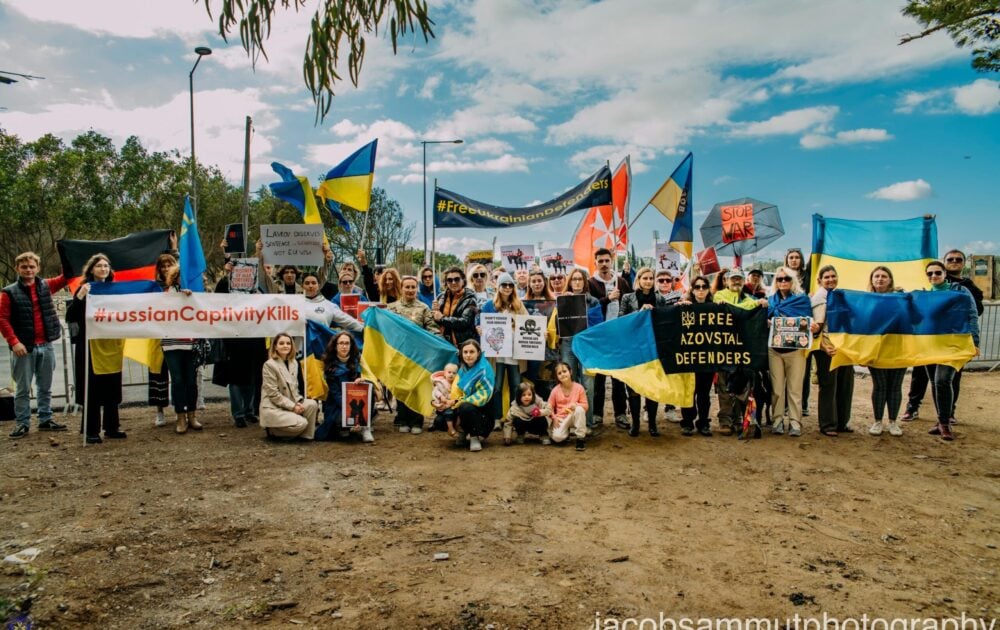
In general, Maltese people and foreigners actively participate in our events. These are people who read, who think, and who see that Ukraine stands on the front line defending the very values that Europe promotes and represents.
Unfortunately, we see that the longer the full-scale invasion continues, the more people integrate. The share of those who say they will not return is growing. Our role is to ensure that those who now live here and those who stay in Malta continue to remain in a Ukrainian environment and do not forget who they are or where they come from.
What awaits Ukrainians after March 4, 2027
There is now a clear end date for the EU’s temporary protection for Ukrainians – March 4, 2027. We are trying not to wait, but to act in advance. We have already launched an advocacy campaign to discuss possible solutions early and communicate the community’s position. The idea is simple: minimize stress for people and avoid a situation where everyone has to simultaneously resolve issues related to status, documents, and life in the country.
As of the end of February this year, about 2,500 Ukrainians were living in Malta under temporary protection. This is a large number, and there is still no full clarity on what comes next. That’s why we are working on an appeal to Malta’s Ministry of the Interior. We want to gather input from the community, understand people’s needs, and propose concrete solutions. This is also an opportunity to support local authorities – if we prepare together in advance, it will significantly ease the process for both sides.
Now is a good moment for this. Elections are ahead, and there is a window for dialogue. In addition, unlike in 2022, we now have the experience, understanding, and resources to act systematically. Of course, it’s not easy. We are a fully volunteer organization – everyone has their own jobs, families, and children. Volunteering can be exhausting, but mutual support within the team gives us the strength to keep going.
Over the past few years, this journey has produced very visible results. Official registration, transparency, and accountability have opened the door to serious cooperation. Today, we work with diplomatic missions, international partners, and local institutions. We are invited into dialogue, joint initiatives, and project discussions – from supporting the community to Ukraine’s future reconstruction.
So today, we are no longer just a group of concerned individuals, but a community with a voice, trust, and real opportunities for cooperation.
Latest news
 #UWC news
UWC funded armored ambulances evacuate wounded after deadly Russian attack on Kramatorsk
 #LocalAction