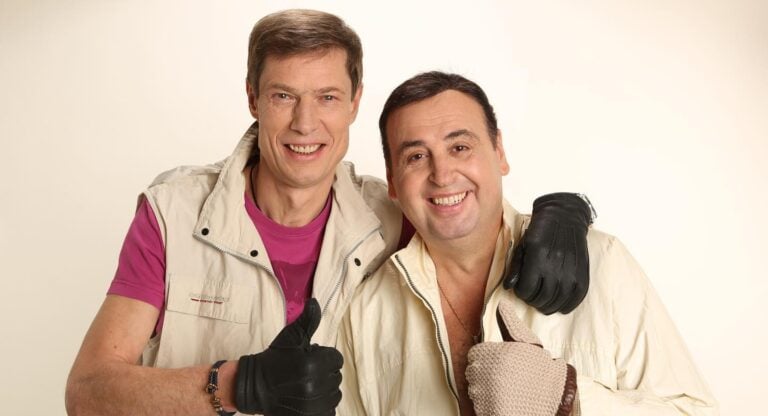


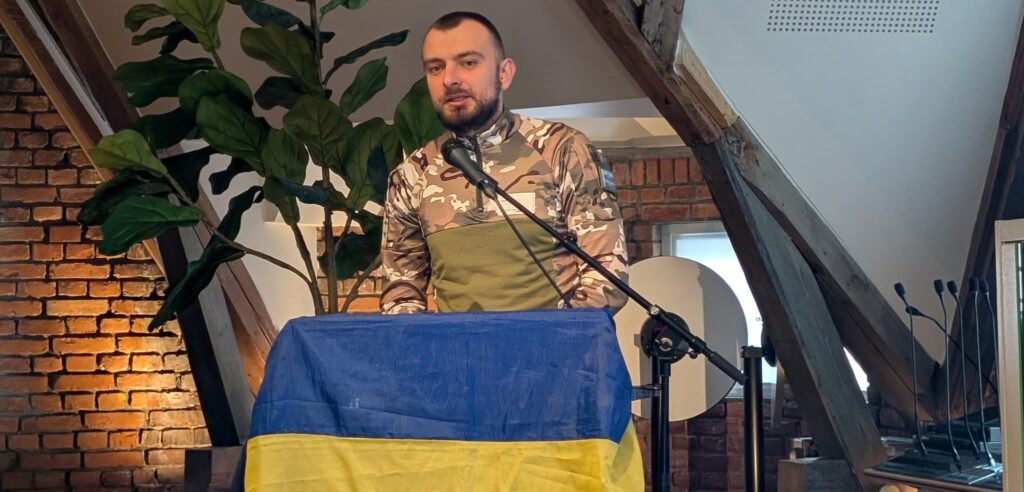


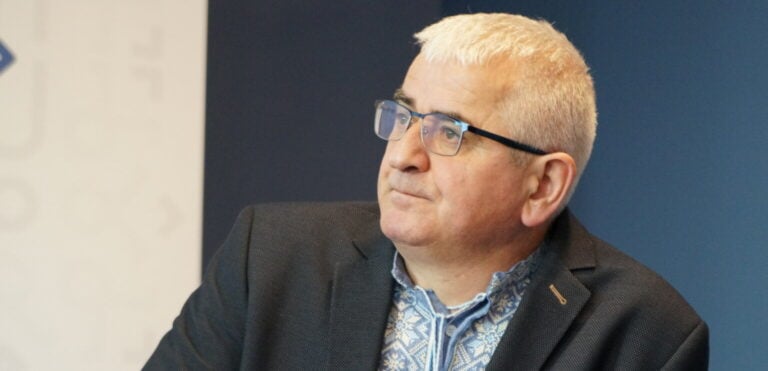
After six months in Russian captivity, injuries, surgeries, and several months in a wheelchair, Bohdan Trubichyn did not choose silence and recovery “just for himself.” As soon as he was able to stand on his feet again, he came to the Ukrainian association warehouse in Norway to help pack humanitarian aid for Ukraine.
‘Childhood romanticism’
Bohdan decided to become an officer as early as seventh grade. He says it was “childhood romanticism” – books about the military, films, and also a grandfather who was a police officer and his brother, a colonel in the Armed Forces. There were uniformed people in the family, and that likely planted a seed that later grew into a conscious decision.
In 2012, right after finishing school, Bohdan entered the Lviv National Army Academy. Starting in 2016, he was already carrying out combat missions on the front line as a unit commander.
When the full-scale invasion began, the defender met it where he was supposed to be – at the front. The first months of fighting included an ambush, encirclement, and injury. The enemy took him prisoner.
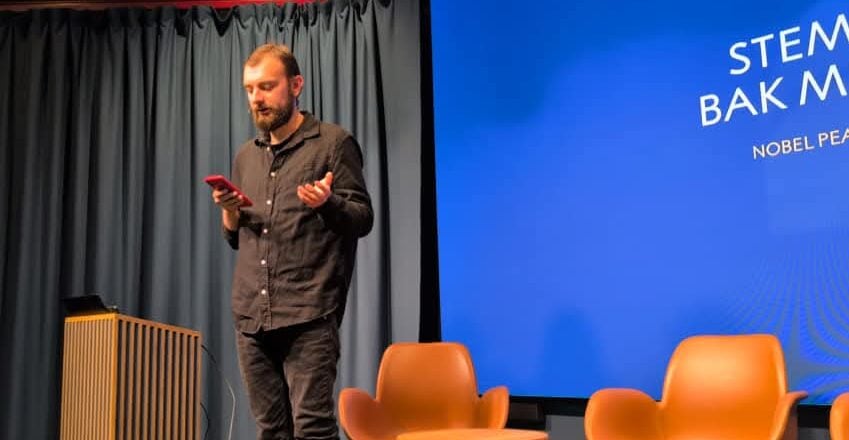 At first, there were two weeks in Donetsk, then the Russians transferred Bohdan to Olenivka prison – the same place where in July 2022 the occupiers killed dozens of Ukrainian prisoners of war, defenders of Mariupol and Azovstal. He spent most of his captivity there – six and a half months in total. In September 2022, he was released during a major prisoner exchange.
“I was lucky. I spent ‘only’ six and a half months in captivity,” Bohdan says, pausing. “I can’t even imagine what those who have been there for years are going through.”
After the exchange, he was taken to a Kyiv hospital, where doctors offered him the Medevac program. Within two weeks, Bohdan was informed that Norway was ready to receive him.
‘Who, if not us?’
The first year in Norway was truly difficult. Surgery, long rehabilitation, several months in a wheelchair, then on crutches. “It’s not that I was a vegetable,” he says, “but I wasn’t a fully functioning part like I used to be.”
As soon as he felt strong enough, he immediately started looking for ways to be useful. His wife first got acquainted with the Ukrainian association in Norway and its activists, and Bohdan followed – to see what was going on and maybe help in some way. He quickly connected with the people, and soon he was offered a role in the logistics committee.
Today, Bohdan is one of the regular volunteers at the Heart-4-UA humanitarian hub run by the Ukrainian association in Norway. His work includes warehouse operations, loading and unloading, organizing transport, and coordinating with partners – hospitals, companies, and logistics services. The community has already sent more than 200 semi-trailers of humanitarian aid to Ukraine, mostly with rehabilitation equipment, and Bohdan is glad to have contributed.
“I don’t think it’s thanks to me that we achieved such results,” he says with a smile. “But it still feels good to have contributed my work.”
The team is small but, he says, very hardworking. “There are few of us, but if we stop doing this work, then no one will do it at all. So we have to,” Bohdan explains.
When asked why he was so eager to volunteer even in the middle of rehabilitation, Bohdan answers without hesitation: “We are the kind of people who want to be in society, and being stuck within four walls for a long time is very difficult. I wanted to join some shared effort and just feel useful. And besides, we need to help Ukraine, no matter what country you are in or why you ended up here.”
Voice of the prisoners
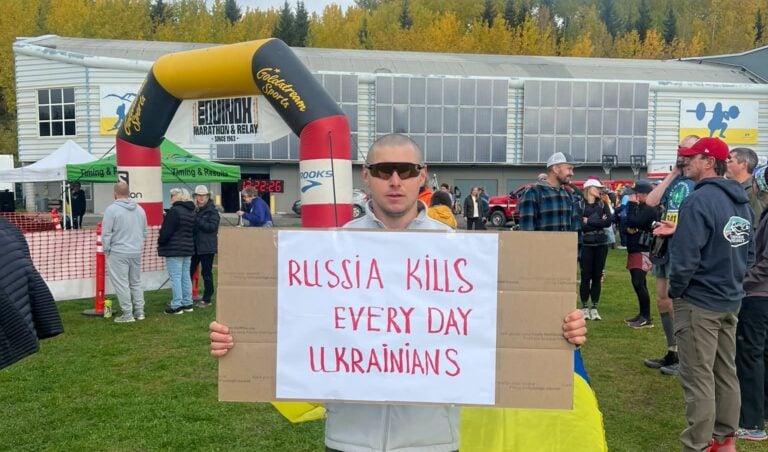
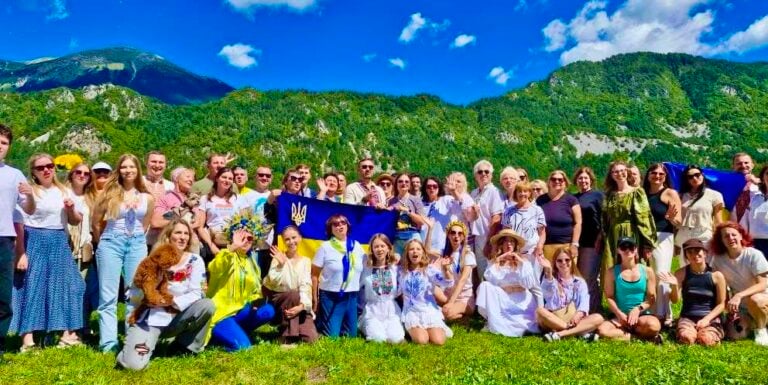
In addition to working at the warehouse, Bohdan speaks at rallies and events, sharing stories about Ukrainian prisoners of war. The Ukrainian association in Norway holds demonstrations every day, and people from other countries, he says, are often shocked to learn that in Oslo, every day, in any weather, people come out with flags.
Talking about captivity is not easy, but Bohdan speaks. Because silence, he says, is worse.
“I was a prisoner of war myself and experienced some unpleasant moments of interaction with our neighbors. But I can’t even imagine what the guys who have been there for years are going through. We need to keep reminding people about this, not stay silent. It is through the silent permission of the global community that Russians are able to do what they are doing to our guys in captivity.”
Bohdan is convinced that if the world truly united, there would be leverage – both political and economic. Yes, dealing with Russians is difficult, and explaining things to them in a normal way is almost impossible. But attempts must be made, and the voice must be heard, he says.
“These guys need help because most of them have already lost so much strength. And the only thing they have left is us.”
Bohdan sees how Russian narratives are gradually spreading in Europe – through TikTok and through people from post-Soviet countries who have long lived in Norway and, in his words, have become true carriers of these narratives. The message is simple and insidious: Ukrainians can stop the war themselves, all they need to do is surrender, give up land – and everyone will live peacefully.
Among Norwegians themselves, Bohdan has hardly encountered such attitudes. Most people in his circle are sincere, supportive of Ukraine, and want a just peace. But he understands better than most that you cannot relax.
“We have to constantly remind our partners that the war is not over. I understand that everyone is tired of this war. But Ukrainians themselves are the most tired of it.”
Building a new world
To those who hesitate – whether it’s worth going to a rally, spending time volunteering, or whether it really changes anything – Bohdan says:
“Come over, help however you can. It doesn’t have to be money or hard physical work – just take part in an action, show that we are all together, that there are many of us, and that we should not be forgotten. If you have time and strength, find your place in volunteer organizations. Every bit of work matters. Brick by brick – and we will build our new world,” the defender says.
Bohdan Trubichyn is originally from Zaporizhzhia. He has been defending Ukraine since 2016, survived captivity and Olenivka, and today, while undergoing rehabilitation in Norway, he almost daily loads humanitarian aid for his country, attends rallies, and tells anyone willing to listen why silence is not an option.
He hopes to return home. But for now, he is laying his brick here.
Photos: Bohdan Trubichyn
Latest news
 #UWC news
UWC funded armored ambulances evacuate wounded after deadly Russian attack on Kramatorsk
 #LocalAction