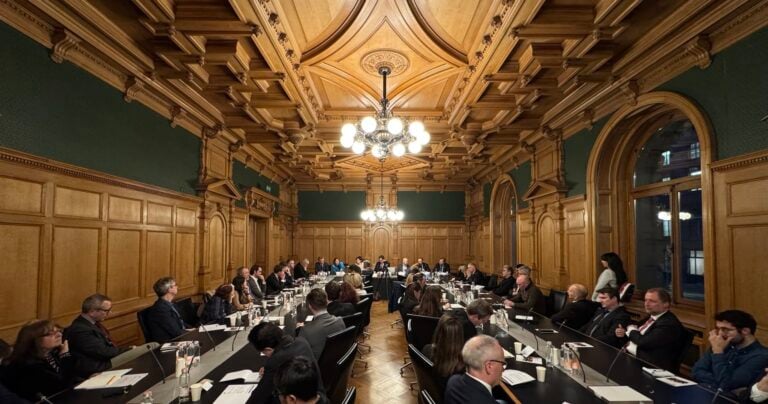


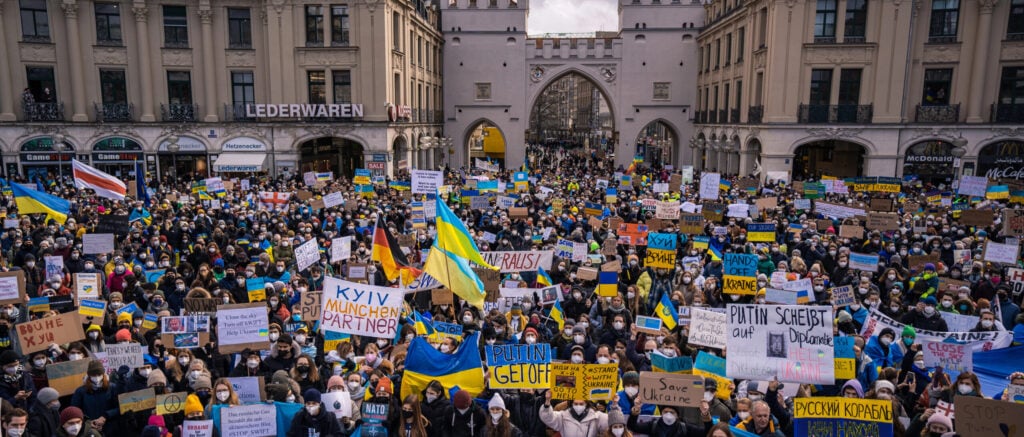


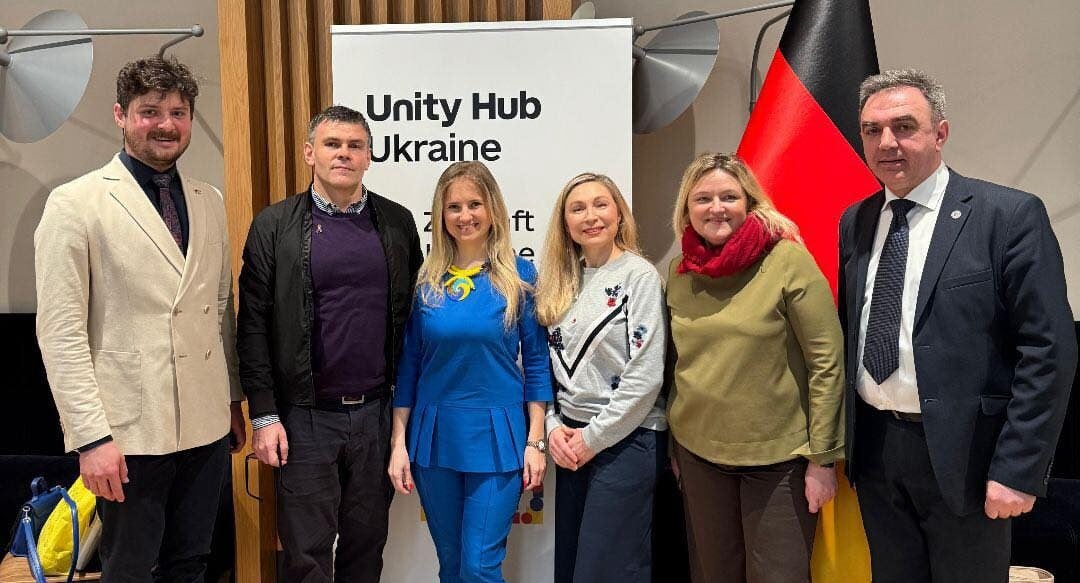
The opening of the Unity Hub in Berlin on April 15 serves as a new symbol of a shifting paradigm. The Ukrainian community in Germany – currently the largest in Europe – is moving from a stage of “survival” to one of “structural organization.”
This transition is bolstered by socio-economic dynamics: the number of employed Ukrainians in Germany is steadily rising. In January 2022, before the full-scale influx of refugees, there were approximately 65,000 employed Ukrainians. By November 2025, that figure grew to 373,000 (including Ukrainian citizens without refugee status). As of January 2026, roughly 523,000 Ukrainian citizens were registered as fit for work at local job centers.
At the same time, surveys indicate that critical sentiment toward Ukrainian refugees is intensifying in Germany. This is partly linked to a new wave of arrivals of young men starting in September 2025, when Ukraine authorized travel abroad for men aged 18–22. A late-2025 poll commissioned by Bild showed that 66% of Germans oppose the continuation of Bürgergeld (citizen’s allowance) payments for Ukrainian refugees, while only 17% support the idea.
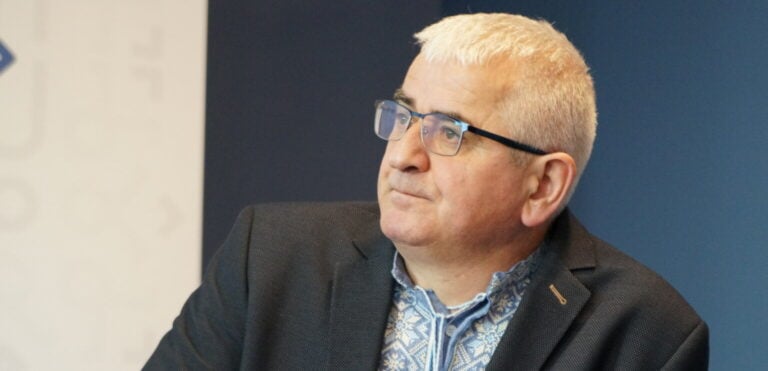
The Ukrainian World Congress (UWC) spoke with Rostyslav Sukennyk, head of the Association of Ukrainian Organizations in Germany (AUOG), about how this new hub will change community life, why Germans admire Ukrainians, and how Russian “cultural diplomacy” is attempting to poison the European landscape once again.
Integration without assimilation
The concept of the Unity Hub is simple yet fundamental: to bring various Ukrainian initiatives together under one roof. Furthermore, having a “home” of its own in Berlin significantly changes the community’s standing in its dialogue with German society.
The Ukrainian community in Germany is not monolithic. One segment has been established for years – people who intentionally chose Germany, built careers, and integrated gradually. The other is a new wave of displaced persons forced to flee due to the war. For the former, Germany is home; for the latter, it is currently a temporary refuge, and this distinction defines much of their experience.
Germany has provided a comprehensive support package, including housing, health insurance, and social assistance. However, the logic of this support was built on a classic migration model, whereas Ukrainians fled due to war – a factor that influences both motivation and the pace of adaptation. Some plan to return after the hostilities end, while others are already building long-term lives, learning the language, and seeking employment.
Ukrainian organizations have responded to these challenges by developing a unified approach to integration: language as the foundation, work as the basis for independence, and openness as the path to acceptance. This model not only reduces reliance on the social welfare system but also creates sustainable, long-term opportunities. In doing so, the community preserves its language, culture, and connection to Ukraine – striving not for total assimilation, but for integration without isolation.
The interaction between these two segments of the community is also vital. Those who have lived in Germany for years offer experience and knowledge; those who arrived after 2022 bring energy and motivation. Together, they are capable of forming a truly influential community.
Ukrainians through German eyes
Amidst these integration processes, another struggle is unfolding over the information and cultural space. Russia long ago abandoned straightforward propaganda in favor of more sophisticated tools: manipulating social sentiment, supporting populist political forces, and creating friction around the cost of supporting Ukraine.
The Kremlin “adds fuel to the fire” regarding sensitive domestic issues in Germany, promoting narratives such as “if it weren’t for Ukraine, the money spent on refugee aid could have gone toward schools and hospitals.” Simultaneously, Russians are reintroducing their “cultural diplomacy” to European stages through theater, music, and art projects, projecting an image of “high culture” to mask their aggression.
The response to this challenge is presence. A key task for Ukrainians remains engaging with German-speaking audiences, participating in major cultural institutions, and creating content that resonates with the general public.
This is already happening. The German public’s attitude toward Ukrainians is generally positive; they are perceived as educated and hardworking – expectations that are met in most cases. Some employers intentionally build teams of Ukrainians specifically because of their reliability.
Germany views Ukrainians as educated individuals who love, know how to, and want to work – people who do not wish to be dependent on the state. The community’s volunteer activity, helping both their own and the local population, adds a layer of responsibility and civic engagement to this image.
Consequently, the Ukrainian community is gradually becoming a factor in informal diplomacy. Through personal contacts, work, and participation in public life, they shape perceptions of Ukraine – often more effectively than any official communication. The Unity Hub in Berlin is just one tool in this process, but it demonstrates the most important point: the Ukrainian community is moving from reacting to a crisis to shaping its own future.
Cover: DepositPhotos
Latest news
 #GlobalAdvocacy
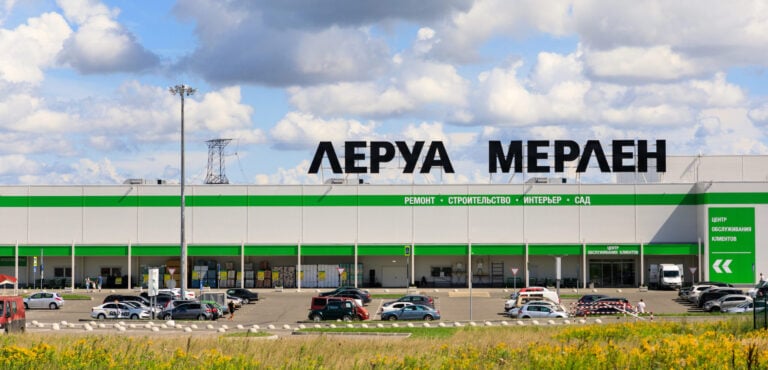
Russia seizes foreign businesses: Turning Kremlin blackmail into advocacy tool
 #LocalAction