



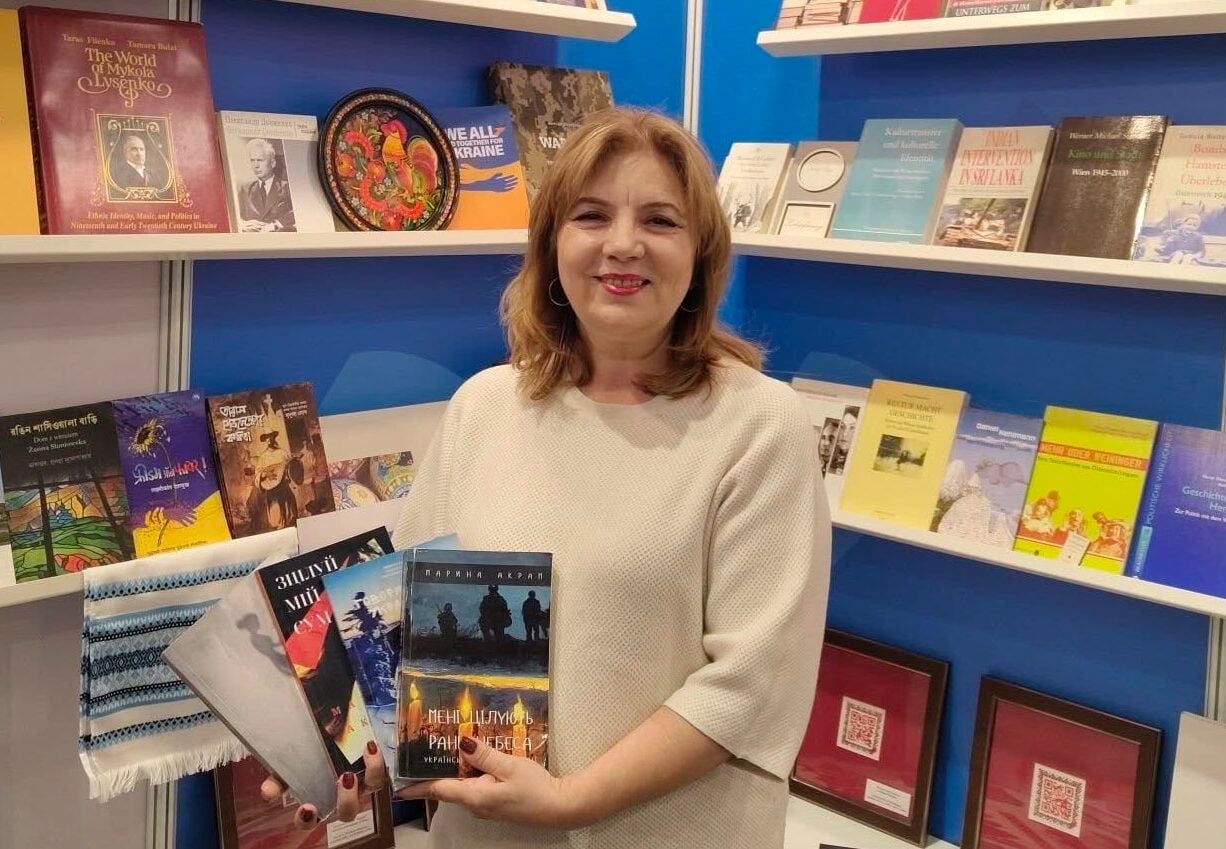
How do you talk about war and promote Ukrainian narratives in countries where Russian influence has been deeply rooted for decades? Maryna Akram, co-founder of the Association of Ukrainians in India, knows the answer. She moved from Poltava Region to India 26 years ago. Today, she lives with her husband and two children in Uttar Pradesh, just five kilometers from Delhi.
In an exclusive interview with the Ukrainian World Congress, Maryna spoke about why raw numbers don’t work in Asia, how language becomes a weapon, and the bureaucratic obstacles the Ukrainian community faces.
Emotions for impact, language for trust
Indian society is open, sincere, and deeply empathetic. People value kindness and compassion highly. However, there is a cultural nuance: saying a direct “no” is often avoided so as not to offend, which can lead to long periods of unfulfilled promises. As a result, dry reports or official speeches are often ineffective. In India, one must work through both diplomatic channels and emotion, Maryna says.
“You need to present an emotional picture of the war,” she explains. “I remember when the Russians entered Bucha and the whole world was already reacting, India was among the last to show those images. But one very well-known local journalist, Gaurav Sawant, with a huge audience, aired a segment. On screen were blurred bodies, horrifying images of a murdered woman’s manicure… And he kept repeating with such intensity: ‘This is Bucha. Bucha. Bucha!’ He emphasized that the Russians did this. It struck people so deeply that even India, which tries to maintain political neutrality, engraved it in its memory.”
Maryna is convinced that any Ukrainian event – whether a concert, art exhibition, literary evening, or film festival – must have a strong visual and emotional component. Not just a recited poem or a performed song, but a staged experience that makes the audience cry and live through the pain together.
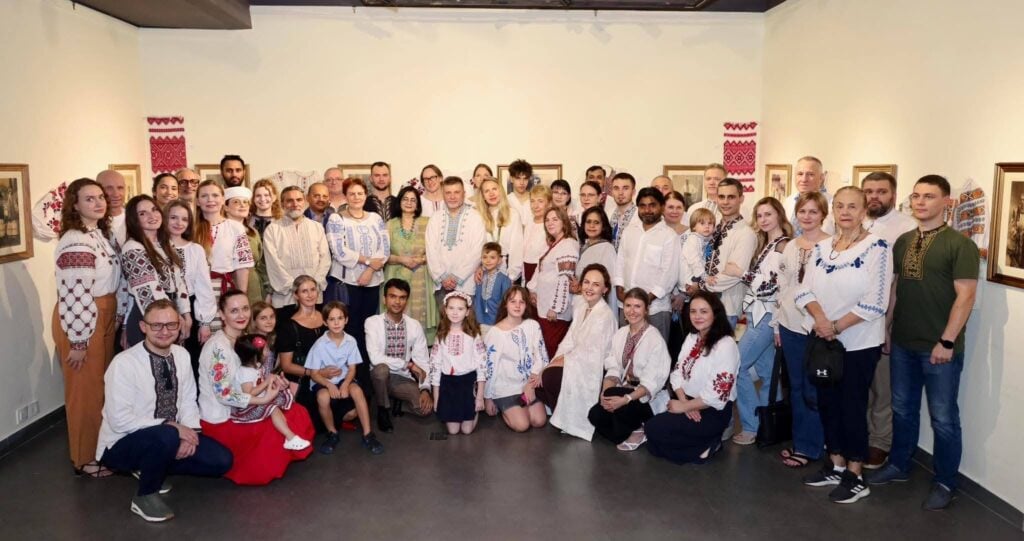
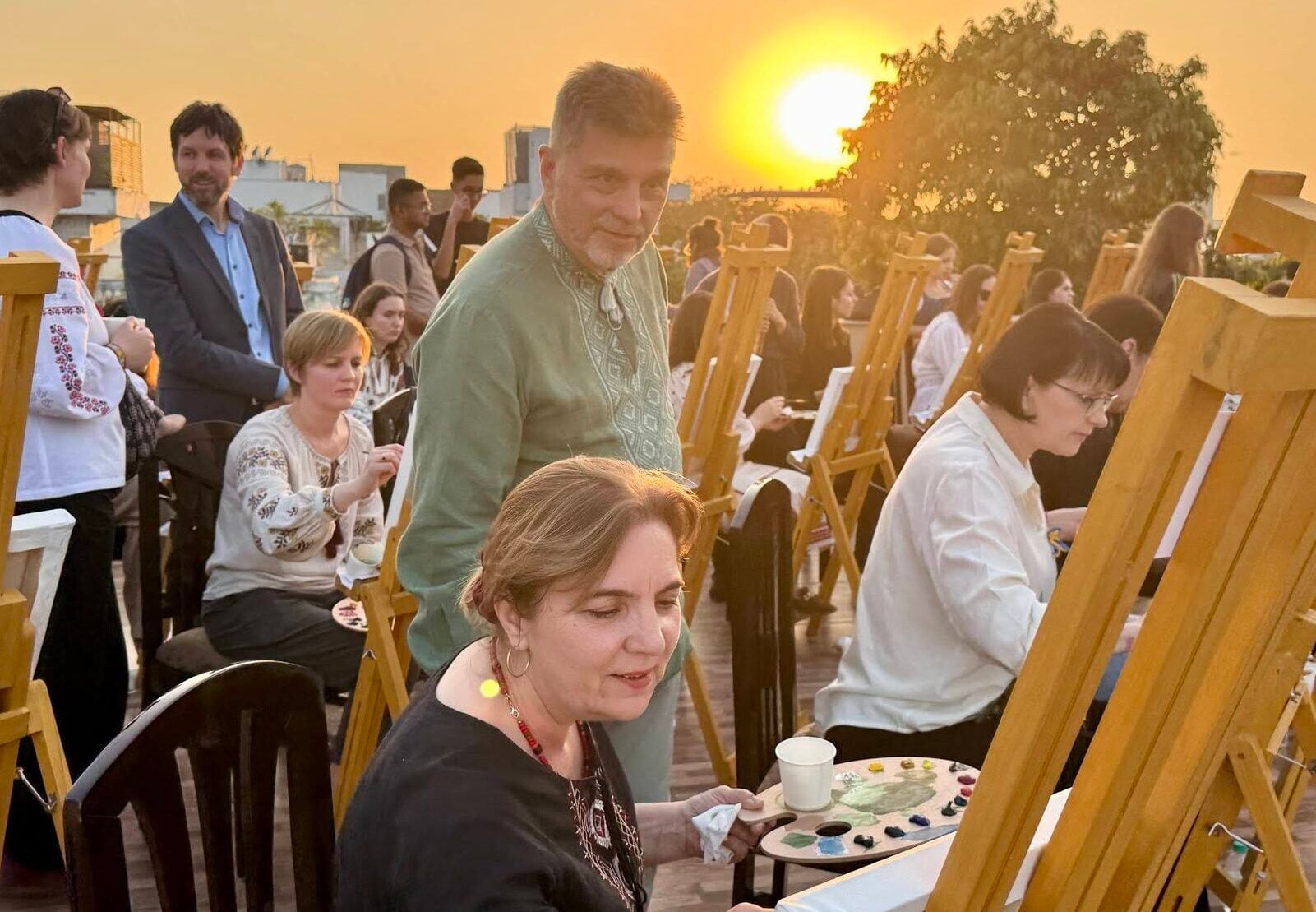
“But diplomacy is not only about pain, it is also about beauty and hospitality,” she adds. Recently, the Ukrainian community together with the Embassy of Ukraine in India held an event for Vyshyvanka Day. They created a space showcasing archival reproductions of Ukrainians from different regions wearing traditional clothing from the Ivan Honchar Museum. Ukrainians also brought their own embroidered shirts and food.
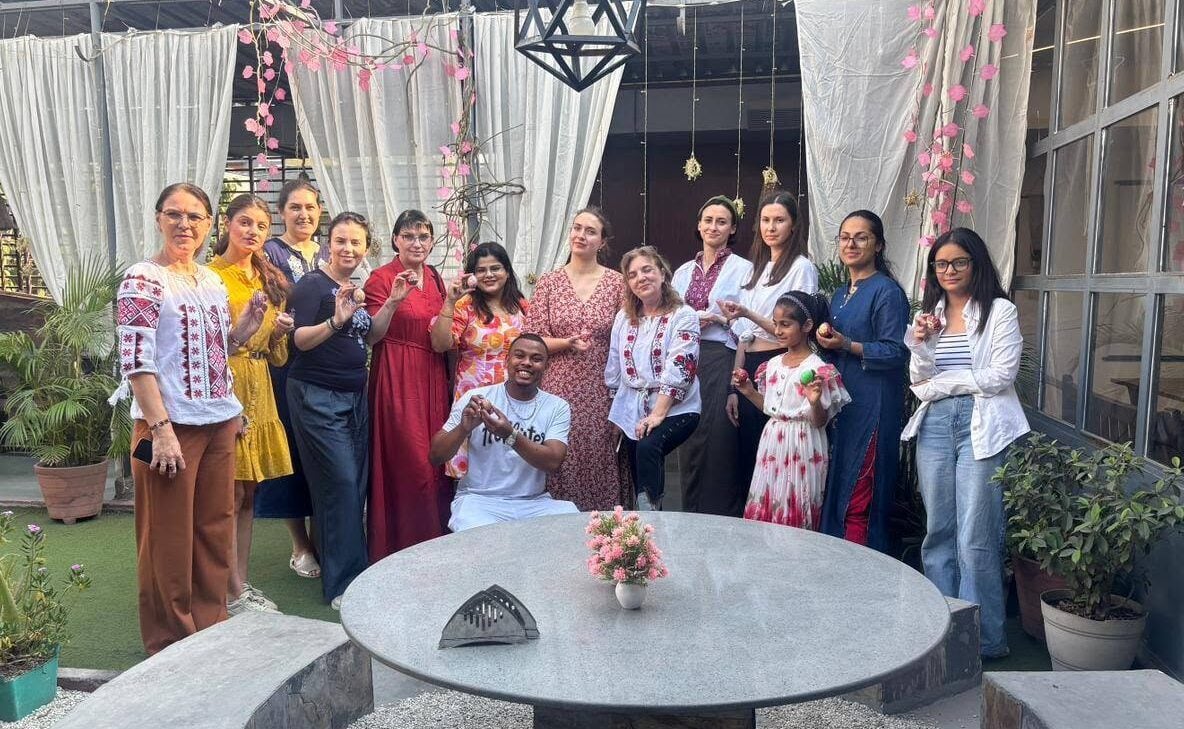
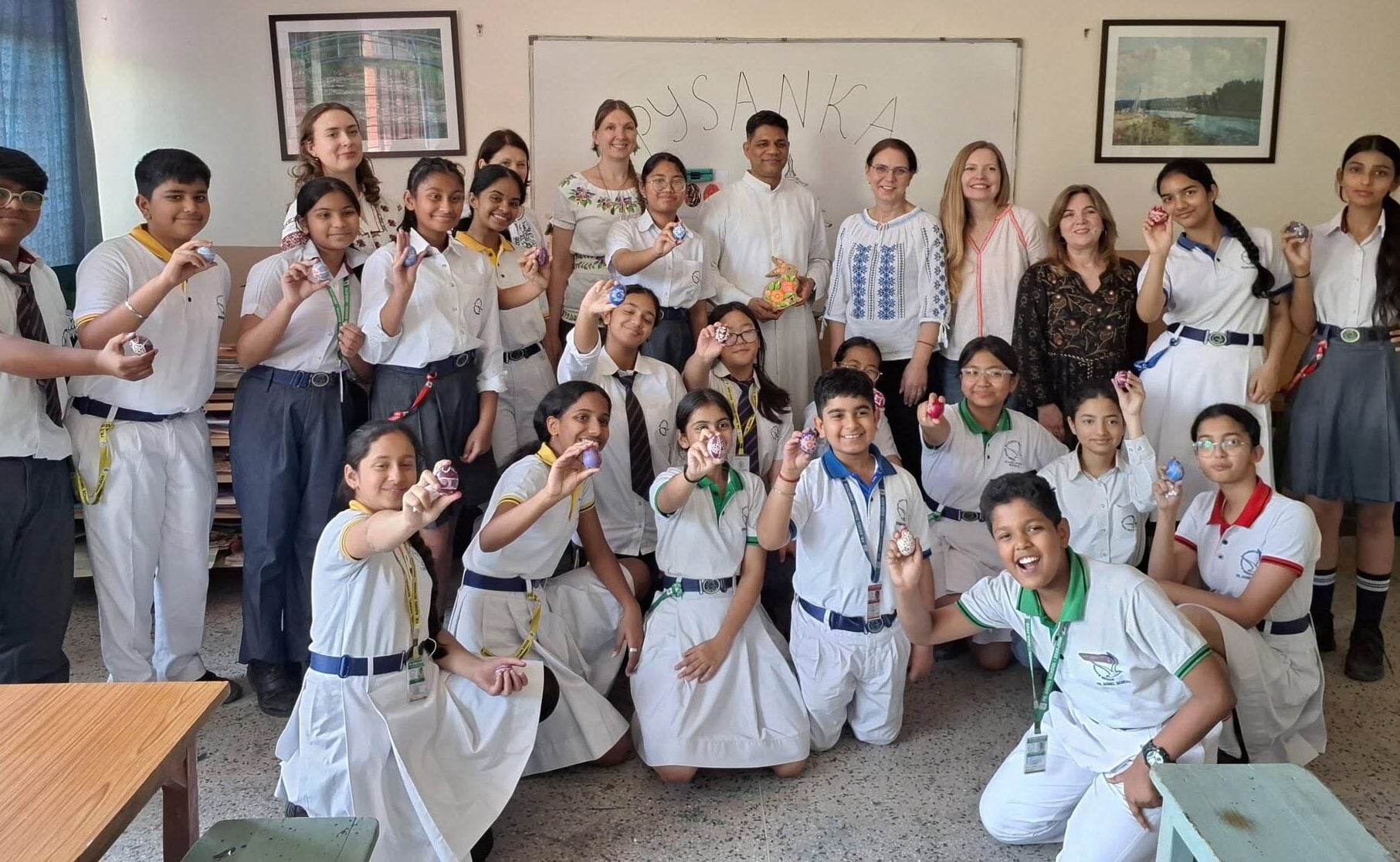
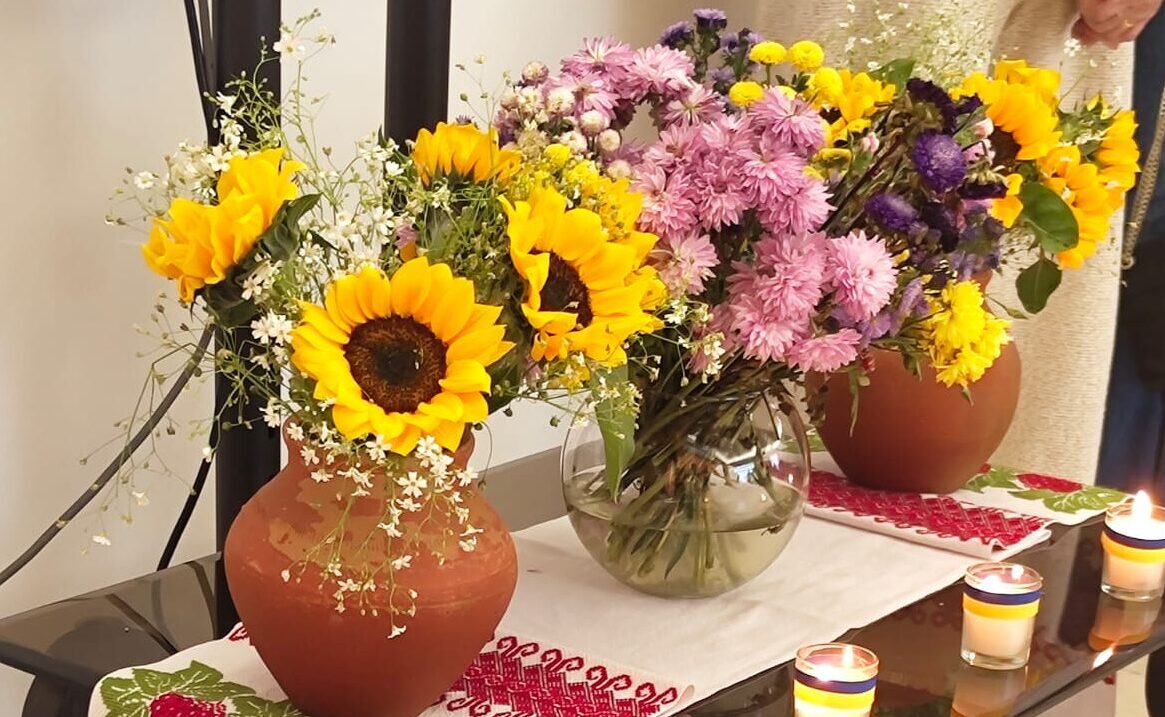
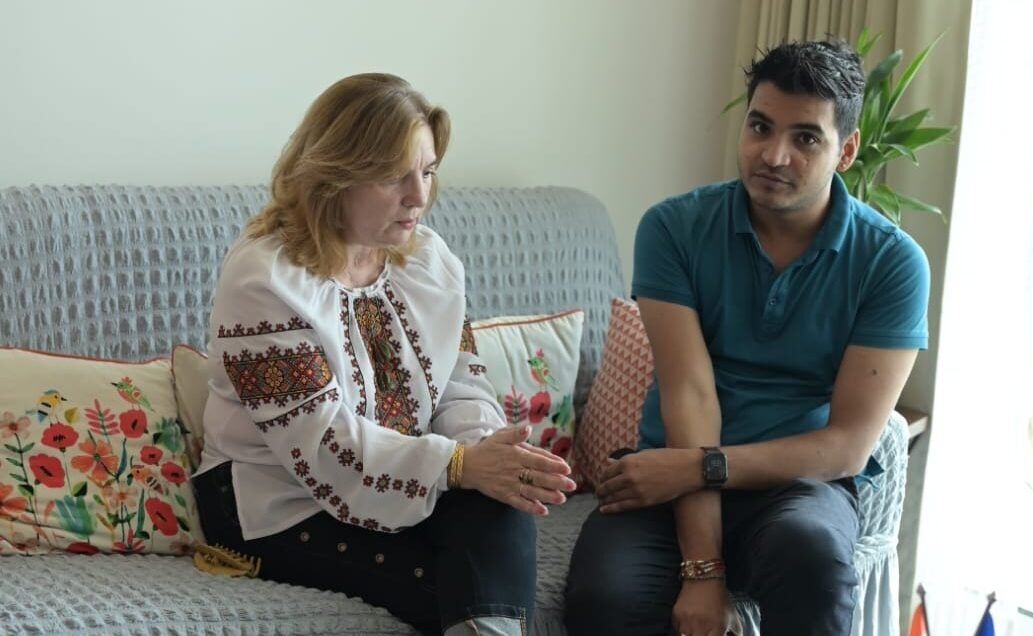
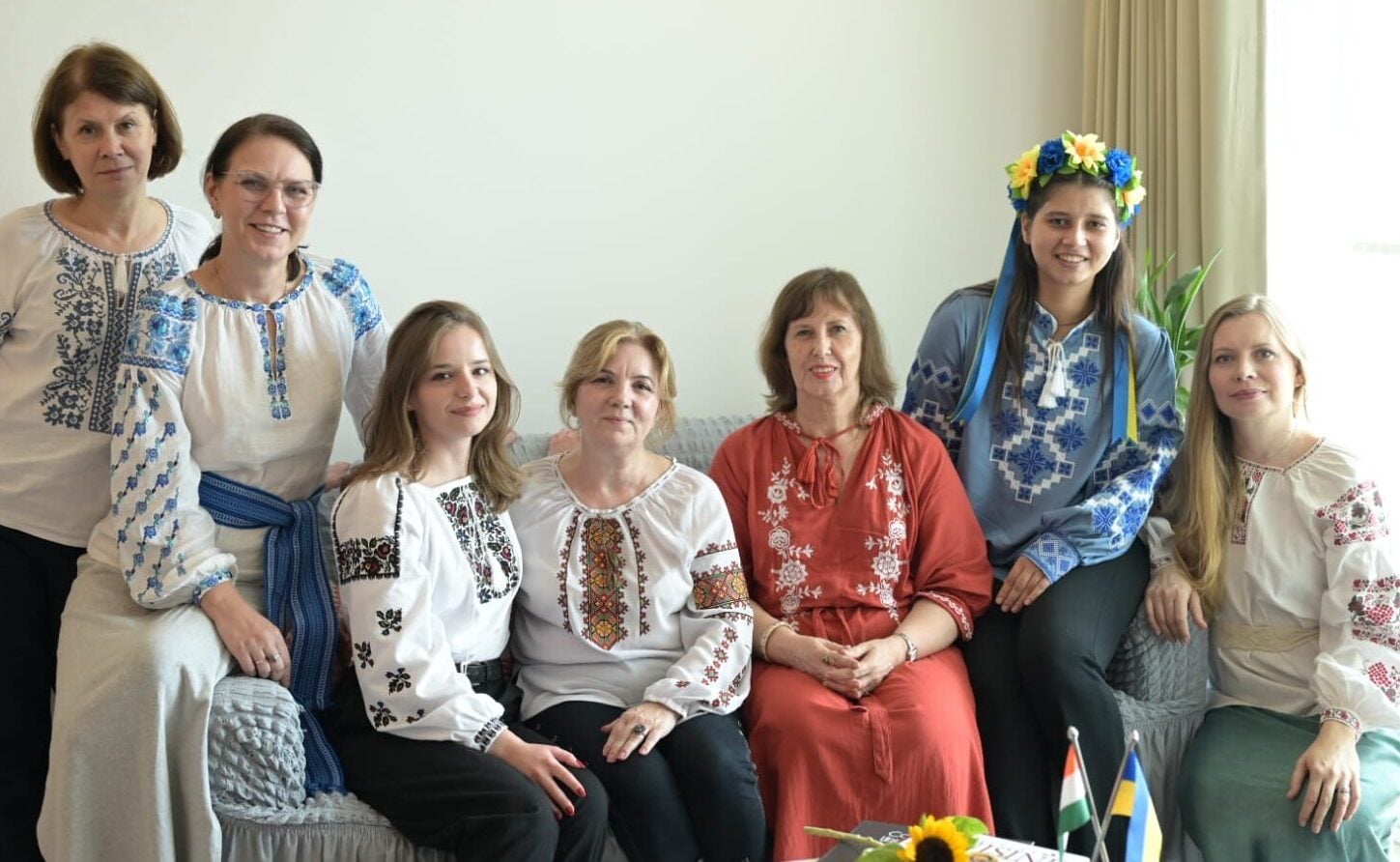
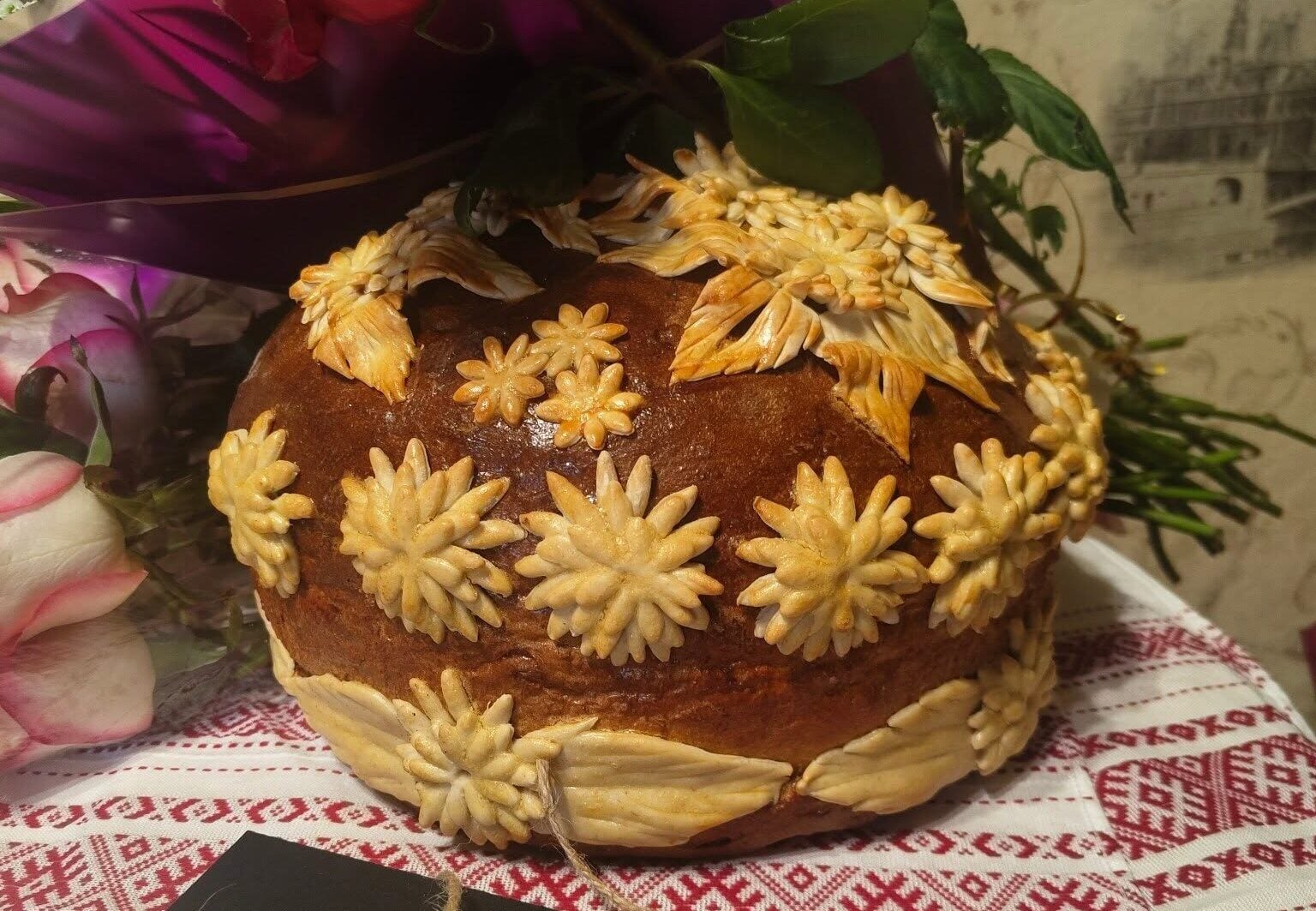
“I baked a Kyiv cake, Yuliia made honey cake, Nataliia brought ‘nuts with condensed milk’ that disappeared instantly,” Maryna recalls with a smile. “That’s what works on emotions. Through food, through conversation, through beauty, we make people fall in love with Ukraine.”
One of Maryna’s key advantages in cultural diplomacy is her knowledge of local languages – Hindi and Urdu. When a foreigner speaks a local language fluently, it creates genuine admiration and quickly builds trust.
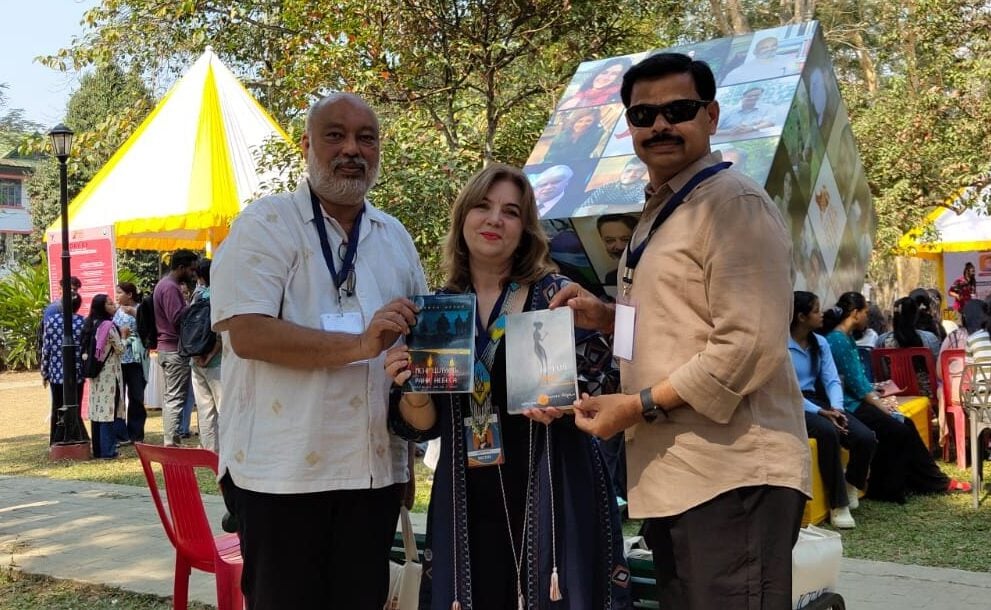
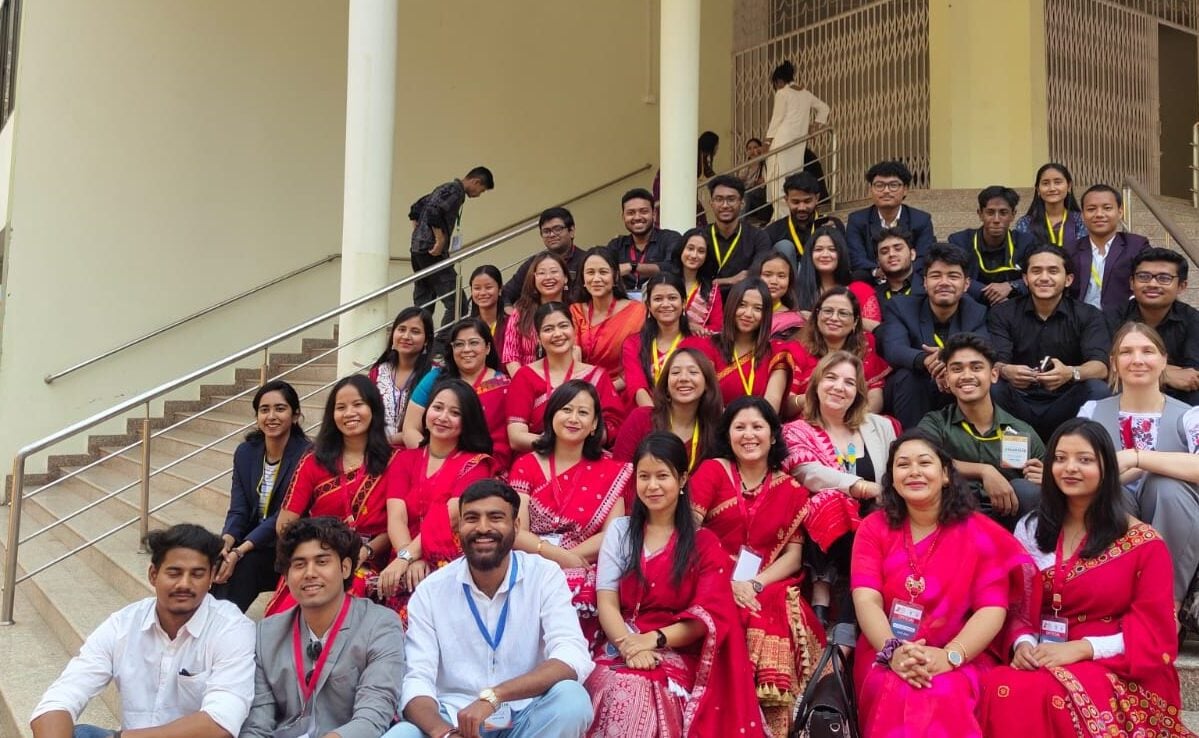
She also uses this experience on major international platforms, including the International Literary Festival organized by Dibrugarh University in Assam. There, she spoke as a Ukrainian author living in India, and her panel was conducted in conversational Hindi and Urdu.
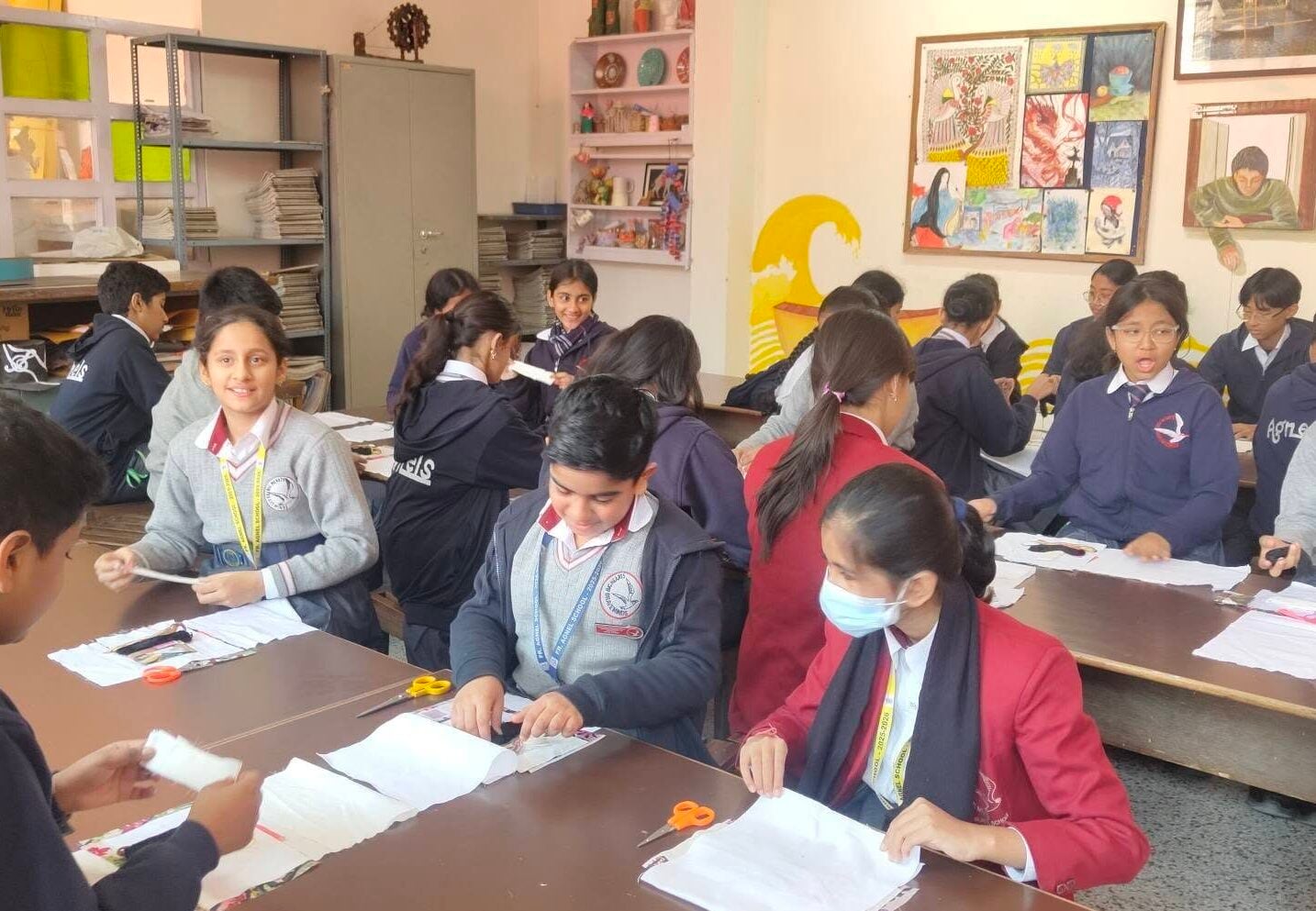
While teaching Ukrainian to Indians, Maryna aims to offer more than grammar – she conveys culture and an emotional connection to Ukraine. After completing her course at the International School of Languages, one of her students admitted: “When I came to classes, I felt as if I was already in Ukraine.” Later, he visited the country in person and said upon returning: “Ukraine is love. It is the best. If I could, I would want to live there forever.”
Russian propaganda: “through volume and brute force”
Russian influence in India is enormous and has been built over decades, dating back to the Soviet Union. According to Maryna, Russian propaganda operates here much like its army on the battlefield – through volume and brute force.
They launch media outlets (for example, the globally known RT channel, often associated with disinformation and propaganda, has recently appeared in the Indian media space, and it is likely not the only case) and actively recruit local bloggers.
Because everything Soviet was historically associated exclusively with Russia during the USSR era, very few people in India know Ukrainian artists.
“There is still a Leo Tolstoy Street in Delhi, people know Dostoevsky, but decommunization hasn’t reached here at all – it still needs to happen,” Maryna says. “When I was asked where I was from in 2014 and said ‘Ukraine,’ people would ask: ‘Is that part of Russia?’ I had to explain from scratch that we are a separate country with our own history.”
Propaganda also works subtly, planting the idea in people’s minds: “Why does Ukraine need so many casualties? If you had surrendered immediately, there would have been no destruction.” Maryna often has to dismantle these myths even in conversations with her husband’s relatives, using comparisons they can relate to.
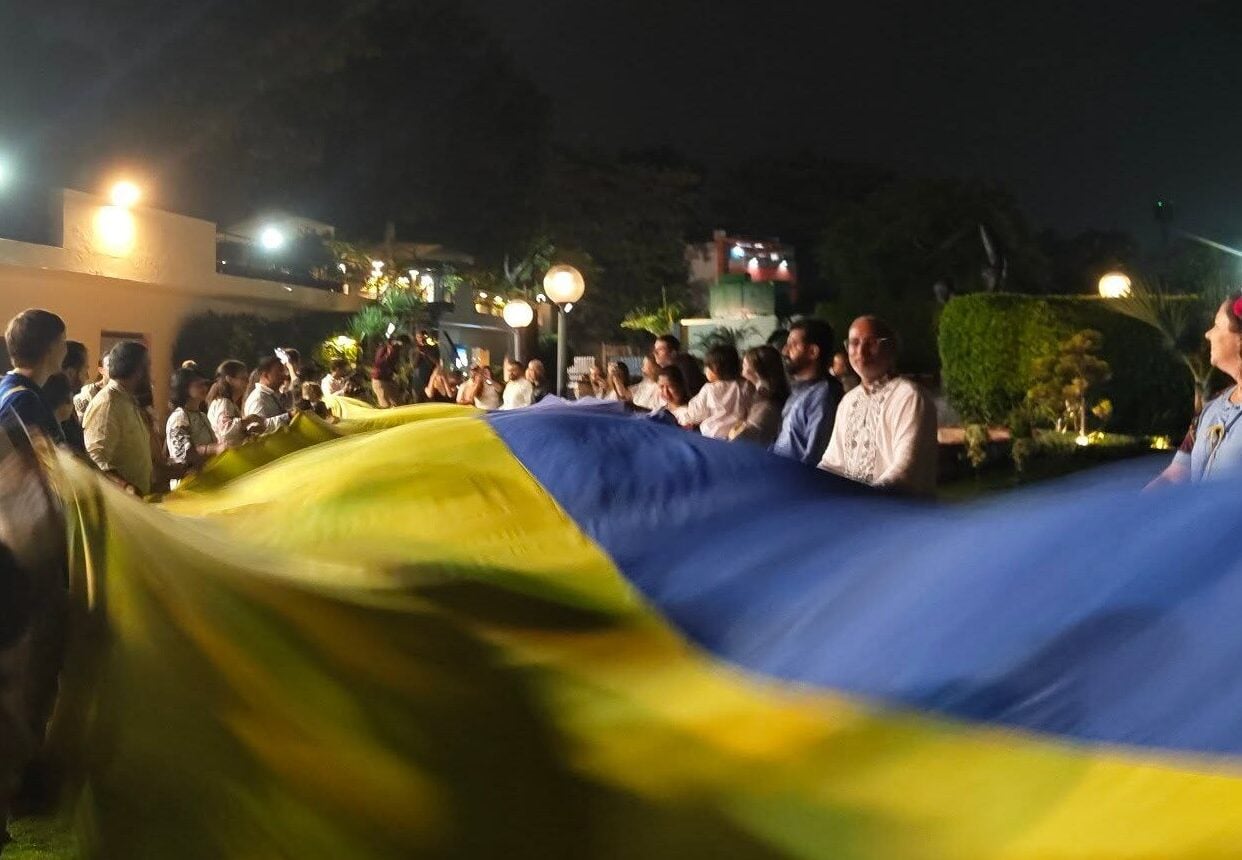
“I tell them directly: ‘Imagine tomorrow people from China come into your apartment. They shoot or rape your family, lock you in a storage room, and say: this is all mine. And the next day your house is destroyed by bombs. What would you say?’ And then they fall silent. They begin to understand only when you explain it through simple, everyday examples.”
Ukrainian cultural presence in India remains underdeveloped and needs revival. Since figures such as Taras Shevchenko or Lesya Ukrainka never visited the country, establishing memorials there is difficult.
There are isolated references to past Ukrainian initiatives, but they were never developed systematically. According to Maryna, some projects and contacts that could have strengthened Ukraine’s cultural presence have now been lost or paused.
Despite this, she plans to return to cultural projects and rebuild these connections to promote Ukrainian culture in India.
Bureaucratic barriers
One of the biggest challenges for the Ukrainian diaspora in India is the inability to officially register. Since 2018, activists have submitted documents three times under different names.
Legally, there is no prohibition on foreigners registering organizations, but in practice the process is repeatedly stalled. Ukrainians even included Indian citizens among the founders, as unofficial rules require, but the application was once again put on hold.
Maryna believes this may be either strict Indian bureaucracy or a reluctance by local authorities to approve such initiatives due to political considerations. Nevertheless, the community continues to push forward with yet another “Plan B,” hoping to finally obtain official status.
Despite all challenges – from information asymmetry to bureaucratic barriers – Ukrainian cultural diplomacy in India is gradually being built through human connections, emotions, and personal stories. These become the bridge that helps explain Ukraine in a space long dominated by other narratives.
And although the path is slow and difficult, it is already yielding results: Ukraine is no longer an “unknown country” and is gradually becoming recognizable through experience, trust, and direct human contact.
Latest news
 #GlobalAdvocacy
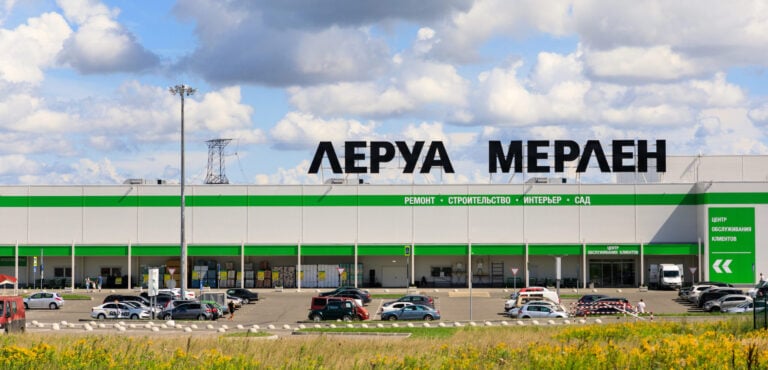
Russia seizes foreign businesses: Turning Kremlin blackmail into advocacy tool
 #LocalAction