

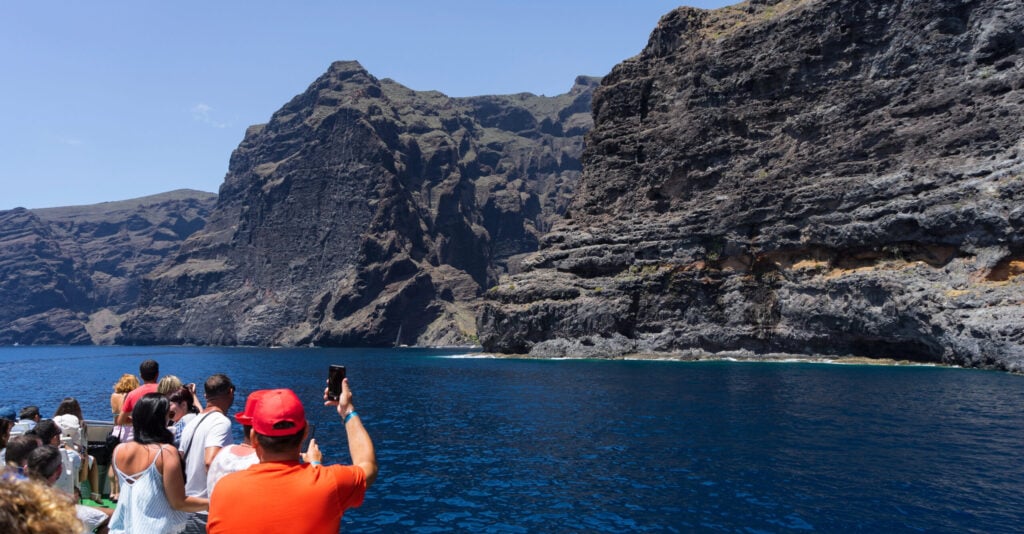


Just ten years ago, the Canary Islands were one of the main destinations for Russian tourists in Spain. There were more Russians than Ukrainians here, and Russian money flowed into the local real estate market.
Today, the picture has changed dramatically. Russia’s full-scale invasion, sanctions, and the Kremlin’s own visa policies have reduced the Russian presence in Tenerife to a minimum. But these changes are not only the result of geopolitics. To a large extent, they are the outcome of years of persistent work by the island’s Ukrainian community, the Ukrainian consulate and embassy in Spain, and local activists, who have consistently communicated the truth about the war to Spaniards and local authorities.
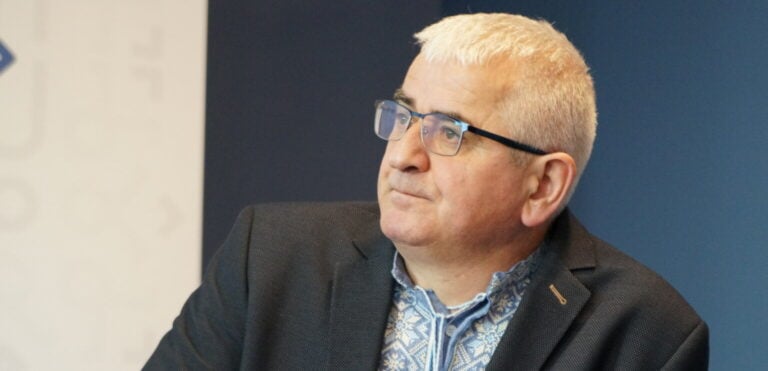
In an interview with the Ukrainian World Congress (UWC), Dmytro Shatruk, Vice President of the Oberih Association of Ukrainians in the Canary Islands, founded in 2017, spoke about this, as well as repeated cases of Russian aggression against Ukrainians, the changing attitude of the local police, high-profile stories involving real estate purchased with corrupt money, and even the Soviet Union’s attempt decades ago to establish a foothold in the archipelago.
An island without an off-season
According to Dmytro, Tenerife is an island with an almost year-round tourist season. The busiest periods are summer and the winter months, but visitors come throughout the year thanks to its mild climate.
Before 2014, when Russia launched its armed aggression against Ukraine, Russians made up a significant share of the island’s tourists. According to Dmytro, there were more Russian than Ukrainian tourists, and across Spain, Russia was one of the country’s largest sources of visitors. Russians, he says, “bought everything here” – not just hotel rooms for two weeks, but estates, villas, and entire hotel complexes.
After 2014, the flow began to decline, and after the full-scale invasion in 2022, the drop became steep. According to official statistics, about 5,000 Russian citizens now legally reside in the Canary Islands, most of them permanent residents who already own property there, making a new mass influx of tourists unlikely.
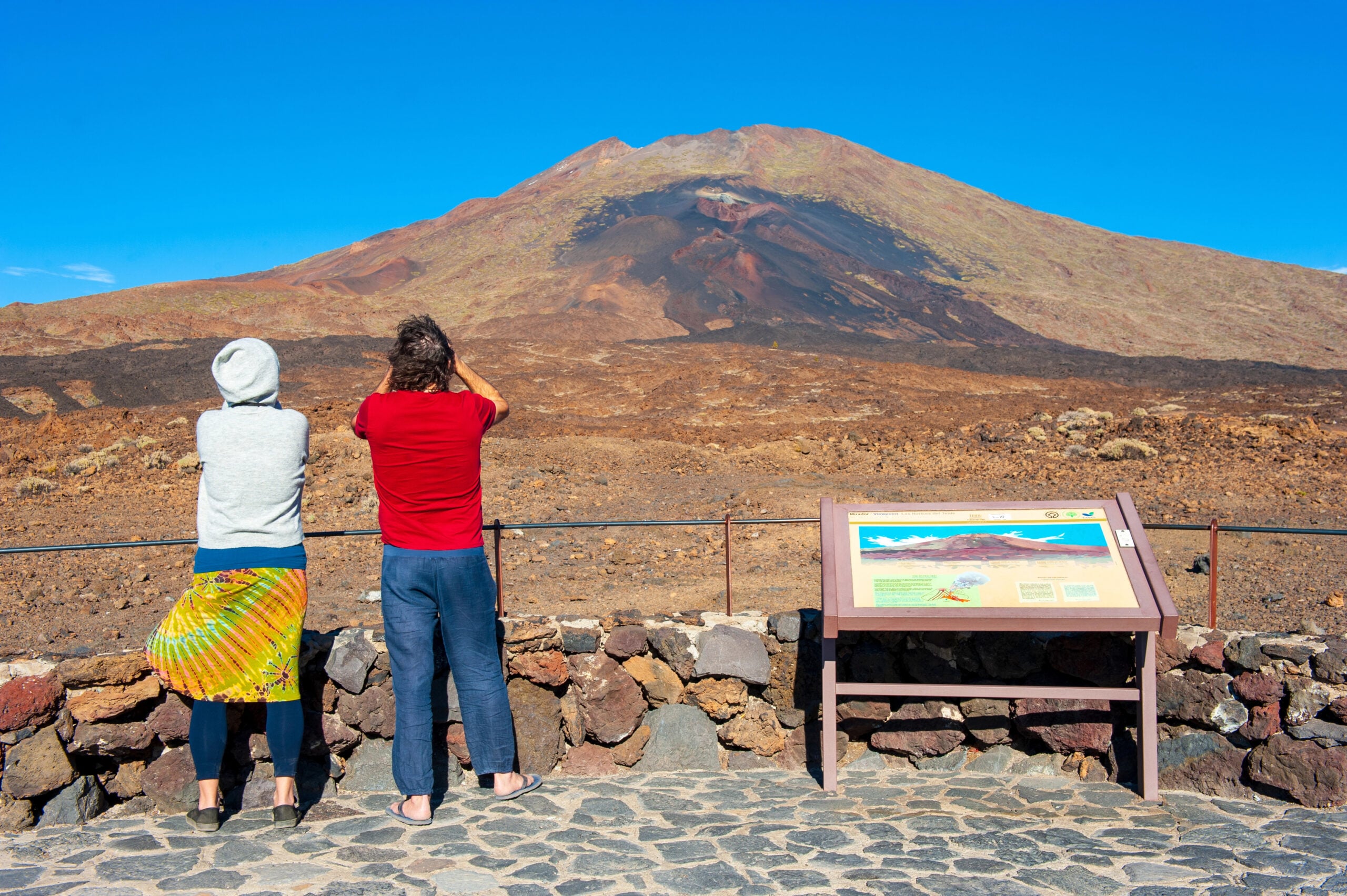 Dmytro points to an interesting paradox: Russia is effectively restricting its own citizens from leaving the country. According to him, the Russian authorities have already closed land routes through Finland, Poland, and the Baltic states, which he directly compares to Soviet-era practices: “They’re already preventing their own people from leaving.”
Those Russians who still make it to Europe often do so through third countries such as Kazakhstan or Turkey, using residence permits, or by obtaining visas from countries that are politically closer to the Kremlin. Dmytro specifically mentions Hungary.
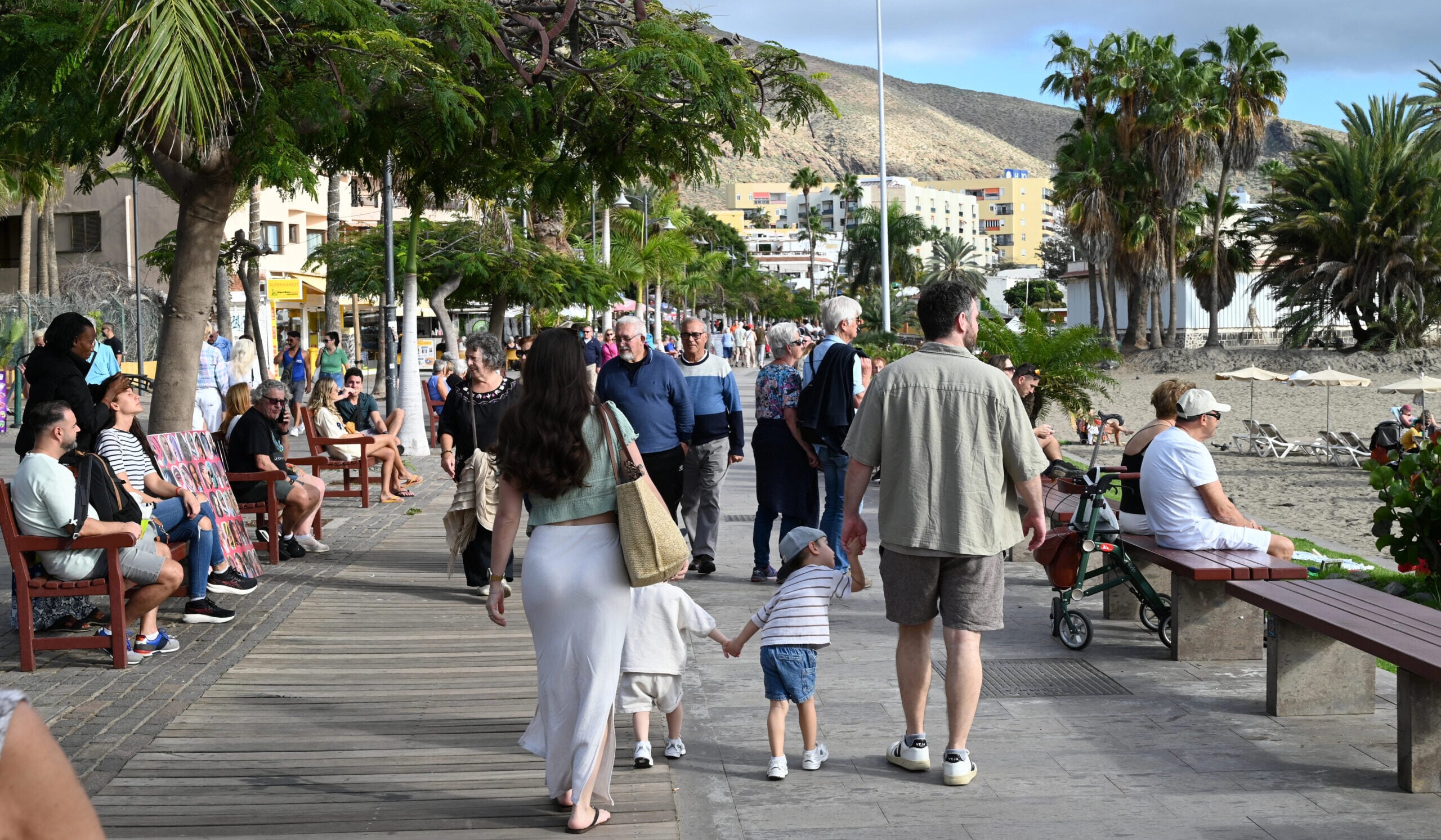
“These days, it’s very rare to see Russians on the streets here, but they’re still around,” he says.
Although Russians are now rarely seen on the island, isolated incidents of hostility still occur – and these are what concern the Ukrainian community most, Dmytro says.
Recently, friends of his witnessed verbal abuse from two people who switched to insults after hearing Ukrainian being spoken nearby. Police had to intervene to defuse the situation.
Another incident is especially painful for Dmytro because it involved a close friend – a veteran of Ukraine’s Armed Forces who settled on the island with his family after being wounded. The man was calmly speaking Ukrainian with his father when a stranger reacted aggressively, and the exchange escalated into a physical confrontation.
Notably, the attacker was not a Russian citizen but came from the pro-Russian segment of the Russian-speaking community in the Baltic states. According to Dmytro, such attitudes are not uncommon among part of that community. The attacker was fined, but Dmytro says the incident speaks for itself: a man was assaulted simply for speaking his native language.
“For them, the Ukrainian language is like a red cape to a bull in a bullfight,” Dmytro says.
From the “Z” symbol on a bumper to criminal cases
At the start of the full-scale invasion in 2022, some pro-Russian residents of the island openly expressed support for the aggression, particularly on social media. At the time, community complaints to the police backed by evidence had virtually no effect because, as Dmytro puts it, law enforcement “hadn’t woken up yet.”
The situation has gradually changed. Today, Dmytro says, the local police themselves are asking the Ukrainian community to retrieve old materials so they can open criminal investigations into incitement of hatred, although some evidence has already been lost because many of those involved deleted their accounts.
Dmytro attributes this shift to the community’s long-term and consistent efforts: appeals by activists, the Ukrainian consulate and embassy in Spain, and public appearances, including interviews on local television and radio, where they explained that the war was “not happening somewhere far away.”
One example they cited was the high-profile killing of a former Russian military pilot near Málaga. “You think the war is far away? Russians are doing whatever they want on your territory,” Dmytro says, describing the argument he used in conversations with Spaniards.
He also believes this message gained traction because of the size of the Ukrainian community in Spain. According to official figures, more than 300,000 Ukrainians live in the country, giving the community greater influence in discussions with local authorities.
Dmytro says this narrative is reinforced not only by current events but also by local history – an episode that even many Spaniards know little about, and one the community is trying to publicize.
In the mid-1970s, shortly after the death of Francisco Franco, when Spain’s dictatorship was beginning to unravel, the Soviet Union attempted to expand its influence in the Canary Islands under the guise of supporting a local nationalist movement seeking independence from Spain.
According to Dmytro, the USSR tried to establish itself in the region step by step. First, together with its allies and with the support of the Algerian government, the Soviet Union focused on Western Sahara, which at the time belonged to Spain. But the United States intervened and helped Morocco take control of the territory to prevent it from falling under Algerian and Soviet influence.
 After that failure, Moscow turned its attention to the Canary Islands. With Soviet backing, a political party emerged there, and its supporters carried out bombings of police stations – not only on the islands themselves but also in Barcelona and Madrid.
Dmytro compares this to other movements funded by the Soviet Union in Europe, including the Irish Republican Army and Basque communist groups. His conclusion is that, had events unfolded differently, red flags might now be flying over the islands, and the situation could resemble what is happening in Crimea today.
Villas and raiders
According to Dmytro, some locals still feel nostalgic for the Russian money that flowed to the island before 2014. Some assets linked to individuals close to the Russian authorities have still not been frozen. Local authorities cite a lack of evidence proving the funds were obtained through corruption, even though the Ukrainian community regularly provides information.
One prominent example is Olympic champion Yelena Isinbayeva, who owns several million euros’ worth of property on the island that, according to media reports, was purchased with money siphoned from Russia’s Ministry of Defense. Yet, Dmytro says, police maintain that there is insufficient evidence.
Another story involves property raiding within the Russian community itself. Using forged documents, unknown individuals transferred ownership of dozens of villas to themselves, taking advantage of the fact that the real owners could not travel because of sanctions to defend their rights. Court proceedings are ongoing.
Dmytro also says that some local officials still fear “offending” the Russian side. He links this position to the ideological closeness of parts of the local government to left-wing movements once supported by the Soviet Union, arguing that this is why continued pressure from the Ukrainian community remains necessary.
Dmytro supports a complete halt to issuing visas to Russian citizens and calls it a long-overdue step for the European Union. In his view, the paradox is that many Russians criticize the West’s supposed “decline” while wanting to send their children to European and American schools.
“If they’re fighting against all of this, then why the hell should they be given a visa?” he says.
In conclusion, Dmytro emphasizes that the changes in Tenerife – from the disappearance of Russian tourist flows to the first criminal cases for inciting hatred – did not happen by themselves. They are the result of years of work by the island’s Ukrainian community together with Ukraine’s diplomatic missions, and, he says, that work must not stop.
Photos: DepositPhotos
Latest news
 #LocalAction
Kyiv, Warsaw, and Russian threat: How Ukrainians in Poland preserve dialogue
 #CallToAction