

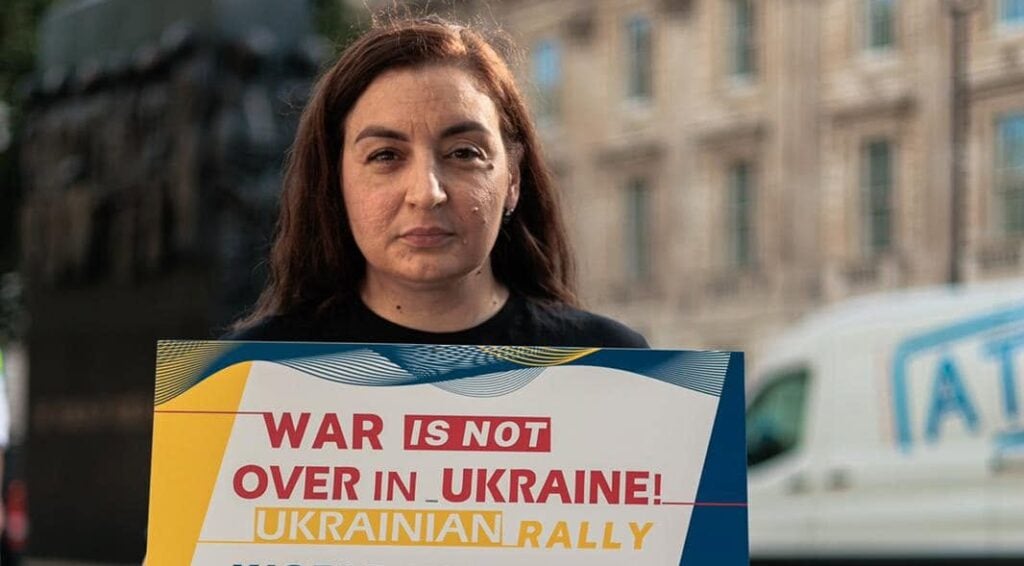


For Natalia Ravlyuk, Russia’s war against Ukraine did not begin in 2022 – or even in 2014. The point of no return came in November 2013, when riot police violently dispersed students on Kyiv’s Maidan who had gathered to defend Ukraine’s European future.
Thousands of miles from Kyiv, Ukrainians began gathering that same day at the St. Volodymyr Monument in London’s Holland Park. Some brought Ukrainian flags, others carried handmade signs, while many simply could not stay home. No one was thinking about creating a nonprofit or committing to years of volunteer work. They simply wanted to stand with a country that was changing before their eyes.
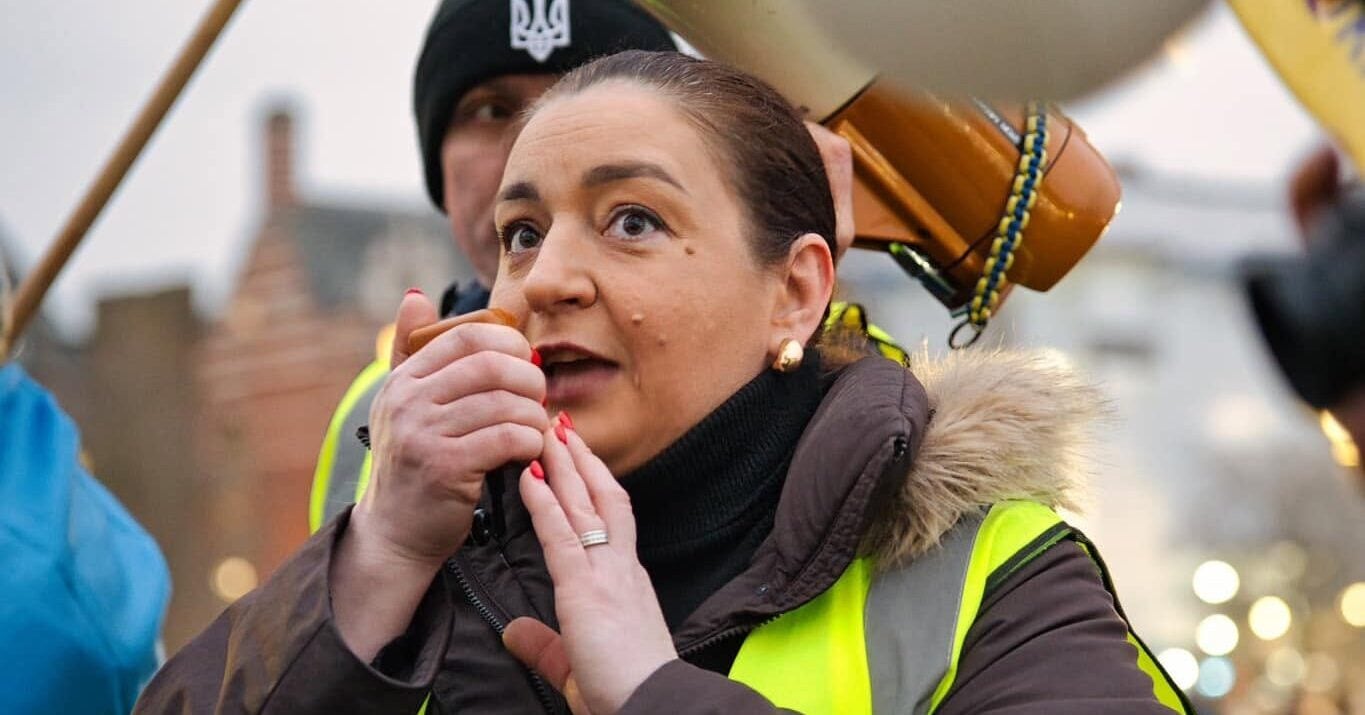
More than 12 years have passed since then. What began as a temporary protest has grown into one of the strongest Ukrainian civic movements in the United Kingdom, and Natalia Ravlyuk has become one of the most recognizable voices of the Ukrainian community, spending more than a decade urging British politicians, journalists, and ordinary passersby not to turn away from Ukraine.
Governments have changed. Prime ministers have come and gone. Political crises have unfolded, and international priorities have shifted. Yet one thing has remained constant: every week, blue-and-yellow flags appear once again outside Downing Street.
‘In 2014, I realized I had done nothing for my country’
Natalia has now lived in the UK for nearly a quarter of a century. But when she left her hometown of Vovchkivtsi in Ukraine’s Ivano-Frankivsk Region, public activism was the last thing on her mind.
After studying at the Faculty of Foreign Languages in Chernivtsi, she followed the path of many young Ukrainians in the early 2000s and moved abroad. She wanted to improve her English, see the world, and find new opportunities. First came Italy, then the United Kingdom.
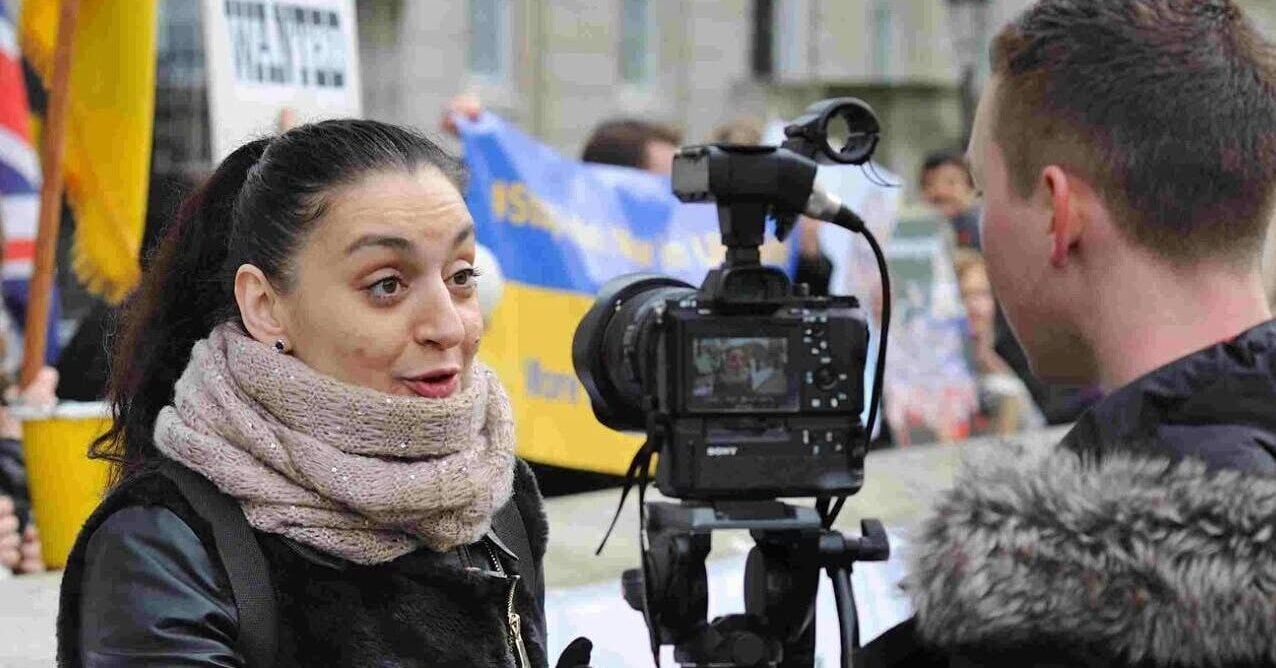
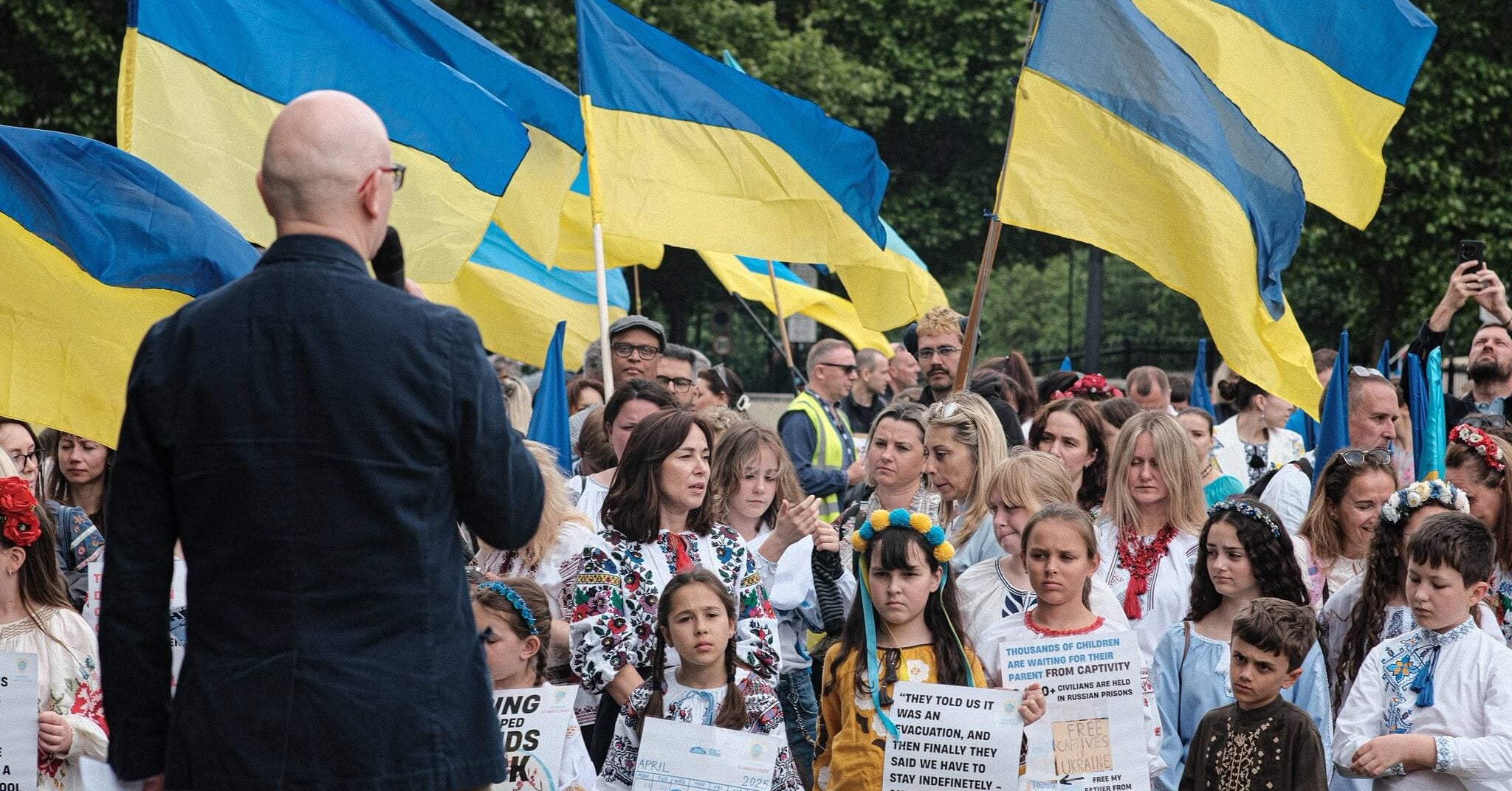
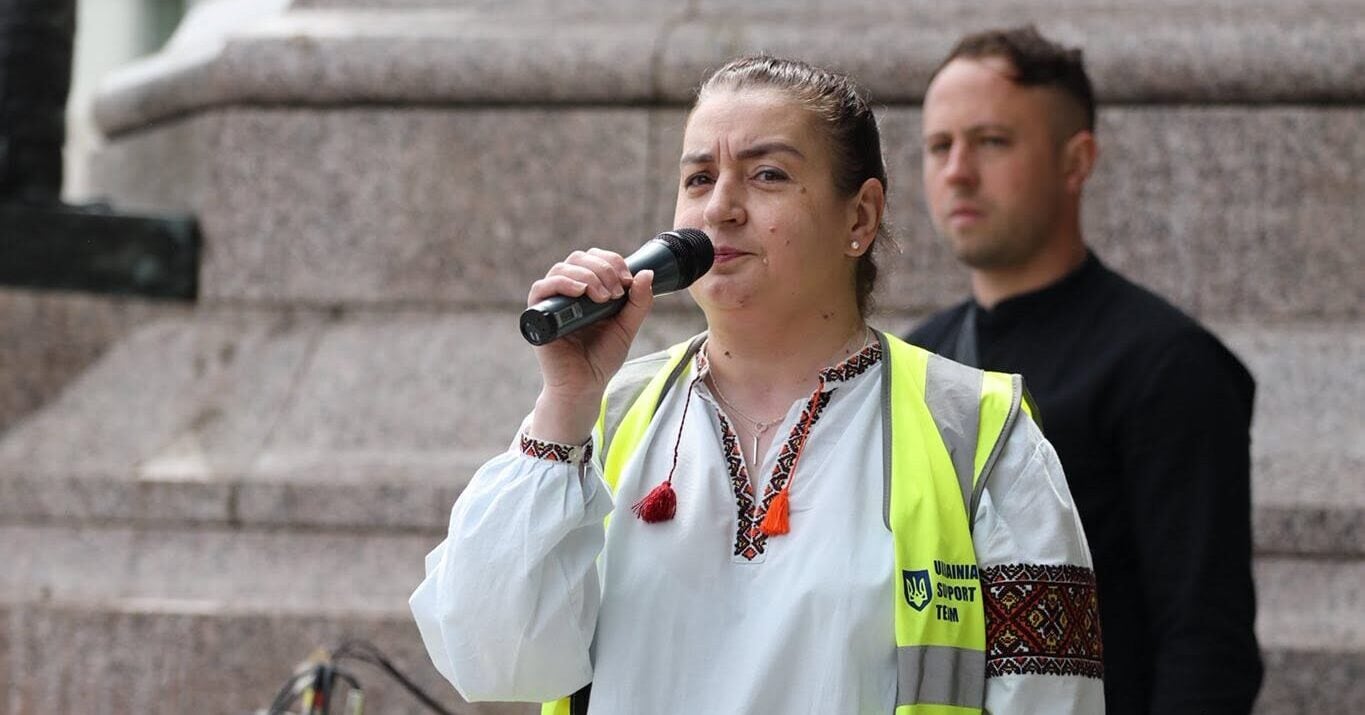
Life gradually settled into a routine. Work. Building a home. Raising children. Integrating into a new society. Ukraine remained home – a place she always wanted to return to – but it was not yet the cause that would come to define most of her life. Everything changed with the Maidan.
“Only then did I realize I had done nothing for my country,” she recalls. “A country begins with you. There is no state without its people. If everyone waits for someone else to do more, nothing will ever change.”
After Russia annexed Crimea, Ukrainians in London decided they could no longer remain silent. Several dozen activists gathered outside the British prime minister’s residence on Downing Street carrying a large Ukrainian flag, hoping to draw the British government’s attention to the occupation of Ukrainian territory.
At first, they expected the protest to last a few days. Then they thought perhaps a week. In the end, the flag remained outside the residence for 100 consecutive days.
“We took shifts around the clock. I had young children, so I stayed with them during the day and went to Downing Street at night. We created a schedule and believed that if we were persistent enough, we could make a difference,” Natalia says, adding that it was impossible to imagine at the time that the protests would still be continuing in 2026.
Those early demonstrations became the foundation of a Ukrainian community that continued its work long after the Revolution of Dignity had ended. At first, it was simply Euromaidan London – a small group of 15 to 20 people organizing protests, awareness campaigns, and memorial events. Officially, the organization did not exist.
“We weren’t registered. We simply got together and did what we believed needed to be done. Even back then, many people would say, ‘Why protest? It’s happening far away, in Donbas.’ But Ukrainians were still being killed,” Natalia says.
Everything changed after Russia launched its full-scale invasion. Thousands of donations began pouring in. People wanted to help, but an official organization was needed.
That is how Euromaidan London became Support Ukraine. At the same time, Natalia’s team also developed another charity, British Ukrainian Aid, which focuses on humanitarian projects.
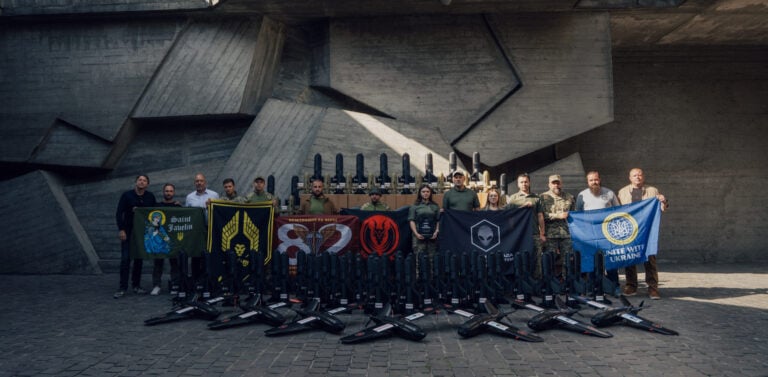
Together, the two organizations divide their work across several areas. Support Ukraine provides equipment for Ukrainian service members, organizes major demonstrations across the UK, works with British lawmakers, and leads advocacy efforts. British Ukrainian Aid supplies Ukrainian hospitals, stabilization points, and military medics with medical equipment, first aid kits, generators, and other life-saving essentials.
“For us, the priority is saving lives. We help where the need is greatest at that moment,” Natalia says.
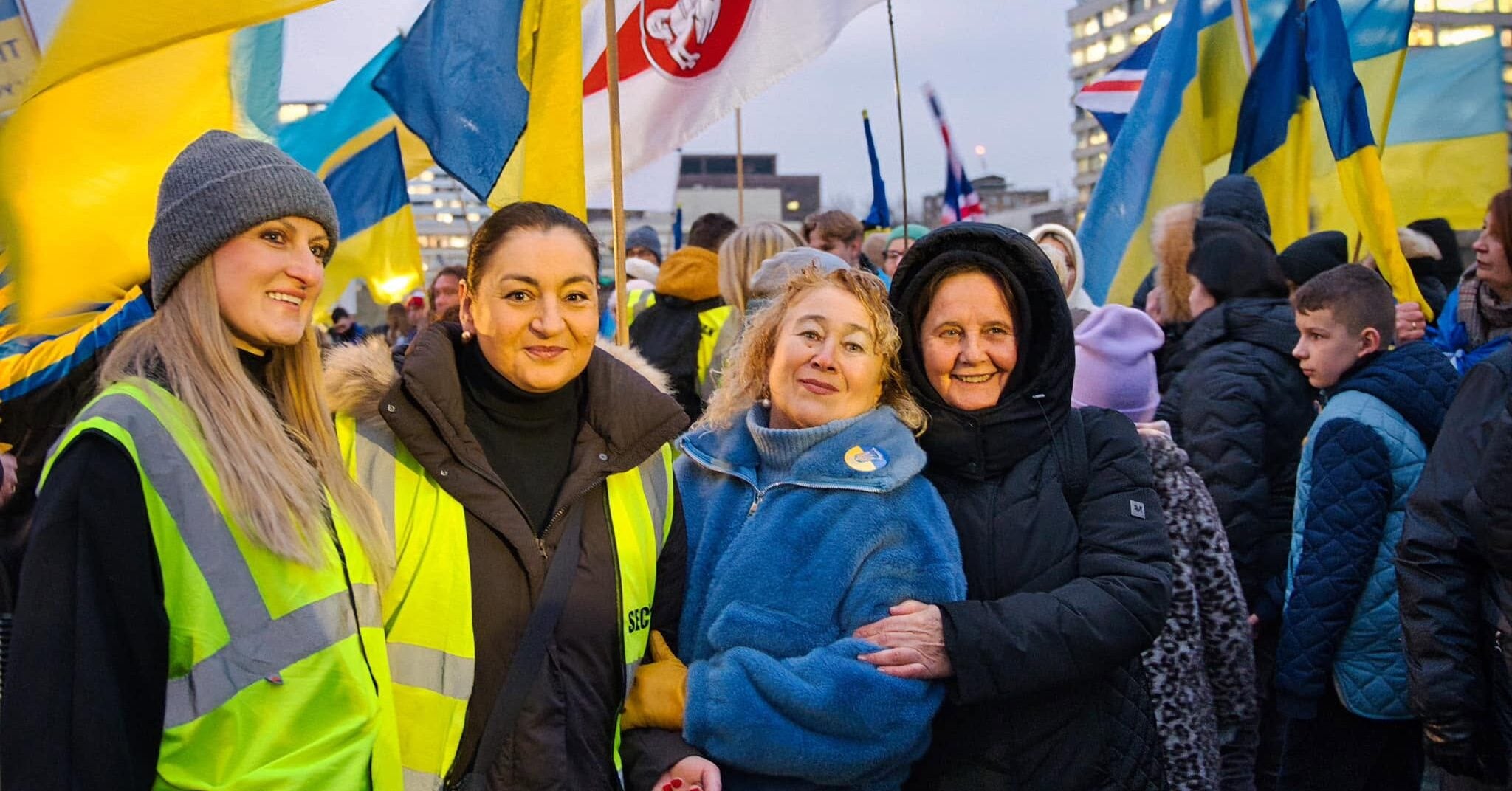
Over the years, hundreds of volunteers have worked through the organizations. Today, Support Ukraine alone brings together more than 100 people. Still, Natalia insists it would be unfair to focus only on her.
“On my own, I could have done very little. This is teamwork. Whenever someone feels they have nothing left to give, there’s always someone else ready to step in. That’s why we’re still here.”
‘Advocacy is always necessary’
London remains one of Ukraine’s most consistent allies, and since the first days of the full-scale invasion, the British government has maintained steady support for Kyiv. But government support, Natalia believes, is only part of the equation. Even more important is ensuring that British society continues to stand with Ukraine.
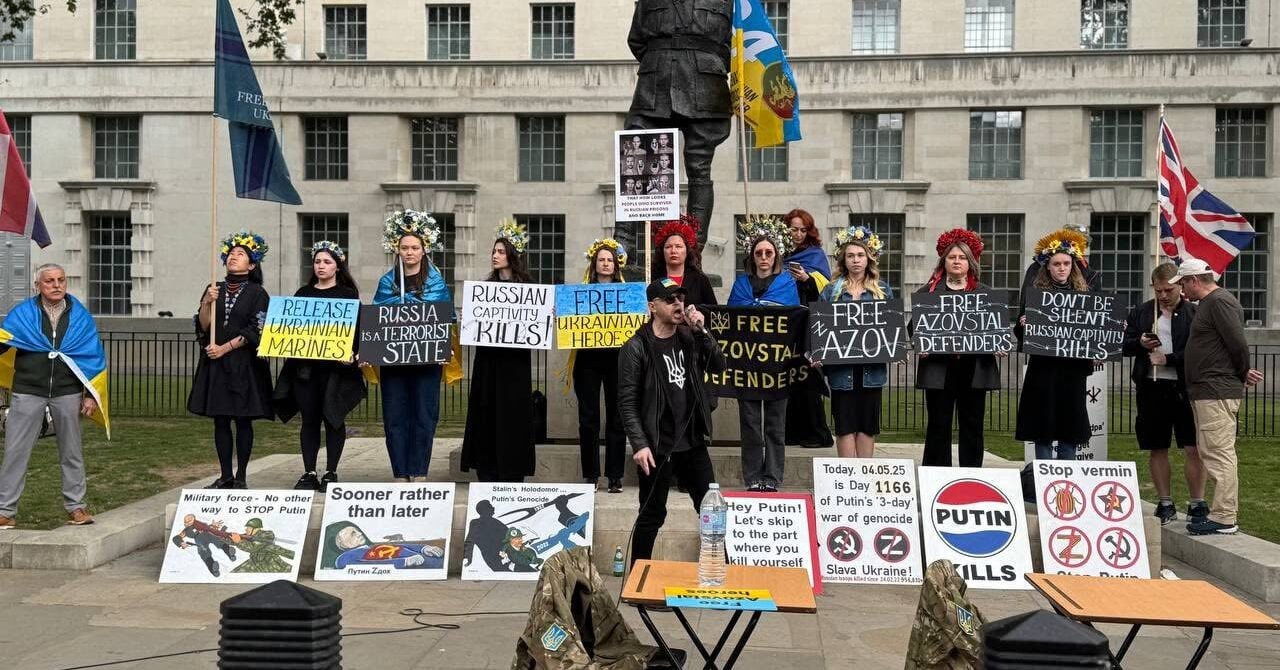
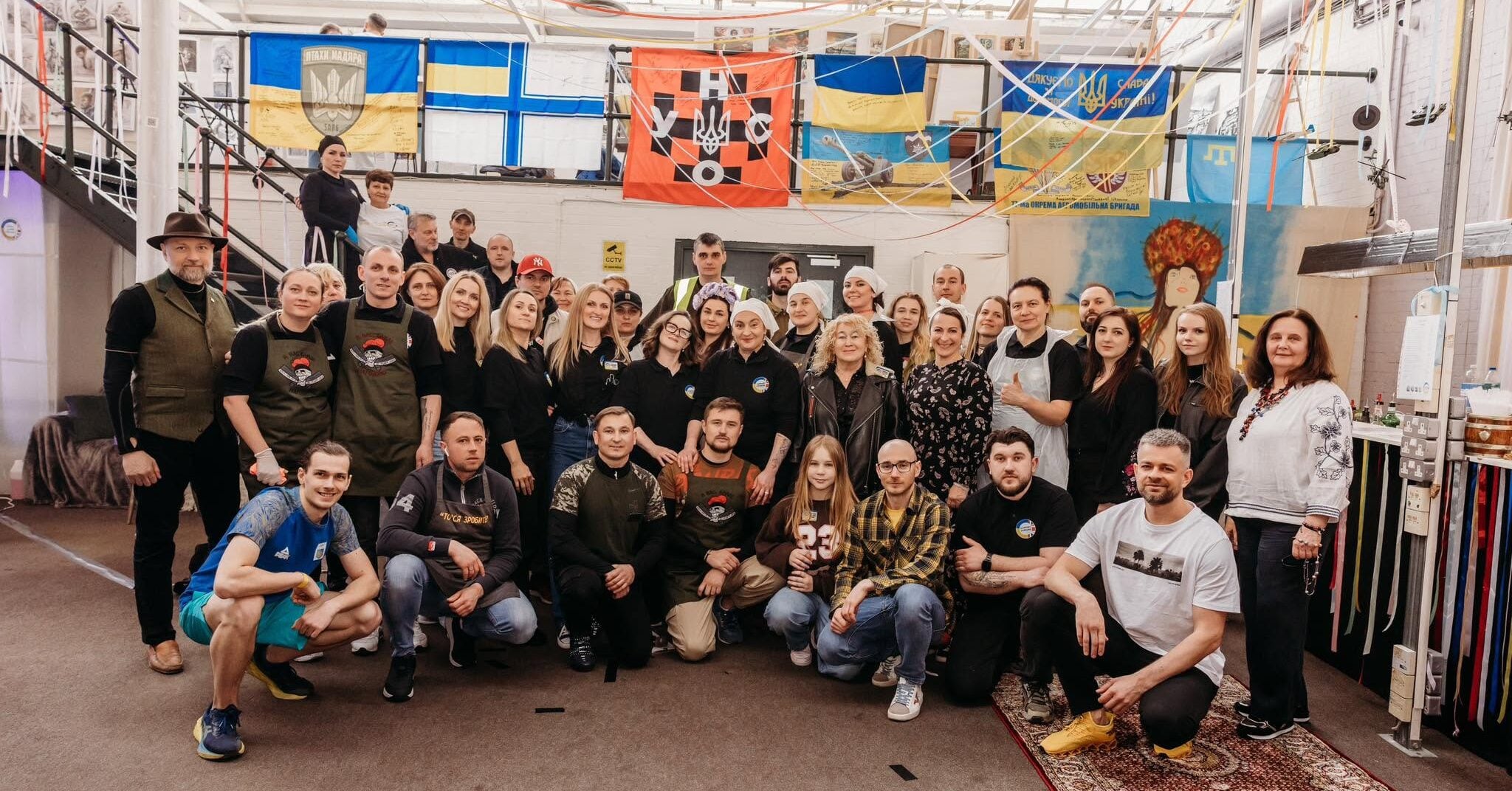
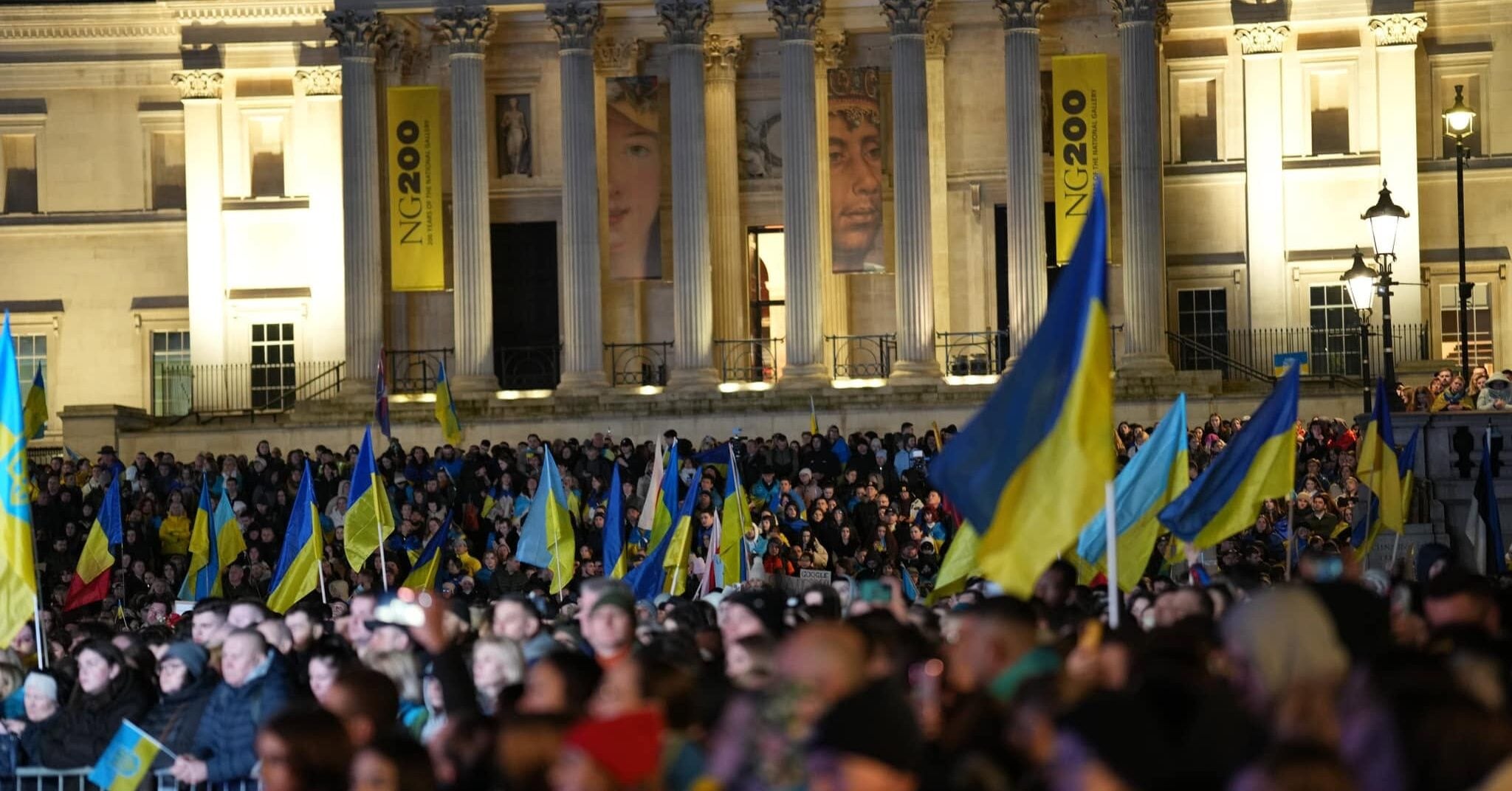
“Politicians are elected by people. Public opinion can change. That’s why advocacy is always necessary.”
Support Ukraine has continued holding demonstrations even after support for Ukraine became official British government policy. “If we stop talking about Ukraine, it won’t take long before people start thinking the war is over,” Natalia says.
Advocacy is just as important today as it was in 2014, she says. Only the arguments have changed.
Every Saturday, for the past 13 years, she and her team have returned to Downing Street. To passersby, it may look like another protest. For the volunteers themselves, it is a reminder that the war has not ended simply because the world has learned to live alongside it.
“It’s our only opportunity to explain why we’re standing here. Why we’re holding the Ukrainian flag. Why we keep coming back week after week.”
Over the years, she has learned how to speak even to people who have never been to Ukraine. “Yes, today you’re paying more for gas or groceries. But Ukrainians are paying a far higher price. Someone lost a daughter. Someone lost a son.”
Personal stories, rather than statistics, are what resonate most with British audiences, Natalia says. People begin to see the war differently once they understand that it is not an abstract geopolitical conflict but the lives of real people.
At the same time, she believes it is equally important to explain why the war matters far beyond Ukraine.
“When a missile is launched, nobody knows where it will land. We’ve already seen Russian missiles and drones end up in NATO countries. The myth that Russia will stop with Ukraine has long been shattered. Today, Ukraine is holding back a threat that affects the entire European continent.”
According to Natalia, advocacy today is not only about supporting Ukraine but also about reminding the democratic world of its responsibility.
“We constantly talk about sanctions, Russian energy exports, weapons, and air defense systems. We’re not asking for anything extraordinary – only for what will allow Ukraine to protect its people.”
Over the past 13 years, not only has Britain changed, but so has the Ukrainian community. After the Revolution of Dignity, only a few dozen activists attended demonstrations. Following the full-scale invasion, more than 200,000 Ukrainians arrived in the United Kingdom.
“Compared to 2014, there are far more volunteers. But compared to 2022, participation has already declined noticeably.”
She does not blame her fellow Ukrainians. “People work, raise children, and build new lives. Everyone has families. Everyone needs to earn a living. That’s normal.”
But, she adds, the war has not stopped. Natalia often explains it with simple math.
“There are now around 250,000 Ukrainians in the UK. If each of us donated just five pounds a month – the cost of a cup of coffee – that would amount to more than one million pounds every month. Volunteers wouldn’t have to organize weekly fundraisers or charity events just to buy another vehicle or equipment for a stabilization point.”
“We have only one Ukraine. And no one but us will take care of it,” Natalia says. “Russia hasn’t stopped bombing Ukraine. People are still dying. Ukraine still needs weapons, air defense systems, and support. If the war is still going on, why should we stop talking about it?”
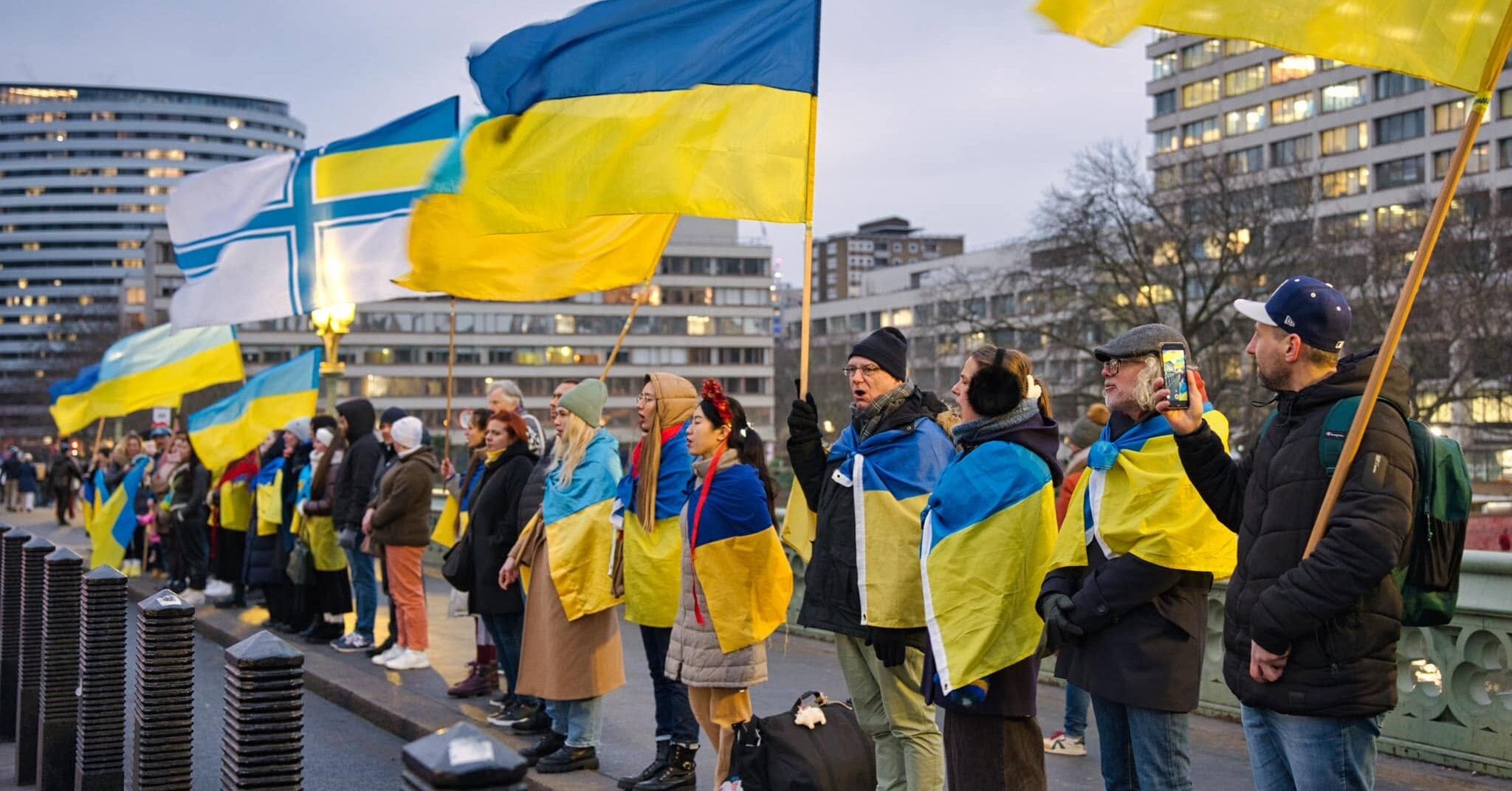
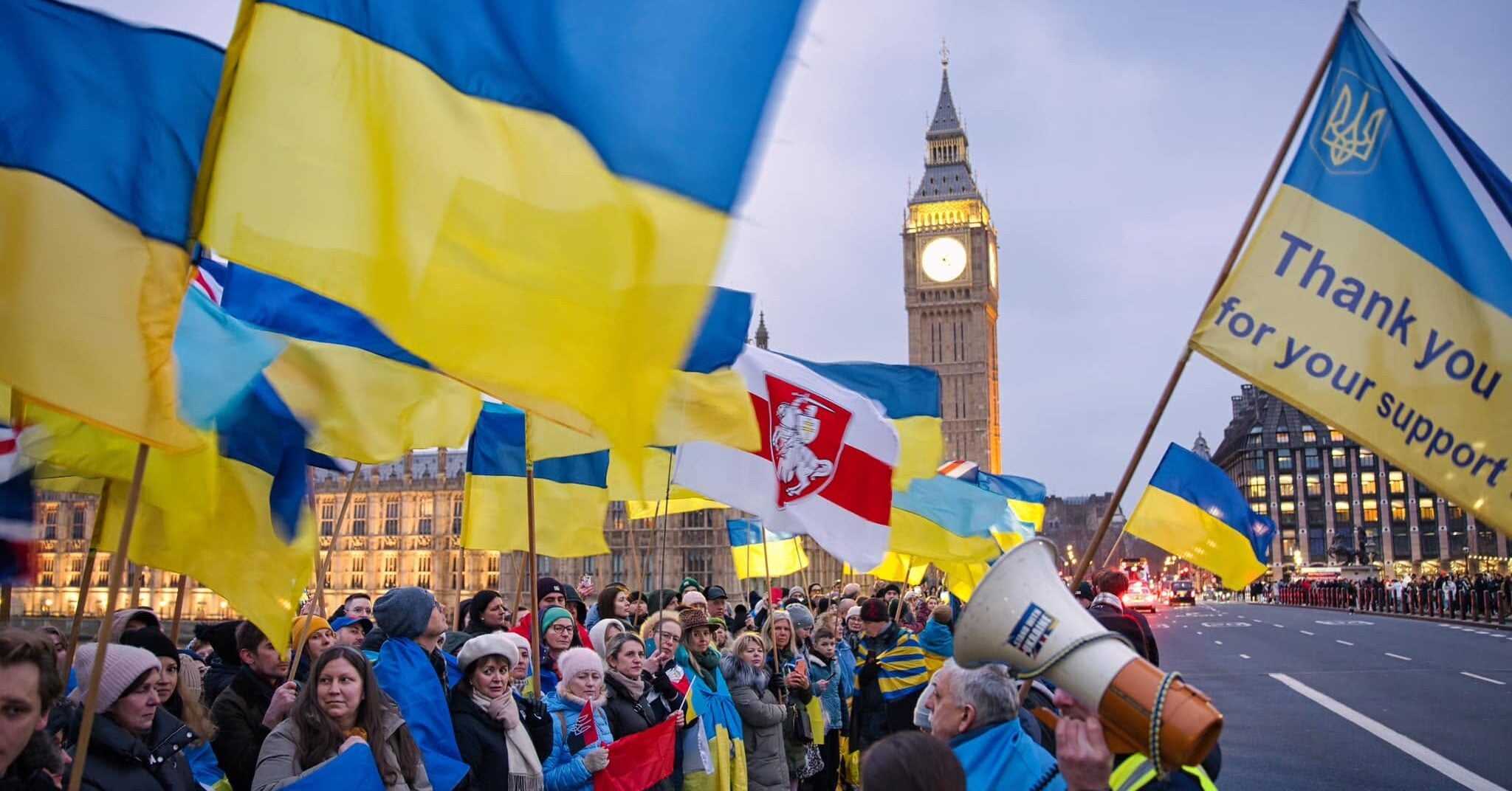
At the same time, she speaks with gratitude about the support of British politicians. Regardless of changes in government, she says, Ukraine remains an issue that unites different political parties.
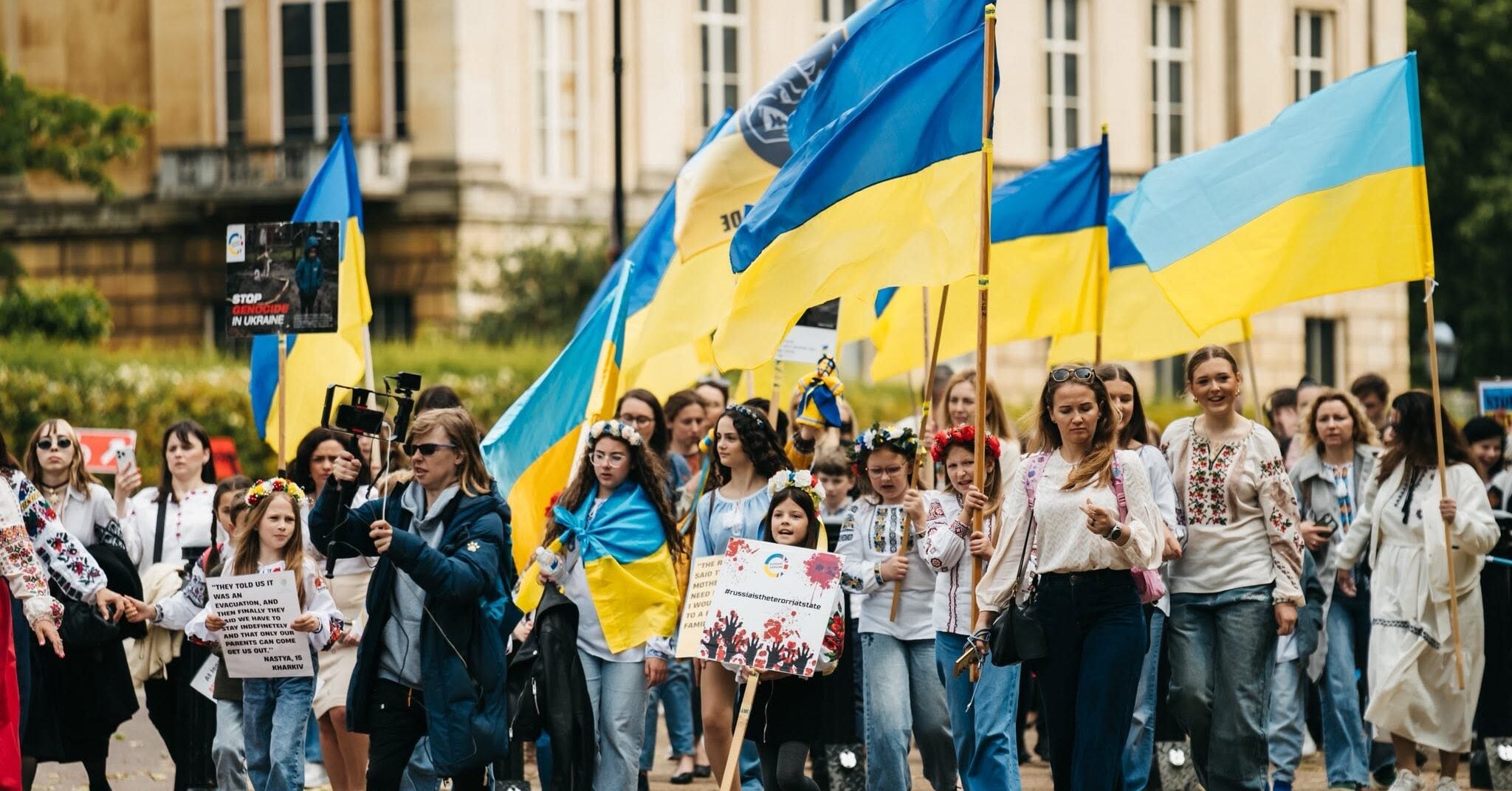
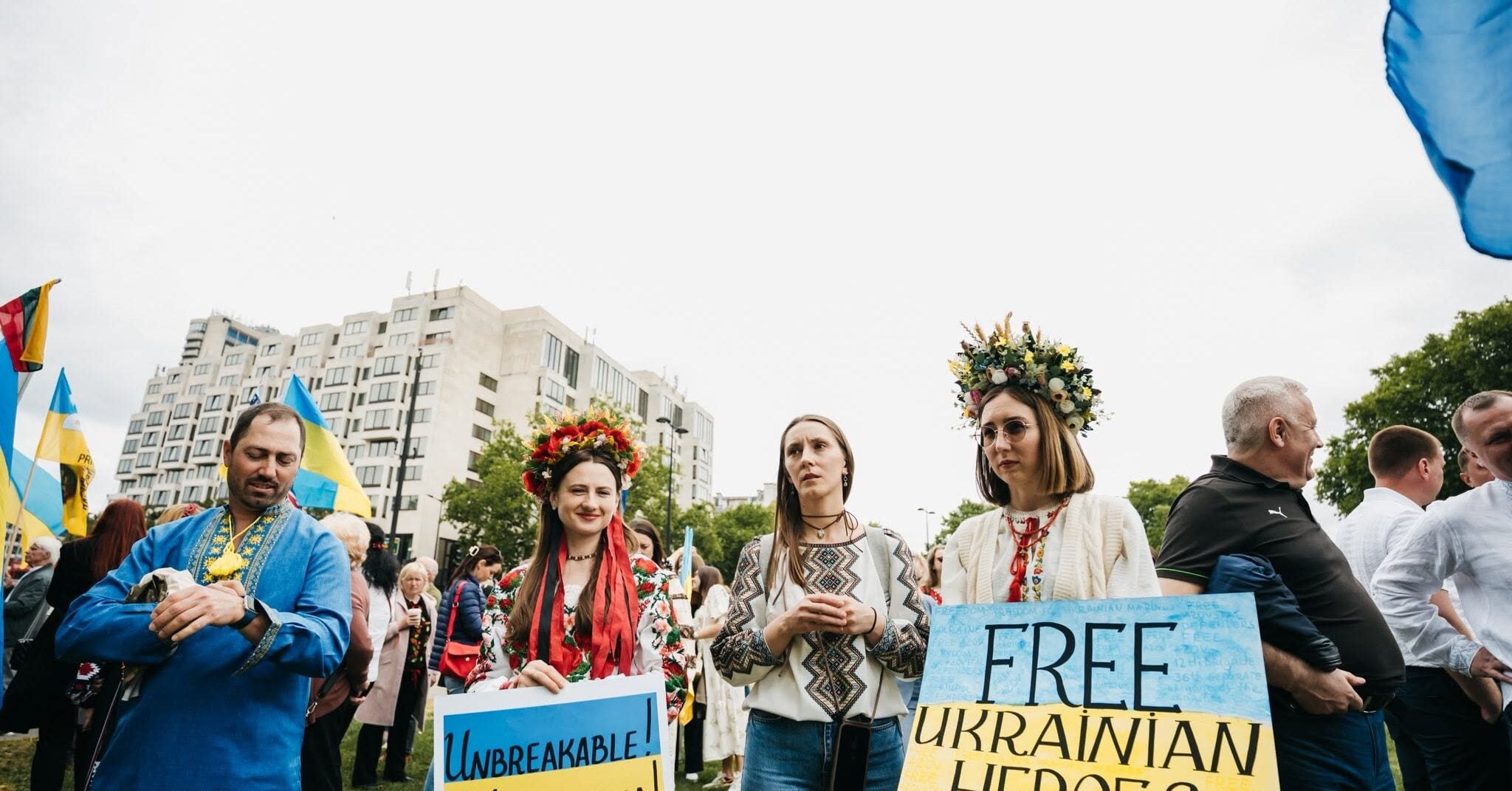
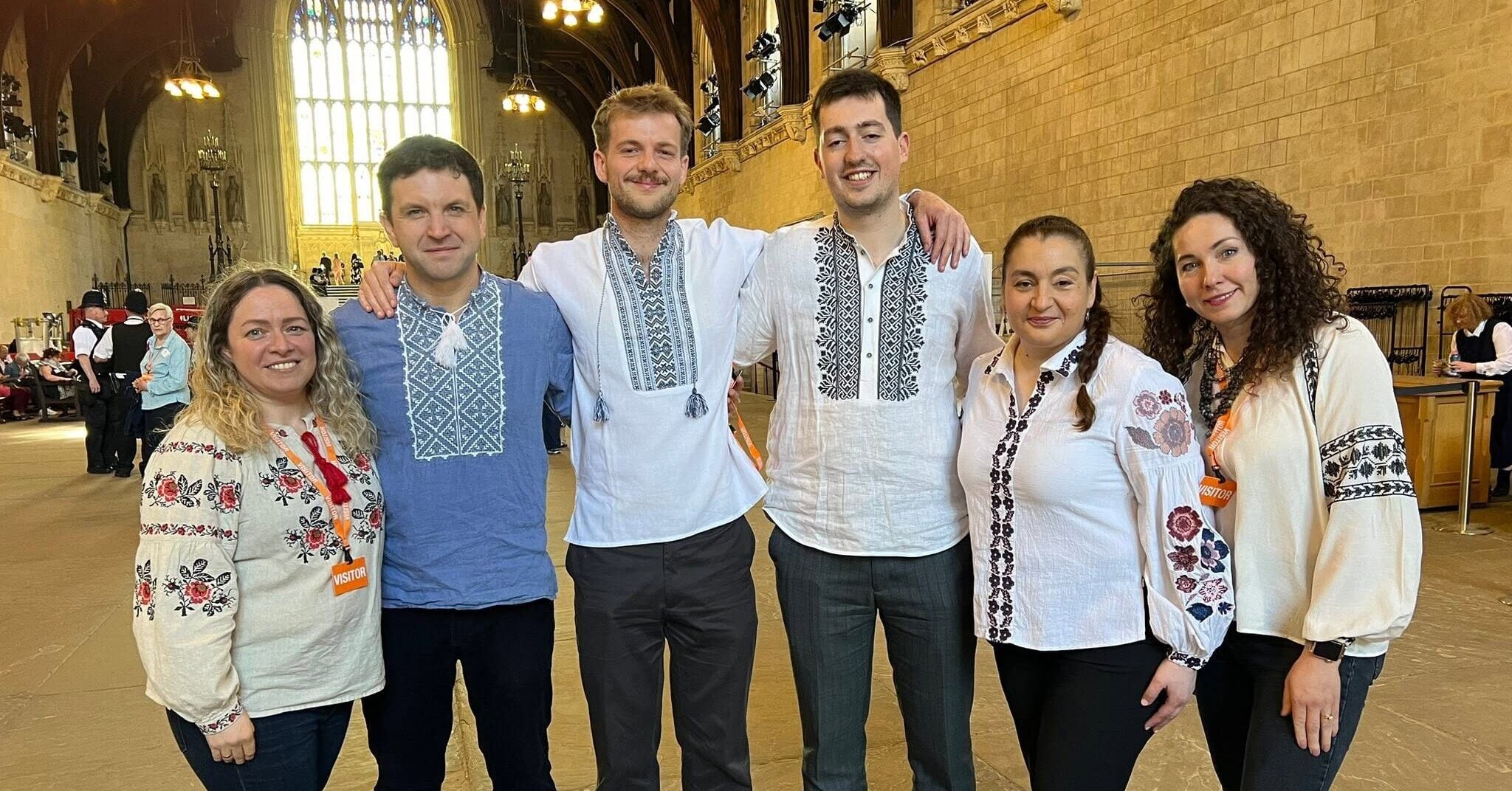
One symbol of that support is the Vyshyvanka March, launched by the Ukrainian community in 2013. Every year since then, British lawmakers from across the political spectrum have come to Westminster wearing traditional Ukrainian embroidered shirts.
‘A country begins with you’
After 13 years of volunteering, Natalia is often asked where she finds the strength to keep going. Without hesitation, she answers: “Guilt.”
“I always feel we could do more. Better. More effectively. We’re safe. We’re not living under missile attacks. So we simply don’t have the right to give up.”
Then she quickly adds that no one could sustain this work alone.
“On my own, I could have done very little. Everything we’ve achieved is thanks to our team. Whenever someone feels they can’t go on, there’s always someone beside them ready to carry the load.”
Despite living in Britain for more than two decades, Natalia still calls Ukraine home. “The older you get, the stronger the pull toward the place where you were born.”
She believes that after a just peace, many Ukrainians will return home.
Until then, she will continue doing what she began in 2013: standing outside Downing Street with a Ukrainian flag, speaking to Britons about the war, raising support for Ukraine’s military, and reminding fellow Ukrainians that even thousands of miles from home, they remain part of the struggle.
“A country begins with you,” Natalia says.