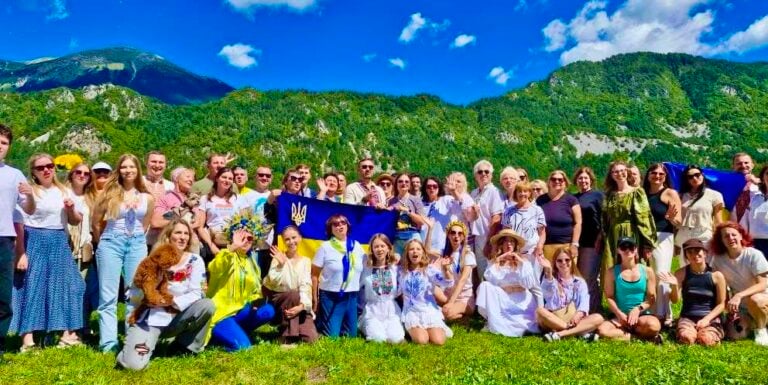


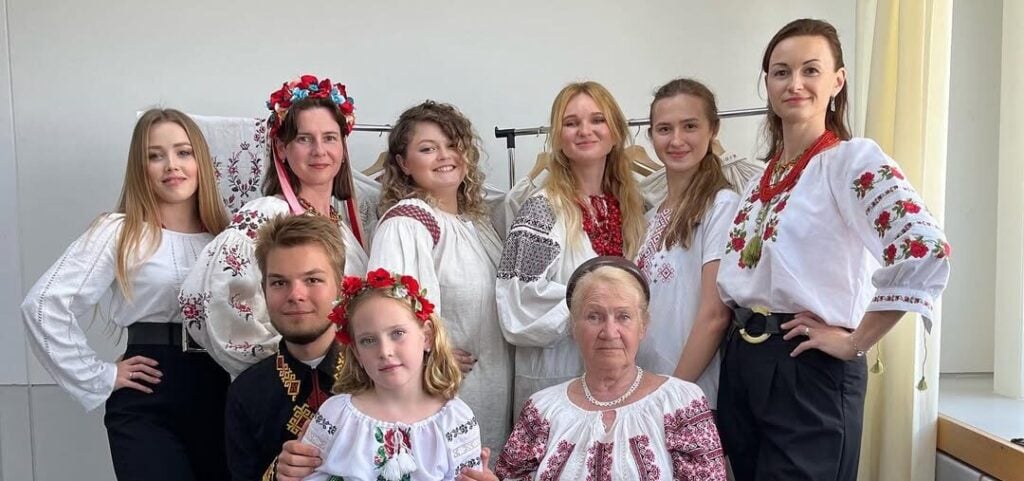


Paphos is a resort city on the southwestern coast of Cyprus, known for its palm trees, yachts, and Mediterranean sunshine. But if you know where to look, you can also find a piece of Ukraine here: embroidered shirts, a children’s choir, a library, and even a typewriter from the 1960s. Together, they make up the Ukrainian Home, founded by Yuliia Piddubna in March 2022 and still thriving today.
According to Eurostat, around 24,000–25,000 Ukrainians under temporary protection were registered in Cyprus in 2025. The real number is likely lower, however, as the island does not keep records of those who have left. Yuliia sees this firsthand: thousands of people have passed through the Ukrainian Home, while roughly 80% have remained regular participants in the community.
“Cyprus may not be the best place for Ukrainians, especially for those who have lost everything,” she says. “Many moved on elsewhere.”
But those who stayed know there is a place they can always come to.
A big mission born from a small step
Yuliia has lived in Cyprus for more than eleven years. Like many Ukrainians who settled on the island long before the war, she had built a stable life there – until February 24, 2022, changed everything forever.
“My husband decided to go and defend Ukraine. To keep myself from losing my mind, I decided that I, too, had to be a daughter of Ukraine and do something for my country,” she recalls.
At first, that meant practical help: assisting newly arrived refugees with housing, food, and clothing. Yuliia turned her own home into a humanitarian aid center, and before long there was not a single free corner left. Then came a small office, which became too small within two months. The organization grew naturally, driven by need.
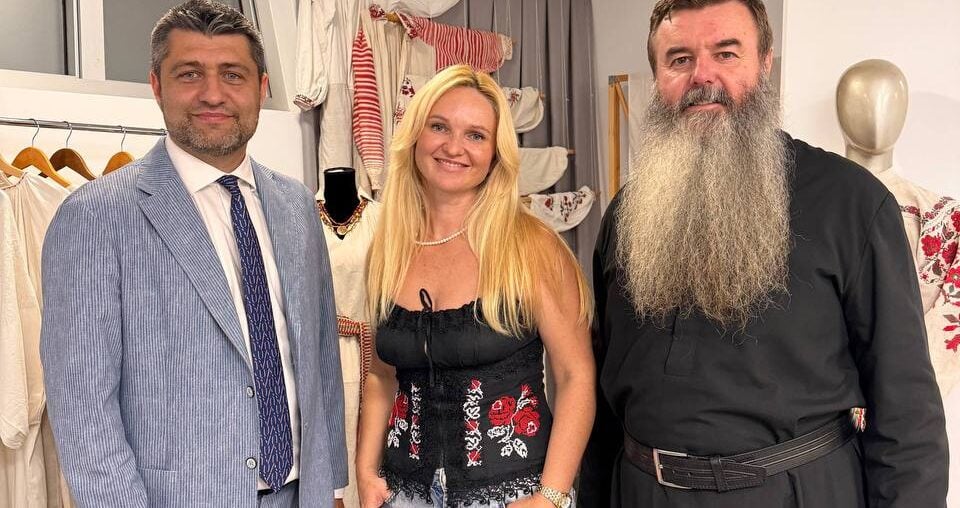
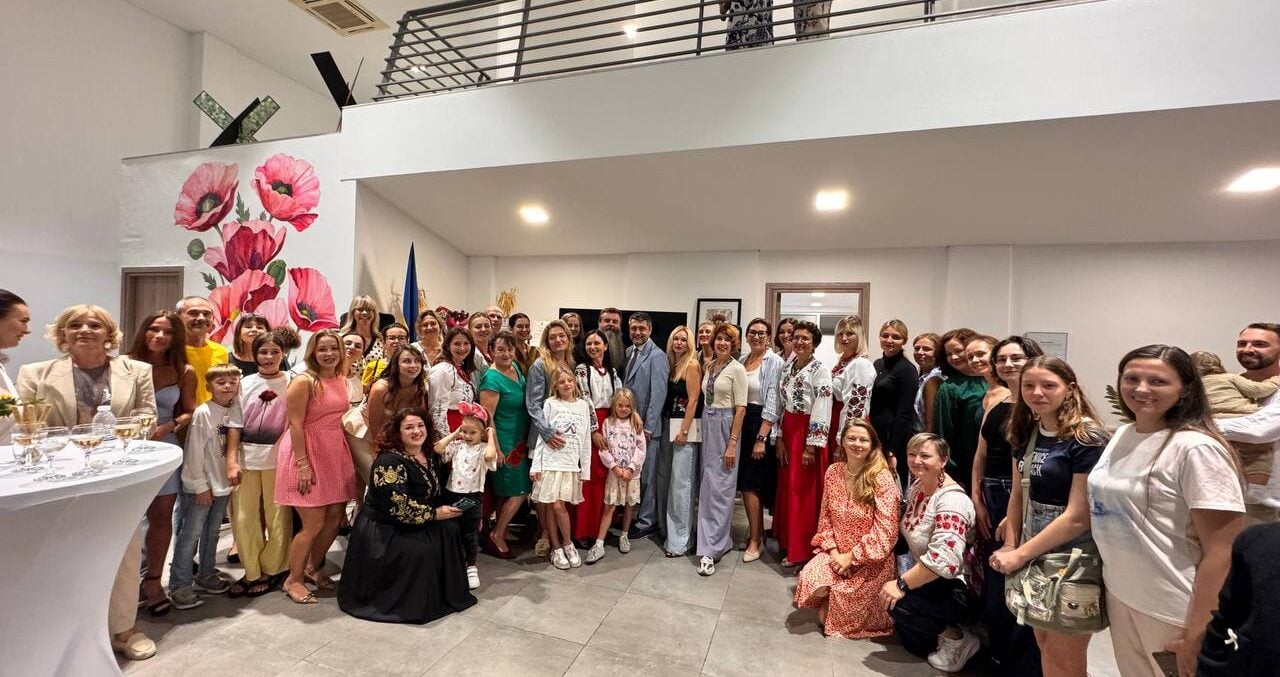
The turning point came unexpectedly when Yuliia met a philanthropist from Lutsk who had come to Cyprus as an investor.
“He asked, ‘How can I help?’ I said, ‘I need a large space.’ And he replied, ‘I’ll cover the rent and utilities. Just do it.’ No reports, no oversight. Just – do it.”
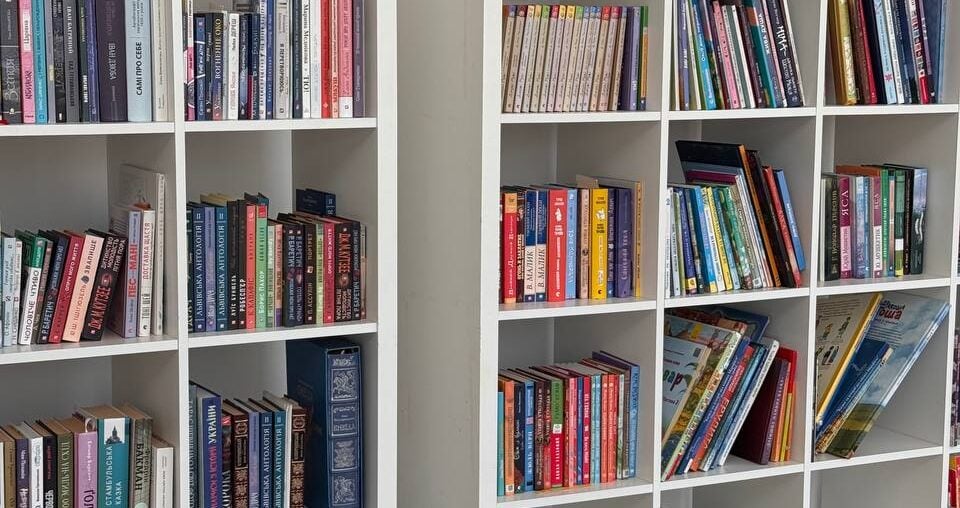
Today, the Ukrainian Home occupies approximately 600–800 square meters in Paphos. It is perhaps the only place in the city where people can find Ukrainian books, hear the Ukrainian language, and listen to Ukrainian songs.
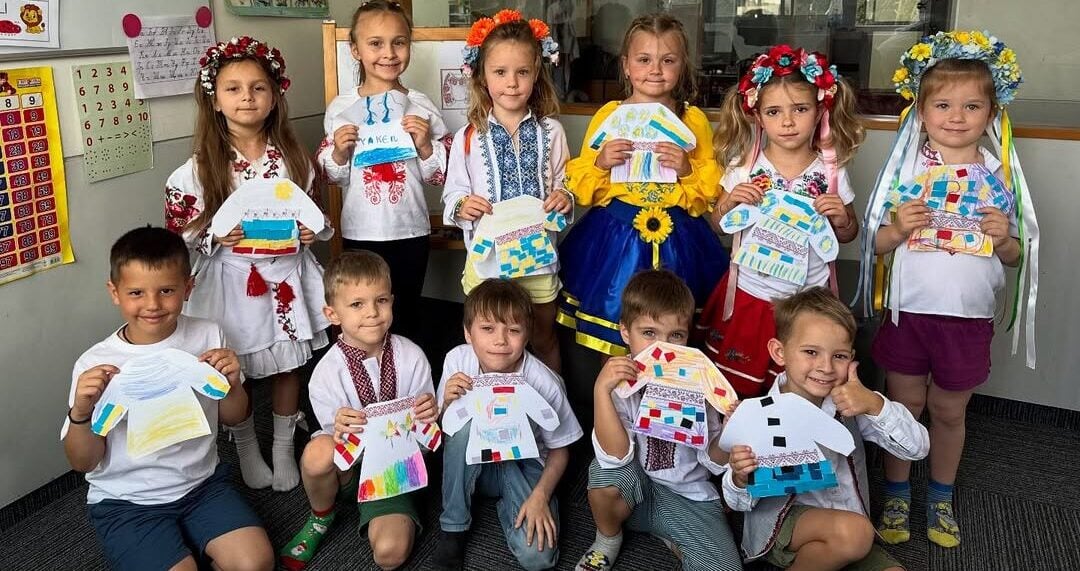
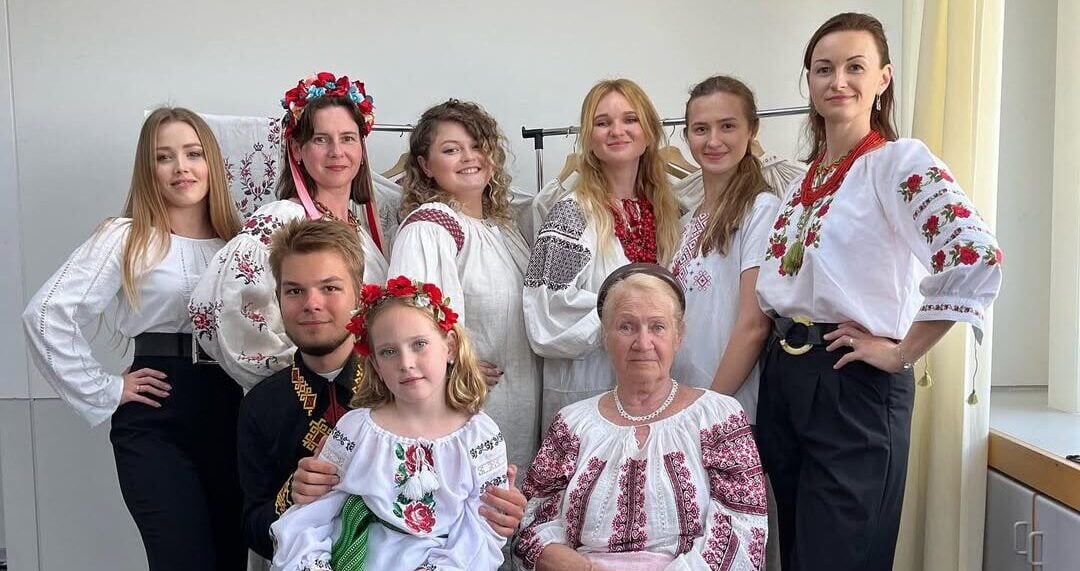
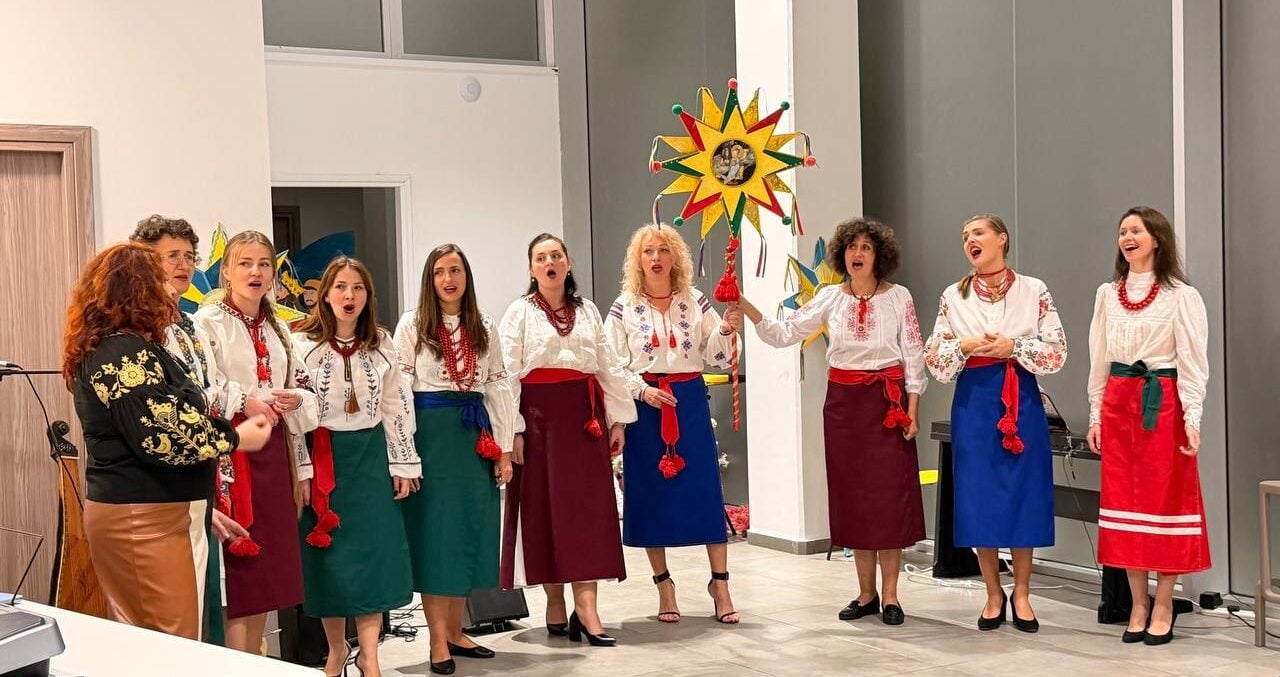
The scope of its activities is remarkable for an organization run entirely by volunteers. It includes a Sunday school following the Ukrainian curriculum and issuing certificates recognized by Ukraine’s Ministry of Education, a kindergarten, adult and children’s choirs, a library, and a museum of embroidered shirts. Some of the garments are more than 150 years old and were collected from every region of Ukraine. The center also offers drawing, sculpting, and chess clubs, speech therapy services, and English and Greek language courses. All classes are conducted in Ukrainian, and all instructors are Ukrainians.
“We focus on children because children are our future. We want them to identify themselves as Ukrainians and not lose their cultural DNA,” Yuliia says.
Alongside its educational work, the Ukrainian Home regularly hosts charity concerts, auctions, and art exhibitions. Yuliia has intentionally created a space where every Ukrainian can showcase their talents – both to the local community and to the wider world.
The Sixtiers in Cyprus
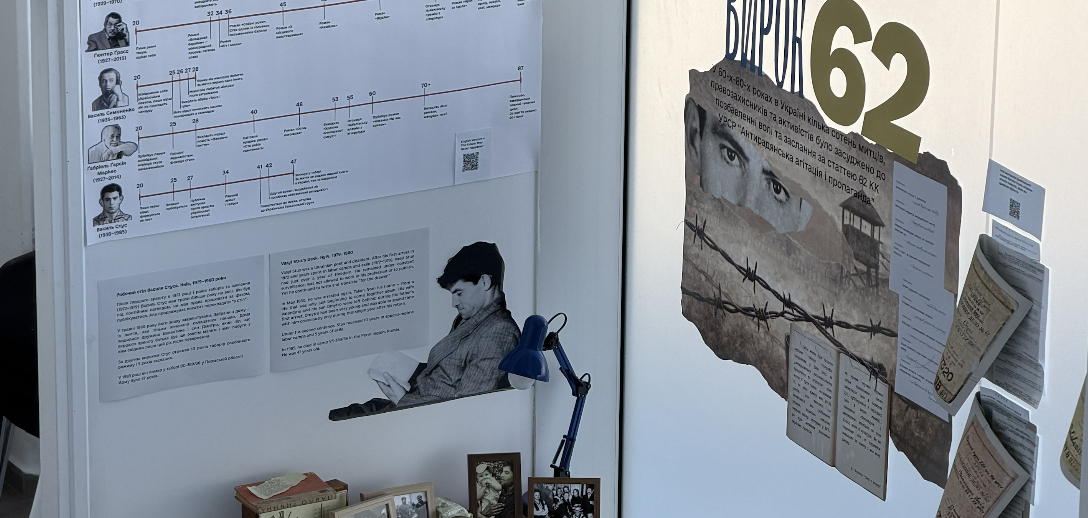
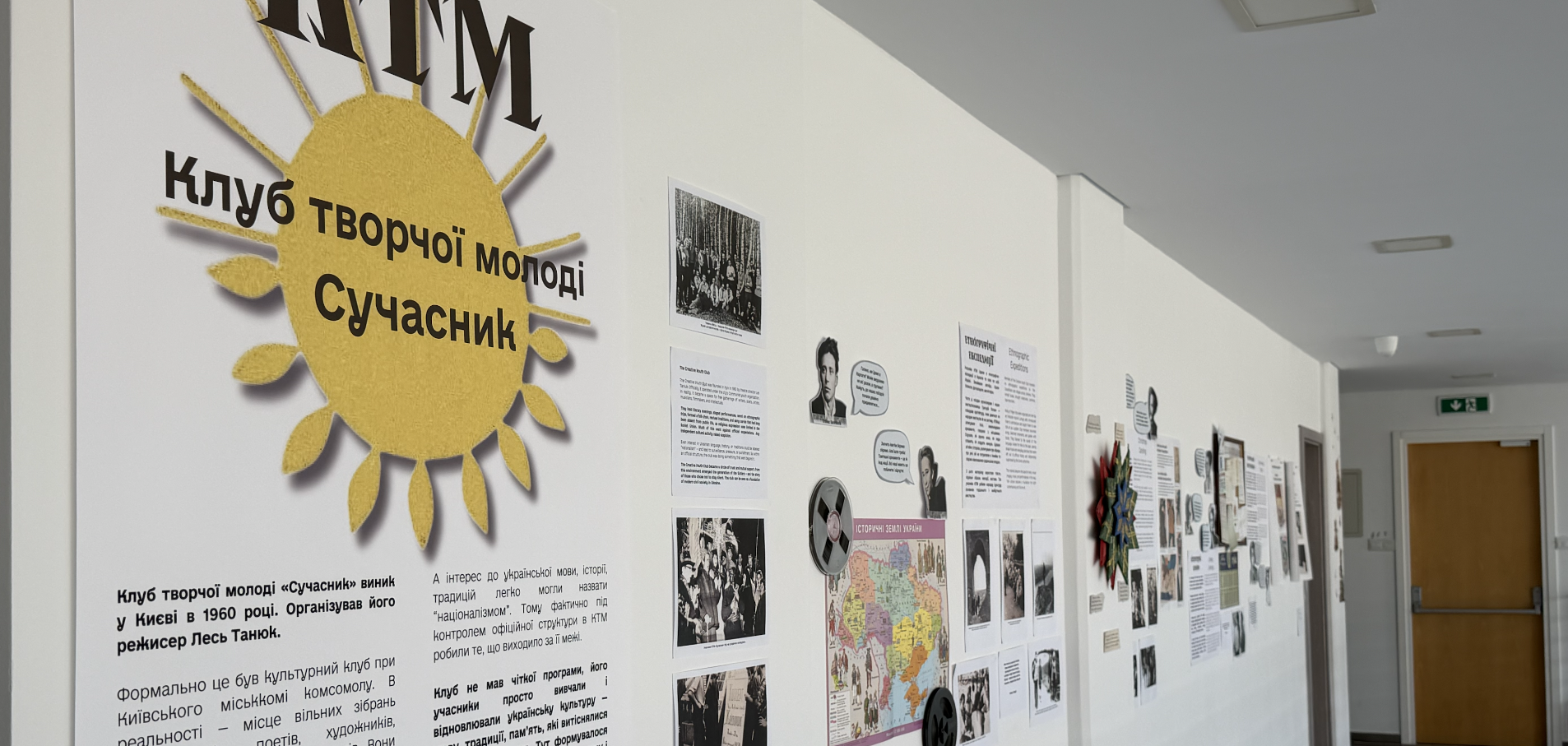
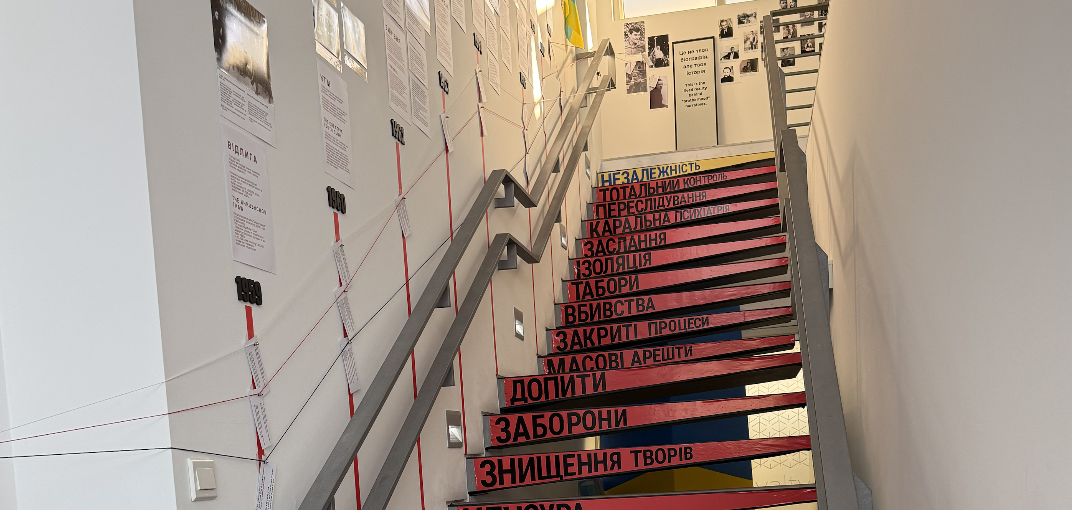
Recently, the Ukrainian Home opened an exhibition dedicated to the Sixtiers, the generation of Ukrainian intellectuals, writers, and artists who challenged Soviet repression during the 1960s.
The exhibition was curated by cultural scholar Kateryna Shylova and screenwriter Olha Todchuk, who approached Yuliia with the idea and immediately received both space and support.
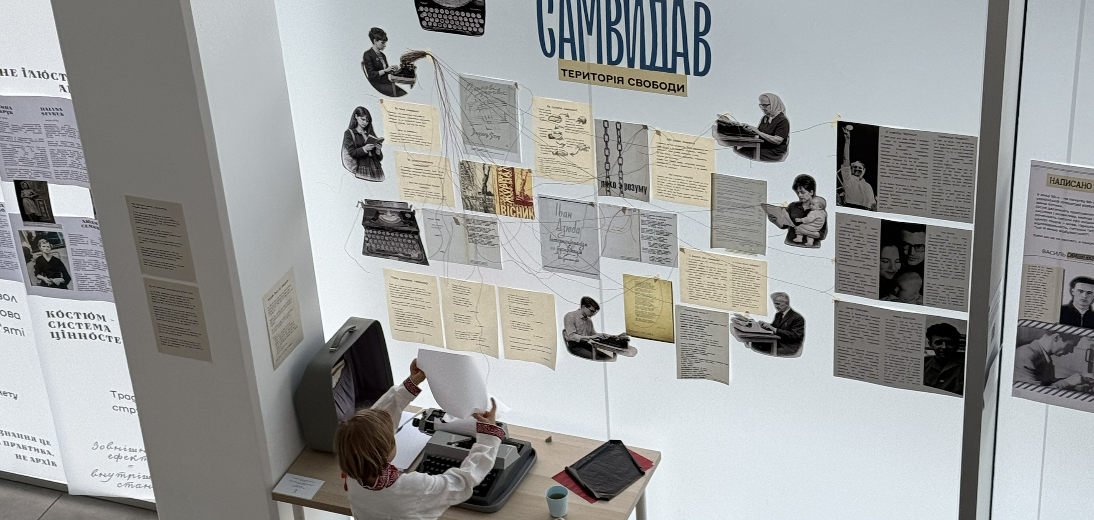
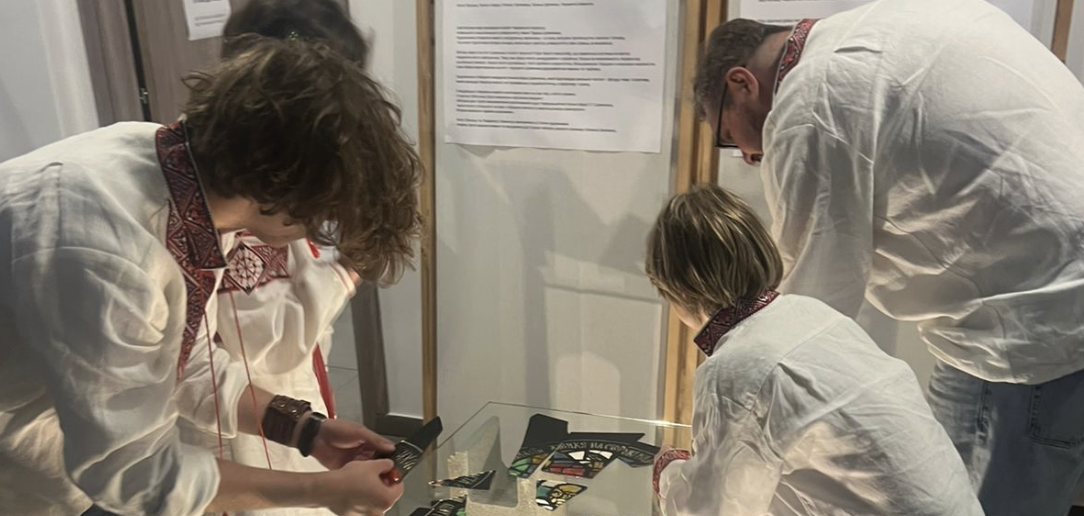
The exhibition is fully interactive and built around lived experience. Its centerpiece is an authentic 1960s typewriter that Olha personally brought from Kyiv. Visitors can retype lines from poems by Lina Kostenko, Vasyl Symonenko, and Ivan Svitlychnyi – the same texts that were once secretly reproduced underground despite the threat of arrest.
“Children who saw carbon paper for the first time listened with wide eyes. Then they started pressing the keys themselves and didn’t want to stop,” Kateryna says.
The exhibition opened in Paphos on May 15 and appears likely to remain longer than originally planned. Yuliia is already in talks about taking it to Yerevan, with Canada and the United States among future possibilities.
The subject of the Sixtiers has proven especially meaningful within the local Ukrainian community. Olha, who was born in Donetsk and switched to speaking Ukrainian only as an adult, explains why:
“I wanted to legitimize that experience for people. To show that there is nothing wrong with discovering Ukrainian culture later in life. Before you, there was an entire generation that did the same – and they became symbols of the struggle for independence.”
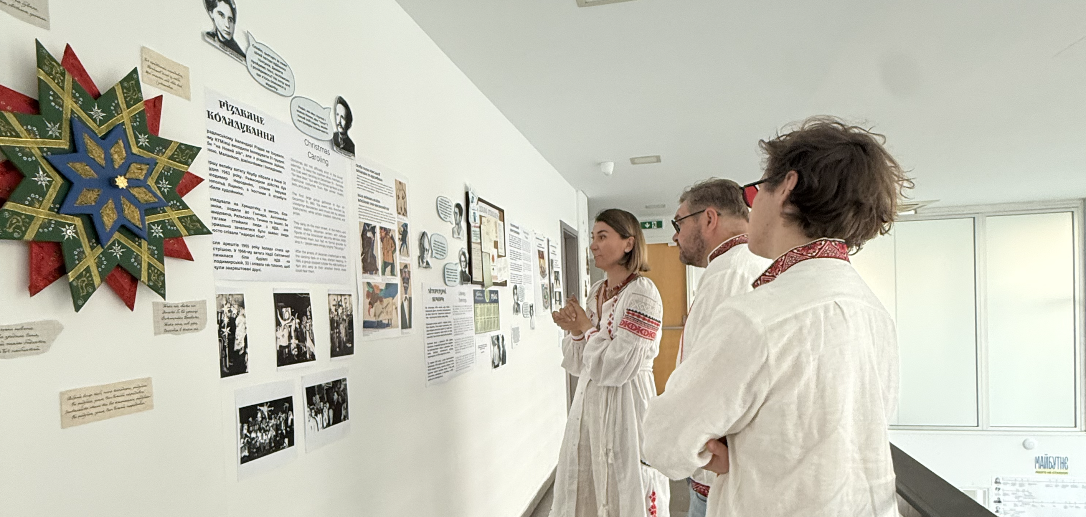
The exhibition has attracted not only Ukrainians but also British, American, German, Armenian, and Russian visitors. One guest, a British man of Cypriot heritage married to a Russian-speaking Ukrainian from Kharkiv, approached the organizers afterward and said:
“You’ve changed the way I see the world. I need to tell my son about this.”
A flag and threats
The work of the Ukrainian Home takes place under challenging circumstances.
Cyprus has a complex relationship with Russia’s war against Ukraine. Officially, Nicosia aligns with European positions, but public attitudes are more nuanced. The Russian community on the island is longstanding, influential, and well organized, with substantial resources devoted to cultural events, Greek-language translations of Russian books — particularly on history – and outreach programs for local audiences.
“Cypriots are used to Russians,” Yuliia explains. “They say, ‘We love both Ukrainians and Russians.’ It’s difficult for them to understand the difference because everything they know about us was told to them by Russians, not by us.”
A Ukrainian flag hangs above the entrance to the Ukrainian Home. According to Yuliia, it is the only place in Paphos where such a flag is permanently displayed.
“People have tried to take it down many times. We have received threats. Once, someone even tried to set the office on fire.”
The organization does hold public events, including an annual rally on the anniversary of Russia’s full-scale invasion, held on the Paphos waterfront. Belarusians and anti-war Russians carrying white-blue-white flags often join as well. However, the organization’s charter prohibits political activity, and its resources – especially human resources – are limited.
“We exist thanks to volunteers, so we invest more in culture,” Yuliia says. “Culture is what works best here.”
The head of the Ukrainian Home says she never imagined how far the project would grow. She simply found herself at a crossroads and chose to move forward. As it turned out, that was exactly what hundreds of Ukrainians around her had been waiting for.
Latest news
 #UWC news
UWC funded armored ambulances evacuate wounded after deadly Russian attack on Kramatorsk
 #LocalAction